Skip to content
Keep the Tale
All sections
Home
World Map
Videos
Amazon EPUB books
Recommended reading
Articles and polemics
Sections
Home
/
Philosophers
Philosophers
Articles
Sort
Date
Title
Country
All
Age of revolutions and empire
Classical antiquity
Classical Greece
Early Middle Ages
Early modern period
High and Late Middle Ages
Iron Age
Late antiquity
Twentieth century
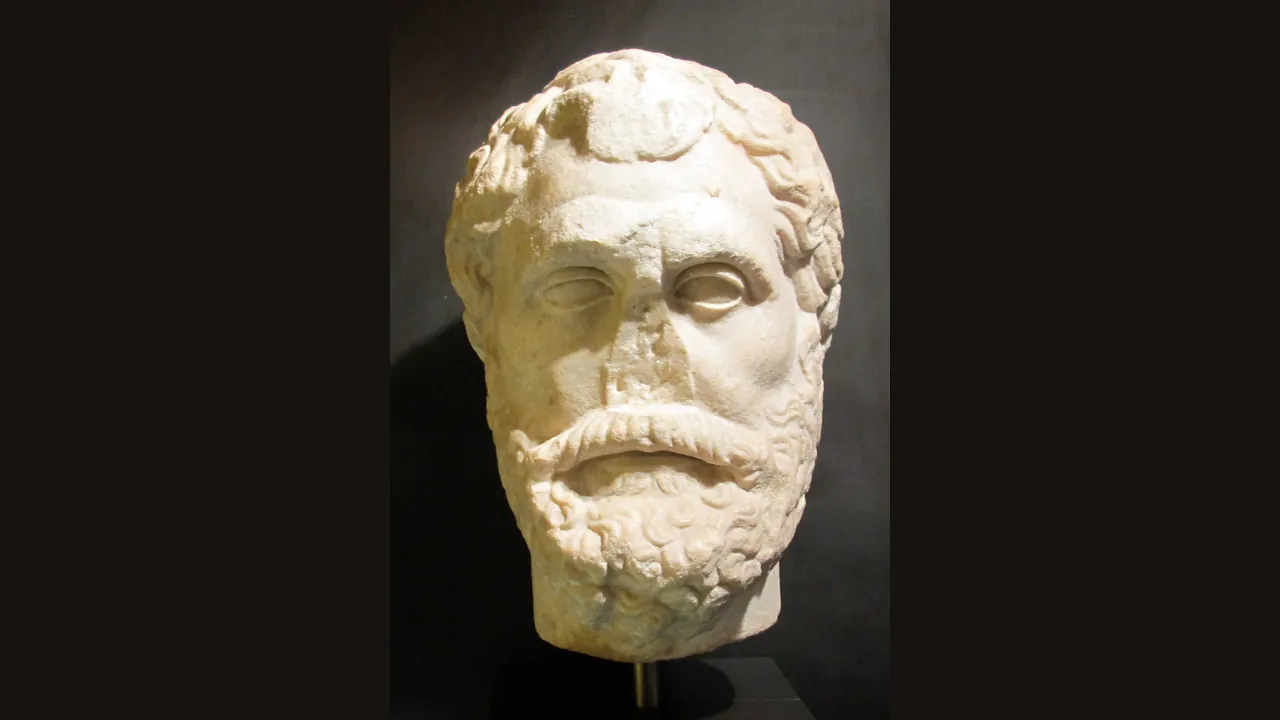
Philosopher · Iron Age · Greek Ionia · Turkey
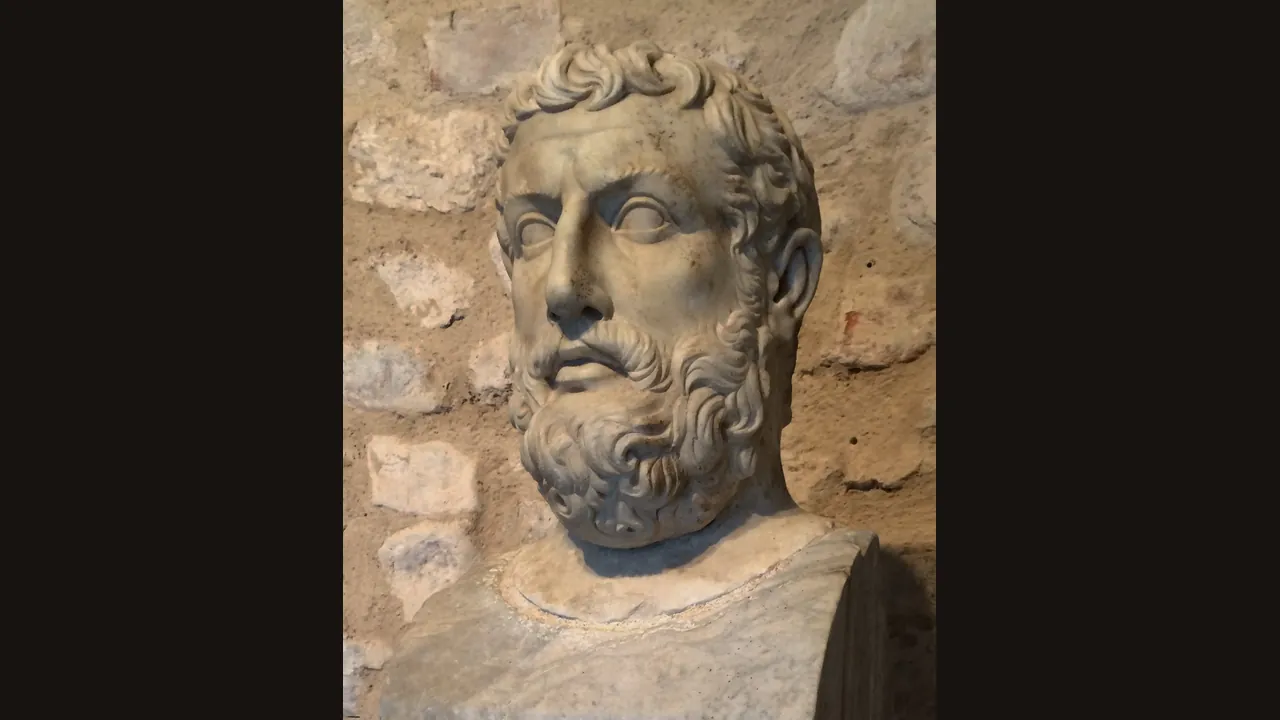
Thales of Miletus
c. 624–c. 546 BC
Greek thinker from Miletus, on the coast of modern Turkey, counted as the first philosopher in the Western tradition. He looked for one underlying stuff behind all things and named it water. He lived about 624 to 546 BC, and almost nothing certain survives about his life.
Philosopher · Iron Age · Zhou dynasty · China
Laozi
6th century BC (traditional)
Traditional founder of Daoism and attributed author of the Daodejing, a short book of verse on the Way that cannot be named. Tradition makes him an older contemporary of Confucius. Whether he was one man is debated; the book is real and enormously influential.
Philosopher · Iron Age · Greek colonies · Greece
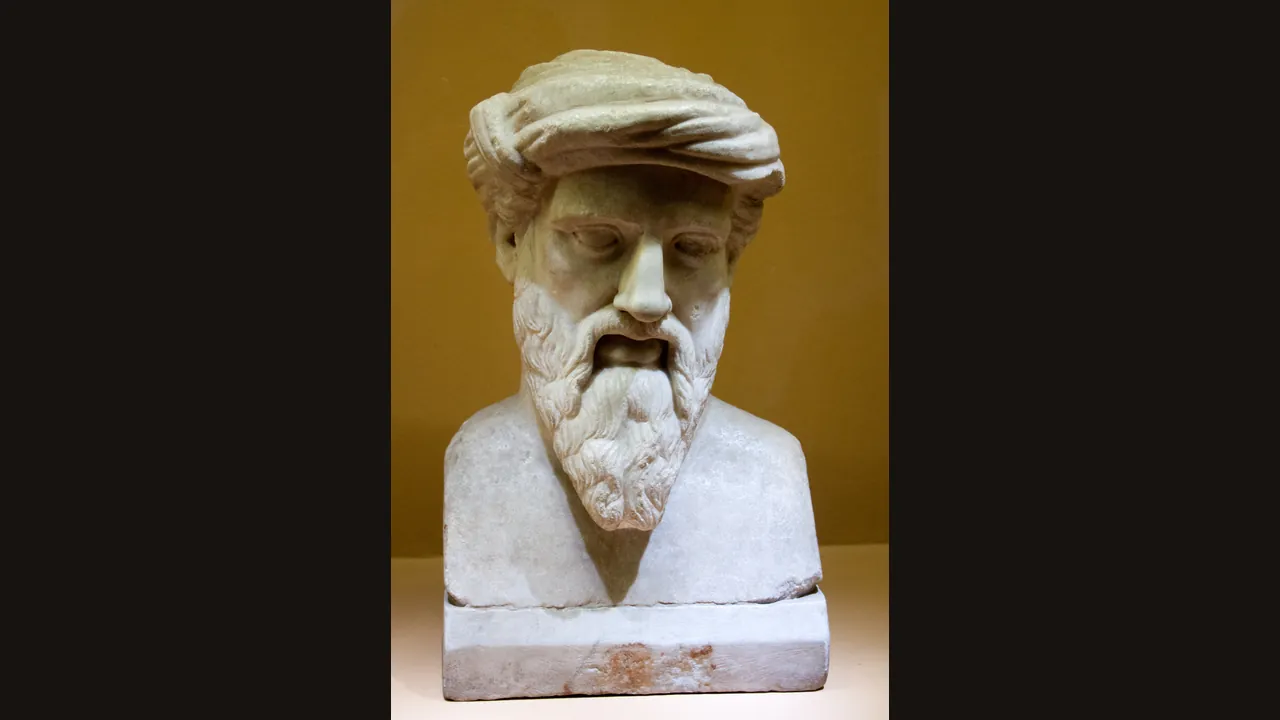
Pythagoras
c. 570–c. 495 BC
Greek thinker born on Samos who settled at Croton in southern Italy and founded a religious brotherhood. His followers taught that number is the nature of all things. He wrote nothing himself, and lived about 570 to 495 BC.
Philosopher · Iron Age · Nepal
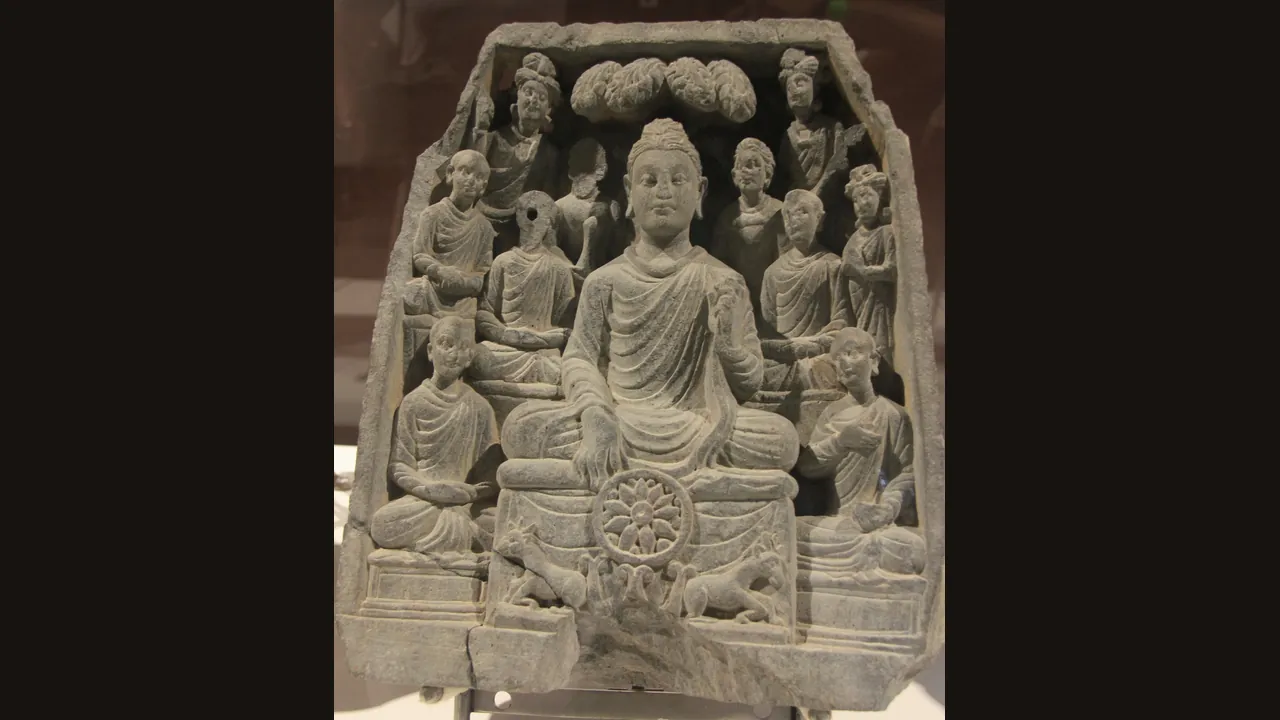
The Buddha
c. 563–c. 483 BC (traditional)
Siddhartha Gautama, the awakened one, whose teaching on suffering and its end founded Buddhism, one of the world's great philosophical and religious traditions. Tradition dates him about 563 to 483 BC; some scholars place him about a century later.
Philosopher · Iron Age · Zhou / Lu · China
Confucius
c. 551–479 BC
Teacher of ritual and judgment in the state of Lu in the late Spring and Autumn period. The Analects are layered school texts, not a stenograph of one life.
Philosopher · Iron Age · Greek Ionia · Turkey
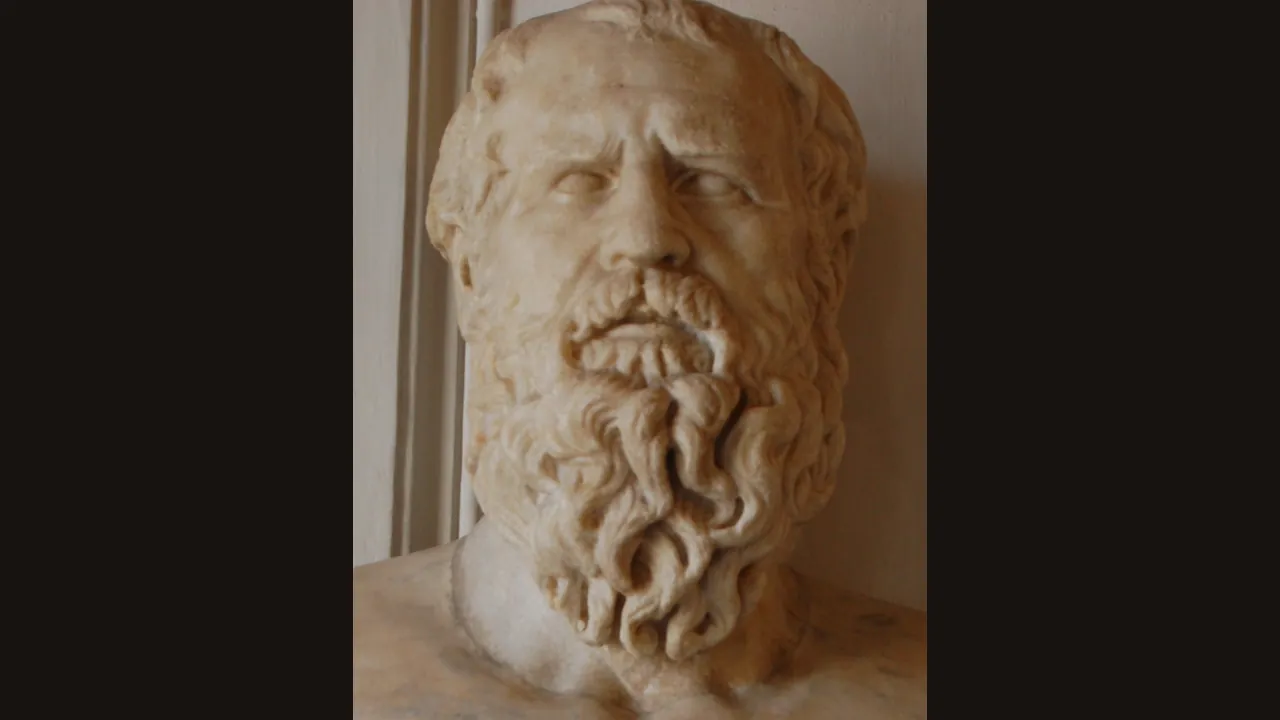
Heraclitus
c. 535–c. 475 BC
Greek thinker of Ephesus, on the coast of modern Turkey, famous for the doctrine that all things flow. He taught that fire is the first principle and that opposites are one. He lived about 535 to 475 BC, and his one book survives only in fragments.
Philosopher · Classical antiquity · Greek colonies · Italy
Parmenides
c. 515–c. 450 BC
Greek thinker of Elea in southern Italy who argued, against the senses, that being is one, whole, and unchanging. His poem On Nature survives in large fragments. He lived about 515 to 450 BC and founded the Eleatic school.
Philosopher · Classical antiquity · Classical Athens · Greece
Protagoras
c. 490–c. 420 BC
Greek Sophist from Abdera who taught rhetoric at Athens and charged fees for it. He is remembered for the line that man is the measure of all things. He lived about 490 to 420 BC, and none of his books survive whole.
Philosopher · Classical antiquity · Zhou dynasty · China
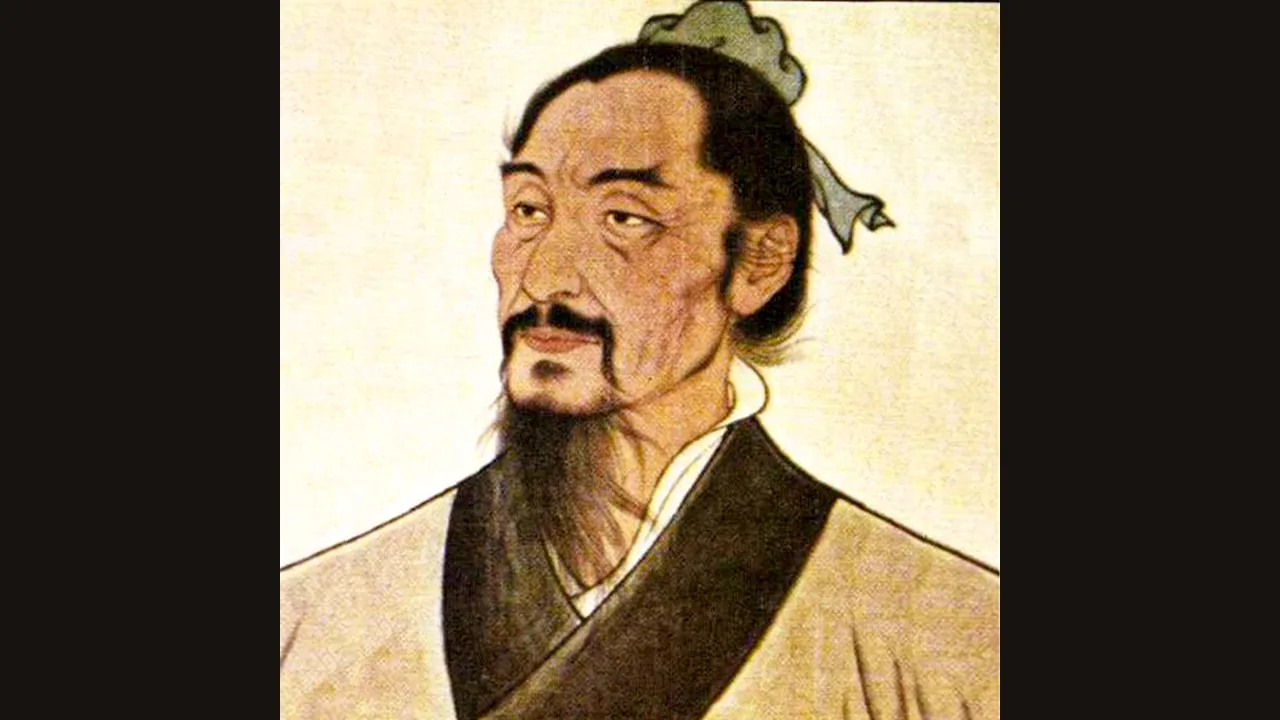
Mozi
c. 470–c. 391 BC
Chinese thinker who founded Mohism, a strict rival to Confucianism, preaching impartial care for all people and condemning offensive war and lavish ritual. His followers formed a disciplined order. He lived about 470 to 391 BC.
Philosopher · Classical Greece · Classical Athens · Greece
Socrates
c. 470–399 BC
Athenian philosopher who wrote nothing. What is known of him comes chiefly from Plato, Xenophon, and Aristophanes. Tried and put to death by Athens in 399 BC.
Philosopher · Classical antiquity · Classical Athens · Greece
Democritus
c. 460–c. 370 BC
Greek thinker from Abdera who worked out the first full atomic theory: all things are made of indivisible atoms moving in empty void. He lived about 460 to 370 BC. His many books are lost; the theory survives through later reports and Epicurus.
Philosopher · Classical Greece · Classical Athens · Greece
Plato
c. 428–c. 348 BC
Athenian philosopher, student of Socrates, teacher of Aristotle, author of the Republic and of the dialogues that carry most of what is known of Socrates.
Philosopher · Classical antiquity · Classical Greece · Turkey
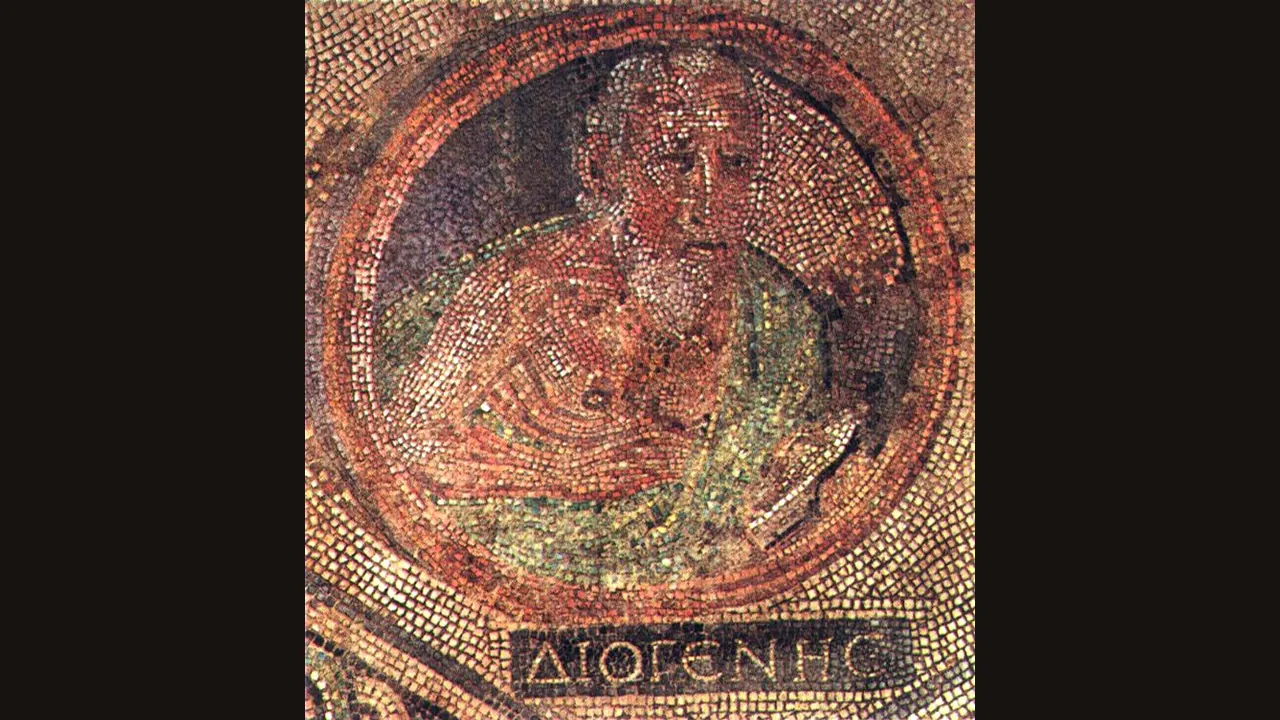
Diogenes of Sinope
c. 404–323 BC
Greek Cynic born at Sinope on the Black Sea coast of modern Turkey who lived in deliberate poverty at Athens and Corinth. He owned a cloak, a staff, and a tub to sleep in. He lived about 404 to 323 BC and wrote nothing that survives.
Philosopher · Classical Greece · Classical Athens · Greece
Aristotle
384–322 BC
Philosopher from Stagira. Studied at Plato's Academy for about twenty years, later founded the Lyceum, and rejected Plato's separate Forms. Tutored Alexander of Macedon.
Philosopher · Classical antiquity · Zhou dynasty · China
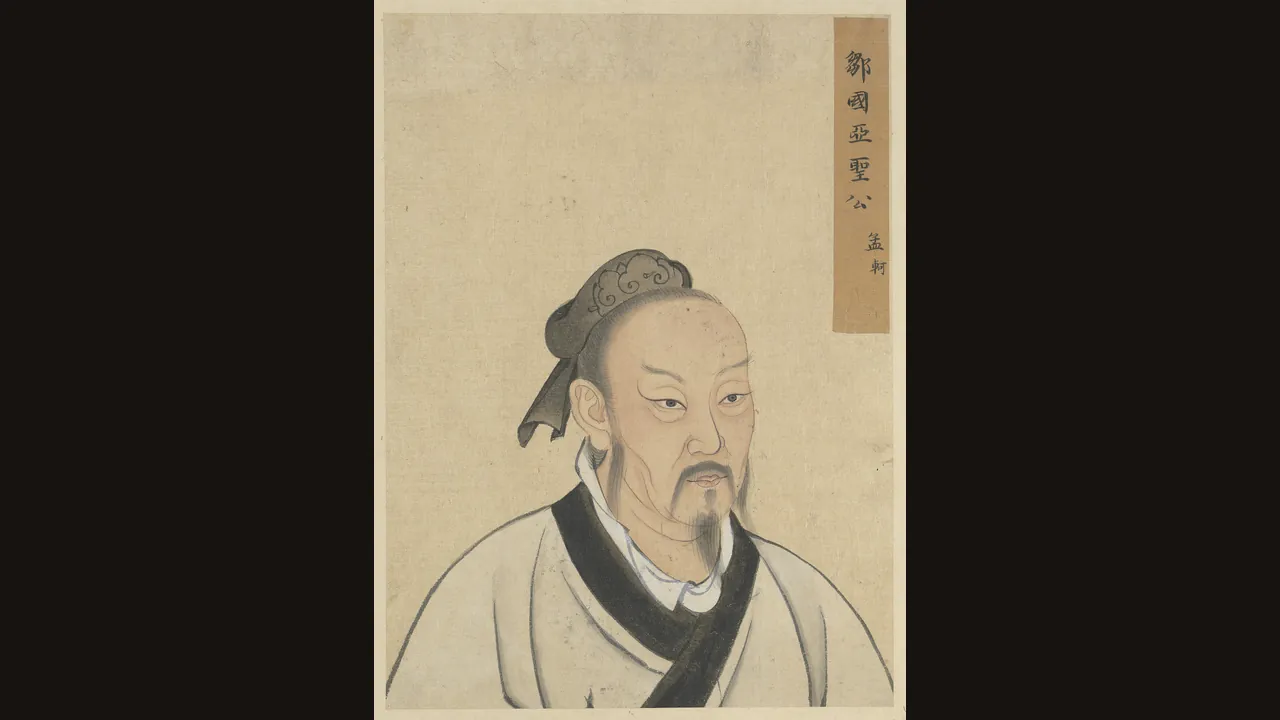
Mencius
c. 372–c. 289 BC
Chinese Confucian thinker, the second sage of the tradition after Confucius, who taught that human nature is good and that a ruler who fails to secure the people's welfare loses the Mandate of Heaven. His conversations with kings were collected as the book Mencius. He lived about 372 to 289 BC.
Philosopher · Classical antiquity · Zhou dynasty · China
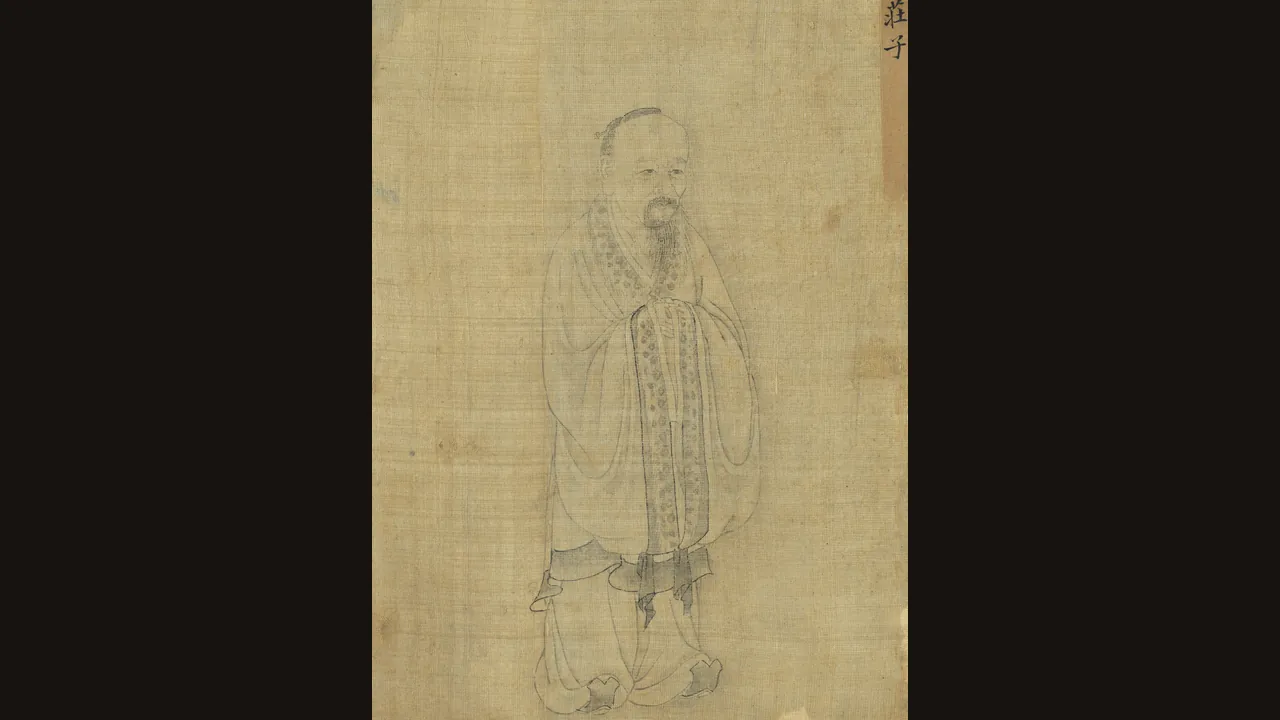
Zhuangzi
c. 369–c. 286 BC
Chinese Daoist thinker, second only to Laozi in the tradition, whose book of parables and dialogues is a masterpiece of world literature. He taught the relativity of all viewpoints. He lived about 369 to 286 BC.
Philosopher · Classical antiquity · Classical Greece · Greece
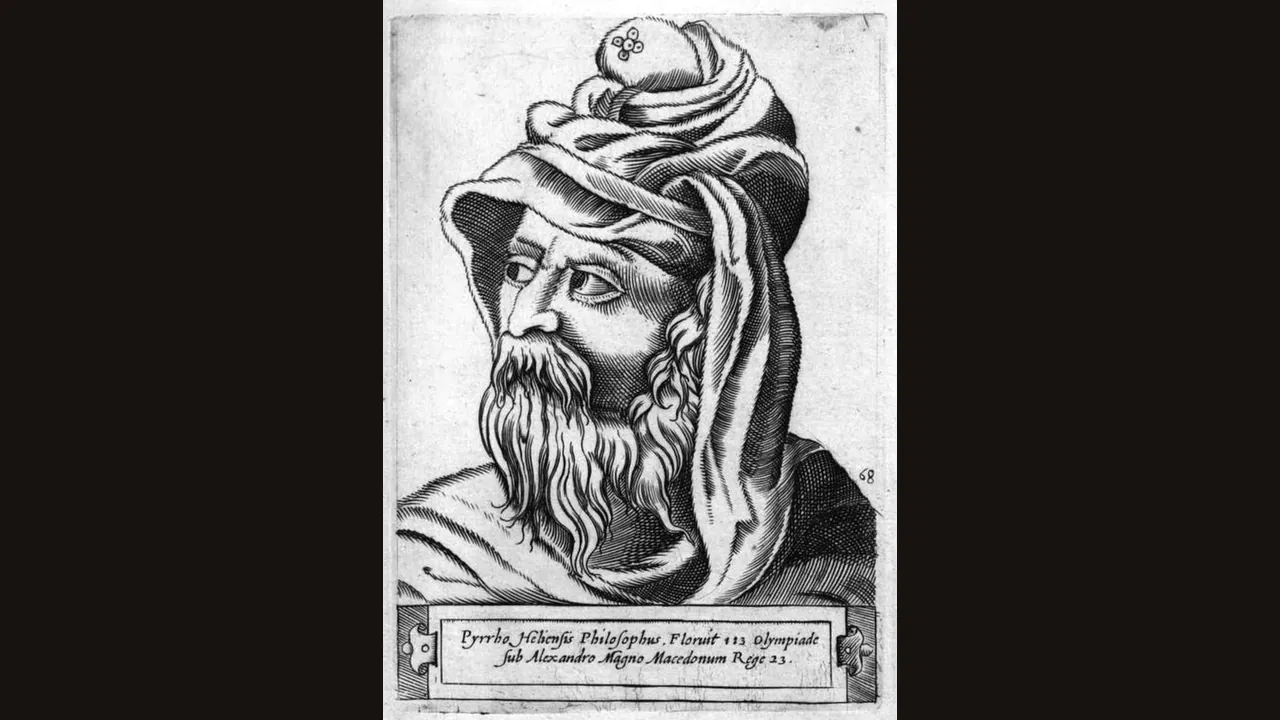
Pyrrho
c. 360–c. 270 BC
Greek thinker from Elis who founded philosophical skepticism, teaching suspension of judgment as the road to calm. He wrote nothing; his pupil Timon is the main source. He lived about 360 to 270 BC.
Philosopher · Classical antiquity · Classical Athens · Greece
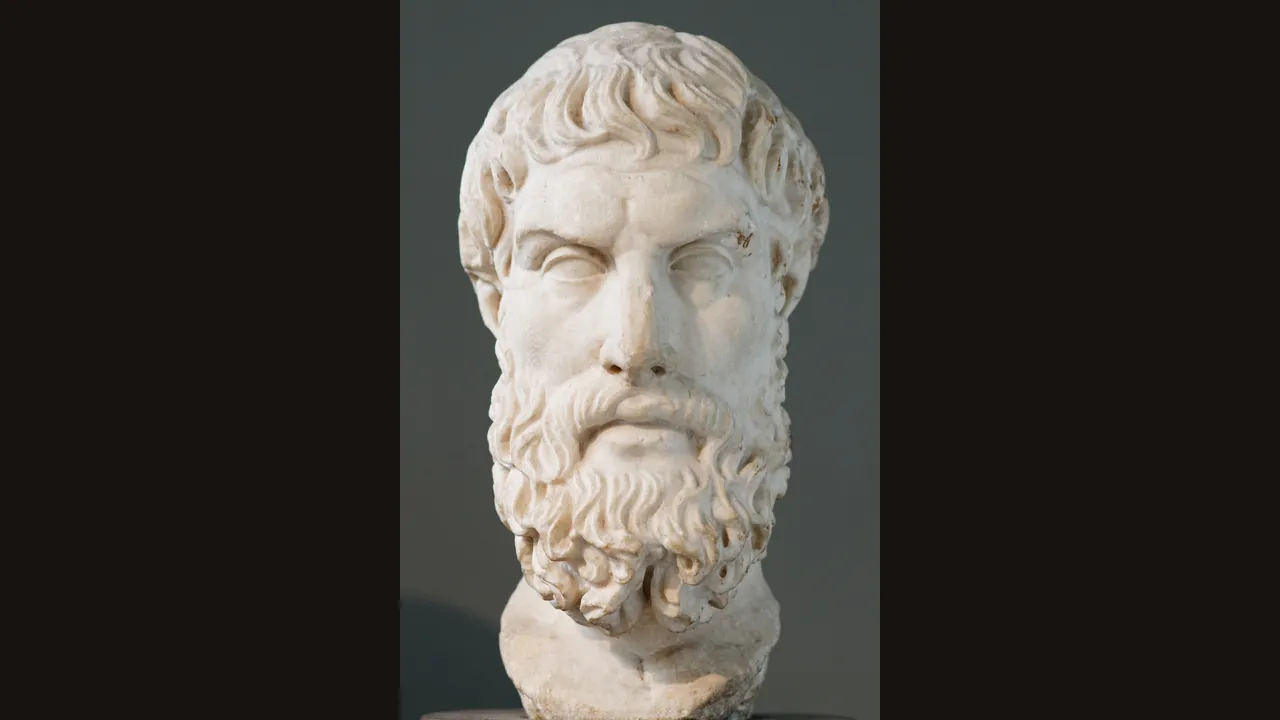
Epicurus
341–270 BC
Greek philosopher born on Samos who founded the Garden school at Athens in 306 BC. He taught that pleasure, understood as the absence of pain and disturbance, is the goal of life. He lived 341 to 270 BC, and his school lasted centuries.
Philosopher · Classical antiquity · Classical Athens · Cyprus
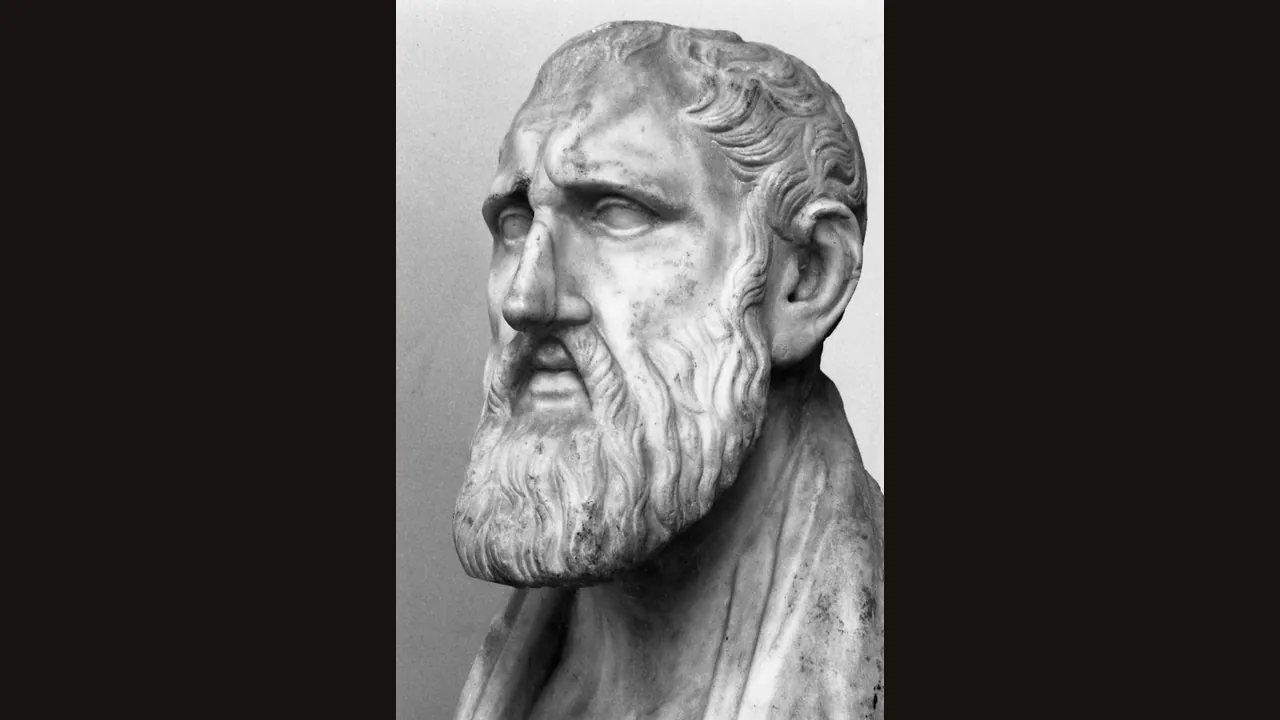
Zeno of Citium
c. 334–c. 262 BC
Phoenician Greek from Citium in Cyprus who founded Stoicism, teaching in the Painted Stoa at Athens. He taught that virtue is the only good and all else is indifferent. He lived about 334 to 262 BC, and none of his books survive.
Philosopher · Classical antiquity · Zhou dynasty · China
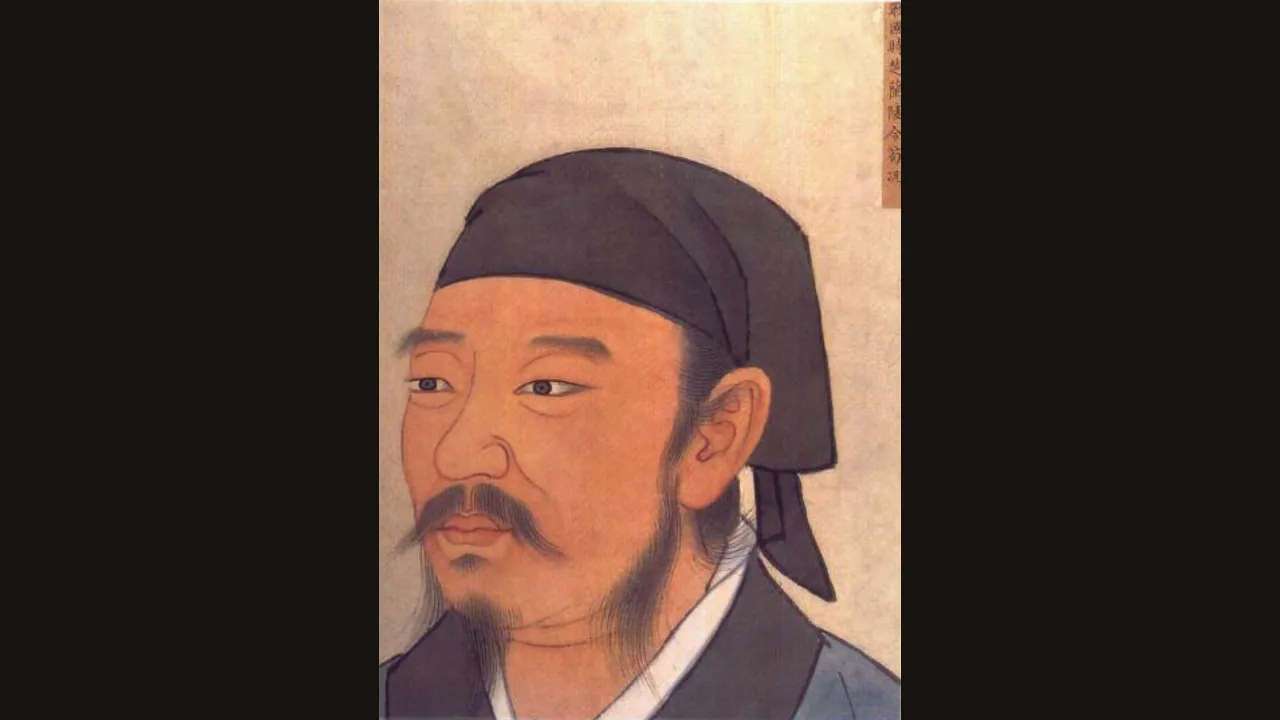
Xunzi
c. 310–c. 235 BC
Chinese Confucian thinker who answered Mencius by teaching that human nature is bad and must be shaped by ritual and teachers. Two of his students, Han Feizi and Li Si, built Legalism. He lived about 310 to 235 BC.
Philosopher · Classical antiquity · Qin dynasty · China
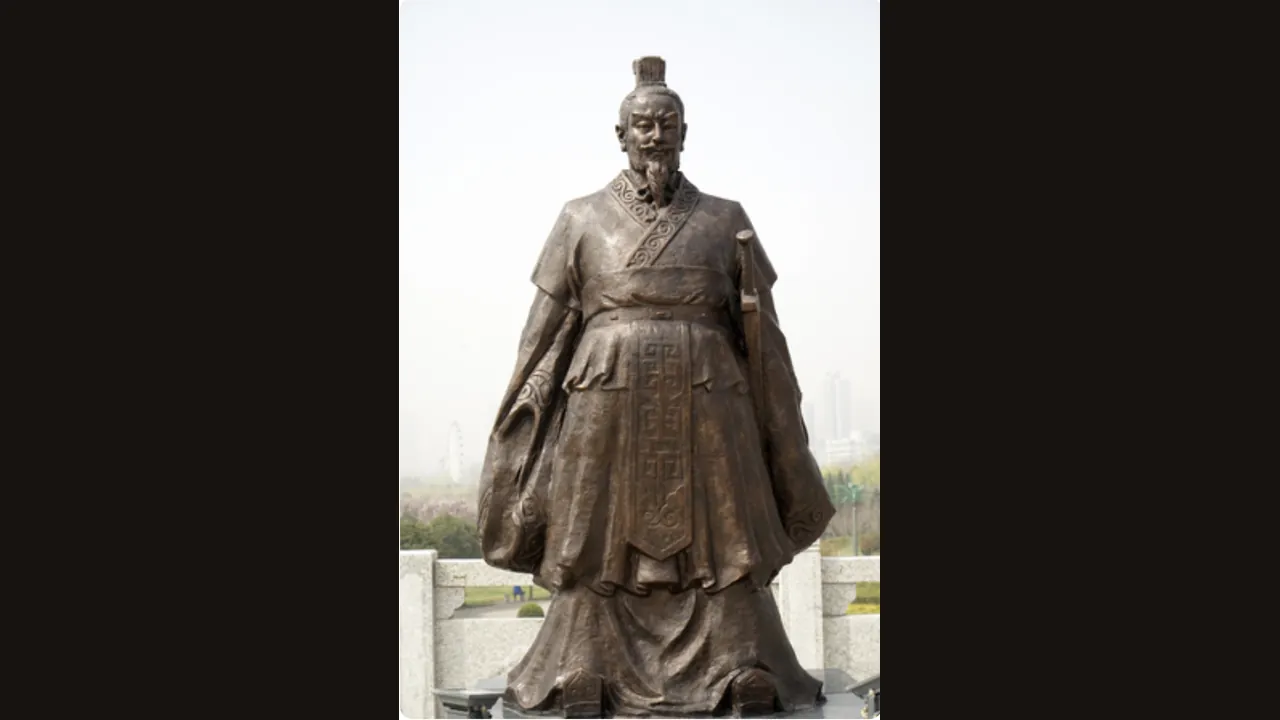
Han Feizi
c. 280–233 BC
Chinese thinker of the royal house of the Han state who wrote the classic of Legalism, teaching that the ruler holds power by law, method, and position. He died in a Qin prison in 233 BC, likely forced to suicide by his fellow student Li Si.
Philosopher · Classical antiquity · Roman Republic · Italy
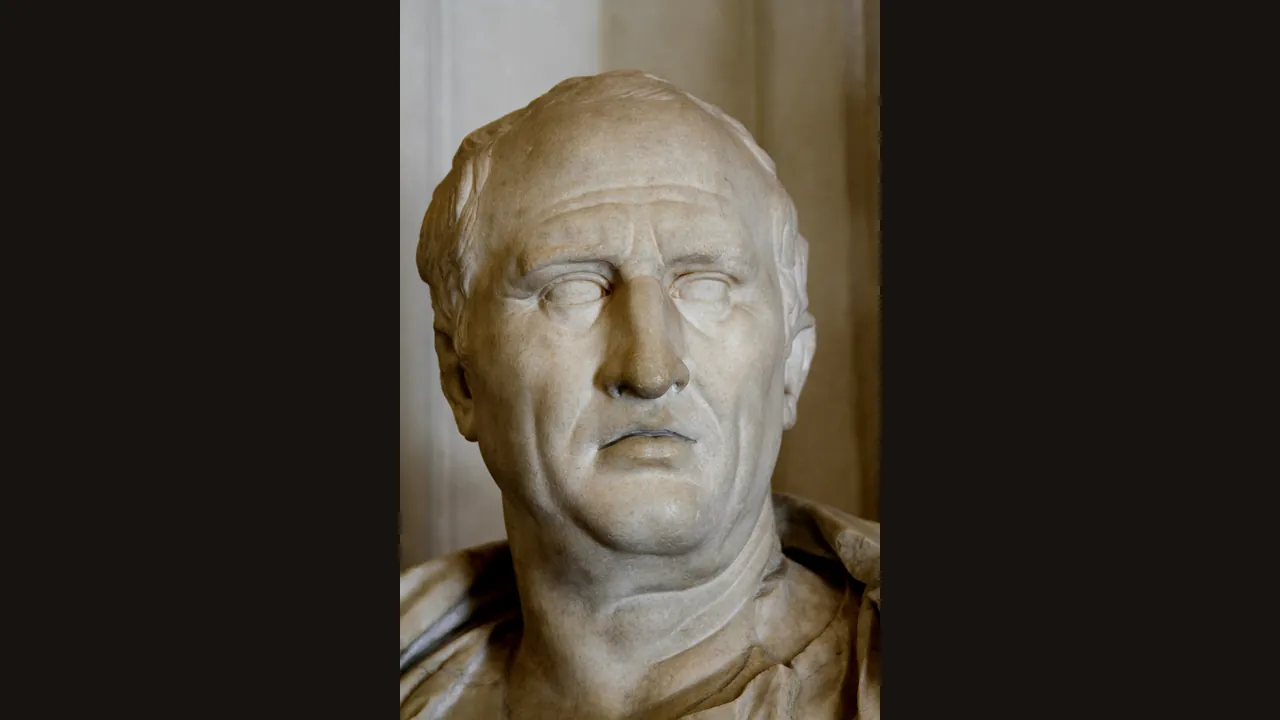
Cicero
106–43 BC
Roman statesman, orator, and writer from Arpinum who carried Greek philosophy into Latin. As consul in 63 BC he put down the conspiracy of Catiline. Proscribed by the Second Triumvirate, he was killed in 43 BC.
Philosopher · Classical antiquity · Roman Empire · Spain
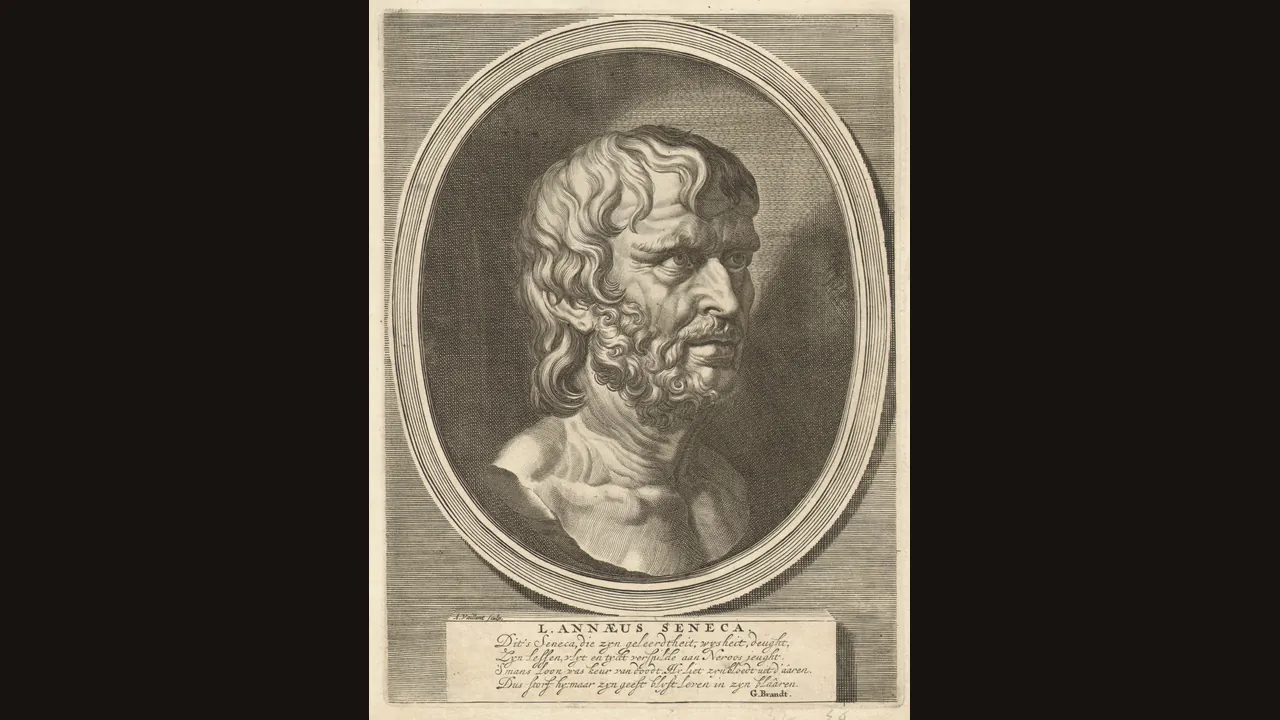
Seneca
c. 4 BC–65 AD
Roman Stoic born at Cordoba in Spain who became tutor and then chief minister to the emperor Nero. His Letters to Lucilius are the most readable Stoic text from antiquity. Accused of plotting against Nero, he was ordered to take his own life in 65 AD.
Philosopher · Classical antiquity · Roman Empire · Turkey
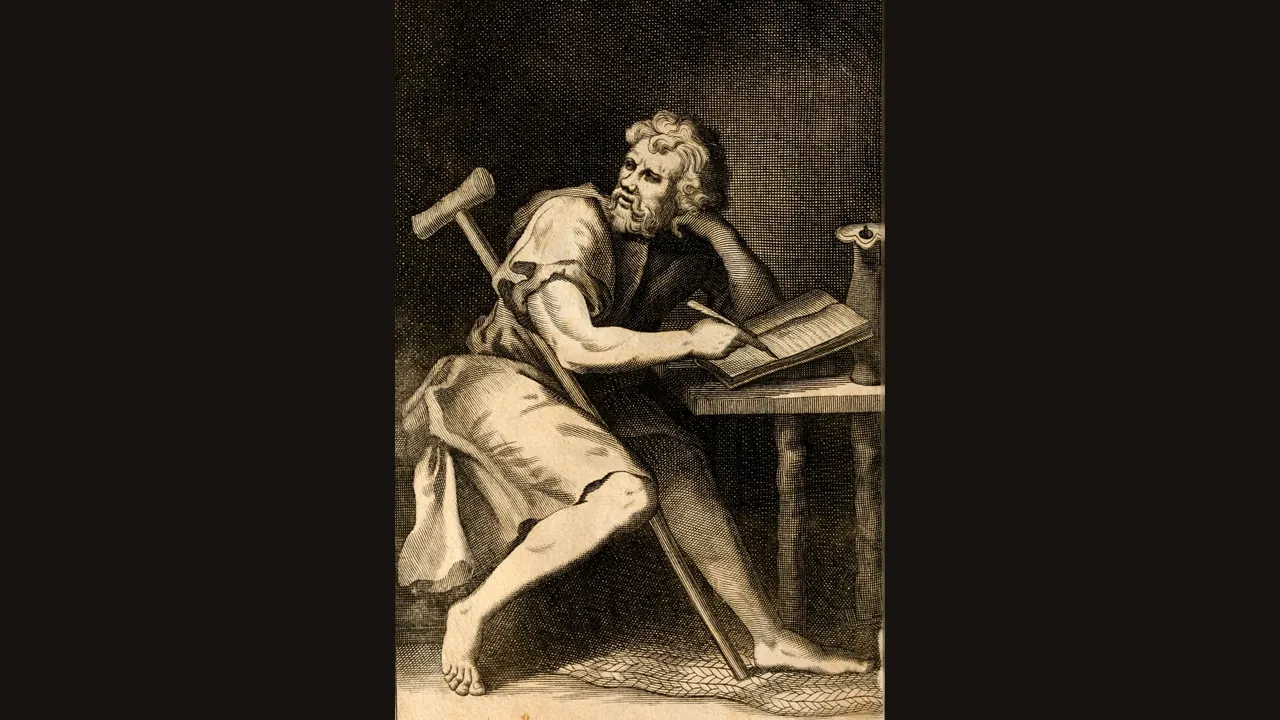
Epictetus
c. 50–c. 135
Stoic teacher born a slave at Hierapolis, in modern Turkey, who won his freedom and taught at Nicopolis in Greece. His pupil Arrian wrote down his talks as the Discourses and the handbook Enchiridion. He lived about 50 to 135.
Philosopher · Classical antiquity · Roman Empire · Italy
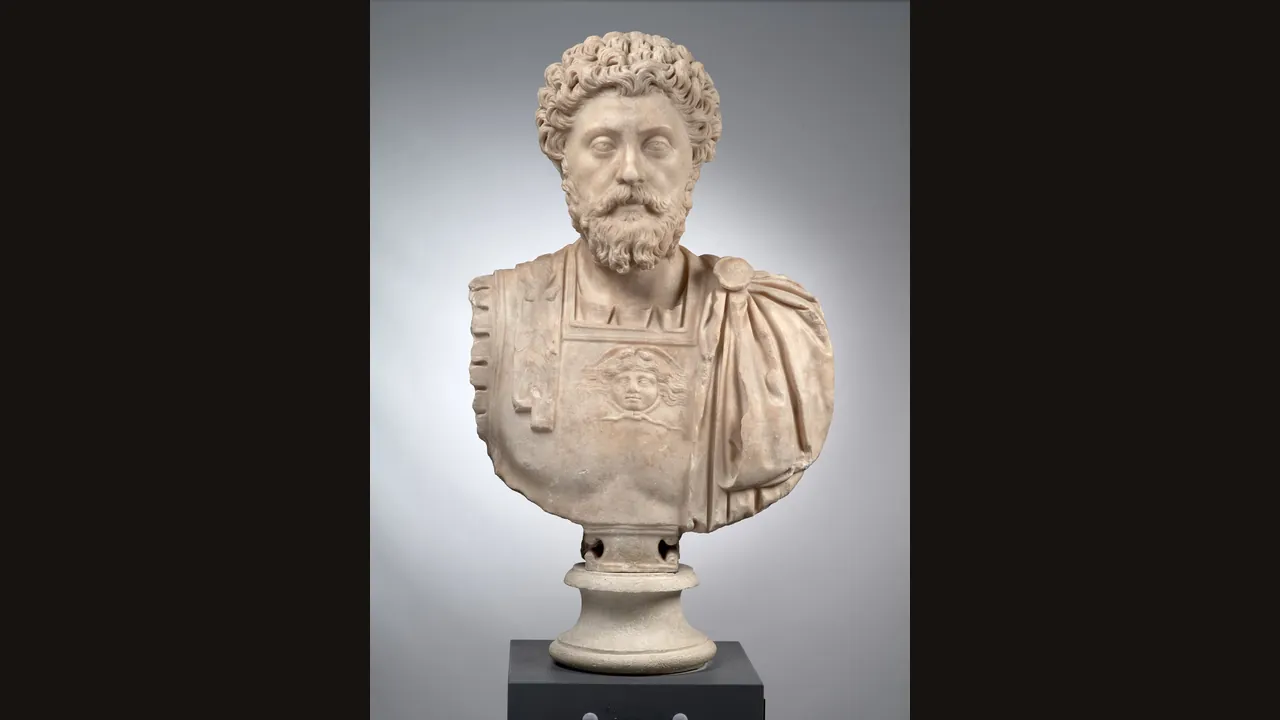
Marcus Aurelius
121–180
Roman emperor from 161 to 180 who wrote the Meditations, a private notebook of Stoic exercises, in Greek on campaign along the Danube. He lived 121 to 180. The book was never meant for publication.
Philosopher · Classical antiquity · India
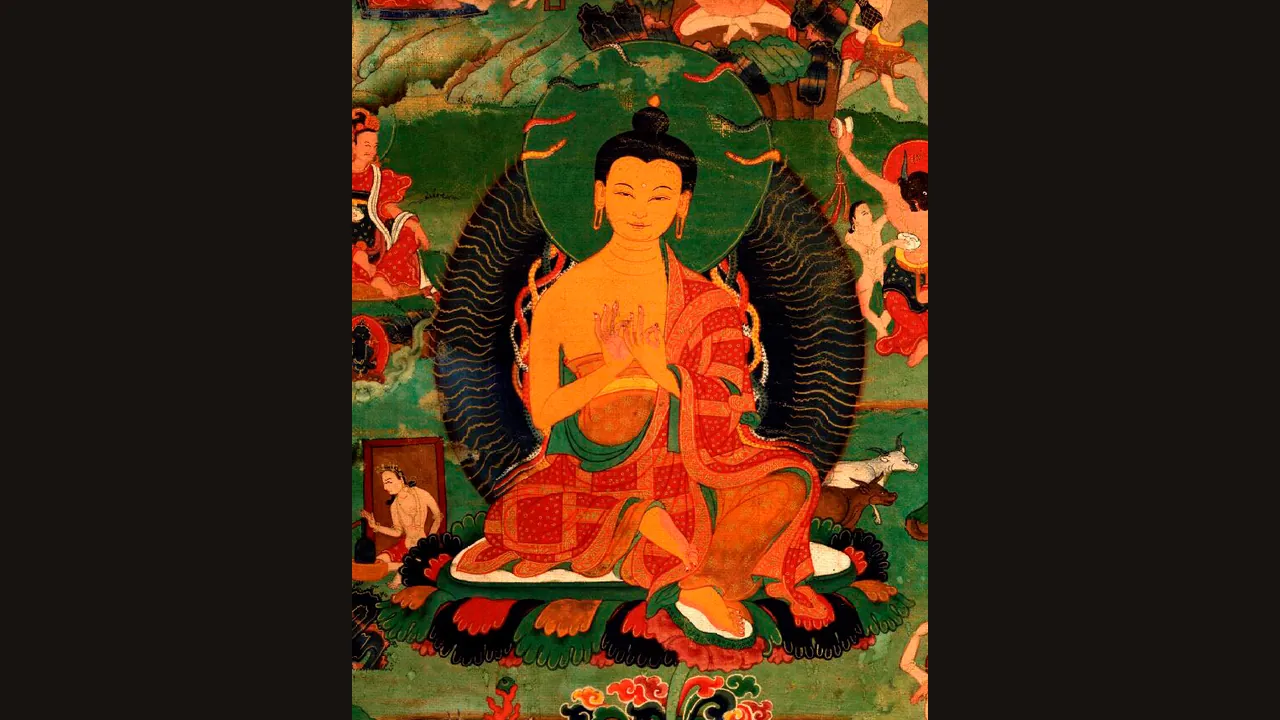
Nagarjuna
c. 150–c. 250
Indian Buddhist thinker, founder of the Madhyamaka middle way school, who argued that all things are empty of inherent existence. His Mulamadhyamakakarika is the central text of Mahayana philosophy. He lived about 150 to 250.
Philosopher · Classical antiquity · Roman Empire · Egypt
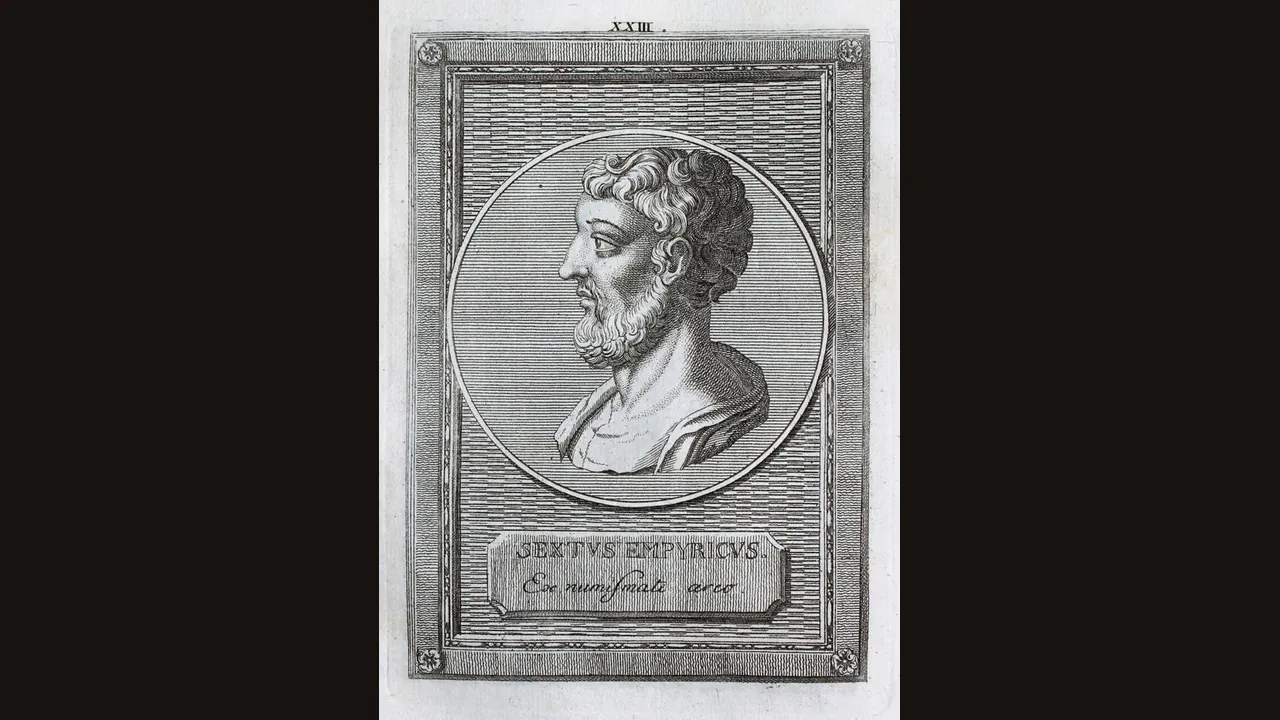
Sextus Empiricus
c. 160–c. 210
Greek physician and skeptic who lived at Alexandria and Athens around 160 to 210. His Outlines of Pyrrhonism is the fullest surviving account of ancient skepticism. His birthplace is unknown.
Philosopher · Classical antiquity · Roman Empire · Egypt
Plotinus
c. 204–270
Founder of Neoplatonism, born probably at Lycopolis in Egypt, who taught at Rome from 244 until his death. His pupil Porphyry edited his writings as the Enneads. He lived about 204 to 270.
Philosopher · Late antiquity · Roman North Africa · Algeria
Augustine of Hippo
354–430
Bishop of Hippo Regius. Author of the Confessions and The City of God. His doctrines of grace, original sin and the two cities shaped Western Christianity.
Philosopher · Late antiquity · Roman Egypt · Egypt
Hypatia
c. 355/370–415
Mathematician, astronomer and Neoplatonist philosopher who taught in Alexandria. Daughter of Theon of Alexandria. Killed by a Christian mob in March 415.
Philosopher · Early Middle Ages · Ostrogothic Italy · Italy
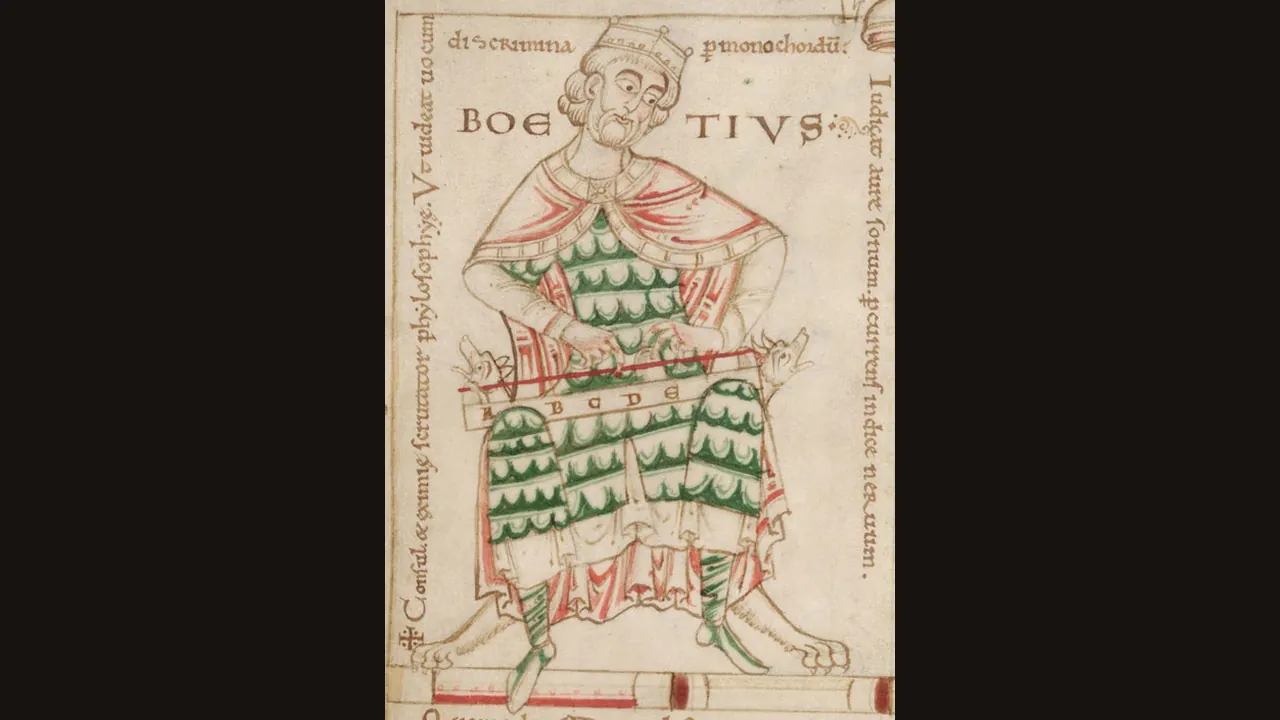
Boethius
c. 480–524
Roman statesman and thinker who served the Ostrogothic king Theodoric, then was imprisoned and executed on a treason charge. In prison he wrote the Consolation of Philosophy. He lived about 480 to 524, and his translations carried Aristotle's logic into the Middle Ages.
Philosopher · Early Middle Ages · India
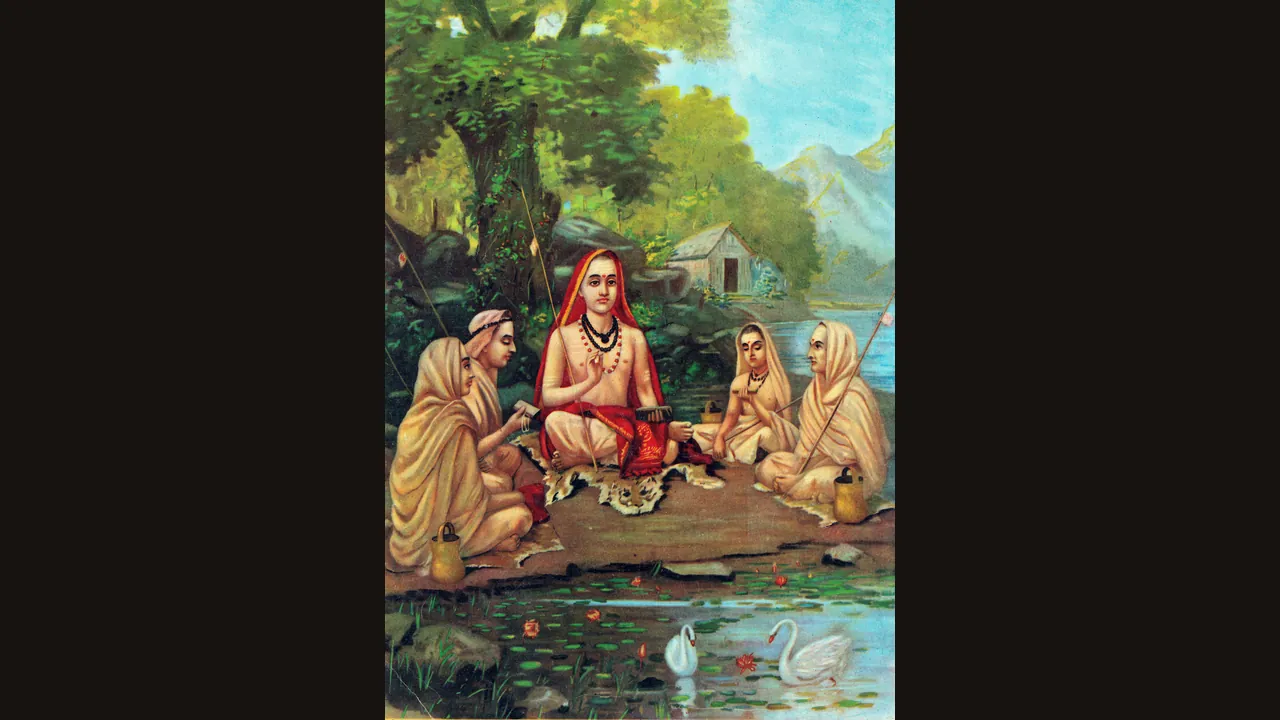
Adi Shankara
c. 788–c. 820 (traditional)
Indian thinker who consolidated Advaita Vedanta, the nondualist school holding that the self and ultimate reality are one. Tradition credits him with commentaries on the Upanishads and the founding of four monasteries. Dates about 788 to 820 are traditional and debated.
Philosopher · Early Middle Ages · Abbasid Caliphate · Iraq
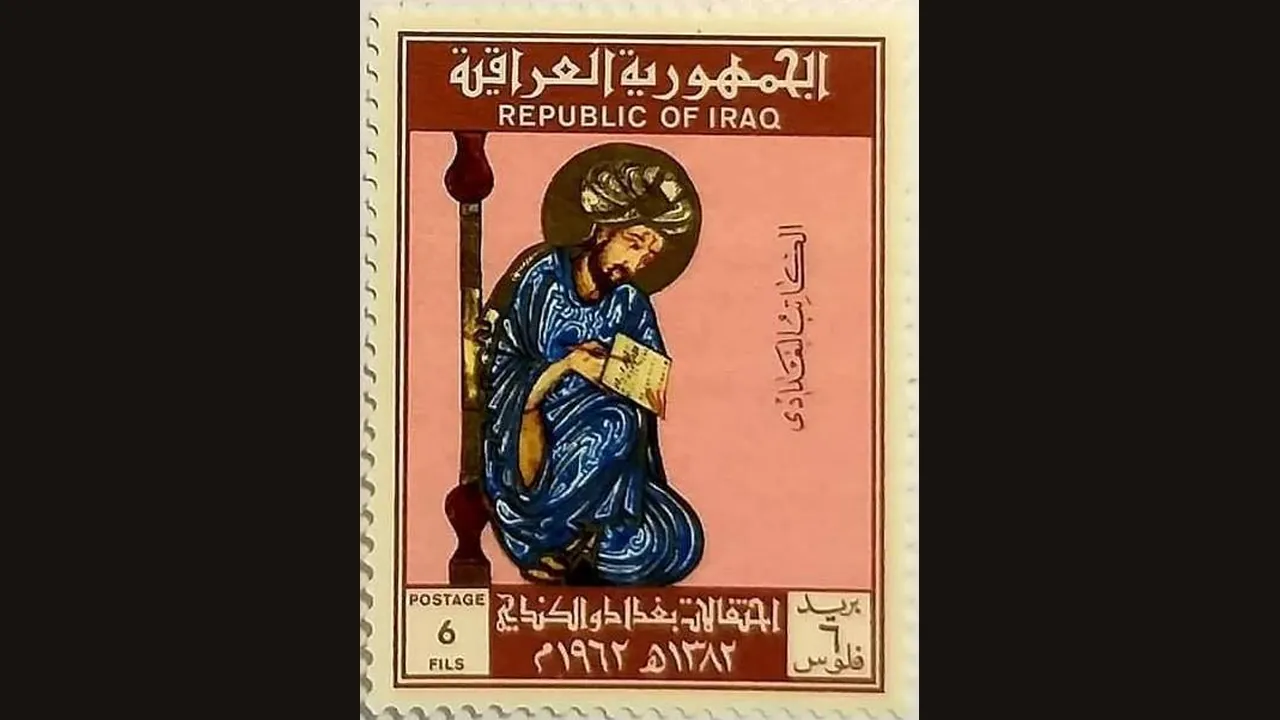
Al Kindi
c. 801–c. 873
Arab thinker of Kufa, in modern Iraq, called the philosopher of the Arabs, the first major Islamic philosopher. He worked in Baghdad's House of Wisdom, translating and commenting on Greek thought. He lived about 801 to 873.
Philosopher · Early Middle Ages · Abbasid Caliphate · Kazakhstan
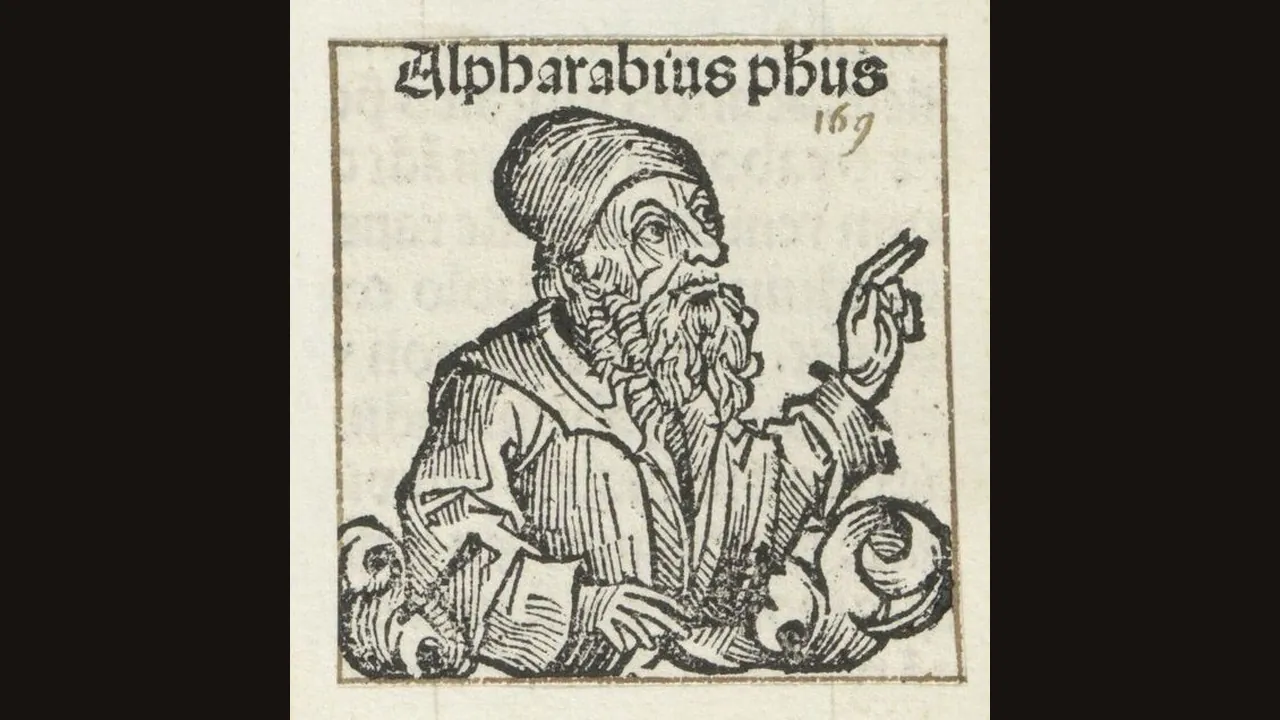
Al Farabi
c. 872–c. 950
Turkic born Islamic philosopher from Farab, in modern Kazakhstan, who worked at Baghdad and died at Damascus. Called the Second Teacher, after Aristotle, he joined Greek logic to Islamic political thought. He lived about 872 to 950.
Philosopher · Early Middle Ages · Samanid Persia · Uzbekistan
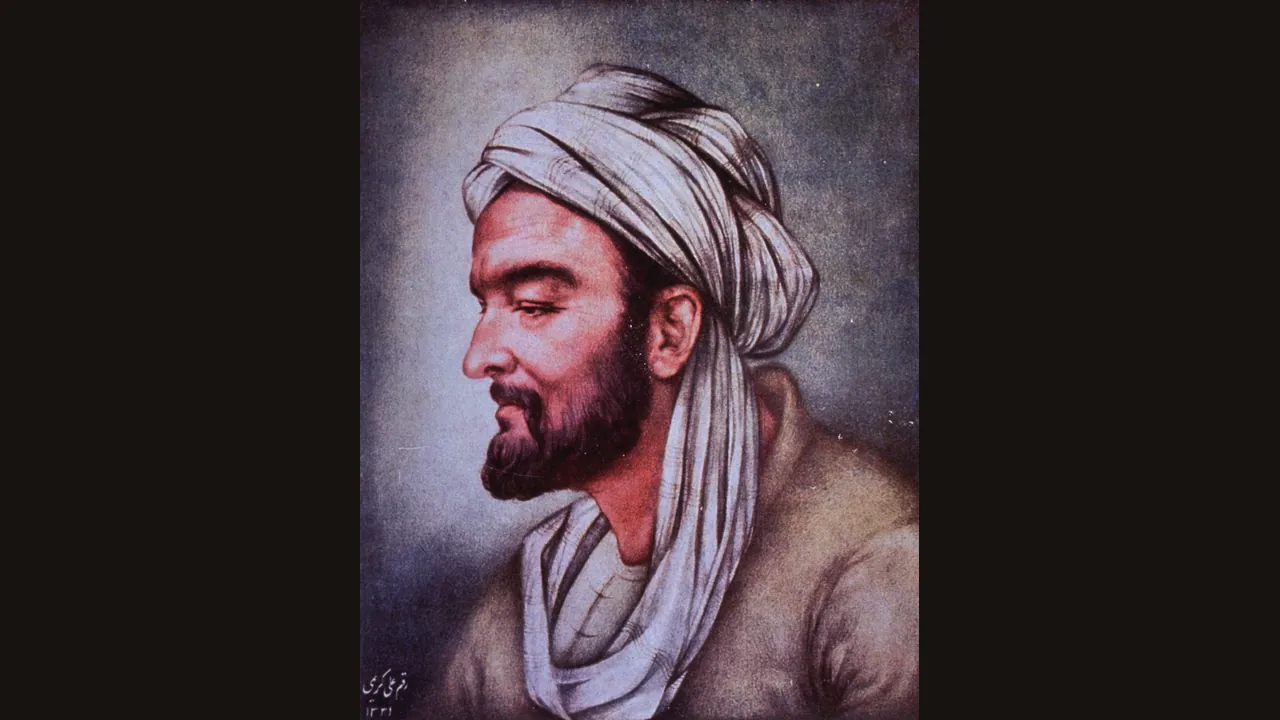
Avicenna
980–1037
Persian polymath born near Bukhara, in modern Uzbekistan, whose Canon of Medicine was the standard medical text in Europe for centuries. His Book of Healing systematized all philosophy. He lived 980 to 1037, serving princes as physician and minister.
Philosopher · High and Late Middle Ages · Italy
Anselm of Canterbury
1033–1109
Italian born monk who became Archbishop of Canterbury in 1093 and gave scholastic theology its motto, faith seeking understanding. His Proslogion argues for God's existence from the bare idea of God. He lived 1033 to 1109.
Philosopher · High and Late Middle Ages · Seljuk Empire · Iran
Al Ghazali
1058–1111
Persian theologian from Tus, in modern Iran, who attacked the philosophers in The Incoherence of the Philosophers and turned toward Sufi mysticism. He taught at Baghdad, abandoned his post in a spiritual crisis, and returned to teaching. He lived 1058 to 1111.
Philosopher · High and Late Middle Ages · Al Andalus · Spain
Averroes
1126–1198
Cordoban philosopher, judge, and physician whose line by line commentaries on Aristotle earned him the Latin name the Commentator. He argued that philosophy and revelation agree. He lived 1126 to 1198 and ended his life in disfavor.
Philosopher · High and Late Middle Ages · Song dynasty · China
Zhu Xi
1130–1200
Chinese thinker who completed the Neo Confucian synthesis, giving Confucianism a metaphysics of principle and material force. His commentaries on the Four Books became the basis of the civil examinations for centuries. He lived 1130 to 1200.
Philosopher · High and Late Middle Ages · Al Andalus · Spain
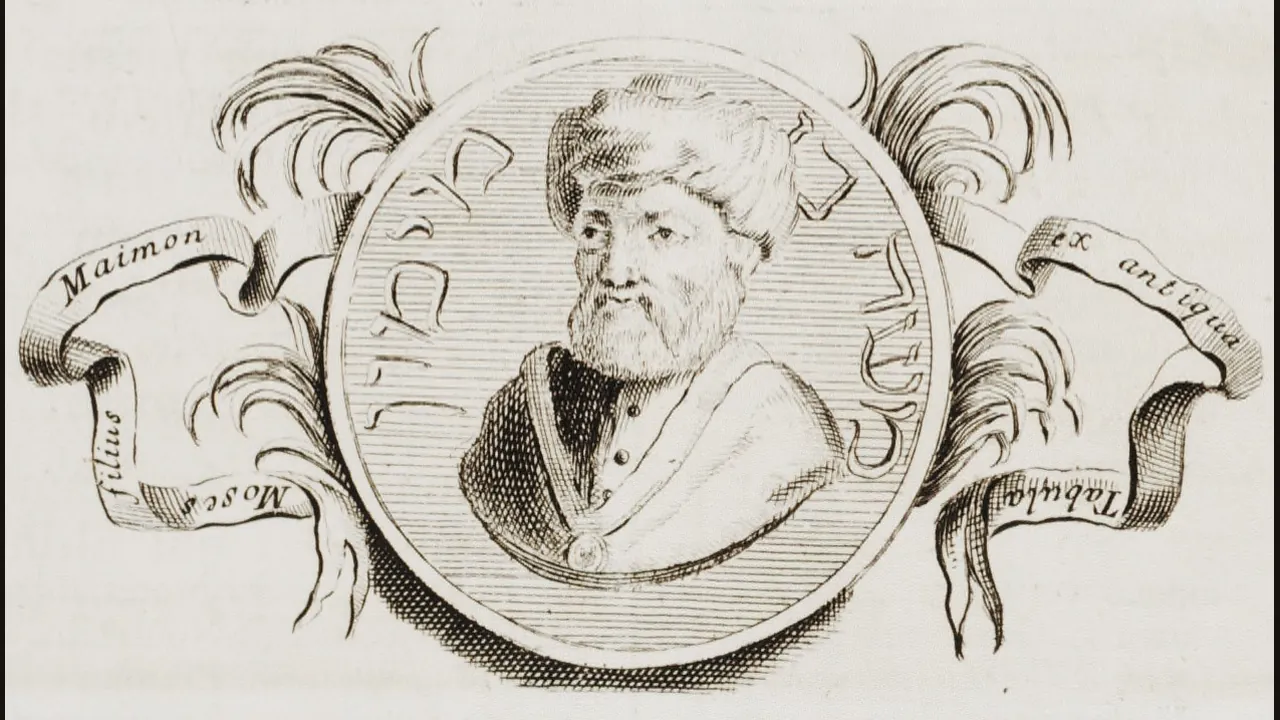
Maimonides
1138–1204
Jewish philosopher, rabbi, and physician born at Cordoba who fled persecution and settled at Fustat in Egypt, where he served Saladin's court. His Guide for the Perplexed joins Aristotle to the Torah. He lived 1138 to 1204.
Philosopher · High and Late Middle Ages · Italy
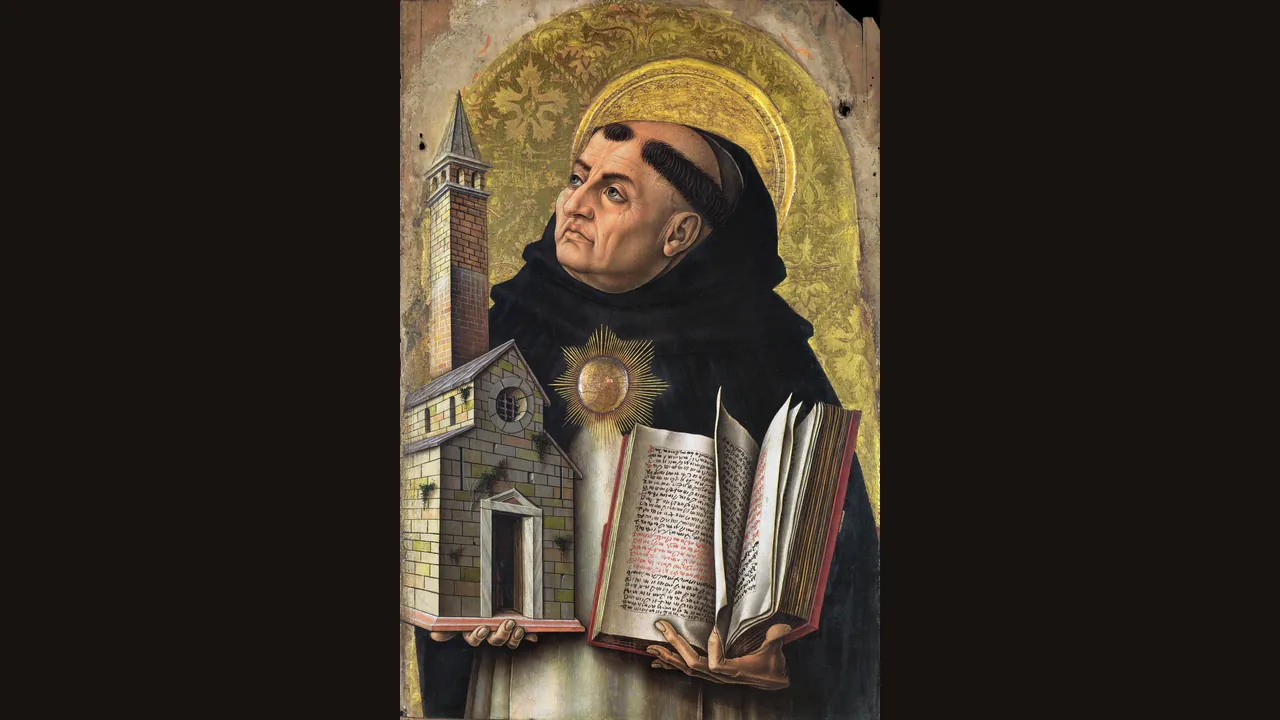
Thomas Aquinas
1225–1274
Italian Dominican friar whose Summa Theologiae joined Aristotle's philosophy to Christian doctrine in the most complete medieval system. He taught at Paris and Naples. He lived 1225 to 1274 and was canonized in 1323.
Philosopher · High and Late Middle Ages · England
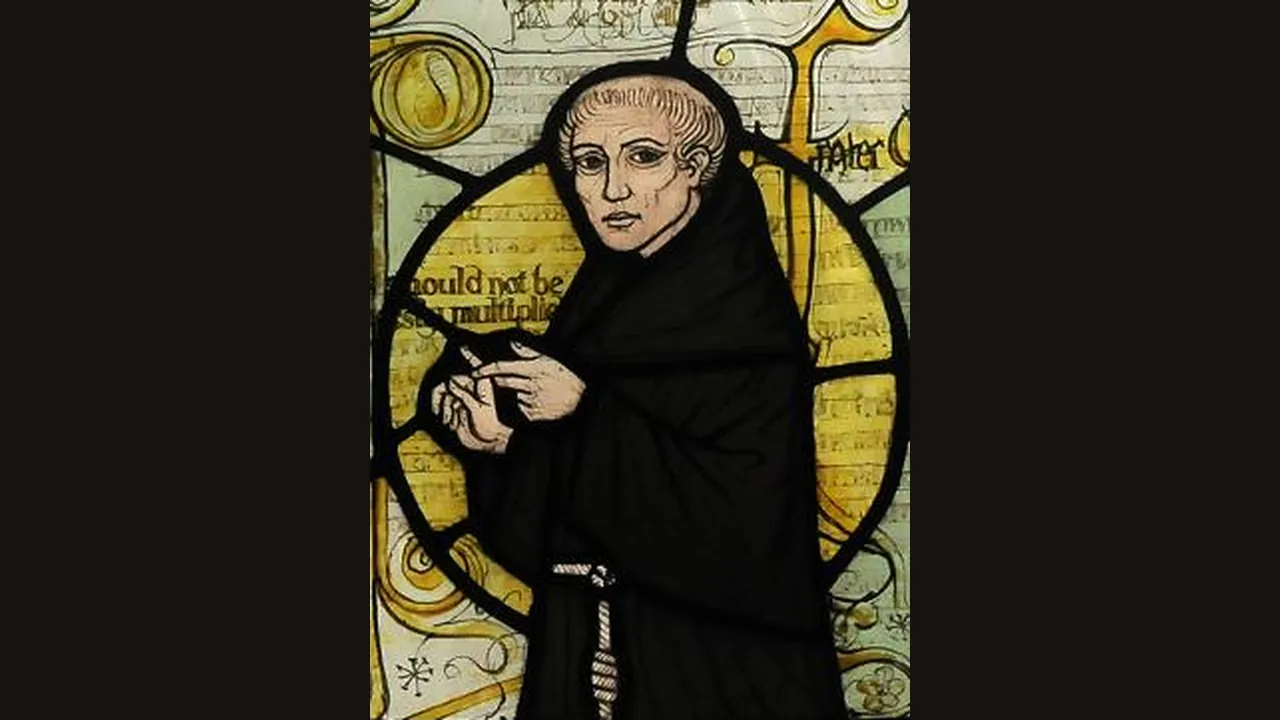
William of Ockham
c. 1287–1347
English Franciscan friar and logician whose razor, do not multiply entities beyond need, became a rule of science. He quarreled with Pope John XXII over poverty, fled Avignon, and died under excommunication. He lived about 1287 to 1347.
Philosopher · High and Late Middle Ages · Tunisia
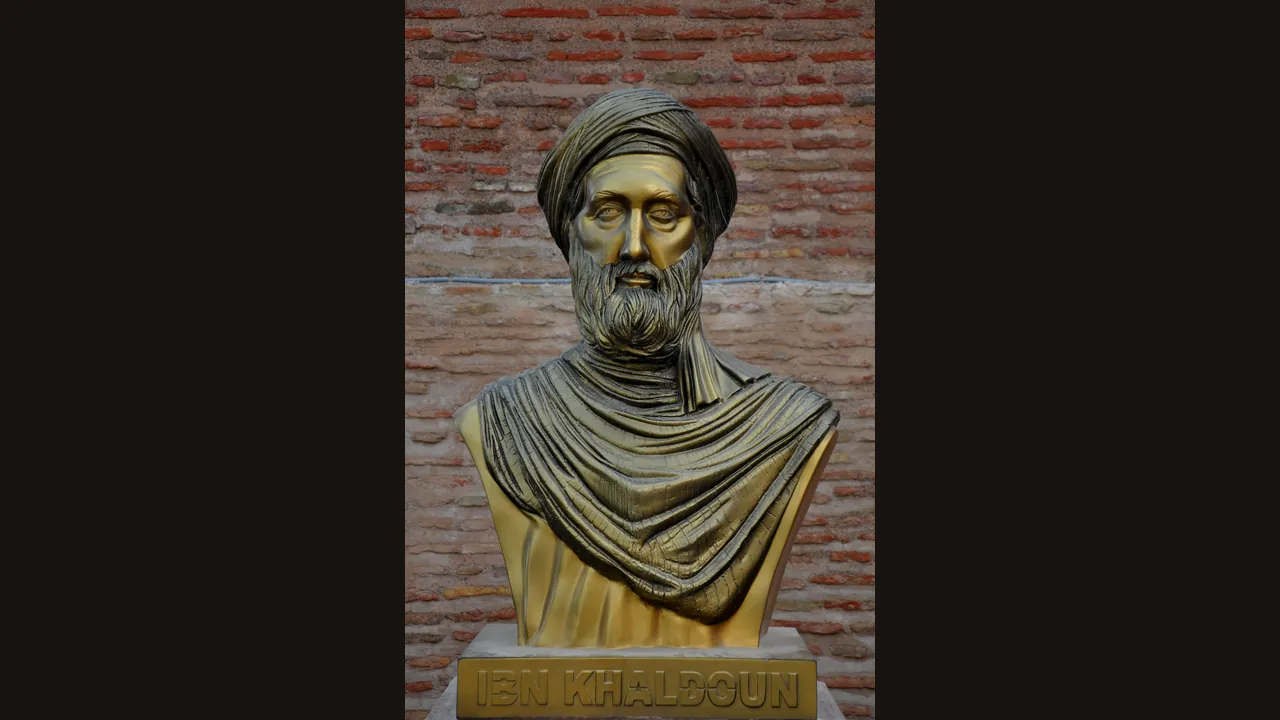
Ibn Khaldun
1332–1406
Tunisian born historian and thinker whose Muqaddimah, the introduction to his world history, founded the study of how societies rise and fall. He served courts across North Africa and Spain, met Timur in 1401, and died at Cairo. He lived 1332 to 1406.
Philosopher · Early modern period · Florentine Republic · Italy
Niccolò Machiavelli
1469–1527
Florentine diplomat and author of The Prince and the Discourses on Livy. Effectual truth over imagined republics; republican institutions in the Discourses.
Philosopher · Early modern period · Ming dynasty · China
Wang Yangming
1472–1529
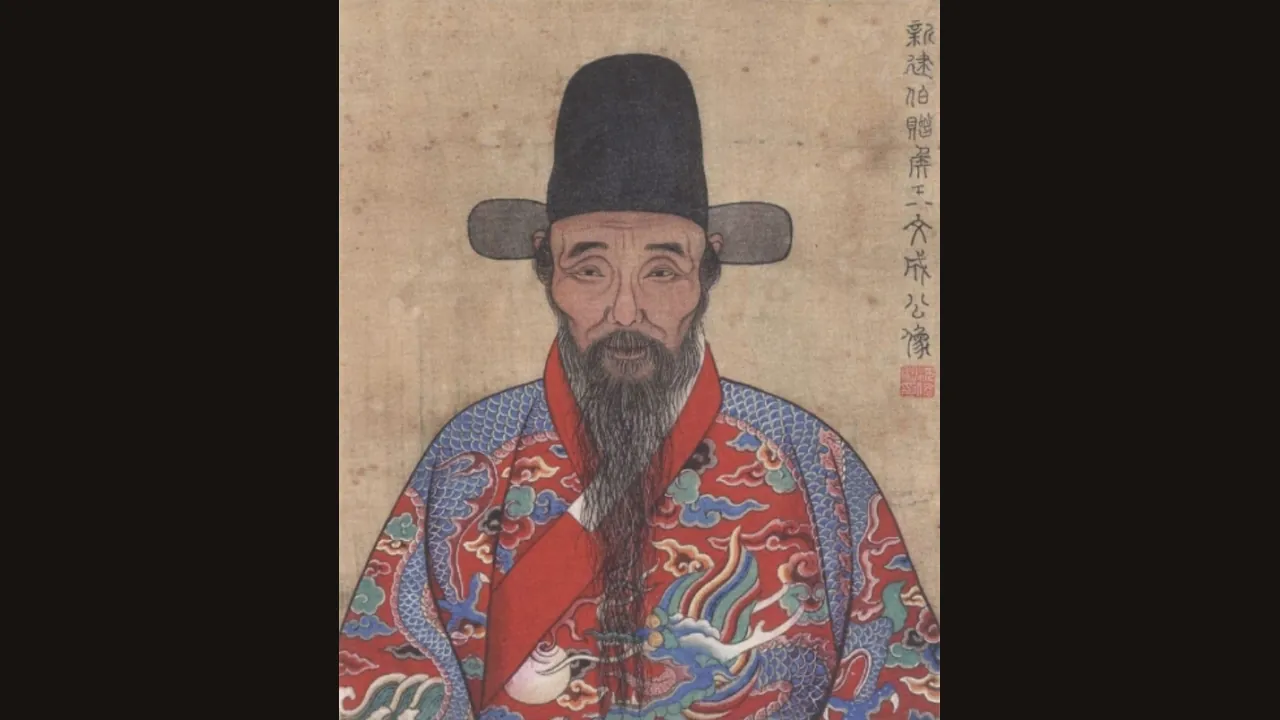
Chinese thinker and general who founded the Neo Confucian school of mind, teaching the unity of knowledge and action. He put down rebellions while writing philosophy. He lived 1472 to 1529.
Philosopher · Early modern period · France
Michel de Montaigne
1533–1592
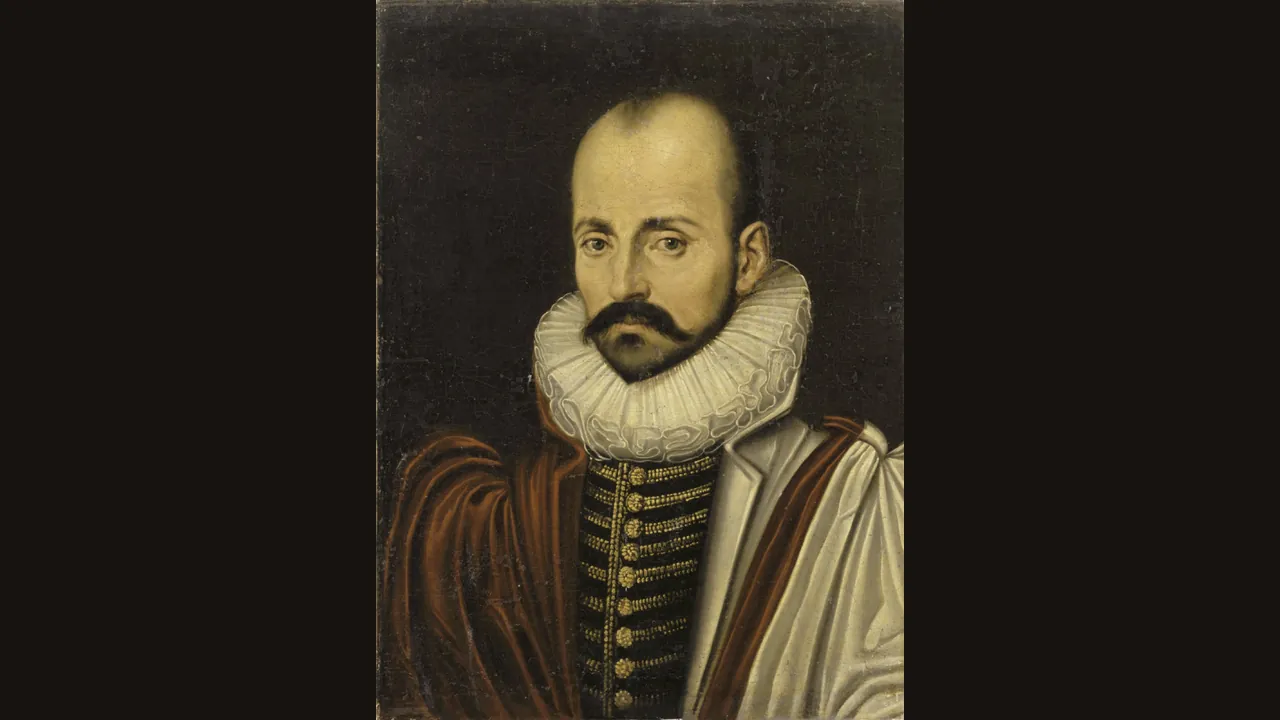
French nobleman who retired to his tower to write the Essays, inventing the essay as a form and asking on his seal, what do I know. His skepticism, learned from Sextus Empiricus, shaped Descartes. He lived 1533 to 1592.
Philosopher · Early modern period · England
Francis Bacon
1561–1626
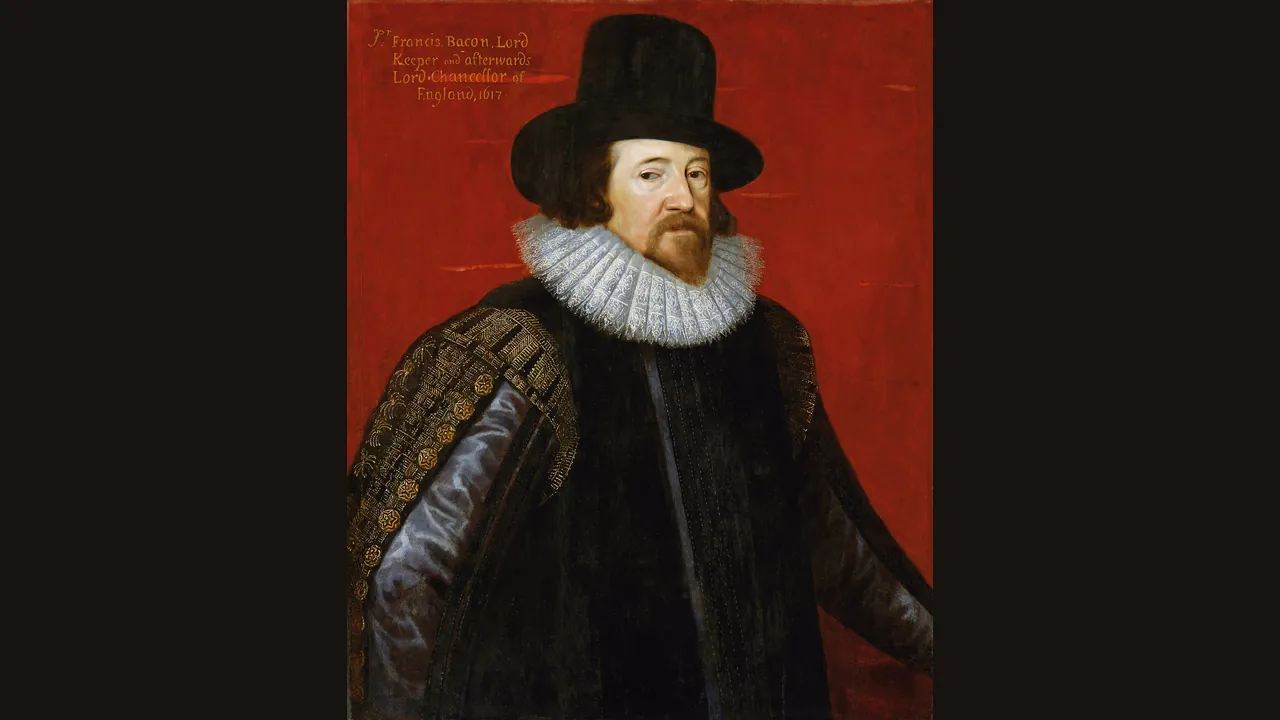
English statesman and writer who rose to Lord Chancellor under James I, then fell on a bribery charge. His Novum Organum called for a new logic of experiment to replace Aristotle's. He lived 1561 to 1626.
Philosopher · Early modern period · England
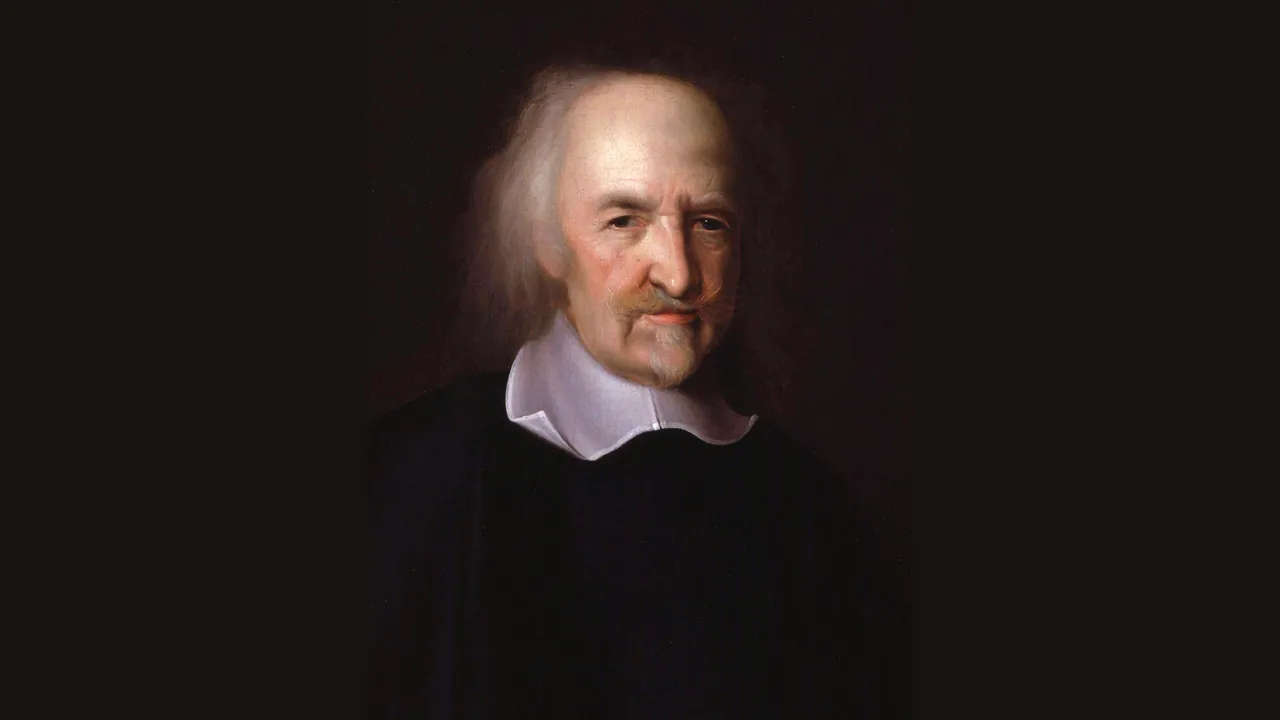
Thomas Hobbes
1588–1679
English thinker whose Leviathan of 1651 founded modern political philosophy on the social contract. Men in the state of nature live in war of all against all, so they surrender power to a sovereign. He lived 1588 to 1679.
Philosopher · Early modern period · France
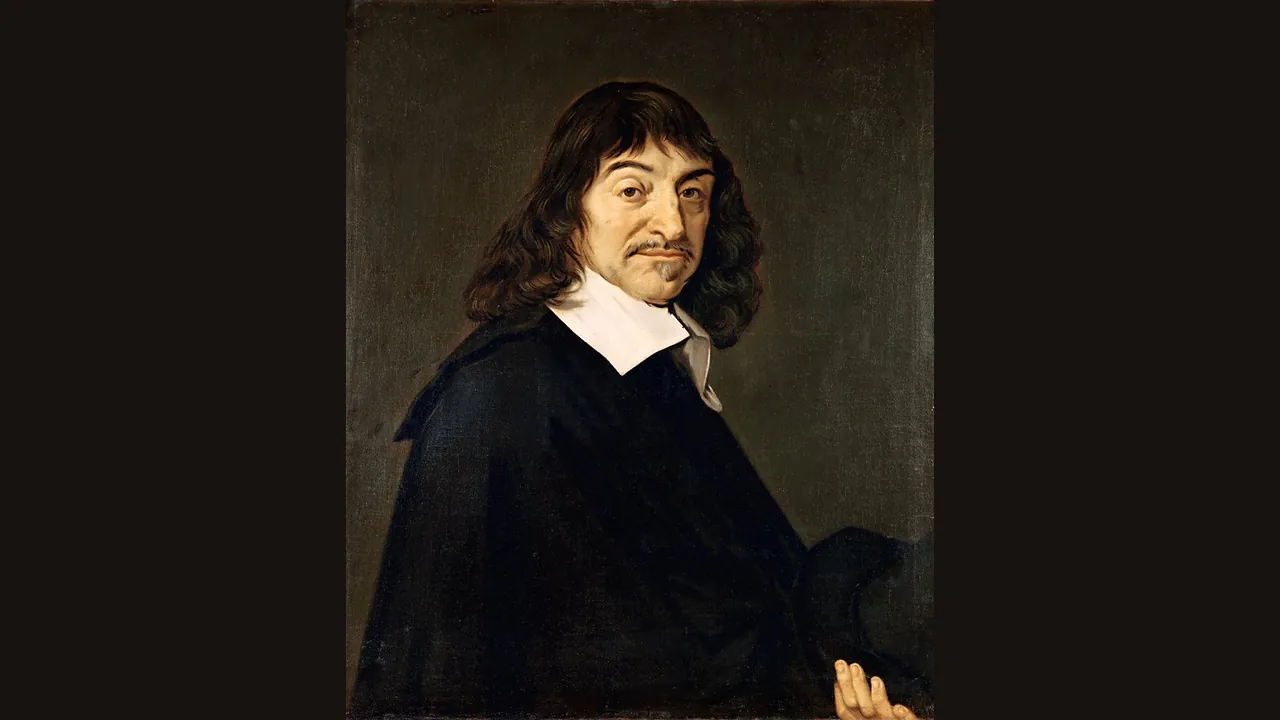
René Descartes
1596–1650
French thinker, mathematician, and soldier who founded modern rationalism. Starting from I think, therefore I am, he rebuilt knowledge on reason in the Meditations of 1641. He lived 1596 to 1650 and died at Stockholm.
Philosopher · Early modern period · Netherlands
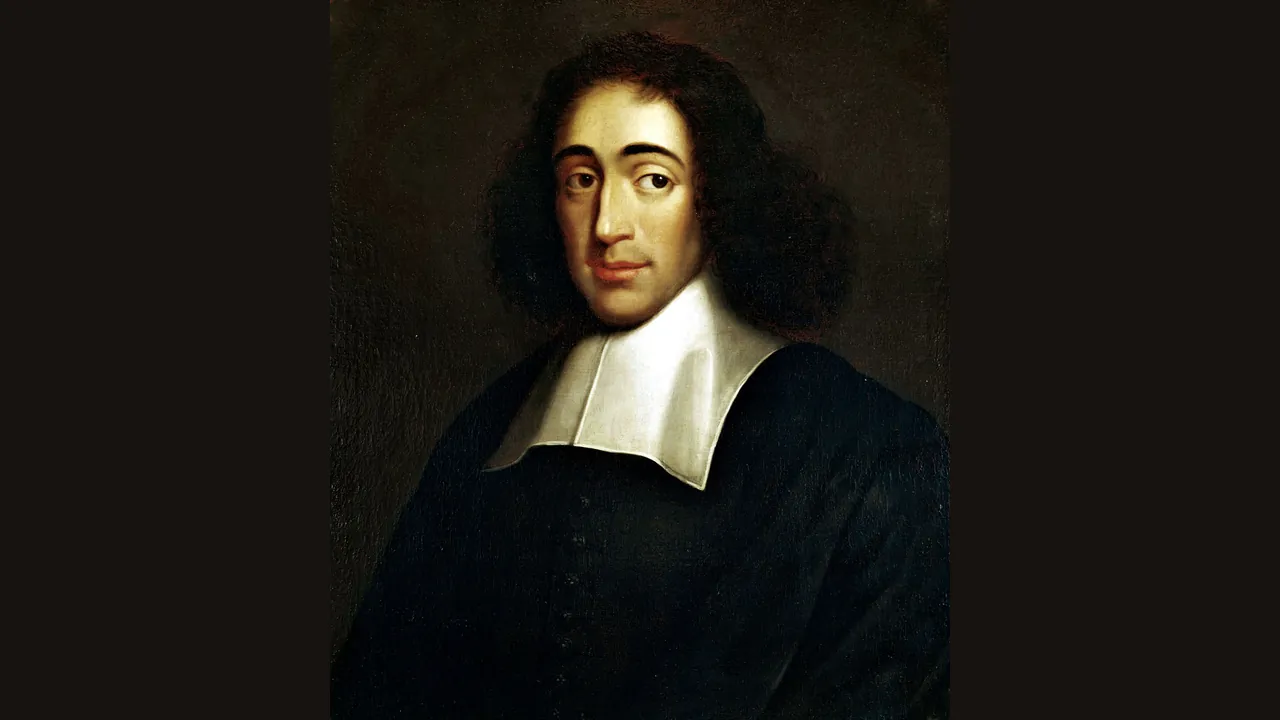
Baruch Spinoza
1632–1677
Dutch Jewish thinker, excommunicated by the Amsterdam synagogue in 1656, who ground lenses for a living and wrote the Ethics, identifying God with Nature. He lived 1632 to 1677 and published almost nothing under his name in his lifetime.
Philosopher · Early modern period · England
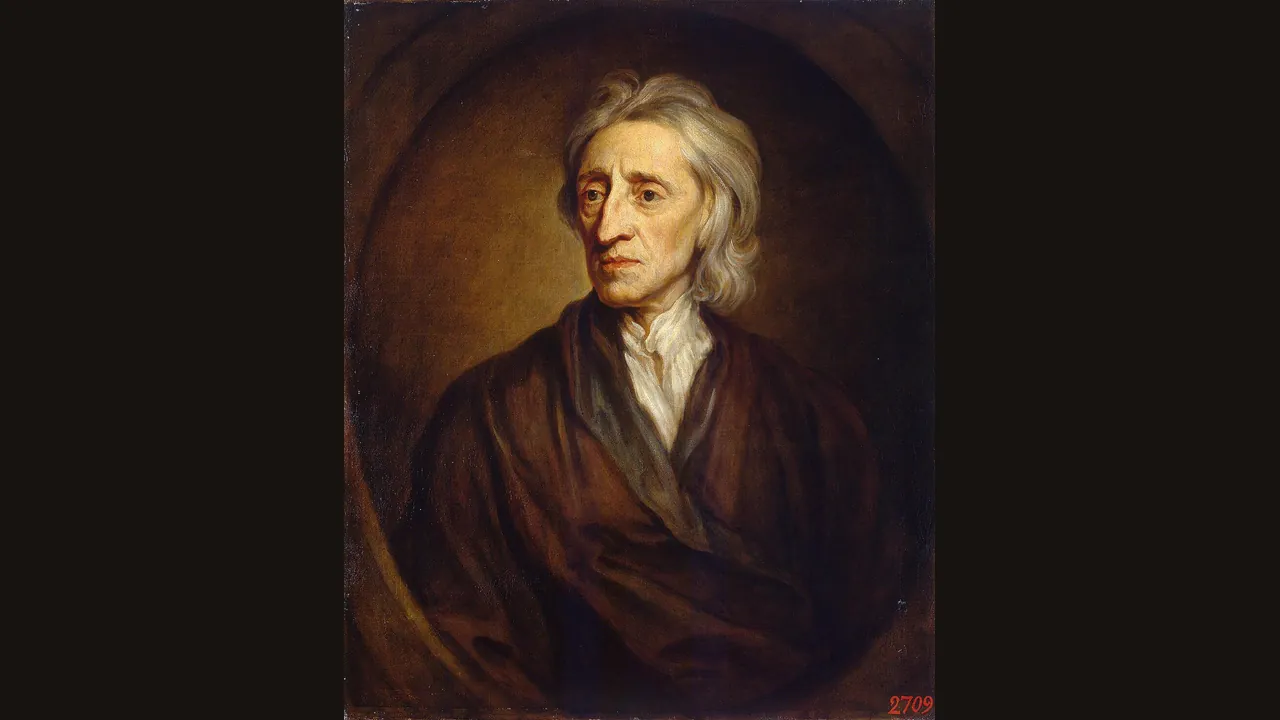
John Locke
1632–1704
English thinker whose Essay Concerning Human Understanding made him the founder of British empiricism, and whose Two Treatises justified the Glorious Revolution of 1688. He taught that the mind begins as a blank slate. He lived 1632 to 1704.
Philosopher · Early modern period · Germany
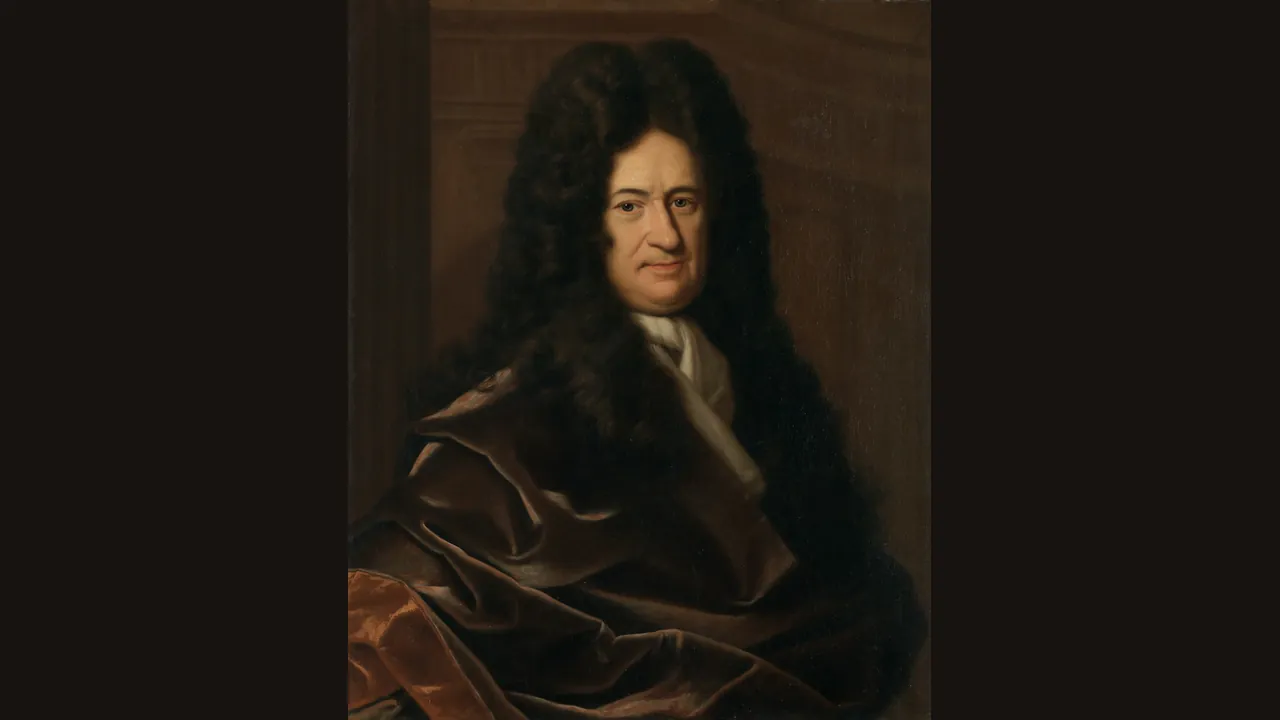
Gottfried Wilhelm Leibniz
1646–1716
German polymath, diplomat, and librarian who invented the calculus independently of Newton and built a metaphysics of monads, windowless souls mirroring the universe. He lived 1646 to 1716 and wrote mostly in French and Latin.
Philosopher · Early modern period · Ireland
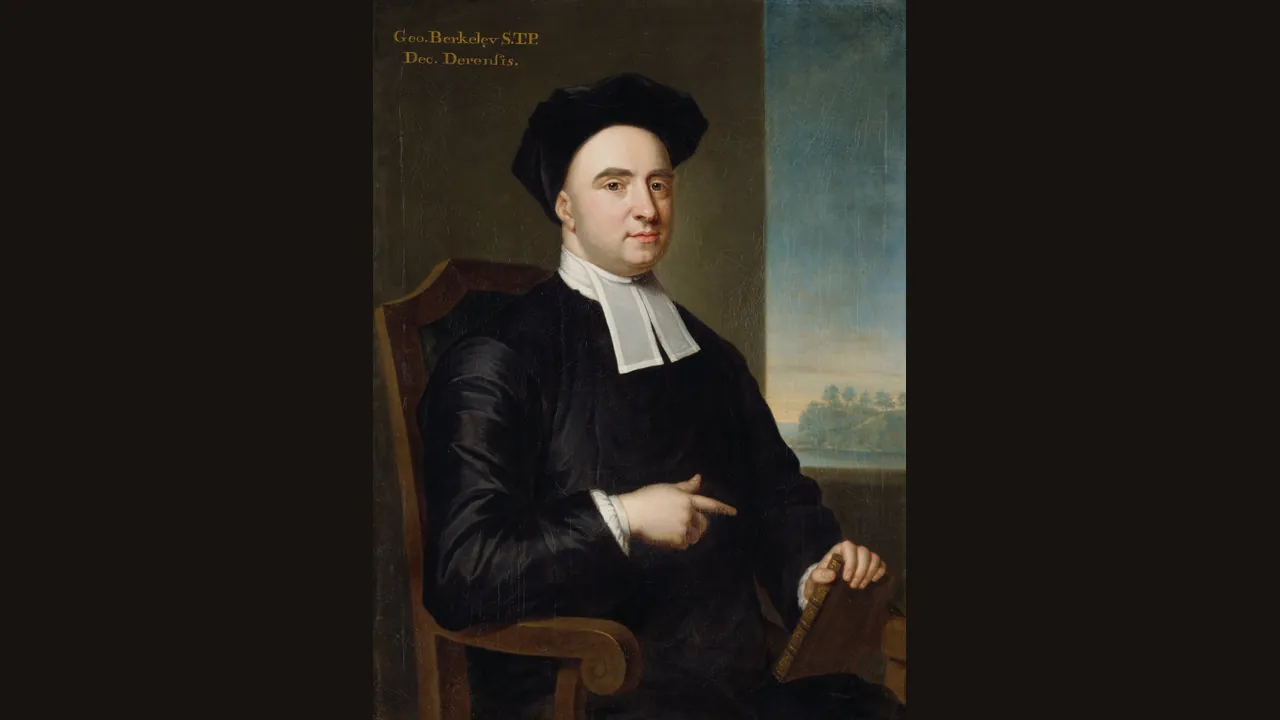
George Berkeley
1685–1753
Irish thinker and Anglican Bishop of Cloyne who argued that to be is to be perceived: matter does not exist apart from minds. His immaterialism was meant to defend religion against skepticism. He lived 1685 to 1753.
Philosopher · Early modern period · France
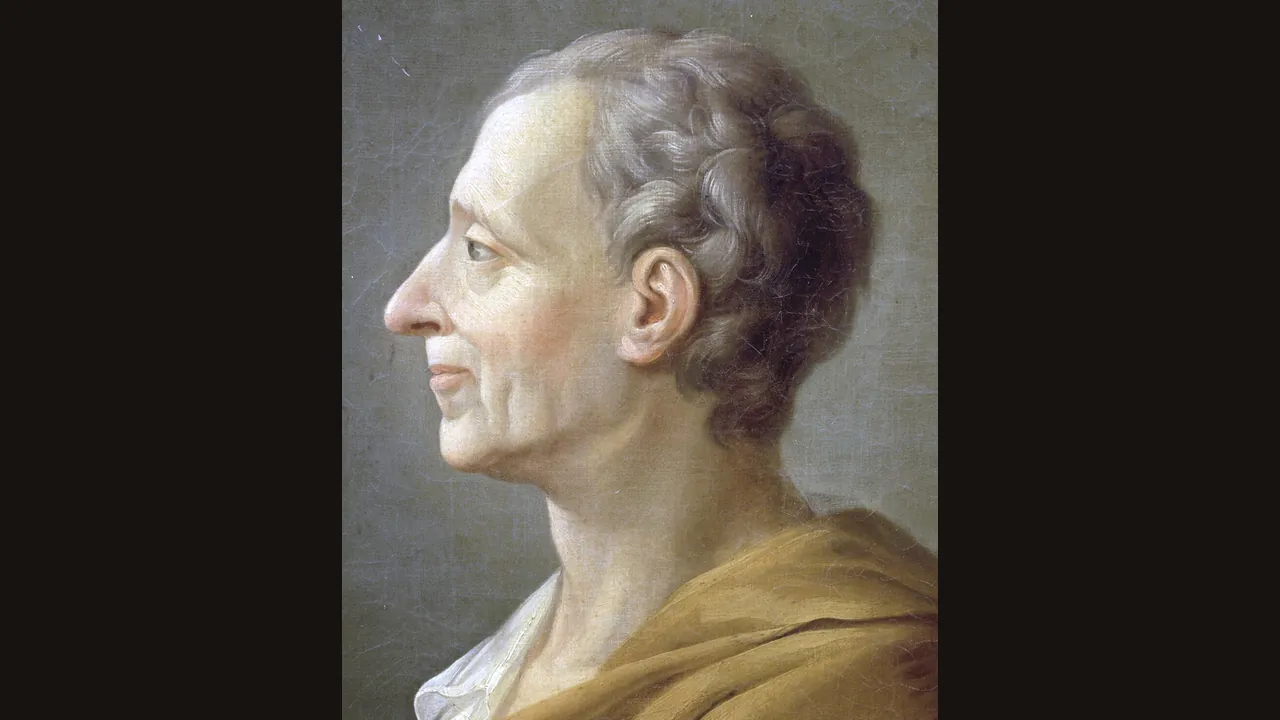
Montesquieu
1689–1755
French nobleman and judge whose Spirit of the Laws of 1748 taught that liberty survives only when power checks power. His separation of powers shaped the American Constitution. He lived 1689 to 1755.
Philosopher · Early modern period · France
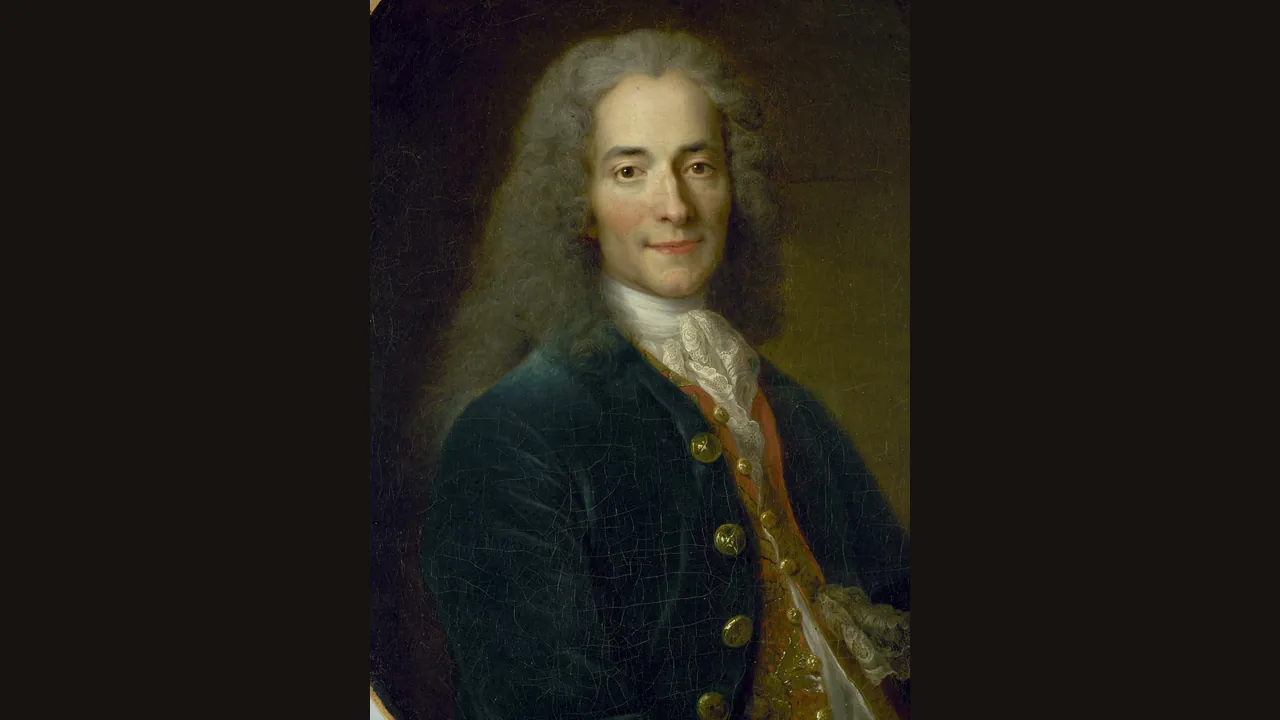
Voltaire
1694–1778
French writer, wit, and campaigner against religious persecution, the most famous voice of the Enlightenment. Exiled, imprisoned in the Bastille, and celebrated across Europe, he made toleration a cause. He lived 1694 to 1778.
Philosopher · Early modern period · Scotland
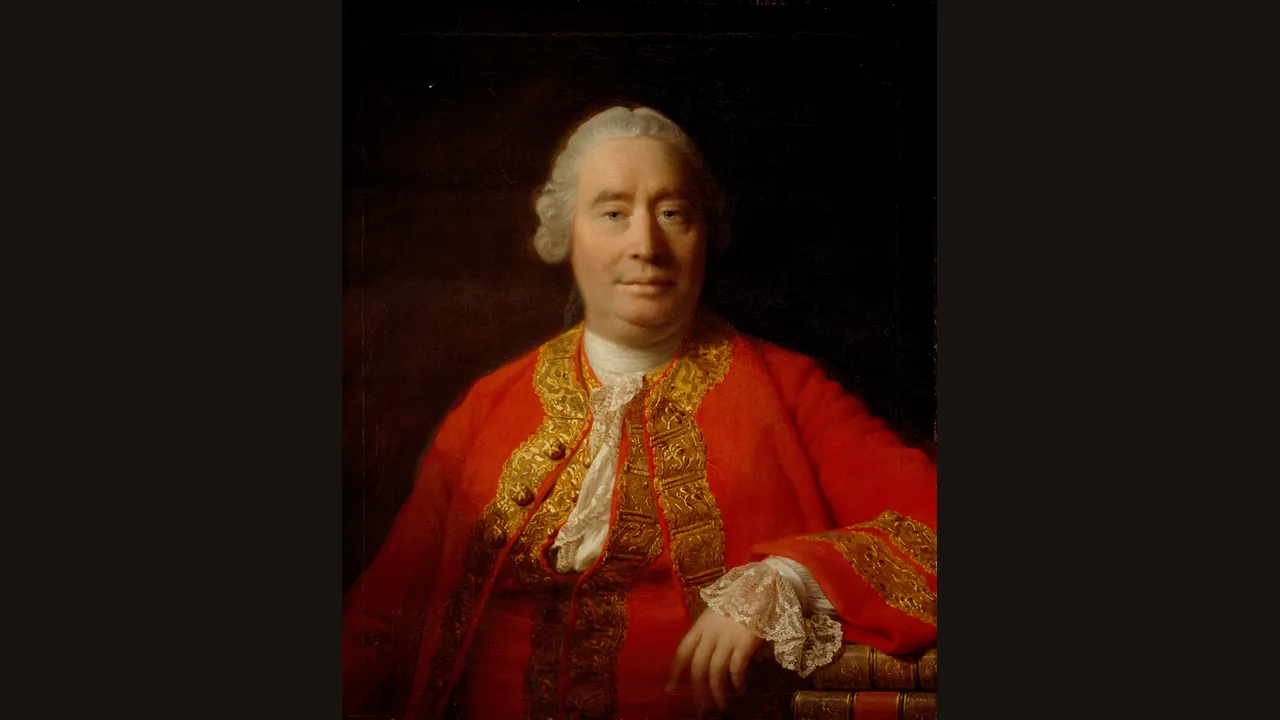
David Hume
1711–1776
Scottish thinker who pushed empiricism to skepticism: causation is habit, the self is a bundle of perceptions, and reason is the slave of the passions. His Treatise fell dead born from the press; the Enquiries made him famous. He lived 1711 to 1776.
Philosopher · Early modern period · Switzerland
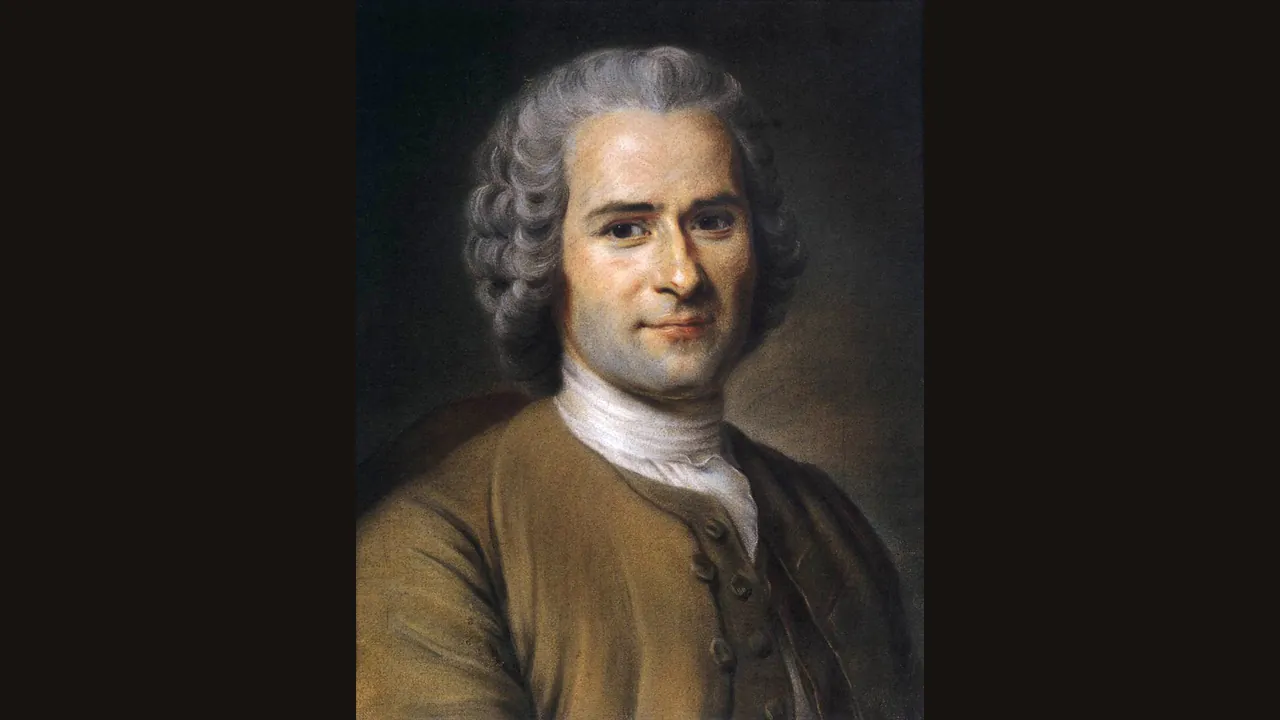
Jean-Jacques Rousseau
1712–1778
Genevan born thinker who lived in France and argued that civilization corrupts natural man. His Social Contract of 1762 made the general will the source of legitimate rule. He lived 1712 to 1778, quarreling with nearly every friend he had.
Philosopher · Early modern period · Scotland
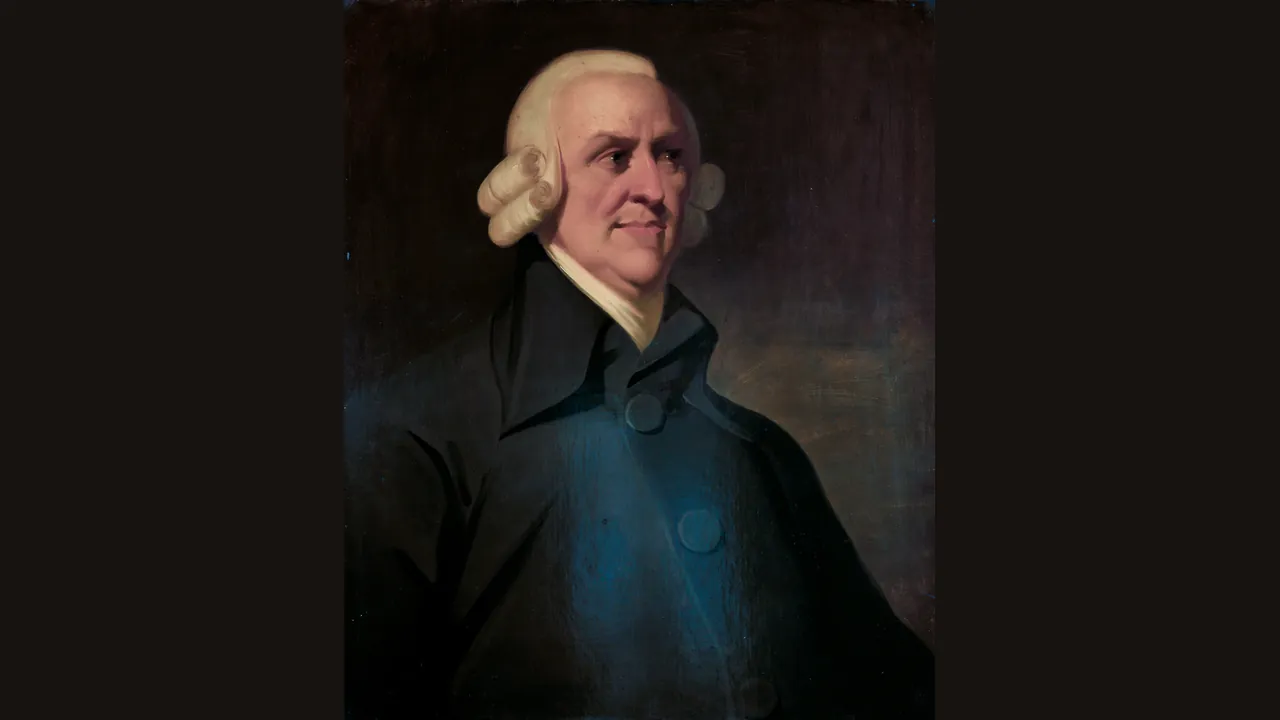
Adam Smith
1723–1790
Scottish moral philosopher whose Theory of Moral Sentiments grounded ethics in sympathy, and whose Wealth of Nations of 1776 founded modern economics on the division of labor and free markets. He lived 1723 to 1790 and taught at Glasgow.
Philosopher · Early modern period · Germany
Immanuel Kant
1724–1804
Königsberg philosopher whose Critiques reshaped epistemology and ethics. He rarely left East Prussia. Categorical imperative, autonomy of reason, and limits of knowledge are the claims recorded here.
Philosopher · Early modern period · England
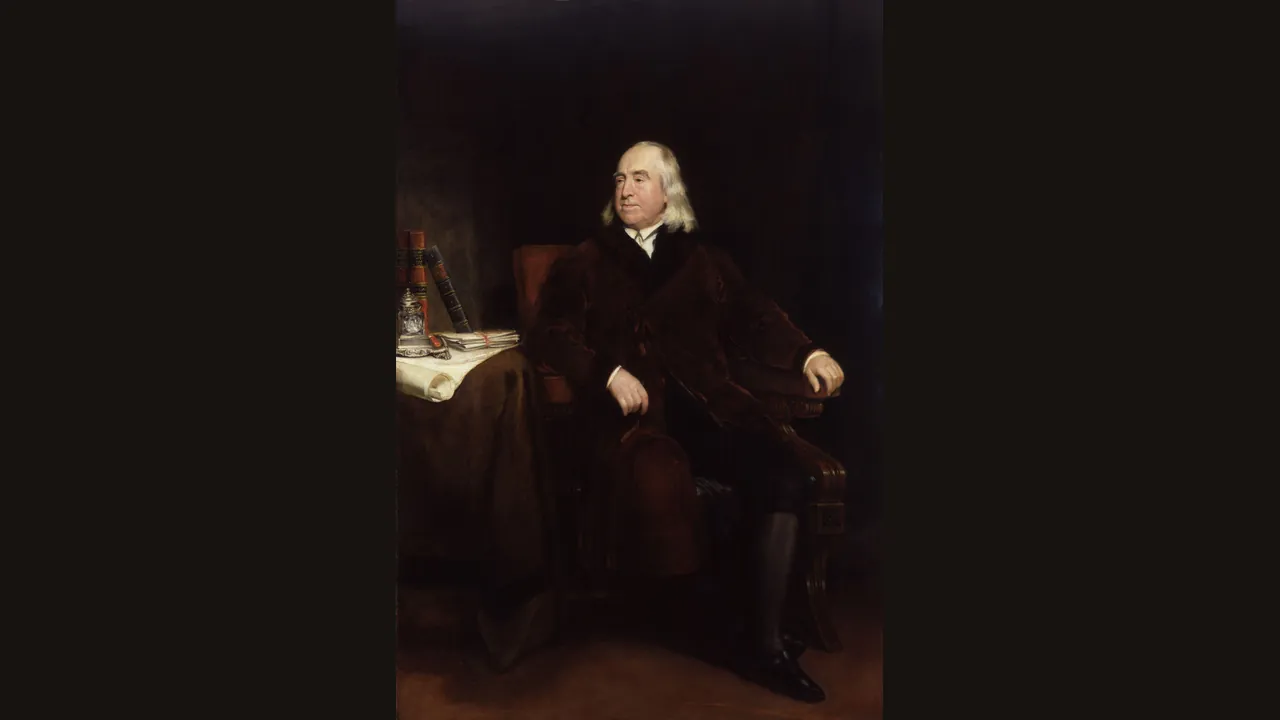
Jeremy Bentham
1748–1832
English reformer who founded utilitarianism on the greatest happiness principle: the right act is the one that makes the most happiness. He campaigned for legal reform, animal welfare, and the secret ballot. He lived 1748 to 1832.
Philosopher · Age of revolutions and empire · Germany
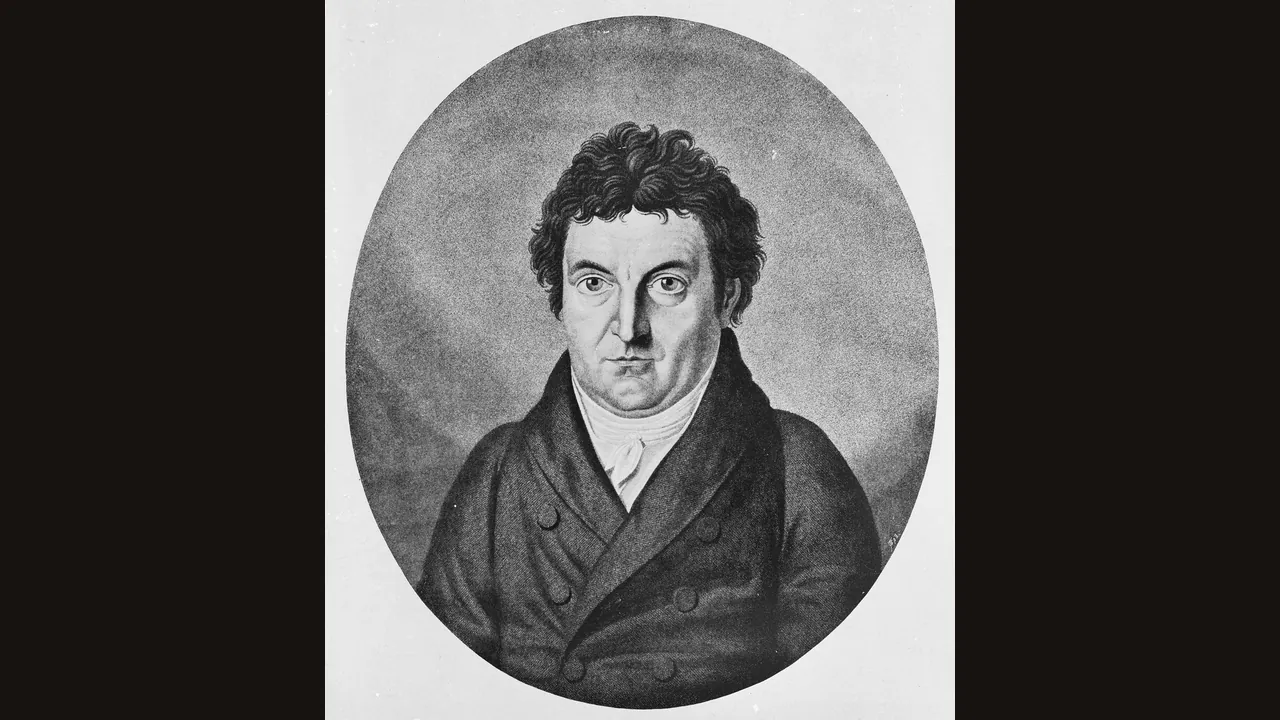
Johann Gottlieb Fichte
1762–1814
German thinker who turned Kant's philosophy into German idealism, making the absolute ego the source of all reality. His Addresses to the German Nation preached national resistance to Napoleon. He lived 1762 to 1814.
Philosopher · Age of revolutions and empire · Germany
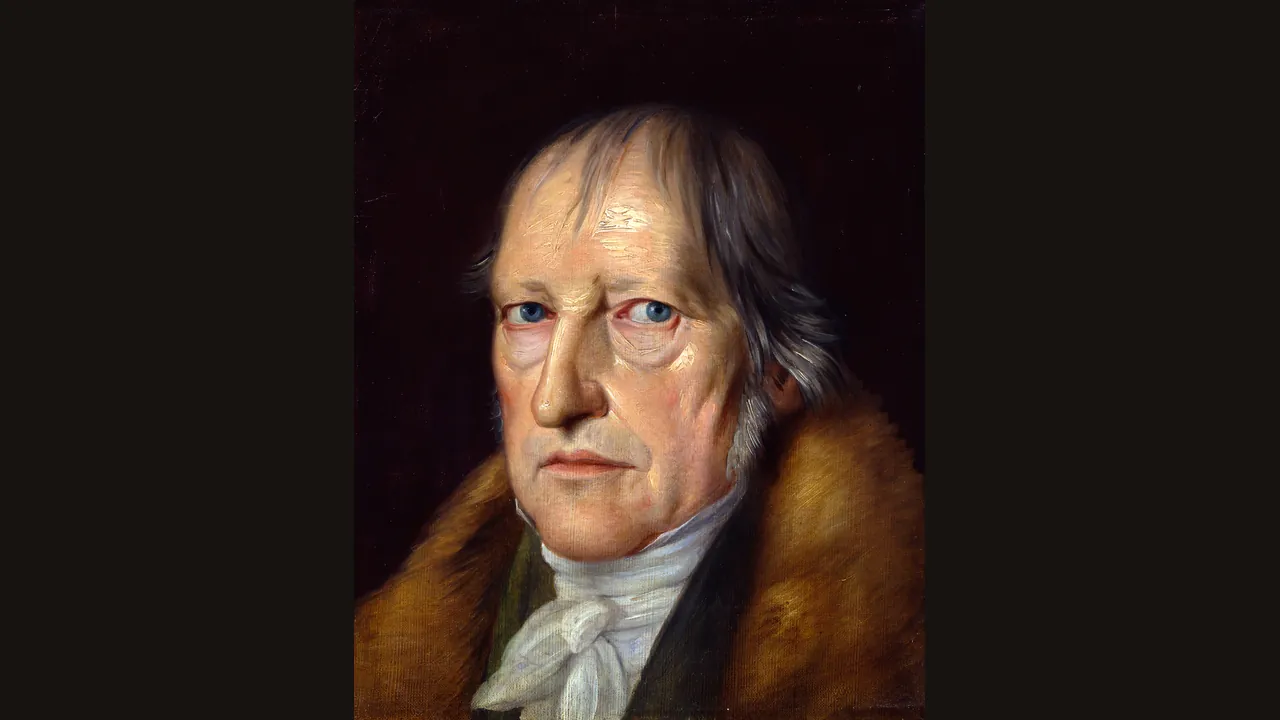
Georg Wilhelm Friedrich Hegel
1770–1831
German thinker whose system made history the unfolding of reason itself. The Phenomenology of Spirit of 1807 follows consciousness to absolute knowing. He lived 1770 to 1831 and died of cholera at the height of his Berlin fame.
Philosopher · Age of revolutions and empire · Germany
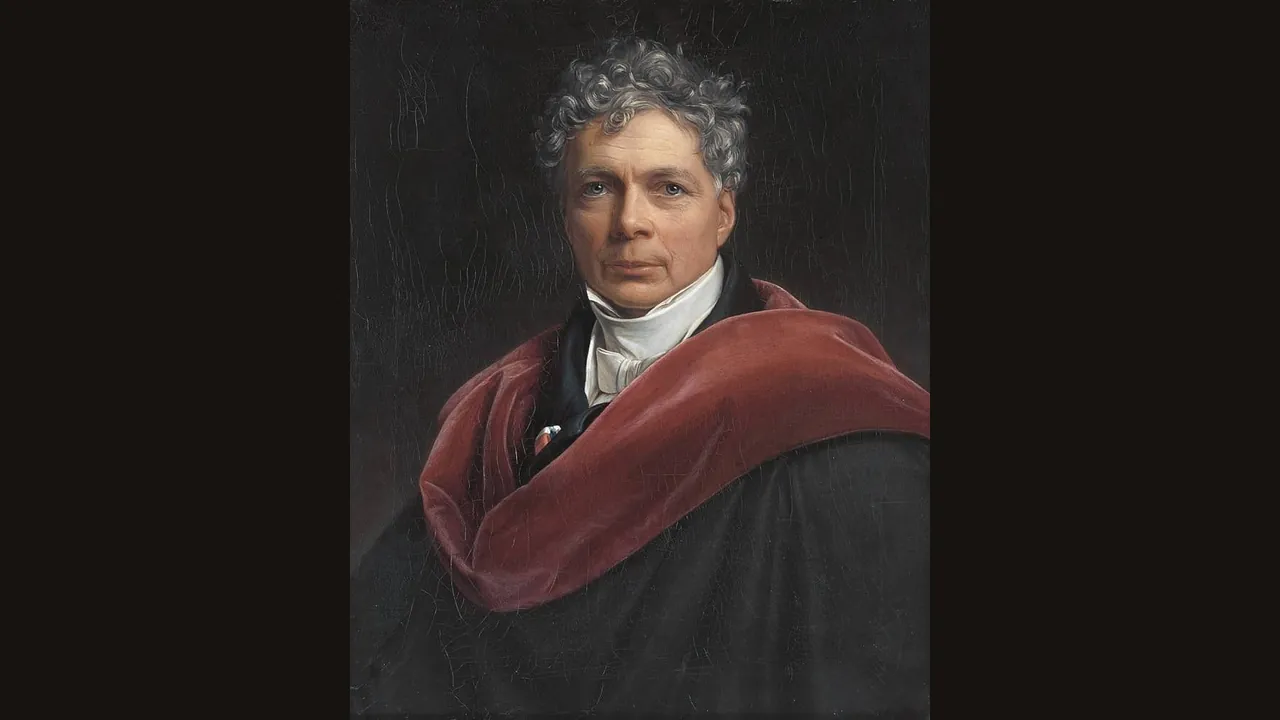
Friedrich Schelling
1775–1854
German thinker of nature and art who stood between Fichte and Hegel in German idealism. His philosophy of nature treated the natural world as visible spirit. He lived 1775 to 1854, outliving his fame.
Philosopher · Age of revolutions and empire · Germany
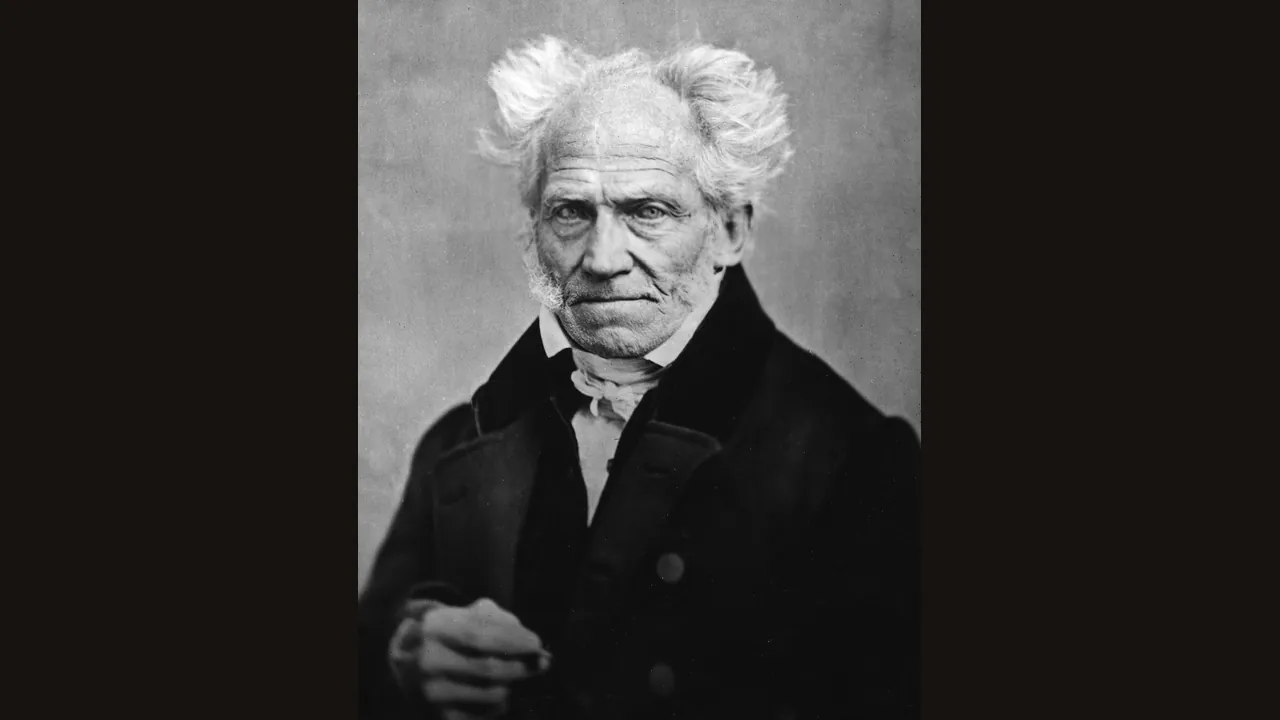
Arthur Schopenhauer
1788–1860
German pessimist whose World as Will and Representation of 1818 taught that a blind striving will drives all things and that release comes through art and denial. Ignored for decades, he became famous late. He lived 1788 to 1860.
Philosopher · Age of revolutions and empire · France
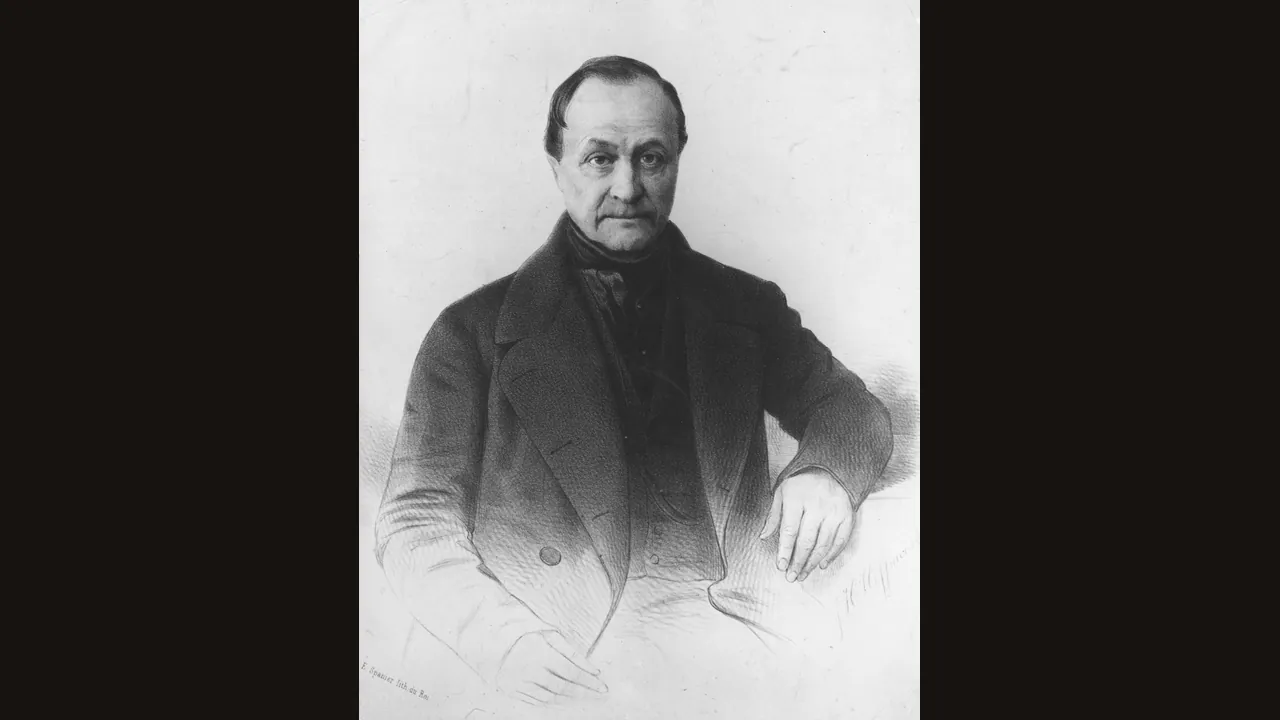
Auguste Comte
1798–1857
French thinker who founded positivism and coined the word sociology. His law of three stages said thought moves from theology through metaphysics to positive science. He lived 1798 to 1857 and ended by founding a Religion of Humanity.
Philosopher · Age of revolutions and empire · England
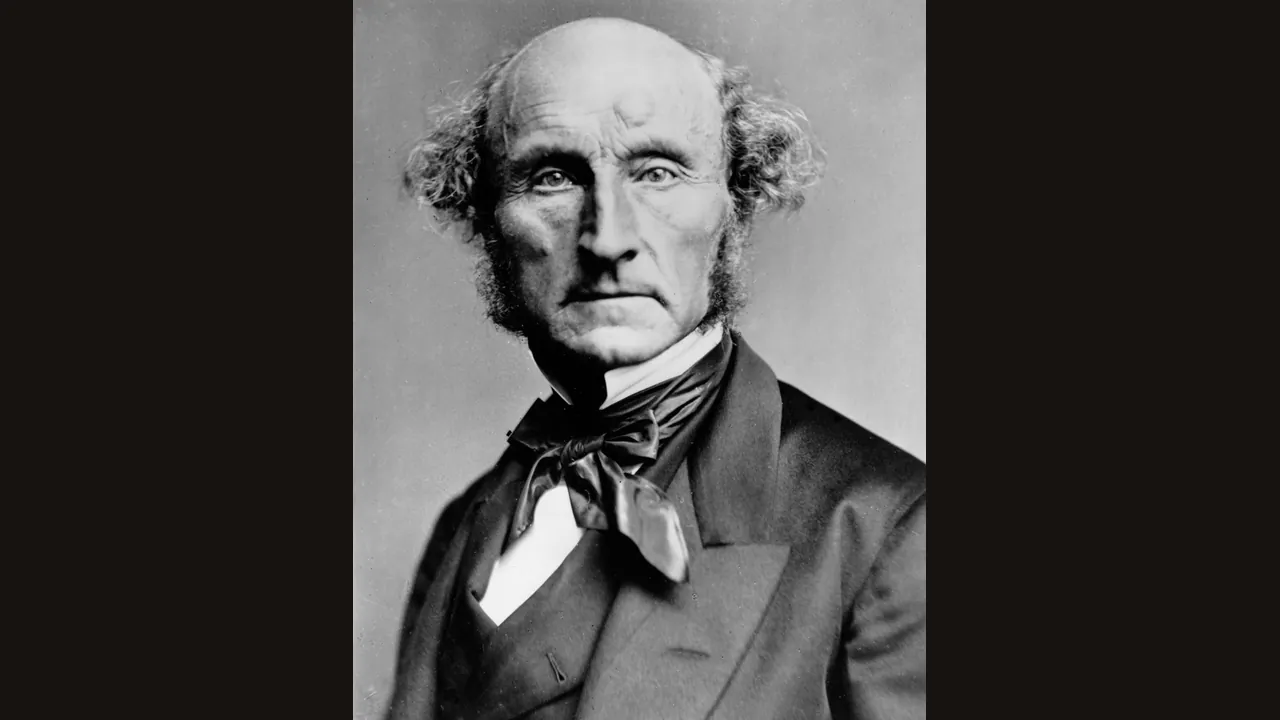
John Stuart Mill
1806–1873
English thinker raised by his father as a reasoning machine who became liberalism's great defender. On Liberty of 1859 made free speech and individuality the test of civilization. He lived 1806 to 1873.
Philosopher · Age of revolutions and empire · Denmark
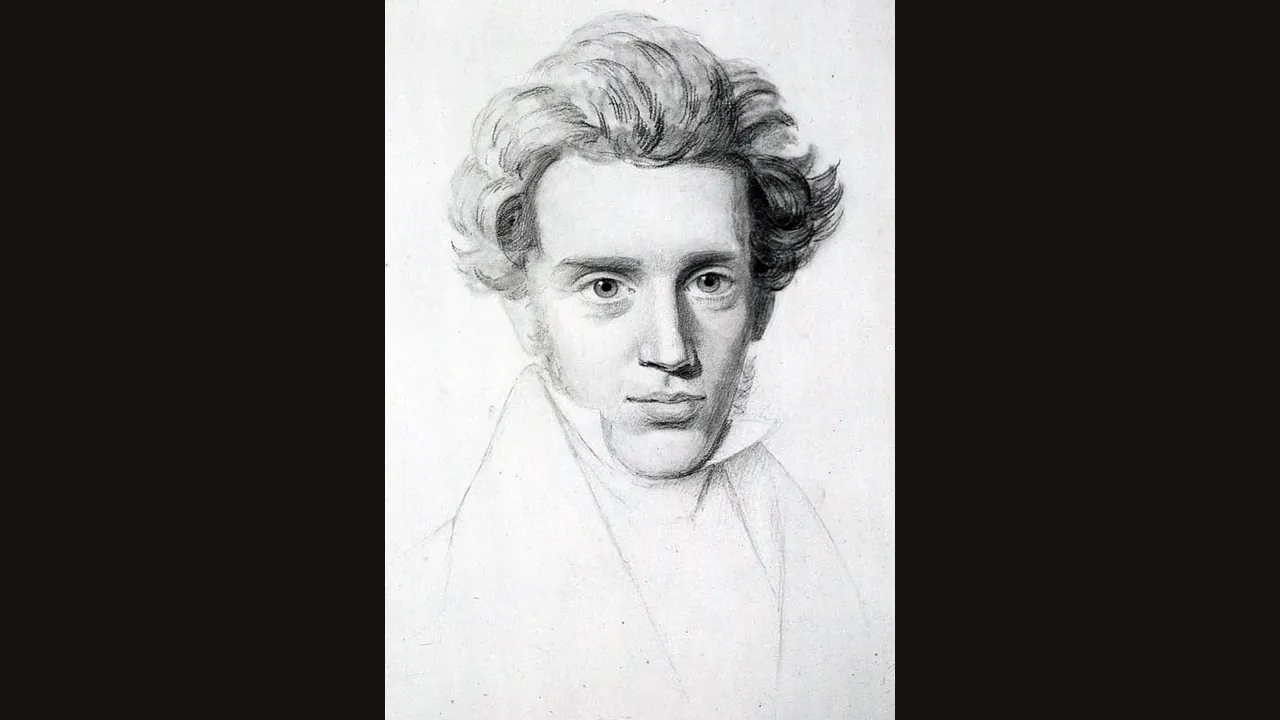
Søren Kierkegaard
1813–1855
Danish thinker, the father of existentialism, who wrote under pseudonyms about the individual's leap of faith against Hegel's system. Fear and Trembling retells Abraham's trial. He lived 1813 to 1855 and died at forty two.
Philosopher · Age of revolutions and empire · Germany
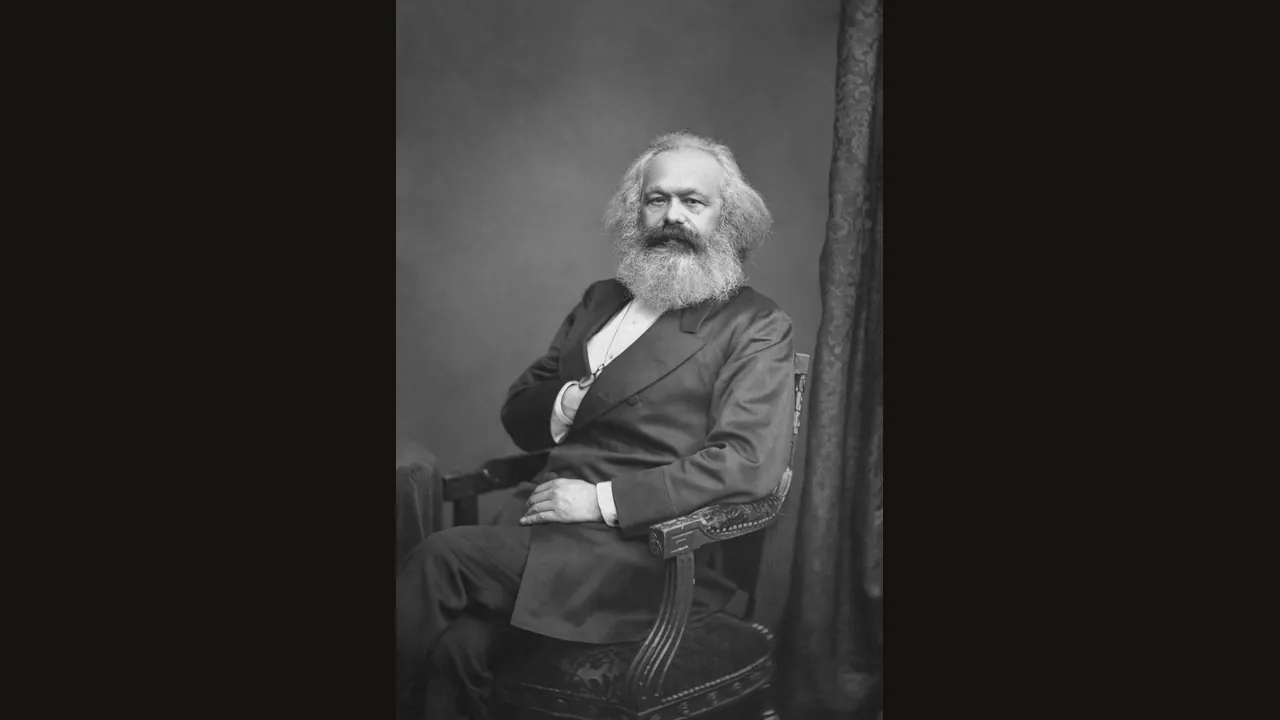
Karl Marx
1818–1883
German thinker who turned Hegel's dialectic into historical materialism: class struggle drives history, and capitalism digs its own grave. The Communist Manifesto of 1848 and Capital of 1867 made him the most politically consequential philosopher of modern times. He lived 1818 to 1883, mostly in London exile.
Philosopher · Age of revolutions and empire · France
Gustave Le Bon
1841–1931
French physician and publicist. Psychologie des foules (1895) described crowd suggestion, prestige and repetition. His racial hierarchies and brain-volume claims have been repudiated.
Philosopher · Age of revolutions and empire · Germany
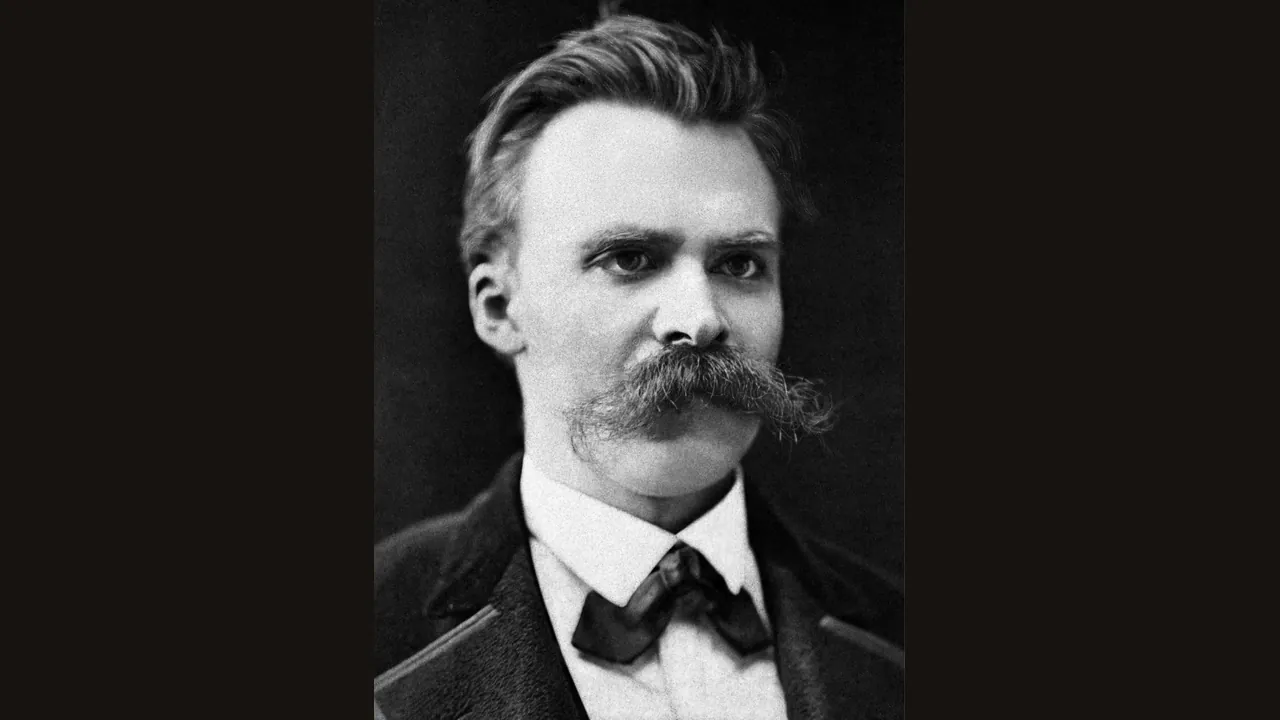
Friedrich Nietzsche
1844–1900
German thinker who announced the death of God and demanded a revaluation of all values. Thus Spoke Zarathustra, Beyond Good and Evil, and the Genealogy of Morals made him philosophy's great stylist and destroyer. He collapsed in 1889 and lived 1844 to 1900.
Philosopher · Age of revolutions and empire · Germany
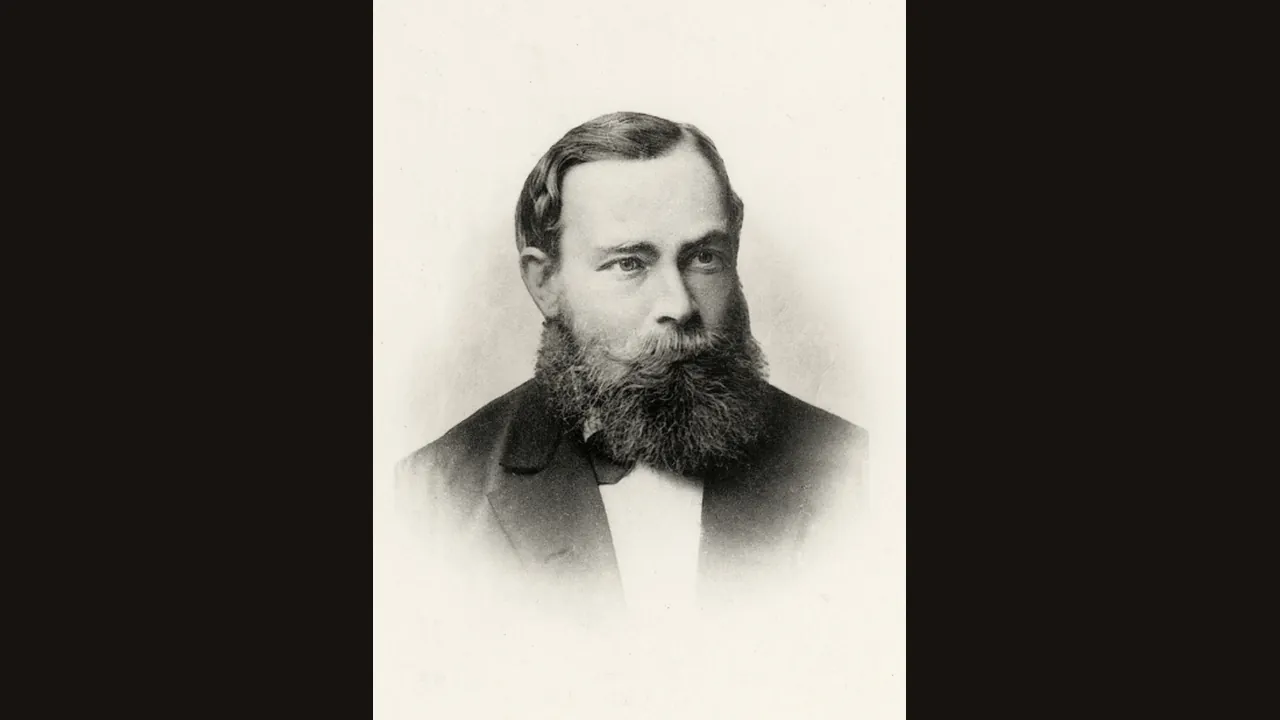
Gottlob Frege
1848–1925
German mathematician and logician who founded analytic philosophy by inventing modern logic. His Begriffsschrift of 1879 rebuilt reasoning on exact symbols. Russell's paradox broke his life's work, the reduction of arithmetic to logic. He lived 1848 to 1925.
Philosopher · Age of revolutions and empire · Czechia
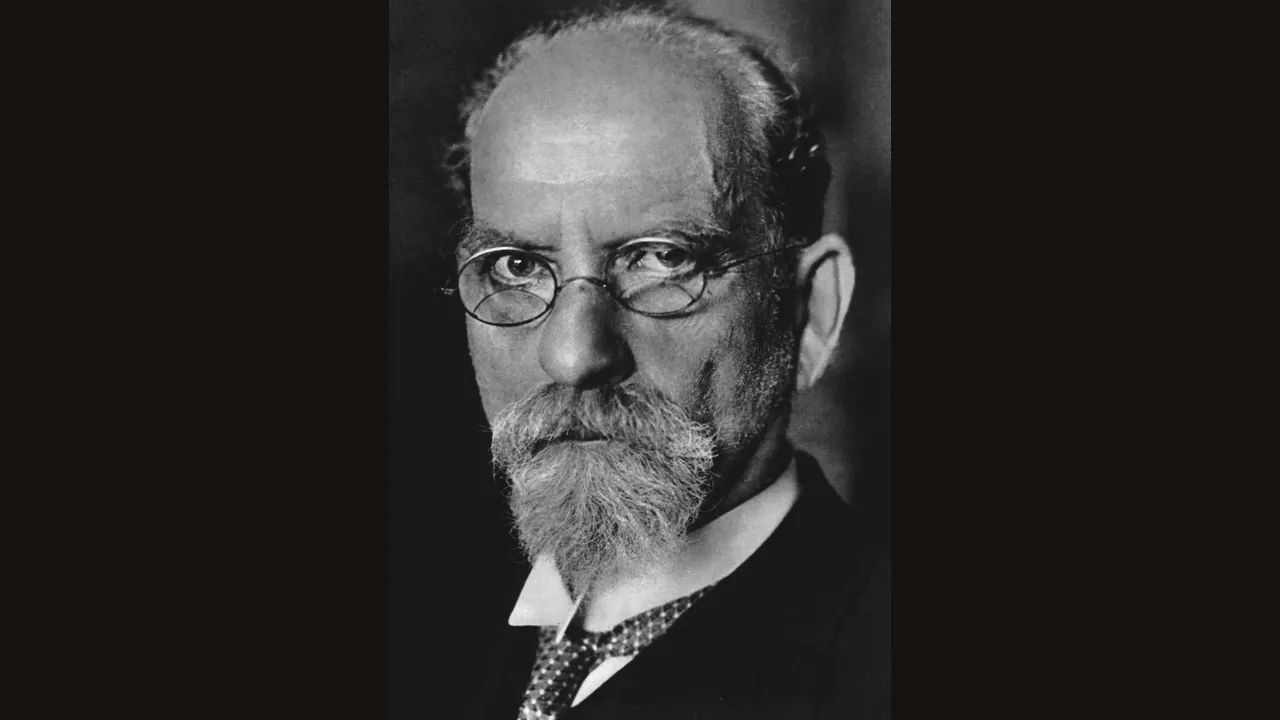
Edmund Husserl
1859–1938
Moravian born German thinker who founded phenomenology, the study of things as they appear to consciousness. His motto was back to the things themselves. He lived 1859 to 1938, stripped of his posts by the Nazis.
Philosopher · Twentieth century · England
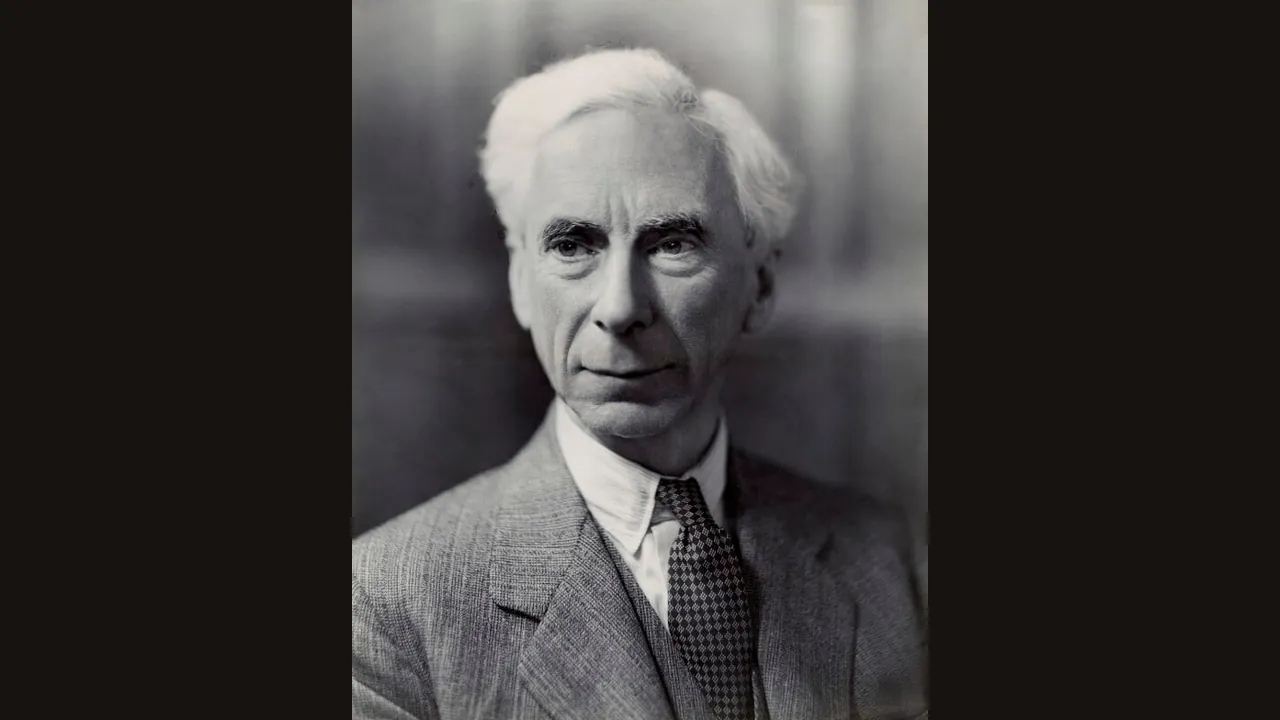
Bertrand Russell
1872–1970
English logician, philosopher, and public campaigner who co wrote Principia Mathematica and won the Nobel Prize in Literature in 1950. He moved from logic to pacifism to nuclear disarmament across a 98 year life, 1872 to 1970.
Philosopher · Twentieth century · Austria
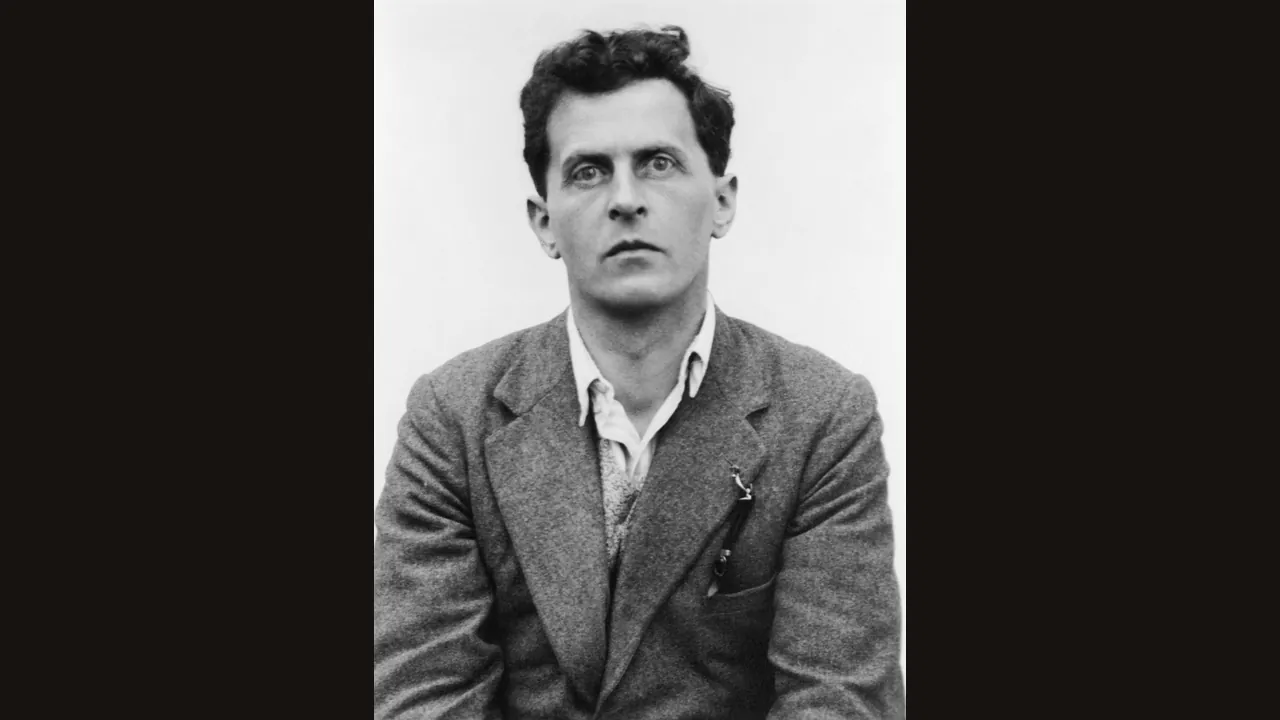
Ludwig Wittgenstein
1889–1951
Austrian born thinker, heir to a steel fortune he gave away, who wrote two philosophies: the Tractatus of 1921, then the Investigations, published after his death, which undid it. He lived 1889 to 1951, teaching at Cambridge between wars.
Philosopher · Twentieth century · Germany
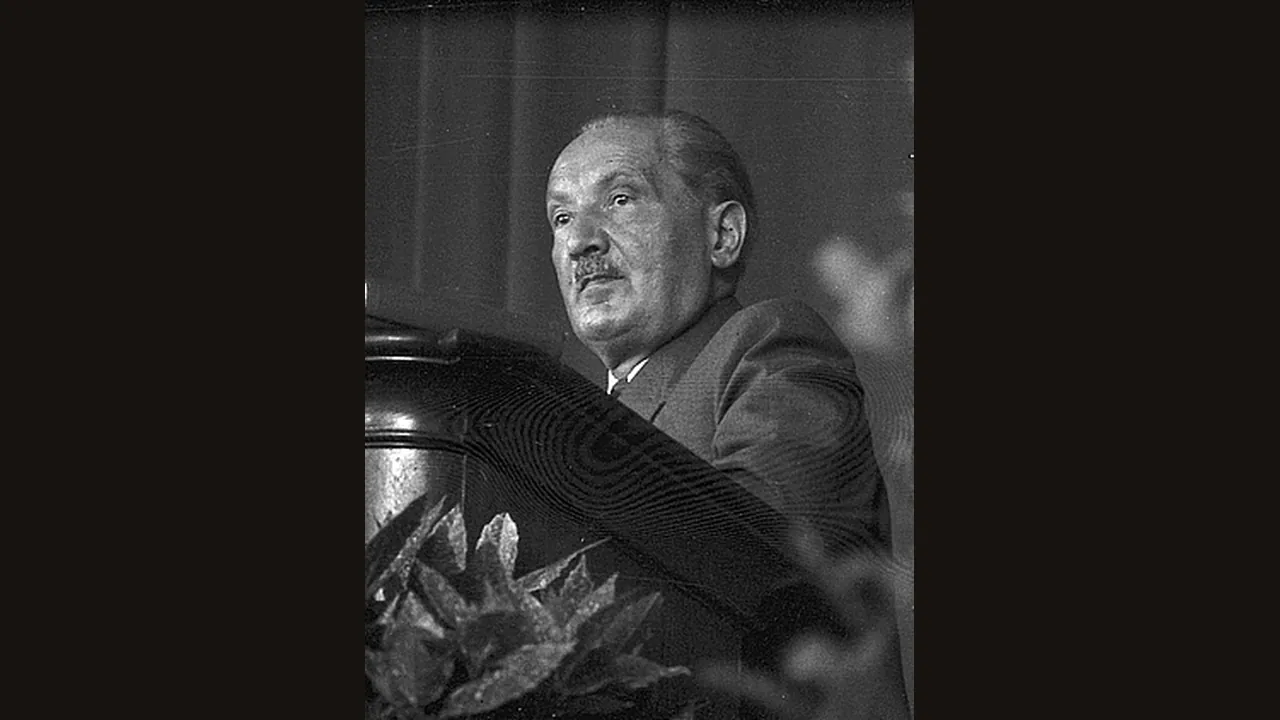
Martin Heidegger
1889–1976
German thinker whose Being and Time of 1927 remade philosophy around the question of being. He joined the Nazi Party in 1933 and served as rector of Freiburg, a fact that shadows his towering influence. He lived 1889 to 1976.
Philosopher · Twentieth century · Italy
Antonio Gramsci
1891–1937
Sardinian Marxist, cofounder of the Italian Communist Party, imprisoned by the Fascist regime. The Prison Notebooks develop cultural hegemony and the war of position.
Philosopher · Twentieth century · Austria
Friedrich August von Hayek
1899–1992
Austrian-born British economist and political philosopher. Author of The Road to Serfdom (1944) and "The Use of Knowledge in Society" (1945). Shared the 1974 Nobel Memorial Prize in Economic Sciences with Gunnar Myrdal.
Philosopher · Twentieth century · Austria
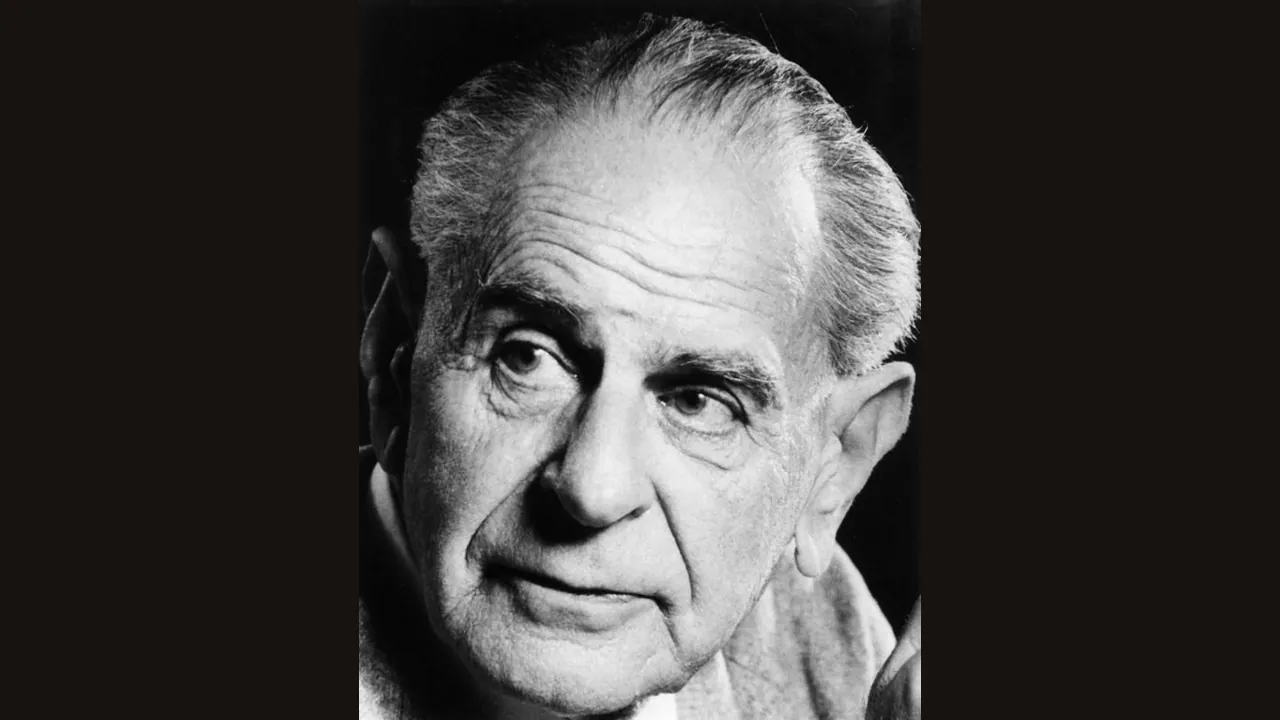
Karl Popper
1902–1994
Austrian born British thinker who redrew the line between science and nonsense: a theory is scientific only if it can be proven wrong. His Open Society attacked historicism and totalitarian thought. He lived 1902 to 1994.
Philosopher · Twentieth century · France
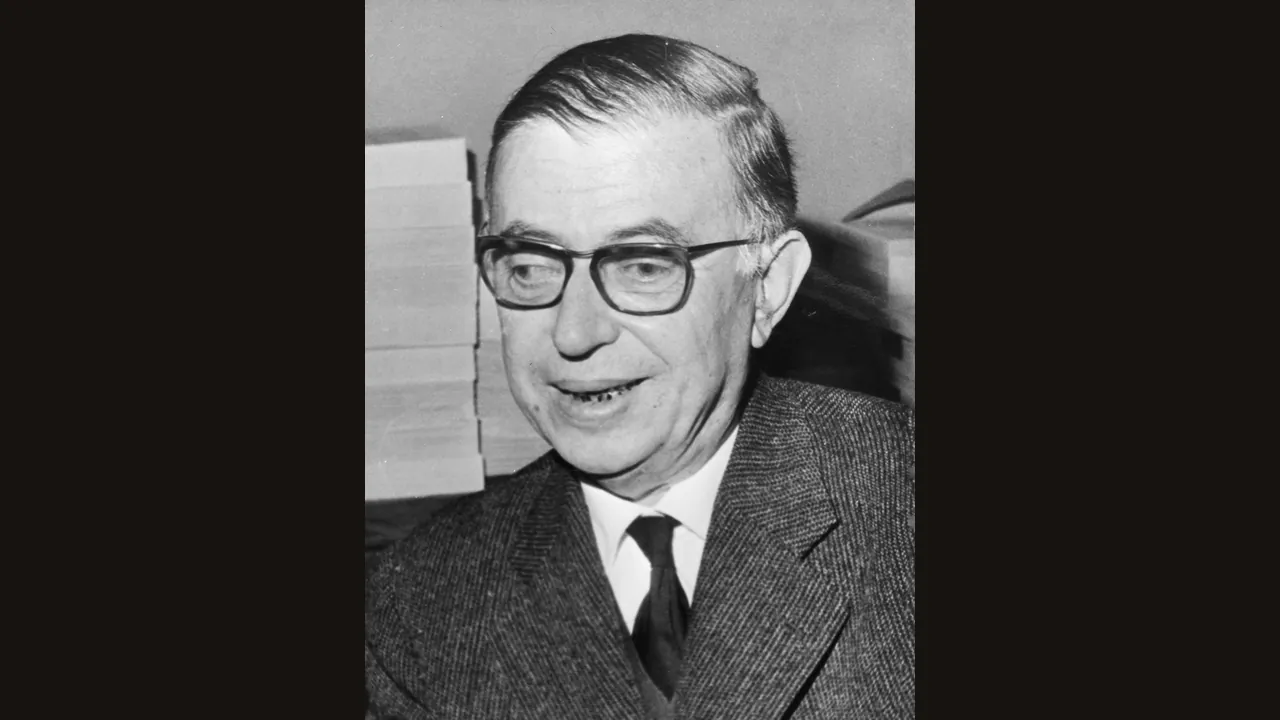
Jean-Paul Sartre
1905–1980
French existentialist who taught that existence precedes essence: we are condemned to be free. Being and Nothingness of 1943 built the system; his plays and novels carried it to the public. He refused the Nobel Prize in 1964 and lived 1905 to 1980.
Philosopher · Twentieth century · Germany
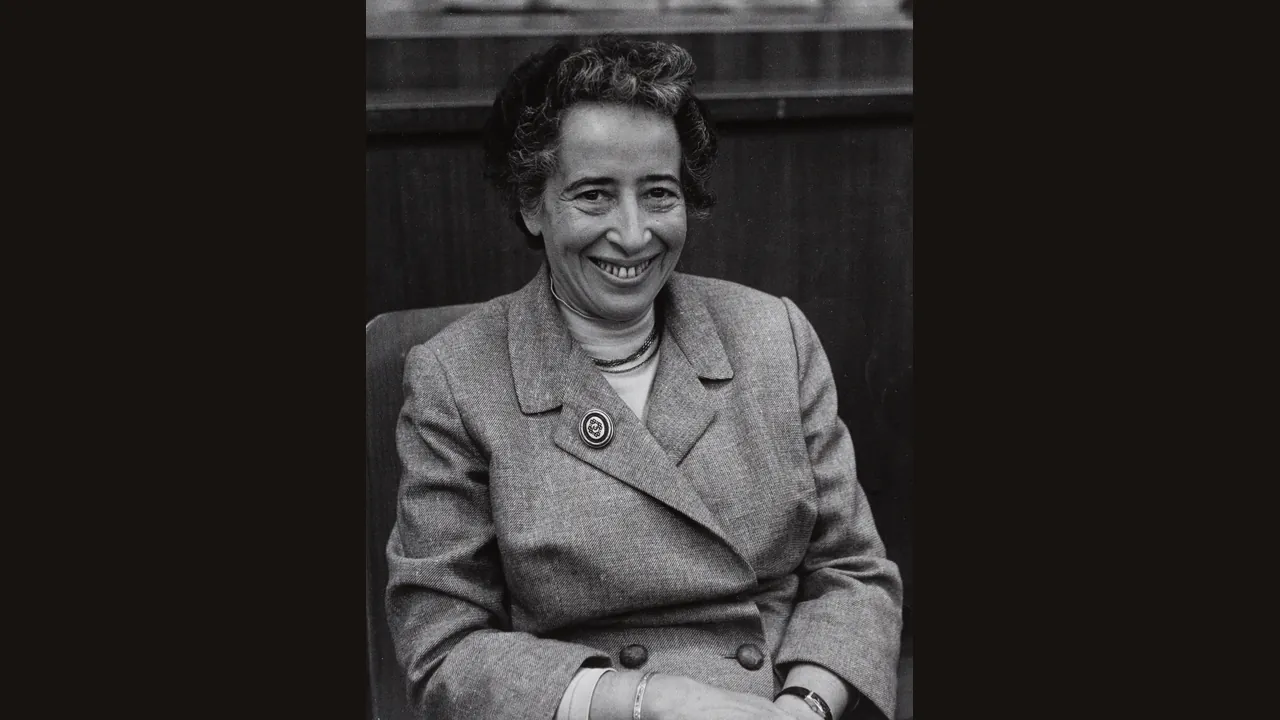
Hannah Arendt
1906–1975
German Jewish thinker who fled the Nazis and became America's great theorist of totalitarianism. The Origins of Totalitarianism of 1951 traced the camps to imperialism and mass society. She lived 1906 to 1975.
Philosopher · Twentieth century · France
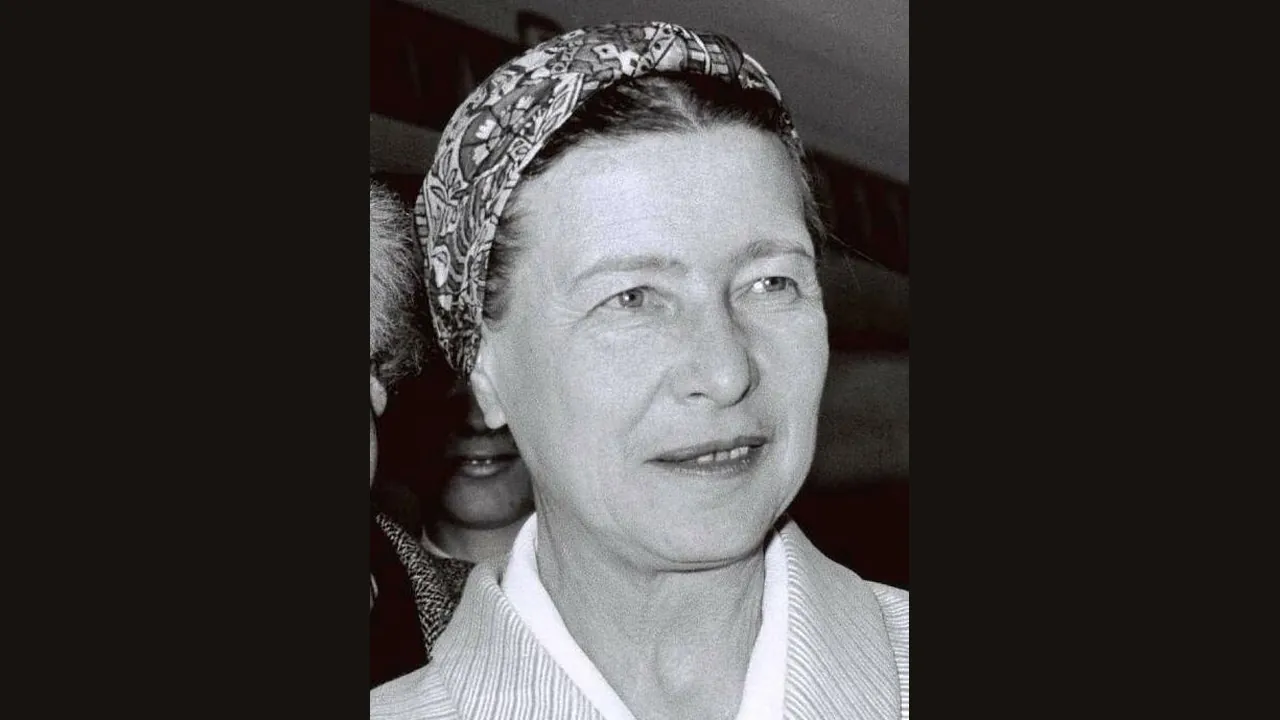
Simone de Beauvoir
1908–1986
French thinker whose Second Sex of 1949 founded modern feminist philosophy with the line one is not born, but becomes, a woman. Sartre's lifelong partner and his sharpest critic, she wrote ethics, novels, and memoirs. She lived 1908 to 1986.
Philosopher · Twentieth century · United States
Willard Van Orman Quine
1908–2000
American logician who dominated analytic philosophy after the war. His Two Dogmas of Empiricism of 1951 attacked the analytic synthetic distinction and made philosophy continuous with science. He taught at Harvard and lived 1908 to 2000.
Philosopher · Twentieth century · Algeria
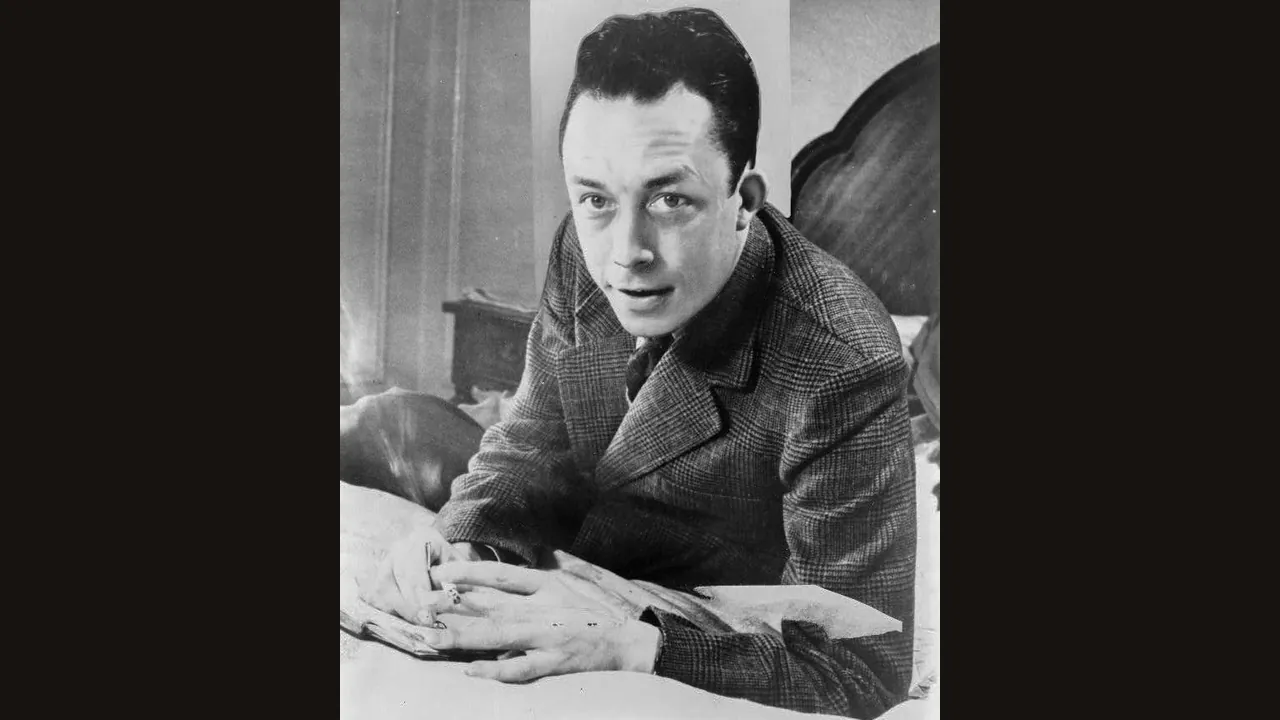
Albert Camus
1913–1960
Algerian born French writer who made the absurd, the clash between our hunger for meaning and a silent world, the theme of his work. The Stranger and The Myth of Sisyphus appeared in 1942. Nobel Prize 1957; he died in a car crash in 1960.
Philosopher · Twentieth century · United States
John Rawls
1921–2002
American thinker whose Theory of Justice of 1971 revived political philosophy. Behind a veil of ignorance, not knowing your place in society, you would choose fair rules for all. He taught at Harvard and lived 1921 to 2002.
Philosopher · Twentieth century · France
Michel Foucault
1926–1984
French thinker who studied how power works through prisons, clinics, and the categories of knowledge itself. Discipline and Punish of 1975 showed the modern soul as a product of surveillance. He lived 1926 to 1984.
Philosopher · Twentieth century · United States
Noam Chomsky
1928–
American linguist and thinker whose Syntactic Structures of 1957 argued that the human mind is born with a universal grammar. He became equally known as a critic of American foreign policy. Born 1928, living.
Philosopher · Twentieth century · Germany
Jürgen Habermas
1929–
German thinker, the leading heir of the Frankfurt School, who defended reason as communication: free discussion among equals can reach the truth. His Theory of Communicative Action appeared in 1981. Born 1929, living.
Philosopher · Twentieth century · Algeria
Jacques Derrida
1930–2004
Algerian born French thinker who founded deconstruction, reading texts against themselves to show meaning always slipping away. Of Grammatology of 1967 made him famous and controversial. He lived 1930 to 2004.
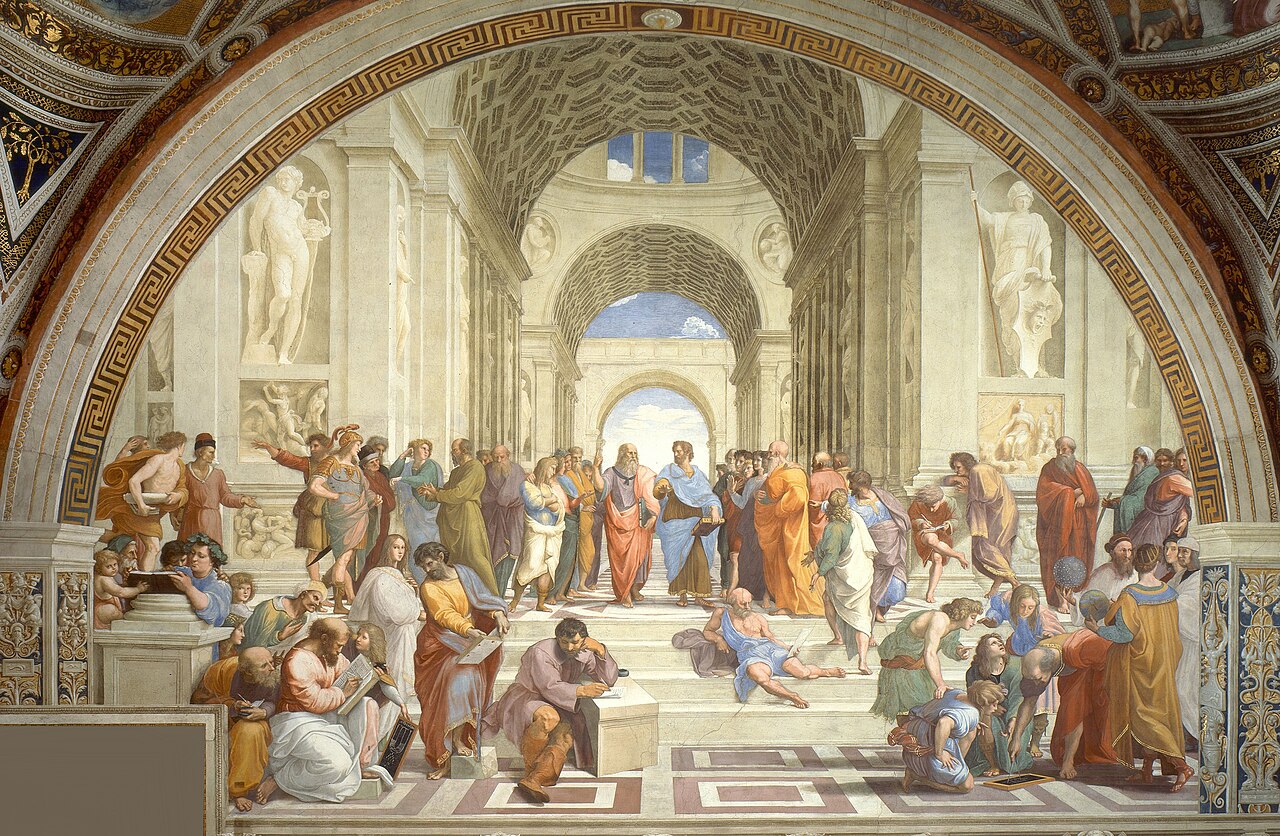
Background: The School of Athens, Raphael (Public domain) —
source