Skip to content
Keep the Tale
All sections
Home
World Map
Videos
Amazon EPUB books
Recommended reading
Articles and polemics
Sections
Home
/
Rulers
Rulers
Articles
Sort
Date
Title
Country
All
Age of revolutions and empire
Classical antiquity
Early Bronze Age
Early Middle Ages
Early modern period
High and Late Middle Ages
Iron Age
Middle and Late Bronze Age
Twentieth century
Ruler · Early Bronze Age · Akkadian Empire · Iraq
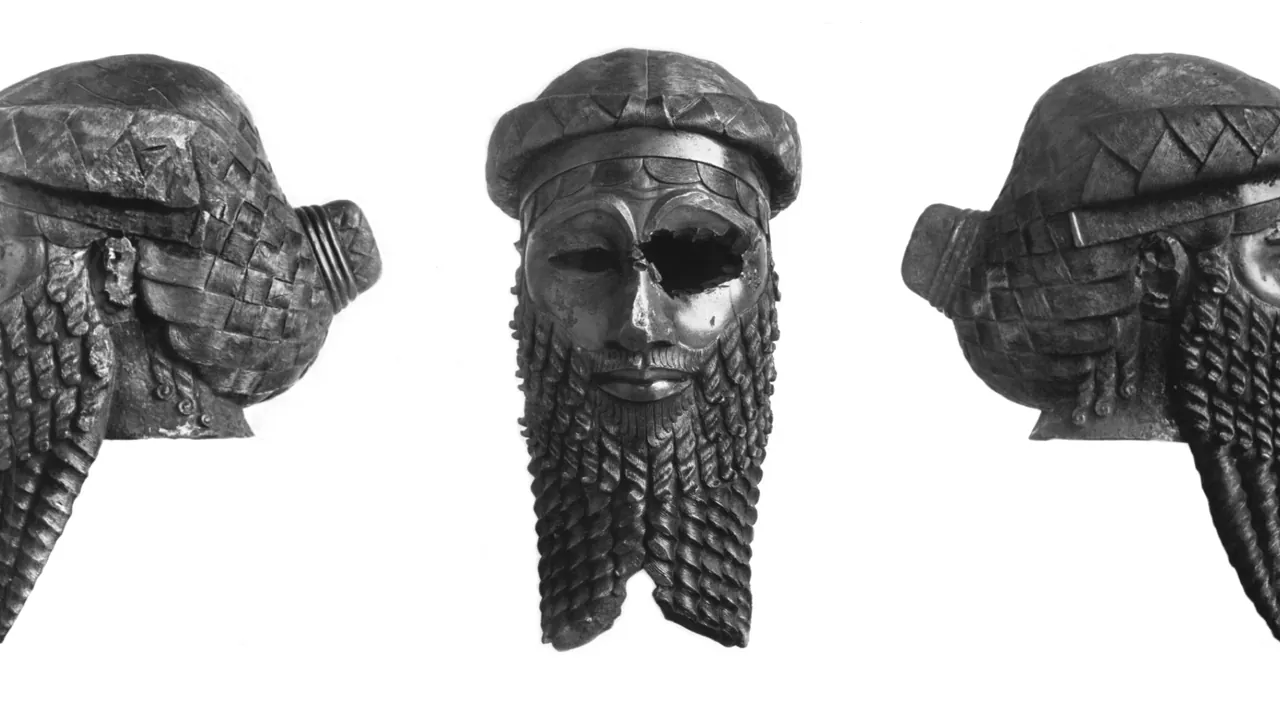
Sargon of Akkad
r. c. 2334–c. 2279 BC
Founder of the Akkadian Empire, the first empire known in Mesopotamia, ruling from the city of Akkad around 2334 to 2279 BC. He conquered the Sumerian city states of the south and extended his power up the Tigris and Euphrates and west to the Mediterranean. His dynasty held Mesopotamia for about a century and a half after him.
Ruler · Middle and Late Bronze Age · Old Babylonian Empire · Iraq
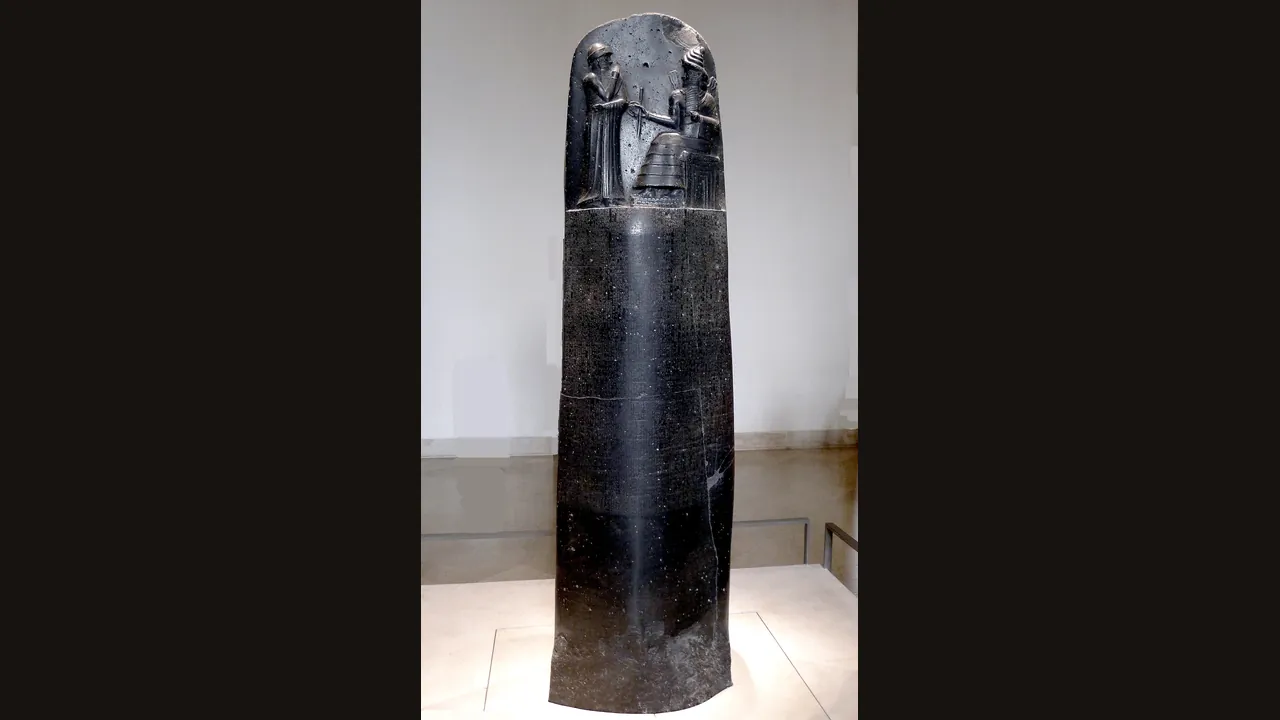
Hammurabi
c. 1810–c. 1750 BC
King of Babylon from about 1792 to 1750 BC, who made the city the master of Mesopotamia. His law code, carved on a tall stone pillar, is one of the earliest full sets of written laws to survive. The code set out punishments and prices for a whole society, from nobles to slaves.
Ruler · Middle and Late Bronze Age · New Kingdom of Egypt · Egypt
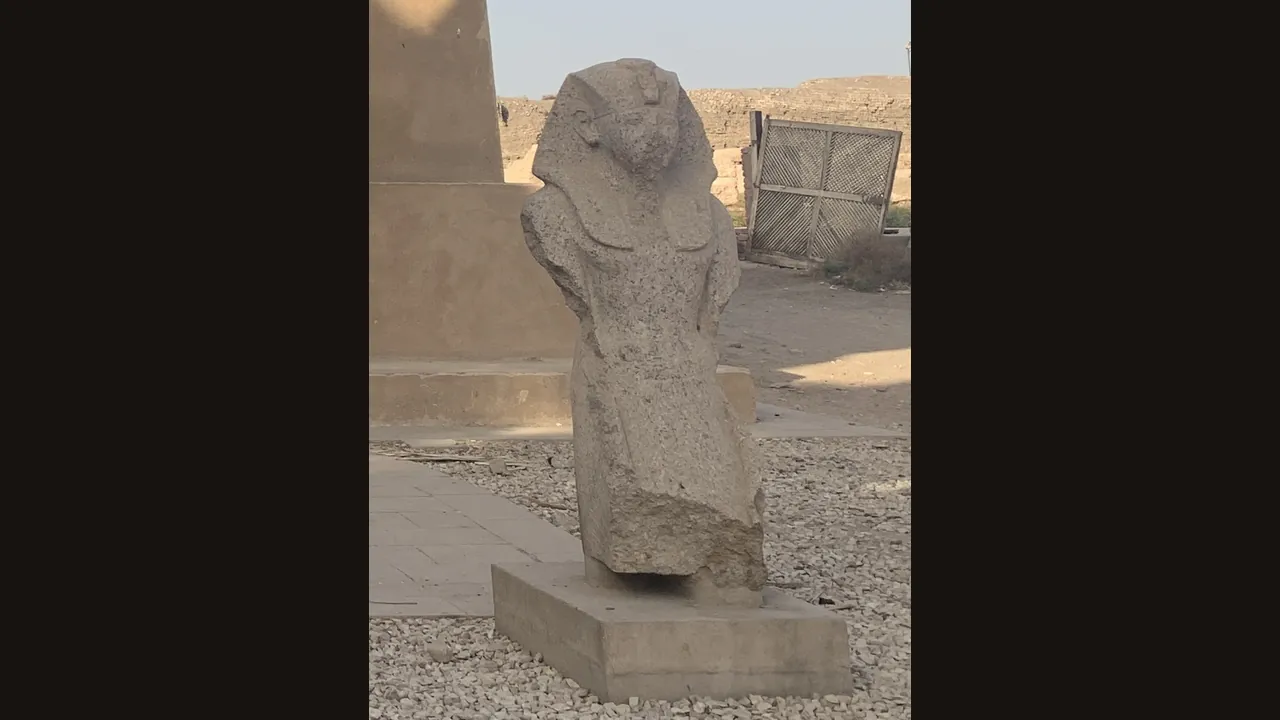
Thutmose III
r. c. 1479–c. 1425 BC
Pharaoh of Egypt from about 1479 to 1425 BC, who built the Egyptian Empire to its greatest extent. He led at least sixteen campaigns into Syria and Palestine, winning the Battle of Megiddo in about 1457 BC. Egypt under him drew tribute from the Euphrates to Nubia.
Ruler · Middle and Late Bronze Age · New Kingdom of Egypt · Egypt
Ramesses II
r. c. 1279–c. 1213 BC
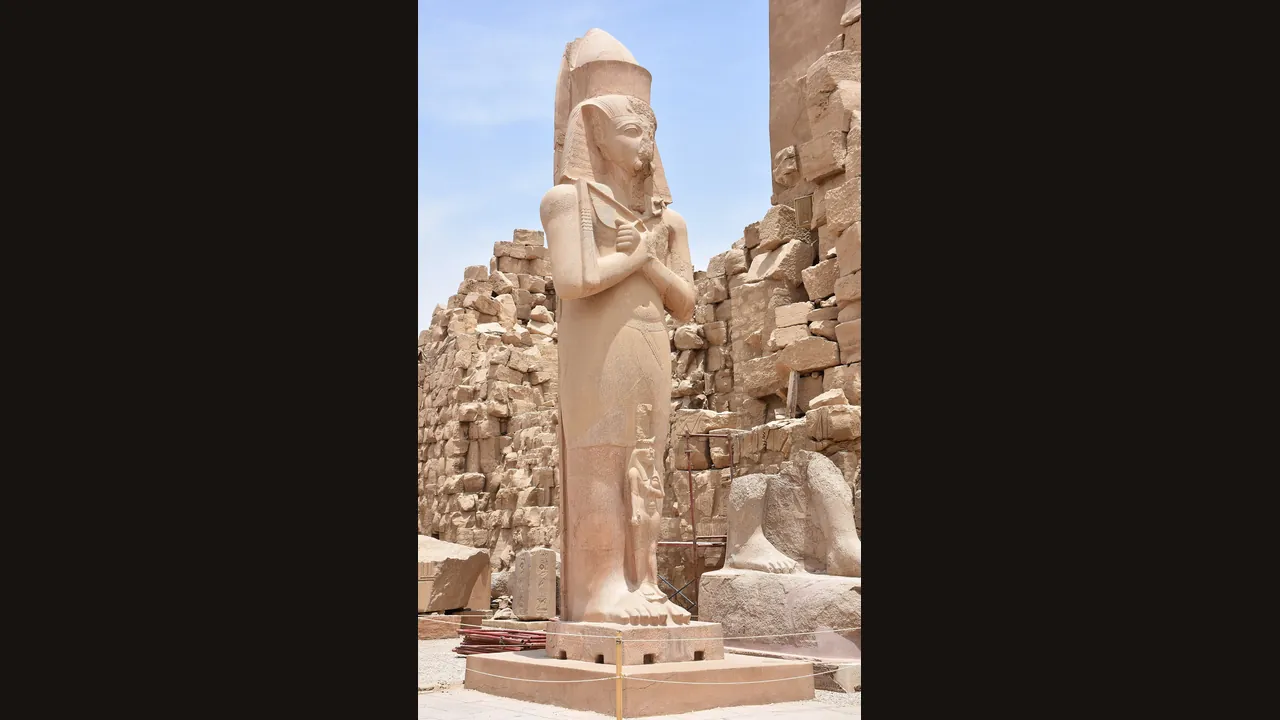
Pharaoh from about 1279 to 1213 BC, remembered as Ramesses the Great for a reign of 66 years. He fought the Hittites to a standstill at the Battle of Kadesh and then made the earliest peace treaty whose text survives from both sides. His building works, from Abu Simbel to the Ramesseum, still dominate the Nile valley.
Ruler · Iron Age · Neo Assyrian Empire · Iraq
Ashurbanipal
r. 668–c. 627 BC
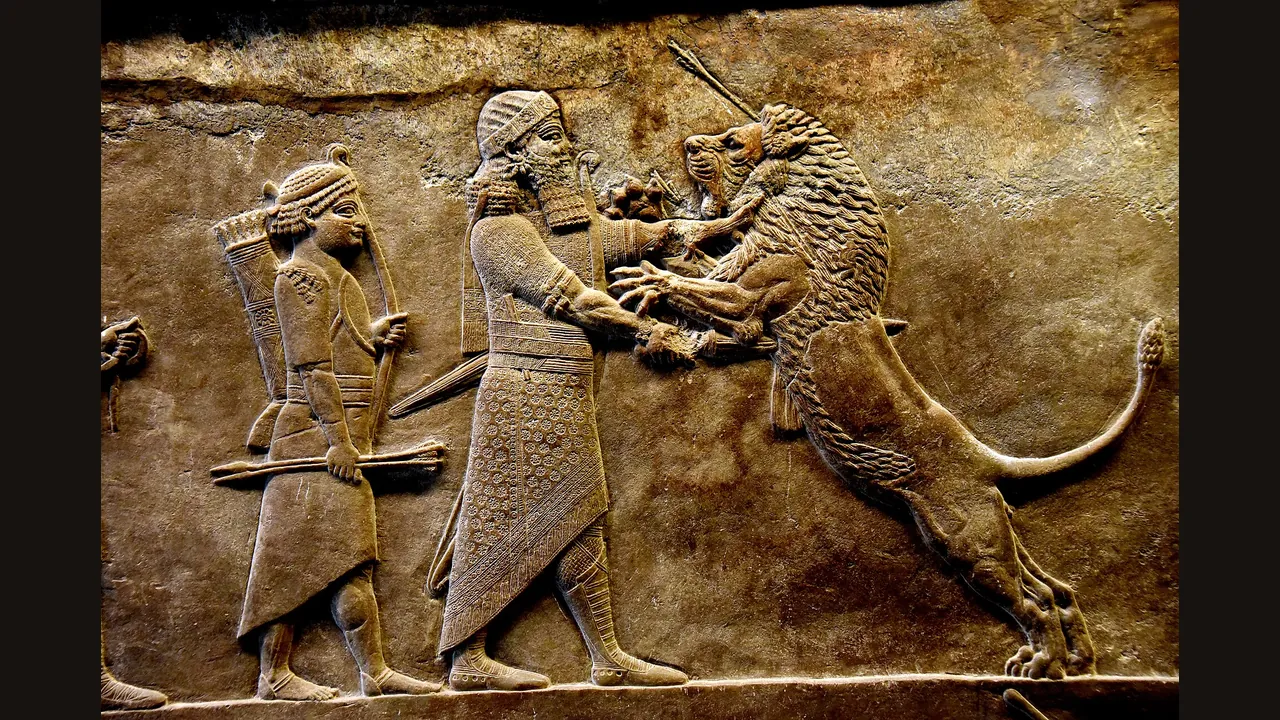
King of Assyria from 668 to about 627 BC, the last great king of the Neo Assyrian Empire. He built a library at Nineveh that gathered thousands of clay tablets, preserving works like the Epic of Gilgamesh. The palace reliefs of his lion hunts are among the finest sculptures of the ancient Near East.
Ruler · Iron Age · Achaemenid Empire · Iran
Cyrus the Great
r. 559–530 BC
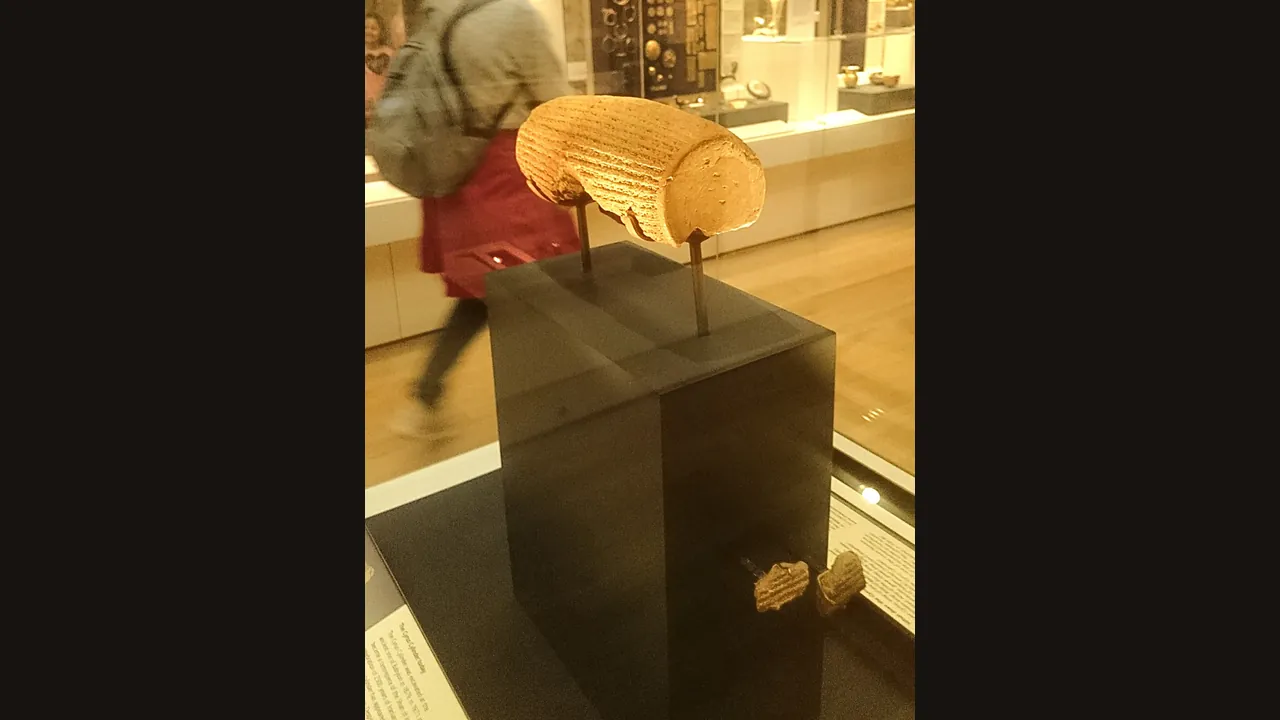
Founder of the Persian Empire, ruling from 559 to 530 BC. He overthrew the Medes, took Lydia and its king Croesus, and captured Babylon in 539 BC without a siege. His empire ran from the Aegean to Central Asia, the largest the world had yet seen.
Ruler · Iron Age · Achaemenid Empire · Iran
Darius I
r. 522–486 BC
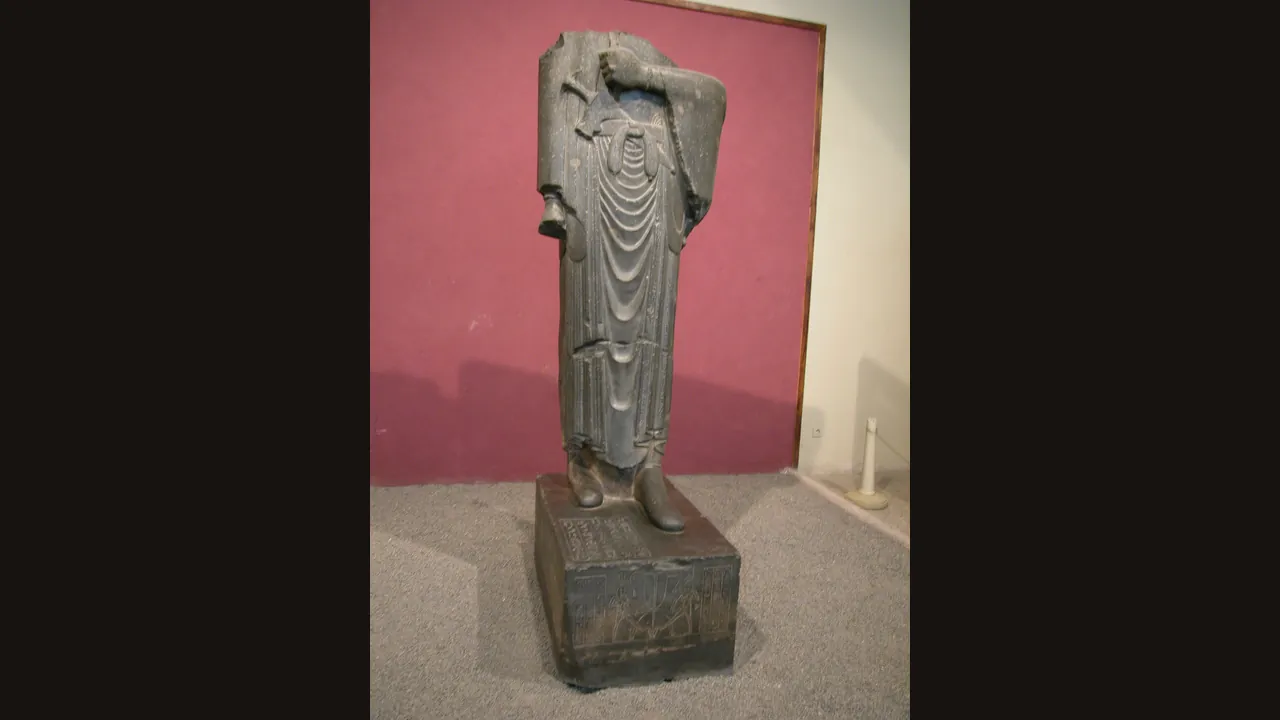
King of Persia from 522 to 486 BC, who organized the empire Cyrus founded into a working state. He divided it into satrapies, built the Royal Road, and raised Persepolis. His reign saw the first clashes with mainland Greece, including the Persian defeat at Marathon in 490 BC.
Ruler · Classical antiquity · Classical Athens · Greece
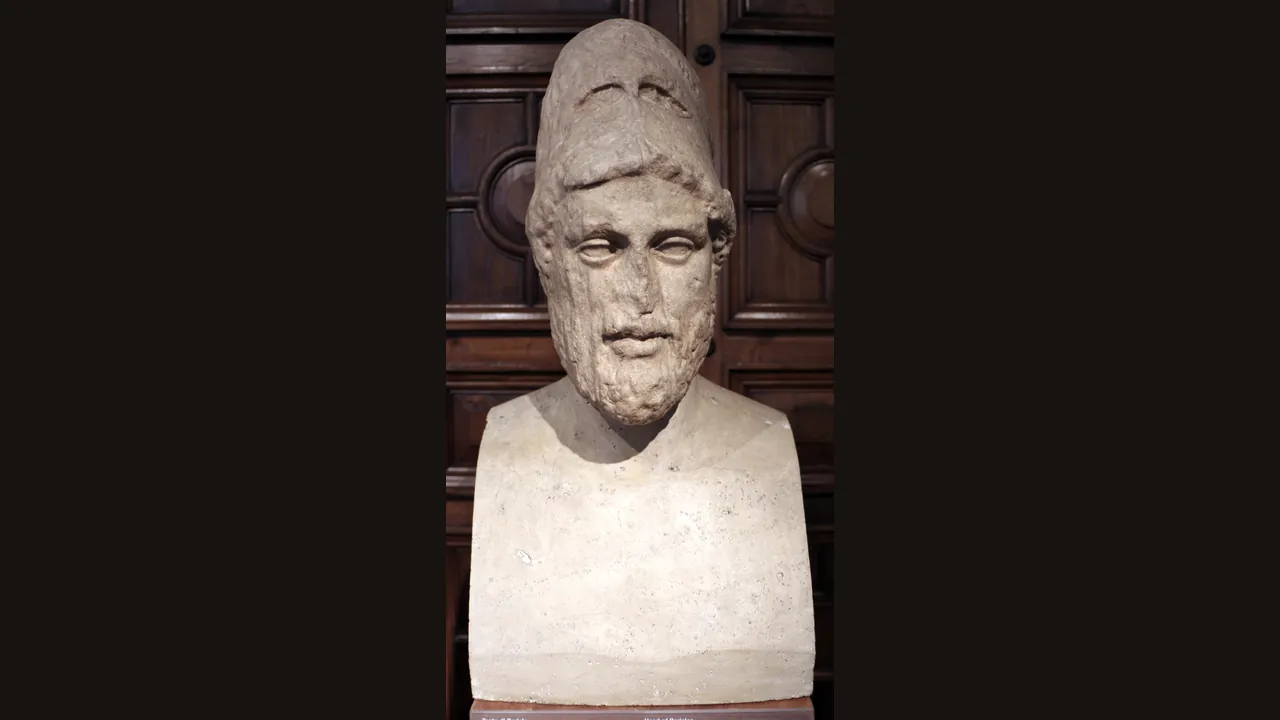
Pericles
c. 495–429 BC
Athenian statesman and general, dominant in Athens from about 461 to his death in 429 BC. Under him Athens reached the height of its power and built the Parthenon, and democracy paid its citizens to serve on juries and row in the fleet. He died of the plague in the second year of the Peloponnesian War.
Ruler · Classical antiquity · Macedonian Empire · Greece
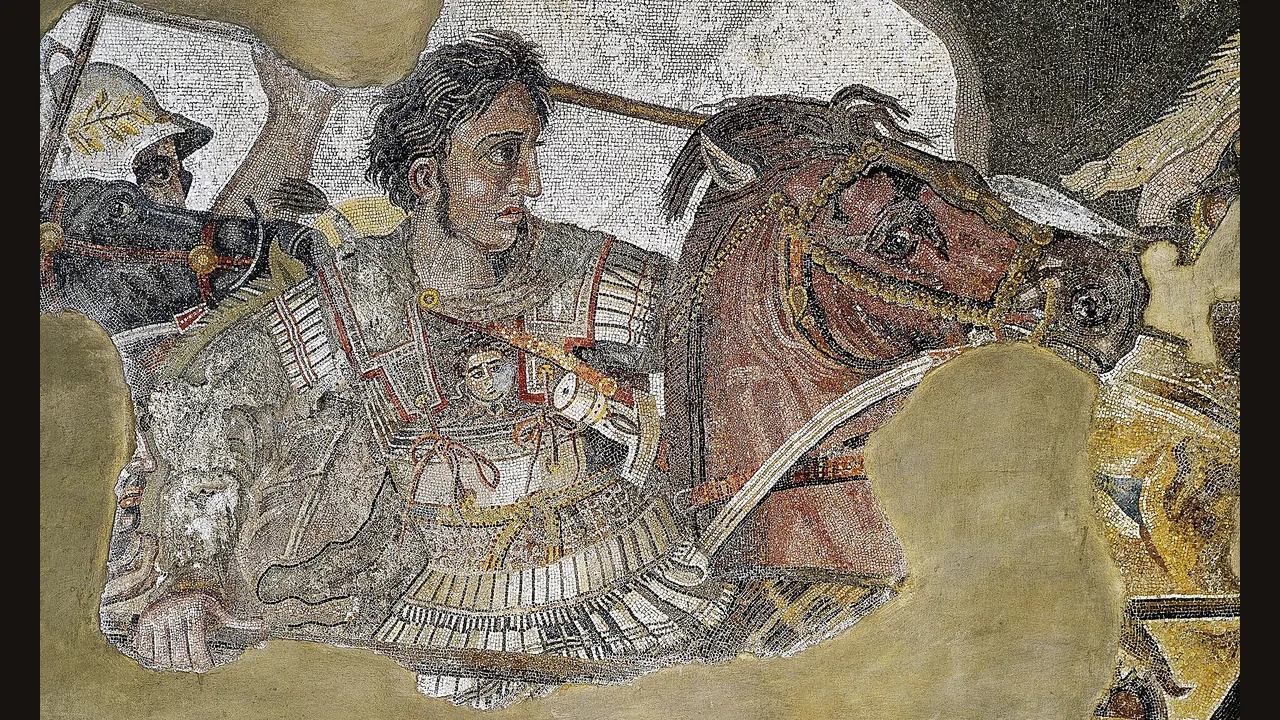
Alexander the Great
356–323 BC
King of Macedon from 336 to 323 BC, who conquered the Persian Empire before he was thirty three. He defeated Darius III at Issus and Gaugamela, founded Alexandria in Egypt, and marched to India before his army refused to go further. He died at Babylon in 323 BC and his generals divided the empire.
Ruler · Classical antiquity · Maurya Empire · India
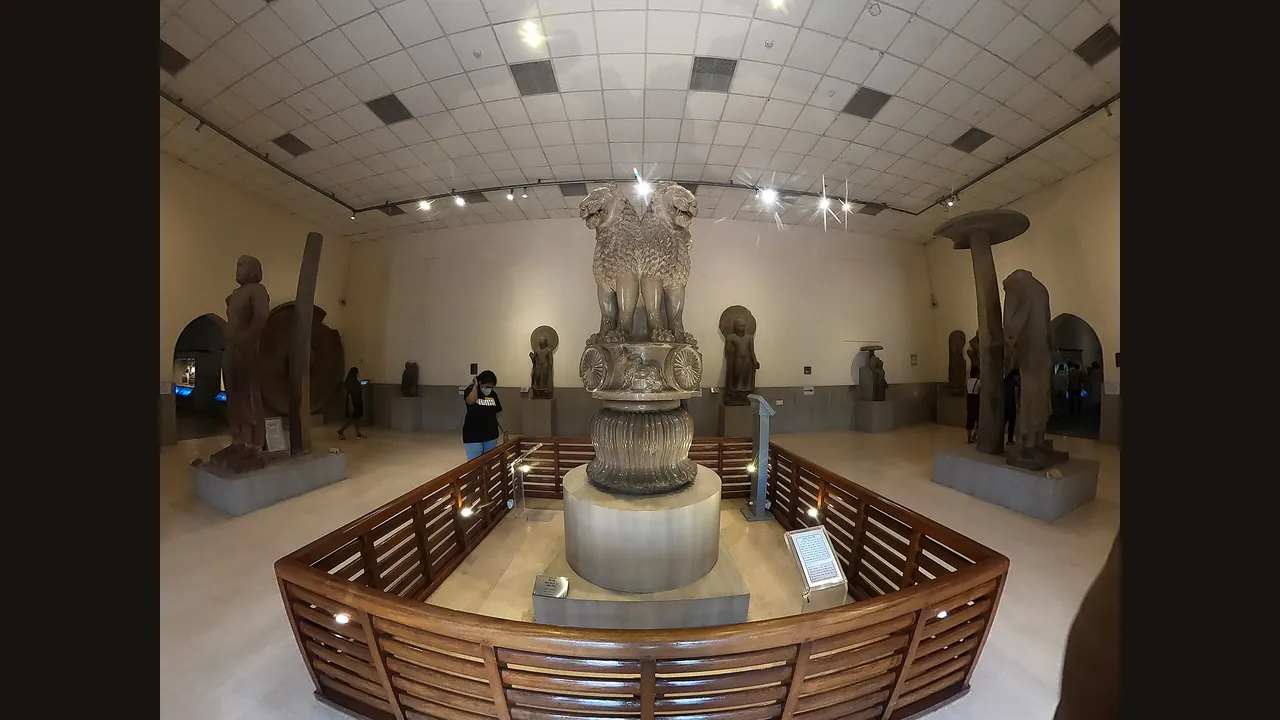
Ashoka
r. c. 268–c. 232 BC
Emperor of the Maurya Empire from about 268 to 232 BC, who ruled nearly the whole Indian subcontinent. After the bloody conquest of Kalinga he turned to Buddhism and had his edicts of tolerance and moral rule carved on pillars and rocks across India. His lion capital is the emblem of modern India.
Ruler · Classical antiquity · Qin dynasty · China
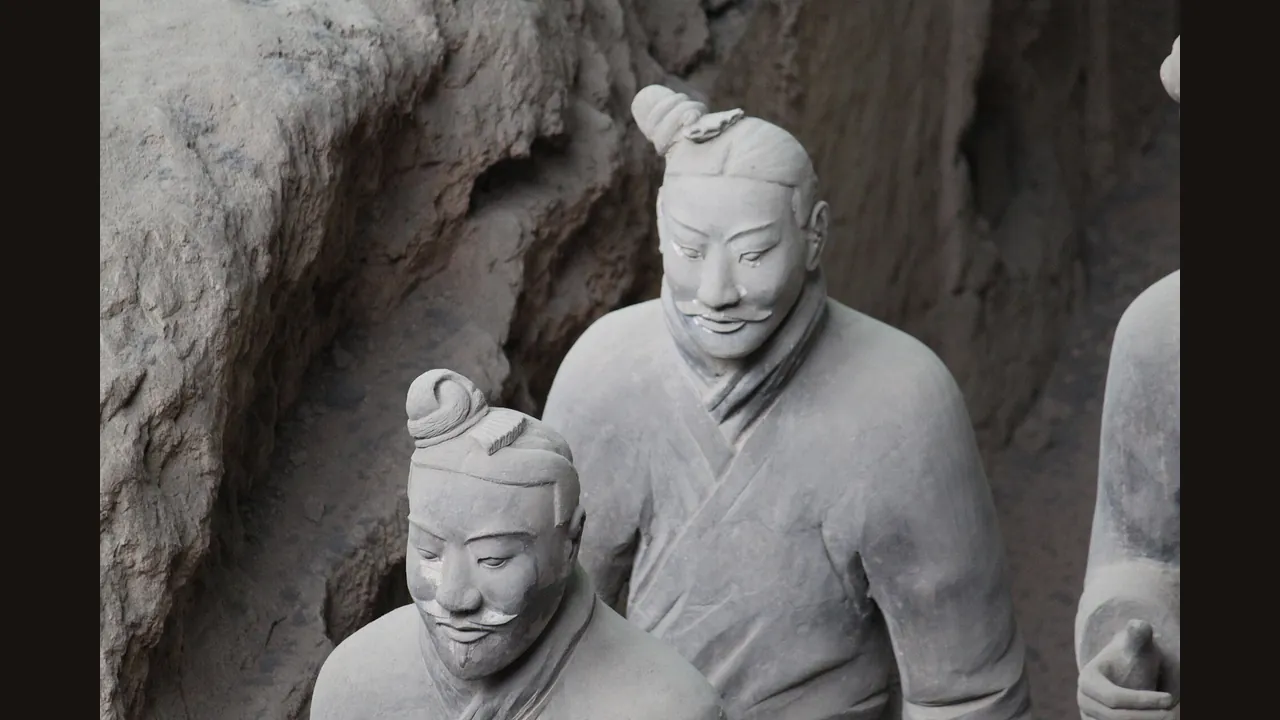
Qin Shi Huang
259–210 BC
First emperor of a unified China, reigning as emperor from 221 to 210 BC, born Ying Zheng in 259 BC. As king of Qin he conquered the other warring states one by one. He standardized weights, measures, coinage and writing across China and joined frontier walls into the first Great Wall.
Ruler · Classical antiquity · Han dynasty · China
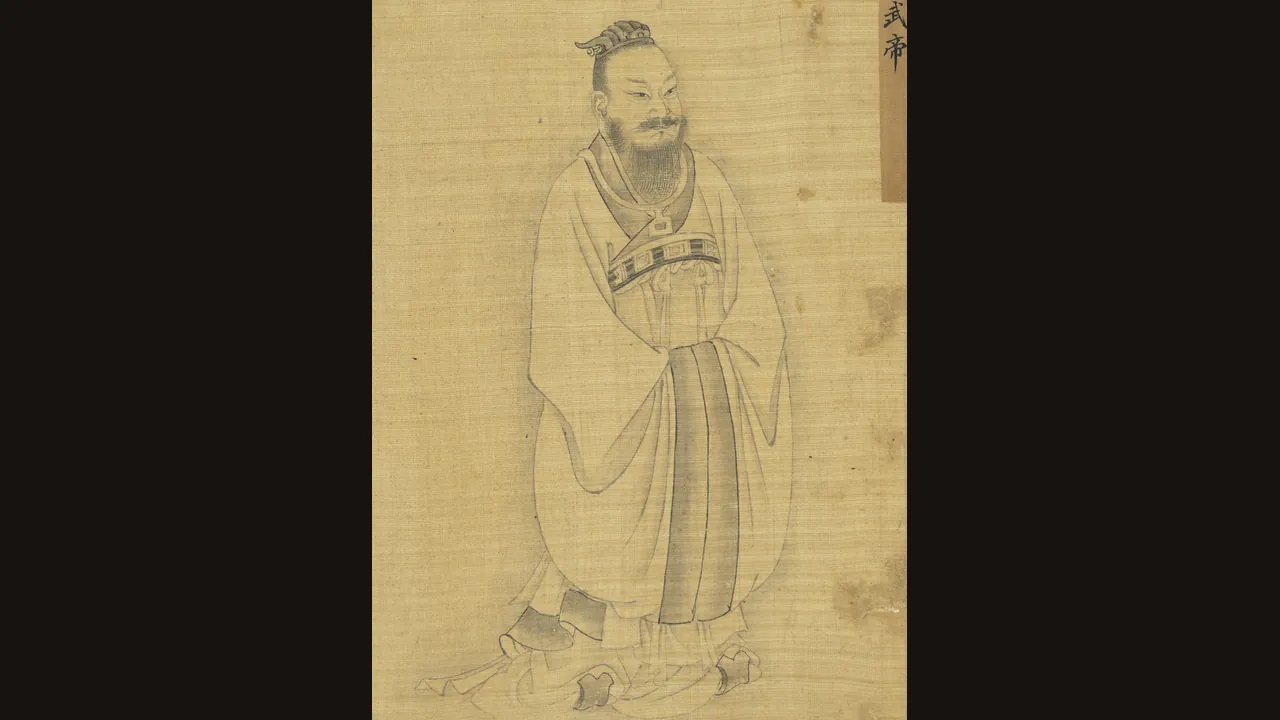
Han Wudi
156–87 BC
Emperor of Han China from 141 to 87 BC, born Liu Che in 156 BC, called the Martial Emperor. His fifty four year reign pushed Han power deep into Central Asia and opened the Silk Road. He made Confucianism the doctrine of the state, shaping Chinese government for two thousand years.
Ruler · Classical antiquity · Roman Republic · Italy
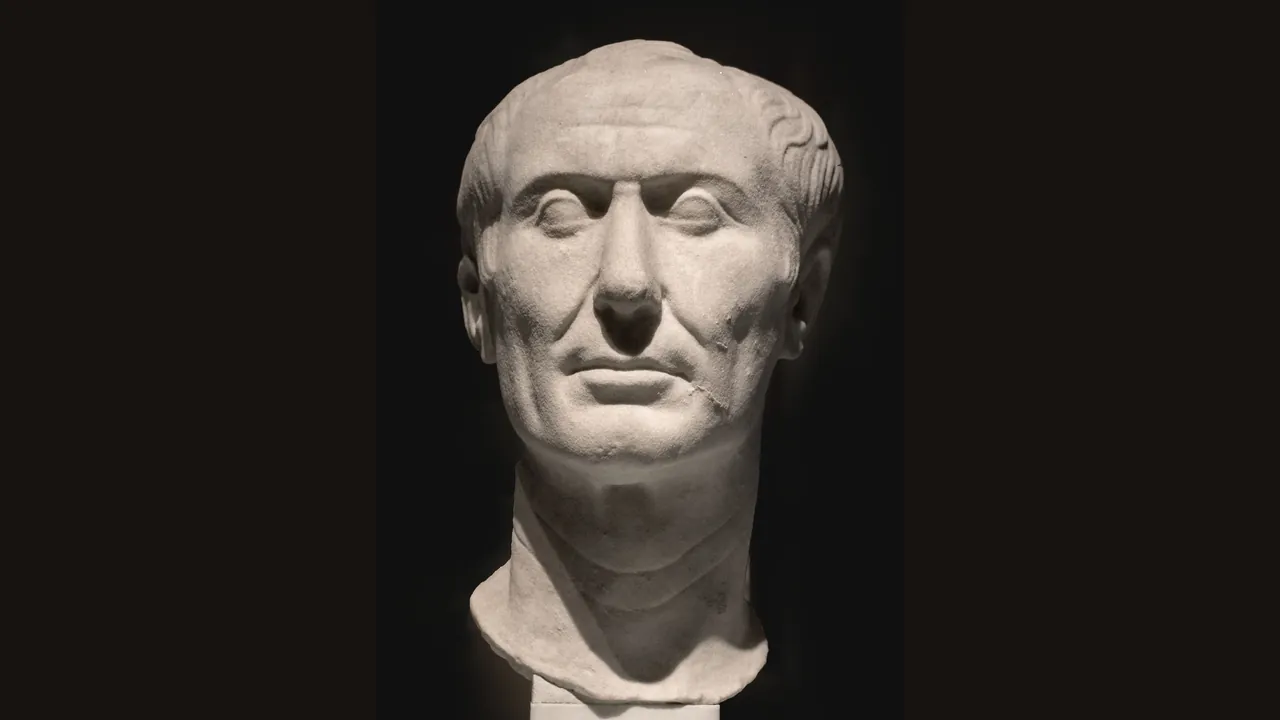
Julius Caesar
100–44 BC
Roman general and statesman, 100 to 44 BC, who ended the Roman Republic in practice. His conquest of Gaul made him rich and famous, and his crossing of the Rubicon in 49 BC began a civil war he won. Made dictator for life, he was stabbed to death by senators on the Ides of March, 44 BC.
Ruler · Classical antiquity · Roman Empire · Italy
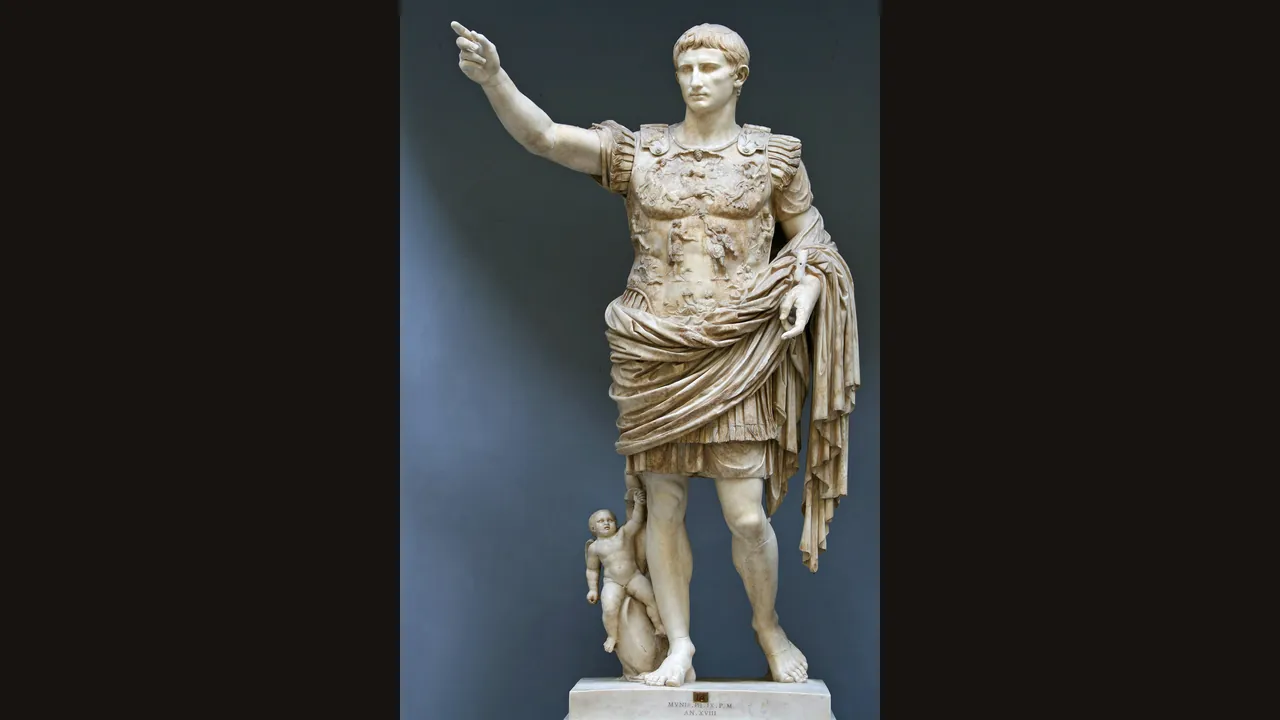
Augustus
63 BC–14 AD
First emperor of Rome, ruling from 27 BC to 14 AD, born Gaius Octavius in 63 BC. He defeated Mark Antony and Cleopatra at Actium in 31 BC and then rebuilt the Roman state around himself while keeping republican names. His reign began the Pax Romana, two centuries of relative peace.
Ruler · Classical antiquity · Roman Empire · Turkey
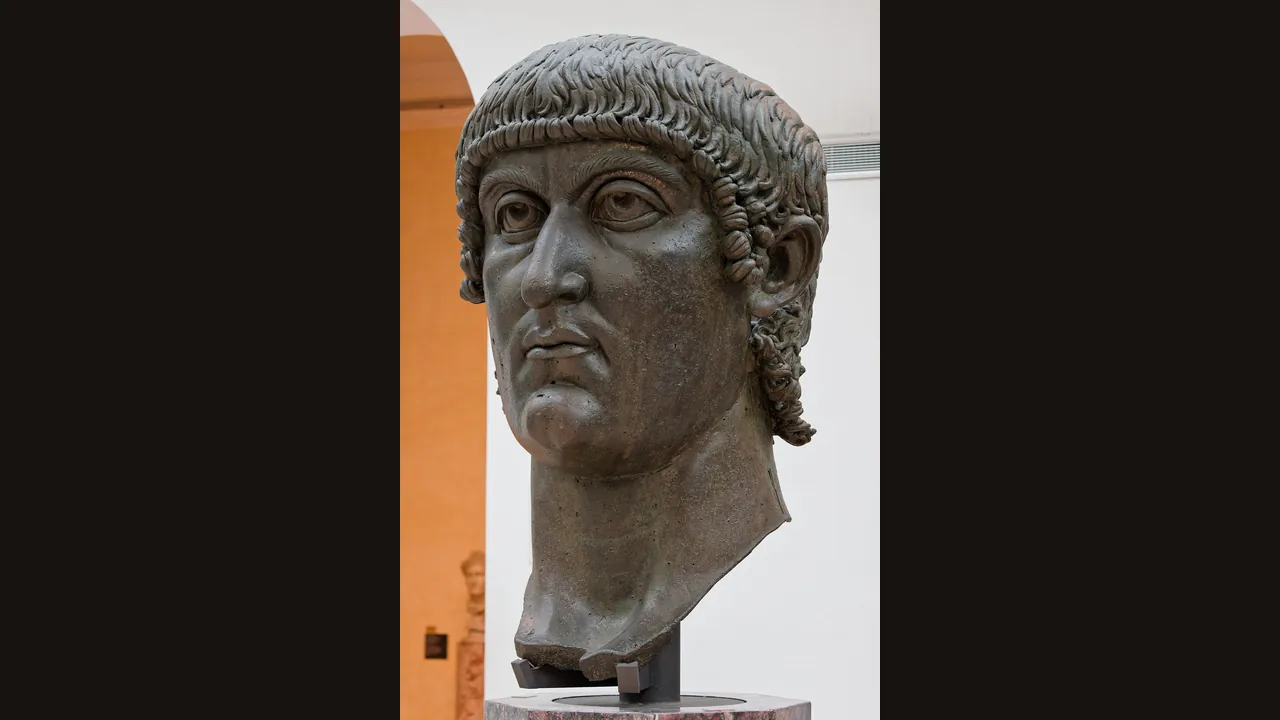
Constantine the Great
r. 306–337
Roman emperor from 306 to 337, who reunited the empire and moved its center east. He legalized Christianity with the Edict of Milan in 313 and founded Constantinople as a new capital in 330. The Council of Nicaea in 325, called by him, defined Christian orthodoxy for centuries.
Ruler · Early Middle Ages · Byzantine Empire · Turkey
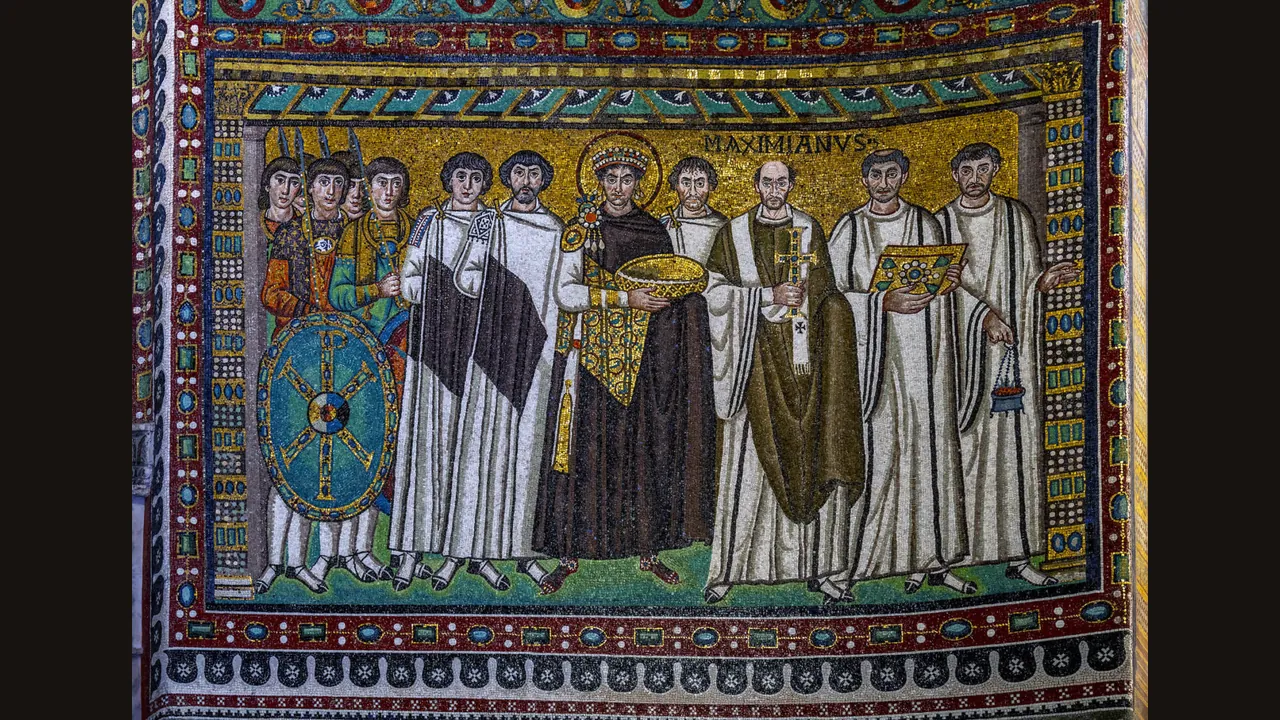
Justinian I
r. 527–565
Emperor of the Eastern Roman Empire from 527 to 565, born about 482. His generals retook North Africa and Italy from the Germanic kingdoms, briefly restoring Roman rule around the western Mediterranean. His law code, the Corpus Juris Civilis, became the foundation of legal systems across Europe.
Ruler · Early Middle Ages · Tang dynasty · China
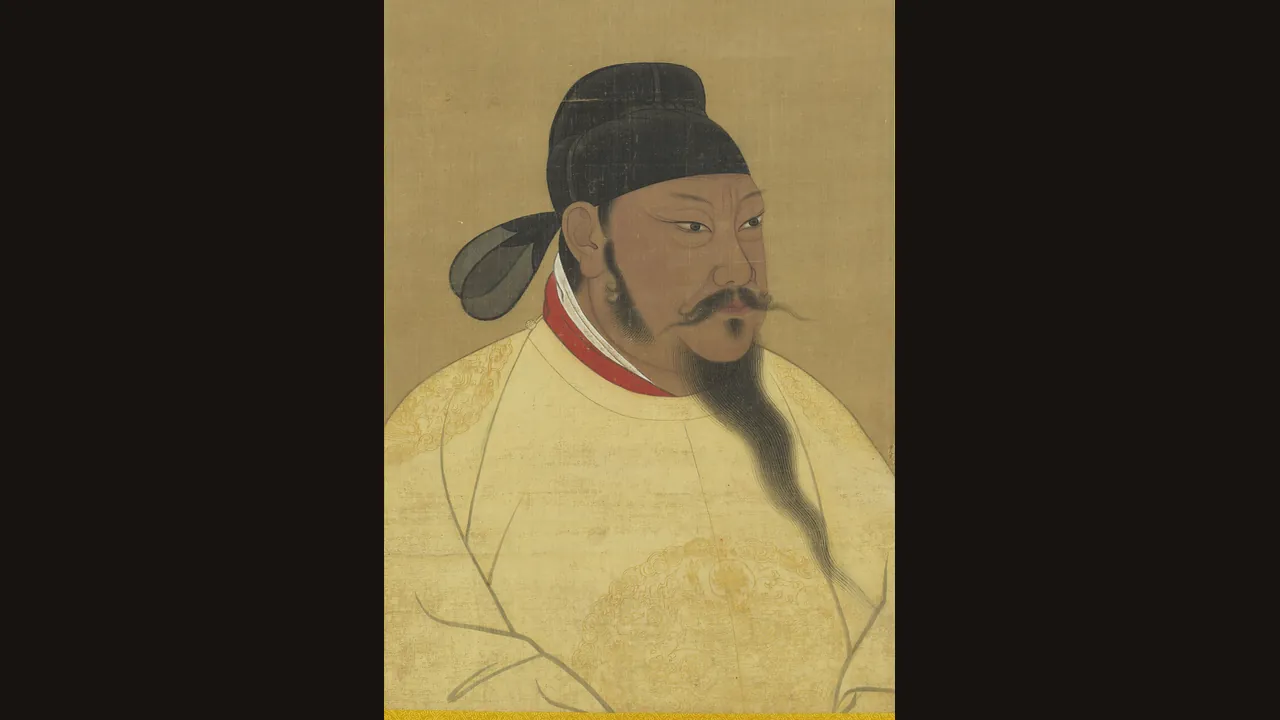
Tang Taizong
598–649
Second emperor of Tang China, reigning from 626 to 649, born Li Shimin in 598. He took the throne after forcing his father's abdication and then presided over the Zhenguan era, remembered as a golden age of good government. Tang China under him was the richest and most cosmopolitan state in the world.
Ruler · Early Middle Ages · Rashidun Caliphate · Saudi Arabia
Umar ibn al-Khattab
r. 634–644
Second caliph of Islam, ruling from 634 to 644, born about 584. Under him Arab armies destroyed the Sassanid Persian Empire and took Syria, Palestine and Egypt from Byzantium. He organized the conquered lands with garrison cities and a register of pensions, laying the foundations of the Islamic state.
Ruler · Early Middle Ages · Umayyad Caliphate · Syria
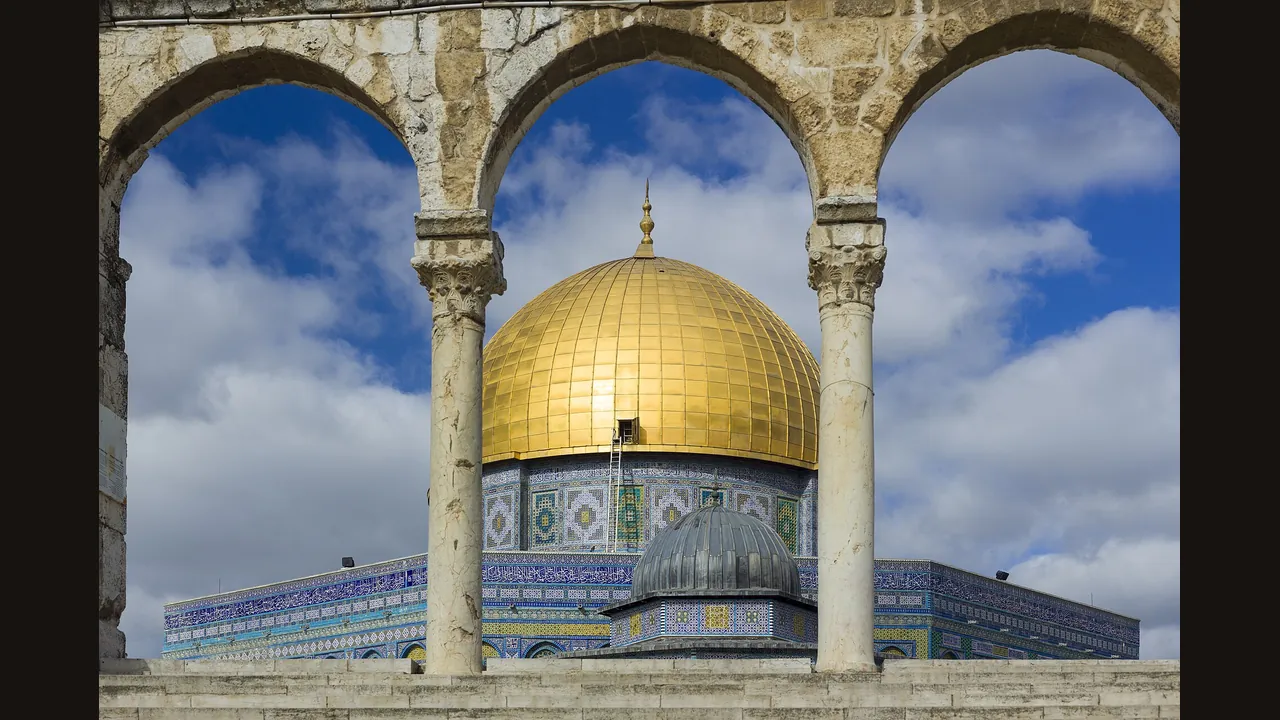
Abd al-Malik
646–705
Umayyad caliph from 685 to 705, born in 646, who reunited the Islamic world after civil war. He built the Dome of the Rock in Jerusalem, made Arabic the language of government, and struck the first purely Islamic coinage. His reign fixed the shape of the caliphate for a century.
Ruler · Early Middle Ages · Carolingian Empire · France
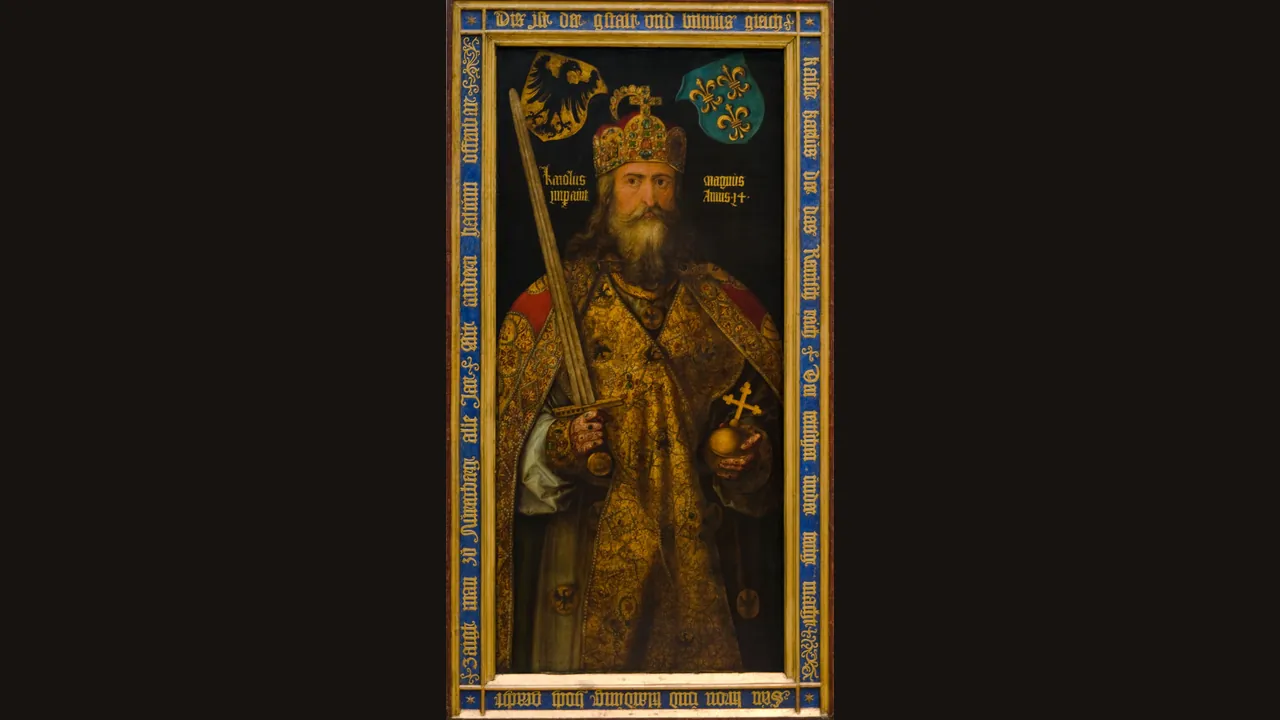
Charlemagne
740s–814
King of the Franks from 768 and emperor from 800 to his death in 814, born in the 740s. He conquered the Saxons, Lombards and much of central Europe, reuniting the west under one rule for the first time since Rome. Crowned emperor by the pope on Christmas Day 800, he sponsored the Carolingian Renaissance of learning.
Ruler · Early Middle Ages · Abbasid Caliphate · Iraq
Harun al-Rashid
c. 766–809
Abbasid caliph from 786 to 809, born about 766, whose reign is remembered as the golden age of Baghdad. His court gathered scholars, poets and translators, and the House of Wisdom began collecting the learning of Greece, Persia and India. He is the caliph of the Thousand and One Nights tales.
Ruler · Early Middle Ages · Wessex · England
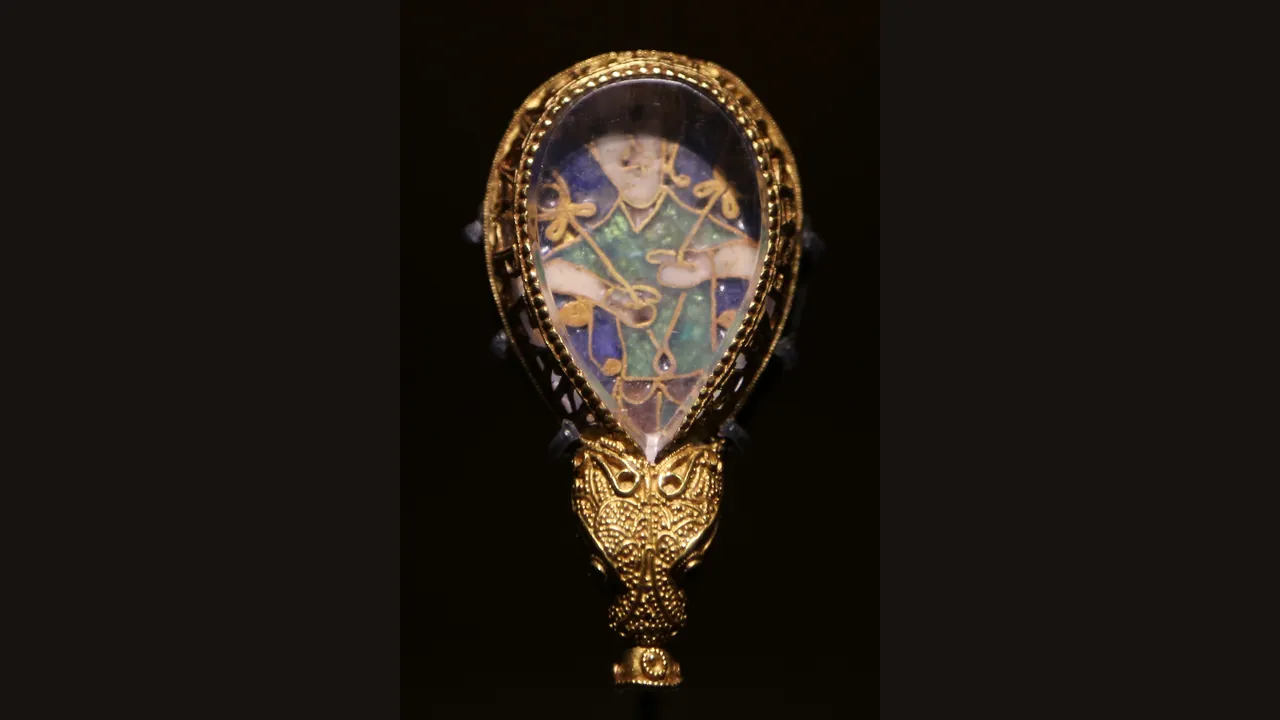
Alfred the Great
c. 848–899
King of Wessex from 871 to 899, born about 848, one of two English kings called the Great. He stopped the Danish conquest of England at the Battle of Edington in 878 and built a system of fortified towns, the burhs, that held the line. He promoted learning, having Latin works translated into English.
Ruler · Early Middle Ages · Holy Roman Empire · Germany
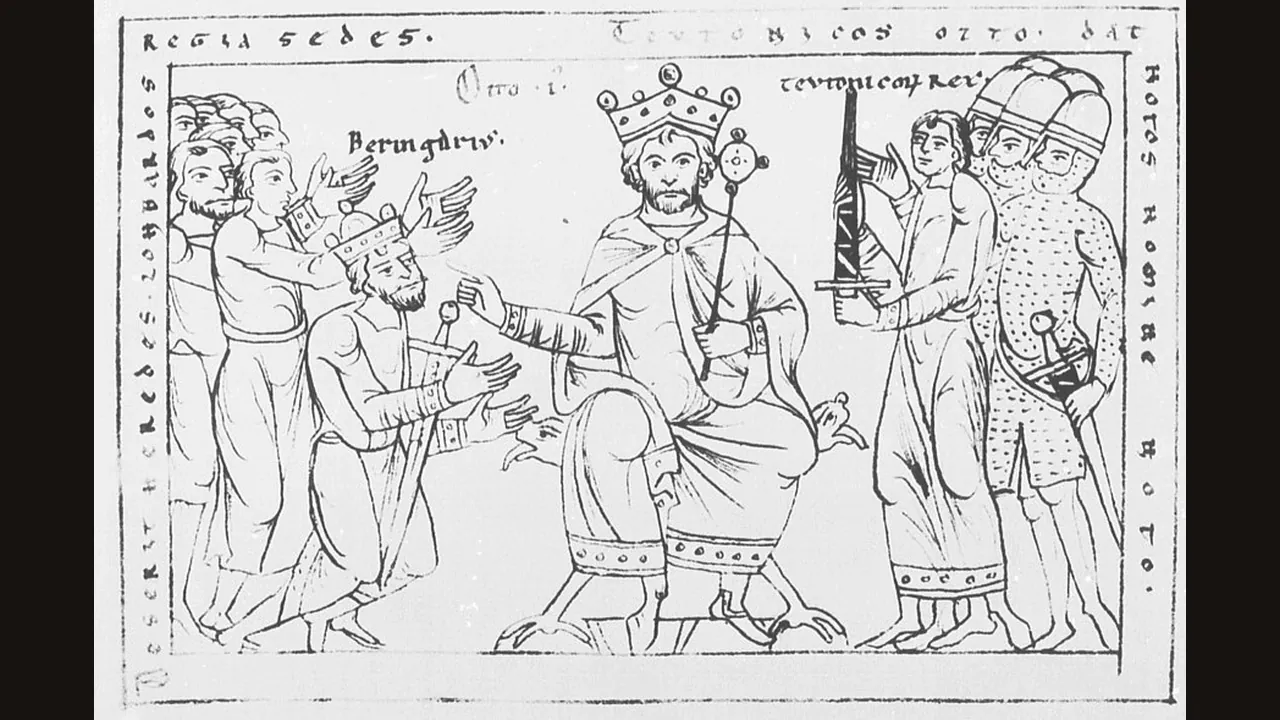
Otto I
912–973
King of Germany from 936 and emperor from 962 to his death in 973, born in 912, founder of the Holy Roman Empire. He crushed the Magyars at the Lechfeld in 955, ending their raids into Europe. Crowned by the pope in Rome, he bound the German church to the crown and made the empire the leading power of the west.
Ruler · High and Late Middle Ages · Norman England · England
William the Conqueror
c. 1028–1087
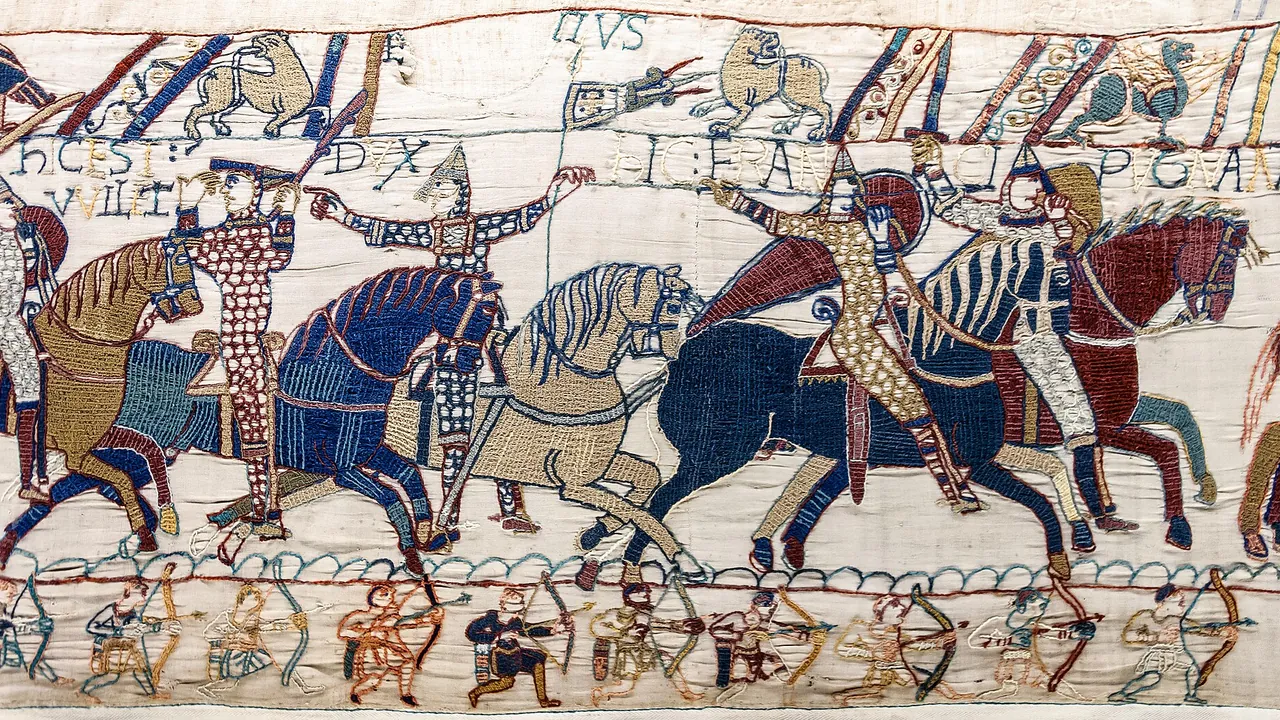
Duke of Normandy who became king of England in 1066, born about 1028 and dead in 1087. His victory at Hastings on 14 October 1066 ended Anglo Saxon England and joined it to the Norman world. The Domesday survey of 1086 recorded every manor in the kingdom for taxation.
Ruler · High and Late Middle Ages · Holy Roman Empire · Germany
Frederick Barbarossa
c. 1122–1190
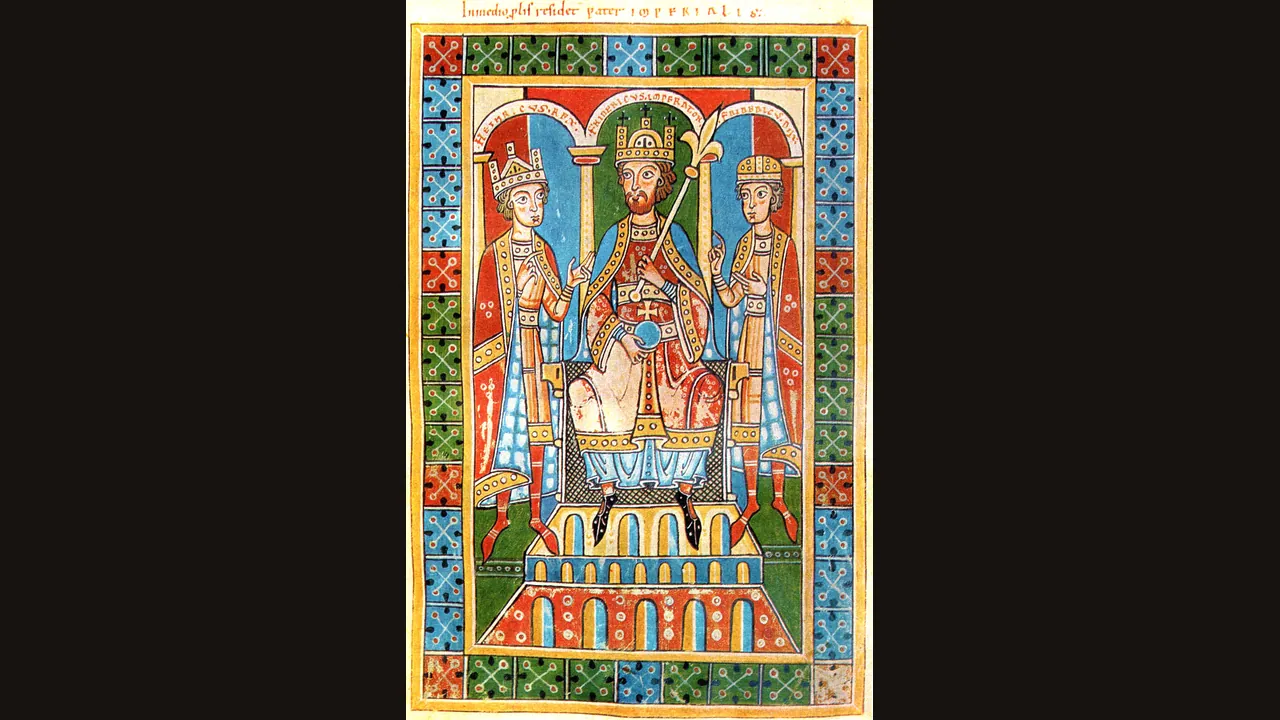
Holy Roman Emperor from 1155 to 1190, born about 1122, king of Germany from 1152. He spent his reign asserting imperial authority over the Lombard cities of Italy and the papacy, and was defeated by the Lombard League at Legnano in 1176. He drowned on the Third Crusade in 1190, and legend says he sleeps in the Kyffhauser mountain.
Ruler · High and Late Middle Ages · Ayyubid Sultanate · Egypt
Saladin
c. 1137–1193
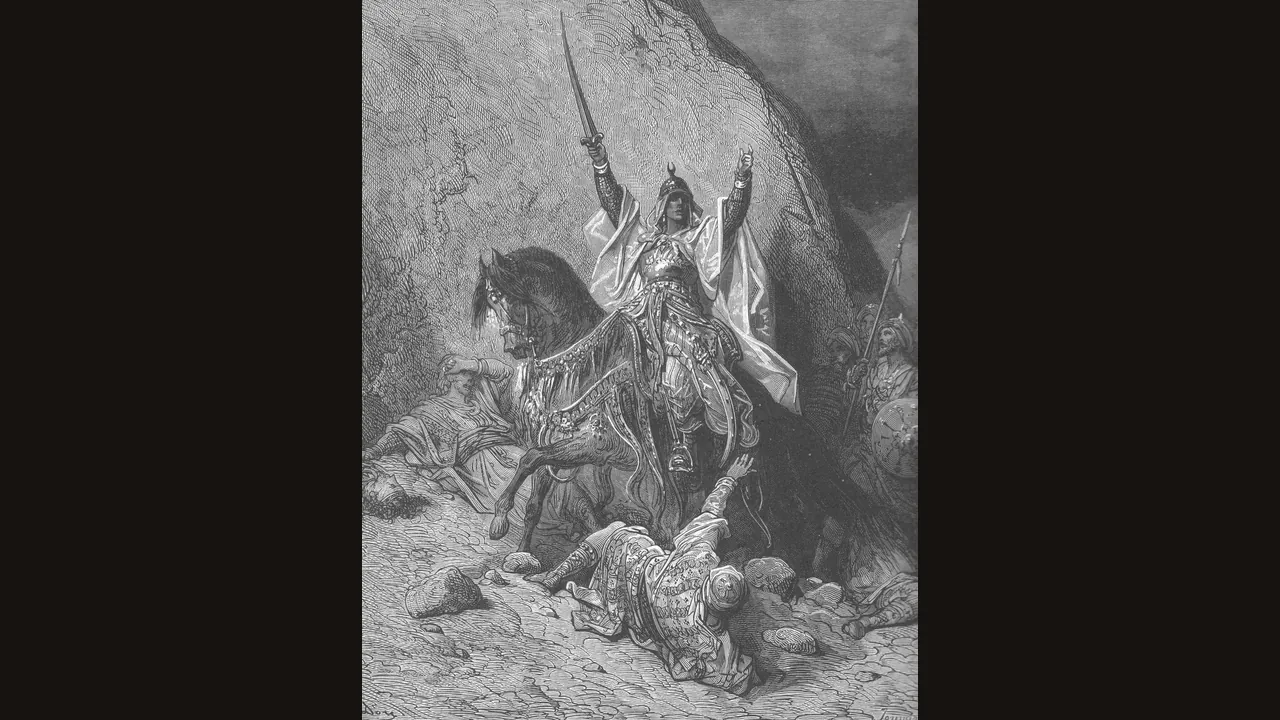
Sultan of Egypt and Syria from 1174 to 1193, born Yusuf ibn Ayyub about 1137, founder of the Ayyubid dynasty. He destroyed the crusader army at Hattin in 1187 and retook Jerusalem, ending nearly ninety years of crusader rule there. His chivalry toward his enemies made him famous in Europe as well as in Islam.
Ruler · High and Late Middle Ages · Mongol Empire · Mongolia
Genghis Khan
c. 1162–1227
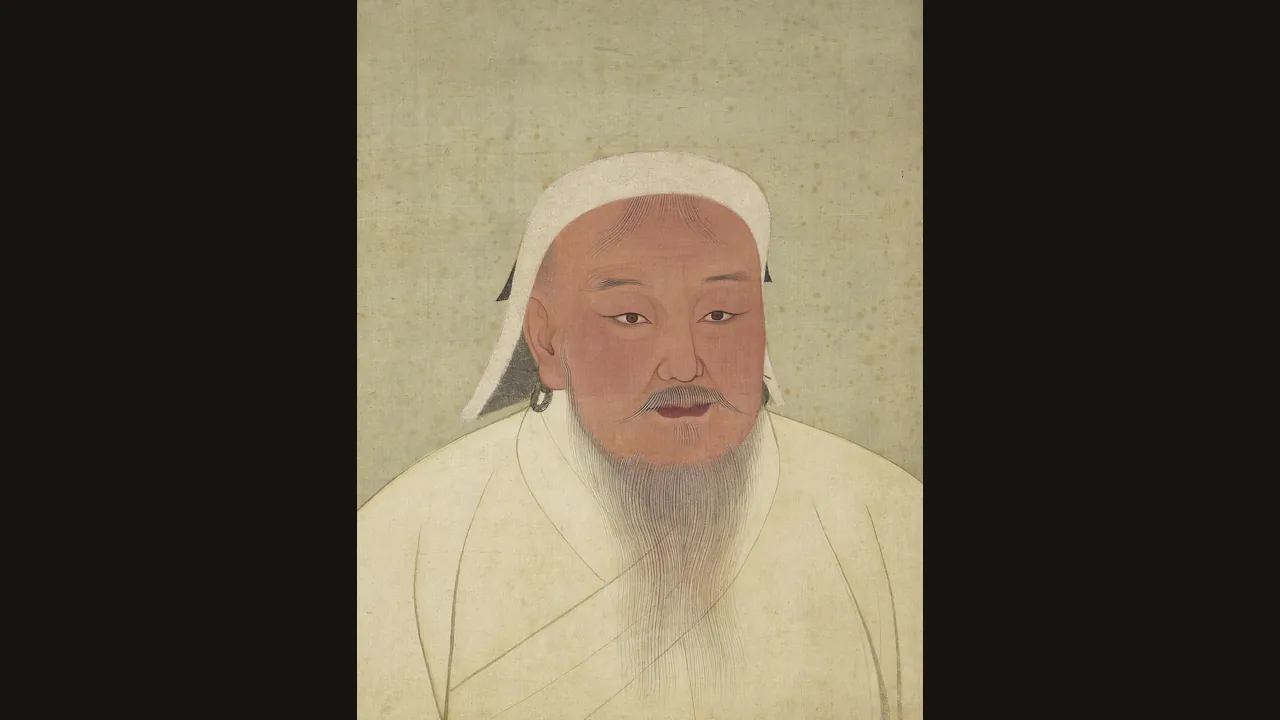
Founder of the Mongol Empire, born Temujin about 1162 and dead in 1227, proclaimed Genghis Khan in 1206. He united the warring Mongol tribes and turned them into an army that conquered northern China, Central Asia and Persia. At his death his empire was already the largest contiguous land empire in history.
Ruler · High and Late Middle Ages · France
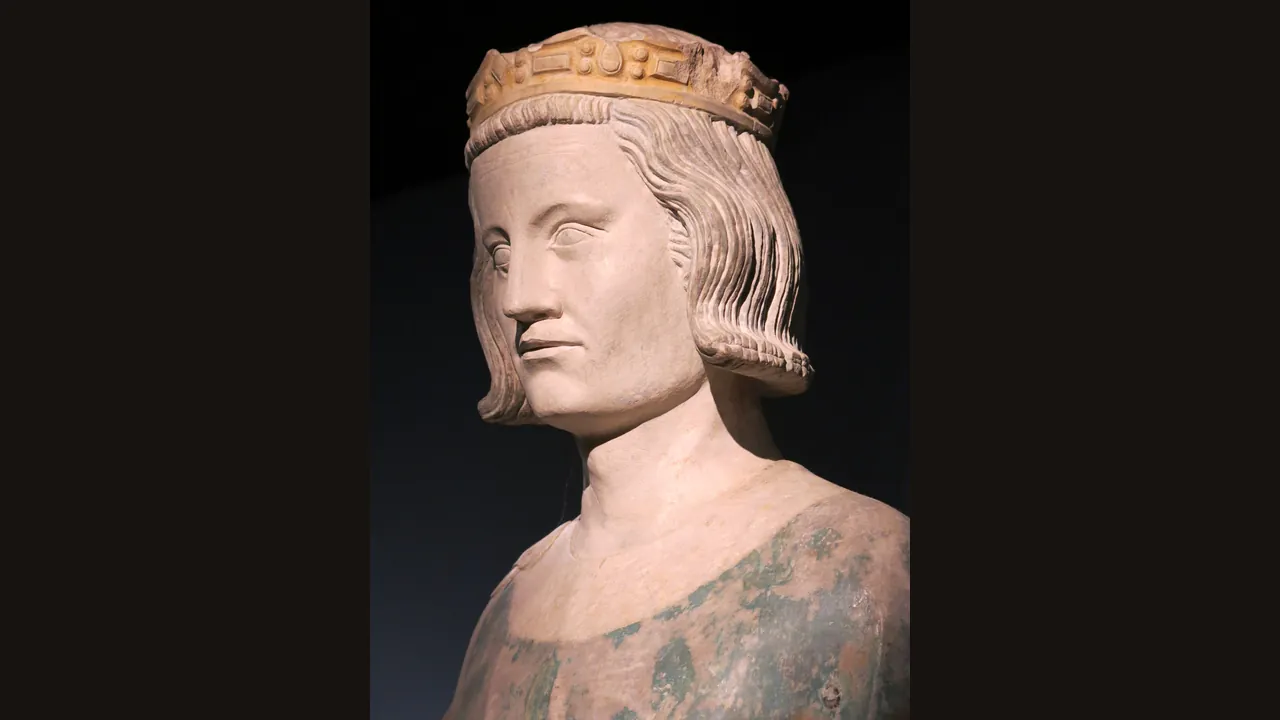
Louis IX
1214–1270
King of France from 1226 to 1270, born in 1214, canonized as Saint Louis in 1297. He led two crusades, was captured in Egypt on the first, and died of disease outside Tunis on the second. At home he reformed royal justice and built the Sainte Chapelle in Paris to house holy relics.
Ruler · High and Late Middle Ages · Yuan dynasty · China
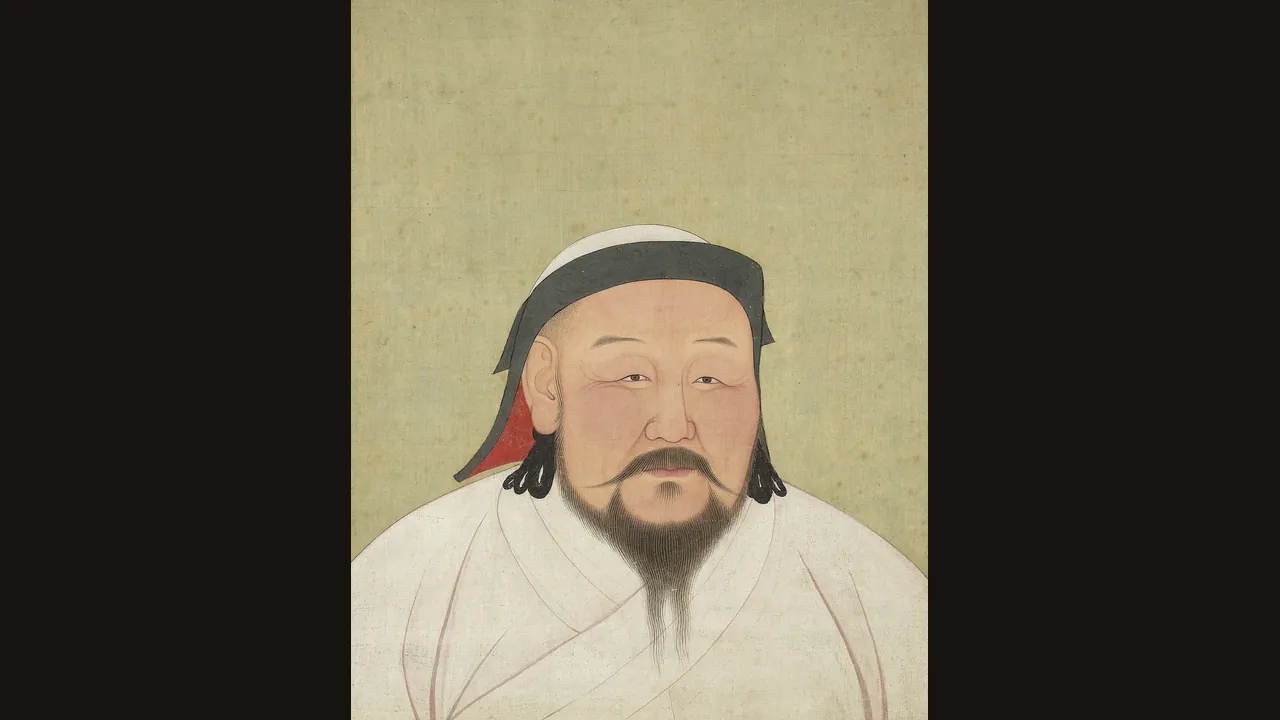
Kublai Khan
1215–1294
Mongol Khagan from 1260 and first emperor of China's Yuan dynasty, 1215 to 1294. He completed the Mongol conquest of China, ending the Song dynasty in 1279. His court at Khanbaliq, modern Beijing, hosted Marco Polo, whose account carried the wealth of China to European readers.
Ruler · High and Late Middle Ages · Mali Empire · Mali
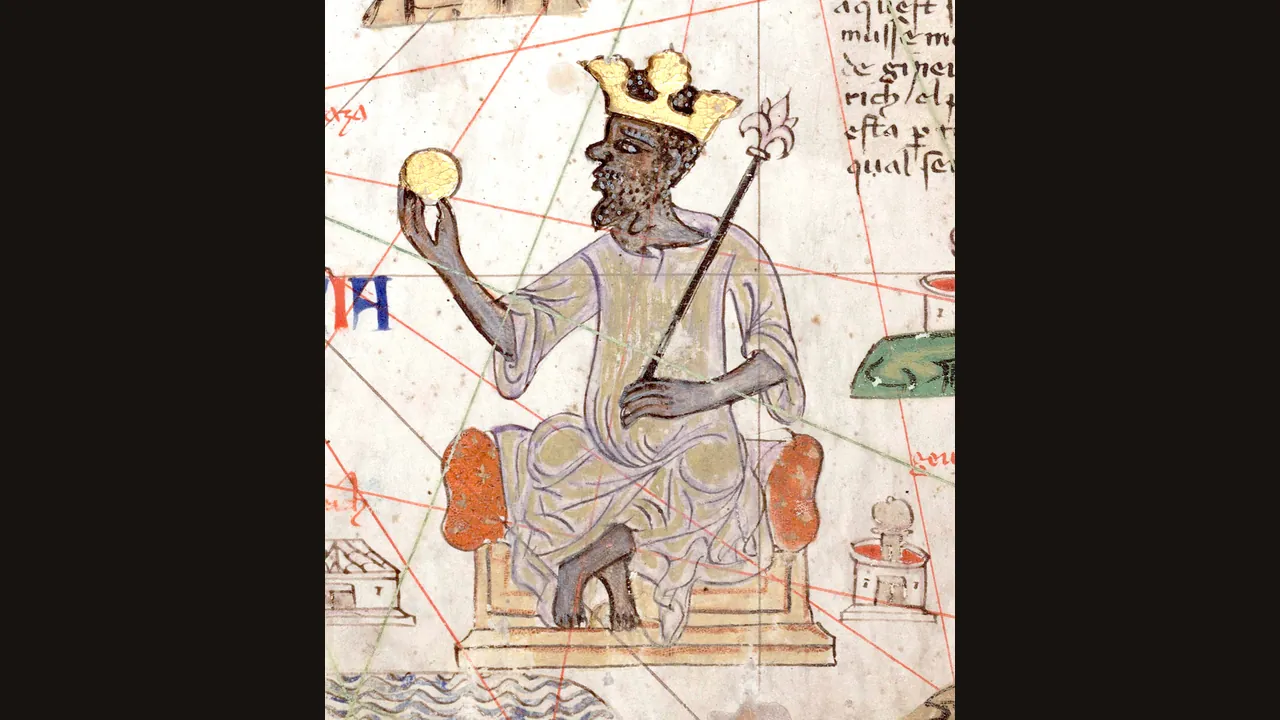
Mansa Musa
r. c. 1312–c. 1337
Emperor of Mali from about 1312 to about 1337, whose pilgrimage to Mecca in 1324 displayed wealth that astonished the Islamic world. His caravan carried so much gold that he depressed the price of gold in Egypt for years. He built mosques and schools that made Timbuktu a center of learning.
Ruler · High and Late Middle Ages · Ming dynasty · China
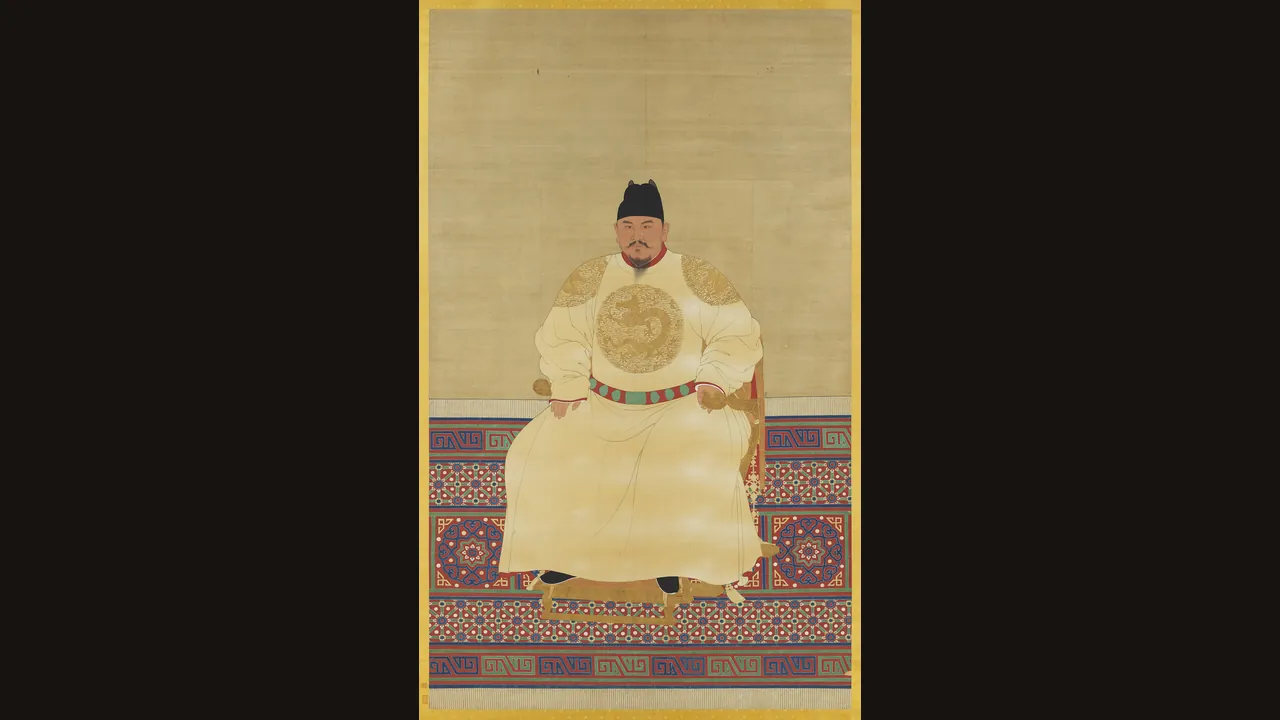
Hongwu Emperor
1328–1398
Founder of China's Ming dynasty, reigning from 1368 to 1398, born Zhu Yuanzhang in 1328 to a poor peasant family. He rose through the Red Turban rebellion, drove the Mongol Yuan dynasty out of China, and made Nanjing his capital. His rule restored Han Chinese government after nearly a century of Mongol rule.
Ruler · High and Late Middle Ages · Principality of Wallachia · Romania
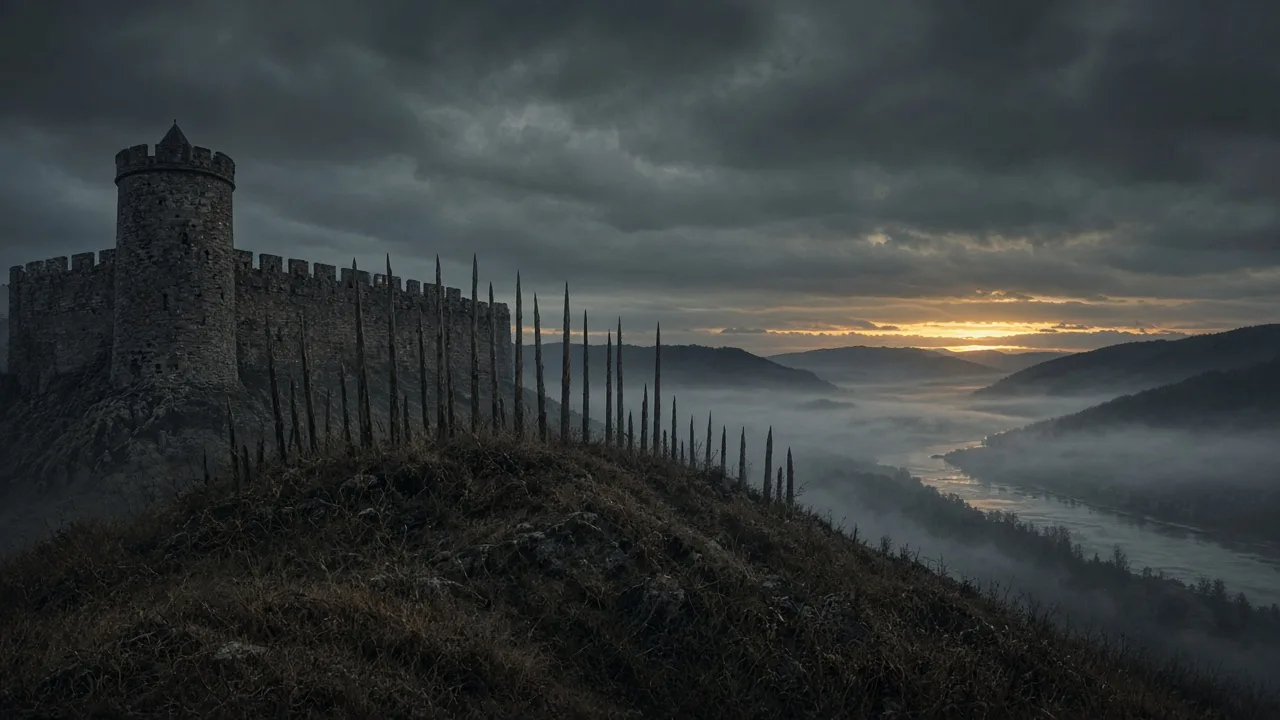
Vlad the Impaler
c. 1428/31–1476/77
Vlad III Dracula, Prince of Wallachia in 1448, 1456–1462 and 1476. Fought the Ottoman Empire under Mehmed II and became known for mass impalement. Death counts handed down by chroniclers are disputed.
Ruler · High and Late Middle Ages · Ottoman Empire · Turkey
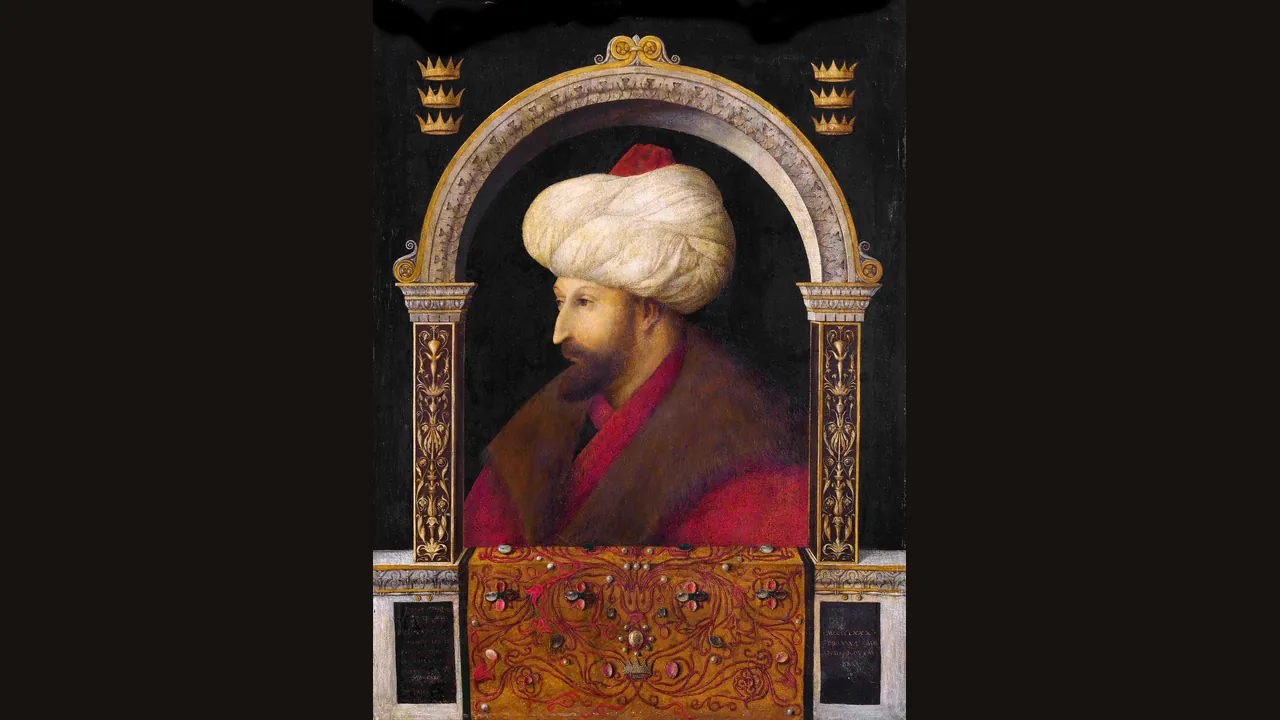
Mehmed II
1432–1481
Ottoman sultan from 1451 to 1481, born in 1432, who conquered Constantinople in 1453 at the age of twenty one. The fall of the thousand year old Byzantine capital made the Ottomans a world empire. He went on to take Serbia, Bosnia, Greece and Crimea.
Ruler · High and Late Middle Ages · Inca Empire · Peru
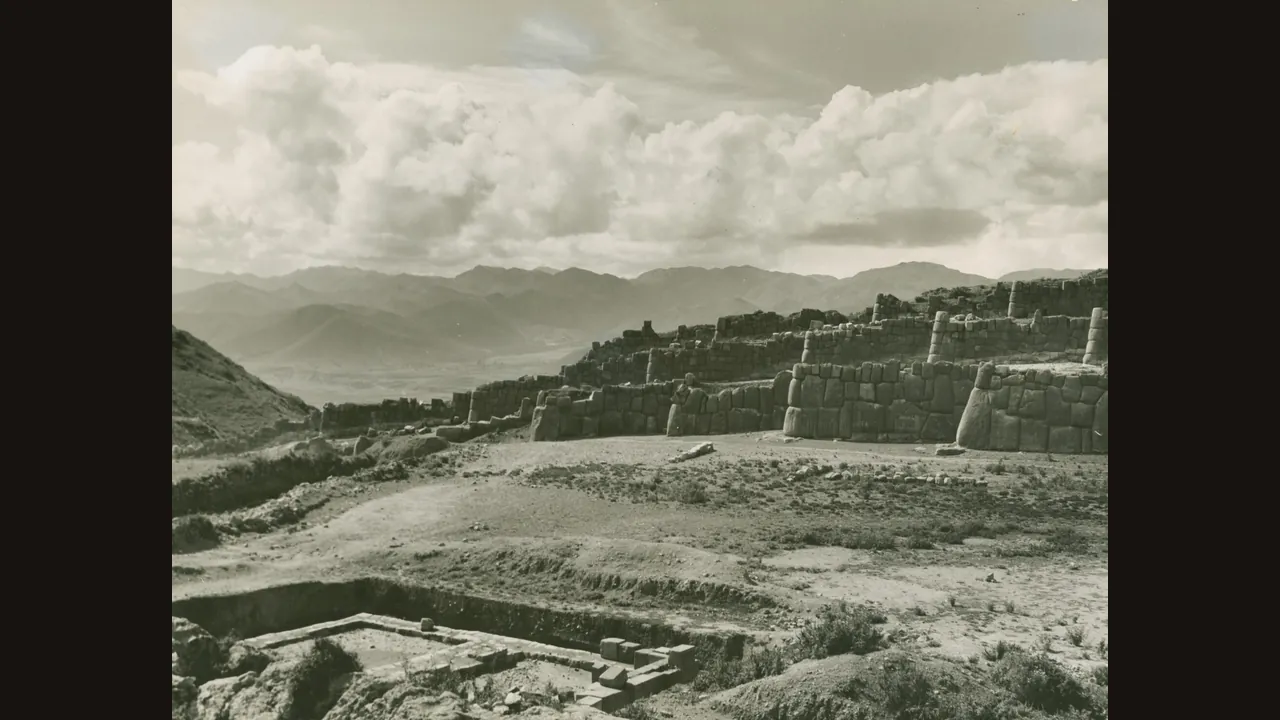
Pachacuti
r. c. 1438–c. 1471
Ninth Sapa Inca, reigning about 1438 to 1471, who turned a small highland kingdom into the Inca Empire. He rebuilt Cusco as the imperial capital and launched the conquests that carried Inca rule the length of the Andes. The empire's roads, storehouses and terraces were largely his work.
Ruler · High and Late Middle Ages · Muscovy · Russia
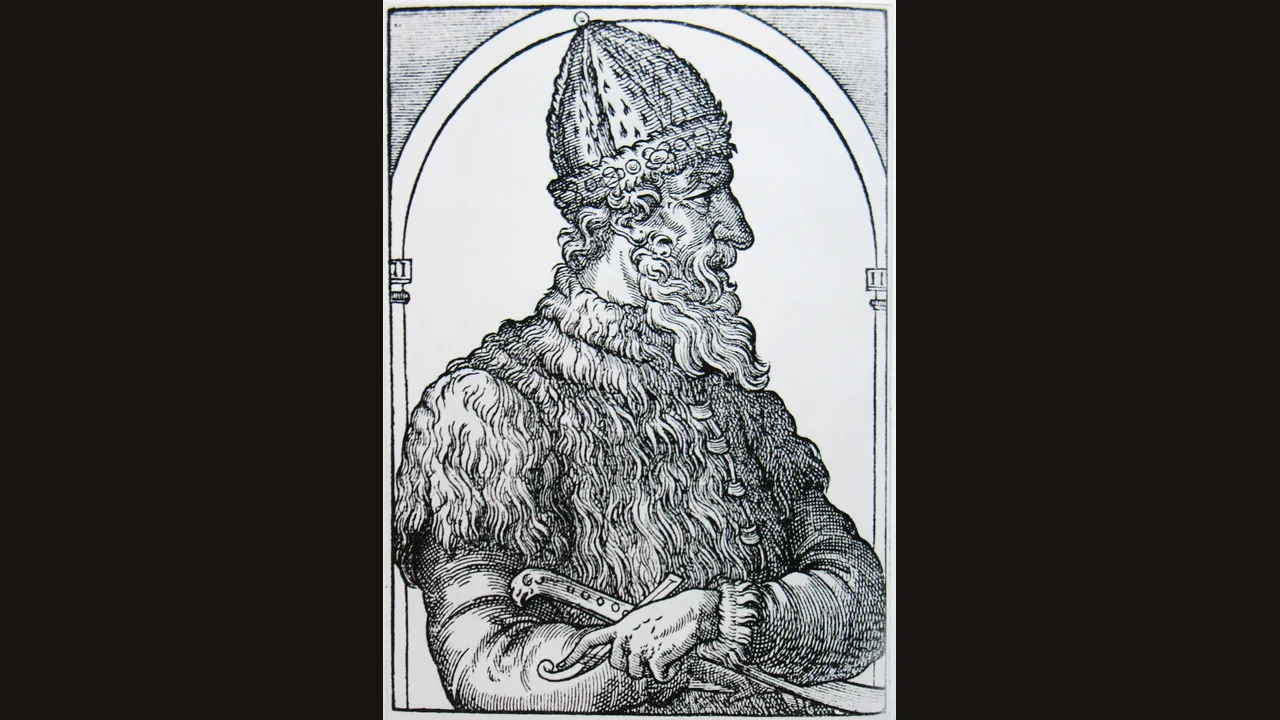
Ivan III
1440–1505
Grand prince of Moscow from 1462 to 1505, born in 1440, who made Russia an independent power. He ended two centuries of Mongol overlordship by refusing tribute in 1480, annexed Novgorod and other principalities, and took the title sovereign of all Russia. The double headed eagle became Russia's emblem under him.
Ruler · Early modern period · England
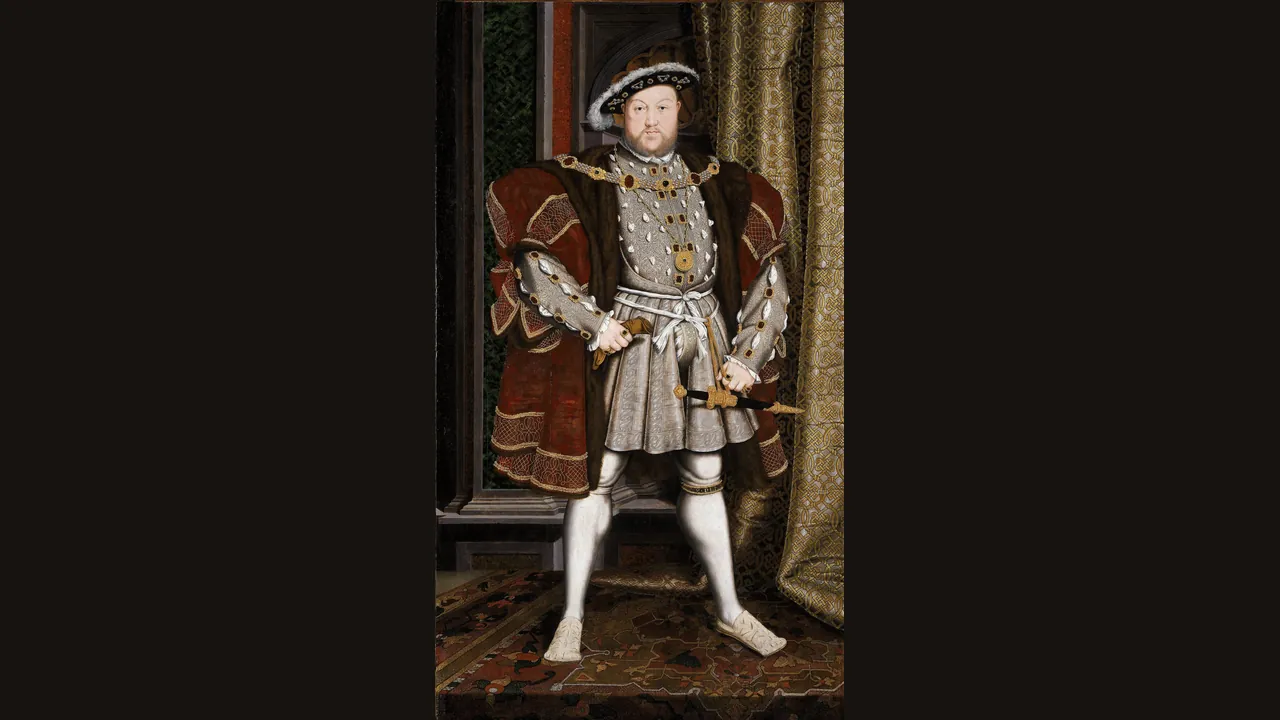
Henry VIII
1491–1547
King of England from 1509 to 1547, born in 1491, who broke with Rome and made himself head of the Church of England. His six marriages and the quest for a male heir drove the break; the dissolution of the monasteries followed. England's navy and its sense of separateness from Europe date much to his reign.
Ruler · Early modern period · Ottoman Empire · Turkey
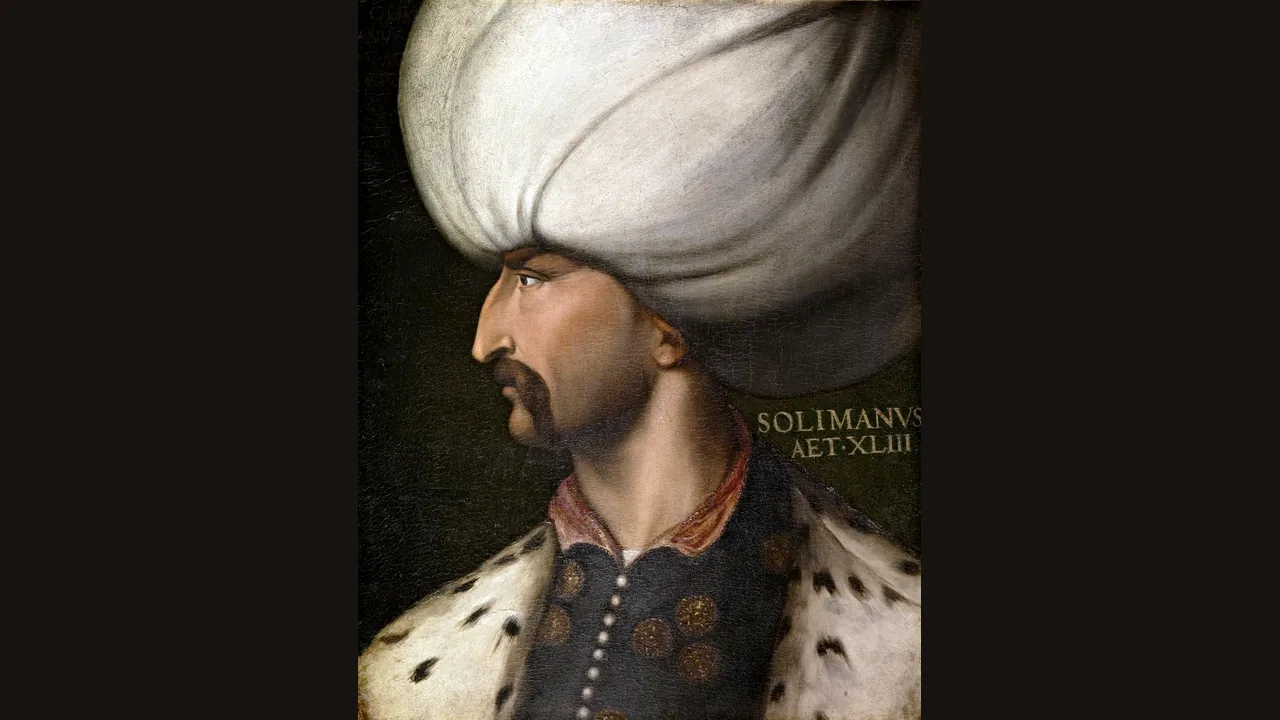
Suleiman the Magnificent
1494–1566
Ottoman sultan from 1520 to 1566, born in 1494, under whom the empire reached its greatest extent and splendor. He took Belgrade, Rhodes and Hungary, and his fleets dominated the Mediterranean. To his own people he was Kanuni, the Lawgiver, for systematizing Ottoman law.
Ruler · Early modern period · Spain
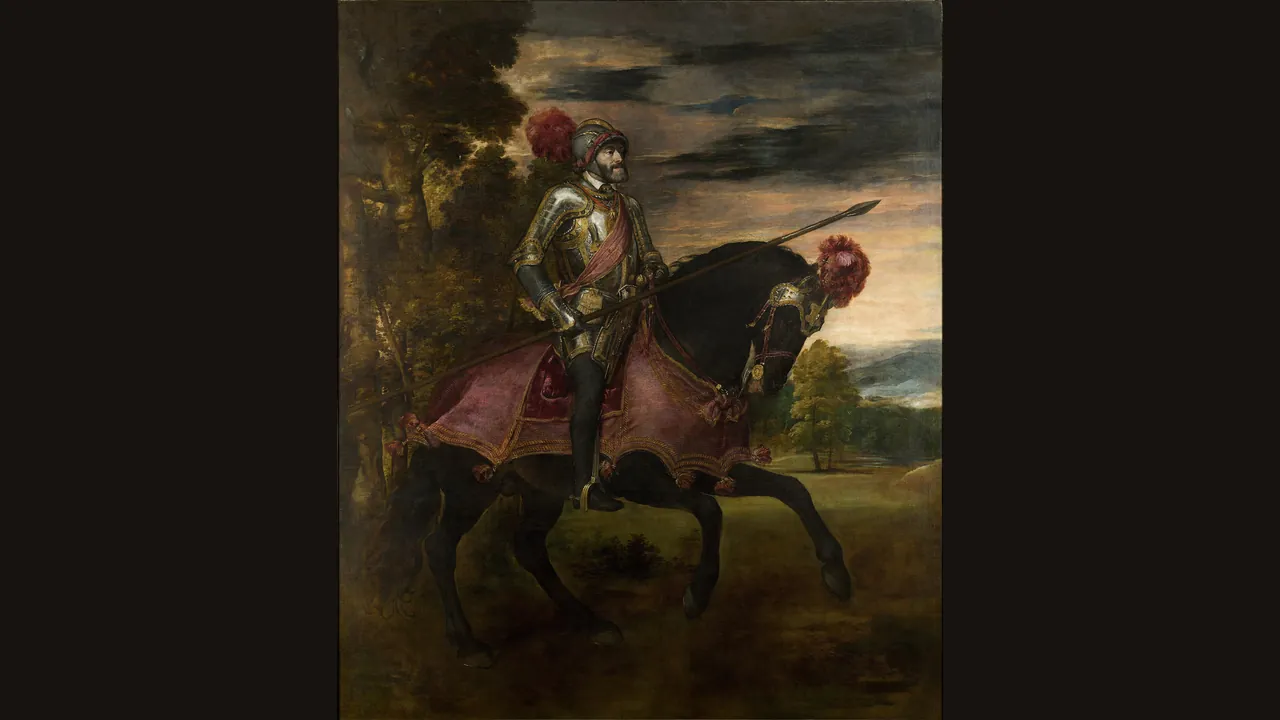
Charles V
1500–1558
Holy Roman Emperor from 1519 and king of Spain from 1516, born in 1500, who ruled more of Europe than anyone since Charlemagne. His inheritance joined Spain, the Netherlands, Austria and much of Italy under one crown. Exhausted by wars with France and the Turks, he abdicated in 1556 and died in a Spanish monastery in 1558.
Ruler · Early modern period · Mexico
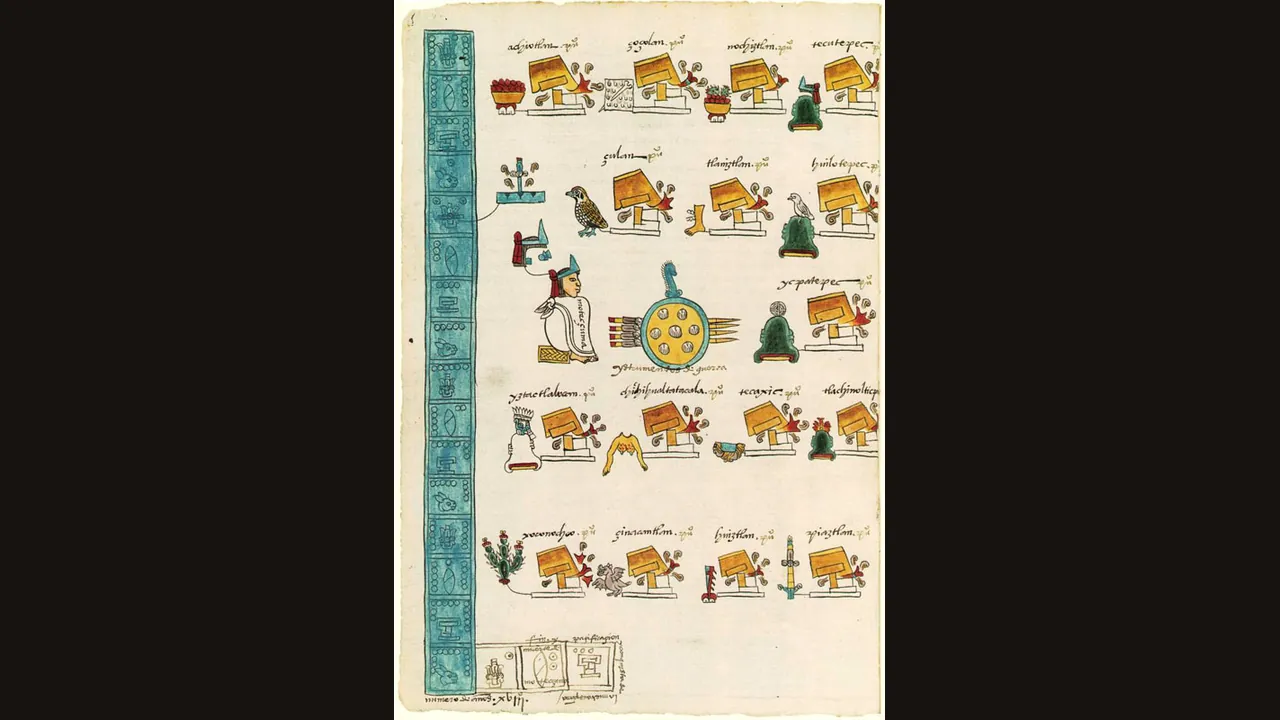
Moctezuma II
r. 1502–1520
Ruler of the Aztec Empire from 1502 to 1520, born about 1466, who reigned when the Spanish arrived. He received Hernan Cortes in Tenochtitlan in 1519 and was taken hostage in his own palace. He died in June 1520 during the Spanish expulsion from the city, the Noche Triste.
Ruler · Early modern period · Spain
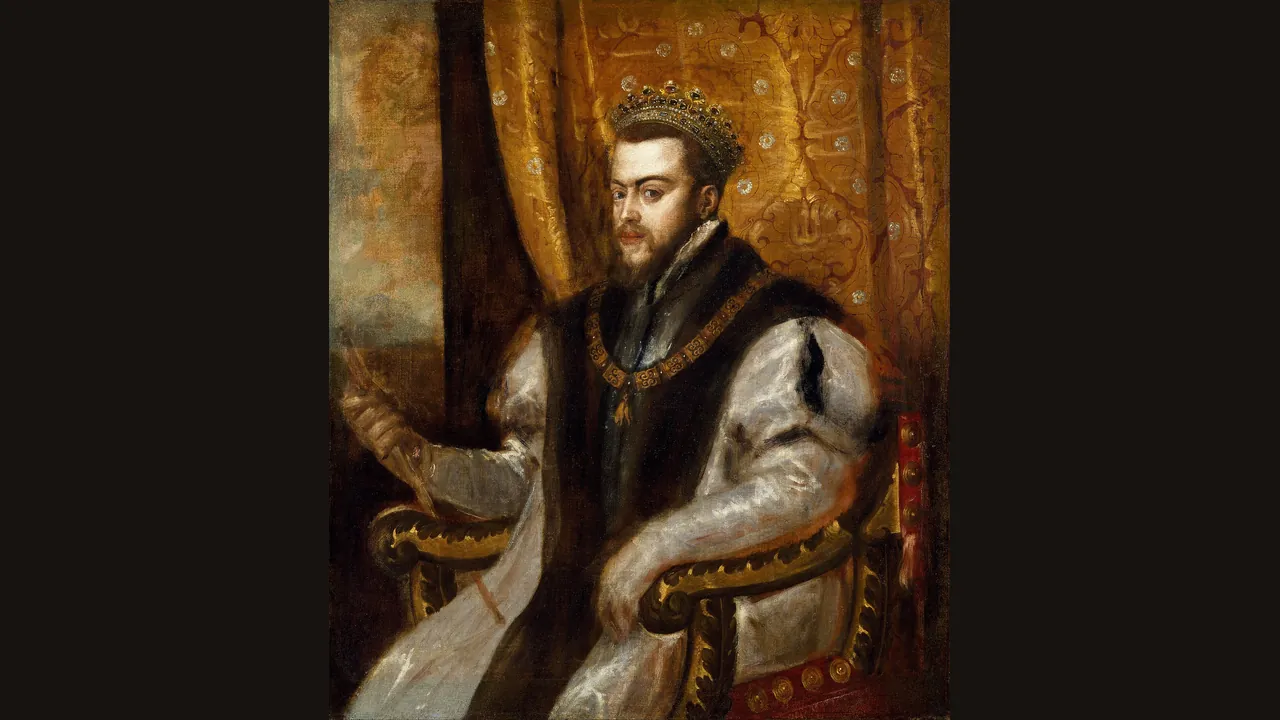
Philip II
1527–1598
King of Spain from 1556 to 1598, born in 1527, ruler of the first empire on which the sun never set. His lands included Spain, the Netherlands, much of Italy, Portugal from 1580, and vast America. The defeat of his Armada against England in 1588 marked the limit of Spanish power.
Ruler · Early modern period · England
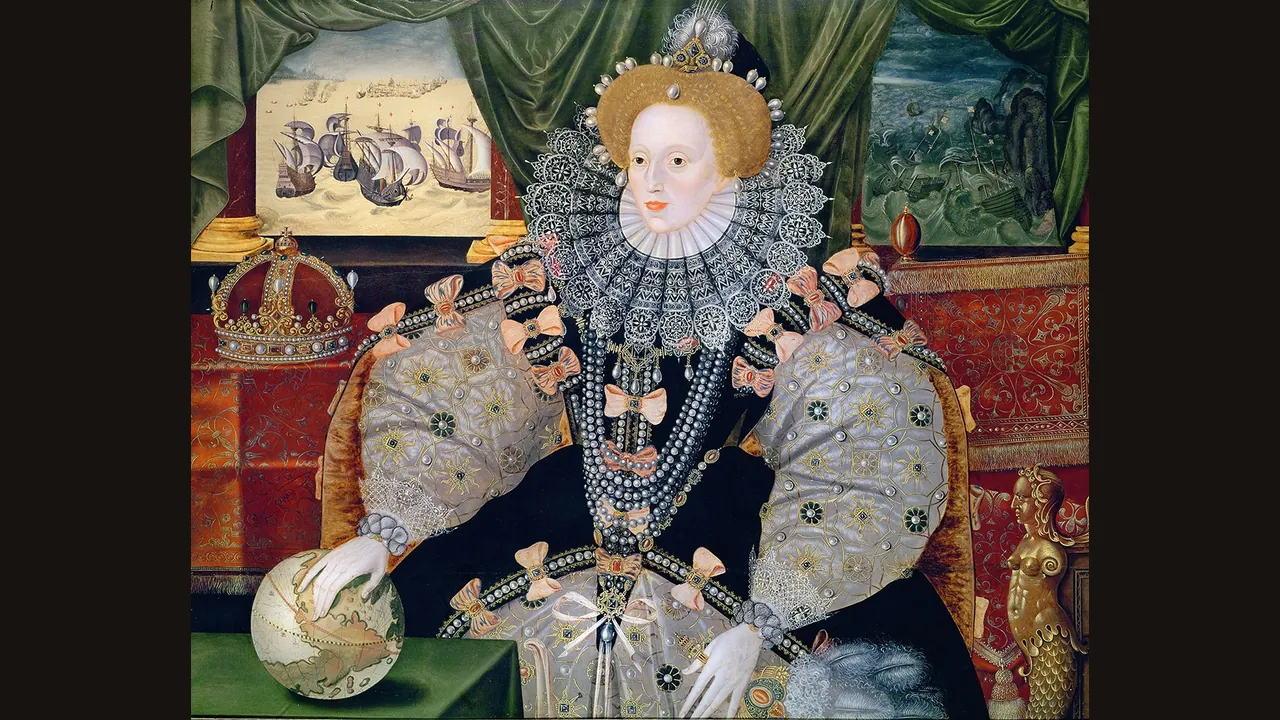
Elizabeth I
1533–1603
Queen of England from 1558 to 1603, born in 1533, daughter of Henry VIII and Anne Boleyn. Her forty four year reign saw the defeat of the Spanish Armada in 1588, the flowering of English drama with Shakespeare, and England's first steps toward overseas empire. She never married and named no heir.
Ruler · Early modern period · India
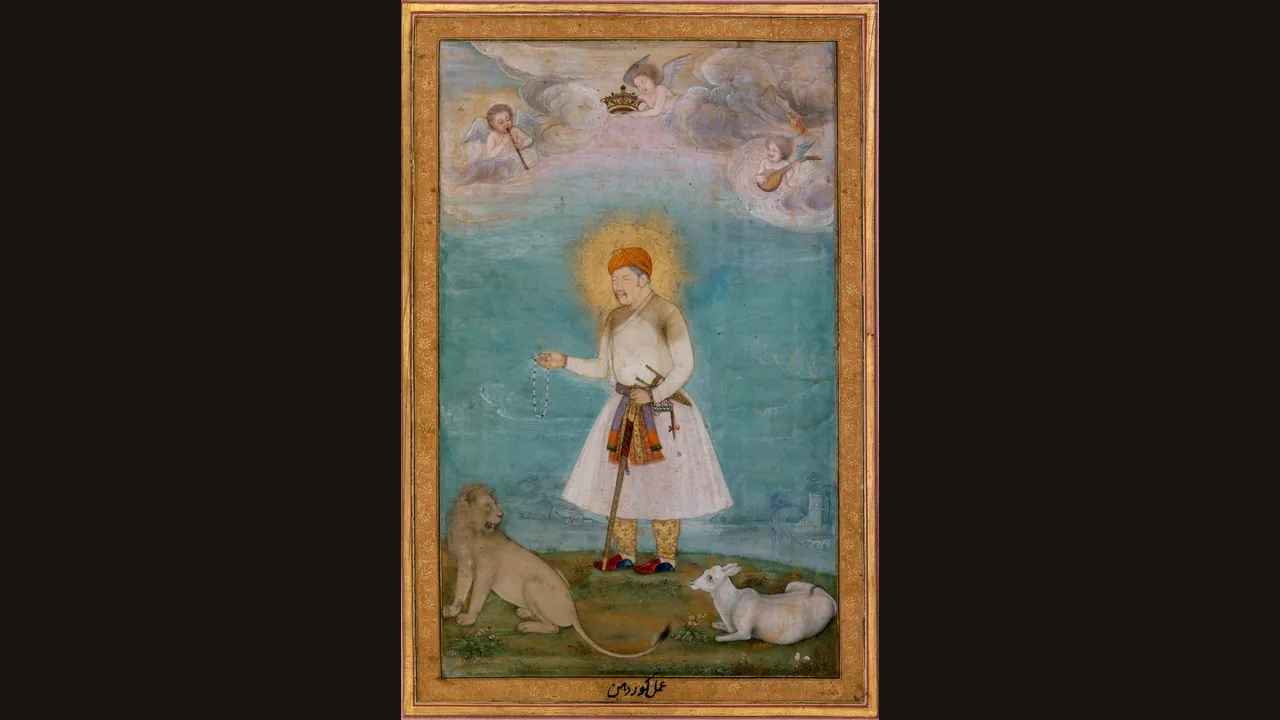
Akbar
1542–1605
Mughal emperor from 1556 to 1605, born in 1542, who built the Mughal Empire into India's dominant power. He conquered northern and central India, reformed taxation, and practiced unusual religious tolerance for his age, debating with Jesuits, Hindus and Jains at his court. His reign is the classic age of Mughal India.
Ruler · Early modern period · Japan
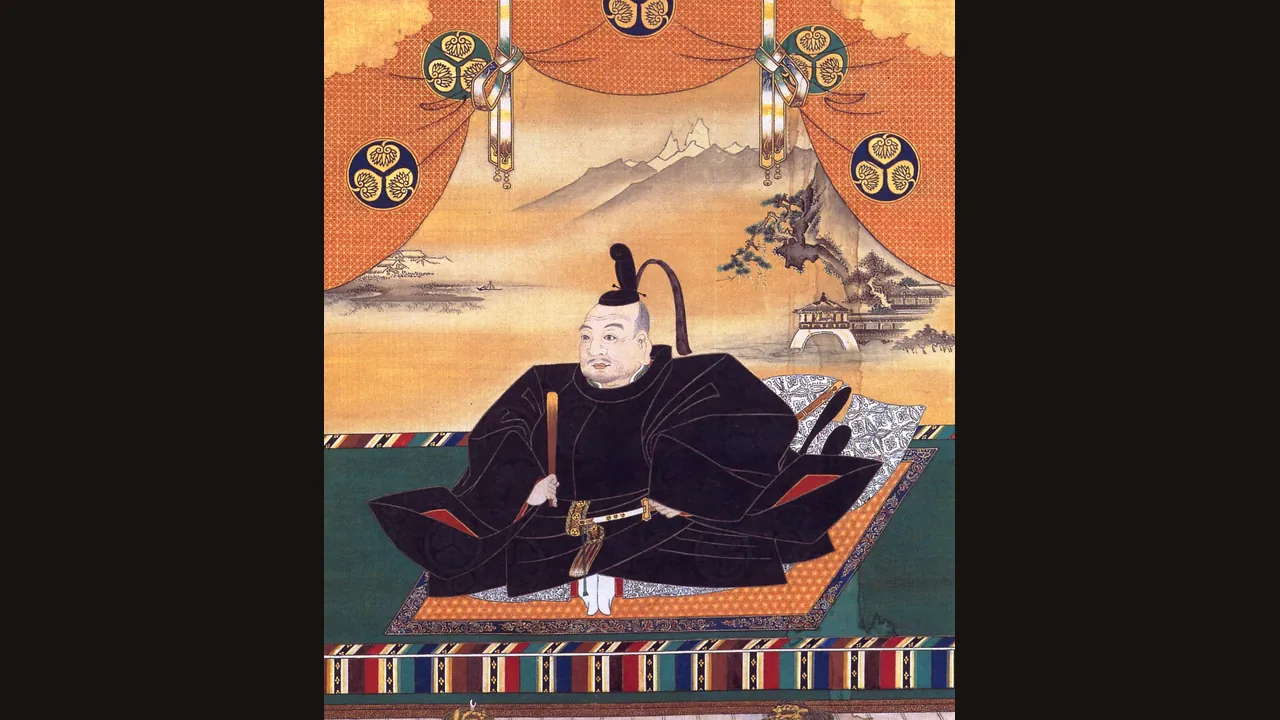
Tokugawa Ieyasu
1543–1616
Founder of the Tokugawa shogunate, shogun from 1603, born in 1543 and dead in 1616. His victory at Sekigahara in 1600 ended a century of civil war in Japan. The shogunate he built ruled Japan in peace for more than two hundred and fifty years.
Ruler · Early modern period · Iran
Abbas I
1571–1629
Shah of Persia from 1588 to 1629, born in 1571, who restored the Safavid Empire to greatness. He retook lands lost to the Ottomans and Uzbeks, moved the capital to Isfahan, and made it one of the most beautiful cities in the world. His reign is the peak of Safavid Persia.
Ruler · Early modern period · Sweden
Gustavus Adolphus
1594–1632
King of Sweden from 1611 to 1632, born in 1594, who made Sweden a great power and turned the Thirty Years' War. Landing in Germany in 1630, he smashed the Catholic armies at Breitenfeld in 1631 and saved the Protestant cause. He was killed at Lutzen in 1632, leading a cavalry charge.
Ruler · Early modern period · France
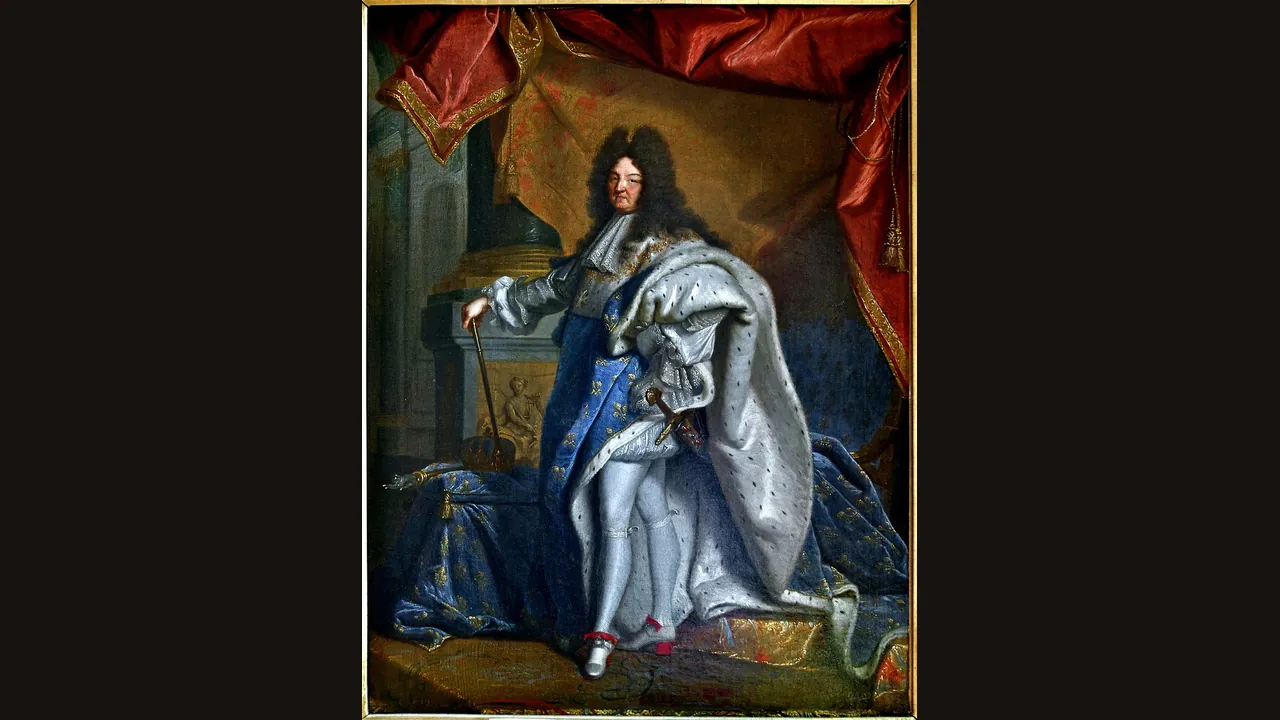
Louis XIV
1638–1715
King of France from 1643 to 1715, born in 1638, whose seventy two year reign is the longest verified reign in European history. He made the monarchy absolute in practice, built Versailles into the seat of government, and revoked the Edict of Nantes in 1685. France under him was the dominant power of Europe.
Ruler · Early modern period · China
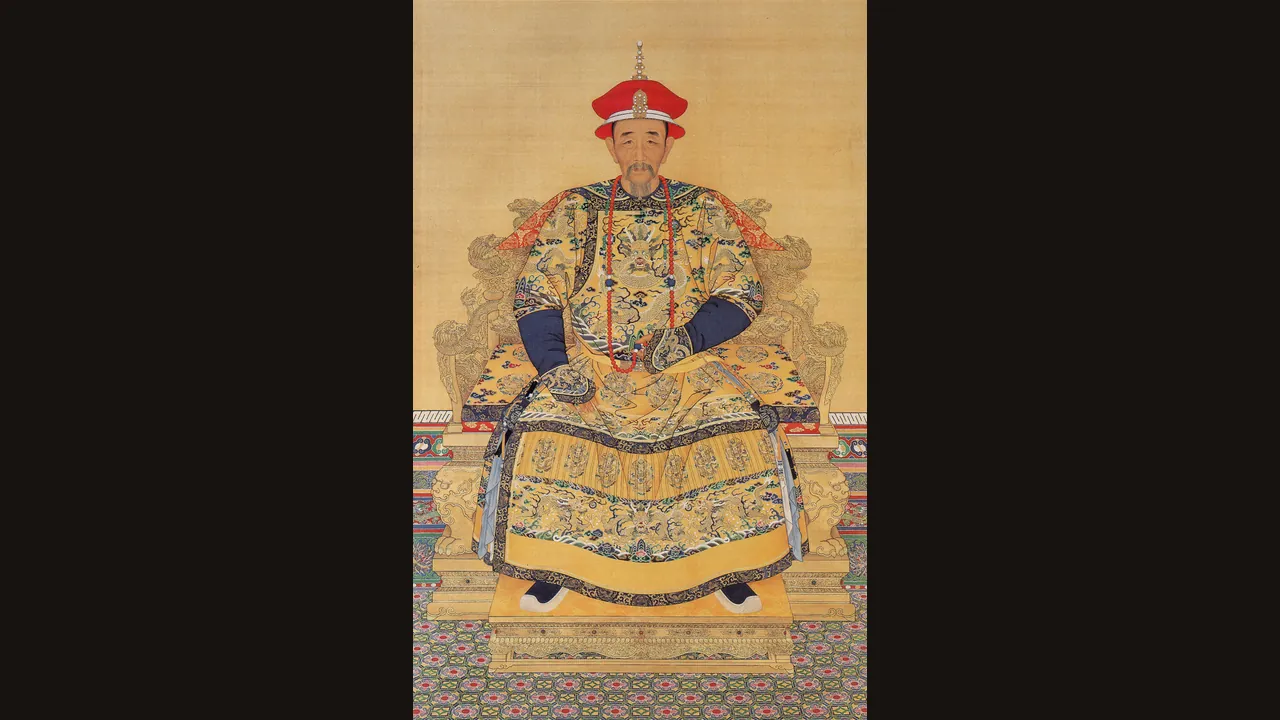
Kangxi Emperor
1654–1722
Emperor of Qing China from 1661 to 1722, born Xuanye in 1654, whose sixty one year reign is the longest in Chinese history. He crushed the revolt of the Three Feudatories, took Taiwan in 1683, and fixed the border with Russia by the Treaty of Nerchinsk. A scholar as well as a conqueror, he sponsored the great Kangxi Dictionary.
Ruler · Early modern period · Russia
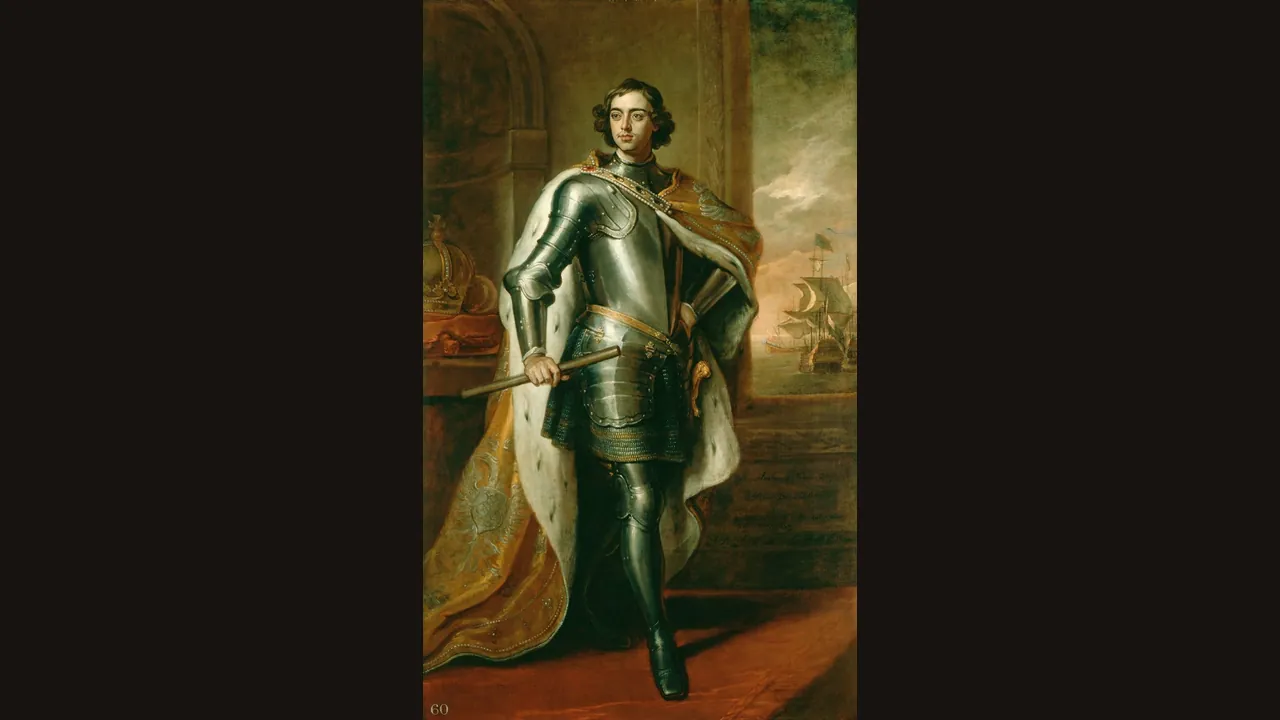
Peter the Great
1672–1725
Tsar of Russia from 1682 to 1725, born in 1672, who dragged Russia toward the west by force. He built a navy, reorganized the army, and founded Saint Petersburg as a new capital on the Baltic. His victory over Sweden at Poltava in 1709 made Russia a great power.
Ruler · Early modern period · China
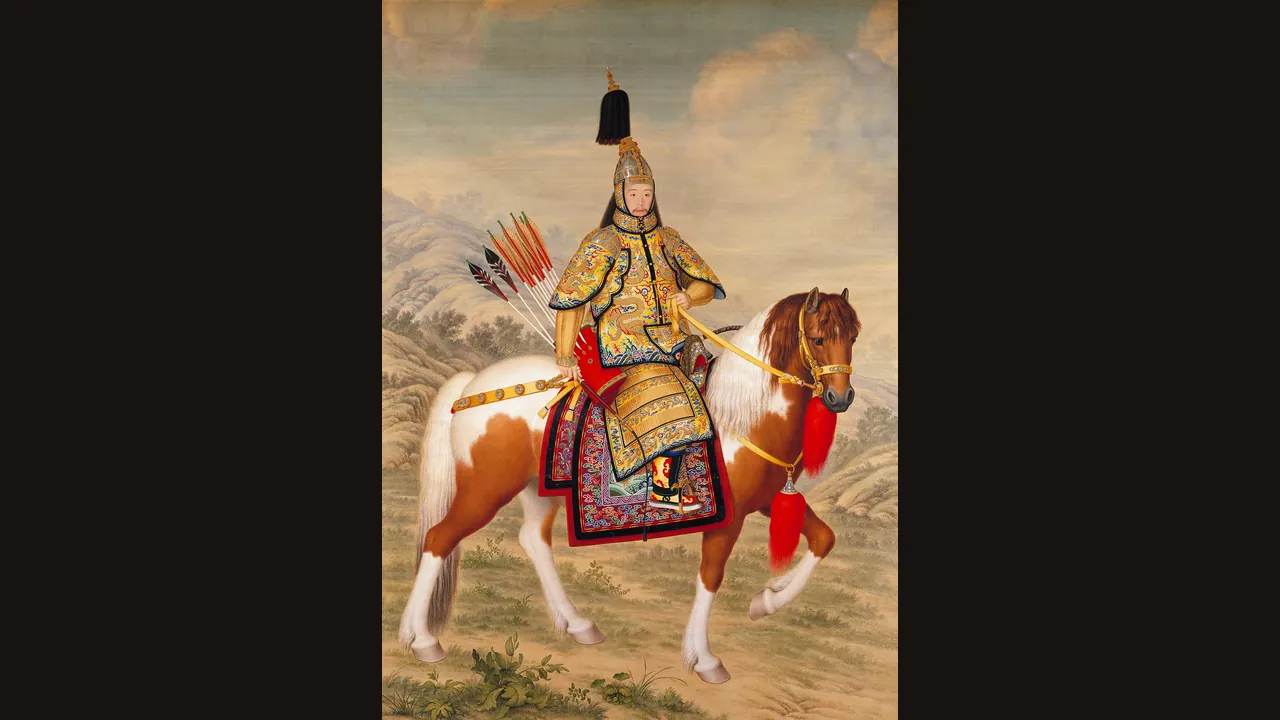
Qianlong Emperor
1711–1799
Emperor of Qing China from 1735 to 1796, born Hongli in 1711, grandson of Kangxi. His reign marked the height of Qing power, with the Ten Great Campaigns extending Chinese rule into Central Asia. He abdicated after sixty years so as not to reign longer than his grandfather, and died in 1799.
Ruler · Early modern period · Germany
Frederick the Great
1712–1786
King of Prussia from 1740 to 1786, born in 1712, who made a middling German state into a great power. He seized Silesia from Austria on his accession and held it through the Seven Years' War against Austria, France and Russia. A flute playing friend of Voltaire, he practiced enlightened absolutism at home.
Ruler · Early modern period · Russia
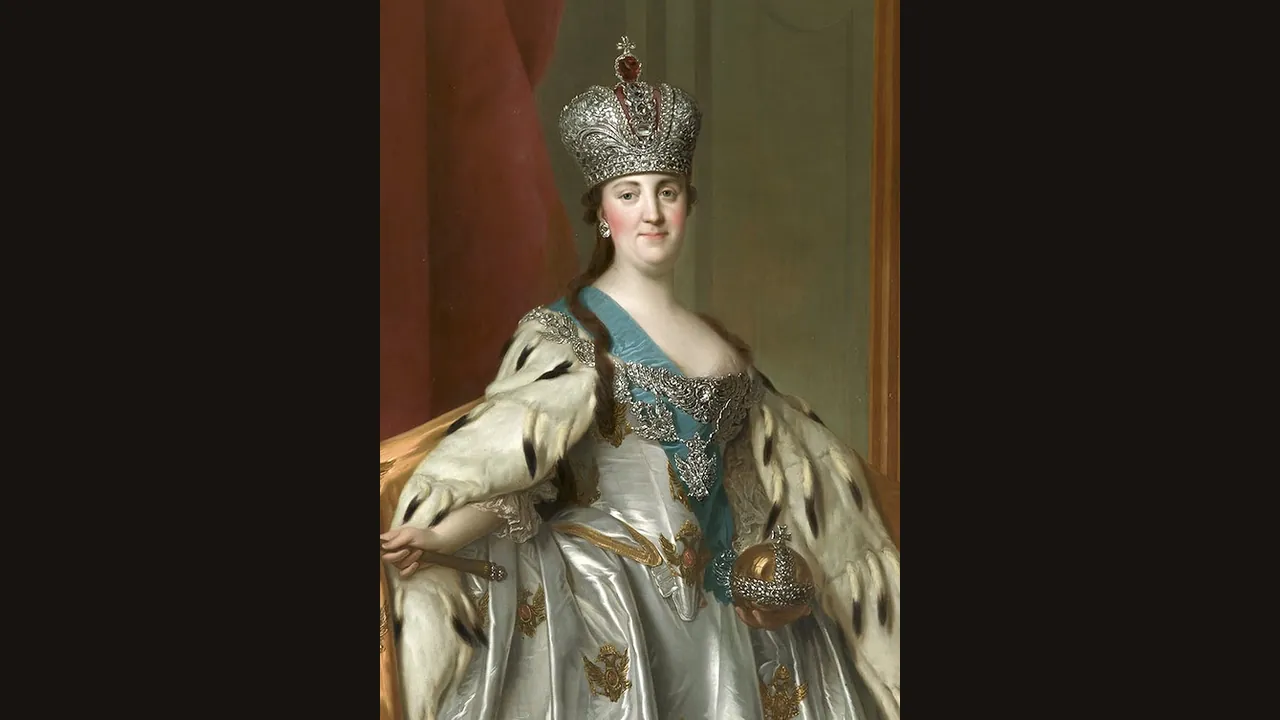
Catherine the Great
1729–1796
Empress of Russia from 1762 to 1796, born Sophie of Anhalt Zerbst in 1729, a German princess who seized the Russian throne from her husband. She extended Russia to the Black Sea, annexed Crimea in 1783, and joined the partitions of Poland. A correspondent of Voltaire, she patronized the arts while ruling as an autocrat.
Ruler · Age of revolutions and empire · France
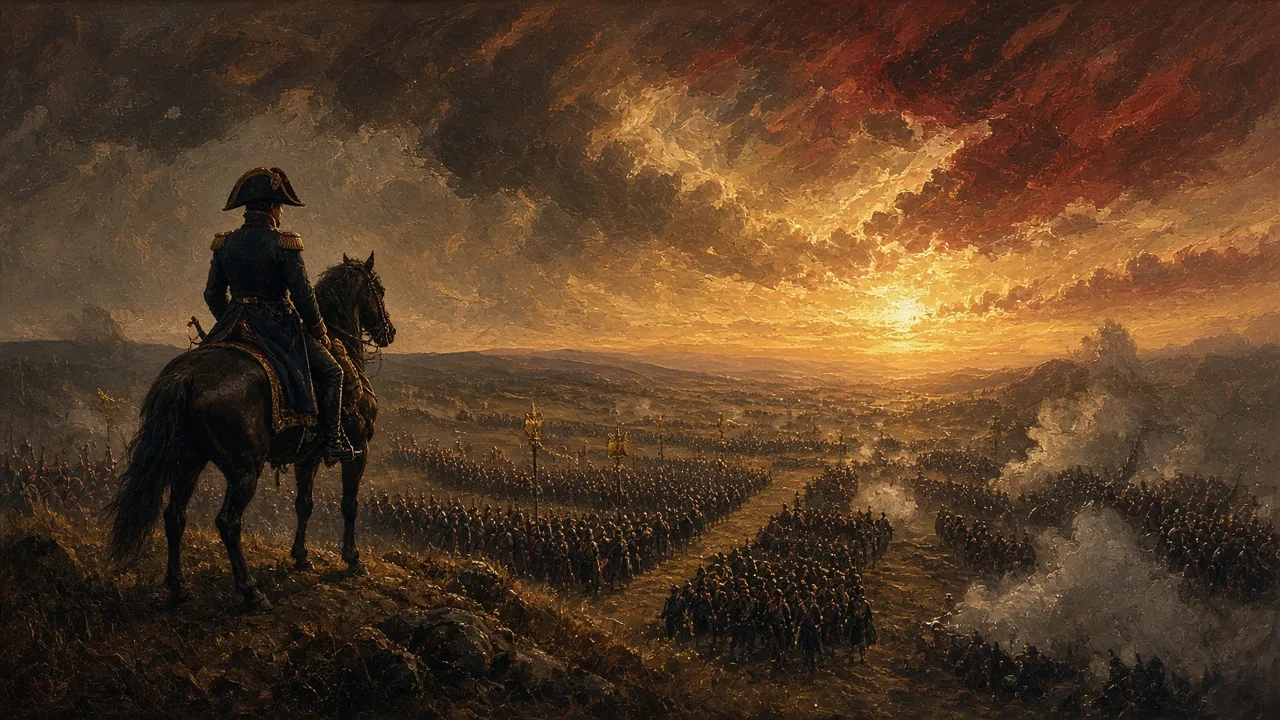
Napoleon Bonaparte
1769–1821
First Consul after 18 Brumaire (1799), Emperor of the French from 1804, defeated at Waterloo in 1815. Preserved property and administrative reforms while centralizing power.
Ruler · Age of revolutions and empire · Venezuela
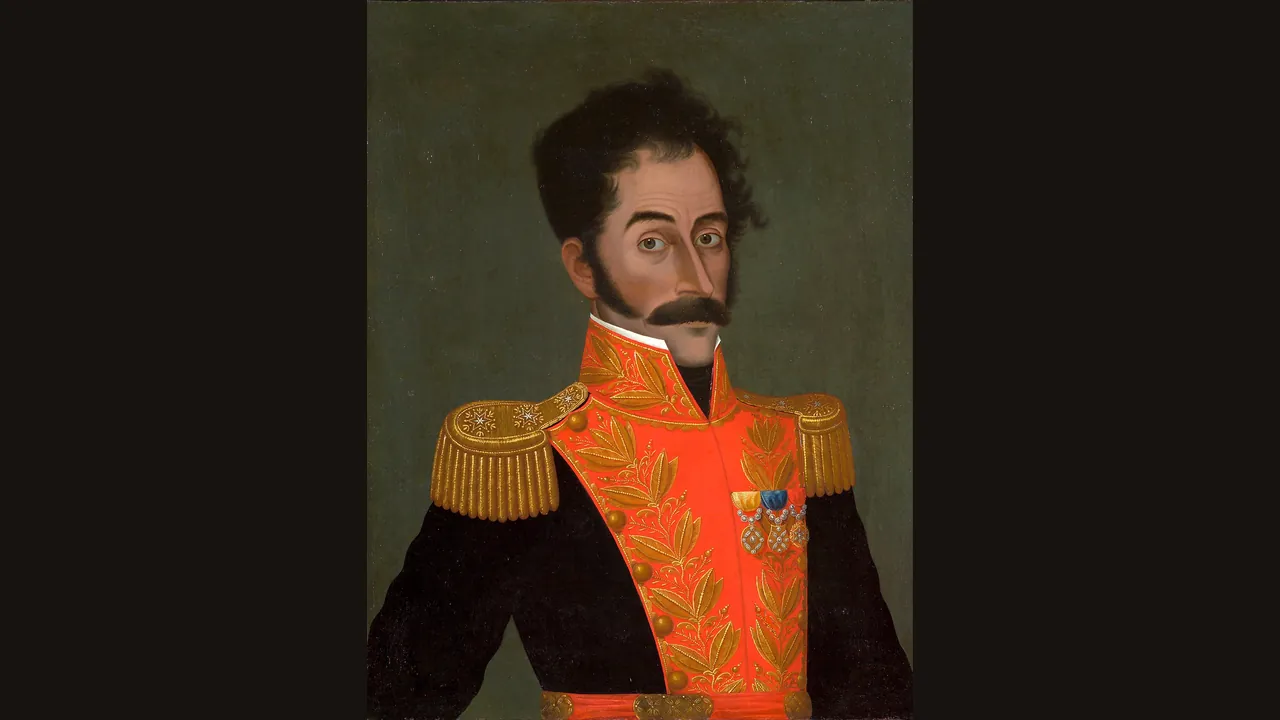
Simon Bolivar
1783–1830
Venezuelan general and statesman, 1783 to 1830, called the Liberator, who freed much of South America from Spain. His campaigns liberated Venezuela, Colombia, Ecuador, Peru and Bolivia, the last named for him. He dreamed of a united Spanish America but died disillusioned, his federations broken apart.
Ruler · Age of revolutions and empire · South Africa
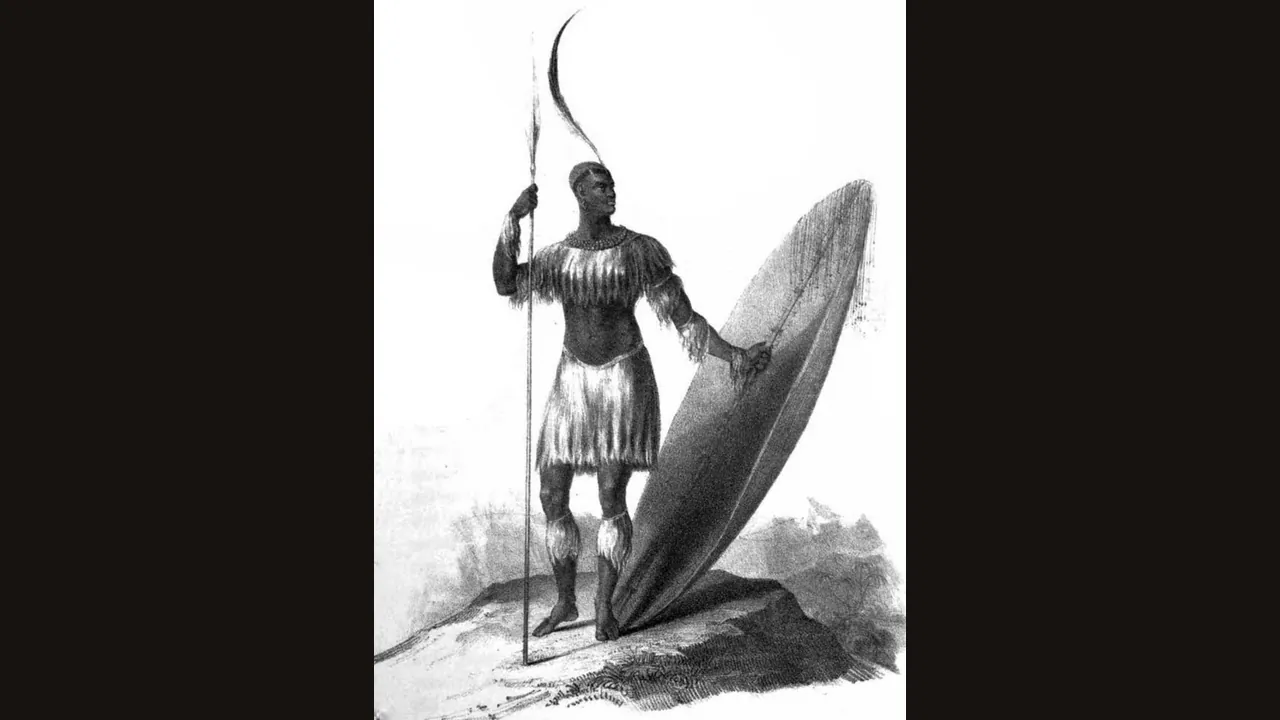
Shaka
c. 1787–1828
Founder of the Zulu Kingdom, ruling from 1816 to 1828, born about 1787, who revolutionized warfare in southern Africa. He replaced the throwing spear with the short stabbing assegai and drilled his regiments in the buffalo horns formation. His conquests set off the Mfecane, the scattering of peoples across the region.
Ruler · Age of revolutions and empire · United States
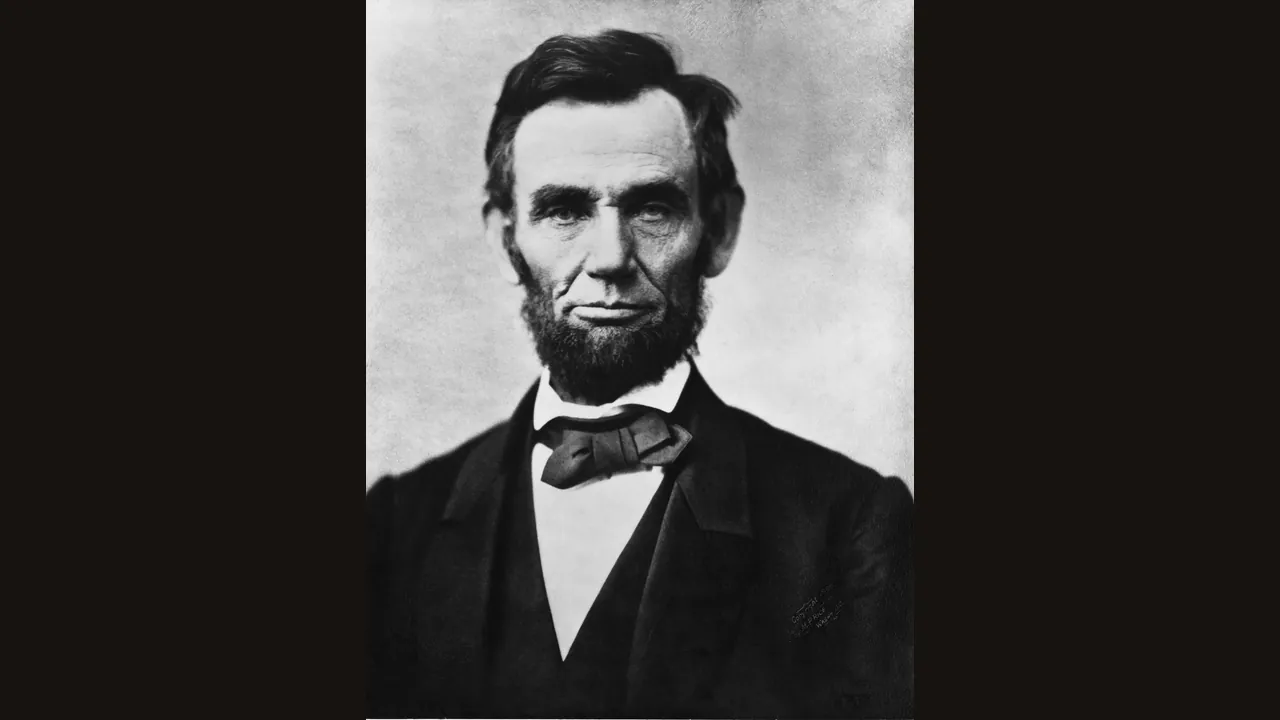
Abraham Lincoln
1809–1865
Sixteenth president of the United States, 1861 to 1865, born in 1809, who preserved the Union through civil war and ended slavery. The Emancipation Proclamation of 1863 freed the slaves in the rebellious states. He was assassinated at Ford's Theatre on 14 April 1865, five days after Lee's surrender.
Ruler · Age of revolutions and empire · Germany
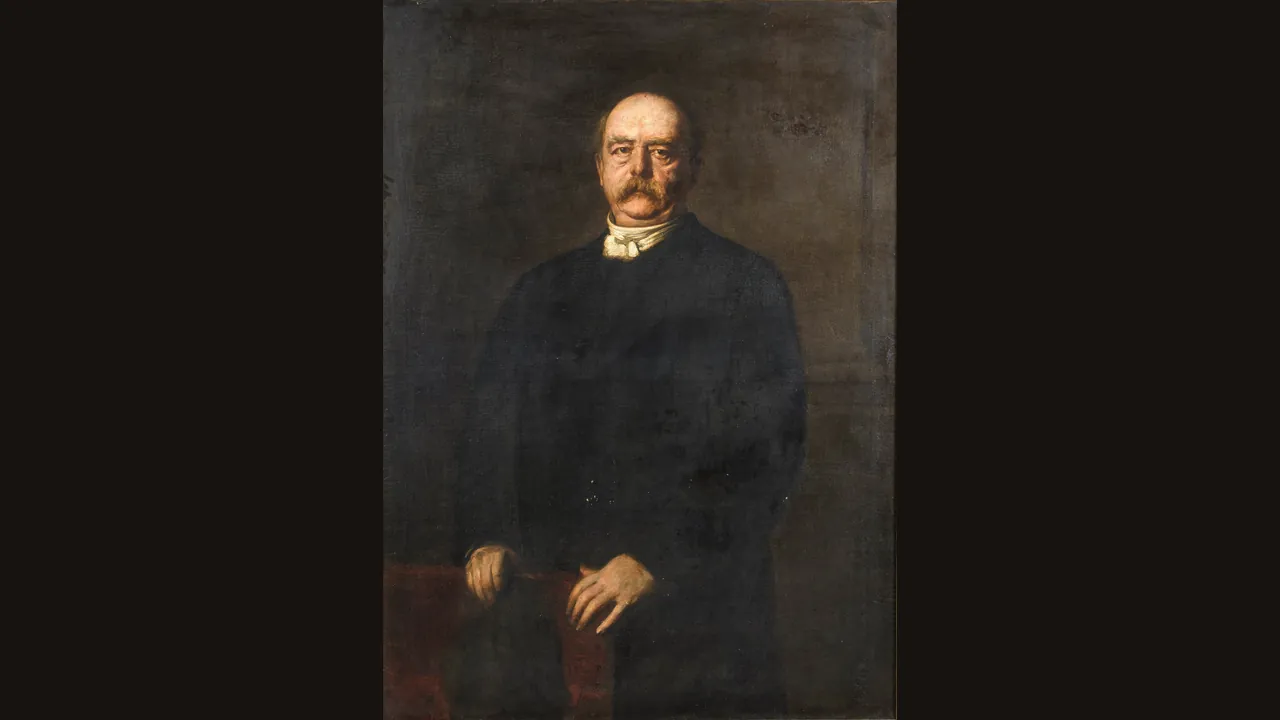
Otto von Bismarck
1815–1898
Prussian and German statesman, 1815 to 1898, who unified Germany by war and diplomacy. As minister president of Prussia from 1862 he provoked wars with Denmark, Austria and France, then proclaimed the German Empire at Versailles in 1871. Dismissed by the young Kaiser Wilhelm II in 1890, he warned that his successors would ruin his work.
Ruler · Age of revolutions and empire · United Kingdom
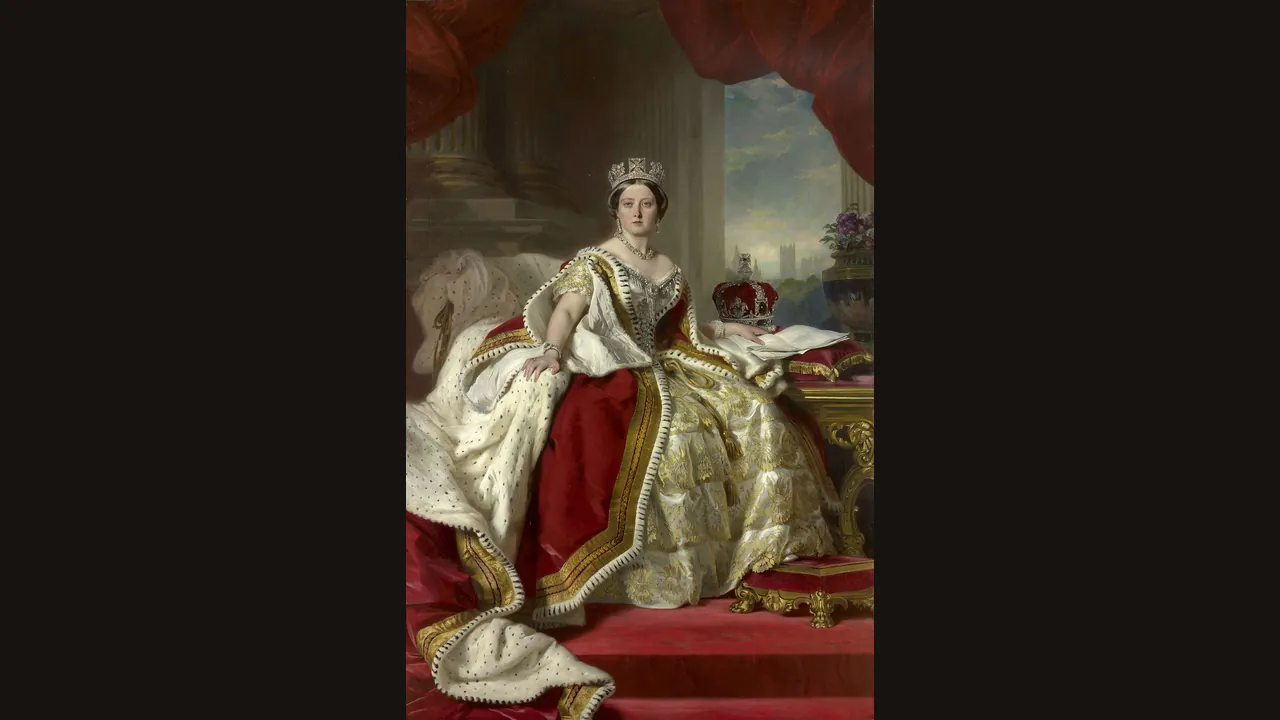
Victoria
1819–1901
Queen of the United Kingdom from 1837 to 1901, born in 1819, whose sixty three year reign gave its name to an age. The British Empire reached its greatest extent in 1920, after her death, and she was proclaimed Empress of India in 1876. Her long mourning for Prince Albert made the monarchy a symbol of duty and empire.
Ruler · Age of revolutions and empire · Japan
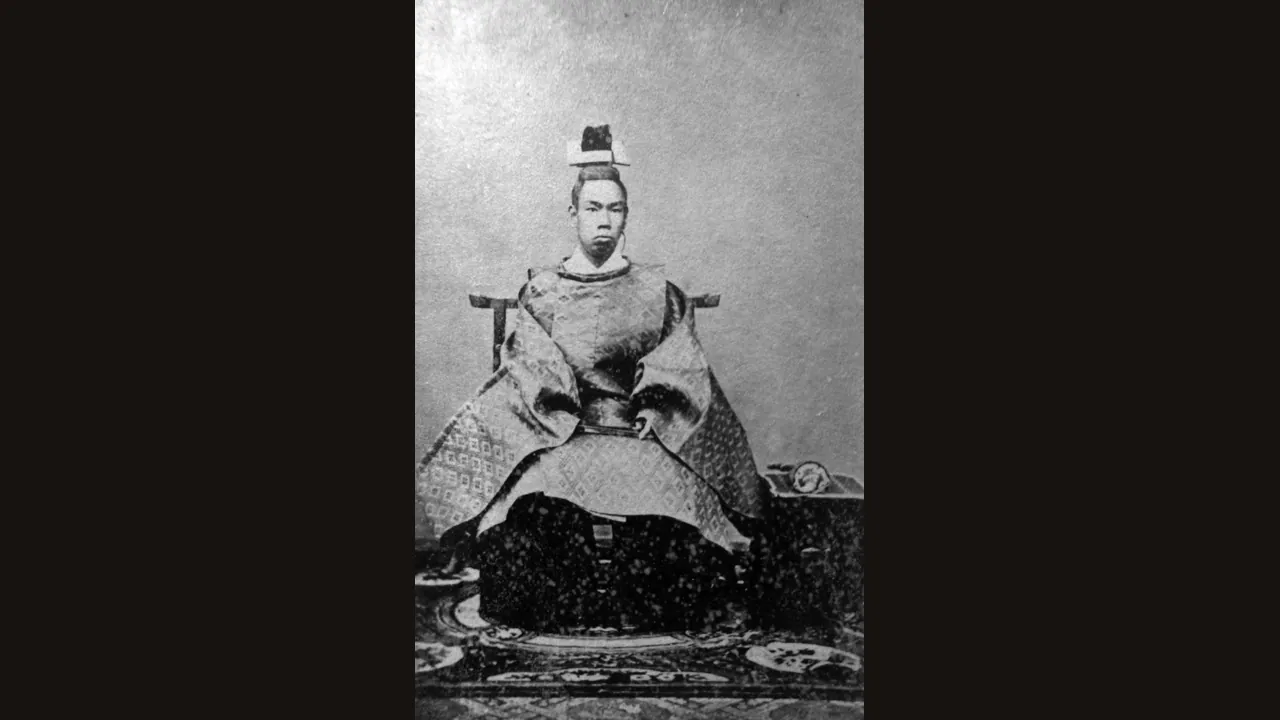
Meiji
1852–1912
Emperor of Japan from 1867 to 1912, born Mutsuhito in 1852, in whose name Japan was transformed from a feudal state into a modern power. The Meiji Restoration abolished the shogunate, built railways, schools and a conscript army, and wrote a constitution. Japan defeated China in 1895 and Russia in 1905 under his reign.
Ruler · Twentieth century · China
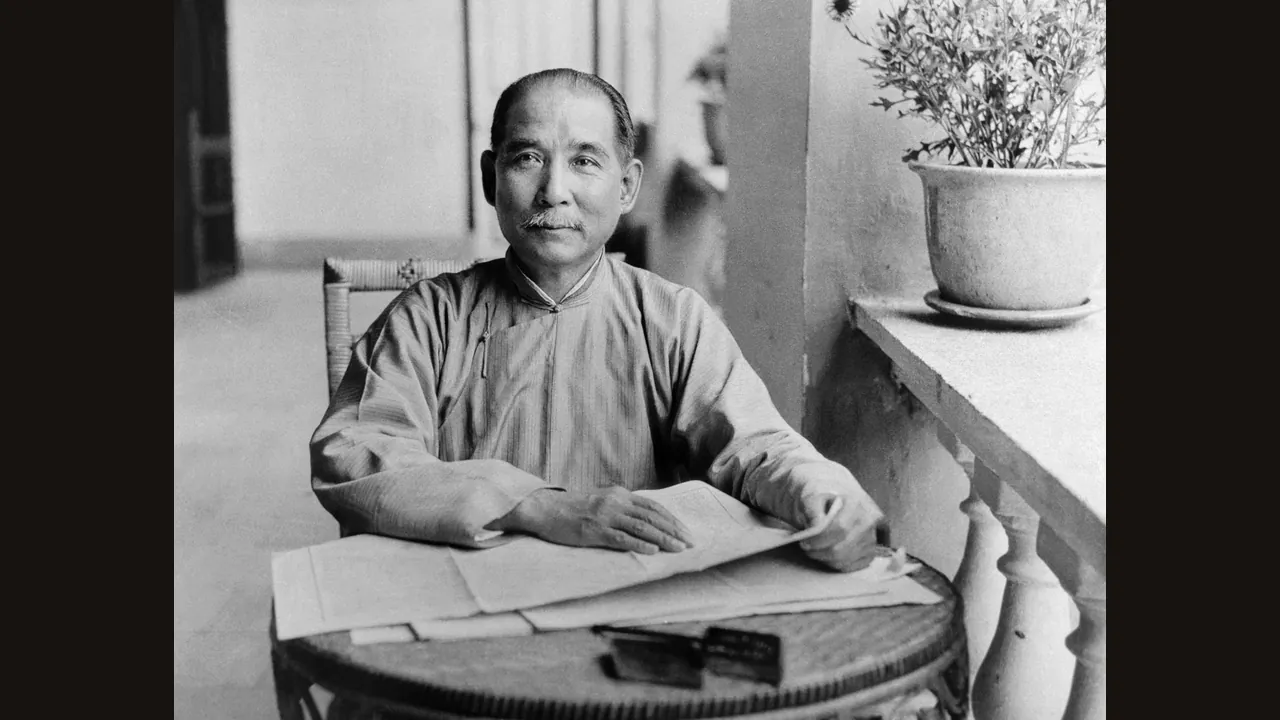
Sun Yat-sen
1866–1925
Founder of the Republic of China, 1866 to 1925, called the father of modern China in both Taiwan and the mainland. His Revolutionary Alliance overthrew the Qing dynasty in the Xinhai Revolution of 1911, and he served briefly as provisional president in 1912. He founded the Kuomintang and allied it with the Soviet Union before his death.
Ruler · Twentieth century · Russia
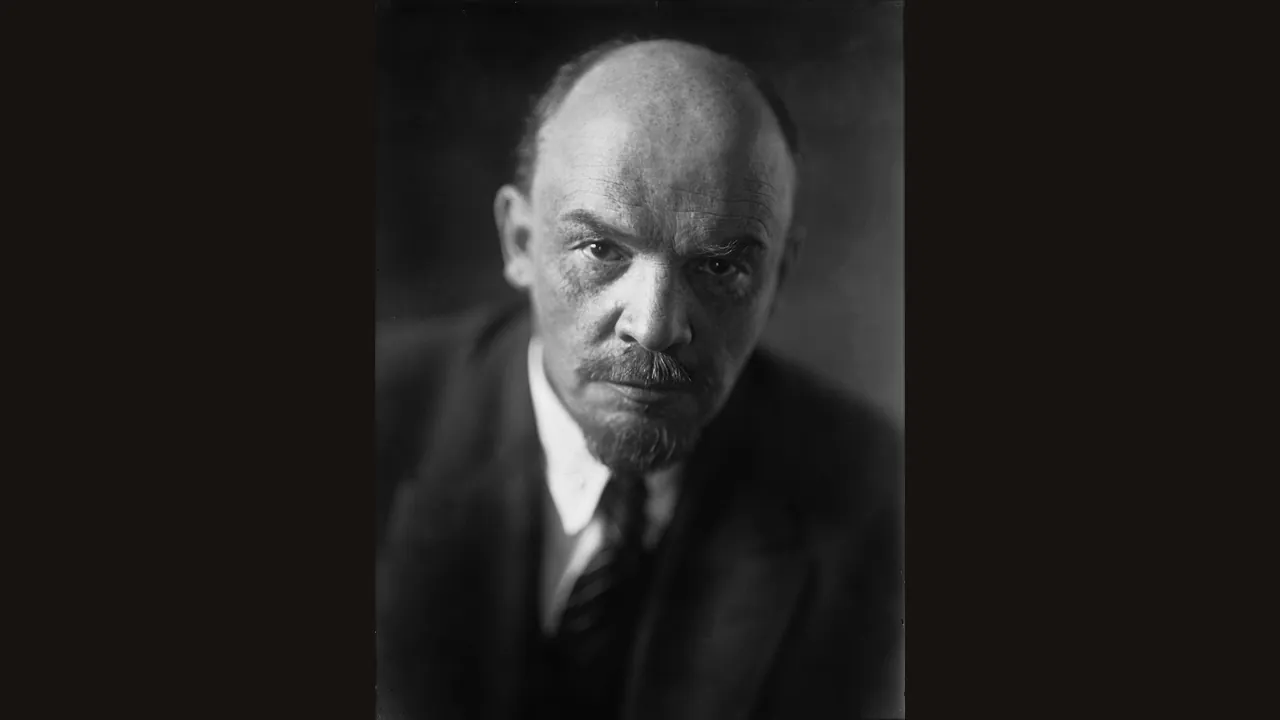
Vladimir Lenin
1870–1924
Leader of the Bolshevik Revolution, 1870 to 1924, born Vladimir Ulyanov, who created the first communist state. He seized power in Russia in October 1917, pulled Russia out of World War I, and won the civil war that followed. His New Economic Policy of 1921 retreated from full communism to save the economy.
Ruler · Twentieth century · United Kingdom
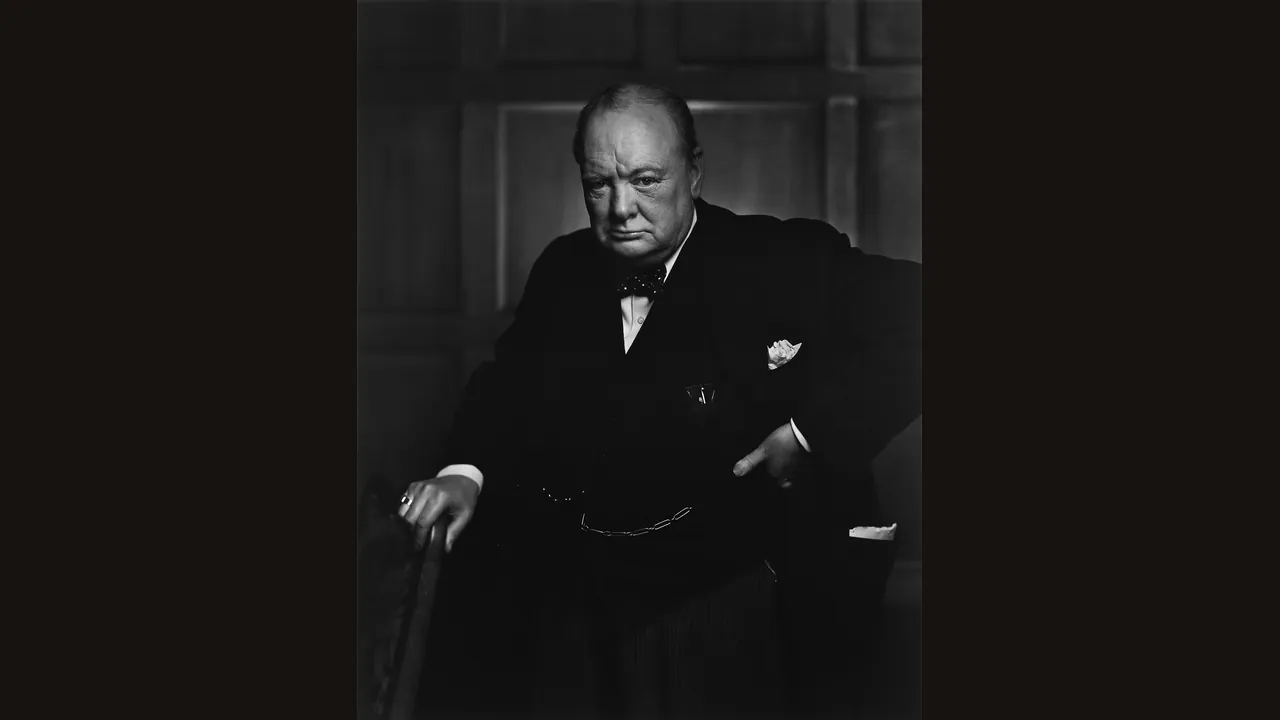
Winston Churchill
1874–1965
British prime minister for most of World War II, 1874 to 1965, who led Britain through its darkest years. His speeches in 1940 rallied the country after the fall of France. Voted out in 1945, he returned as prime minister from 1951 to 1955 and won the Nobel Prize in Literature in 1953.
Ruler · Twentieth century · Russia
Joseph Stalin
1878–1953
General secretary of the Soviet Communist Party from 1922 and dominant ruler of the USSR until 1953. Forced collectivization, famine, and the mass operations of 1937–1938 were carried out under his authority.
Ruler · Twentieth century · Turkey
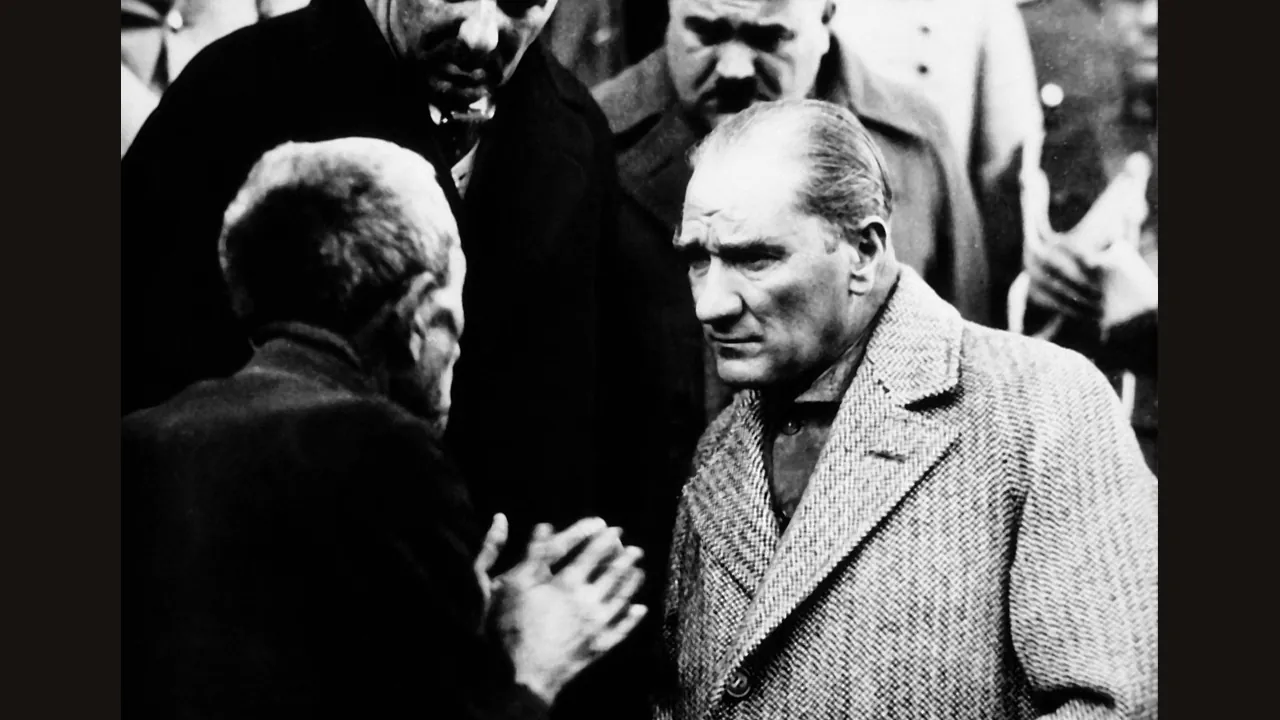
Mustafa Kemal Ataturk
1881–1938
Founder of the Republic of Turkey, 1881 to 1938, who built a modern secular state from the ruins of the Ottoman Empire. His victory in the Turkish War of Independence ended the Allied partition of Anatolia. As president from 1923 he abolished the caliphate, replaced Arabic script with Latin, and remade Turkish law and education.
Ruler · Twentieth century · United States
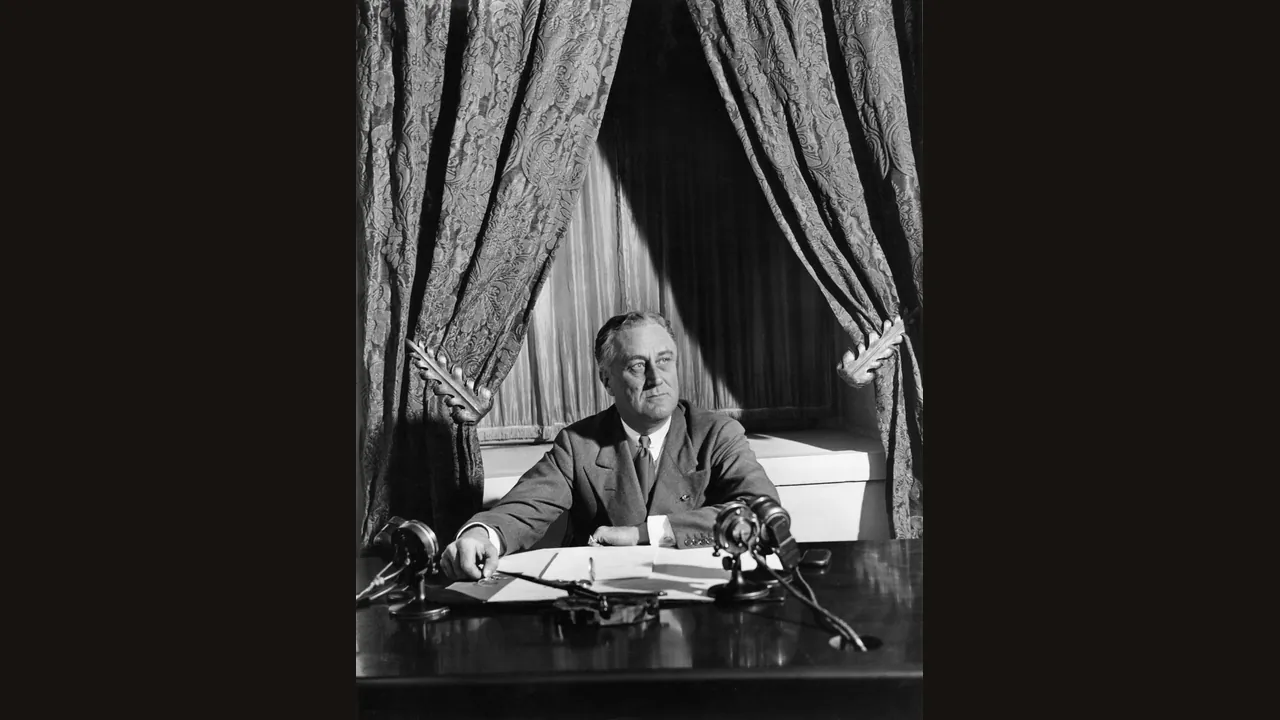
Franklin D. Roosevelt
1882–1945
Thirty second president of the United States, 1933 to 1945, born in 1882, the only president elected four times. His New Deal programs fought the Great Depression, and he led America through nearly all of World War II. He died in office in April 1945, weeks before Germany's surrender.
Ruler · Twentieth century · Italy
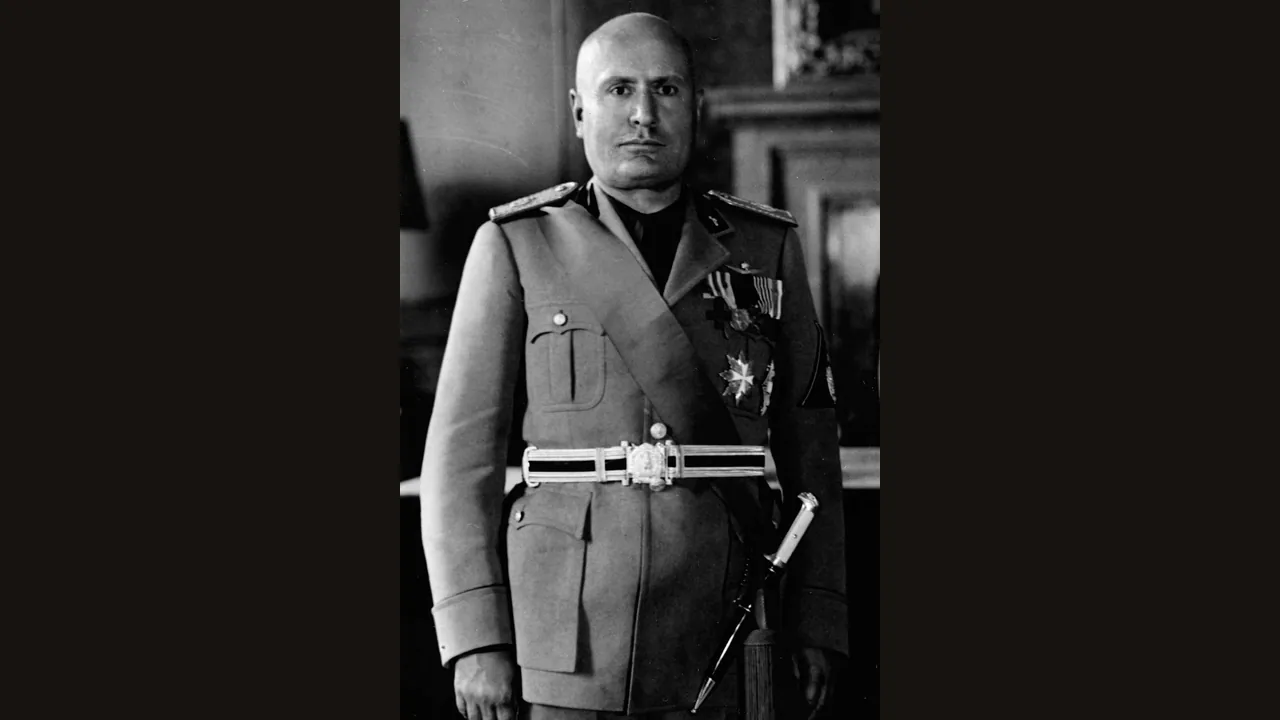
Benito Mussolini
1883–1945
Fascist dictator of Italy from 1922 to 1943, born in 1883, the first of the twentieth century's fascist rulers. His March on Rome in 1922 made him prime minister, and he built a one party state glorifying war and the Roman past. Deposed in 1943, he was executed by partisans in 1945.
Ruler · Twentieth century · China
Chiang Kai-shek
1887–1975
Leader of the Chinese Nationalist Party after Sun Yat-sen, and the Nationalist side of the war with Japan and the civil war. His government retreated to Taiwan in December 1949.
Ruler · Twentieth century · Germany
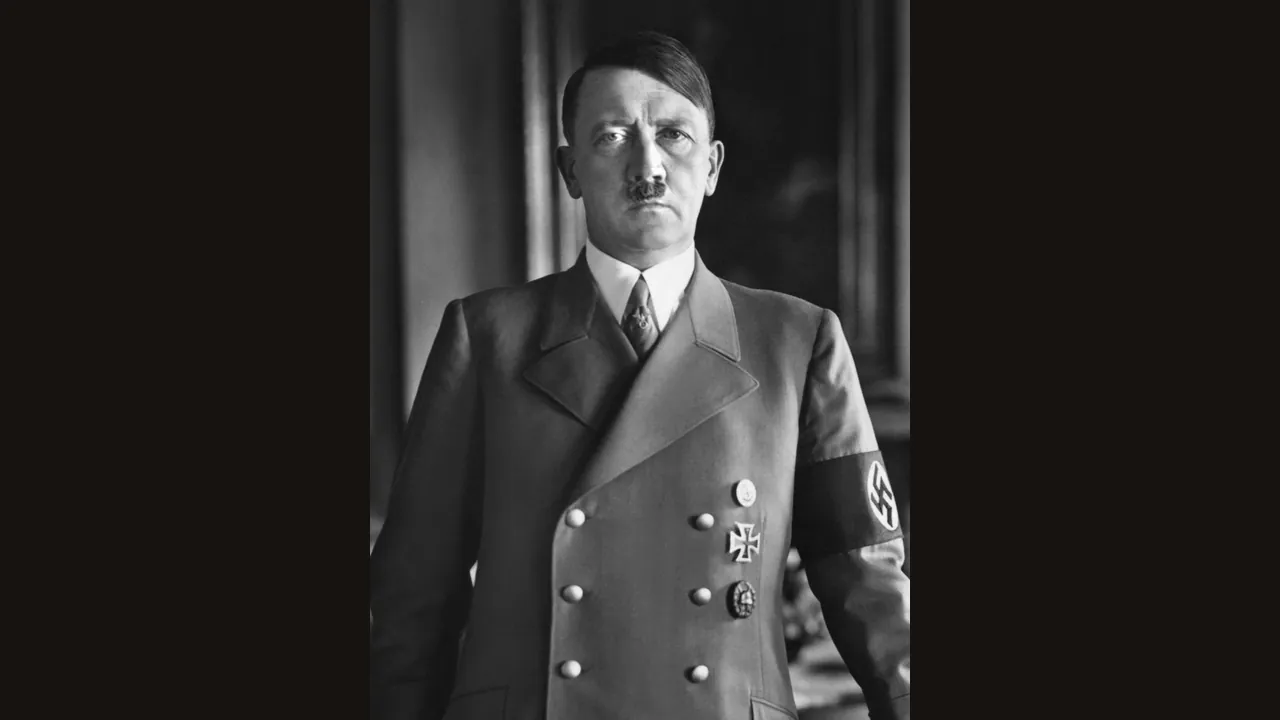
Adolf Hitler
1889–1945
Dictator of Germany from 1933 to 1945, born in 1889, founder of the Nazi regime and starter of World War II in Europe. His government murdered six million Jews in the Holocaust and millions of others. He killed himself in his Berlin bunker on 30 April 1945 as Soviet troops closed in.
Ruler · Twentieth century · China
Mao Zedong
1893–1976
Chairman of the Chinese Communist Party from 1943 and the central figure of the People's Republic of China, proclaimed in 1949. He held party leadership until his death in 1976. The Great Leap Forward and the Cultural Revolution were carried out under his authority.
Ruler · Twentieth century · Japan
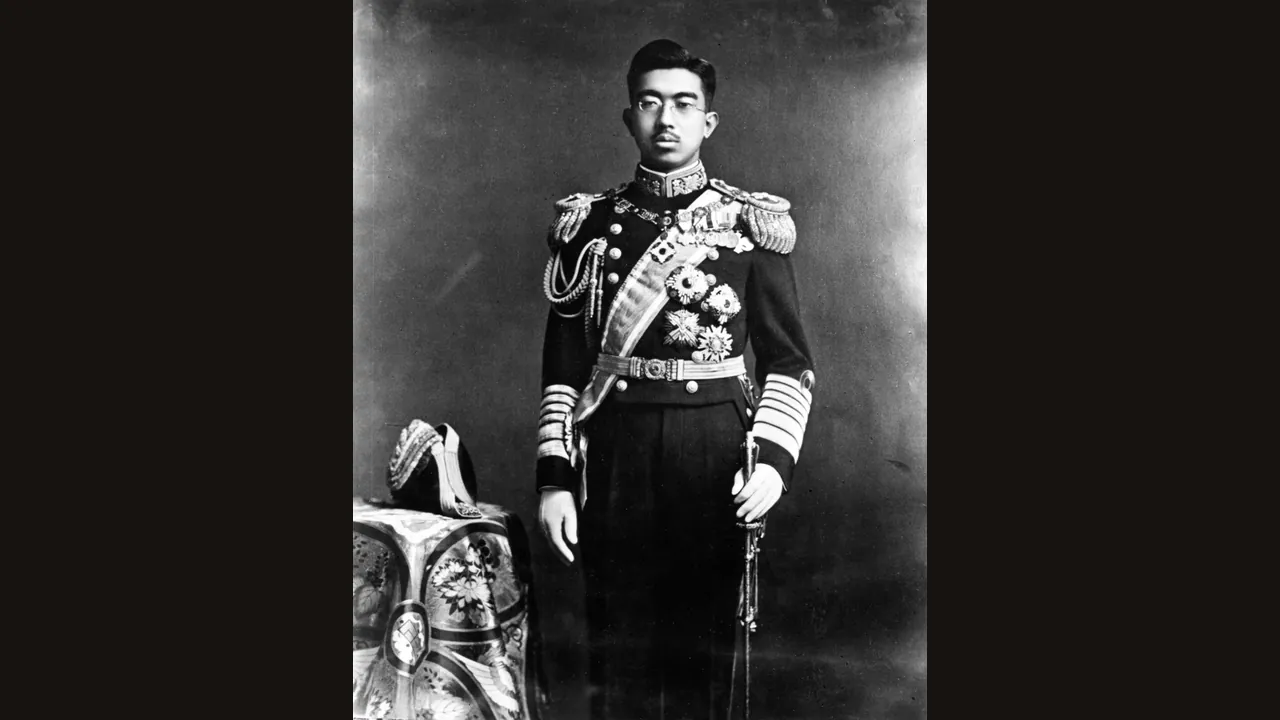
Hirohito
1901–1989
Emperor of Japan from 1926 to 1989, born in 1901, who reigned through Japan's wars and its rebirth. The military ruled in his name during the invasions of China and the Pacific War. His radio broadcast of surrender on 15 August 1945 was the first time most Japanese had heard his voice.
Ruler · Twentieth century · Romania
Nicolae Ceaușescu
1918–1989
General secretary of the Romanian Communist Party from 1965 and president from 1974 until his overthrow and execution in December 1989.
Ruler · Twentieth century · Cambodia
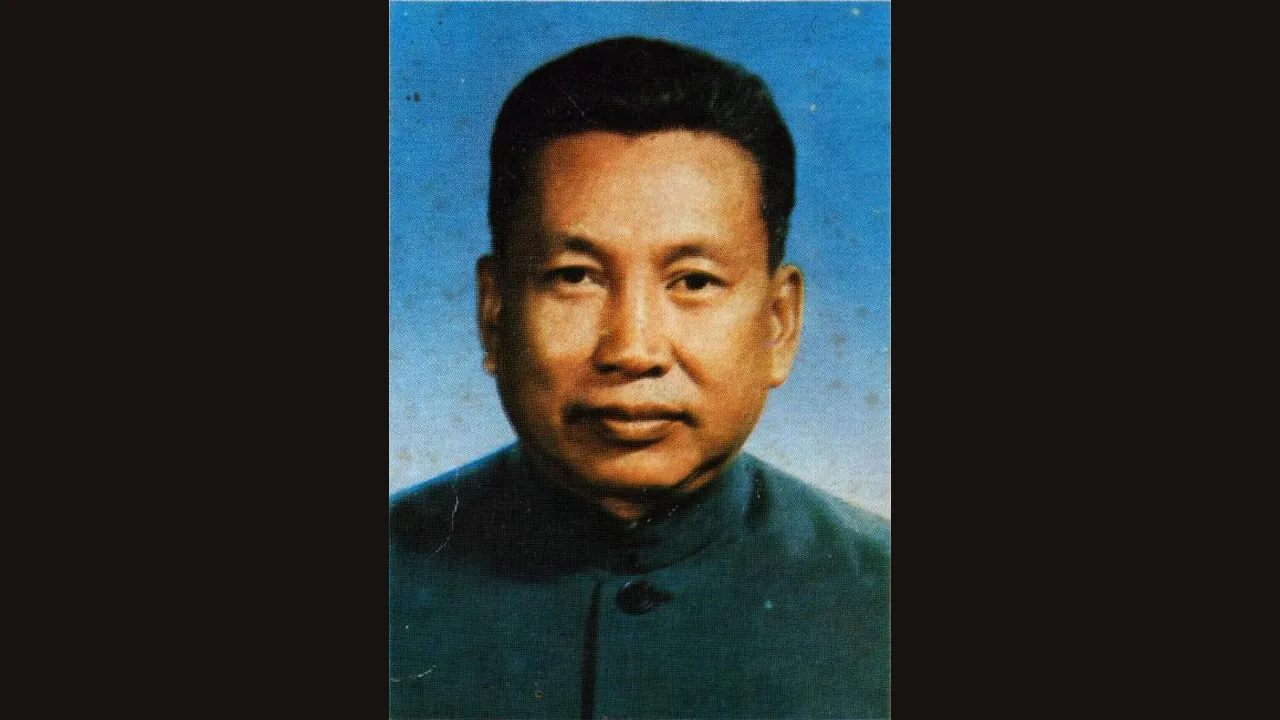
Pol Pot
1925–1998
Leader of Cambodia's Khmer Rouge, 1925 to 1998, whose regime killed about a quarter of his country's people. The Khmer Rouge took Phnom Penh on 17 April 1975 and emptied the cities, forcing everyone into rural labor. Driven out by Vietnam in 1979, he led a guerrilla remnant until his death.
Ruler · Twentieth century · Cuba
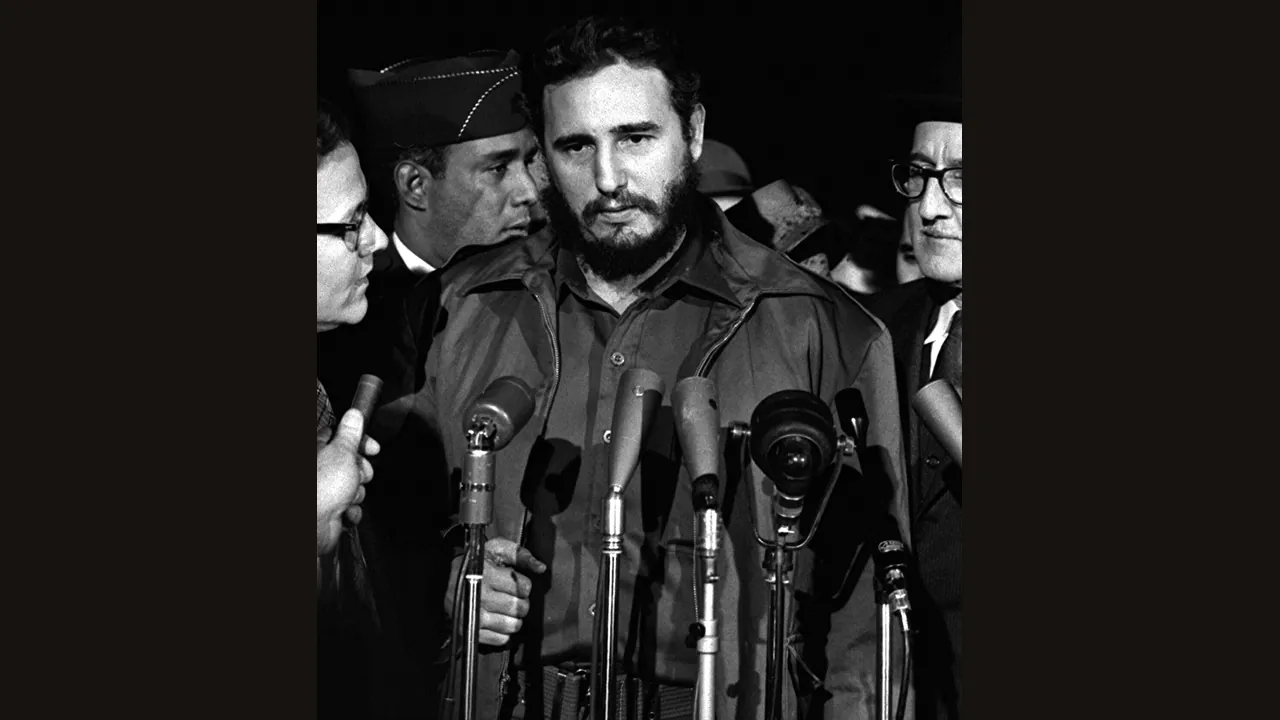
Fidel Castro
1926–2016
Leader of Cuba from 1959 to 2008, born in 1926, who made a communist state ninety miles from Florida. His 26th of July Movement overthrew the Batista dictatorship in January 1959. He survived the Bay of Pigs invasion, brought Soviet missiles to Cuba in 1962, and ruled for nearly half a century.