

Ruler · Age of revolutions · France
Napoleon Bonaparte
1769–1821
First Consul after 18 Brumaire (1799), Emperor of the French from 1804, defeated at Waterloo in 1815. Preserved property and administrative reforms while centralizing power.
Facts
- Born
- 15 August 1769, Ajaccio, Corsica.
- Source: Encyclopaedia Britannica, Napoleon I
- Died
- 5 May 1821, Saint Helena.
- Source: Encyclopaedia Britannica, Napoleon I
- Coup
- 18 Brumaire (9 November 1799); First Consul under the Constitution of Year VIII.
- Source: Encyclopaedia Britannica, Napoleon I
- Civil Code
- Code civil des Français, 1804: legal equality for adult males, secure private property, secular civil law.
- Source: Encyclopaedia Britannica, Napoleonic Code
The record
Napoleon rose as the Directory failed. The coup of 18–19 Brumaire made him First Consul; by 1804 a plebiscite and Senate decree created the Empire. At Notre-Dame on 2 December 1804 he crowned himself after papal anointing.
The Civil Code fixed property rights and civil equality for men while the political order became autocratic. Wars from Austerlitz to Russia and Leipzig ended in abdication, the Hundred Days, and Waterloo. He died in exile on Saint Helena.
This page records offices, law and the sequence from revolutionary collapse to centralized rule. Battle narratives belong elsewhere.
Images
Connected
Links in both directions: what this page points to, and what points here.
Articles
Desk pieces that belong with this record.
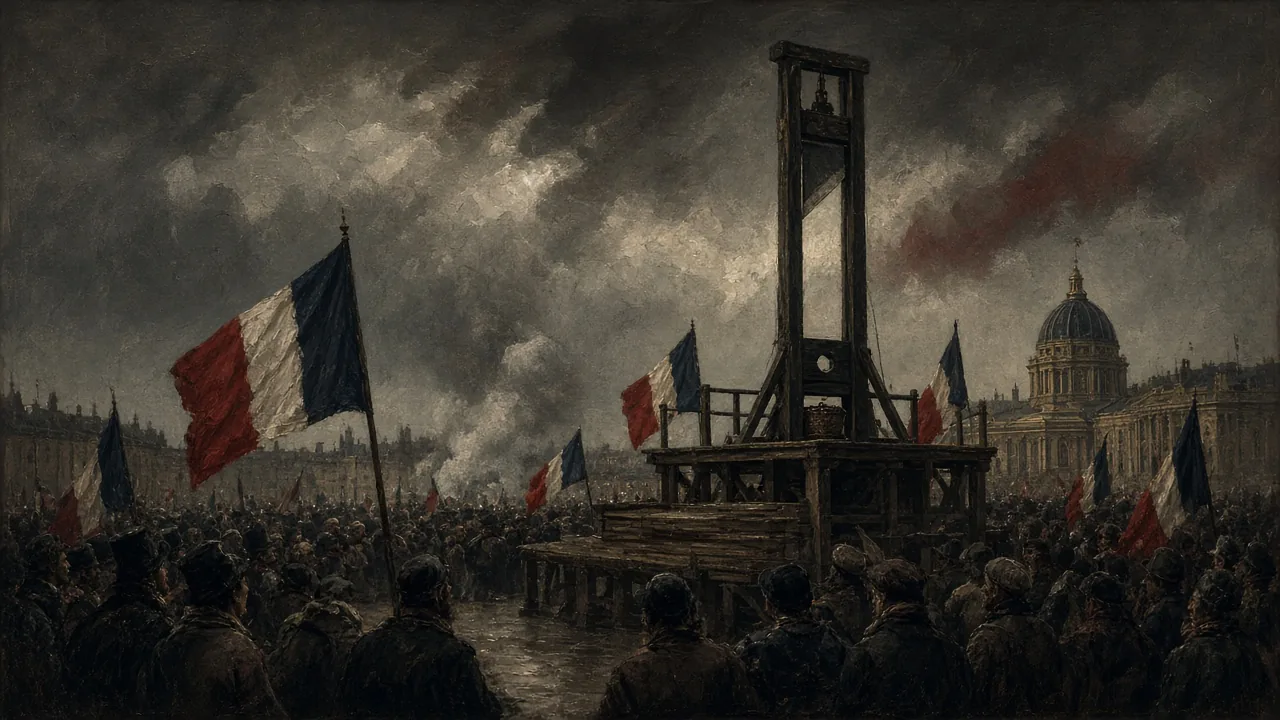 The French RevolutionThe French Revolution began with genuine grievances against an insolvent monarchy and culminated in a state-sanctioned mechanism of total political purging. When the Estates-General convened on May 5, 1789, the first such assembly in 175 years,its delegates sought to resolve a mounting financial crisis.Read
 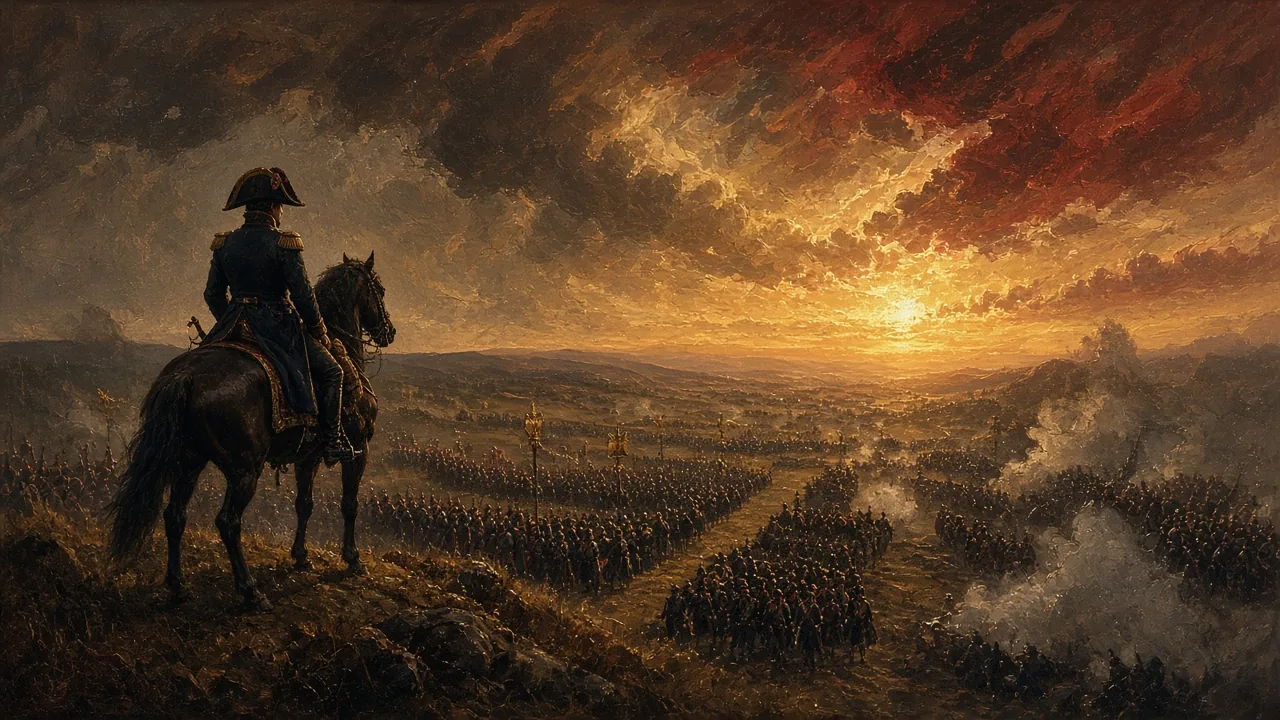 Napoleon BonaparteWhen revolutionary turmoil dismantles traditional political structures without establishing a resilient, functioning governance model, power frequently converges into centralized authoritarian rule, a structural sequence classically illustrated by Napoleon Bonaparte.Read
Comments
Loading comments…