
Era 8 of 10 · 1789–1914
Age of revolutions and empire
Revolutions in France, Haiti and Latin America overturn old regimes, and industry, beginning in Britain, changes work, cities and war. European powers and the United States expand their reach, and by 1914 much of Africa and Asia is under colonial rule.
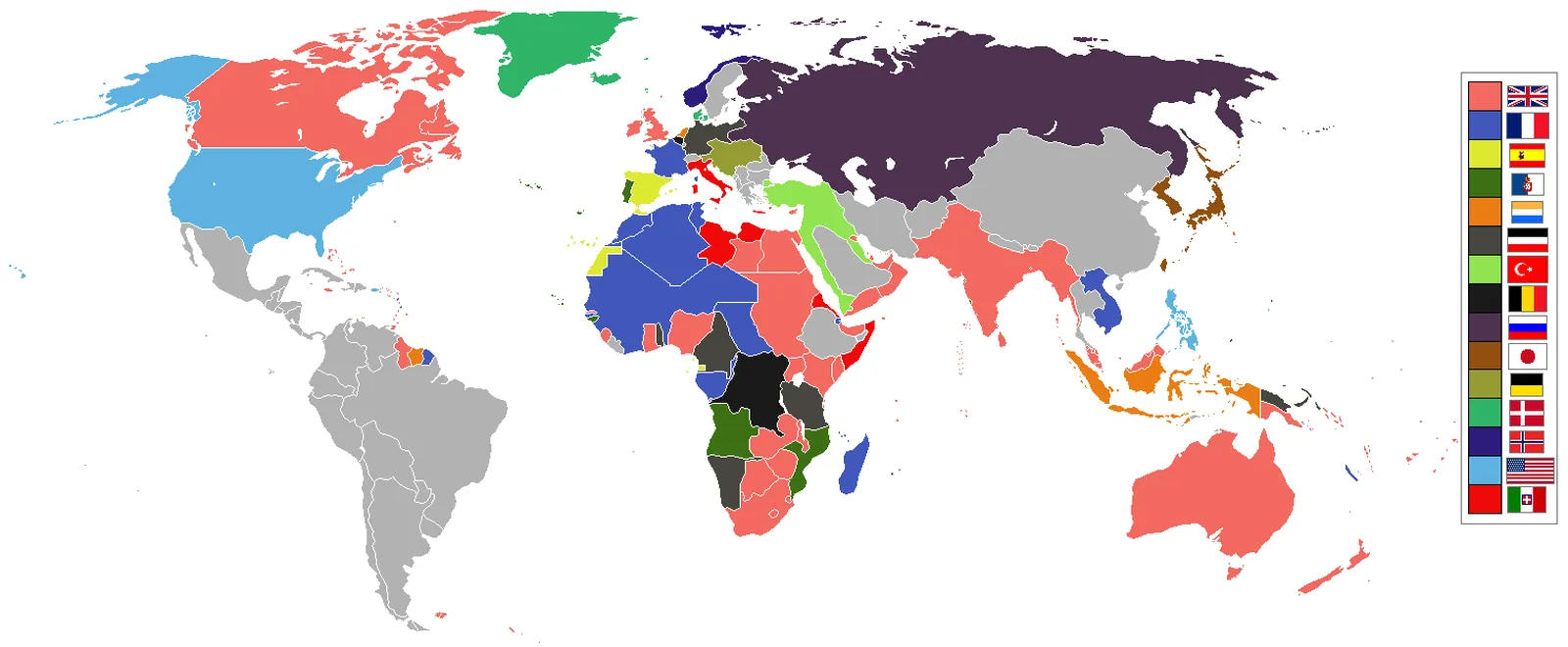
French revolutionaries abolished the privileges of the old order in 1789, executed Louis XVI, and fought wars against European monarchies. Napoleon seized power in 1799 and conquered much of Europe before his final defeat in 1815. Enslaved people in French Saint Domingue rose in 1791, defeated French, British and Spanish forces in turn, and founded Haiti in 1804. Spanish American leaders then fought wars that ended Spanish rule across most of mainland America by the 1820s.
British mill owners, engineers and workers built an industrial economy around coal, steam engines, canals, factories and railways. Industrial production spread to Belgium, France, Germany and the United States, and workers moved from farms into growing cities. Governments and companies laid telegraph lines and built steamship routes, cutting communication across oceans from weeks to minutes by the later nineteenth century. World population rose from about one billion in 1800 to about 1.75 billion in 1914, according to modern estimates.
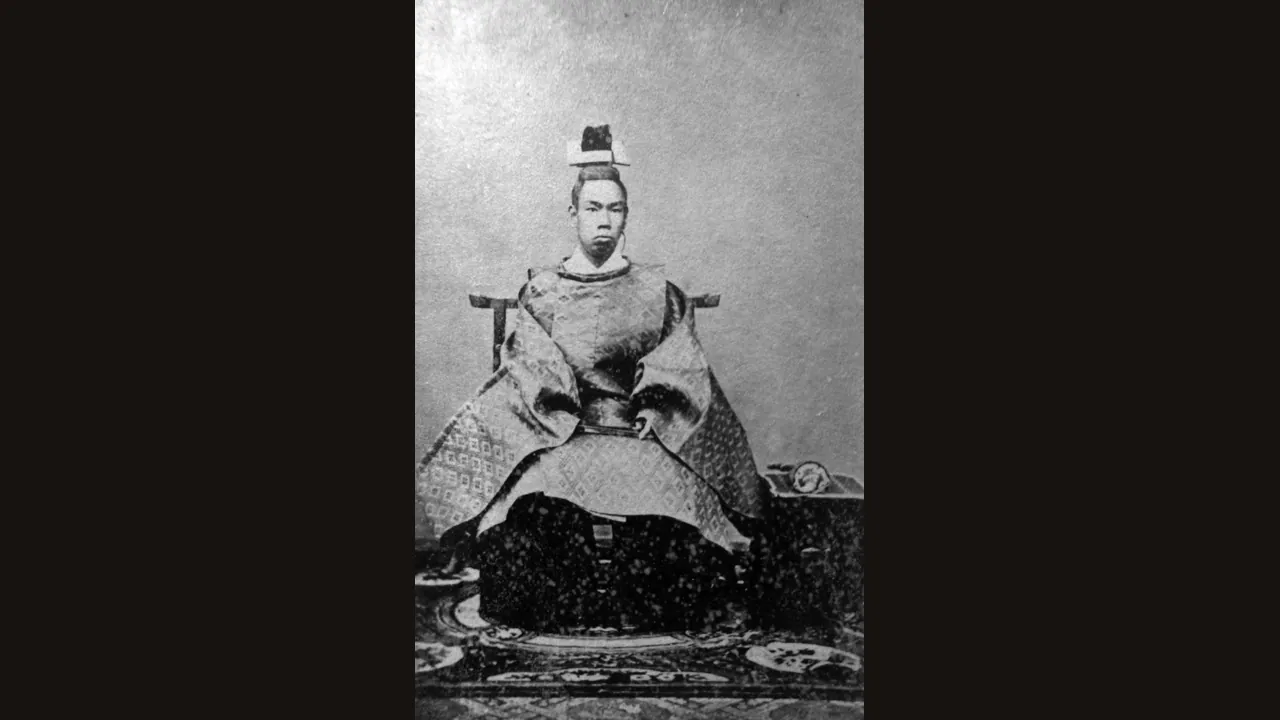
National movements united Italy and Germany by 1871, while the Ottoman and Austrian empires faced pressure from peoples seeking their own states. The United States fought a civil war from 1861 to 1865 that ended slavery in the country and killed an estimated 620,000 to 750,000 soldiers. Governments across the Atlantic world abolished the slave trade and slavery at different dates, although forced labour continued under other forms. The Meiji government in Japan built a modern army, schools, railways and industry after 1868.
European states, the United States and Japan expanded colonies and spheres of control across Africa, Asia and the Pacific. By 1914 European empires ruled most of Africa and large parts of Asia, and Britain, France, Germany and other powers competed through alliances and arms races. Colonial rule brought railways, mines and plantations, and it also brought taxation, land seizure and violent resistance. The assassination of Archduke Franz Ferdinand in June 1914 set off the First World War and closed the period.
In the record from this era
Articles
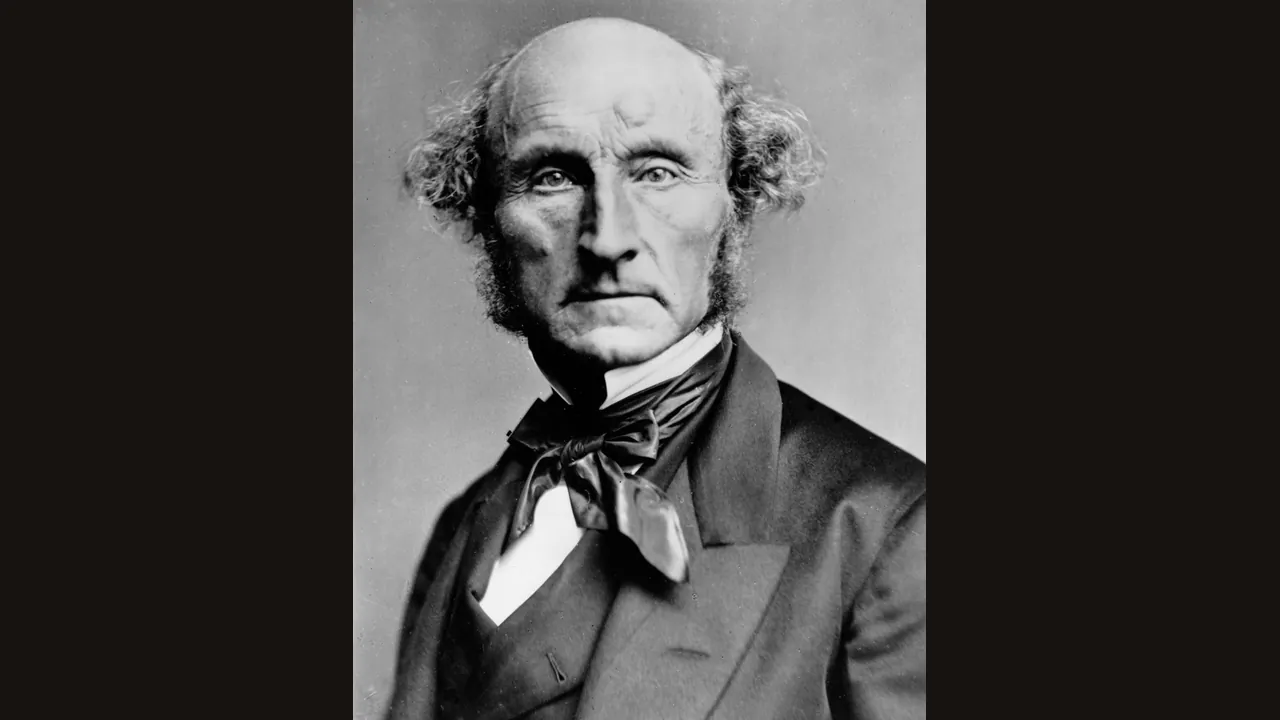
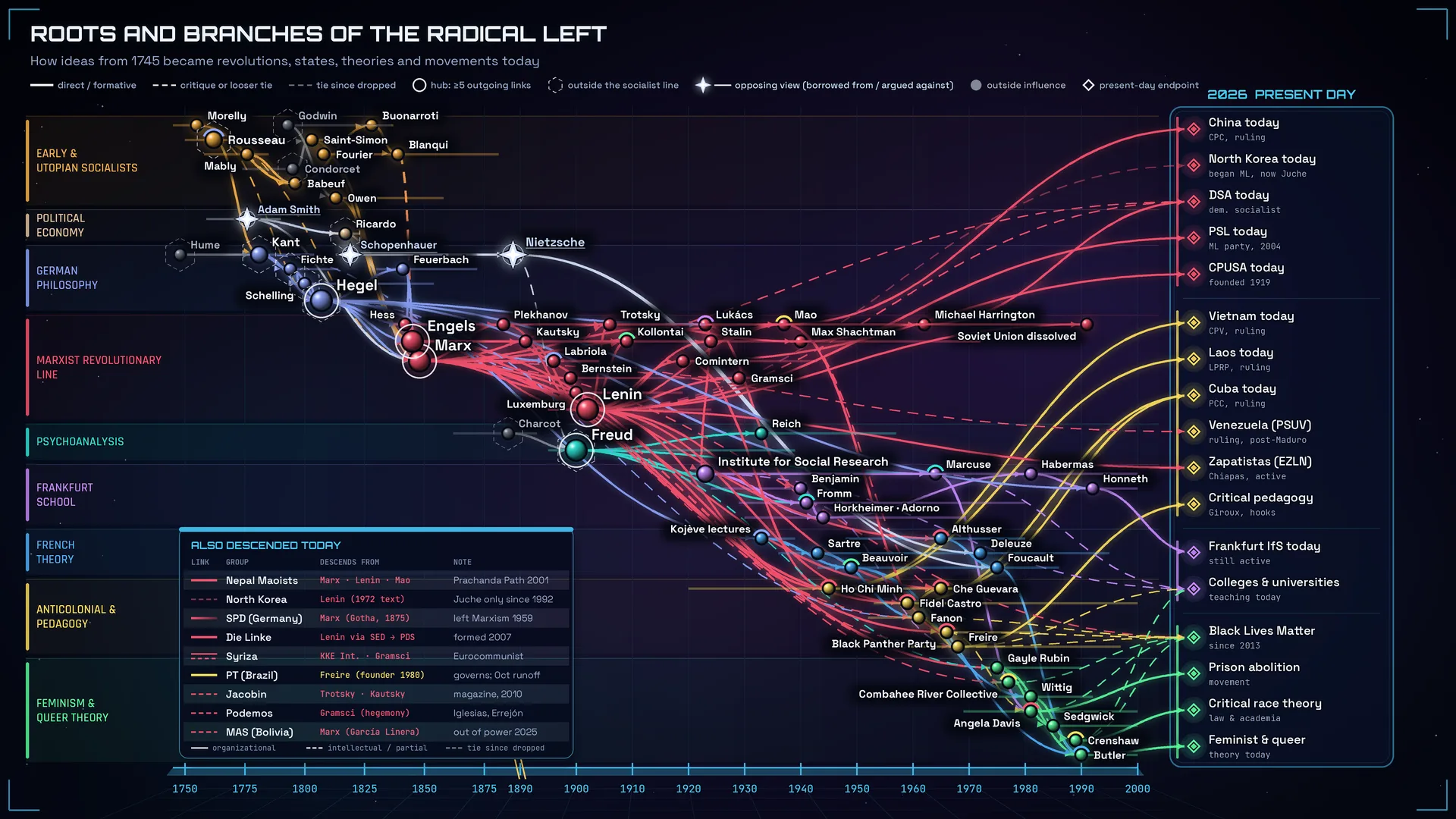 Roots and Branches of the Radical LeftHow ideas from 1745 became revolutions, states, theories and movements todayRead
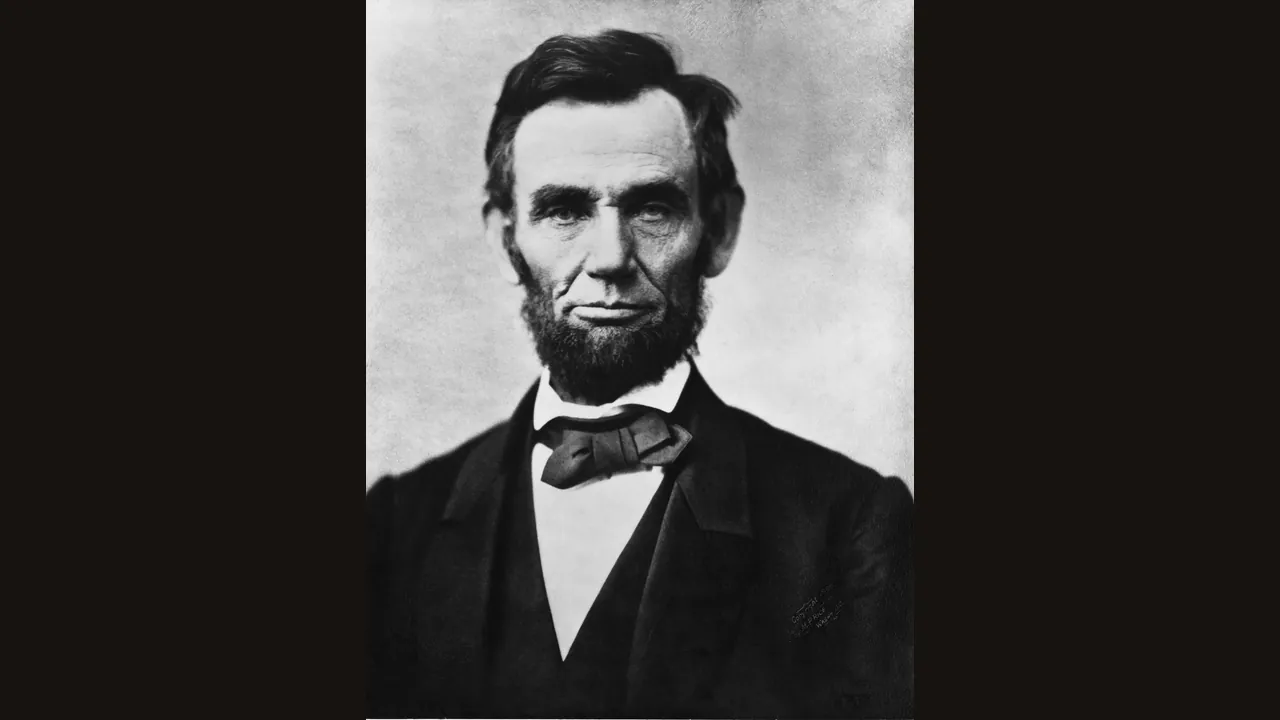
 Before You Curse AmericaLiberty produces unequal outcomes because men are unequal in talent, judgment, appetite, luck, family, and will. Unequal outcomes produce comparison. Comparison can turn into envy.Read
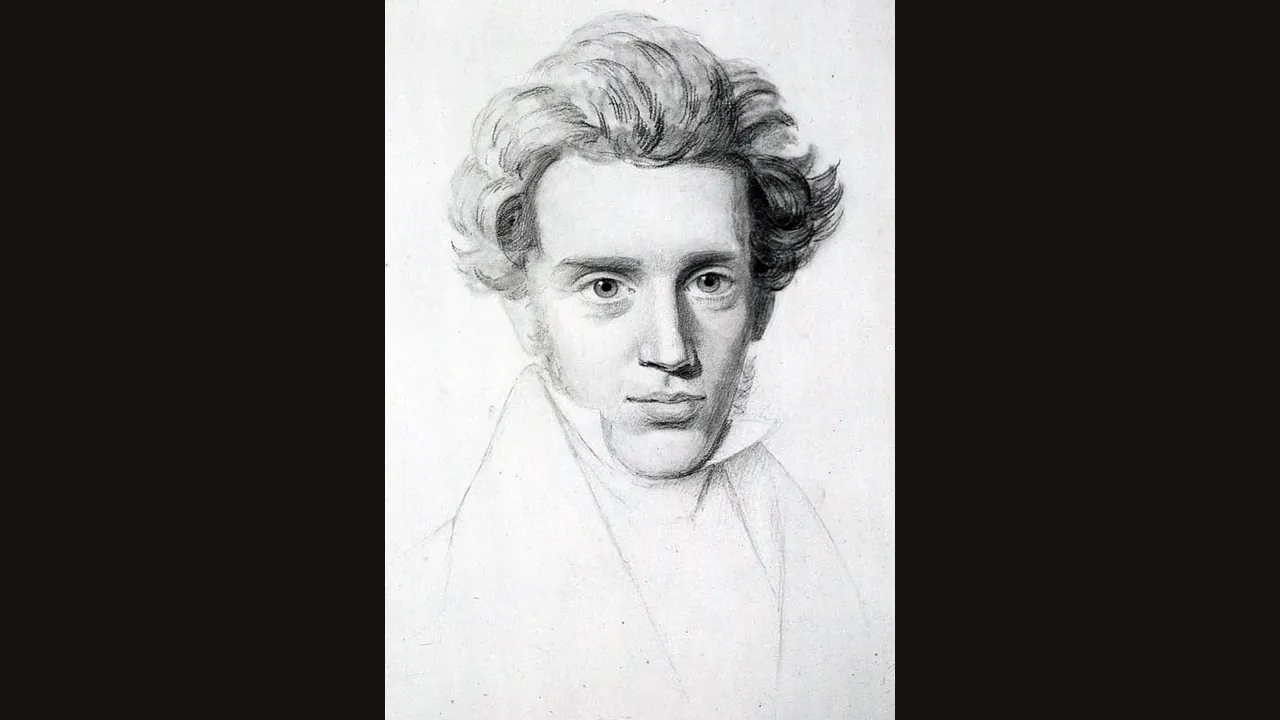
 Immanuel KantOn April 22, 1724, in Königsberg, East Prussia, a harness-maker’s son was baptized Emanuel Kant. He later altered the spelling of his first name to Immanuel, the Hebrew form meaning "God is with him".Read
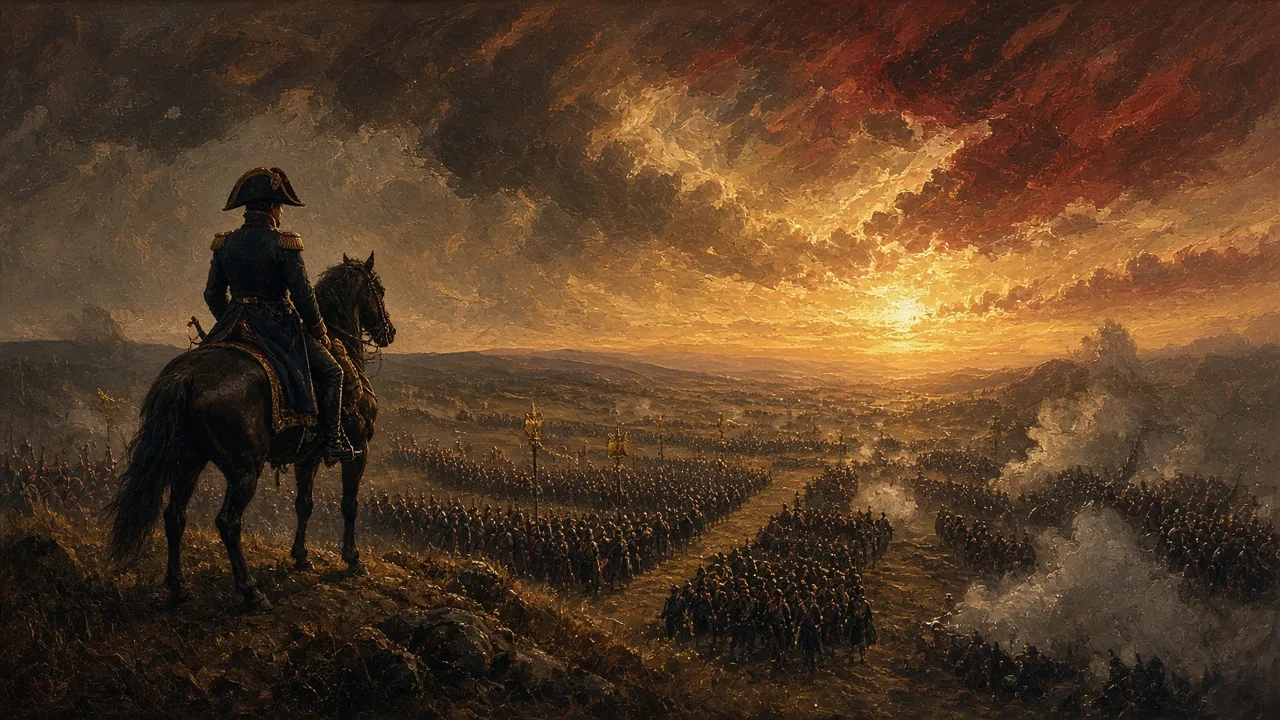 Napoleon BonaparteWhen a revolution destroys the old government and builds nothing that works in its place, one man usually ends up holding the power.Read
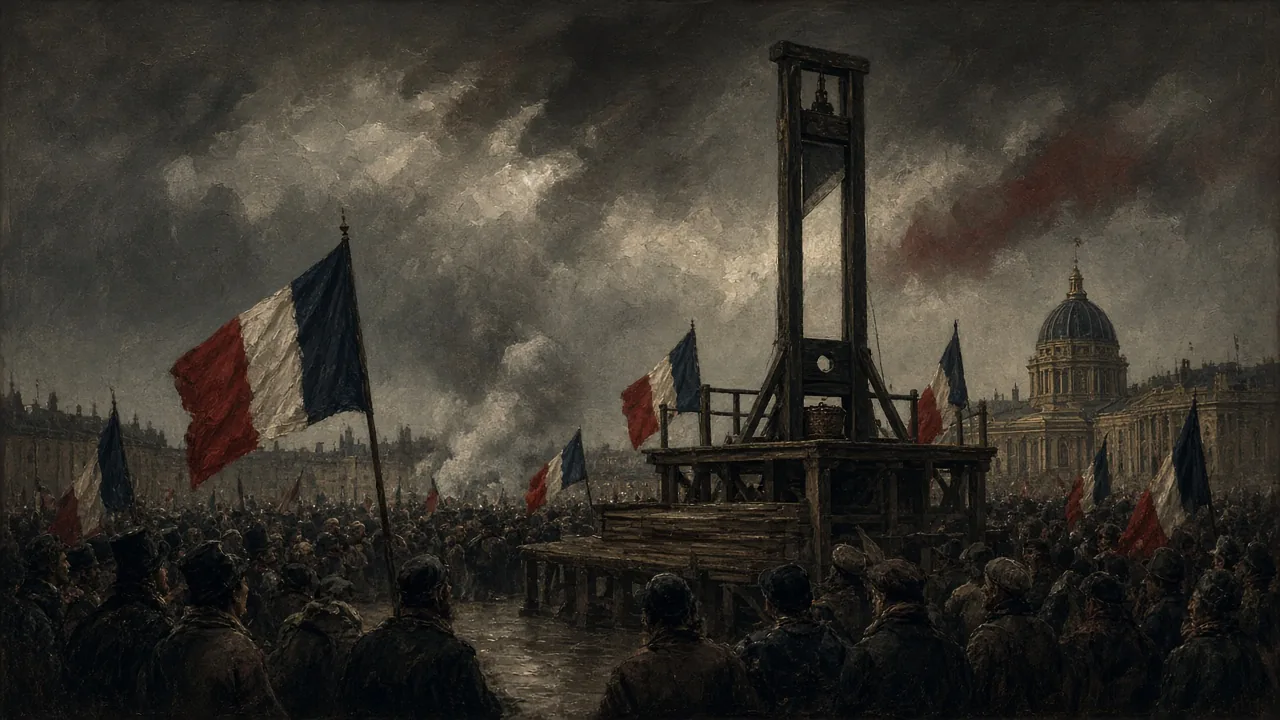 The French RevolutionThe French Revolution began with genuine grievances against an insolvent monarchy and culminated in a state-run system of political killing, run through law. When the Estates-General convened on May 5, 1789, the first such assembly in 175 years, its delegates sought to resolve a mounting financial crisis.Read