

Era · Twentieth century
Twentieth century
1901–2000
Era 9 of 10 · 1901–2000
Two world wars, the Russian and Chinese revolutions, the Cold War and the end of most colonial empires fall in this century. It also brings mass air travel, nuclear weapons, antibiotics and computers.
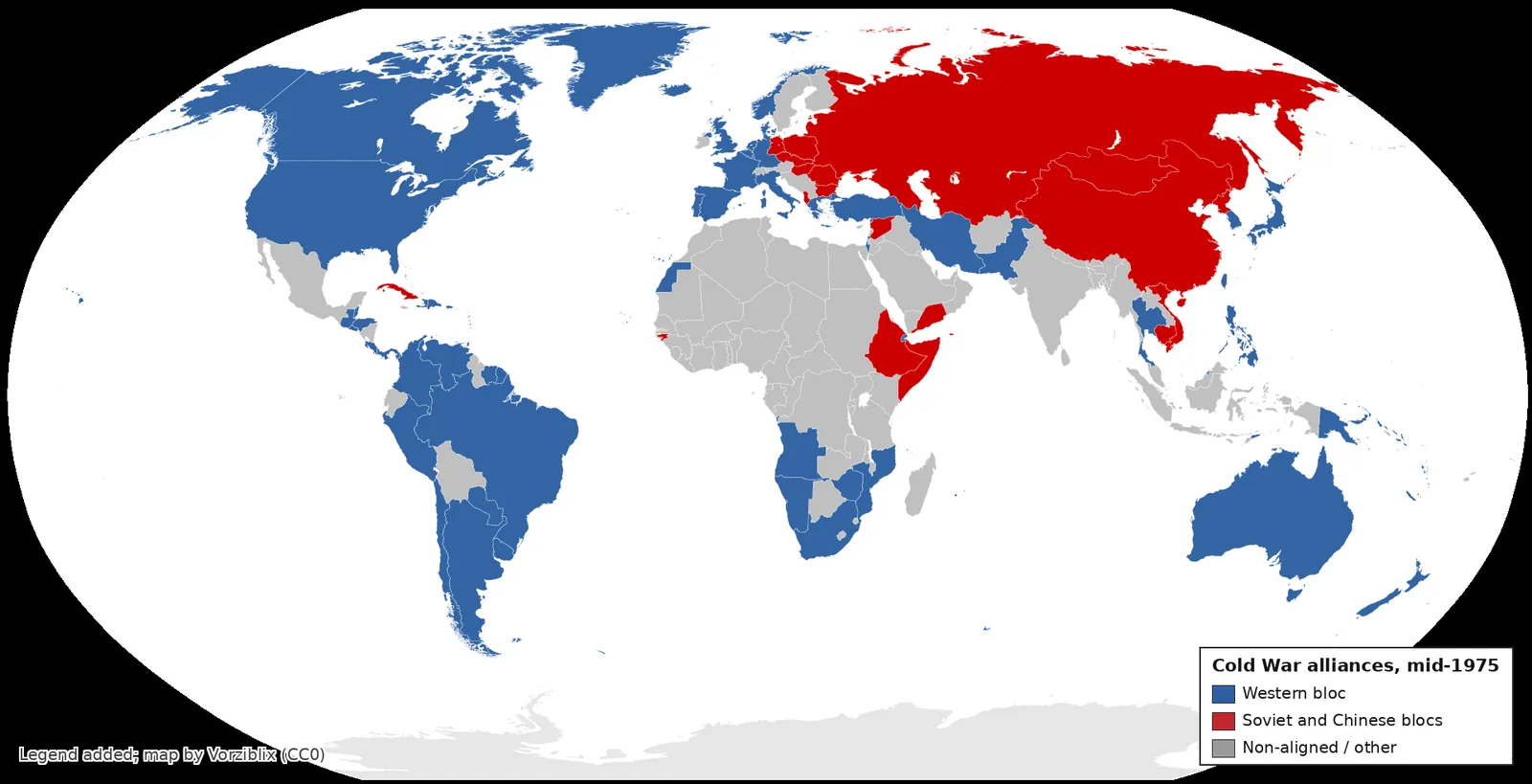
The twentieth century runs from 1901 to 2000. It opened with empires ruling most of Asia and Africa, the British, French, German, Russian, Austro-Hungarian, and Ottoman empires and the Qing in China. The First World War of 1914 to 1918 destroyed the German, Austro-Hungarian, Ottoman, and Russian empires and killed nine million soldiers. The Russian revolutions of 1917 brought a Communist government to power, and the Soviet Union was formed in 1922. China became a republic in 1912, passed into warlord division, and then into civil war between Nationalists and Communists from 1927.
The Second World War ran from 1939 to 1945 in Europe, and from 1937 in China, and killed tens of millions, soldiers and civilians. European colonial rule in Asia and Africa came apart within a generation: India and Pakistan became independent in 1947, the People's Republic of China was proclaimed in 1949, and most African colonies became states between 1956 and 1975. World population rose from 1.6 billion in 1900 to 6 billion in 2000, and people moved from country to town and from poorer states to richer ones.
The Soviet Union dissolved into fifteen states in 1991, and Germany was reunified in 1990, ending the division of Europe that had held since 1945. The entries gathered here are the China entries, from the civil war of 1927 to the death of Mao in 1976.
Facts
- Span used here
- 1901 to 2000. Counting from year 1, the century begins in 1901, although popular usage often takes 1900 to 1999 instead. This page follows the first count.
- Source: Calendar convention: there is no year 0 in the AD count
- Entries in this era
- China: the Chinese Civil War, the Long March, the Second Sino-Japanese War, the People's Republic of China, the Great Leap Forward, the Cultural Revolution, Mao Zedong and Chiang Kai-shek.
- Source: Keep the Tale index
Sources
- Calendar convention: there is no year 0 in the AD count
- Keep the Tale index
Source links accessed 22 November 2026.
Related
- Chinese Civil WarConnected
- Long MarchConnected
- Second Sino-Japanese WarConnected
- People's Republic of ChinaConnected
- Mao ZedongConnected
- Chiang Kai-shekConnected
What happened elsewhere
Pairings are by recorded year, not exact simultaneity.
- HirohitoWhile Twentieth century (1901)
- AustraliaWhile Twentieth century (1901)
- Karl PopperWhile Twentieth century (1902)
- CubaWhile Twentieth century (1902)
- American SamoaWhile Twentieth century (1900)
Meanwhile
Meanwhile, around the world — drag to spin, click a pulsing marker.
Keep reading
Articles
 Friedrich August von HayekIn 1945, the year the war ended, Friedrich August von Hayek published an essay in the American Economic Review that asked its readers to picture tin growing scarce.Read
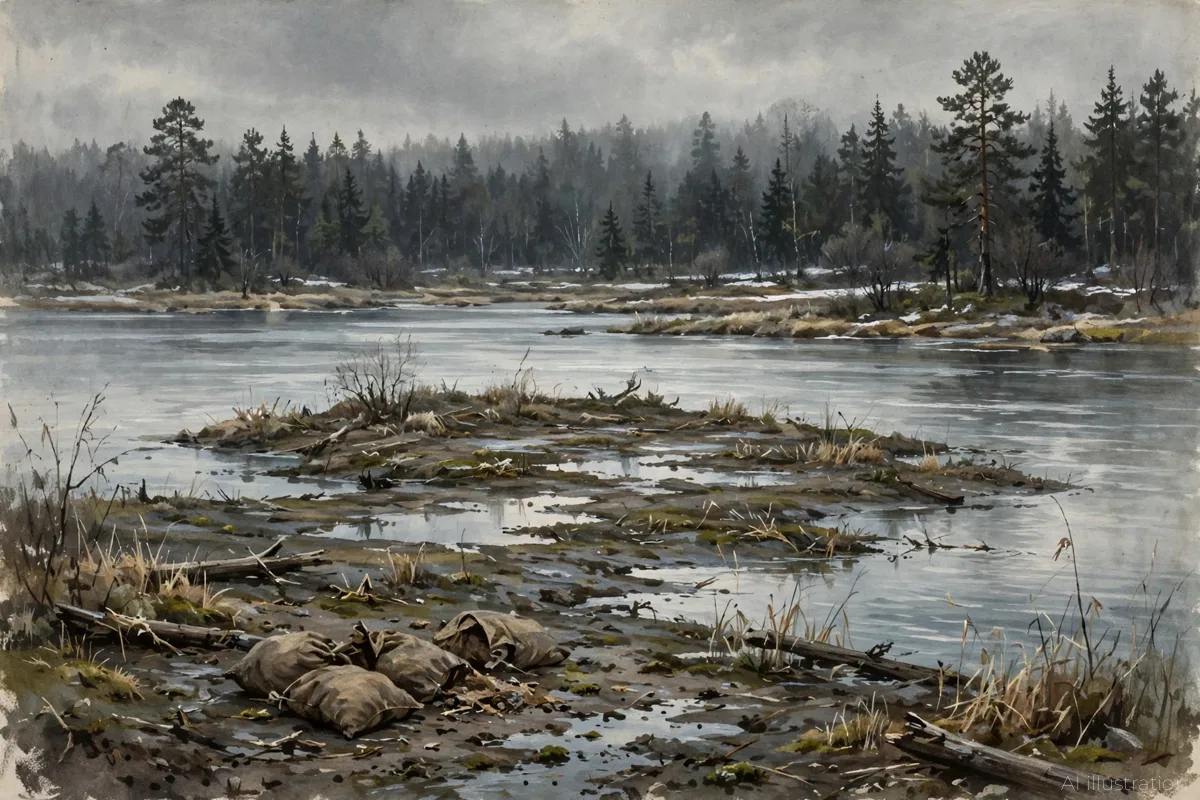 Nazino Island, 1933: The Island Stalin Filled With the UnwantedIn May 1933 the Soviet secret police deported about 6,700 people rounded up in Moscow and Leningrad, many for having no passport papers, and abandoned them on Nazino Island in Siberia's Ob River with flour and nothing else. Within thirteen weeks more than 4,000 were dead, and the starving survivors had turned to cannibalism.Read
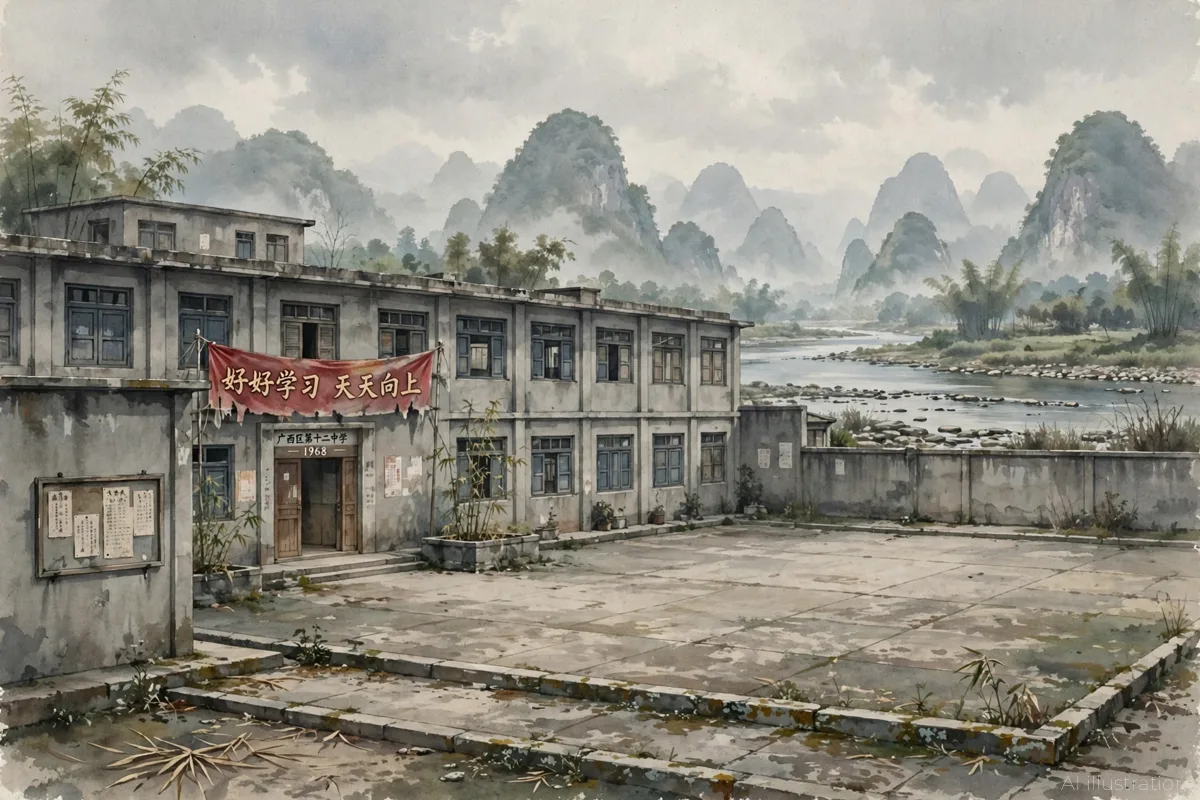 Wu Shufang: The Teacher Eaten by Her Own Students, Wuxuan County, 1968In 1968, at the height of the Cultural Revolution, the students of Wuxuan Middle School in Guangxi beat their geography teacher Wu Shufang to death, cut out her heart and liver on the bank of the Qian River, and ate them at the school. Her killing was one of dozens of documented acts of political cannibalism in the Guangxi Massacre.Read
 Gustave Le BonOn May 7, 1841, in Nogent-le-Rotrou, Eure-et-Loir, Charles-Marie Gustave Le Bon was born into a provincial French family. He took his medical doctorate at Paris in 1866, served as an army medical officer during the Franco-Prussian War of 1870–1871, and observed the violent rise and fall of the…Read
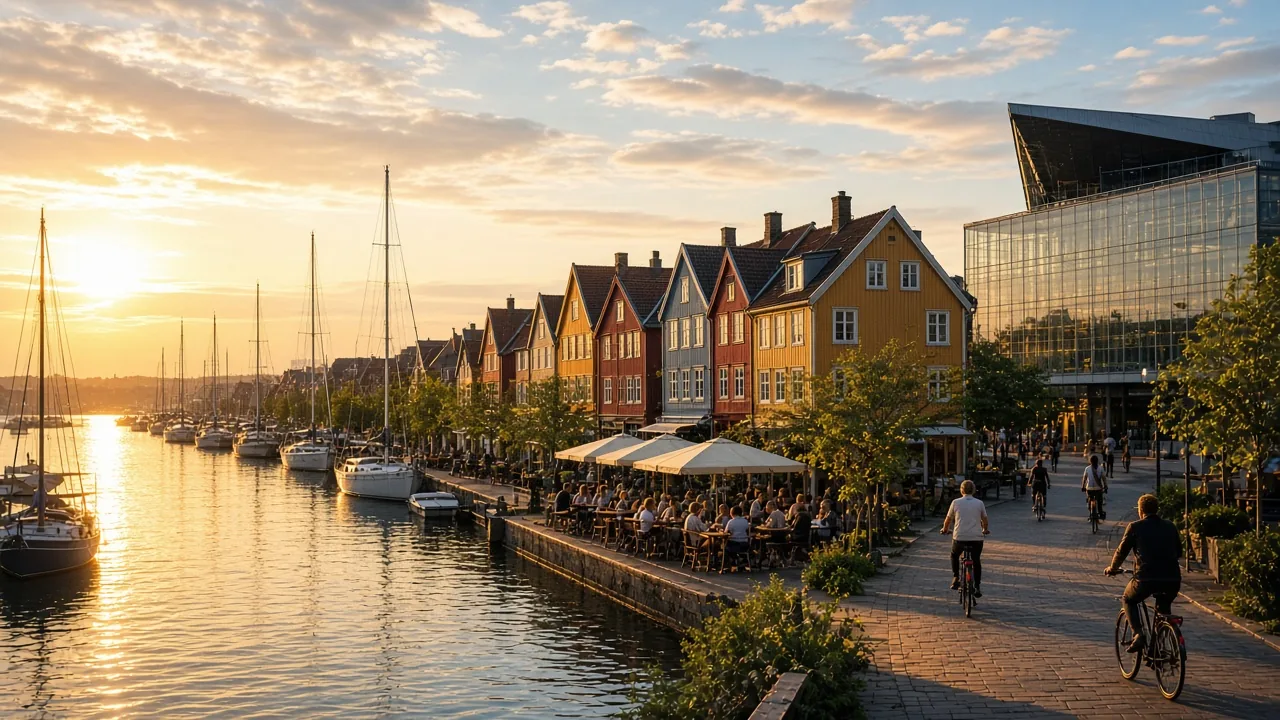 Nordic economic structureCategorizing Nordic nations as "socialist" represents a fundamental misunderstanding of their underlying economic structures. Sweden, Norway, Denmark, Finland, and Iceland operate free-market economies backed by comprehensive welfare states.Read
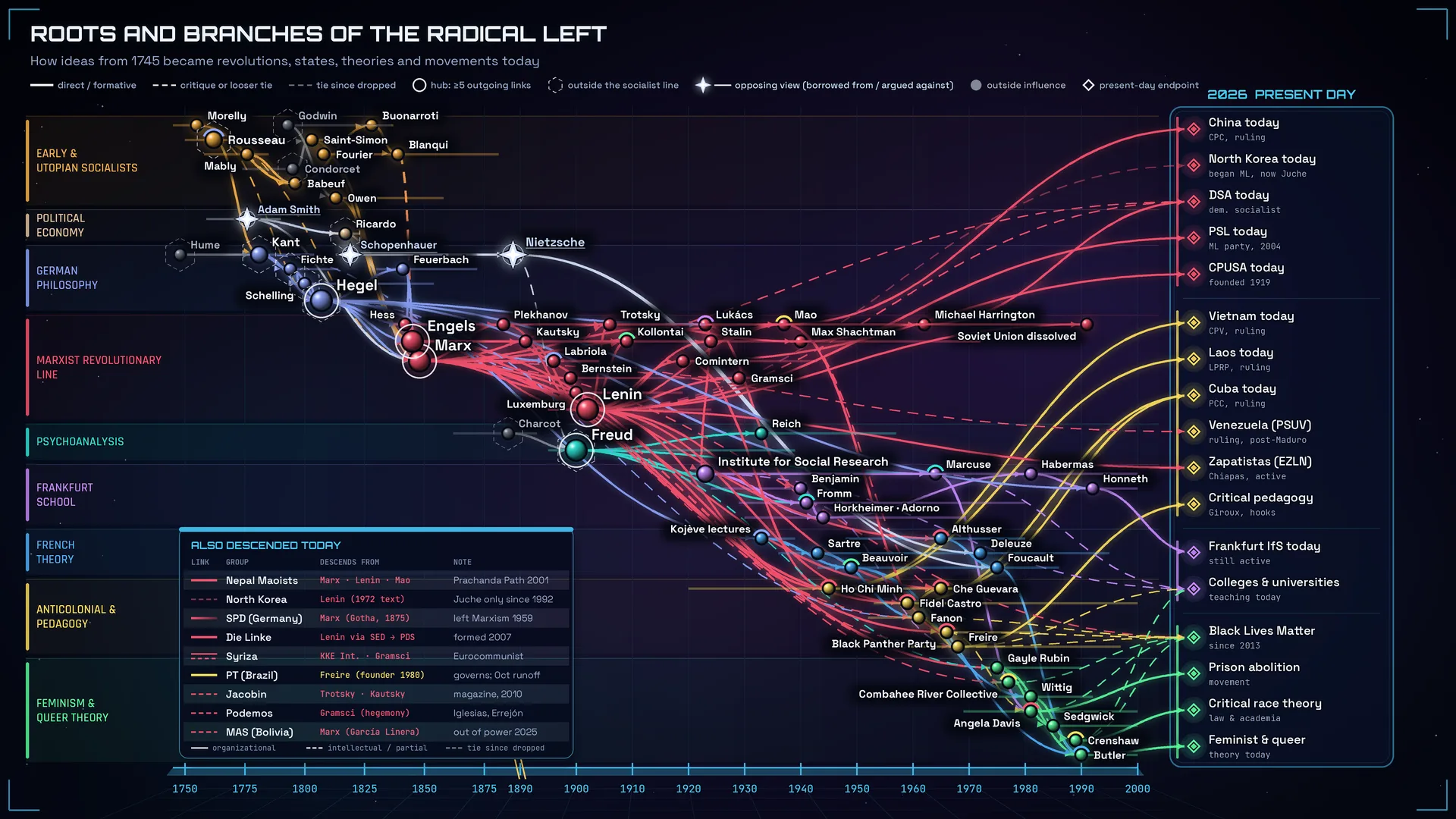 Roots and Branches of the Radical LeftHow ideas from 1745 became revolutions, states, theories and movements todayRead
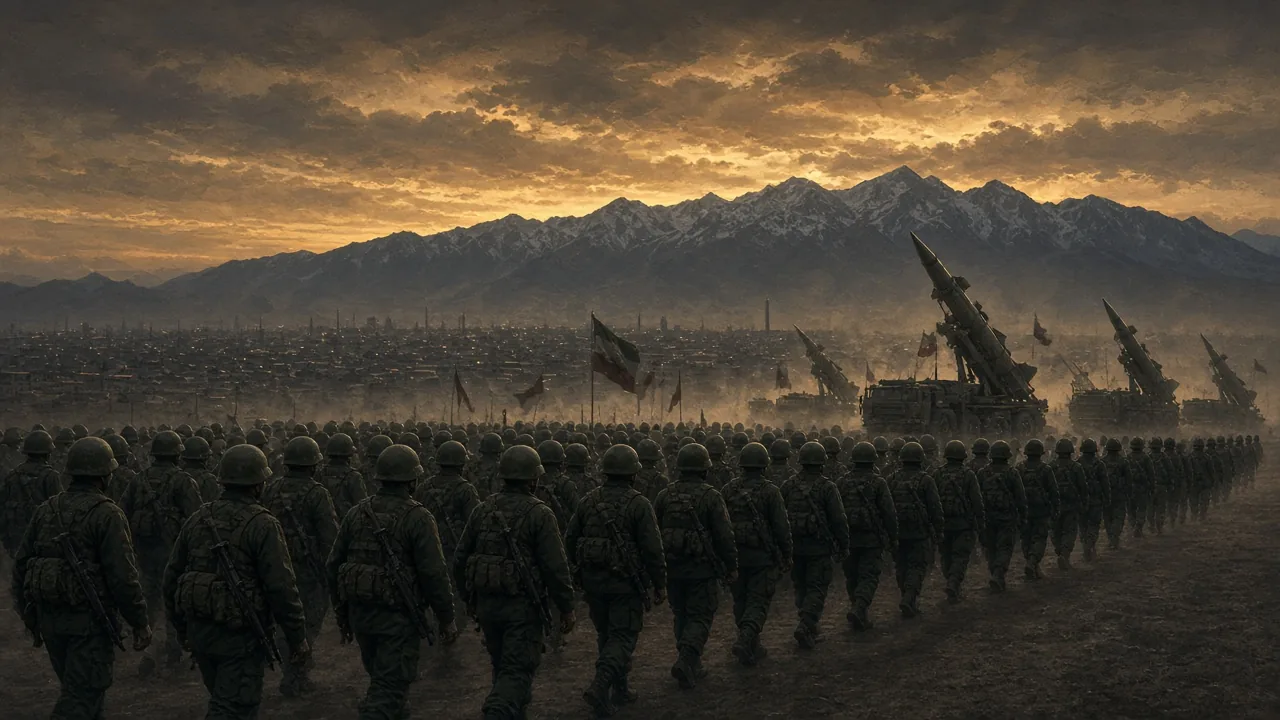 The IRGCA modernizing monarchy fell, and a theocracy rose in its place. The Iranian population, the governance of the Islamic Republic, and the Islamic Revolutionary Guard Corps (IRGC) are three distinct political and social entities operating under a single flag.Read
My notes
Highlights on this page
None yet.
Spotted an error on this page? Email [email protected] and it will be checked against the sources.