Skip to content
Keep the Tale
All sections
Home
World Map
Videos
Amazon EPUB books
Recommended reading
Articles and polemics
Sections
Home
/
Civilizations
Civilizations
Articles
Sort
Date
Title
Country
All
Classical antiquity
Classical Greece
Early Bronze Age
Early Middle Ages
Early modern period
High and Late Middle Ages
Iron Age
Middle and Late Bronze Age
Twentieth century
Civilization · Early Bronze Age · Mesopotamia
Mesopotamia
c. 5300–539 BCE
Mesopotamia, the land between the Tigris and Euphrates, was the cradle of civilization. Farming villages grew into the first cities here, and empires rose and fell on its plains for four thousand years. Persia conquered the last of them, Babylon, in 539 BCE.
Civilization · Early Bronze Age · Sumer
Sumer
c. 4500–1900 BCE
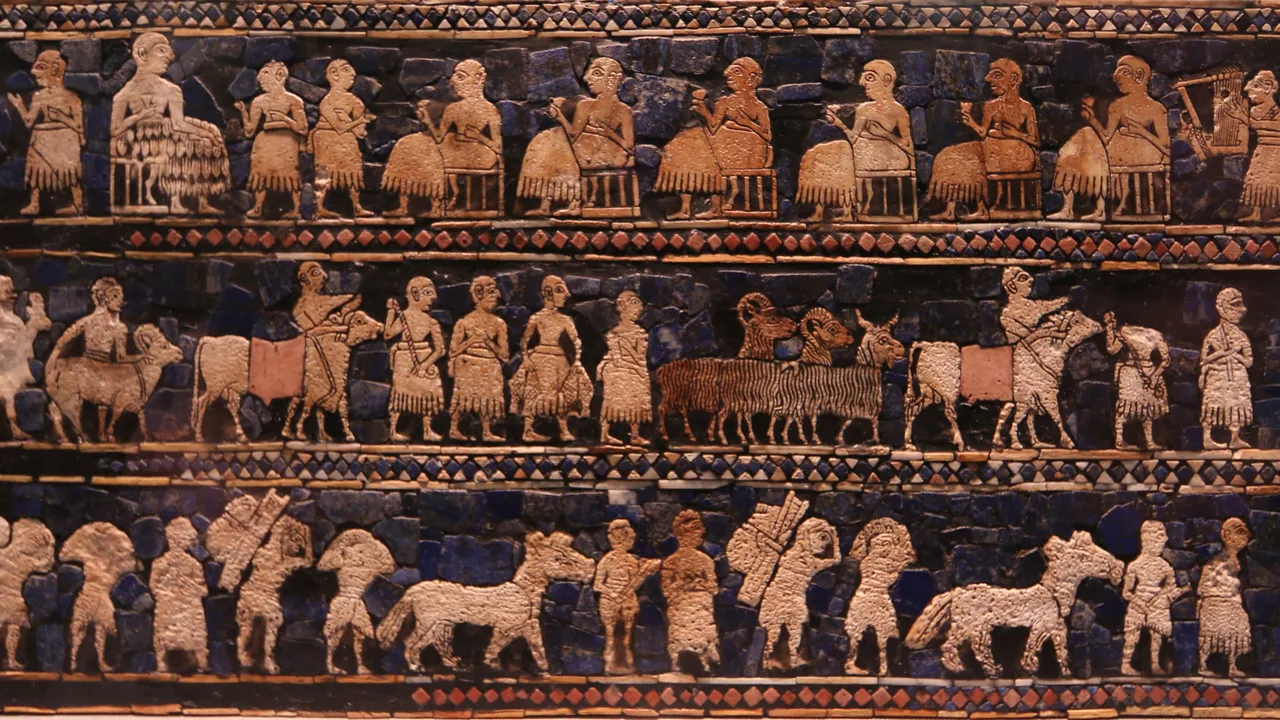
Sumer was the first urban civilization, in the marshy south of Mesopotamia. Its people were among the first to develop writing, build true cities, and use wheeled vehicles. Sumerian city states such as Uruk and Ur dominated the region until the Akkadians conquered them.
Civilization · Early Bronze Age · Ancient Egypt
Ancient Egypt
c. 3100–30 BCE
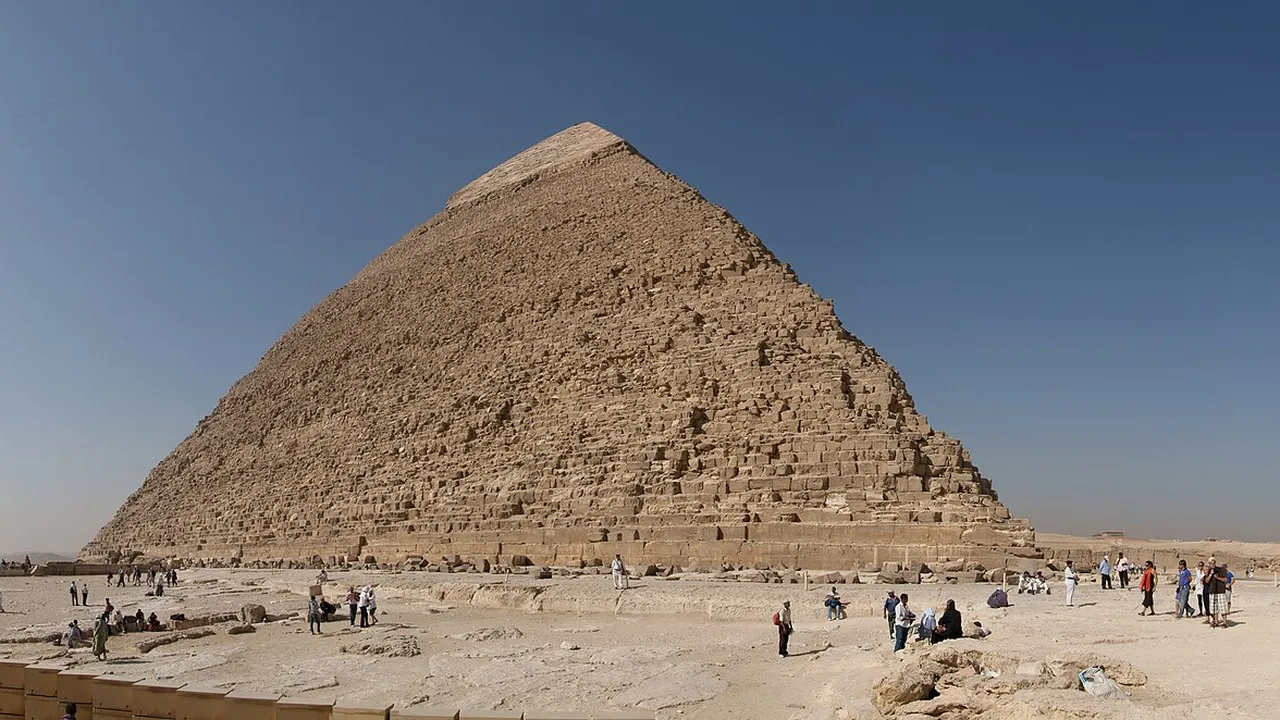
Ancient Egypt was one of the longest lived civilizations of the ancient world, enduring three thousand years along the Nile. China may have lasted longer. Its pharaohs built the pyramids and ruled as living gods. The Ptolemaic kingdom ended when Cleopatra died and Rome annexed Egypt in 30 BCE.
Civilization · Middle and Late Bronze Age · Minoan civilization
Minoan civilization
c. 3000–1100 BCE
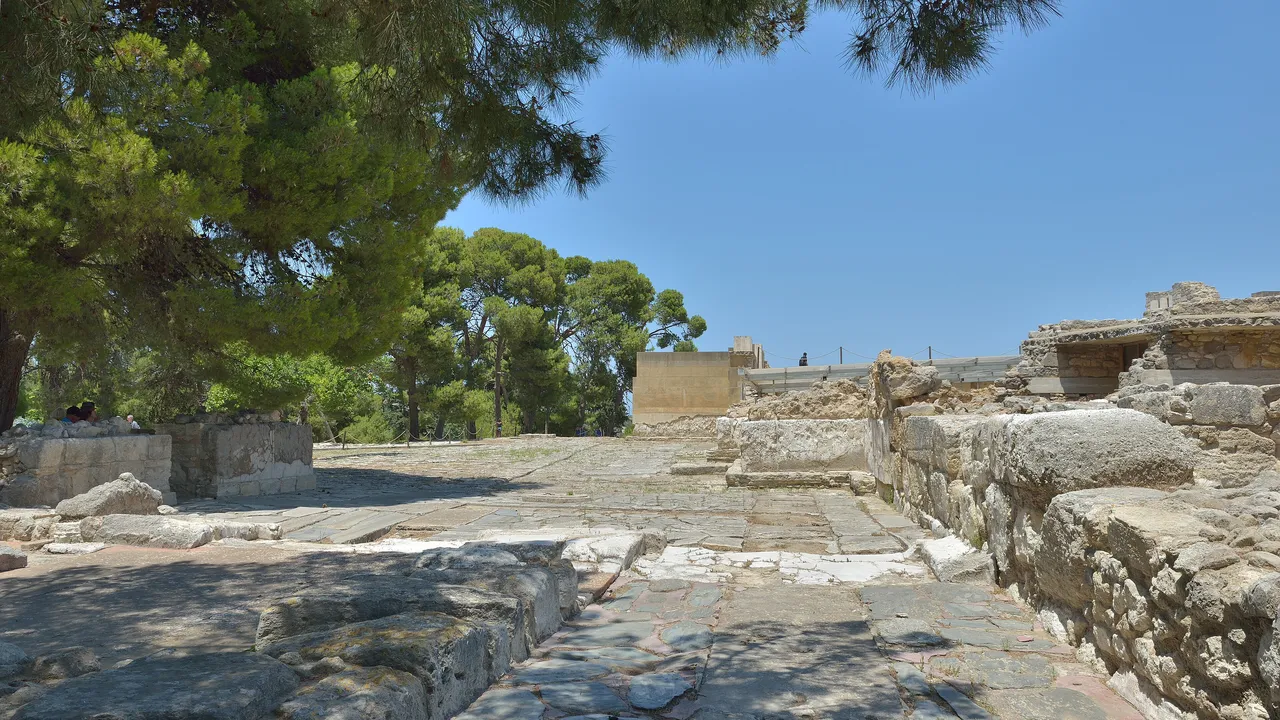
The Minoans built Europe's first advanced civilization on the island of Crete. Their palace at Knossos was a maze of courtyards and frescoes. The civilization faded about 1100 BCE, leaving the legend of the Minotaur.
Civilization · Early Bronze Age · Akkadian Empire
Akkadian Empire
c. 2334–2154 BCE
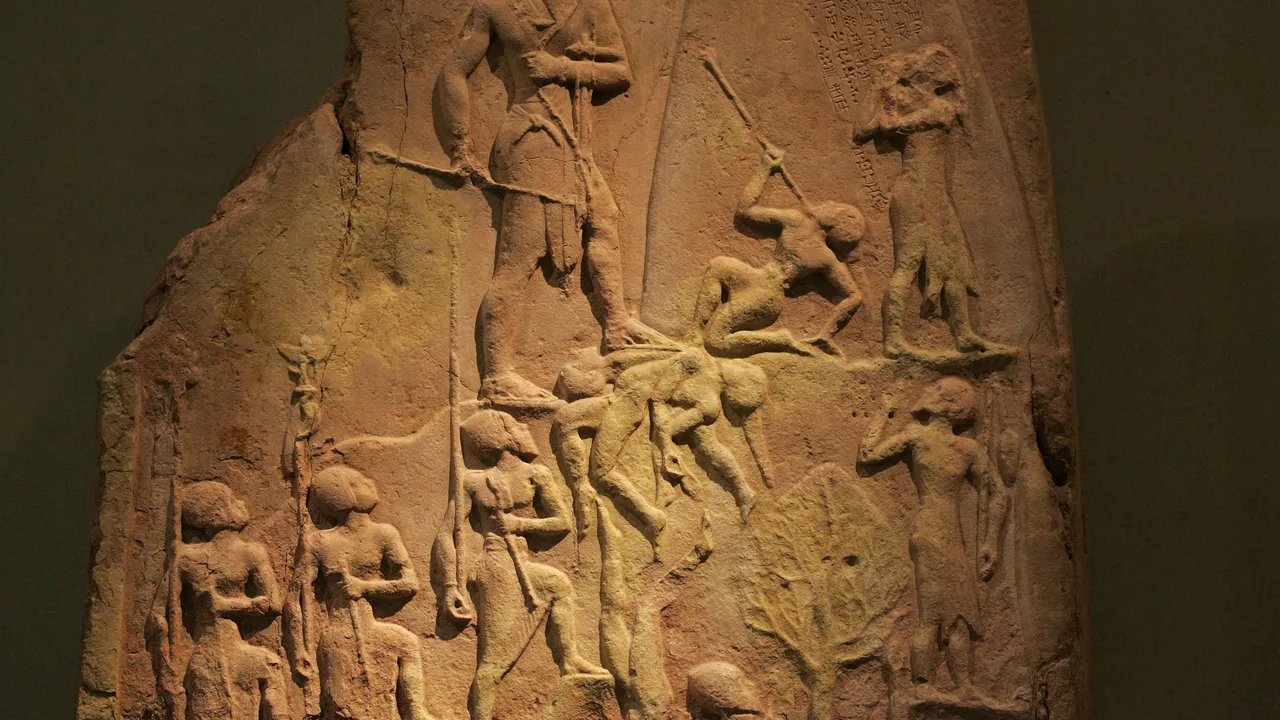
The Akkadian Empire is often regarded as the first empire in recorded history. Sargon of Akkad conquered the Sumerian city states and ruled from the Euphrates to the Mediterranean. It lasted about 180 years before collapsing.
Civilization · Iron Age · Assyria
Assyria
c. 2025–609 BCE
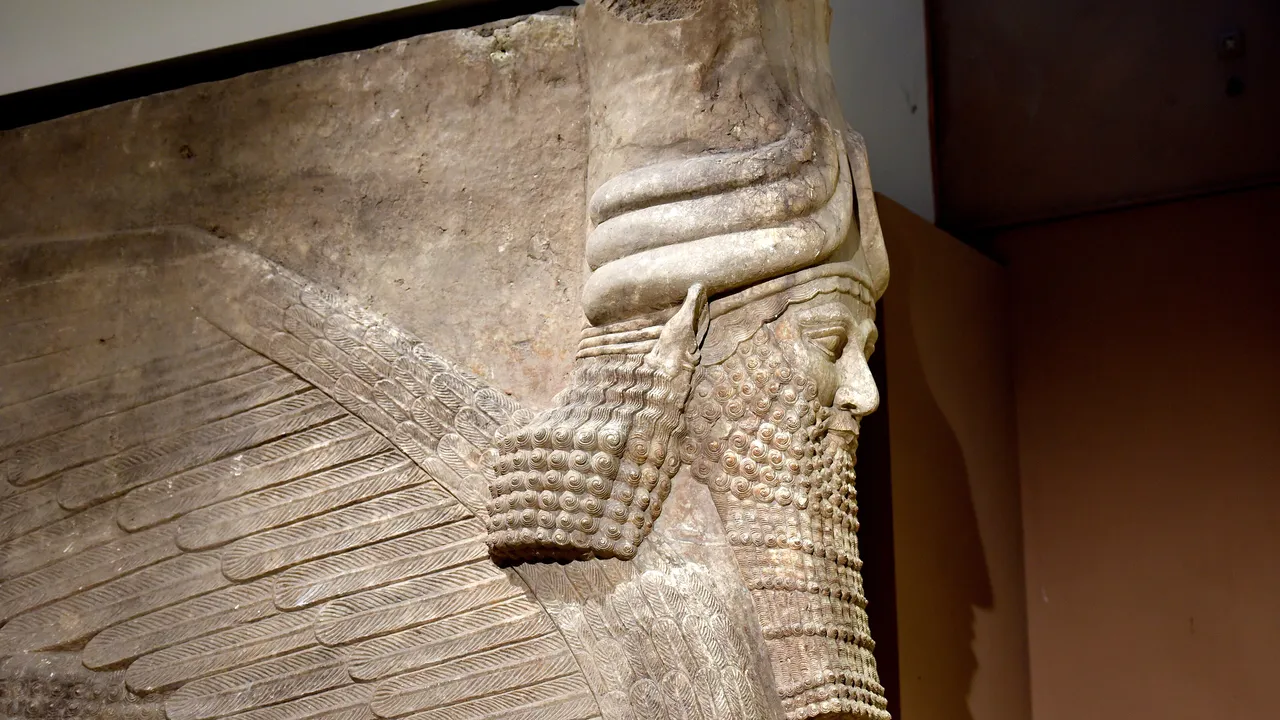
Assyria was the great military power of the ancient Near East, centered on the upper Tigris. Its Neo Assyrian Empire of the ninth to seventh centuries BCE ruled from Egypt to Iran. It fell to a coalition of Babylonians and Medes in 609 BCE.
Civilization · Middle and Late Bronze Age · Babylonia
Babylonia
c. 1894–539 BCE
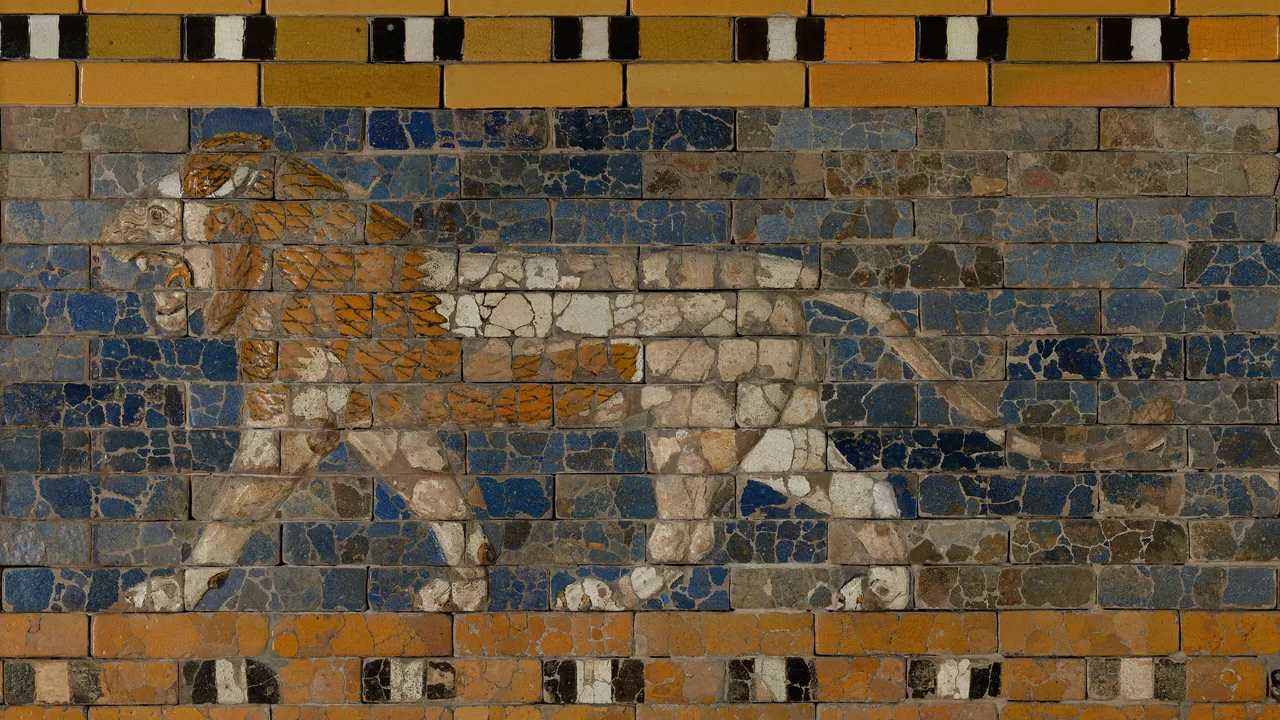
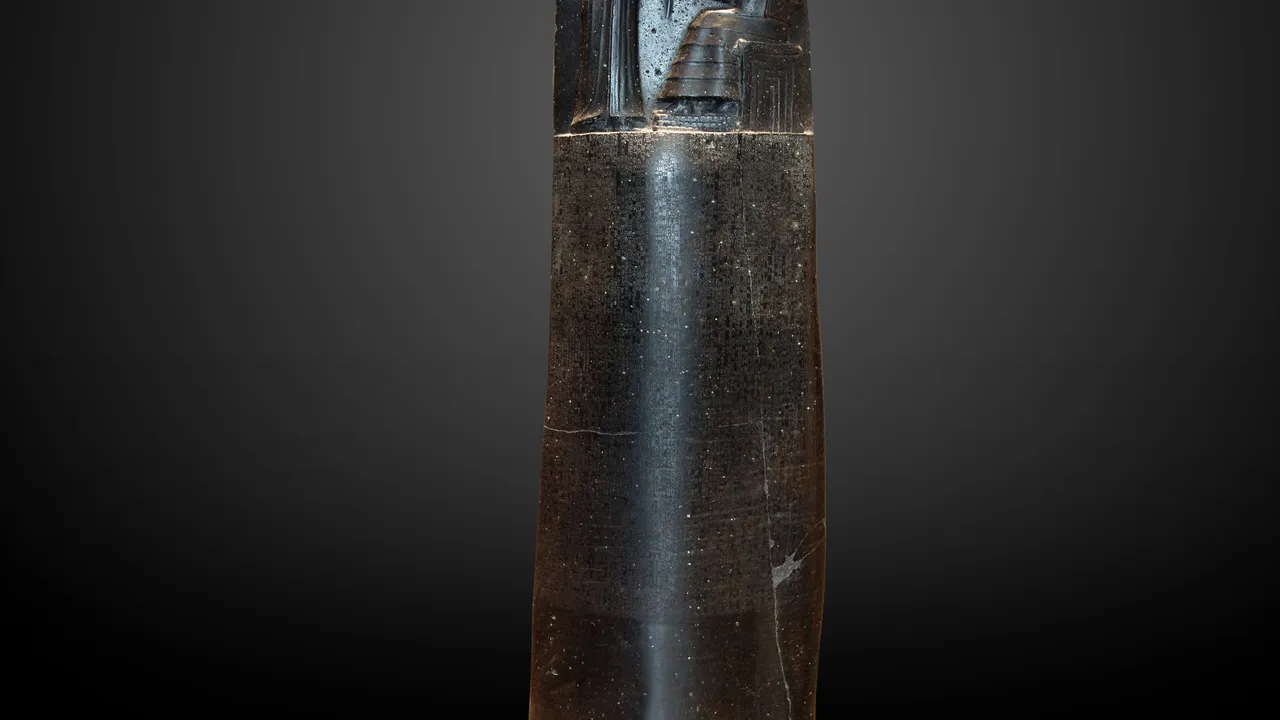
Babylonia was the great civilization of southern Mesopotamia, centered on Babylon. Hammurabi gave it the most famous law code of the ancient world. Nebuchadnezzar II built Babylon into a wonder; its last king, Nabonidus, lost it to Persia.
Civilization · Middle and Late Bronze Age · Mycenaean Greece
Mycenaean Greece
c. 1750–1050 BCE
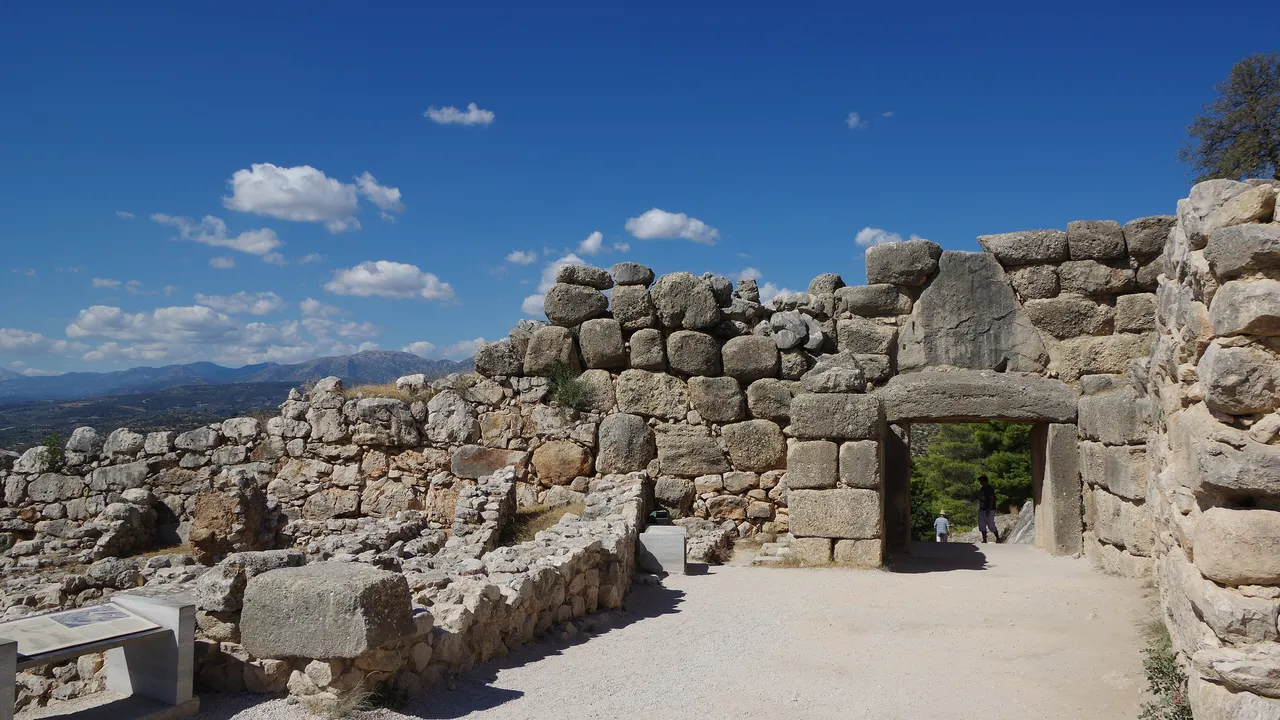
Mycenaean Greece was the civilization of the Iliad: warrior kings in walled citadels who sailed against Troy. Its palaces at Mycenae and Pylos kept the first Greek writing. It collapsed about 1050 BCE in the Bronze Age catastrophe.
Civilization · Middle and Late Bronze Age · Hittite Empire
Hittite Empire
c. 1650–1190 BCE
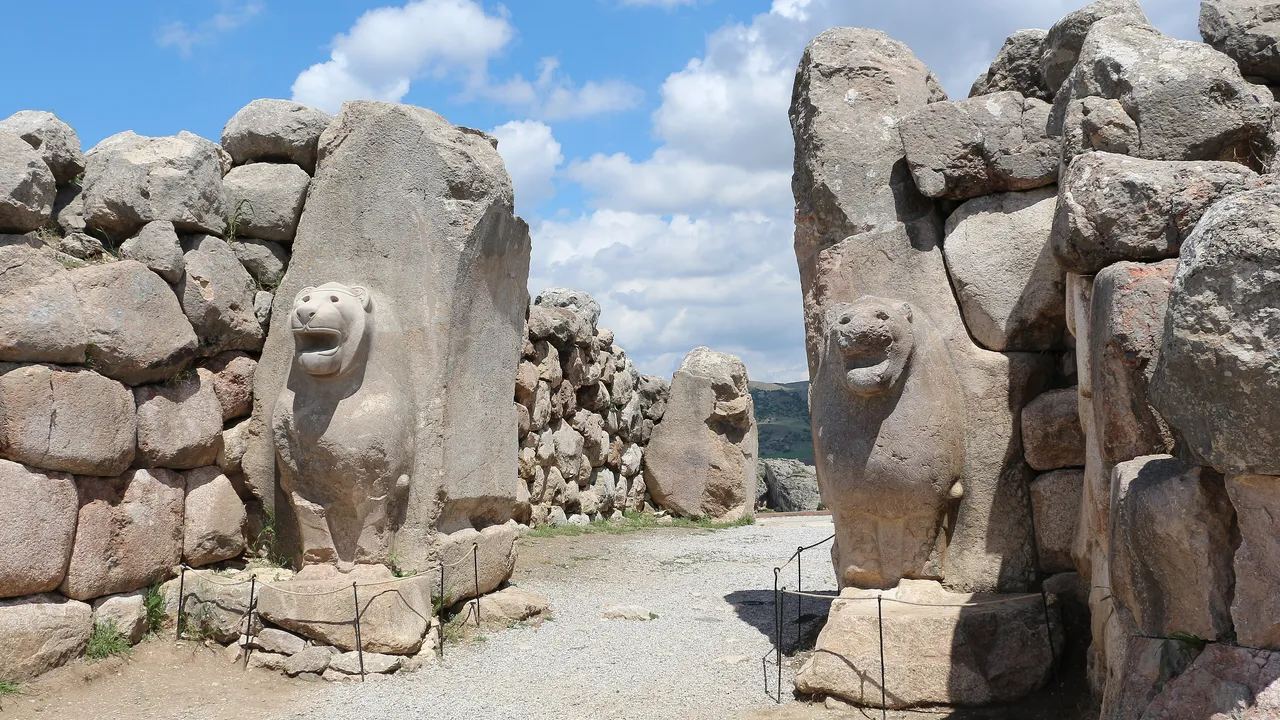
The Hittite Empire ruled Anatolia from its capital Hattusa. Its kings fought Egypt to a standstill at Kadesh and signed the earliest peace treaty whose text survives from both sides. The empire fell in the Bronze Age collapse about 1190 BCE.
Civilization · Iron Age · Phoenicia
Phoenicia
c. 1500–300 BCE
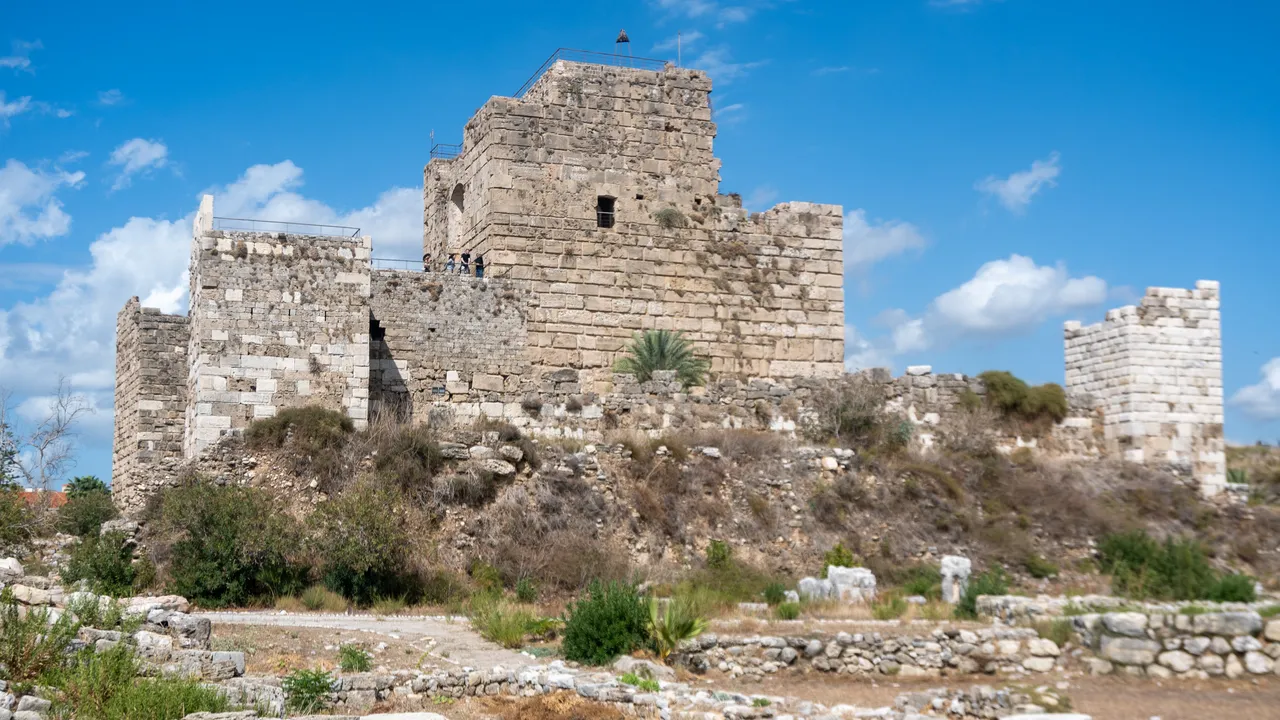
Phoenicia was a seafaring civilization of the Levantine coast, never one state but a string of city states. Its sailors traded across the Mediterranean and founded Carthage. Its alphabet became the ancestor of nearly all alphabets used today.
Civilization · Iron Age · Achaemenid Empire
Achaemenid Empire
550–330 BCE
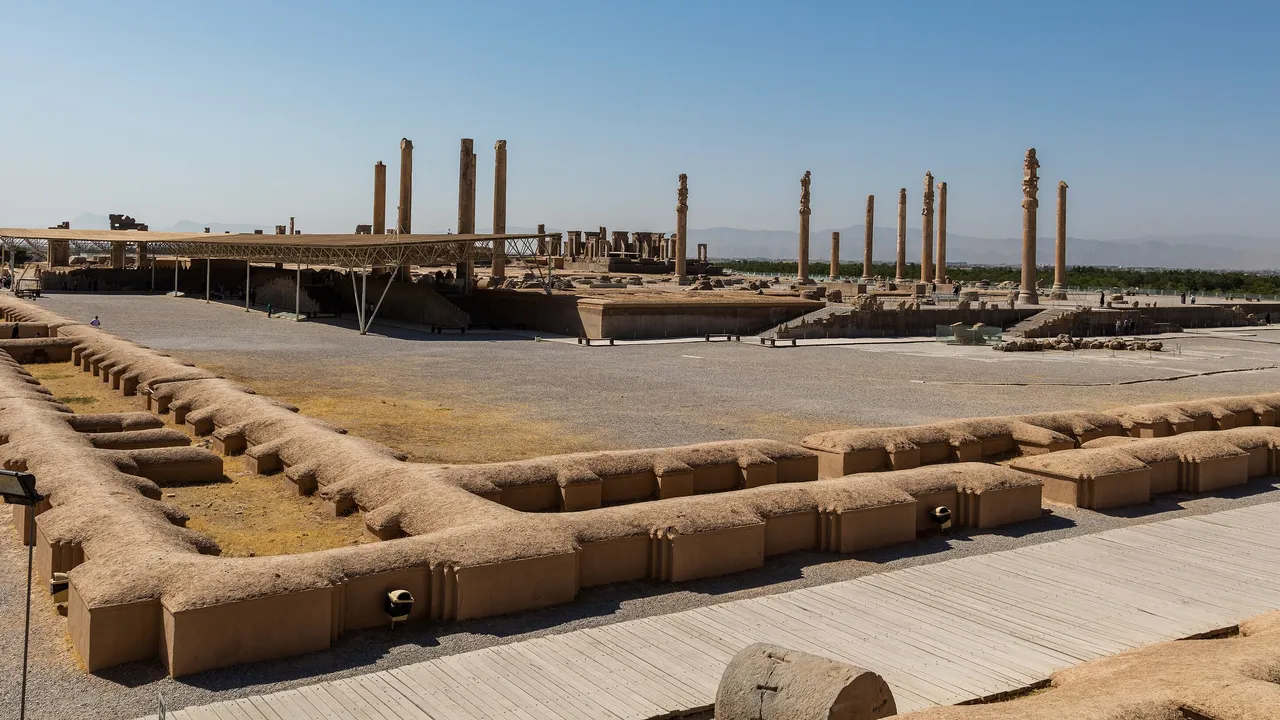
The Achaemenid Empire was the first Persian Empire and the largest the ancient world had seen. Cyrus the Great founded it in 550 BCE; at its height it ruled from India to Greece. Alexander the Great destroyed it in 330 BCE.
Civilization · Classical antiquity · Roman Republic
Roman Republic
509–27 BCE
The Roman Republic grew from a city state into the master of the Mediterranean. Its system of consuls, Senate, and assemblies balanced power for centuries. Civil wars destroyed it, and Augustus made himself emperor in 27 BCE.
Civilization · Classical Greece · Greece
Classical Athens
5th–4th century BC
The city-state of Athens in the 5th and 4th centuries BC. A container for the philosophers and texts placed there, not a history of the city.
Philosopher · Classical Greece · Classical Athens · Greece
Plato
c. 428–c. 348 BC
Athenian philosopher, student of Socrates, teacher of Aristotle, author of the Republic and of the dialogues that carry most of what is known of Socrates.
Civilization · Classical antiquity · Mauryan Empire
Mauryan Empire
c. 322–185 BCE
The Mauryan Empire was the first to unite nearly all of India. Chandragupta founded it as Alexander's empire crumbled. His grandson Ashoka, after a bloody conquest, embraced Buddhism and ruled by moral law.
Civilization · Classical antiquity · Parthian Empire
Parthian Empire
247 BCE–224 CE
The Parthian Empire ruled Persia and Mesopotamia for nearly five centuries between the Greeks and the Sassanians. Its horse archers humiliated Rome at Carrhae. It fell to the Sassanian revolt in 224 CE.
Civilization · Classical antiquity · Qin dynasty
Qin dynasty
221–206 BCE
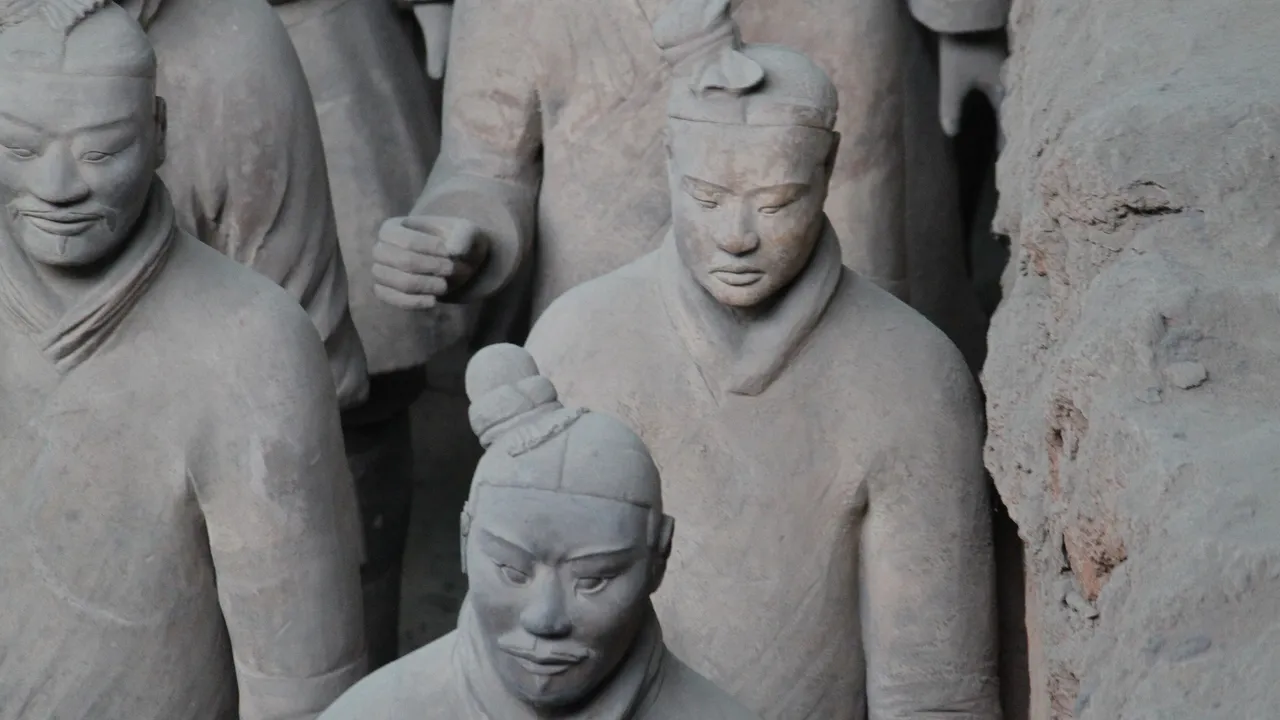
The Qin dynasty was the first to unite China, ending centuries of warring states. Qin Shi Huang standardized writing, money, and roads, built the Great Wall's first version, and was buried with the terracotta army. It lasted only fifteen years.
Civilization · Classical antiquity · Han dynasty
Han dynasty
206 BCE–220 CE
The Han dynasty ruled China for four centuries and set the pattern for all later dynasties. It made Confucianism the state creed, opened the Silk Road, and invented paper. Its fall in 220 CE split China for centuries.
Civilization · Classical antiquity · Roman Empire
Roman Empire
27 BCE–476 CE
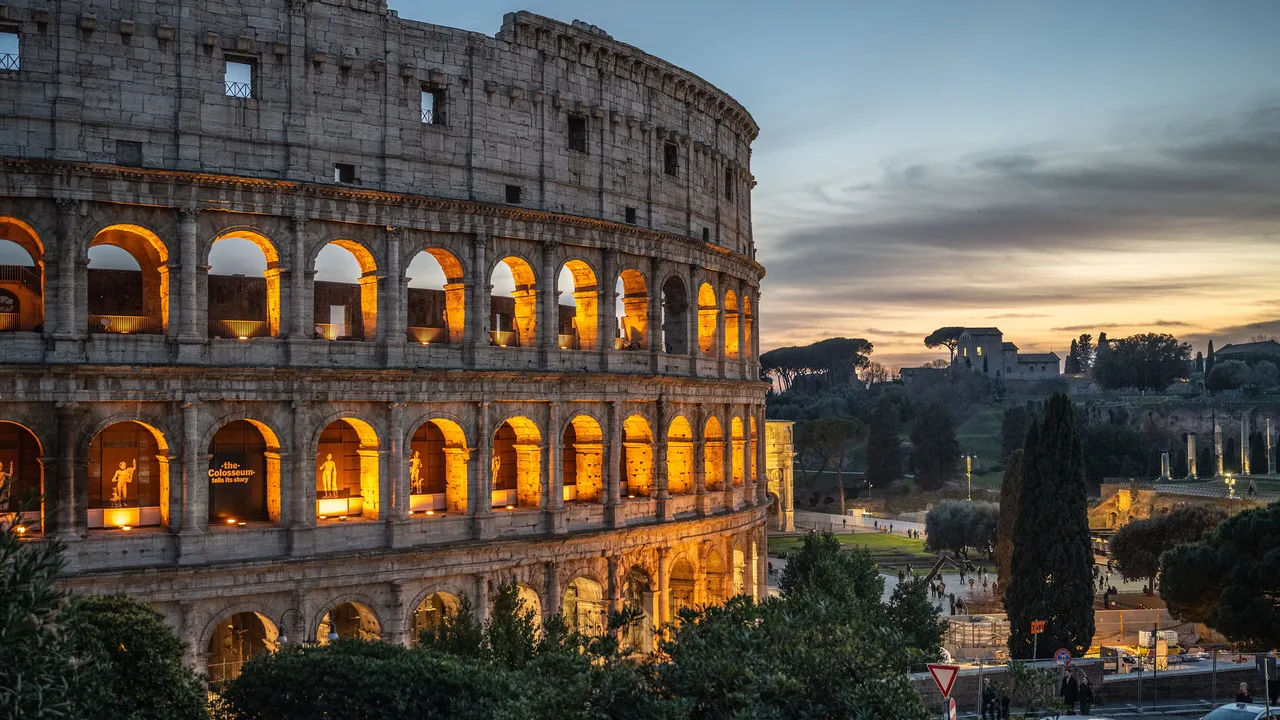
The Roman Empire ruled the Mediterranean world for five centuries. At its height under Trajan it stretched from Britain to Egypt. The western half fell in 476 CE; the eastern half lived on as Byzantium.
Civilization · Classical antiquity · Sassanian Empire
Sassanian Empire
224–651
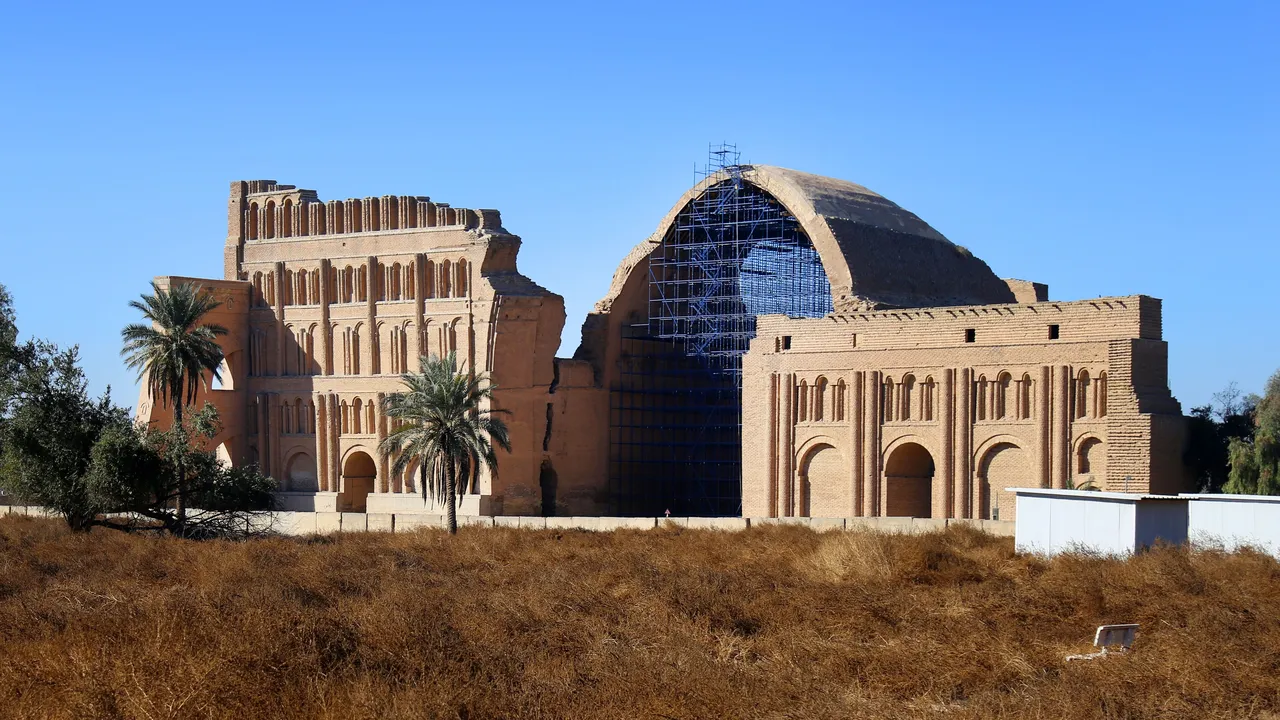
The Sassanian Empire was the last great Persian empire before Islam. It ruled from Mesopotamia to central Asia for four centuries, fighting Rome and Byzantium to exhaustion. Arab armies destroyed it in 651.
Civilization · Classical antiquity · Gupta Empire
Gupta Empire
c. 320–550 CE
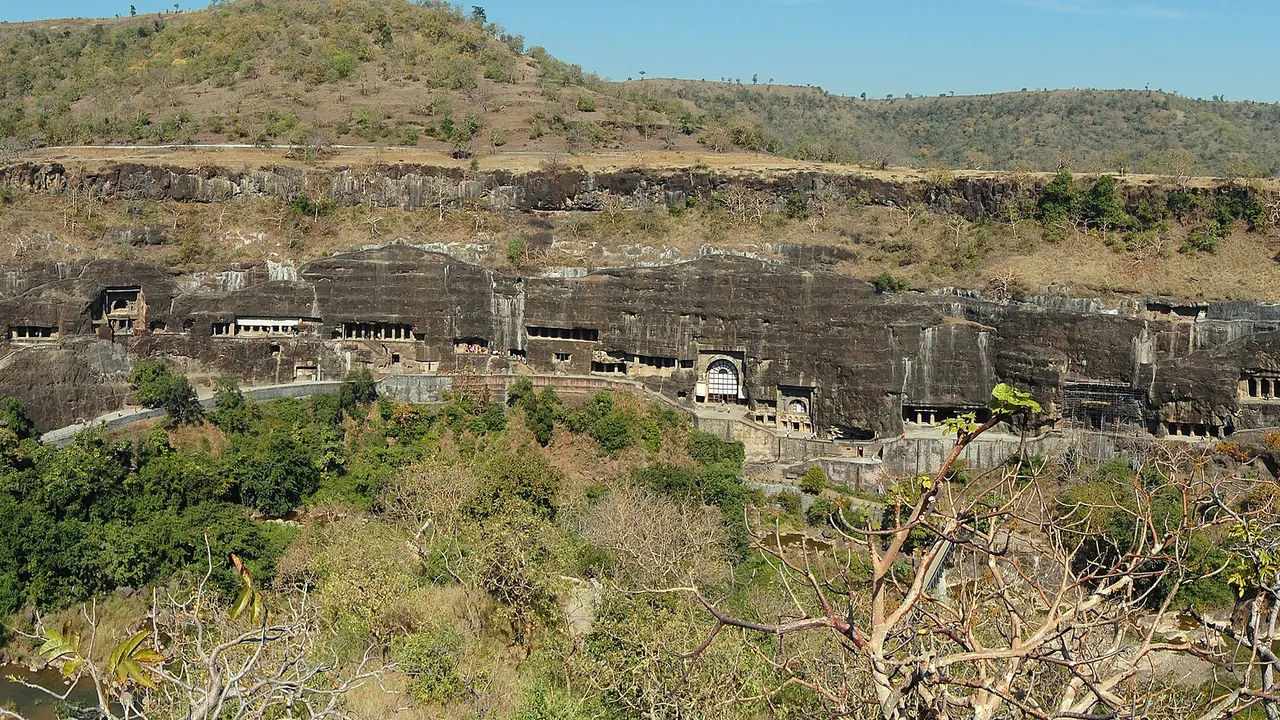
The Gupta Empire ruled northern India in what Indians remember as a golden age. Science, mathematics, and Sanskrit literature flourished; the concept of zero took shape. Hun invasions ended it about 550 CE.
Civilization · Early Middle Ages · Byzantine Empire
Byzantine Empire
330–1453
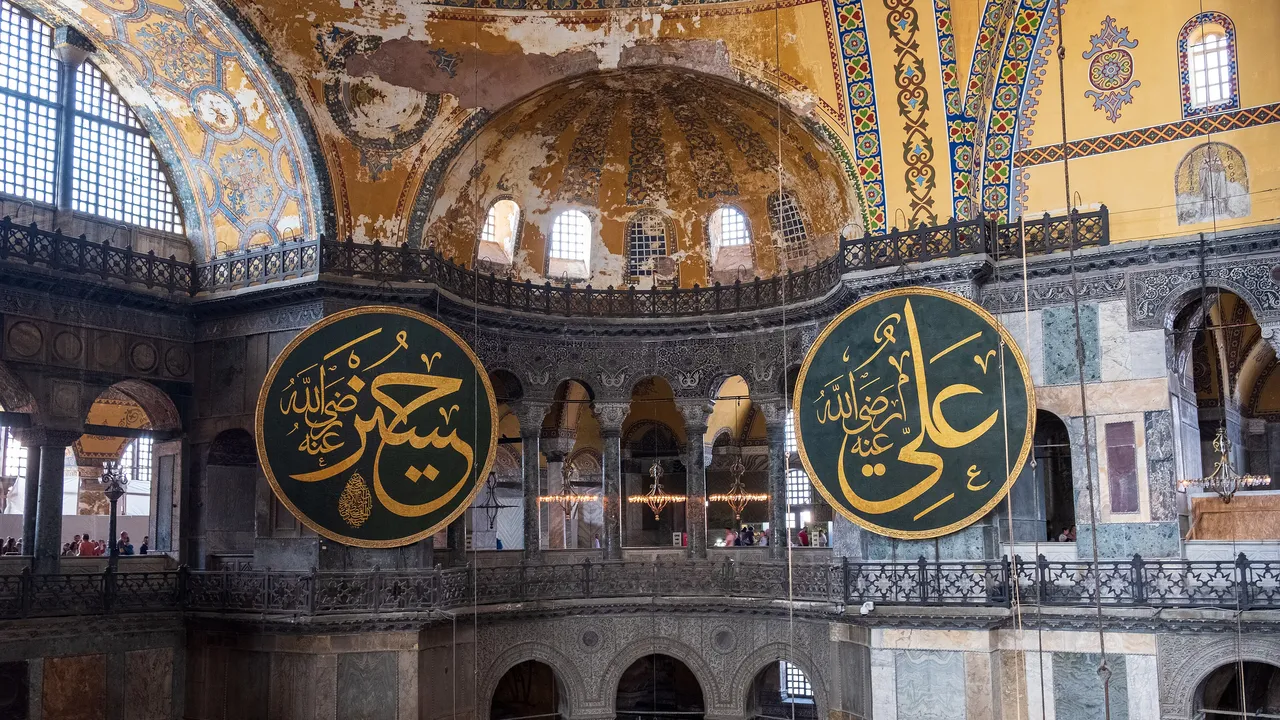
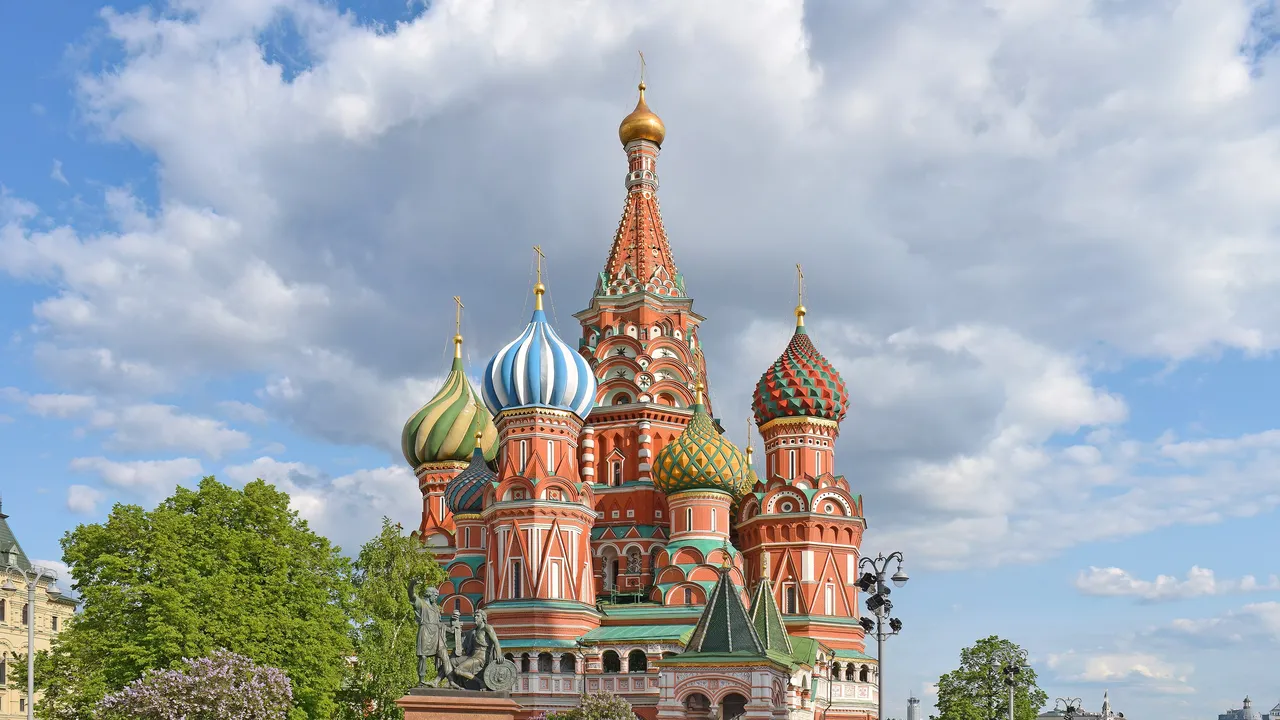
The Byzantine Empire was the eastern half of Rome, which survived a thousand years after the west fell. Its capital Constantinople was the richest city in Christendom. Ottoman Turks took it in 1453.
Civilization · Early Middle Ages · Tang dynasty
Tang dynasty
618–907
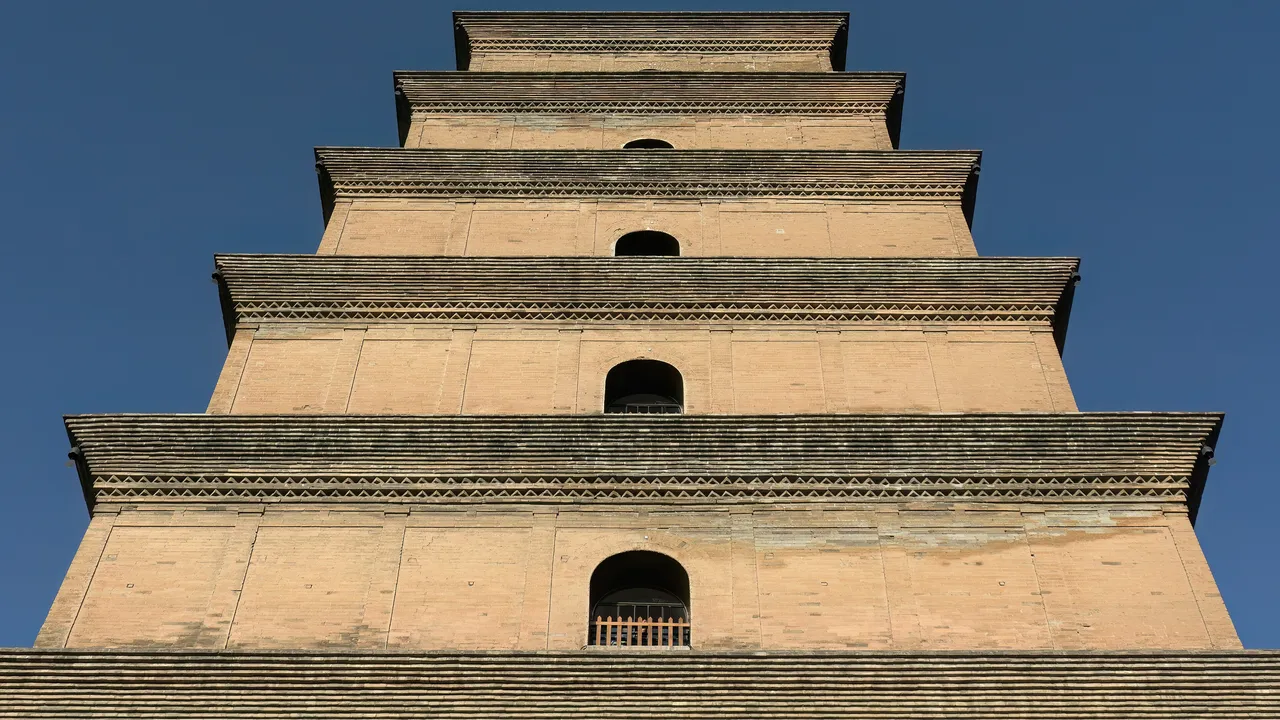
The Tang dynasty was China's cosmopolitan golden age. Its capital Chang'an was the largest city in the world, full of Persian merchants and Buddhist monks. Poetry, painting, and printing flourished before rebellion broke it.
Civilization · Early Middle Ages · Umayyad Caliphate
Umayyad Caliphate
661–750
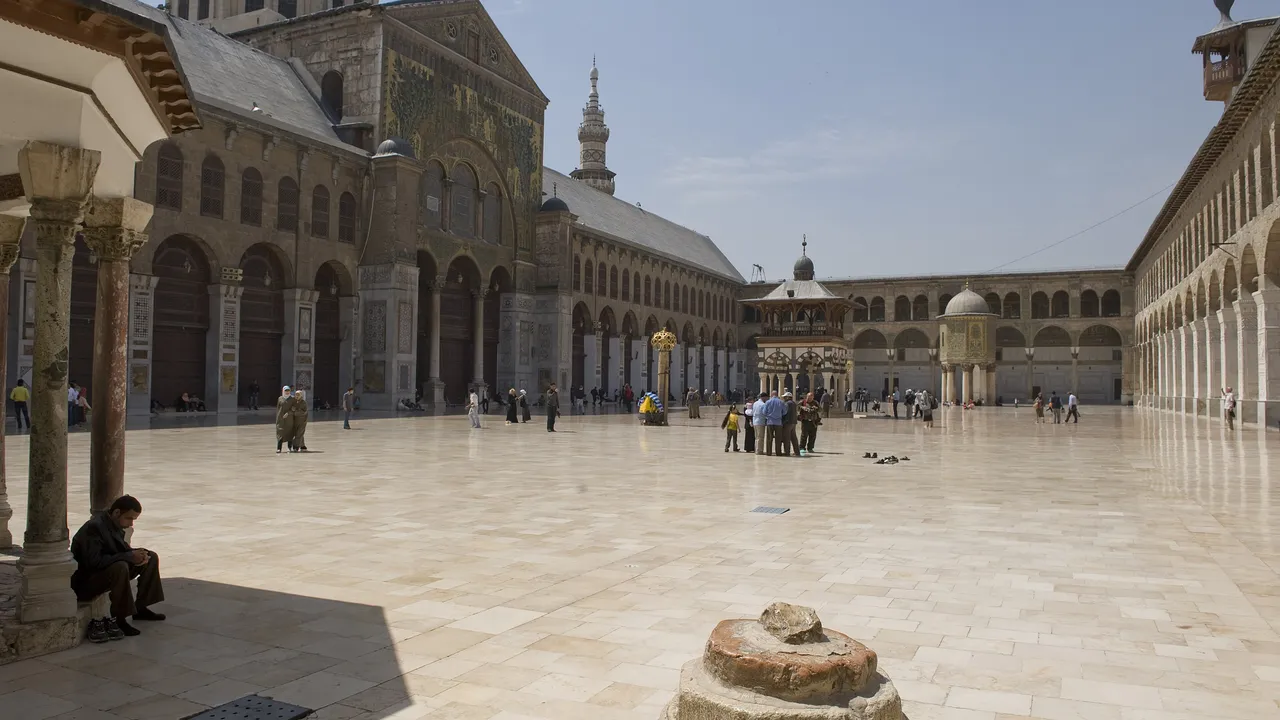
The Umayyad Caliphate was the first great Muslim empire, ruling from Spain to India within a century of Muhammad's death. Its capital Damascus became one of the world's great cities. The Abbasids overthrew it in 750.
Civilization · Early Middle Ages · Abbasid Caliphate
Abbasid Caliphate
750–1258
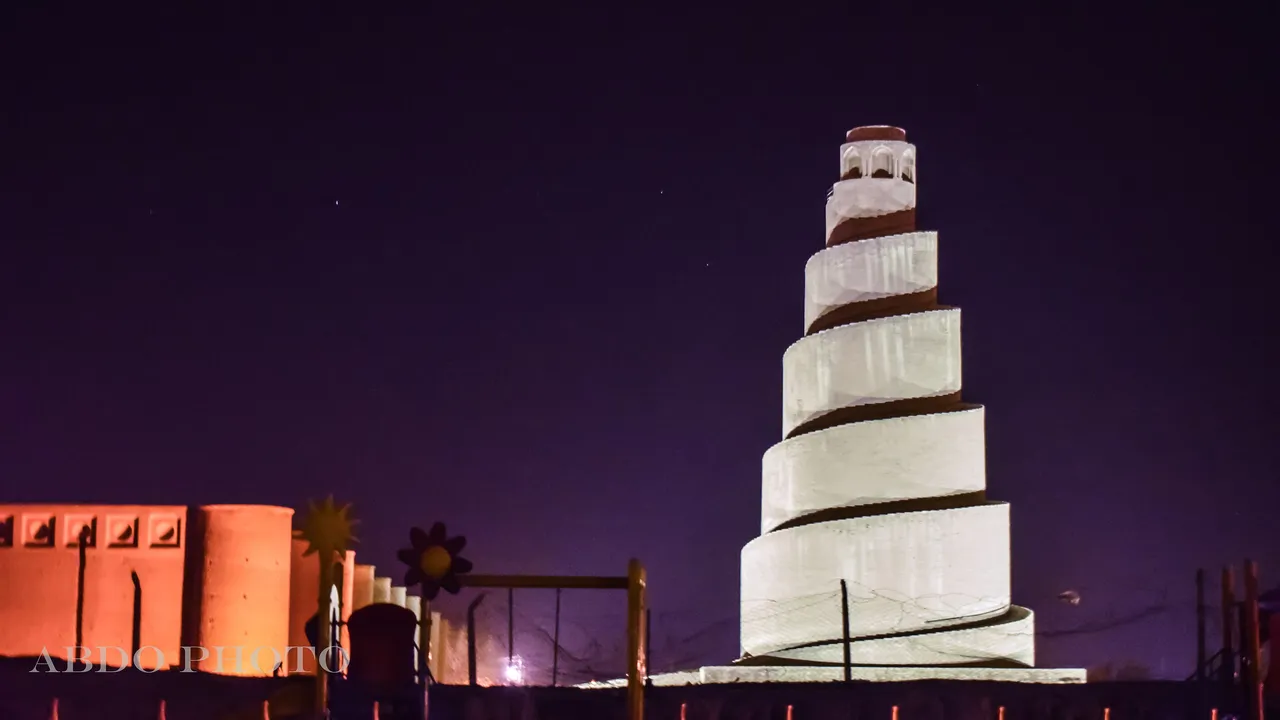
The Abbasid Caliphate ruled the Muslim world from Baghdad in its golden age. Its House of Wisdom preserved Greek science and advanced mathematics, medicine, and astronomy. The Mongols destroyed Baghdad in 1258.
Civilization · Early Middle Ages · Holy Roman Empire
Holy Roman Empire
962–1806
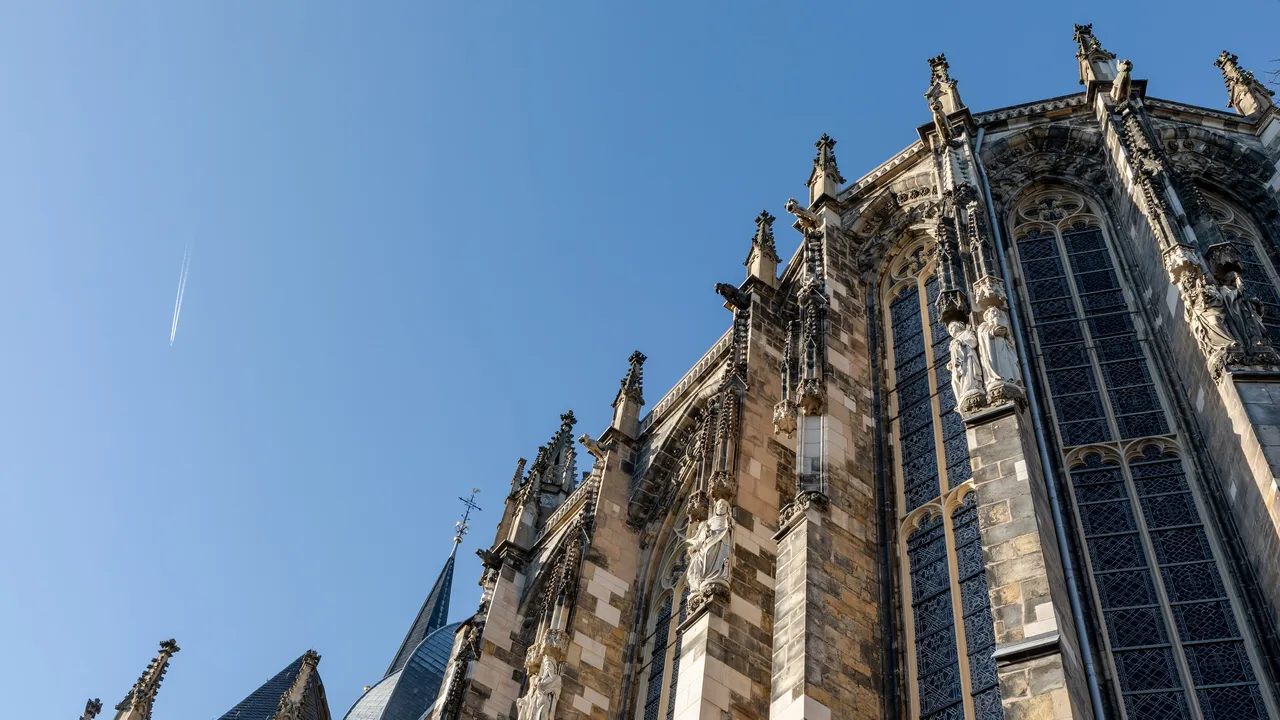
The Holy Roman Empire was the great medieval empire of central Europe, neither holy, nor Roman, nor an empire, as Voltaire joked. It lasted 844 years from Otto the Great's coronation to Napoleon's dissolution of it in 1806.
Civilization · High and Late Middle Ages · Mongol Empire
Mongol Empire
1206–1368
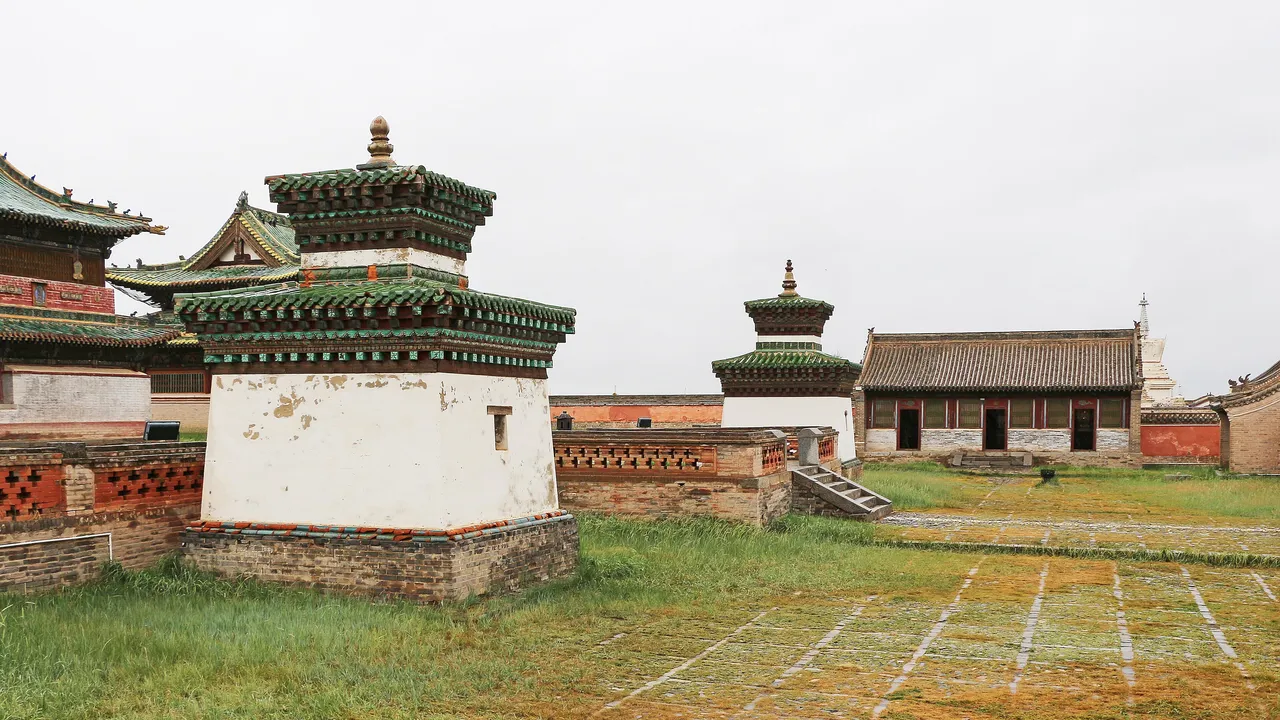
The Mongol Empire was the largest connected land empire in history. Genghis Khan united the steppe tribes in 1206, and his heirs conquered from China to Europe. It split into rival khanates and faded by 1368.
Civilization · Early modern period · Ottoman Empire
Ottoman Empire
c. 1299–1922
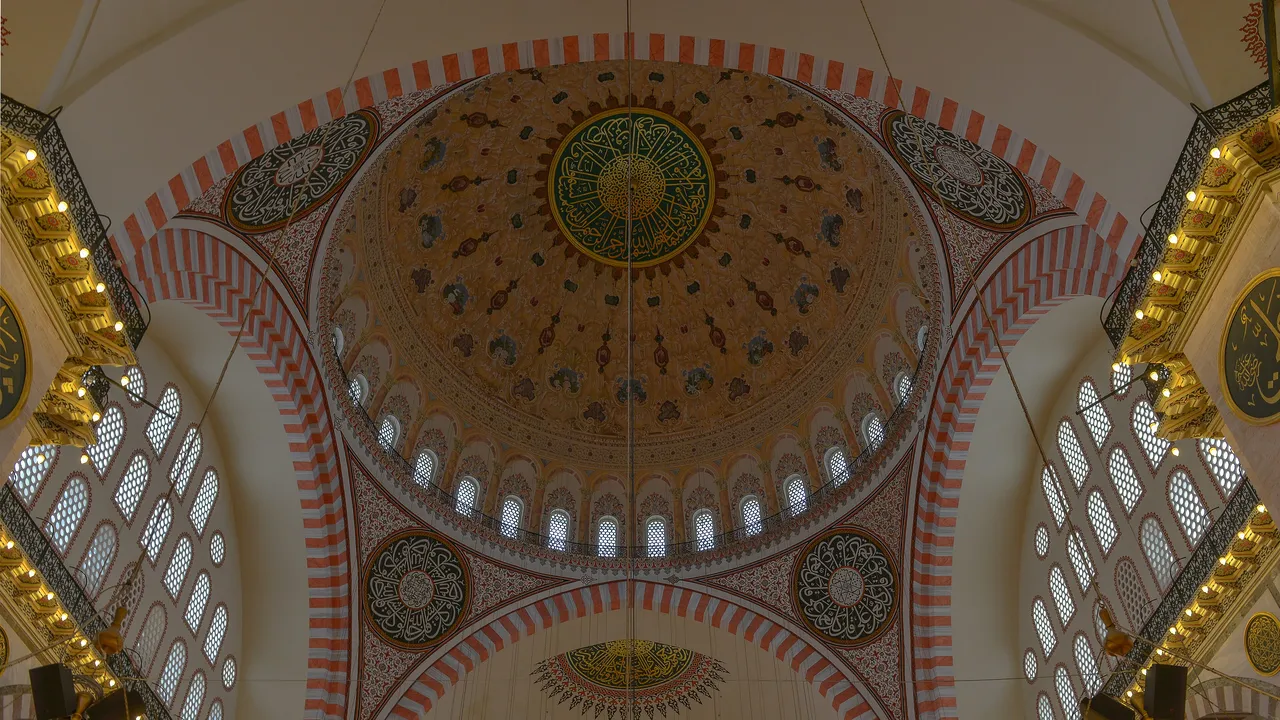
The Ottoman Empire ruled the Middle East, North Africa, and southeastern Europe for six centuries. At its height under Suleiman the Magnificent it besieged Vienna. It collapsed after the First World War in 1922.
Civilization · High and Late Middle Ages · Inca Empire
Inca Empire
c. 1400–1533
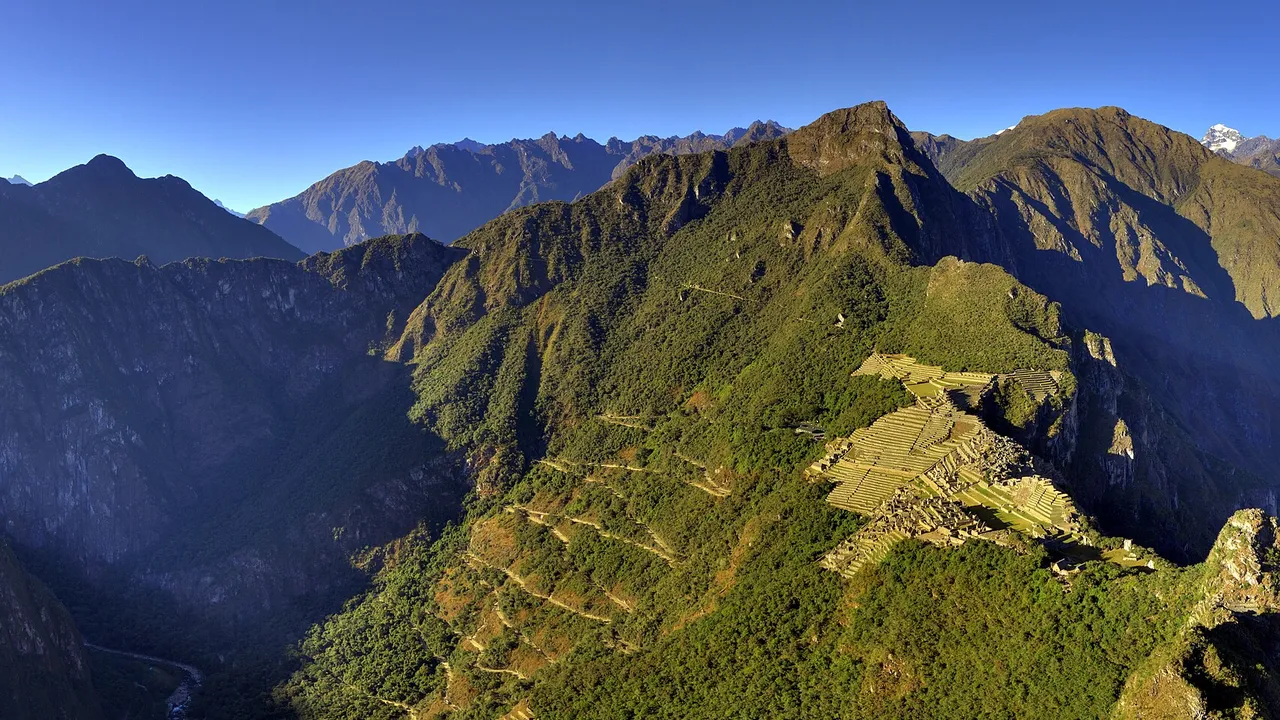
The Inca Empire was the largest state in the pre Columbian Americas, ruling the Andes from its capital Cuzco. It built Machu Picchu and 25,000 miles of roads without the wheel or writing. Pizarro's Spaniards destroyed it in 1533.
Civilization · High and Late Middle Ages · Aztec Empire
Aztec Empire
1428–1521
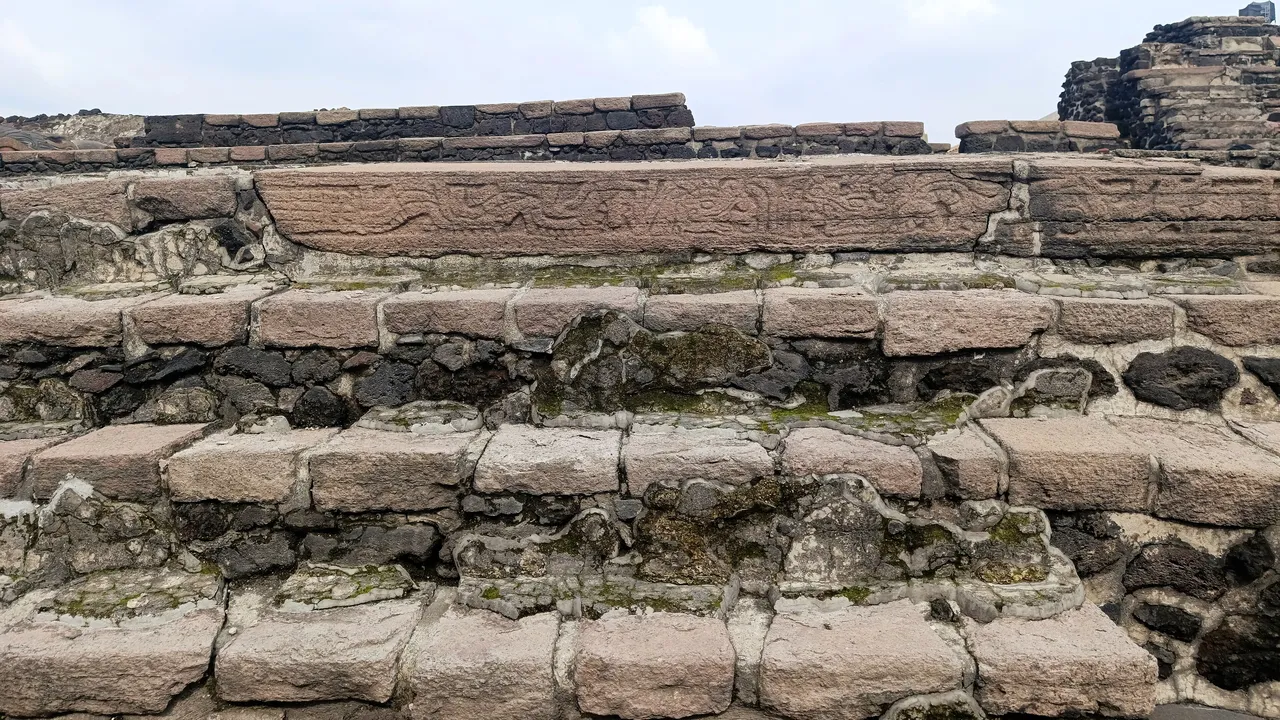
The Aztec Empire ruled central Mexico from its island capital Tenochtitlan, one of the world's largest cities. Its Triple Alliance dominated the region for less than a century. Cortés conquered it in 1521.
Civilization · Early modern period · Safavid Empire
Safavid Empire
1501–1736
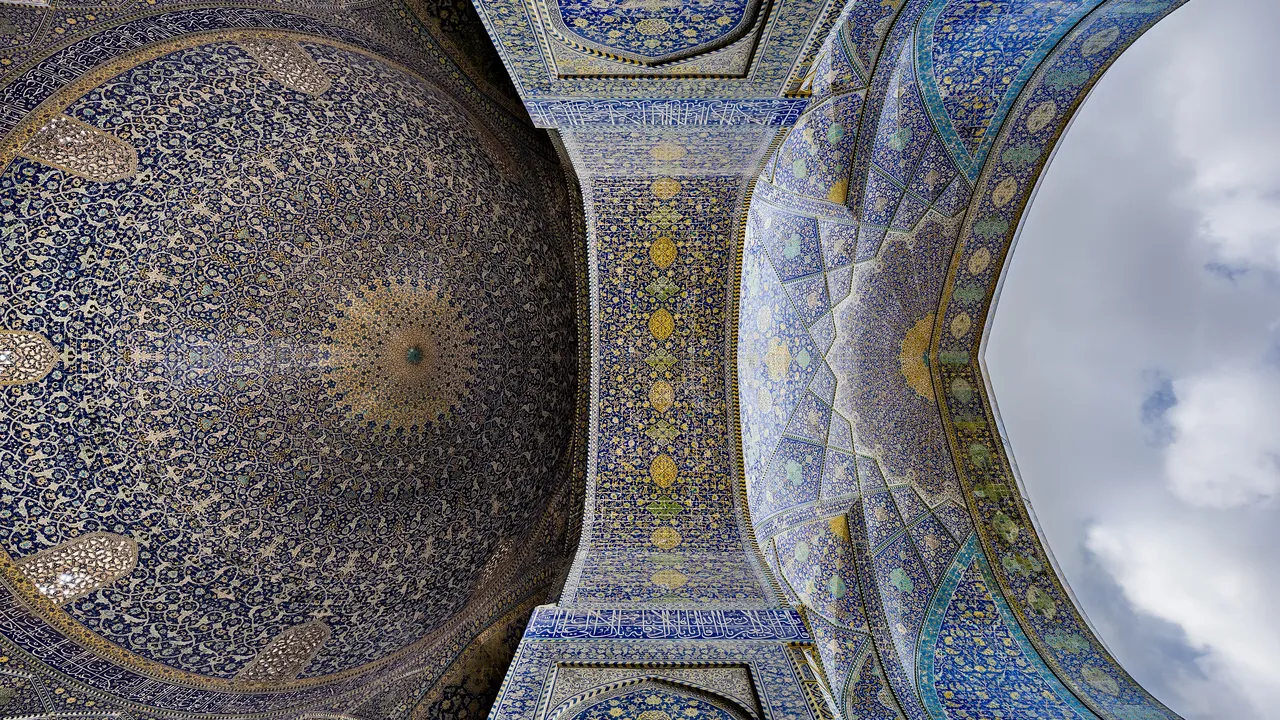
The Safavid Empire made Persia Shia and gave Iran its modern identity. Shah Ismail founded it in 1501; Shah Abbas the Great made Isfahan one of the world's most beautiful cities. Isfahan fell to Afghan invaders in 1722; the dynasty formally ended in 1736.
Civilization · Early modern period · Mughal Empire
Mughal Empire
1526–1857
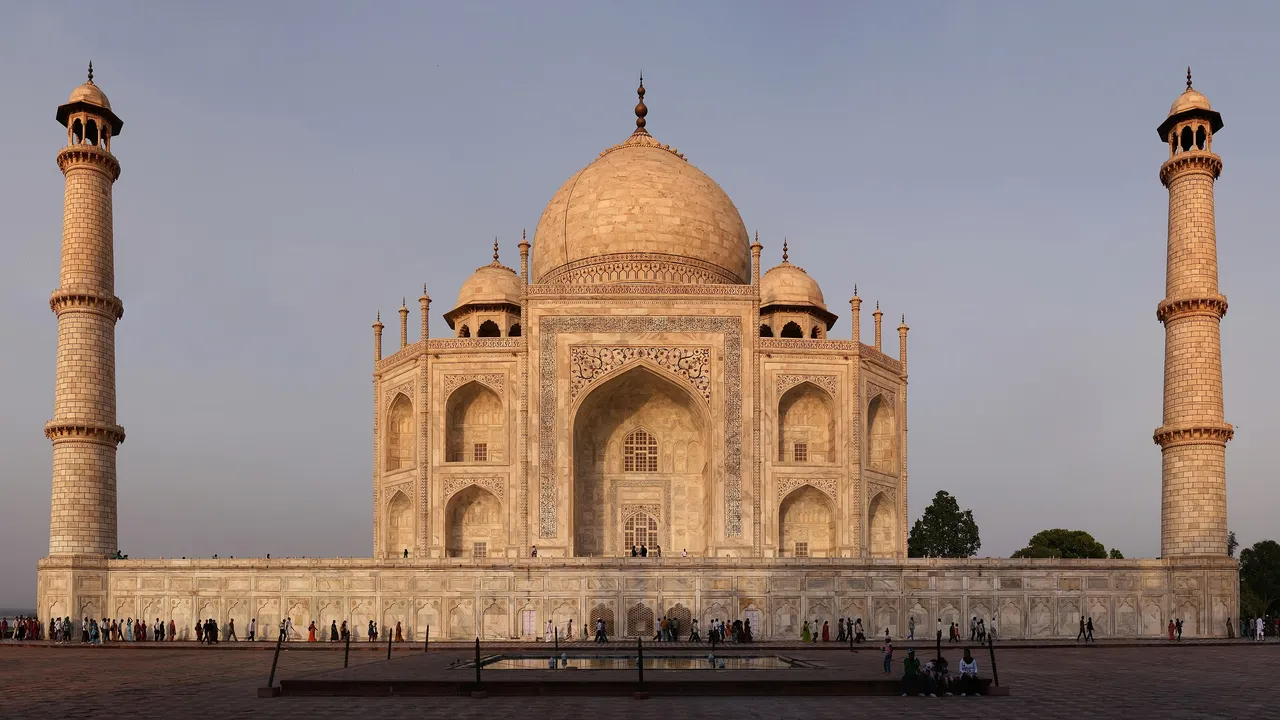
The Mughal Empire ruled most of India for three centuries. Akbar the Great built a tolerant, centralized state; Shah Jahan built the Taj Mahal. British power hollowed it out, and the 1857 revolt ended it.
Civilization · Twentieth century · Soviet Union
Soviet Union
1922–1991
The Soviet Union was the world's first communist state, spanning Eurasia from 1922 to 1991. It industrialized by force, beat Nazi Germany, and became a nuclear superpower. It dissolved peacefully in 1991.
Civilization · Twentieth century · China
People's Republic of China
1949–
The state proclaimed in Beijing on 1 October 1949 after the communist victory in the civil war. A container for that state, not a history of it.
Event · Twentieth century · China
Great Leap Forward
1958–1962
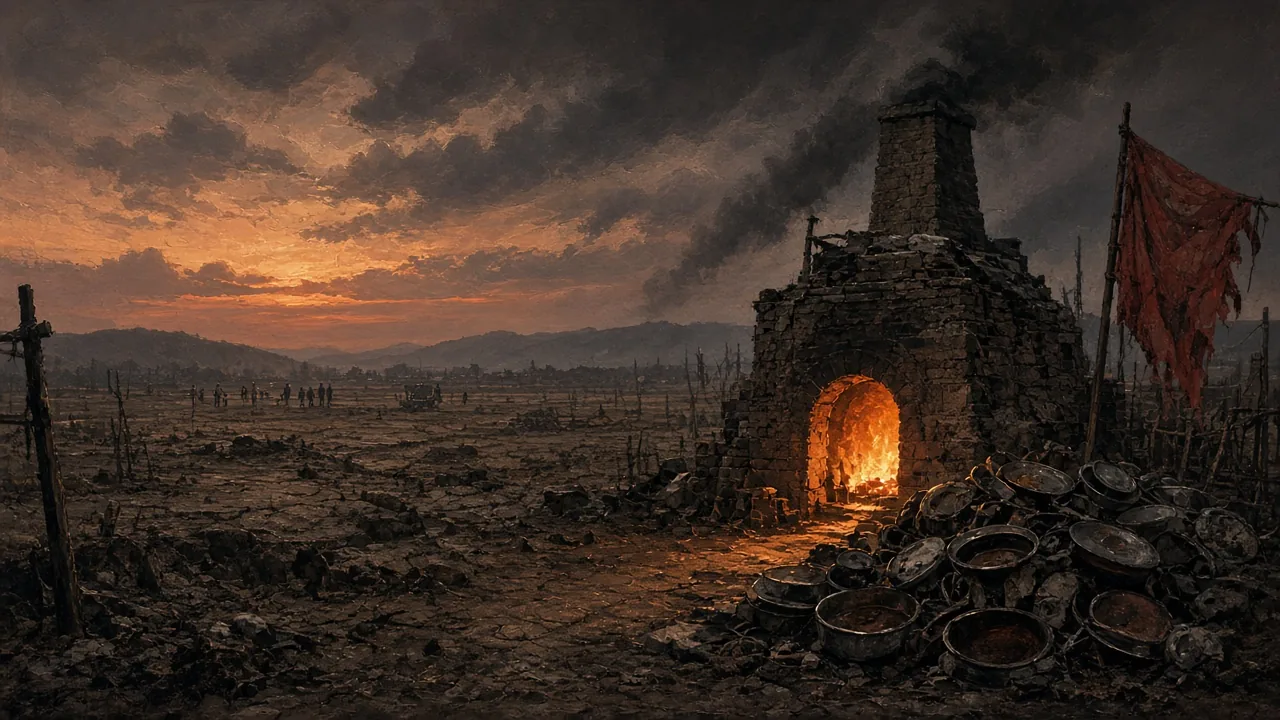
The campaign launched in 1958 under Mao's authority: forced collectivization, backyard steel, and the famine of 1959–1961. Death tolls are estimates and do not agree.
Event · Twentieth century · China
Cultural Revolution
1966–1976
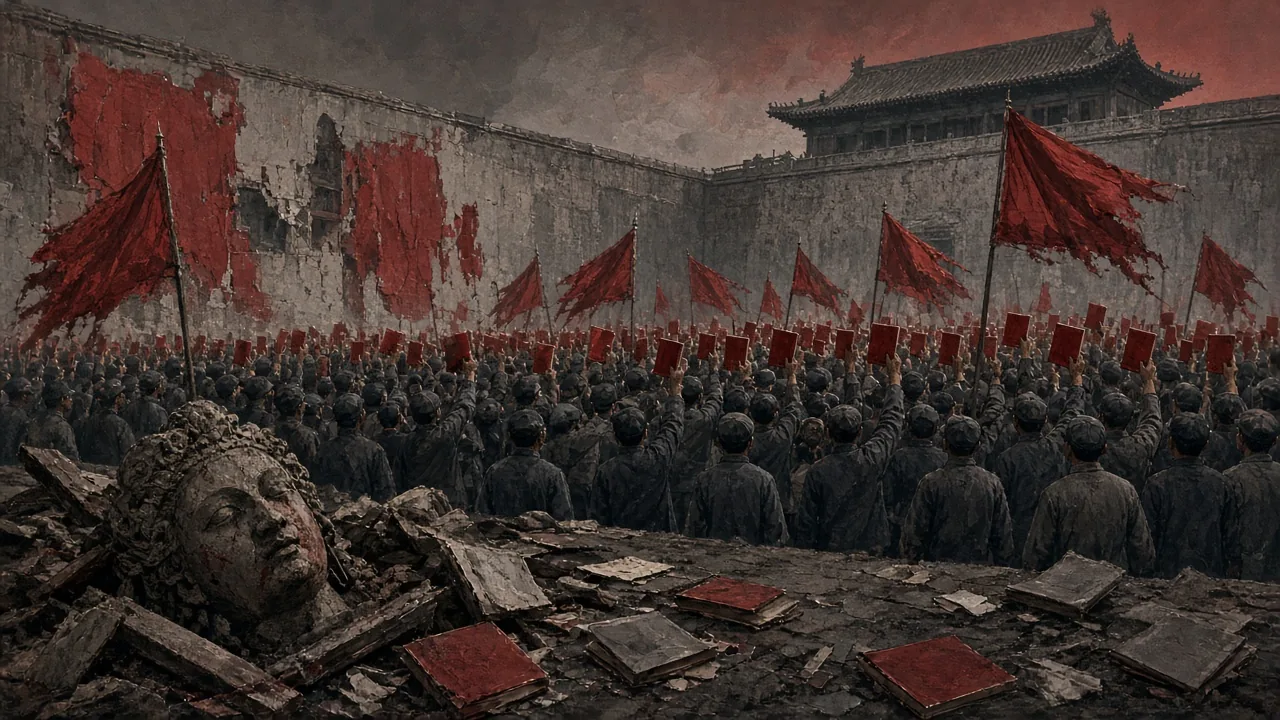
The campaign Mao launched in 1966 against officials, teachers, and people classed as enemies. Schools closed. Red Guards and later factional fighting killed large numbers. A full count is not agreed. Generally treated as lasting until Mao's death in 1976.
Event · Twentieth century · China
Tiananmen Square 1989
1989
Beijing protests from April 1989 after Hu Yaobang's death; martial law; military clearance on 3–4 June. Death tolls remain disputed; most killing was on approaches such as Muxidi, not only inside the square.