Skip to content
Keep the Tale
All sections
Home
World Map
Videos
Amazon EPUB books
Recommended reading
Articles and polemics
Sections
Home
/
Countries
Countries
Articles
Sort
Date
Title
Country
All
Africa
Asia
Europe
North America
Oceania
South America
Country · Japan
Japan
660 BCE– (traditional)
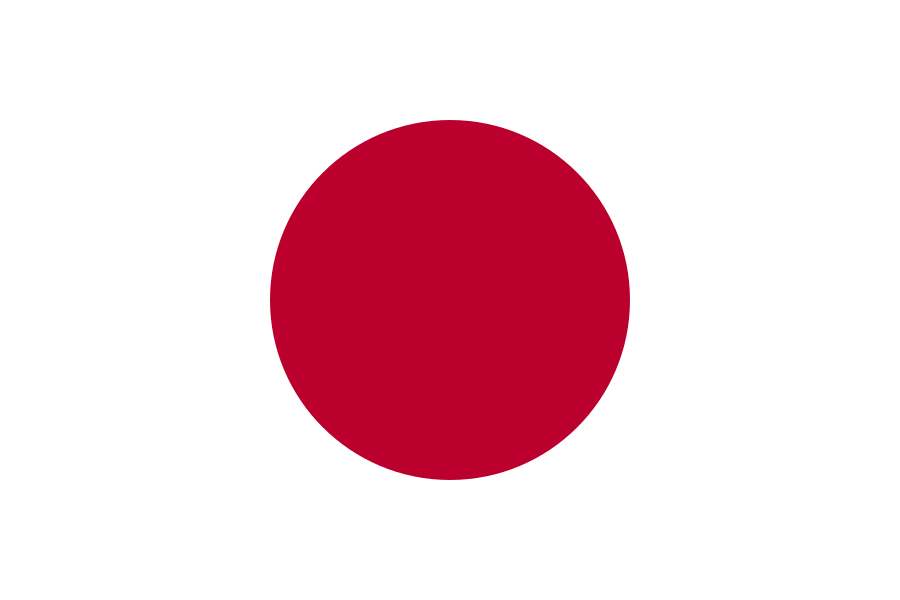
Japan is an island country in East Asia with the world's oldest continuous monarchy. Tradition dates the imperial line to 660 BC. The modern state was forged in the Meiji Restoration of 1868 and is now a parliamentary constitutional monarchy.
Country · San Marino
San Marino
301–
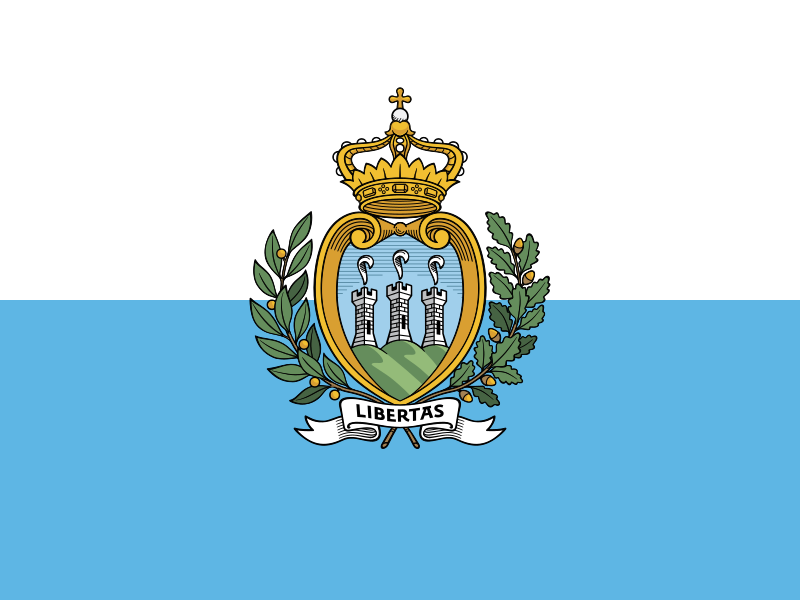
San Marino is a tiny republic on a mountain in Italy, claiming to be the oldest surviving republic in the world. Tradition dates its founding to the year 301. It is governed by two Captains Regent chosen every six months.
Country · France
France
843–
France is a large country in western Europe, one of the oldest states on the continent. The Treaty of Verdun in 843 divided the Carolingian Empire and set West Francia on its own path. After monarchy, revolution, and empire, it is now the Fifth Republic, founded in 1958.
Country · Denmark
Denmark
c. 965–
Denmark is a Scandinavian country made up of a peninsula and many islands. Its kingdom was consolidated in the tenth century, making it one of the oldest continuous monarchies in Europe. It is a parliamentary constitutional monarchy.
Country · Hungary
Hungary
1000–
Hungary is a landlocked country in central Europe. Its kingdom was founded with the coronation of Stephen I in the year 1000. The modern republic dates from 1989, after four decades of communist rule.
Country · Portugal
Portugal
1139–
Portugal is a country on the Iberian Peninsula, facing the Atlantic. It became a kingdom in 1139 and built the first global seaborne empire in the fifteenth and sixteenth centuries. It has been a republic since 1910.
Country · Guernsey
Guernsey
1204–
Guernsey is a Crown Dependency in the English Channel, off the coast of Normandy. The Bailiwick of Guernsey, which includes Alderney, Sark, and Herm, has belonged to the English Crown since the Norman period and stayed with the Crown when mainland Normandy was lost in 1204. It is not part of the United Kingdom, and finance is its largest industry.
Country · Jersey
Jersey
1204–
Jersey is a Crown Dependency and the largest of the Channel Islands, off the coast of Normandy. It stayed with the English Crown when mainland Normandy was lost in 1204, and it still governs itself through the States Assembly. It is not part of the United Kingdom. German forces occupied it from 1940 to 1945, and finance is now its largest industry.
Country · Thailand
Thailand
1238–
Thailand is a Southeast Asian country, the only one in the region never colonized. The Thai kingdom of Sukhothai was founded in 1238. It has been a constitutional monarchy since 1932, though the army has often ruled.
Country · Ethiopia
Ethiopia
1270–
Ethiopia is a highland country in the Horn of Africa, one of the oldest states in the world and the only African country never fully colonized. The Solomonic dynasty dates its rule to 1270. It is now a federal parliamentary republic.
Country · Andorra
Andorra
1278–
Andorra is a tiny principality in the Pyrenees, between France and Spain. It was settled as a joint lordship in 1278 and kept that arrangement ever since. Its two heads of state are the Bishop of Urgell and the President of France.
Country · Switzerland
Switzerland
1291–
Switzerland is a landlocked country in the Alps, famous for neutrality. Three cantons swore mutual defense in 1291, the traditional founding. It has been a federal republic since 1848 and stayed out of both world wars.
Country · Monaco
Monaco
1297–
Monaco is a tiny principality on the French Riviera, the second smallest state in the world. The Grimaldi family seized it in 1297 and has ruled ever since. It is a constitutional monarchy famous for its casino and Grand Prix.
Country · Spain
Spain
1492–
Spain occupies most of the Iberian Peninsula. The union of Castile and Aragon and the completion of the Reconquista in 1492 made it one state, which then built a vast American empire. It has been a parliamentary constitutional monarchy since the constitution of 1978.
Country · Puerto Rico
Puerto Rico
1493–
Puerto Rico is a self governing commonwealth and unincorporated territory of the United States in the Caribbean. Spain ruled it for four centuries until the United States took it in 1898. Its people hold United States citizenship, elect their own governor, and send a nonvoting delegate to Congress, and votes on the island status question continue.
Country · Sweden
Sweden
1523–
Sweden is a large Scandinavian country. Gustav Vasa broke the union with Denmark in 1523 and founded the modern Swedish state. It later became a great power, then settled into two centuries of neutrality as a constitutional monarchy.
Country · Macao
Macao
1557–
Macao is a Special Administrative Region of China on the south coast, at the mouth of the Pearl River. Portuguese traders settled there in 1557, and Portugal handed it back to China in 1999. It keeps its own laws and government under a promise of autonomy, and casino gambling brings in most of its revenue.
Country · Netherlands
Netherlands
1581–
The Netherlands is a low lying country in western Europe, much of it below sea level. It declared independence from Spain in 1581 and became a great trading empire in the seventeenth century. It is a parliamentary constitutional monarchy.
Country · Bermuda
Bermuda
1612–
Bermuda is a self governing British Overseas Territory in the North Atlantic, settled by England from 1612. It elects its own parliament and premier, and Britain keeps defence and foreign affairs. Voters rejected independence in 1995. Insurance and reinsurance firms anchor its economy, and tourism is the second industry.
Country · Montserrat
Montserrat
1632–
Montserrat is a British Overseas Territory in the Leeward Islands of the Caribbean. Irish settlers founded its colony in 1632, and its people are citizens of a territory governed with Britain. A volcano that woke in 1995 destroyed the capital Plymouth, and the southern half of the island remains an exclusion zone.
Country · Saint Barthélemy
Saint Barthélemy
1648–
Saint Barthélemy is a French overseas collectivity in the Leeward Islands of the Caribbean. French settlers founded its colony in 1648, and Sweden held the island from 1784 to 1878, the only Swedish colony in the Caribbean. Its capital Gustavia keeps a Swedish name, and tourism now drives the island economy.
Country · Saint Martin
Saint Martin
1648–
Saint Martin is a French overseas collectivity covering the northern part of a small Caribbean island. France and the Netherlands divided the island between them by the Treaty of Concordia in 1648, and the border stays open. The French side has about 32,000 residents, its capital at Marigot, and an economy built on tourism.
Source: CIA World Factbook
Country · Sint Maarten
Sint Maarten
1648–
Sint Maarten is a constituent country of the Kingdom of the Netherlands covering the southern part of a small Caribbean island. France and the Netherlands divided the island in 1648. Sint Maarten ran its own affairs inside the Netherlands Antilles until 2010, when it became a country of the Kingdom with its own government and parliament.
Country · Anguilla
Anguilla
1650–
Anguilla is a British Overseas Territory in the eastern Caribbean. English colonists settled it in 1650, and Britain governed it through Saint Kitts for most of its history. Anguillans broke away from Saint Kitts in 1967, and the island became a separate British territory in 1980. Tourism and offshore finance carry its economy.
Country · Saint Helena
Saint Helena
1659–
Saint Helena is a British island territory in the south Atlantic, one of the most remote inhabited places on earth. The English East India Company settled it in 1659 as a station for ships sailing to Asia. Napoleon Bonaparte spent his last exile there from 1815 until his death in 1821.
Country · Cayman Islands
Cayman Islands
1670–
The Cayman Islands are a British Overseas Territory in the western Caribbean. Britain gained them under the Treaty of Madrid in 1670, and Jamaica administered them until 1962, when Caymanians chose to stay British. Banking and company laws from the 1960s made the islands an offshore finance center, and tourism grew beside finance.
Country · British Virgin Islands
British Virgin Islands
1672–
The British Virgin Islands are a British Overseas Territory in the eastern Caribbean. England seized the islands from the Dutch in 1672 and ran sugar plantations there. An elected government runs internal affairs under a 2007 constitution. Company registration fees and tourism bring in most of the territory's revenue.
Country · Turks and Caicos Islands
Turks and Caicos Islands
1678–
The Turks and Caicos Islands are a British Overseas Territory of low coral islands southeast of the Bahamas. Bermudian settlers raked salt there from the late 1600s, and sea salt stayed the main export for two centuries. Tourism and financial services lead the economy today, and about 46,000 people live across the islands.
Source: CIA World Factbook
Country · United Kingdom
United Kingdom
1707–
The United Kingdom joins England, Scotland, Wales, and Northern Ireland. The Acts of Union of 1707 joined England and Scotland into Great Britain. It built the largest empire in history and remains a parliamentary constitutional monarchy.
Country · Greenland
Greenland
1721–
Greenland is a self governing territory within the Kingdom of Denmark and the largest island in the world. Norse settlers farmed its southwest coast from 985, and Danish colonization began in 1721. Inuit form the great majority of its people. Home rule began in 1979, and a Self Government Act in 2009 recognized Greenlanders' right to choose independence.
Country · Oman
Oman
1744–
Oman is a sultanate on the southeastern coast of Arabia. Ahmad bin Said founded the current dynasty in 1744. It once ruled a seaborne empire reaching Zanzibar; today it is an absolute monarchy and a quiet diplomatic power.
Country · Afghanistan
Afghanistan
1747–
Afghanistan is a landlocked country at the crossroads of central and south Asia. It won full independence from Britain in 1919. Decades of war since 1978 have made it one of the most battered countries in the world.
Country · Isle of Man
Isle of Man
1765–
The Isle of Man is a Crown Dependency in the Irish Sea. Norse kings ruled it for centuries, Scotland took it in 1266, and the British Crown bought its sovereignty in 1765 to stop smuggling. The island governs itself through Tynwald, its parliament. It is not part of the United Kingdom. Finance and the TT motorcycle races anchor its economy.
Country · Nepal
Nepal
1768–
Nepal is a Himalayan country between India and China, home to Mount Everest. Prithvi Narayan Shah unified the petty kingdoms in 1768. It was a monarchy until 2008, when it became a federal republic.
Country · United States
United States
1776–
The United States is a federal republic of fifty states, the world's largest economy and most powerful country. It declared independence from Britain in 1776. Its constitution, written in 1787, is the oldest still in use.
Country · Norfolk Island
Norfolk Island
1788–
Norfolk Island is an external territory of Australia in the Pacific, between New Zealand and New Caledonia. Britain settled it as a penal station in 1788, and the descendants of the Bounty mutineers moved there from Pitcairn Island in 1856. Their community forms the core of the island population today.
Country · Pitcairn Islands
Pitcairn Islands
1790–
The Pitcairn Islands are a British Overseas Territory in the south Pacific and the last British colony in that ocean. Mutineers from HMS Bounty settled Pitcairn Island in 1790 with Tahitian companions. About fifty people live there today, most of them descendants of that settlement, in the village of Adamstown.
Country · Haiti
Haiti
1804–
Haiti occupies the western third of Hispaniola. Its slaves rose in 1791 and defeated Napoleon to found the first Black republic in 1804. It is now the poorest country in the Americas, torn by gang rule.
Country · Liechtenstein
Liechtenstein
1806–
Liechtenstein is a tiny German speaking principality in the Alps, between Switzerland and Austria. It became a sovereign state in 1806. It is a constitutional monarchy under the House of Liechtenstein, one of the richest countries in the world per person.
Country · Paraguay
Paraguay
1811–
Paraguay is a landlocked country in central South America. It declared independence from Spain in 1811. The War of the Triple Alliance in the 1860s killed most of its men; it is now a presidential republic.
Country · Argentina
Argentina
1816–
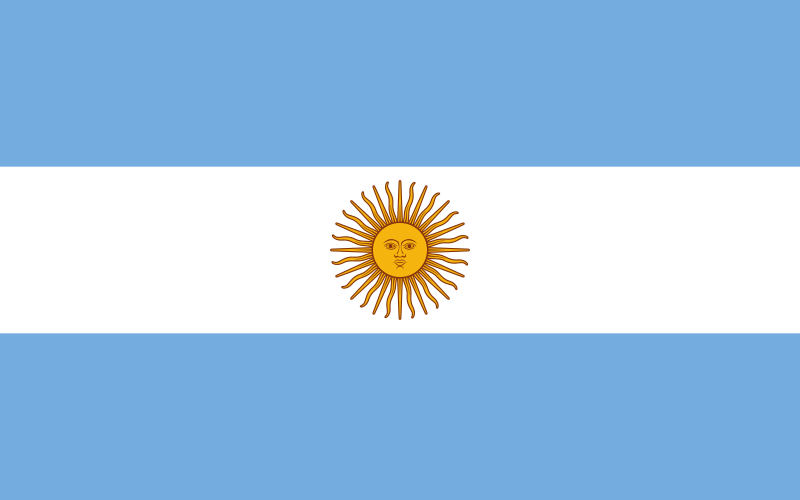
Argentina is a large country in southern South America, stretching from the Andes to the Atlantic. It declared independence from Spain in 1816. It is a federal presidential republic known for tango, beef, and football.
Country · Saint Pierre and Miquelon
Saint Pierre and Miquelon
1816–
Saint Pierre and Miquelon is a French overseas collectivity of small islands off the south coast of Newfoundland, the last remnant of France's North American empire. Fishermen from Brittany, Normandy, and the Basque country settled there for the cod banks. About 5,800 people live on the islands today, most in the town of Saint Pierre.
Source: Encyclopaedia Britannica, Saint-Pierre and Miquelon
Country · Chile
Chile
1818–
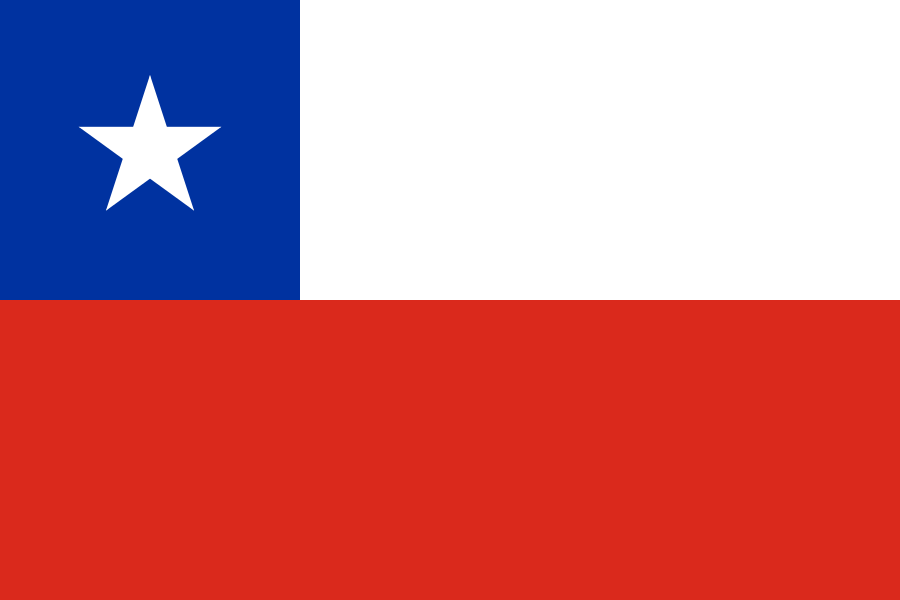
Chile is a long, narrow country between the Andes and the Pacific. Bernardo O'Higgins declared independence from Spain in 1818. It is a presidential republic, now among South America's most stable states.
Country · Colombia
Colombia
1819–
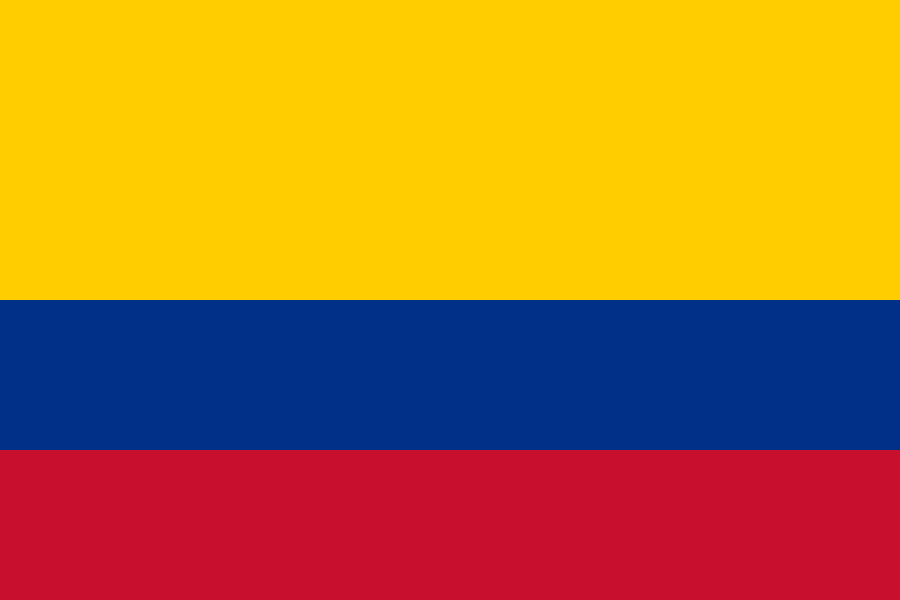
Colombia is a large country in northwestern South America, named for Christopher Columbus. Simón Bolívar freed it from Spain in 1819. It is a presidential republic that has fought a long internal conflict.
Country · Costa Rica
Costa Rica
1821–
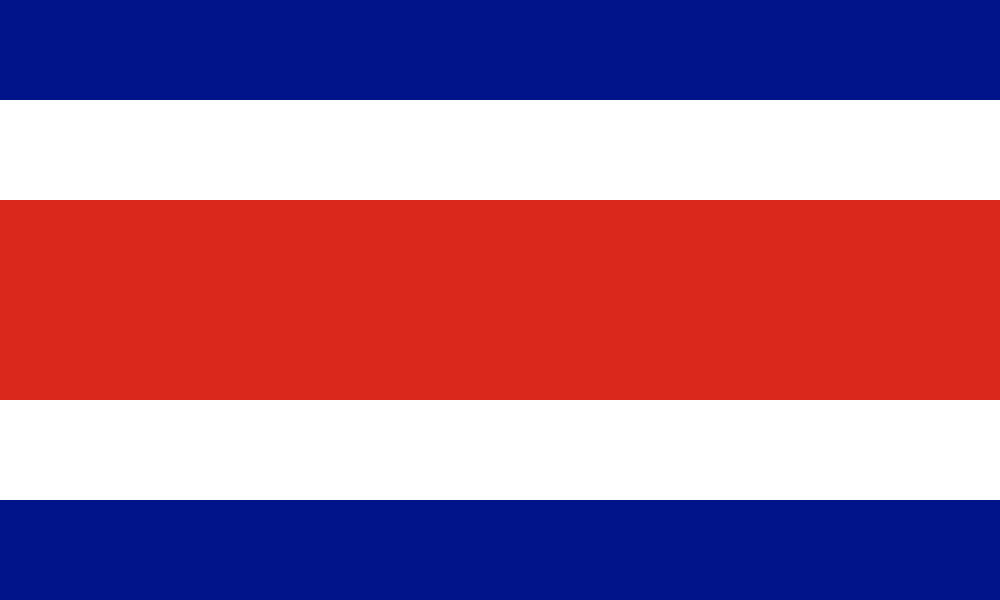
Costa Rica is a small Central American country between Nicaragua and Panama. It became independent from Spain in 1821. It abolished its army in 1948 and is one of Latin America's steadiest democracies.
Country · Mexico
Mexico
1821–
Mexico is a large country in southern North America, heir to the Aztec and Maya worlds. It won independence from Spain in 1821. It is a federal presidential republic and the largest Spanish speaking country.
Country · Peru
Peru
1821–
Peru is a large country on the Pacific coast of South America, heartland of the Inca Empire. It declared independence from Spain in 1821. It is a presidential republic.
Country · Brazil
Brazil
1822–
Brazil is the largest country in South America, covering half the continent. Portugal claimed it in 1500; it became an independent empire in 1822 and a republic in 1889. It is a federal presidential republic.
Country · Bolivia
Bolivia
1825–
Bolivia is a landlocked country in central South America, named for Simón Bolívar. It declared independence from Spain in 1825. Its silver mines once funded the Spanish Empire; it is now a presidential republic.
Country · Uruguay
Uruguay
1828–
Uruguay is a small country between Argentina and Brazil on the Atlantic. It became independent in 1828 as a buffer between its great neighbors. It is a presidential republic and one of Latin America's steadiest democracies.
Country · Belgium
Belgium
1830–
Belgium is a small country in western Europe, independent since 1830. Brussels, its capital, hosts the headquarters of the European Union and NATO. It is a federal monarchy divided between Dutch speaking Flanders and French speaking Wallonia.
Country · Ecuador
Ecuador
1830–
Ecuador is a small country on the Pacific coast of South America, named for the equator. It left Simón Bolívar's Gran Colombia in 1830. It is a presidential republic that includes the Galápagos Islands.
Country · Greece
Greece
1830–
Greece is a Balkan country of peninsulas and islands, heir to the ancient Greek world. It won independence from the Ottoman Empire in a war that began in 1821. The modern state is a parliamentary republic.
Country · Venezuela
Venezuela
1830–
Venezuela is a country on the northern coast of South America, sitting on some of the world's largest oil reserves. It left Simón Bolívar's Gran Colombia in 1830. Mismanagement under Hugo Chávez and Nicolás Maduro collapsed its economy.
Country · Nicaragua
Nicaragua
1838–
Nicaragua is the largest country in Central America. It left the Central American federation in 1838. The Somoza dictatorship, the Sandinista revolution, and the Contra war shaped it; Daniel Ortega rules again as an autocrat.
Country · Luxembourg
Luxembourg
1839–
Luxembourg is a small landlocked country between France, Germany, and Belgium. It became fully independent in 1839. It is a constitutional monarchy and one of the founding members of the European Union.
Country · El Salvador
El Salvador
1841–
El Salvador is the smallest country in Central America, on the Pacific coast. It became fully independent in 1841 after the Central American federation broke up. A civil war from 1979 to 1992 killed about 75,000 people.
Country · Honduras
Honduras
1841–
Honduras is a Central American country on the Caribbean. It became fully independent in 1841. American fruit companies dominated it as a banana republic; it is now a presidential republic.
Country · Dominican Republic
Dominican Republic
1844–
The Dominican Republic occupies the eastern two thirds of Hispaniola, the island where Columbus landed. It declared independence from Haiti in 1844. It is a presidential republic and the Caribbean's largest economy.
Country · Guatemala
Guatemala
1847–
Guatemala is a Central American country, heartland of the ancient Maya. It became fully independent in 1847. A 1954 CIA backed coup and a long civil war scarred it; it is now a presidential republic.
Country · Liberia
Liberia
1847–
Liberia is a West African country founded by freed American slaves. It declared independence in 1847, the first African republic. Civil wars from 1989 to 2003 devastated it; it is now a presidential republic.
Country · New Caledonia
New Caledonia
1853–
New Caledonia is a French overseas collectivity with special status in the southwest Pacific, east of Australia. France annexed the islands in 1853. The Kanak people, its first inhabitants, pressed a long campaign for independence, and voters chose to stay with France in three referendums held between 2018 and 2021.
Country · Italy
Italy
1861–
Italy is a peninsula in southern Europe, heir to ancient Rome and the Renaissance. It was unified as a kingdom in 1861 after centuries of division. The modern republic was founded in 1946, after the fall of Mussolini.
Country · Canada
Canada
1867–
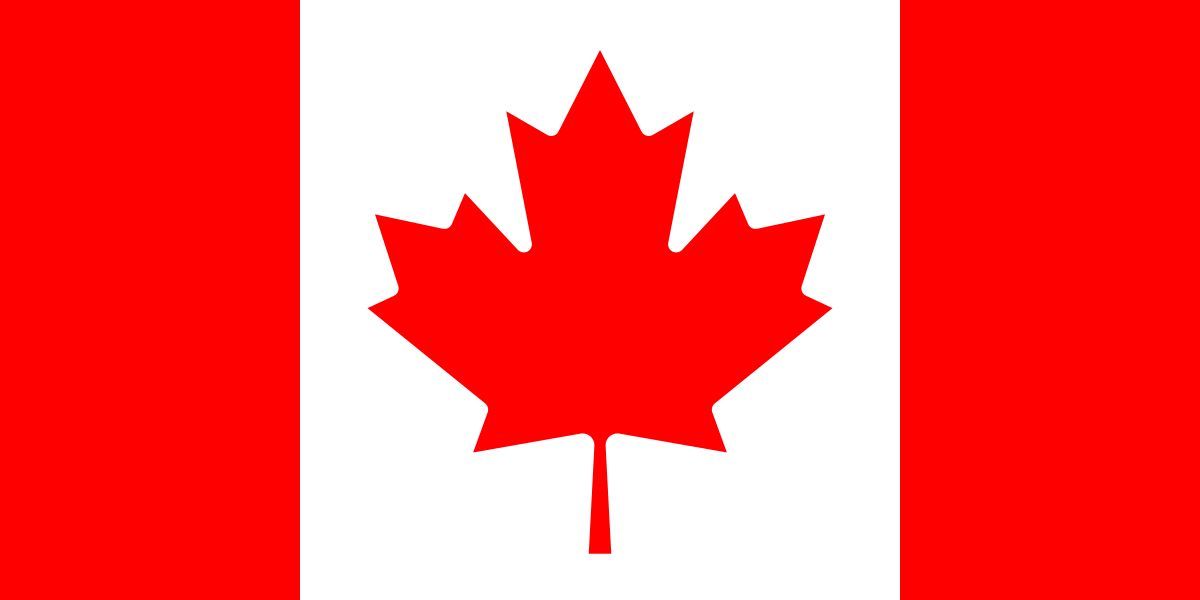
Canada is the second largest country in the world, stretching across northern North America. The British North America Act of 1867 created the Dominion of Canada. It is a federal parliamentary constitutional monarchy.
Country · Romania
Romania
1878–
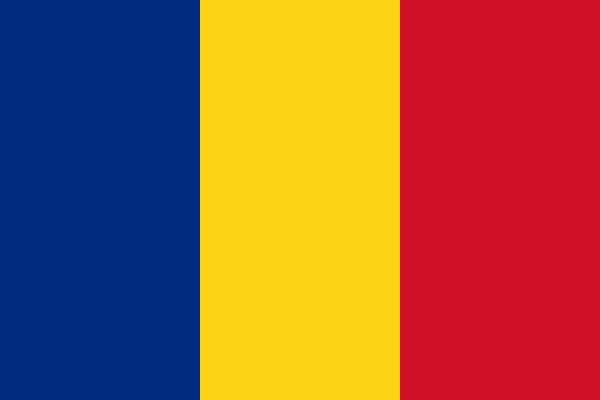
Romania is a Balkan country on the Black Sea, heir to the Roman province of Dacia. Two principalities united in 1859, and full independence from the Ottoman Empire came in 1878. It is a semi presidential republic.
Country · Wallis and Futuna
Wallis and Futuna
1888–
Wallis and Futuna is a French overseas collectivity of two island groups in the south Pacific, between Fiji and Samoa. Polynesian kingdoms ruled the islands for centuries, and three customary kings still govern alongside the French administration. About 11,000 people live there, and many more Wallisians and Futunans live in New Caledonia.
Source: Encyclopaedia Britannica, Wallis and Futuna
Country · American Samoa
American Samoa
1900–
American Samoa is a territory of the United States in the South Pacific, made up of the eastern islands of the Samoan group. Chiefs ceded the islands to the United States in 1900 and 1904. Its people are American nationals, elect their own governor and legislature, and keep the Samoan system of chiefs and communal land.
Country · Australia
Australia
1901–
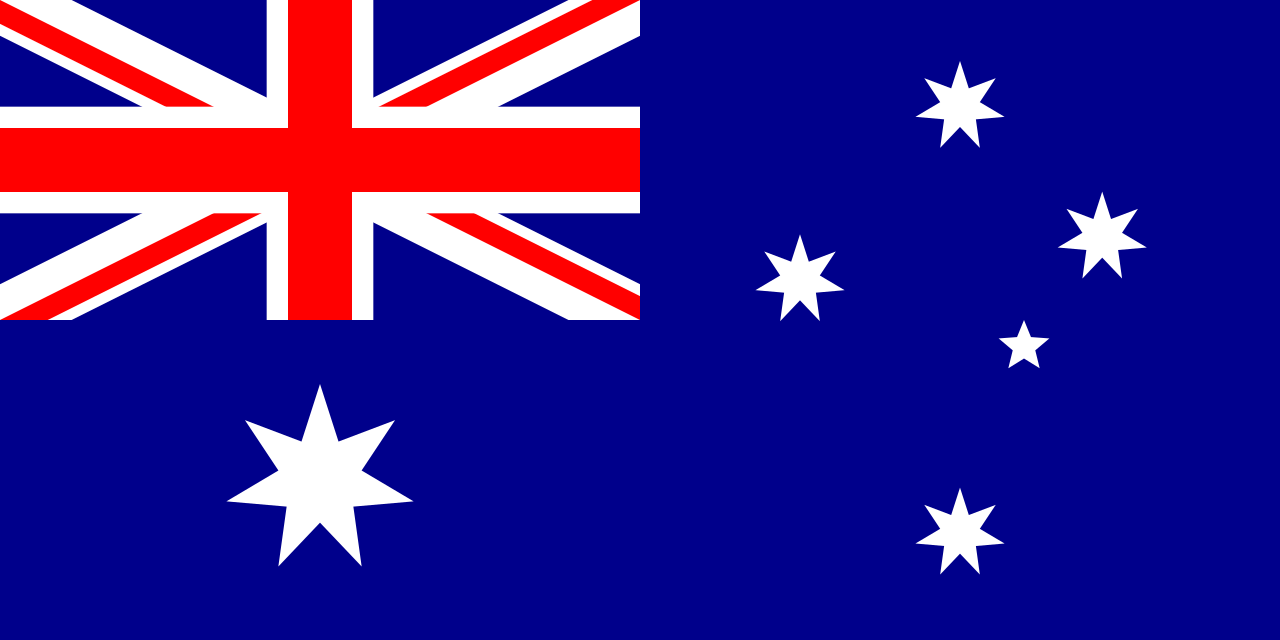
Australia is a continent country in the southern hemisphere, the only state that covers a whole continent. Six British colonies federated in 1901. It is a federal parliamentary constitutional monarchy.
Country · Cuba
Cuba
1902–
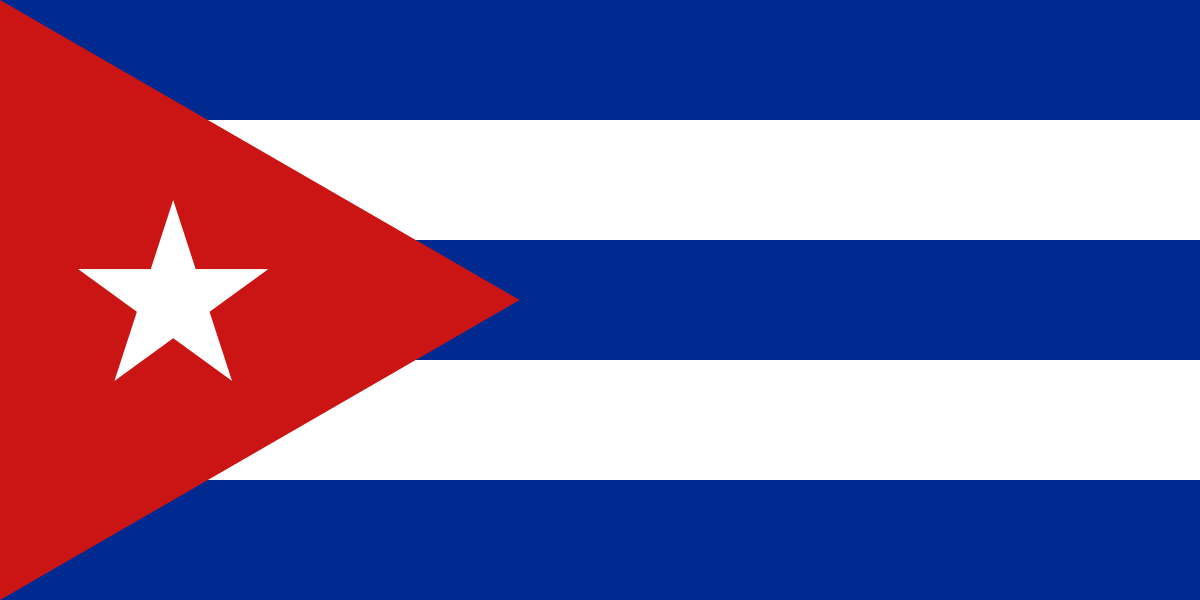
Cuba is the largest island in the Caribbean. Spain ruled it for four centuries until the United States intervened in 1898. Fidel Castro's 1959 revolution made it a communist state, which it remains.
Country · Panama
Panama
1903–
Panama is the narrow isthmus joining North and South America, home to the Panama Canal. It separated from Colombia in 1903 with American backing. It is a presidential republic.
Country · Norway
Norway
1905–
Norway is a Scandinavian country of fjords and mountains. It was joined to Denmark and then Sweden for centuries before voting for independence in 1905. Oil found in the North Sea made it one of the richest countries in the world.
Country · Bulgaria
Bulgaria
1908–
Bulgaria is a Balkan country on the Black Sea, heir to medieval Bulgarian empires. It won autonomy from the Ottoman Empire in 1878 and full independence in 1908. It is a parliamentary republic and a member of the European Union.
Country · South Africa
South Africa
1910–
South Africa is the southernmost country in Africa and its most industrialized. The Union of South Africa formed in 1910; apartheid ruled from 1948 until Nelson Mandela's election in 1994. It is a parliamentary republic.
Country · Albania
Albania
1912–
Albania is a country in the Balkans, on the Adriatic Sea. It declared independence from the Ottoman Empire in 1912. After decades of hardline communist rule under Enver Hoxha, it became a parliamentary republic in the early 1990s.
Country · Finland
Finland
1917–
Finland is a northern European country between Sweden and Russia. It declared independence from Russia in 1917. It fought the Soviet Union twice in the Second World War and kept its independence, later becoming a prosperous republic.
Country · U.S. Virgin Islands
U.S. Virgin Islands
1917–
The U.S. Virgin Islands are an unincorporated territory of the United States in the Caribbean, made up of Saint Thomas, Saint John, and Saint Croix. Denmark ruled them for two and a half centuries until the United States bought them in 1917. Their people hold United States citizenship and elect their own governor and legislature.
Country · Austria
Austria
1918–
Austria is a landlocked country in central Europe, once the heart of the Habsburg Empire. The Habsburgs ruled much of central Europe from Vienna for centuries, until the empire collapsed in 1918. The modern republic regained full sovereignty in 1955 and has been neutral since.
Country · Poland
Poland
1918–
Poland is a large country in central Europe. Its medieval kingdom was partitioned out of existence in the late eighteenth century. Poland returned to the map in 1918, suffered terribly in the Second World War, and became a republic again in 1989.
Country · Åland Islands
Åland Islands
1921–
The Åland Islands are an autonomous, demilitarized province of Finland in the northern Baltic Sea. Their people speak Swedish, and a League of Nations settlement in 1921 kept the islands Finnish while guaranteeing their language and self government. About thirty thousand people live there, and shipping and ferries carry the economy.
Country · Mongolia
Mongolia
1921–
Mongolia is a vast, sparsely populated country between Russia and China. In the thirteenth century Genghis Khan built the largest land empire in history from here. The modern state dates from 1921 and is a parliamentary republic.
Country · Ireland
Ireland
1922–
Ireland is an island country in the North Atlantic, west of Britain. Most of the island became independent from Britain in 1922 after a war of independence. It is a parliamentary republic; the six counties of Northern Ireland remain part of the United Kingdom.
Country · Turkey
Turkey
1923–
Turkey is a transcontinental country, mostly in Anatolia with a foothold in Europe. Mustafa Kemal Atatürk founded the republic in 1923 from the ruins of the Ottoman Empire. It is a presidential republic bridging Europe and the Middle East.
Country · Vatican City
Vatican City
1929–
Vatican City is the smallest state in the world, an enclave inside Rome. It was created in 1929 by the Lateran Treaties between Italy and the Holy See. It is the sovereign seat of the Catholic Church, ruled by the Pope.
Country · Iraq
Iraq
1932–
Iraq occupies ancient Mesopotamia, the land between the Tigris and Euphrates where writing and cities began. The modern state was created under British mandate and became independent in 1932. It is now a federal parliamentary republic.
Country · Saudi Arabia
Saudi Arabia
1932–
Saudi Arabia is the largest country in Arabia, home to Mecca and Medina, the two holiest cities of Islam. Abdulaziz Ibn Saud united the peninsula's kingdoms in 1932. It is an absolute monarchy ruled by the House of Saud.
Country · Lebanon
Lebanon
1943–
Lebanon is a small country on the eastern Mediterranean, home of the ancient Phoenicians. It became independent from France in 1943. A civil war from 1975 to 1990 shattered it, and power is shared by law among its religious communities.
Country · Iceland
Iceland
1944–
Iceland is an island country in the North Atlantic, settled by Vikings in the ninth century. It was ruled from Denmark for centuries before becoming a republic in 1944. It is a parliamentary republic known for its fisheries and geothermal energy.
Country · Indonesia
Indonesia
1945–
Indonesia is the world's largest archipelago nation, stretching across more than seventeen thousand islands. It declared independence from the Netherlands in 1945. It is a presidential republic and the largest Muslim majority country in the world.
Country · Jordan
Jordan
1946–
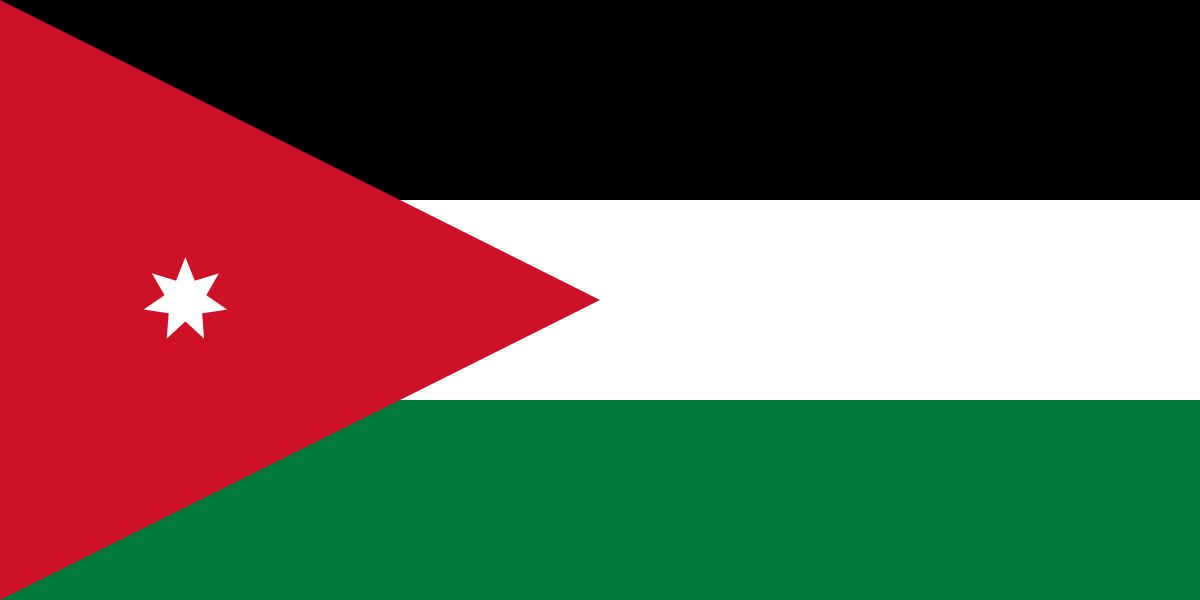
Jordan is a mostly desert kingdom in the Levant. It was created as the Emirate of Transjordan under British mandate and became fully independent in 1946. The Hashemite family, descendants of the Prophet Muhammad, still rules.
Country · Philippines
Philippines
1946–
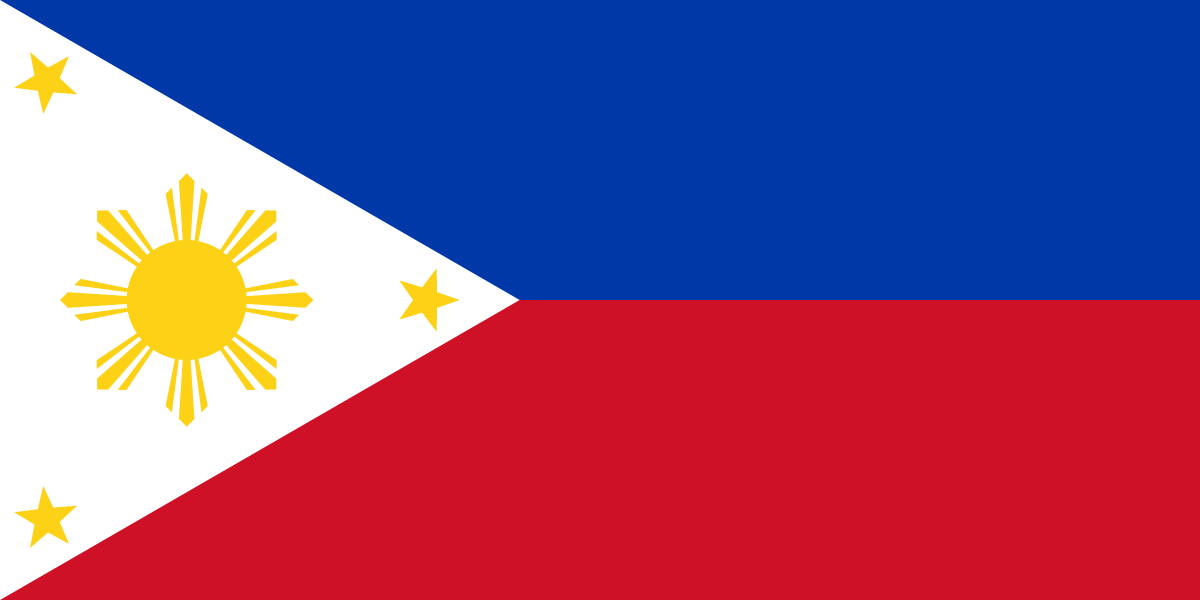
The Philippines is an archipelago of more than seven thousand islands in Southeast Asia. Spain ruled it for three centuries, then the United States for half a century. It became fully independent in 1946 and is a presidential republic.
Country · Syria
Syria
1946–
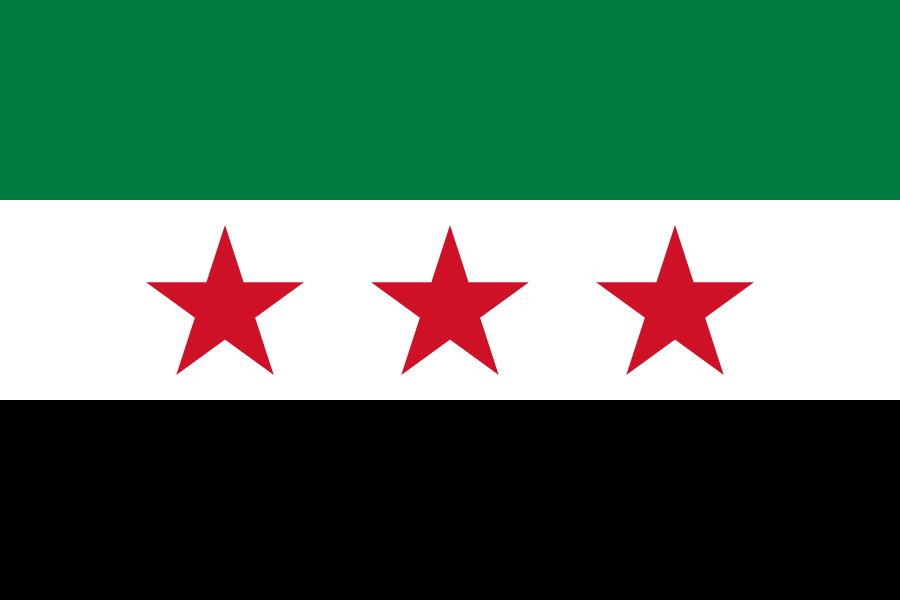
Syria is a Levantine country, home to Damascus, one of the oldest cities on earth. It became independent from France in 1946. Since 2011 it has suffered one of the century's worst civil wars under the Assad family's rule.
Country · India
India
1947–
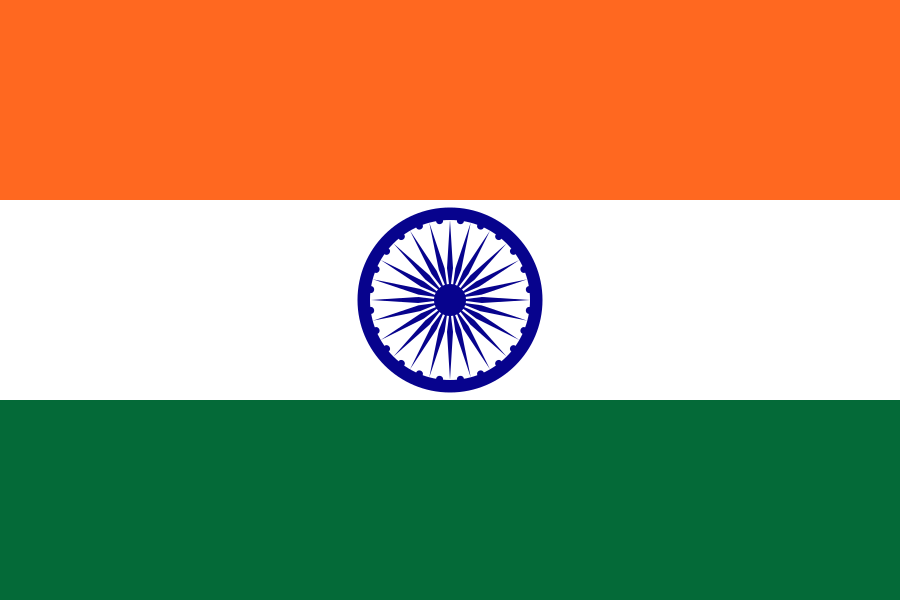
India is the world's largest democracy and its most populous country. It won independence from Britain in 1947 after a long nationalist struggle. It is a federal parliamentary republic of more than a billion people.
Country · New Zealand
New Zealand
1947–
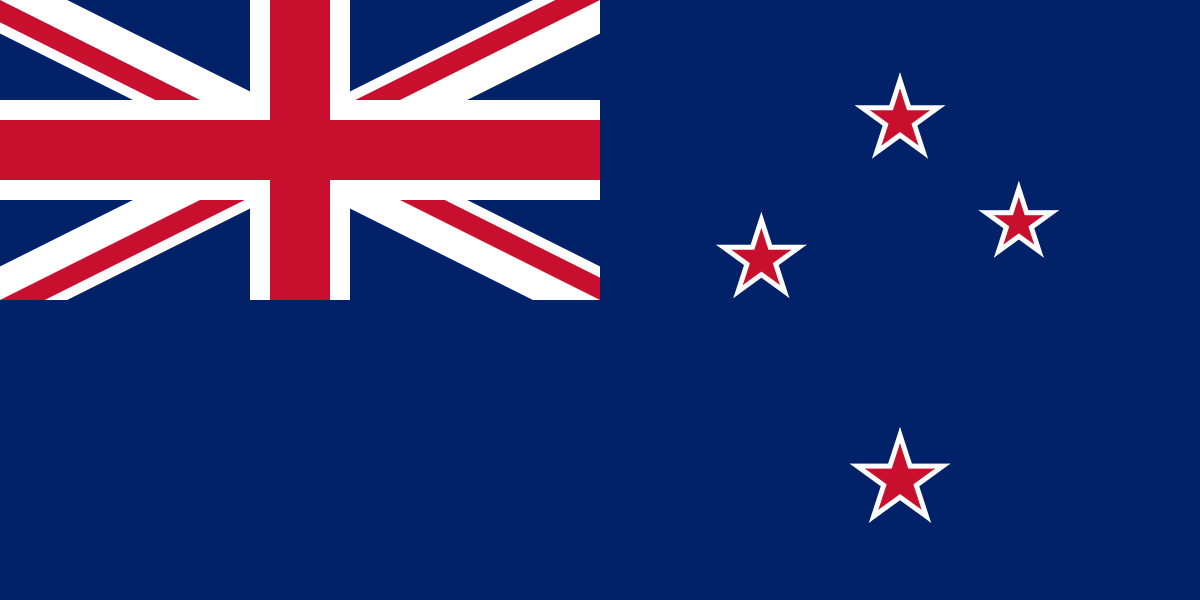
New Zealand is an island country in the southwestern Pacific. The Treaty of Waitangi in 1840 brought British rule; full independence came in 1947. It is a parliamentary constitutional monarchy.
Country · Pakistan
Pakistan
1947–
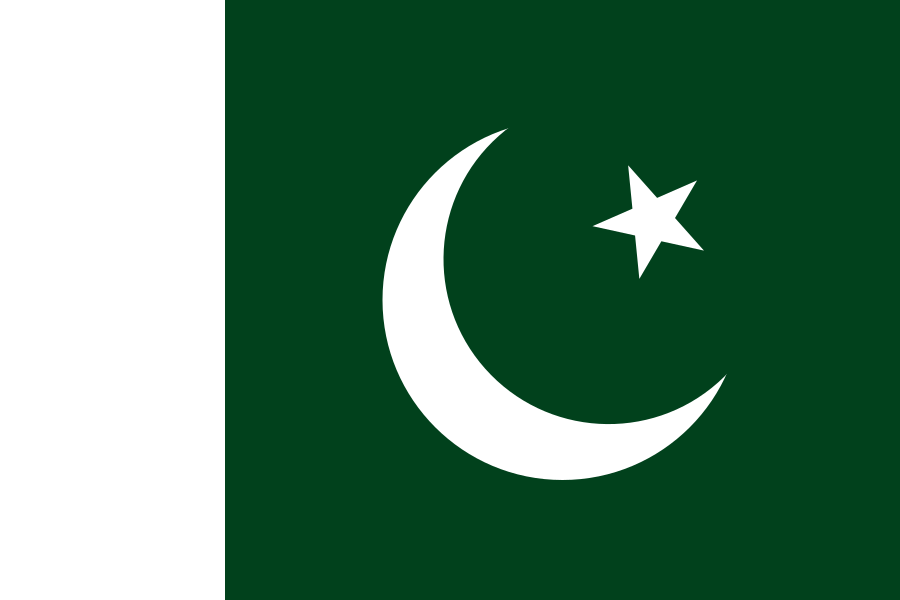
Pakistan is a South Asian country created in 1947 as a homeland for the Muslims of British India. Partition from India cost about a million lives. It is a federal parliamentary republic with a powerful military and nuclear weapons.
Country · Faroe Islands
Faroe Islands
1948–
The Faroe Islands are a self governing territory within the Kingdom of Denmark in the North Atlantic. Norse settlers colonized the islands about 850, and they passed to Denmark with Norway. British forces occupied them during the Second World War. A Home Rule Act in 1948 gave the Faroes control of most internal affairs, and fishing dominates the economy.
Country · Israel
Israel
1948–
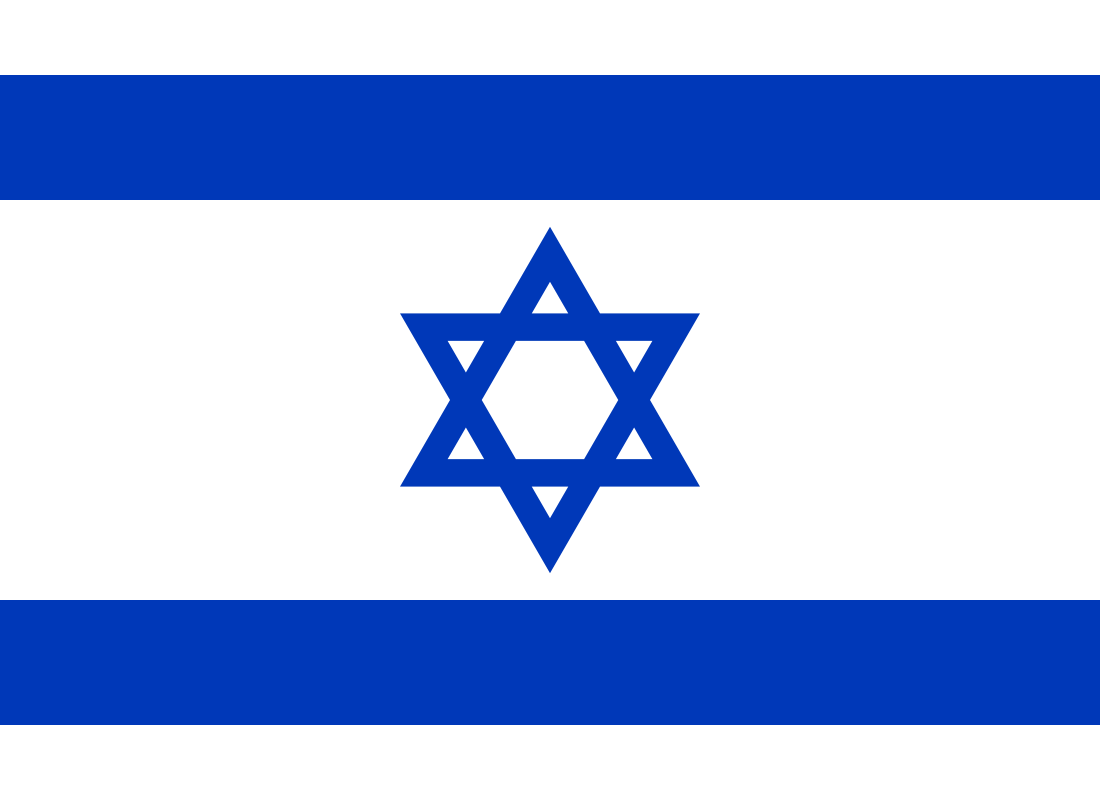
Israel is a country in the Levant, founded in 1948 as a Jewish state. Its creation followed the Holocaust and a United Nations partition plan. It is a parliamentary republic; its conflict with the Palestinians remains unresolved.
Country · Myanmar
Myanmar
1948–
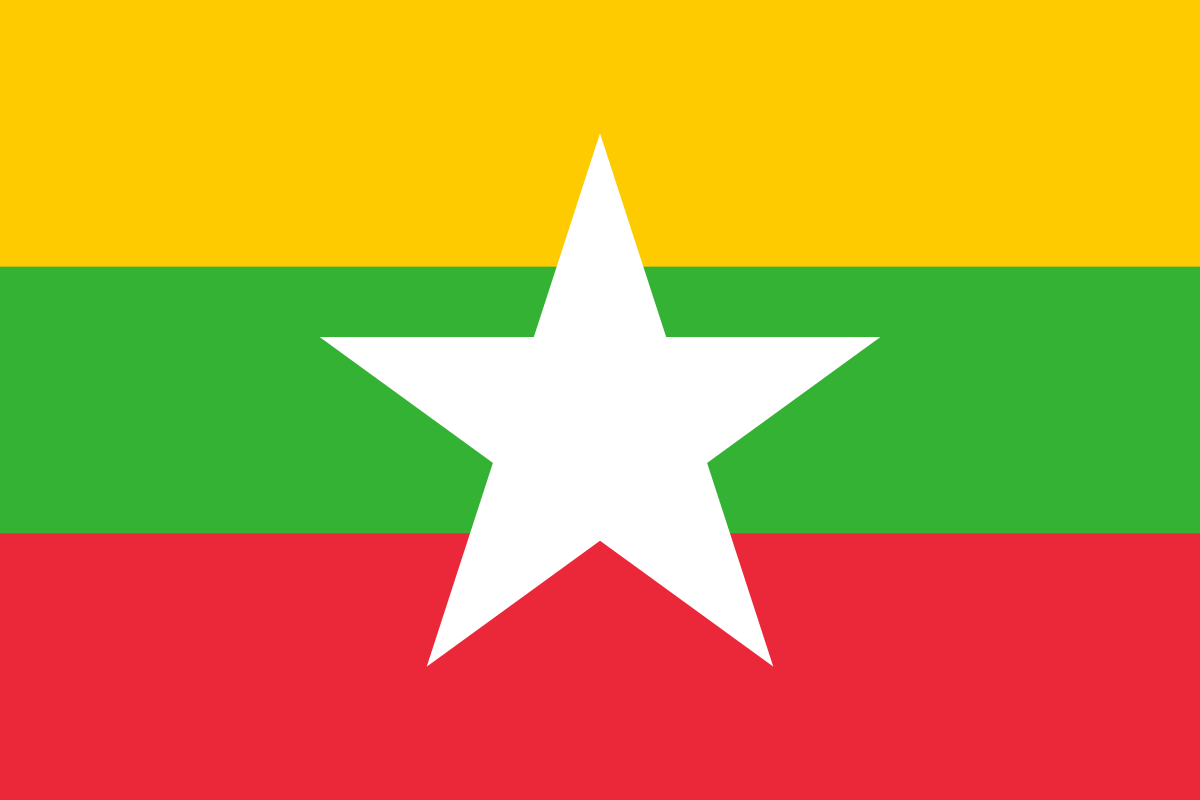
Myanmar, also called Burma, is a Southeast Asian country between India and Thailand. It won independence from Britain in 1948. The military has ruled for most of the time since 1962, seizing power again in 2021.
Country · North Korea
North Korea
1948–
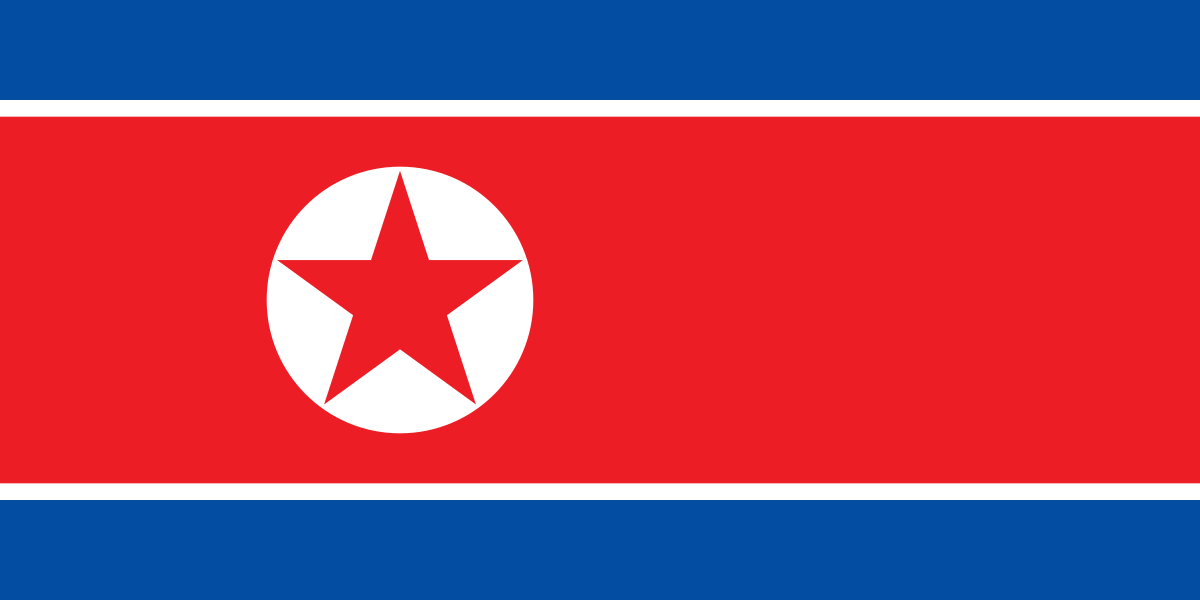
North Korea occupies the northern half of the Korean Peninsula. It was founded in 1948 as a communist state under Kim Il Sung. His family has ruled ever since in one of the most closed and repressive states on earth.
Country · South Korea
South Korea
1948–
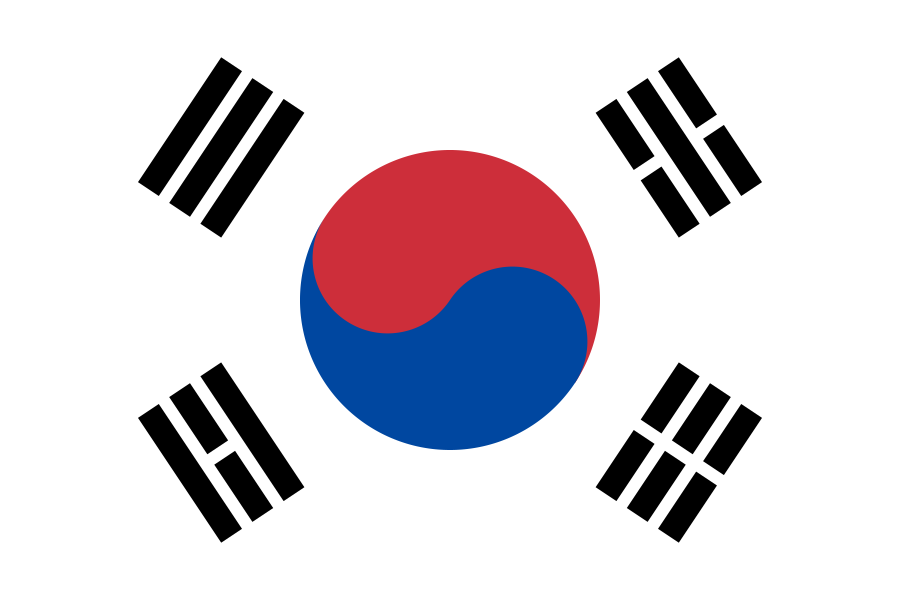
South Korea occupies the southern half of the Korean Peninsula. It was founded in 1948 as the Republic of Korea. From the ruins of war it grew into a wealthy democracy and a technological power.
Country · Sri Lanka
Sri Lanka
1948–
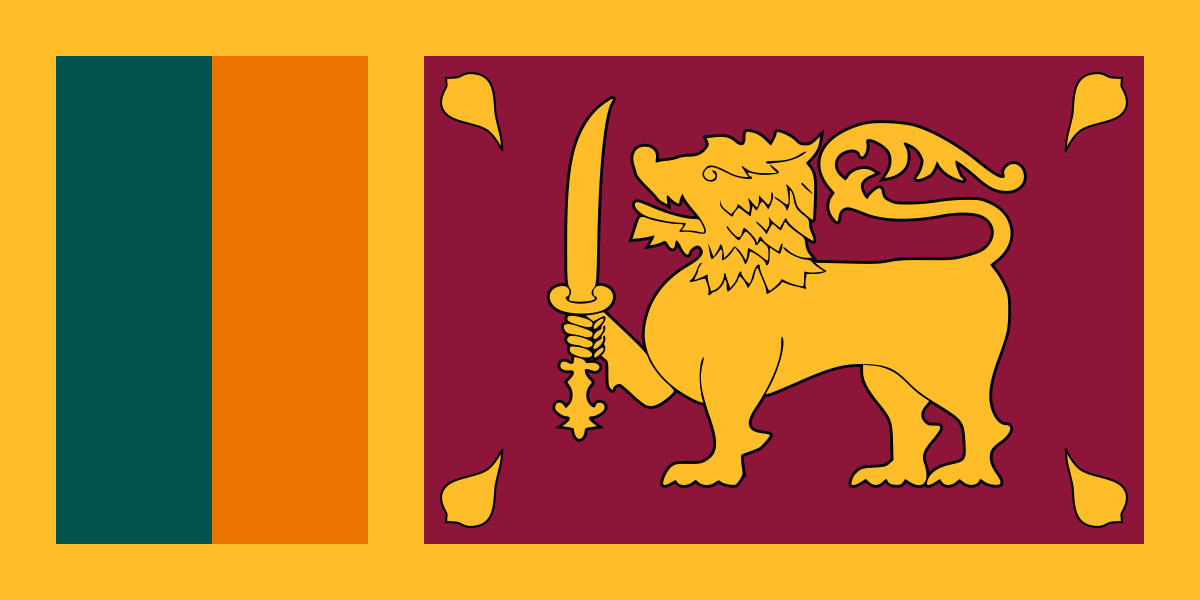
Sri Lanka is an island country off the southern tip of India. Its Buddhist civilization is more than two thousand years old. It won independence from Britain in 1948 and endured a brutal civil war from 1983 to 2009.
Country · Bhutan
Bhutan
1949–
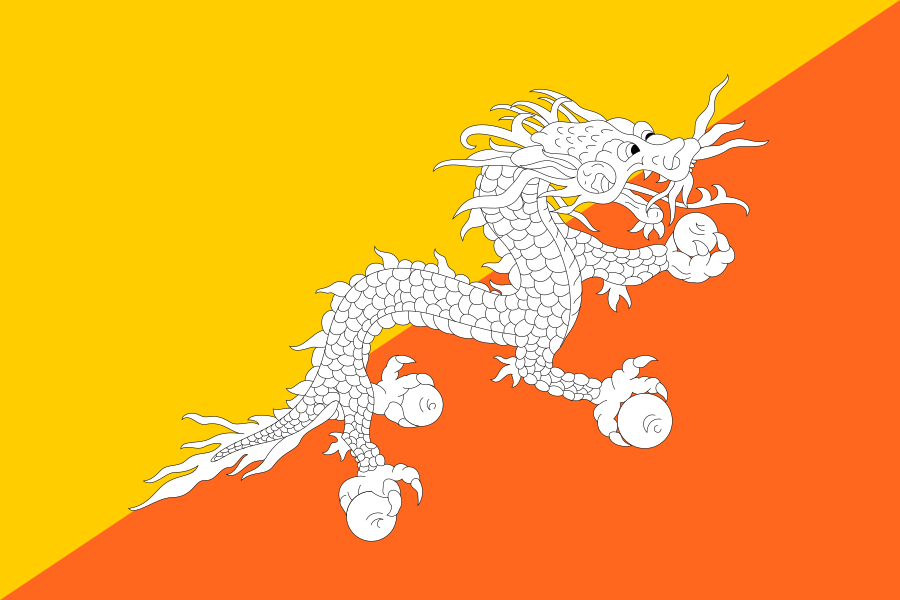
Bhutan is a small Himalayan kingdom between India and China. It was unified by the Shabdrung in the seventeenth century and kept its independence while its neighbors fell to empires. It is a constitutional monarchy famous for measuring Gross National Happiness.
Country · China
China
1949–
China is the second most populous country on earth, after India, and one of the oldest continuous civilizations. The People's Republic of China was proclaimed in 1949 after the communists won the civil war. It is ruled by the Chinese Communist Party as a single party state.
Country · Taiwan
Taiwan
1949–
Taiwan is an island off the coast of China, governed by the Republic of China. The Nationalist government retreated there in 1949 after losing the civil war. Its political status is disputed; Beijing claims it as a province.
Country · Guam
Guam
1950–
Guam is an organized, unincorporated territory of the United States in the western Pacific. The Chamorro people settled it thousands of years ago, and Spain ruled it for more than three centuries. The United States took Guam in 1898, lost it to Japan in 1941, and retook it in 1944. Its people are American citizens under the Organic Act of 1950.
Country · Libya
Libya
1951–
Libya is a vast, mostly desert country in North Africa. It became independent in 1951 under King Idris. Muammar Gaddafi ruled from 1969 until his overthrow in 2011, and the country has been divided by civil war since.
Country · Cambodia
Cambodia
1953–
Cambodia is a Southeast Asian country, heir to the great Khmer Empire that built Angkor Wat. It won independence from France in 1953. The Khmer Rouge genocide of the 1970s killed about two million people; the country is now a constitutional monarchy.
Country · Egypt
Egypt
1953–
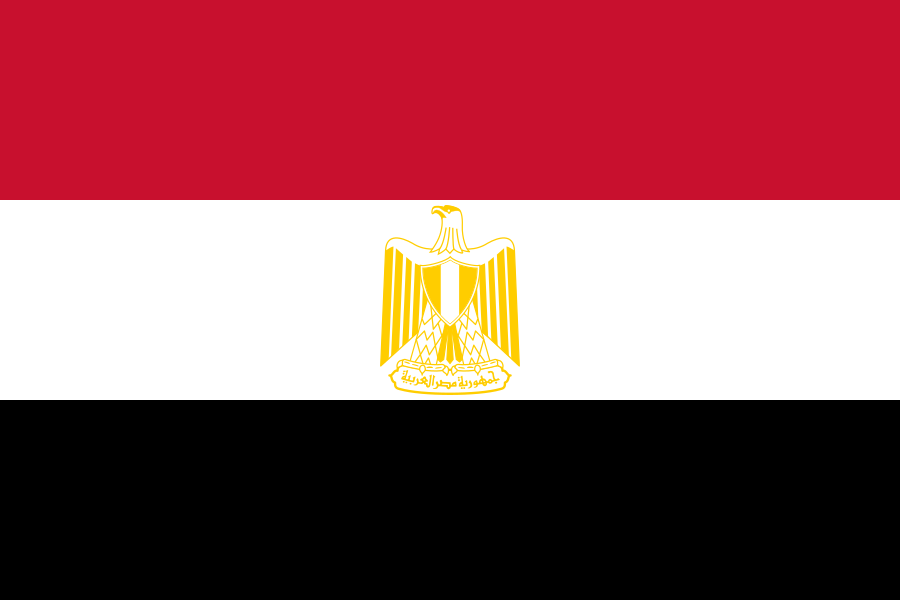
Egypt is a North African country centered on the Nile, home to one of the oldest civilizations on earth. The modern republic was proclaimed in 1953 after the overthrow of the monarchy. It is a semi presidential republic and the largest Arab country.
Country · Laos
Laos
1953–
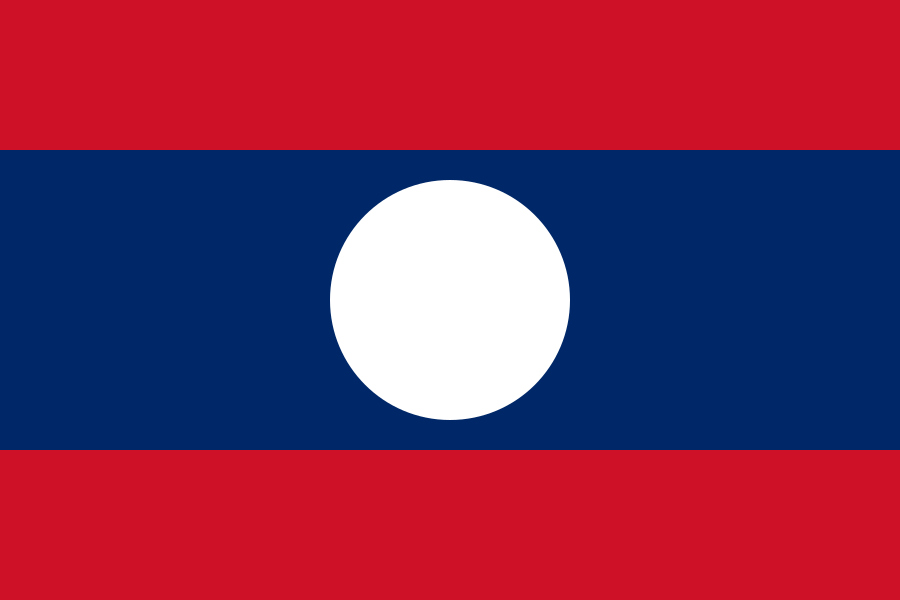
Laos is a landlocked country in Southeast Asia, the most heavily bombed country in history per person. It won independence from France in 1953. Communists took power in 1975 and still rule as a single party state.
Country · Morocco
Morocco
1956–
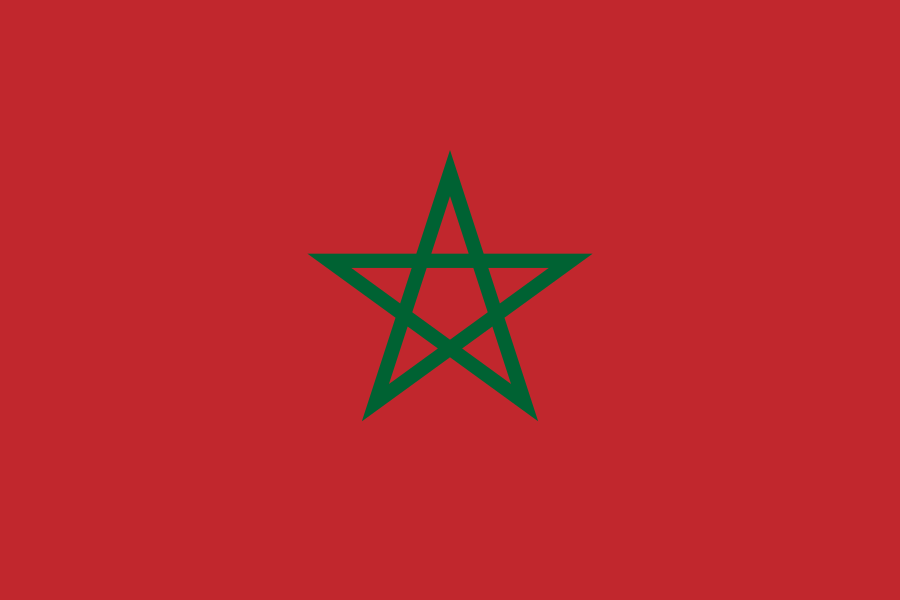
Morocco is a North African kingdom on the Atlantic and the Mediterranean. Its dynasties ruled for a thousand years before French and Spanish protectorates. It regained independence in 1956 and is a parliamentary constitutional monarchy.
Country · Sudan
Sudan
1956–
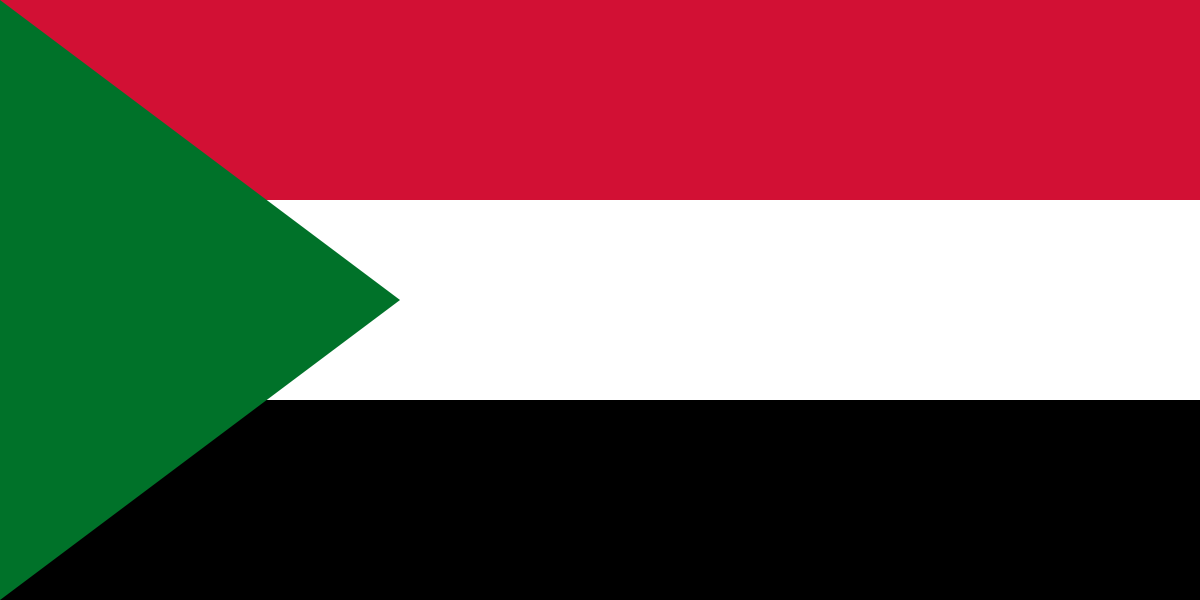
Sudan is a large country in northeastern Africa on the Nile. It became independent from Britain and Egypt in 1956. Coups, civil wars, and the Darfur crisis have marked it; war broke out again in 2023.
Country · Tunisia
Tunisia
1956–
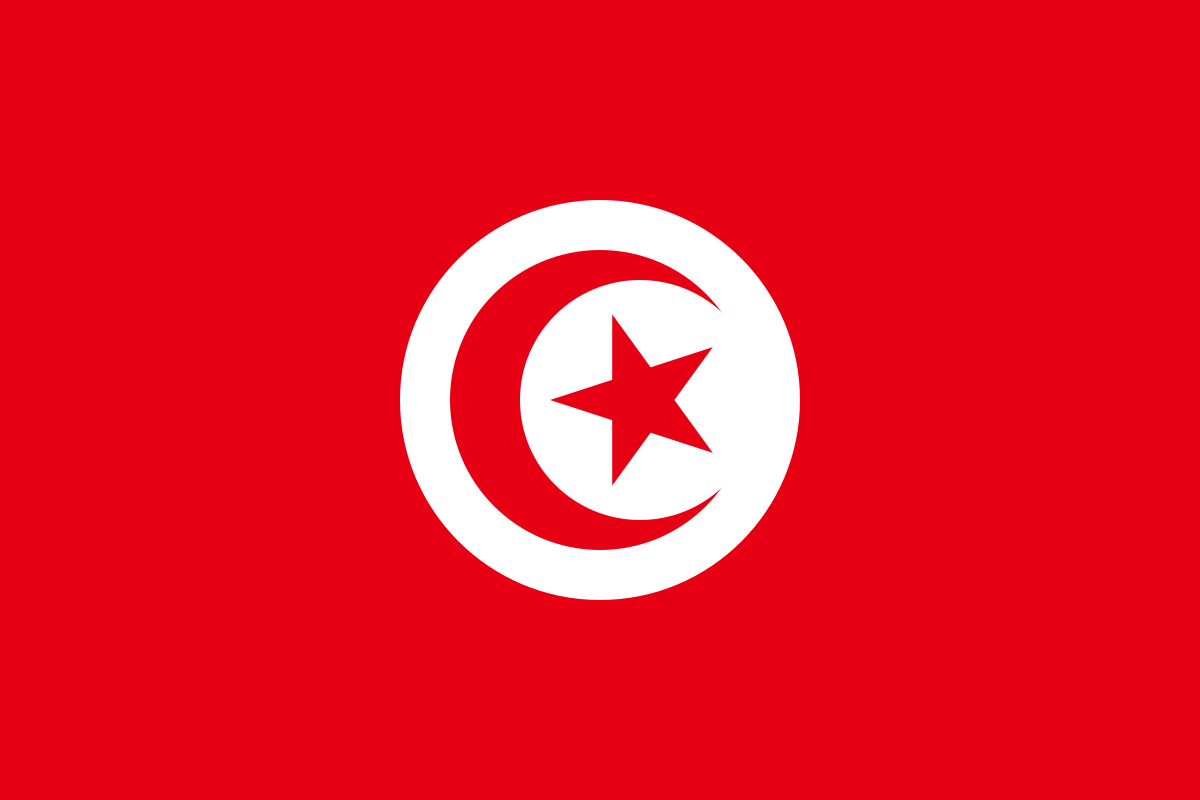
Tunisia is a North African country on the Mediterranean, home of ancient Carthage. It became independent from France in 1956. The 2011 revolution that toppled its dictator started the Arab Spring.
Country · Ghana
Ghana
1957–
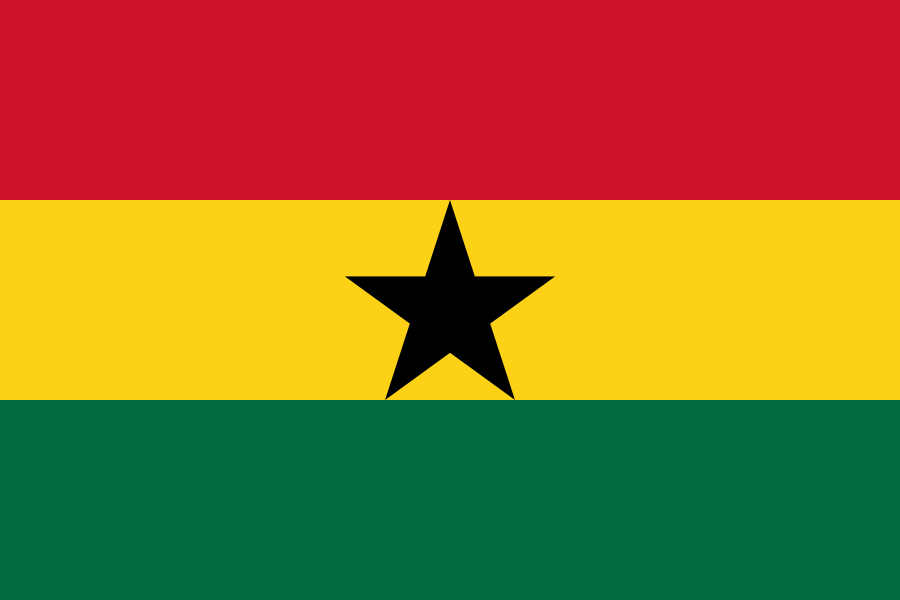
Ghana is a West African country on the Gulf of Guinea. It was the first Black African colony to win independence, in 1957, under Kwame Nkrumah. It is now a stable presidential republic.
Country · Guinea
Guinea
1958–
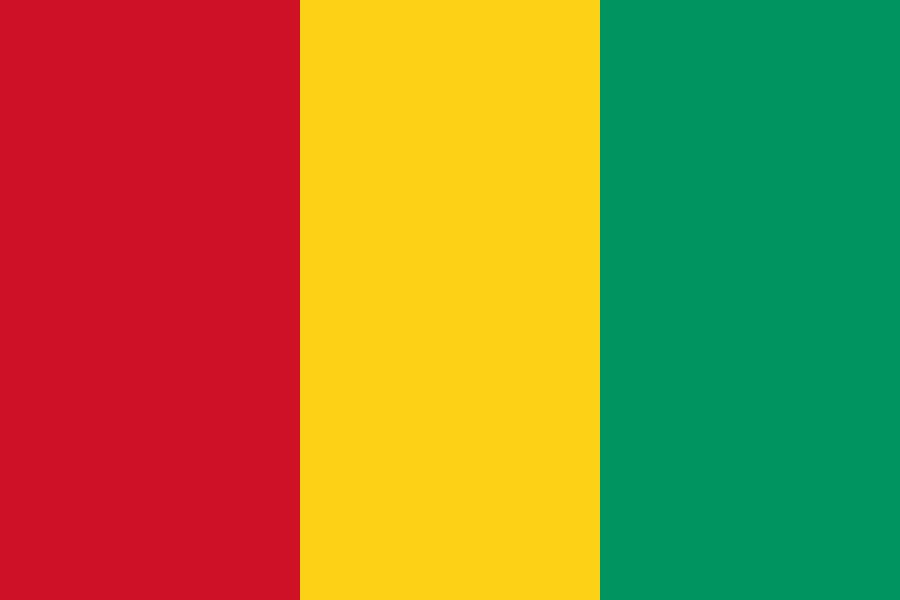
Guinea is a West African country, the only French colony to vote no to de Gaulle's community in 1958. It became independent at once. It is a military led state after the 2021 coup.
Country · Benin
Benin
1960–
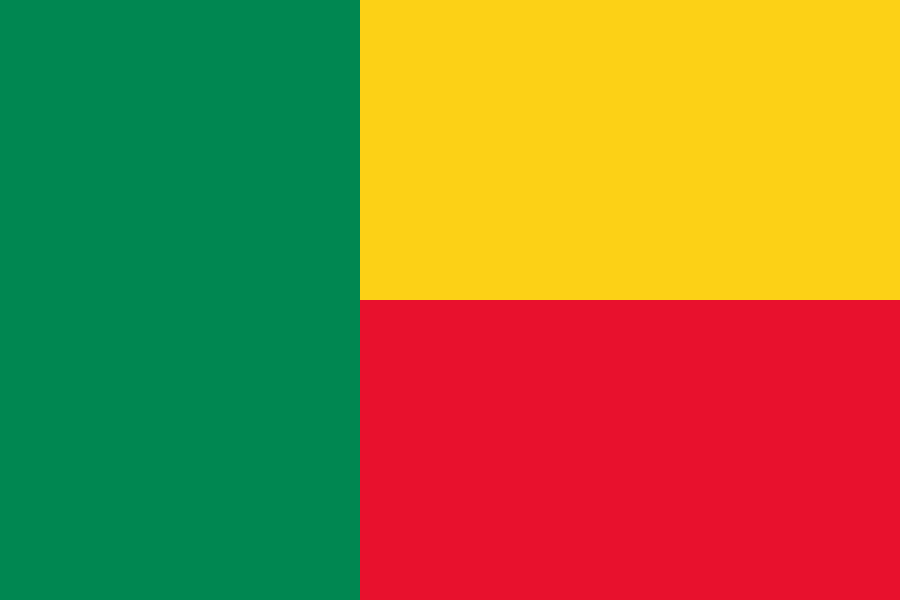
Benin is a West African country on the Gulf of Guinea. Its coast was once called the Slave Coast. It became independent from France in 1960 and is now a presidential republic.
Country · Burkina Faso
Burkina Faso
1960–
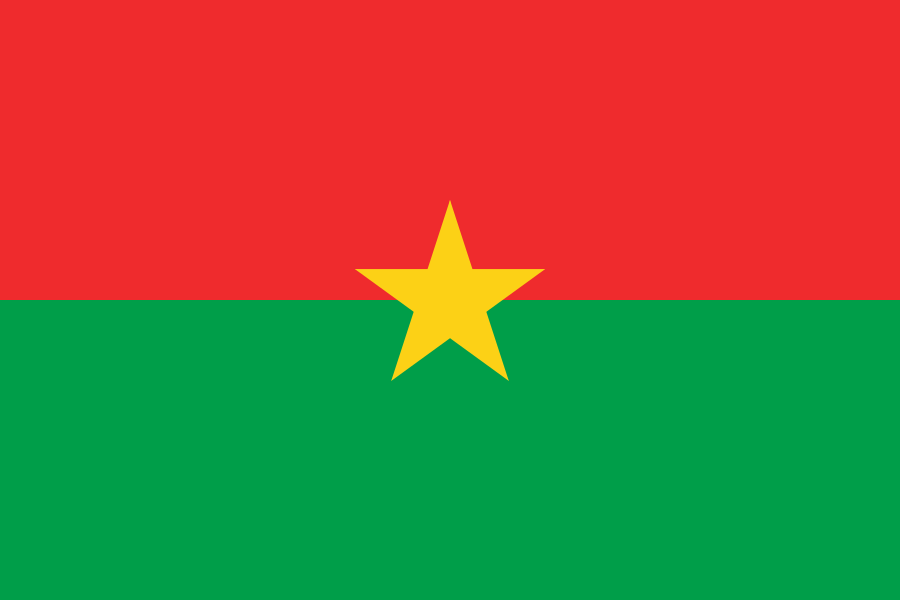
Burkina Faso is a landlocked country in West Africa. It became independent from France in 1960 as Upper Volta and took its current name in 1984. It is a military led state after coups in 2022.
Country · Cameroon
Cameroon
1960–
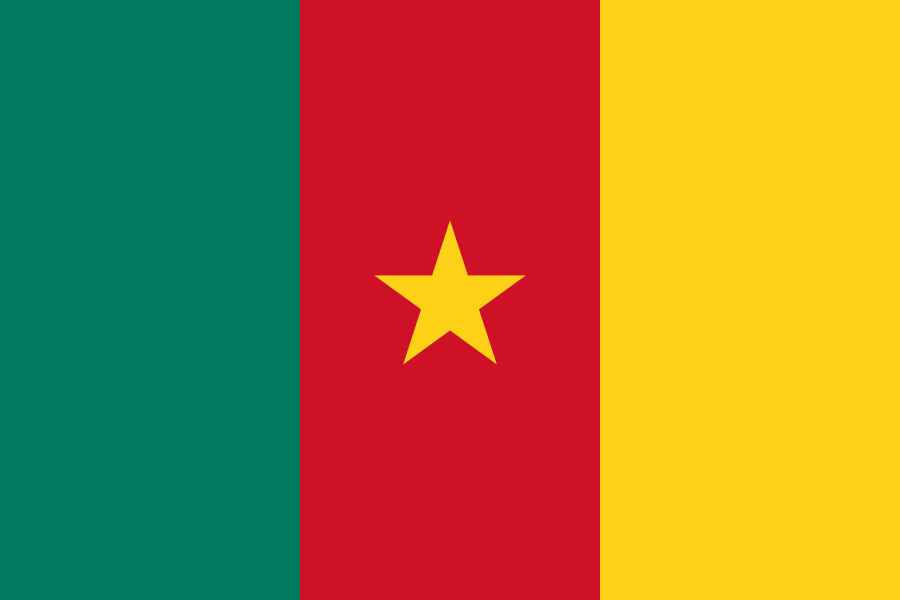
Cameroon is a Central African country on the Gulf of Guinea, often called Africa in miniature for its diversity. France and Britain divided it after the First World War; the French part became independent in 1960. It is a presidential republic.
Country · Central African Republic
Central African Republic
1960–
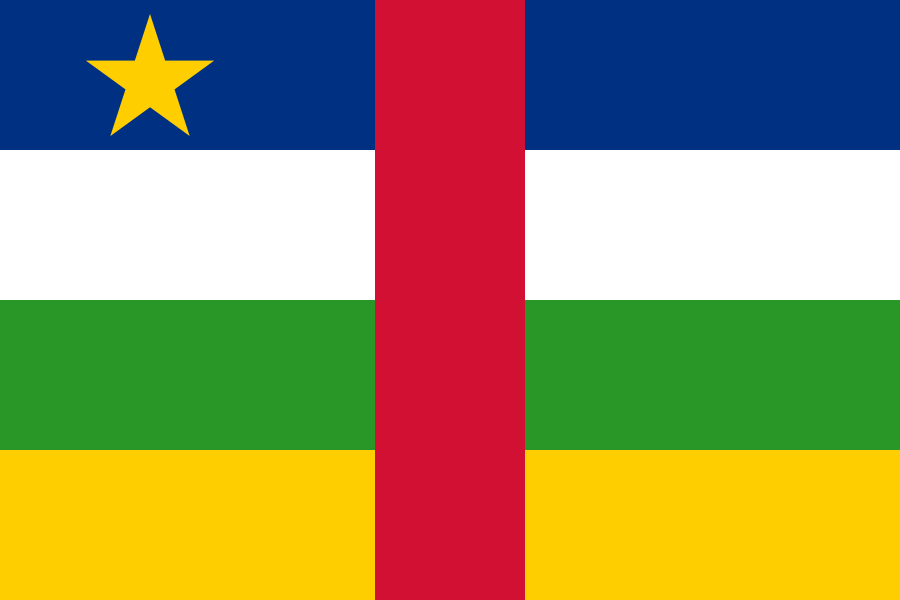
The Central African Republic is a landlocked country in the heart of Africa. It became independent from France in 1960. It is one of the poorest countries in the world and has suffered repeated coups and civil wars.
Country · Chad
Chad
1960–
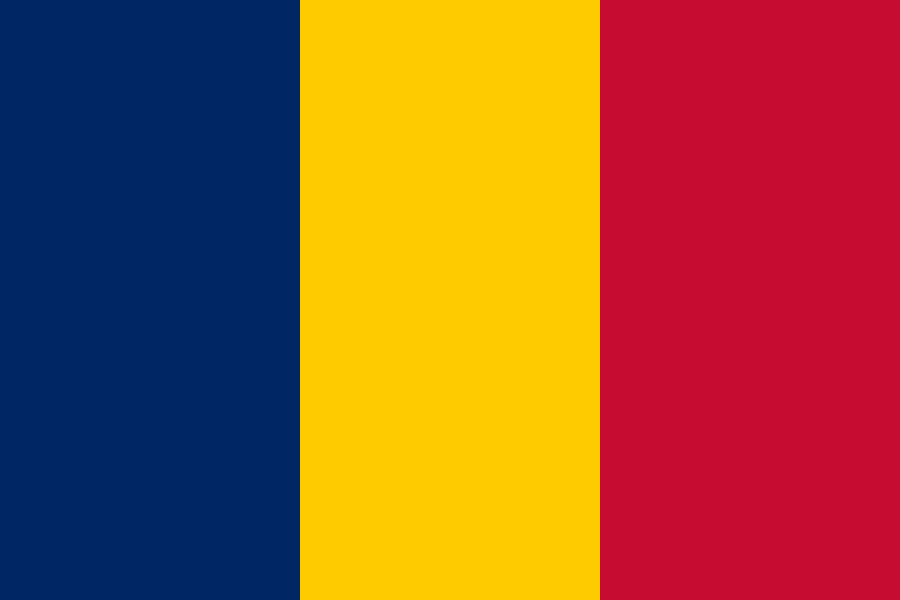
Chad is a large, landlocked country in north central Africa, named for Lake Chad. It became independent from France in 1960. It is a military led state after the death of President Déby in 2021.
Country · Côte d'Ivoire
Côte d'Ivoire
1960–
Côte d'Ivoire, the Ivory Coast, is a West African country on the Gulf of Guinea. It became independent from France in 1960. It is the world's largest cocoa producer and a presidential republic.
Country · Cyprus
Cyprus
1960–
Cyprus is an island country in the eastern Mediterranean. It became independent from Britain in 1960. Since 1974 the island has been divided between the Republic of Cyprus in the south and a Turkish Cypriot administration in the north.
Country · Democratic Republic of the Congo
Democratic Republic of the Congo
1960–
The Democratic Republic of the Congo is the second largest country in Africa, immensely rich in minerals. Belgium ruled it brutally as a colony until independence in 1960. It is a semi presidential republic scarred by decades of war.
Country · Gabon
Gabon
1960–
Gabon is a forested country on the Atlantic coast of Central Africa, rich in oil. It became independent from France in 1960. The Bongo family ruled for more than five decades until a 2023 coup.
Country · Madagascar
Madagascar
1960–
Madagascar is the world's fourth largest island, off the southeast coast of Africa. Its people descend from Southeast Asian settlers. It became independent from France in 1960 and is a semi presidential republic.
Country · Mali
Mali
1960–
Mali is a large, landlocked country in West Africa, heir to the great medieval empires of Ghana, Mali, and Songhai. It became independent from France in 1960. It is under military rule after coups in 2020 and 2021.
Country · Mauritania
Mauritania
1960–
Mauritania is a vast, mostly desert country in northwest Africa. It became independent from France in 1960. It was the last country to abolish slavery, in 1981, and is an Islamic presidential republic.
Country · Niger
Niger
1960–
Niger is a vast, mostly desert country in West Africa, named for the Niger River. It became independent from France in 1960. It is under military rule after the 2023 coup.
Country · Nigeria
Nigeria
1960–
Nigeria is Africa's most populous country, with more than two hundred million people. It became independent from Britain in 1960. Oil wealth and a huge film industry, Nollywood, define it; it is a federal presidential republic.
Country · Republic of the Congo
Republic of the Congo
1960–
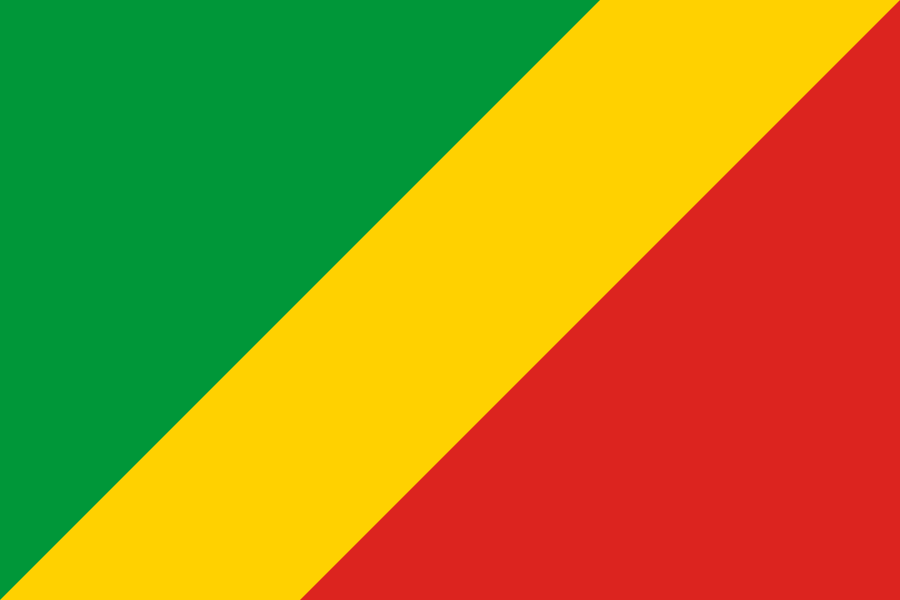
The Republic of the Congo, often called Congo Brazzaville, sits on the western bank of the Congo River. It became independent from France in 1960. It is a presidential republic dominated by Denis Sassou Nguesso.
Country · Senegal
Senegal
1960–
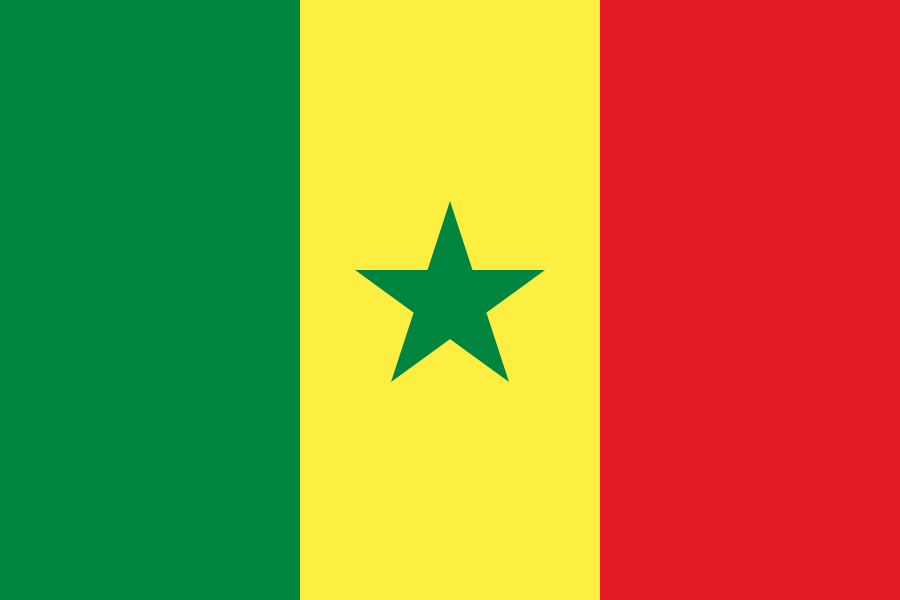
Senegal is a West African country on the Atlantic, surrounding the Gambia. It became independent from France in 1960. It is one of Africa's most stable democracies and a presidential republic.
Country · Somalia
Somalia
1960–
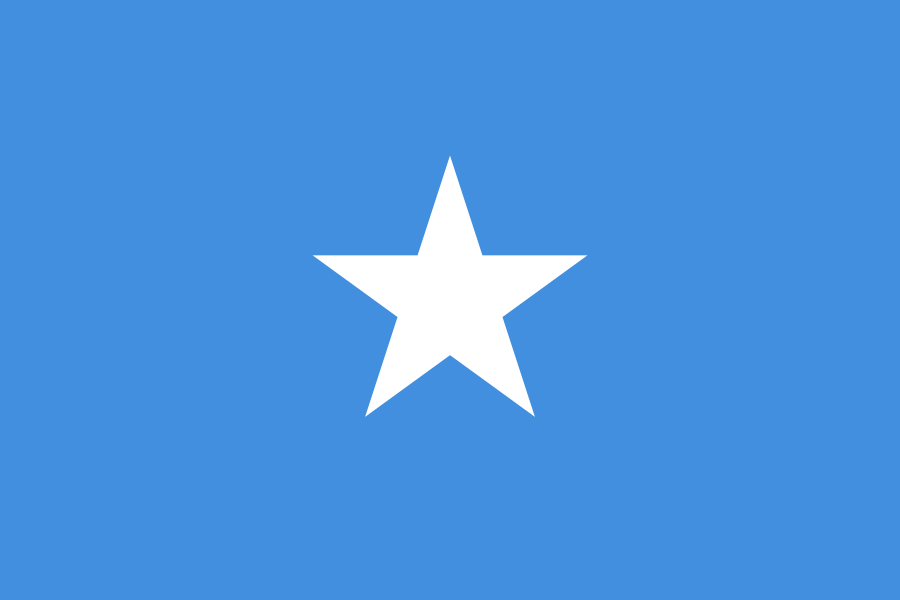
Somalia occupies the Horn of Africa. Britain and Italy divided it before independence in 1960. The state collapsed in 1991 into clan warfare; a fragile federal government now fights the jihadist group al Shabaab.
Country · Togo
Togo
1960–
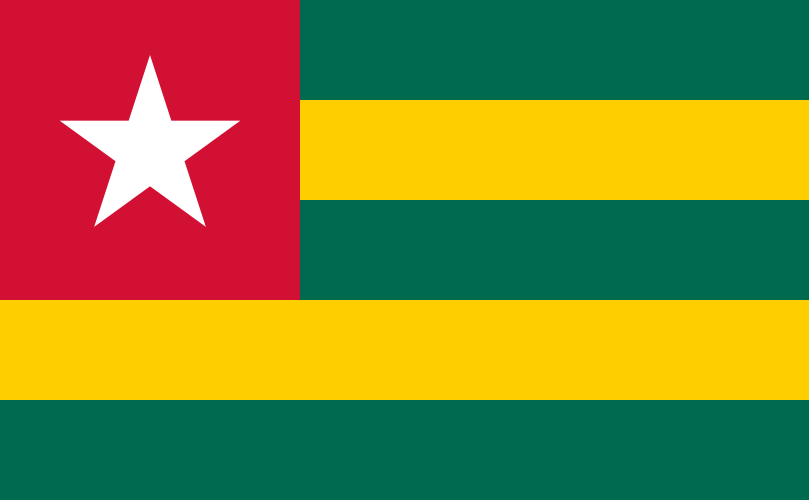
Togo is a narrow West African country on the Gulf of Guinea. Germany ruled it before France took it in the First World War. It became independent in 1960 and was ruled by the Eyadéma family for half a century.
Country · Kuwait
Kuwait
1961–
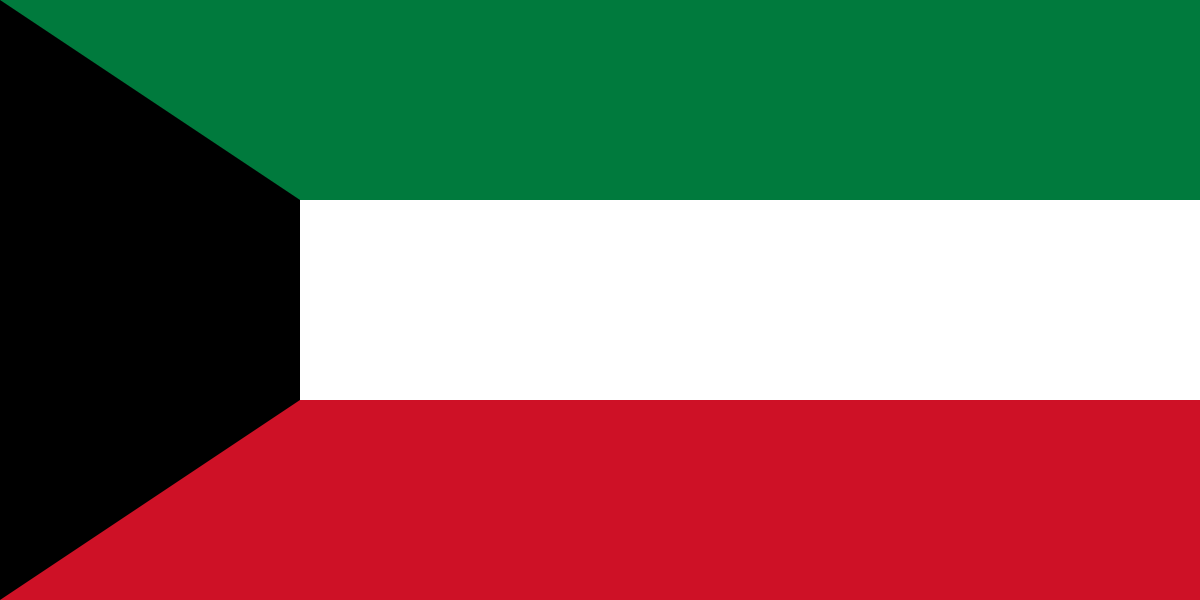
Kuwait is a small oil rich emirate at the head of the Persian Gulf. It became independent from Britain in 1961. Iraq invaded and occupied it in 1990 until a United States led coalition freed it in 1991.
Country · Sierra Leone
Sierra Leone
1961–
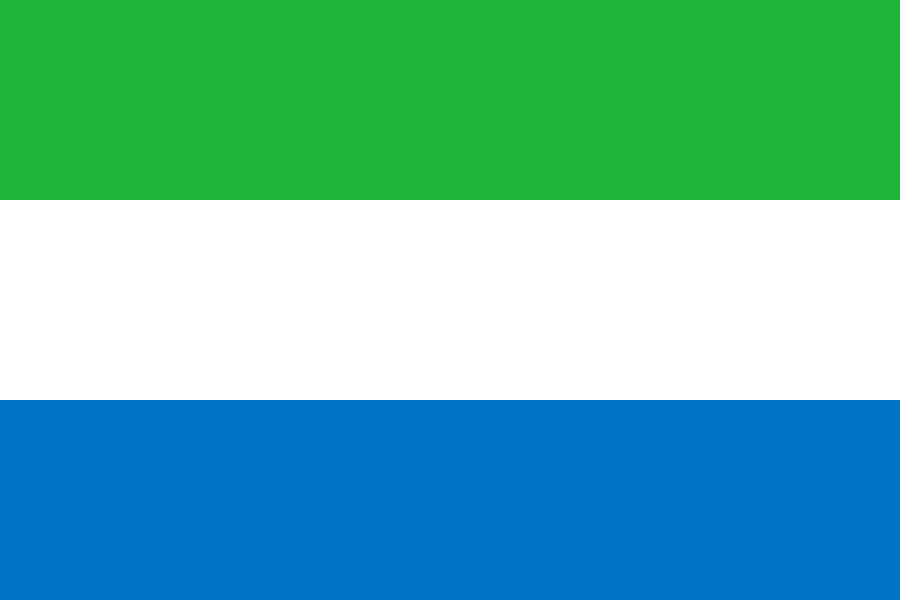
Sierra Leone is a West African country on the Atlantic. Britain founded Freetown for freed slaves, and the colony became independent in 1961. A brutal civil war over diamonds lasted from 1991 to 2002.
Country · Algeria
Algeria
1962–
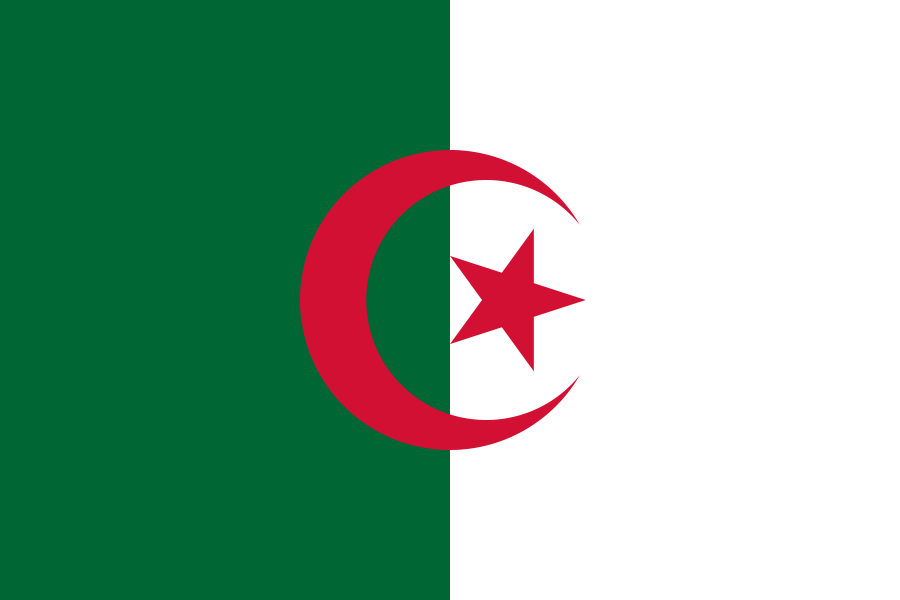
Algeria is the largest country in Africa, stretching from the Mediterranean deep into the Sahara. It won independence from France in 1962 after an eight year war. It is a semi presidential republic rich in oil and gas.
Country · Burundi
Burundi
1962–
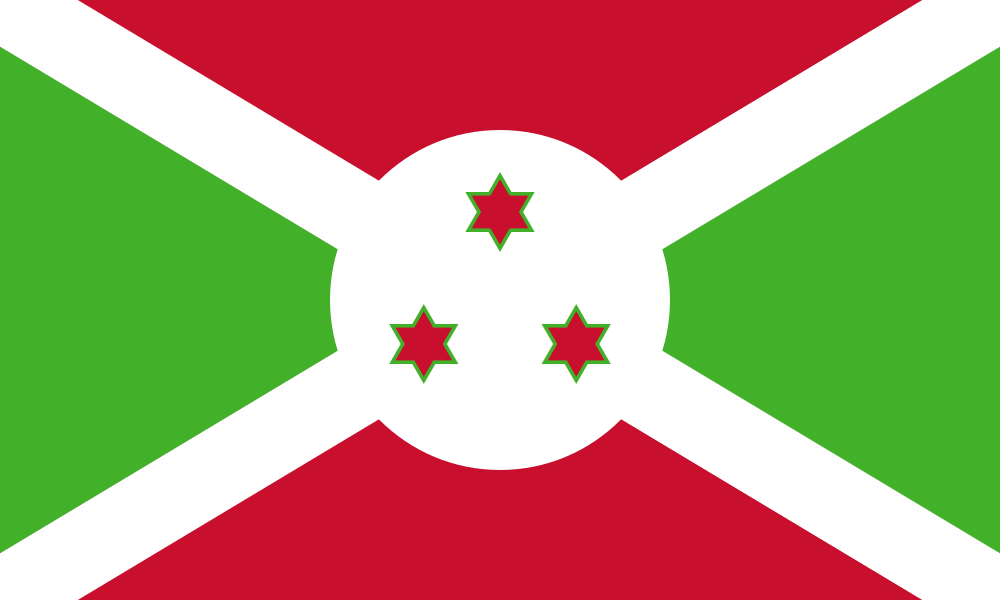
Burundi is a small, densely populated country in central Africa. It became independent from Belgium in 1962. Ethnic violence between Hutu and Tutsi has scarred its history, including a civil war from 1993 to 2005.
Country · Jamaica
Jamaica
1962–
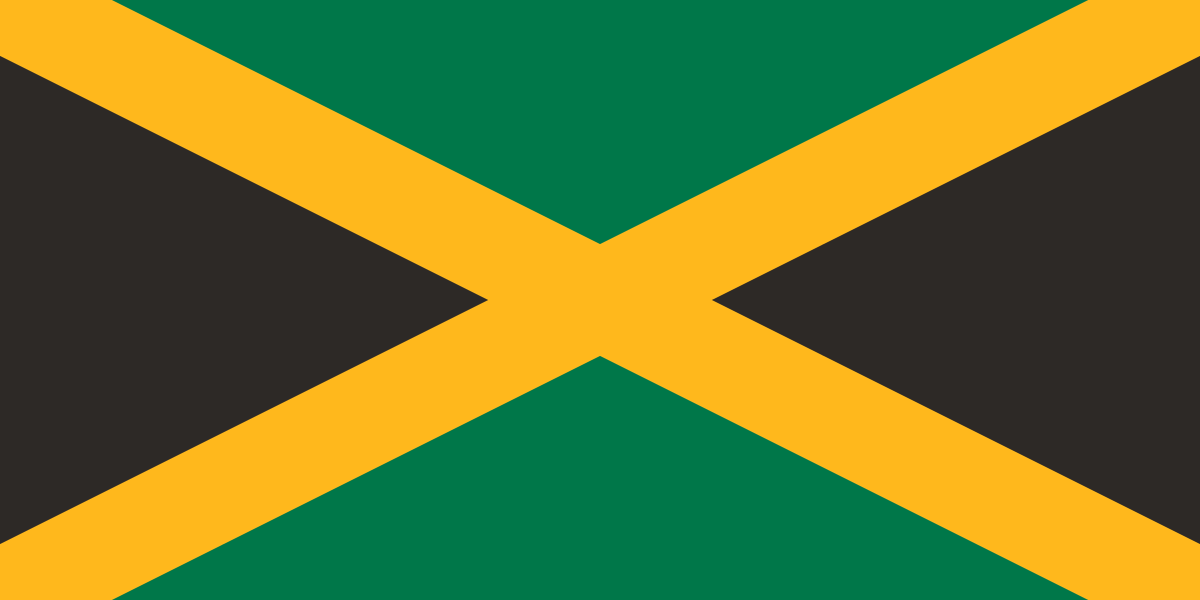
Jamaica is a Caribbean island country, the birthplace of reggae and the Rastafari movement. Britain ruled it for three centuries until independence in 1962. It is a parliamentary constitutional monarchy.
Country · Rwanda
Rwanda
1962–
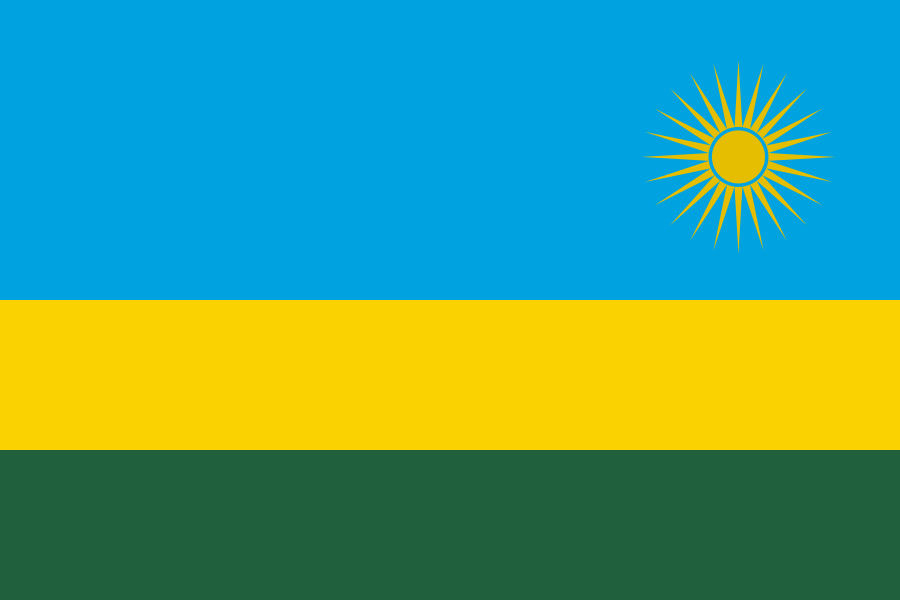
Rwanda is a small, densely populated country in central Africa. It became independent from Belgium in 1962. The 1994 genocide killed about 800,000 people; since then Paul Kagame has rebuilt it as a tightly controlled state.
Country · Samoa
Samoa
1962–
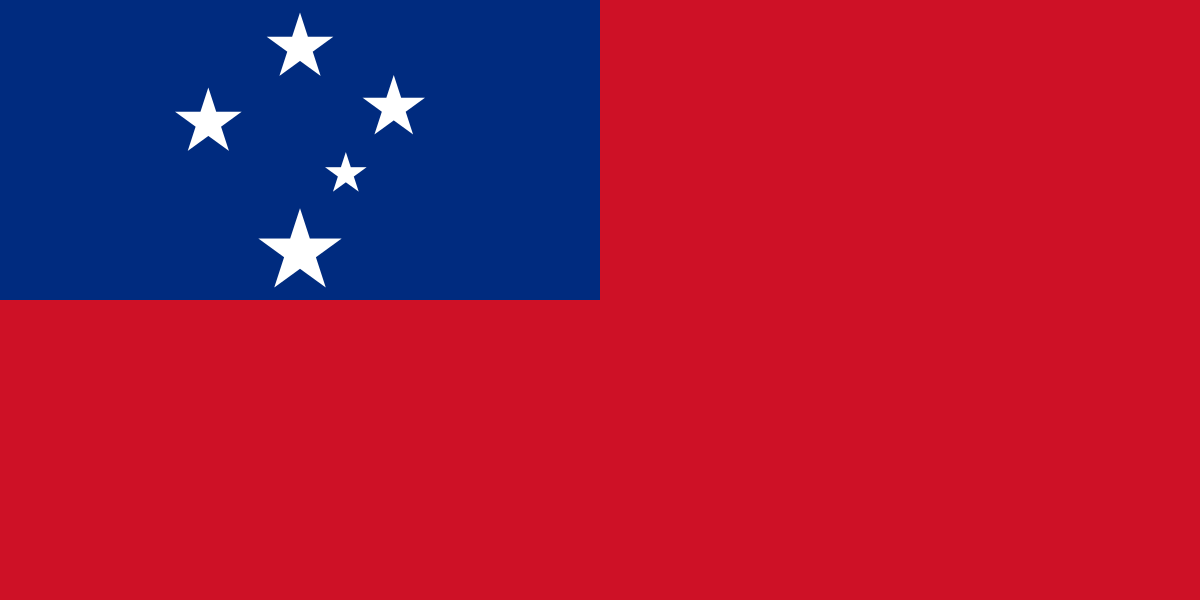
Samoa is a Polynesian country in the South Pacific. Germany and then New Zealand ruled it before independence in 1962, the first Pacific island state freed. It is a parliamentary republic.
Country · Trinidad and Tobago
Trinidad and Tobago
1962–
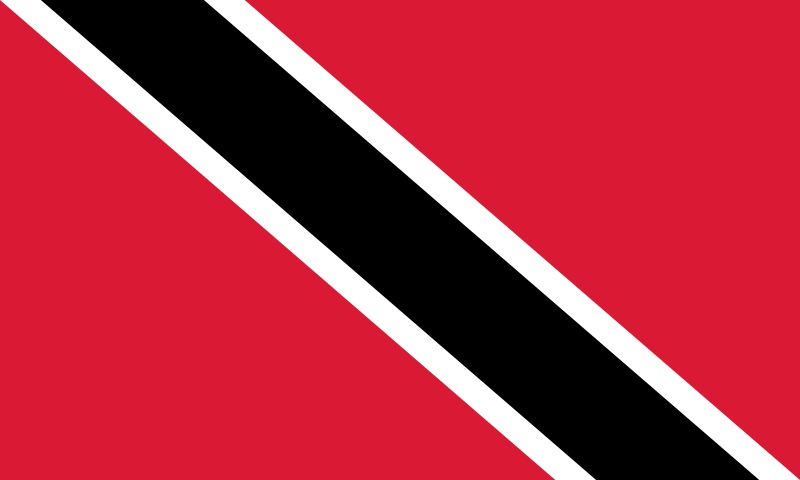
Trinidad and Tobago is a twin island country off Venezuela, birthplace of calypso and the steel drum. It became independent from Britain in 1962. It is a parliamentary republic rich in oil and gas.
Country · Uganda
Uganda
1962–
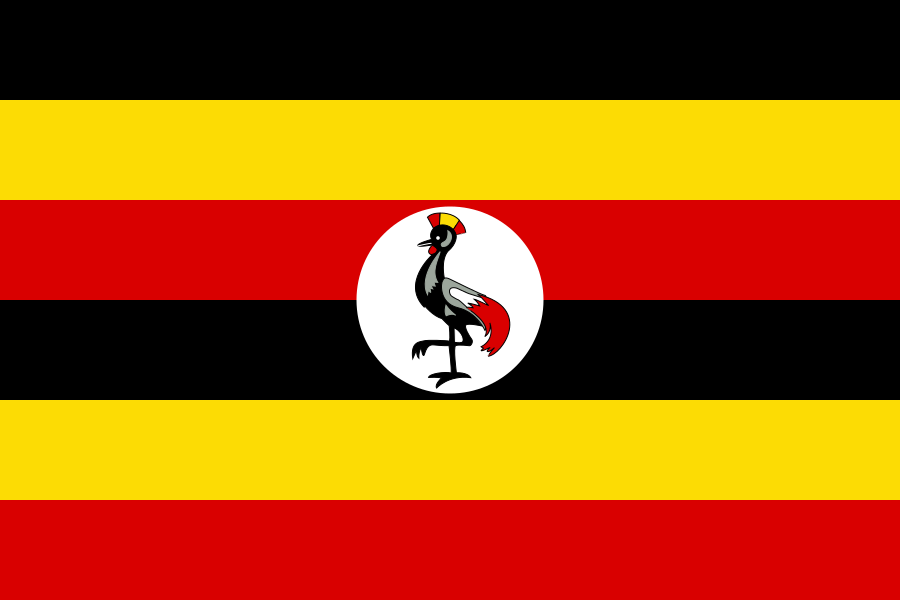
Uganda is a landlocked country in East Africa on Lake Victoria. It became independent from Britain in 1962. Idi Amin's terror in the 1970s killed hundreds of thousands; Yoweri Museveni has ruled since 1986.
Country · Kenya
Kenya
1963–
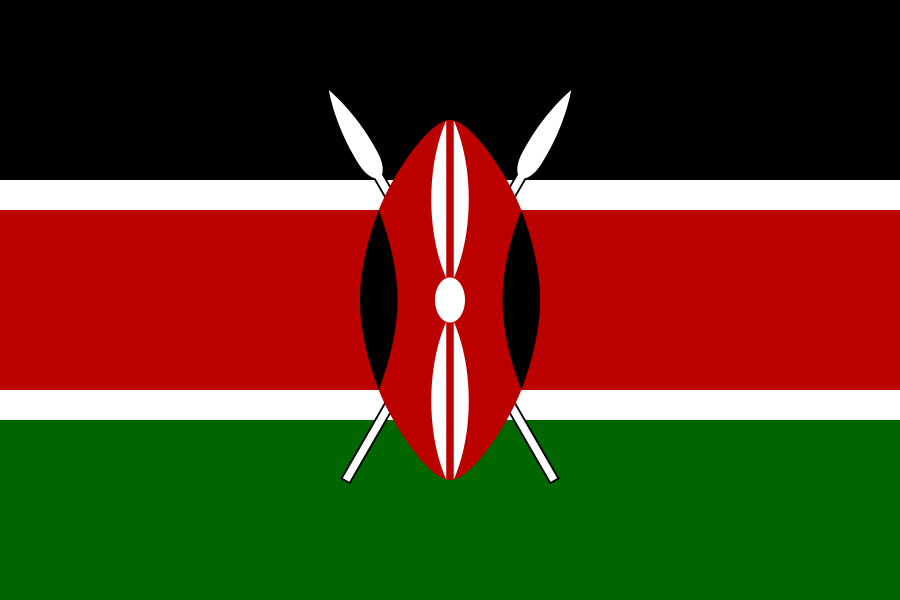
Kenya is an East African country on the Indian Ocean, famous for its wildlife and athletes. It became independent from Britain in 1963 after the Mau Mau uprising. It is a presidential republic.
Country · Malaysia
Malaysia
1963–
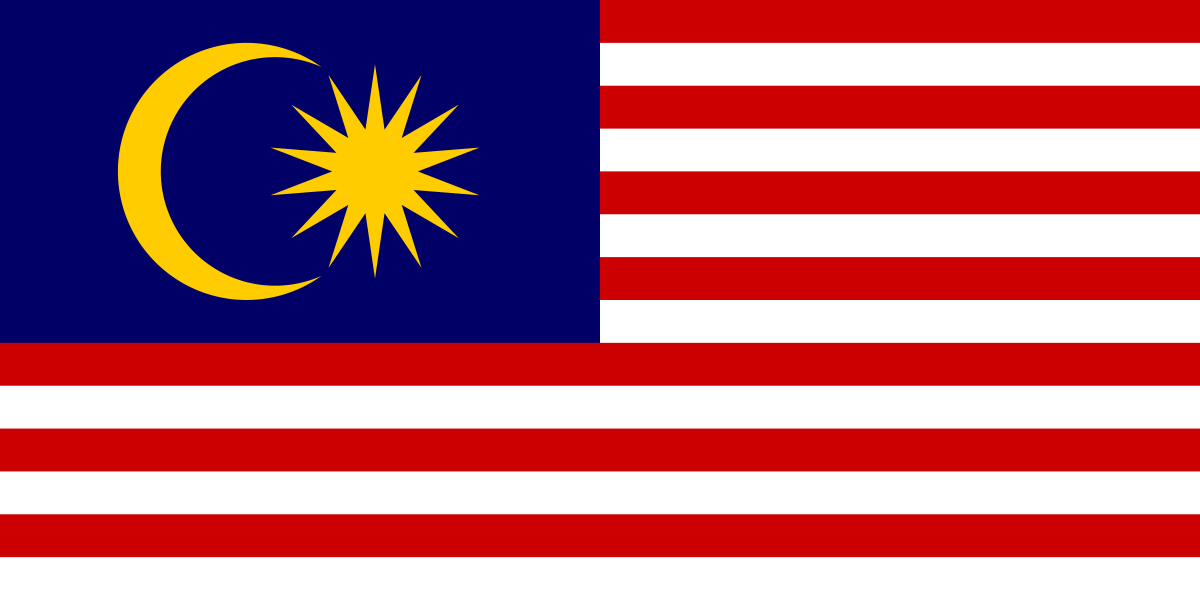
Malaysia is a Southeast Asian country split between the Malay Peninsula and Borneo. The Federation of Malaysia formed in 1963. It is a federal constitutional monarchy whose king is chosen by rotation among nine sultans.
Country · Malawi
Malawi
1964–
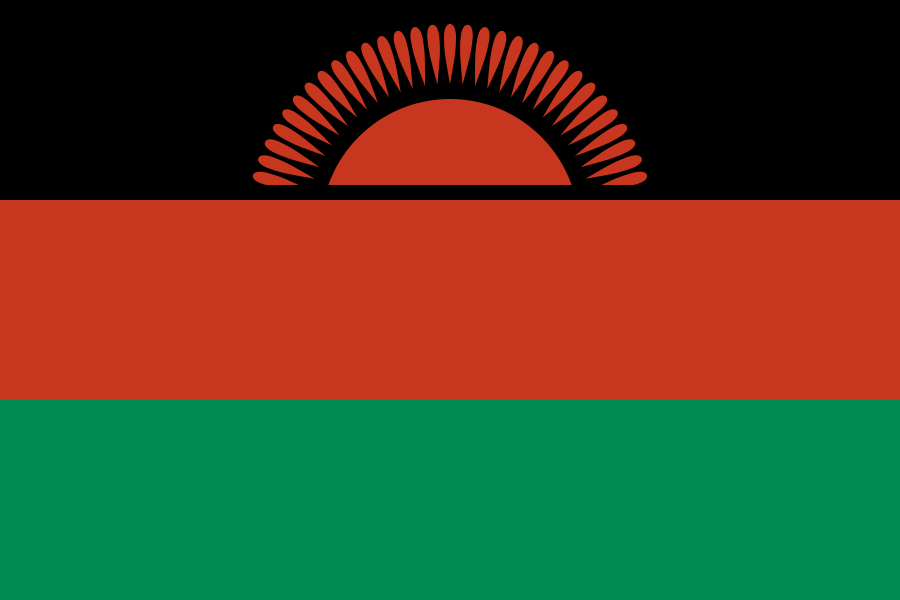
Malawi is a landlocked country in southeastern Africa, named for Lake Malawi. It became independent from Britain in 1964. Hastings Banda ruled as a dictator for three decades; it is now a presidential republic.
Country · Malta
Malta
1964–
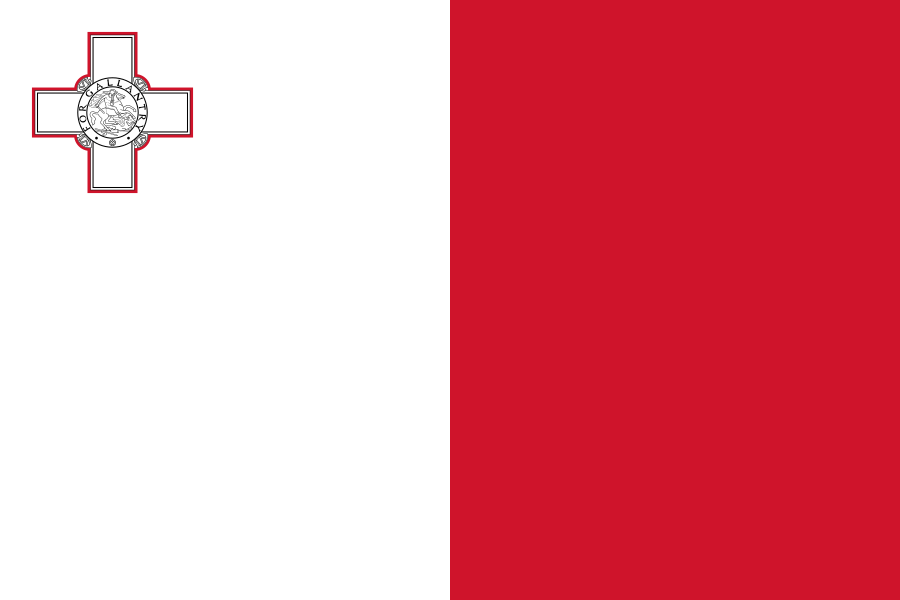
Malta is a small island country in the central Mediterranean. Its position made it one of the most fought over islands in history. It became independent from Britain in 1964 and a republic in 1974.
Country · Tanzania
Tanzania
1964–
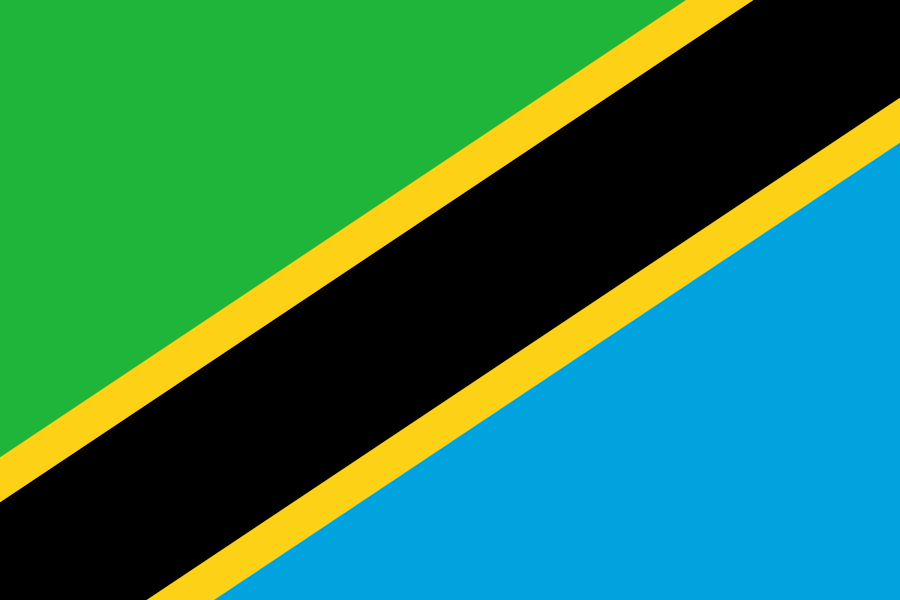
Tanzania is an East African country home to Mount Kilimanjaro and the Serengeti. Tanganyika and Zanzibar united in 1964. Julius Nyerere built a peaceful single party state; it is now a presidential republic.
Country · Zambia
Zambia
1964–
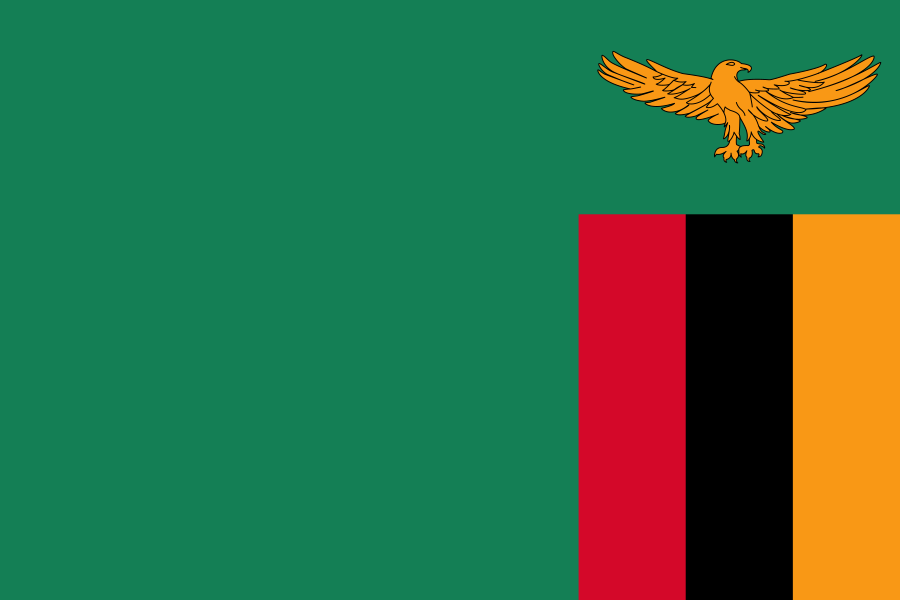
Zambia is a landlocked country in southern Africa, rich in copper. It became independent from Britain in 1964. Kenneth Kaunda ruled for twenty seven years; it is now a presidential republic.
Country · Cook Islands
Cook Islands
1965–
The Cook Islands are a self governing state in free association with New Zealand in the South Pacific. Britain made them a protectorate in 1888, and New Zealand annexed them in 1901. Voters chose self government in 1965. Cook Islanders hold New Zealand citizenship, and far more of them live in New Zealand than at home.
Country · Gambia
Gambia
1965–
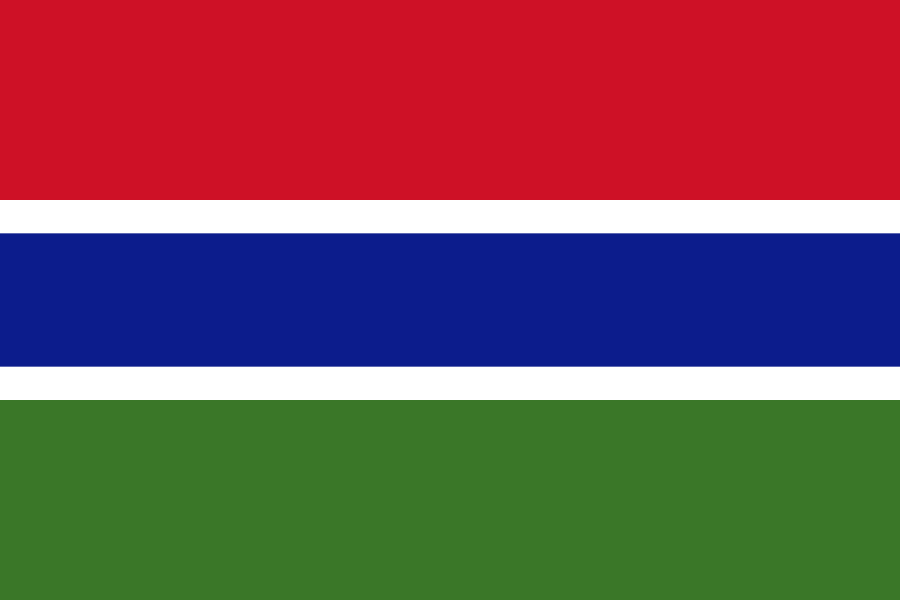
The Gambia is a tiny country wrapped around the Gambia River, surrounded by Senegal. It became independent from Britain in 1965. It is a presidential republic.
Country · Maldives
Maldives
1965–
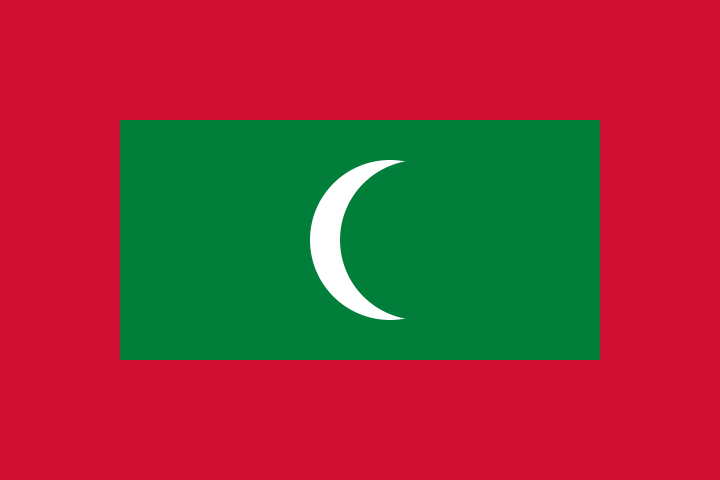
The Maldives is an archipelago of about twelve hundred coral islands in the Indian Ocean. It became independent from Britain in 1965. It is a presidential republic and a luxury tourist destination threatened by rising seas.
Country · Singapore
Singapore
1965–
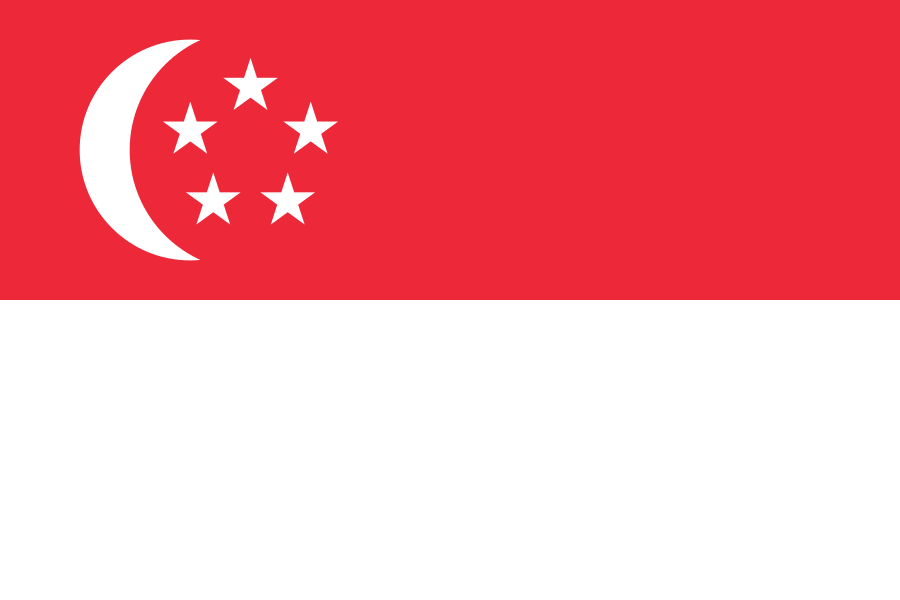
Singapore is a city state at the tip of the Malay Peninsula, one of the world's great ports. It was expelled from Malaysia in 1965 and became independent alone. Under Lee Kuan Yew it grew into one of the richest countries on earth.
Country · Barbados
Barbados
1966–
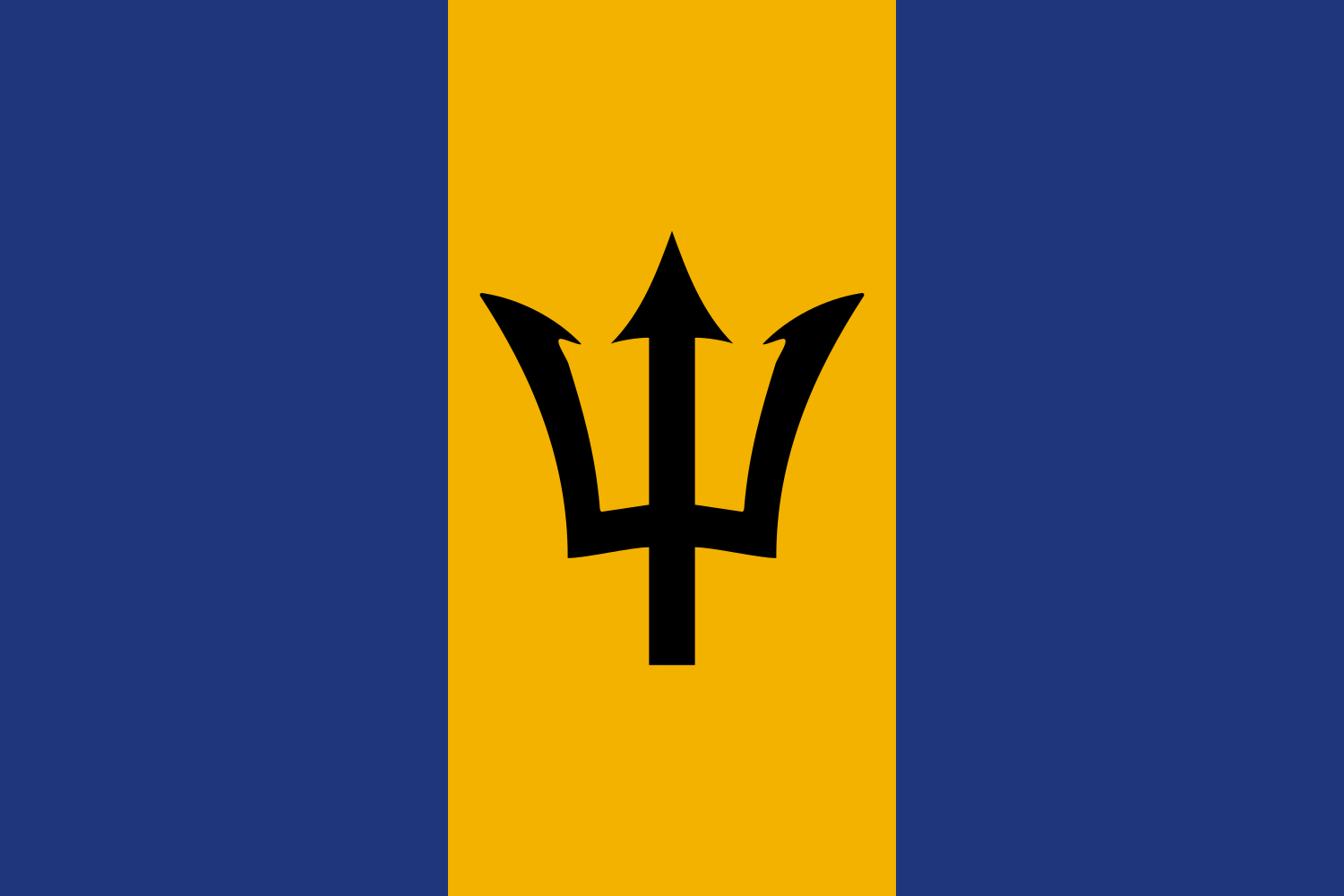
Barbados is a small island country in the Caribbean. It was a British sugar colony for three centuries until independence in 1966. In 2021 it removed the British monarch and became a parliamentary republic.
Country · Botswana
Botswana
1966–
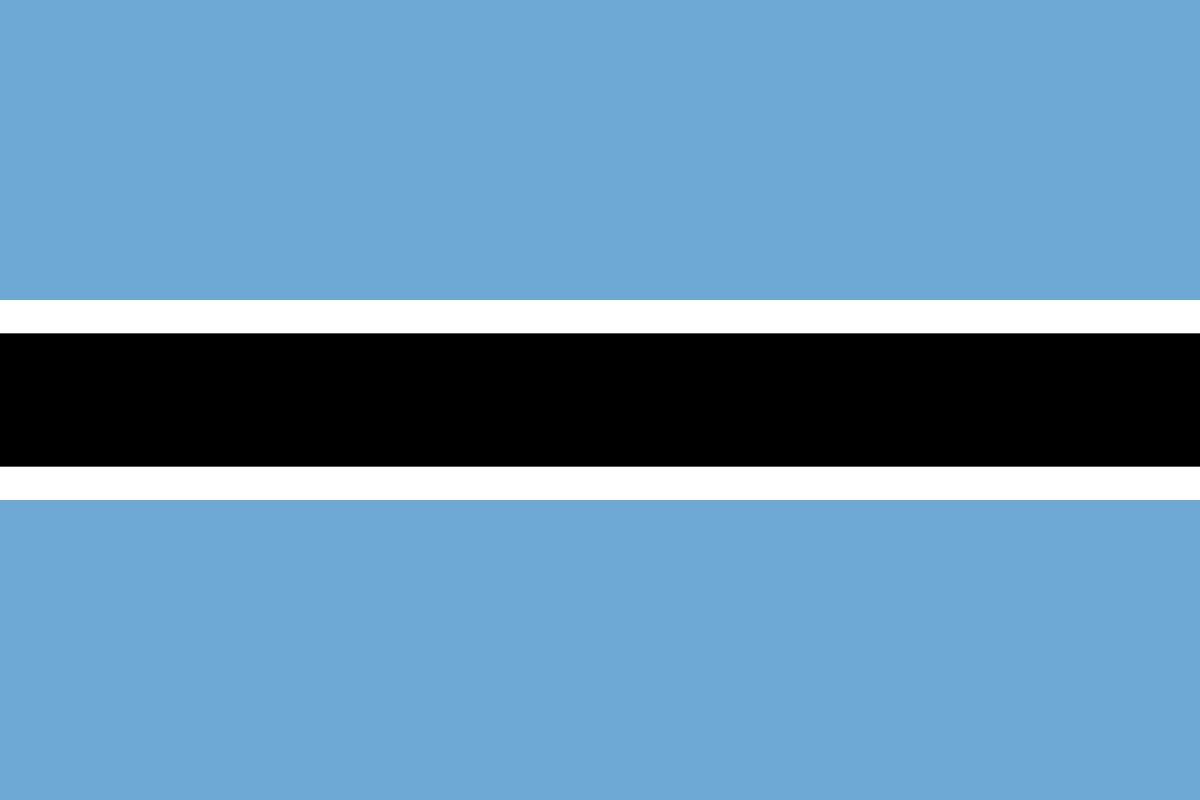
Botswana is a landlocked country in southern Africa, mostly covered by the Kalahari Desert. It became independent from Britain in 1966. It is a parliamentary republic and one of Africa's most stable democracies.
Country · Guyana
Guyana
1966–
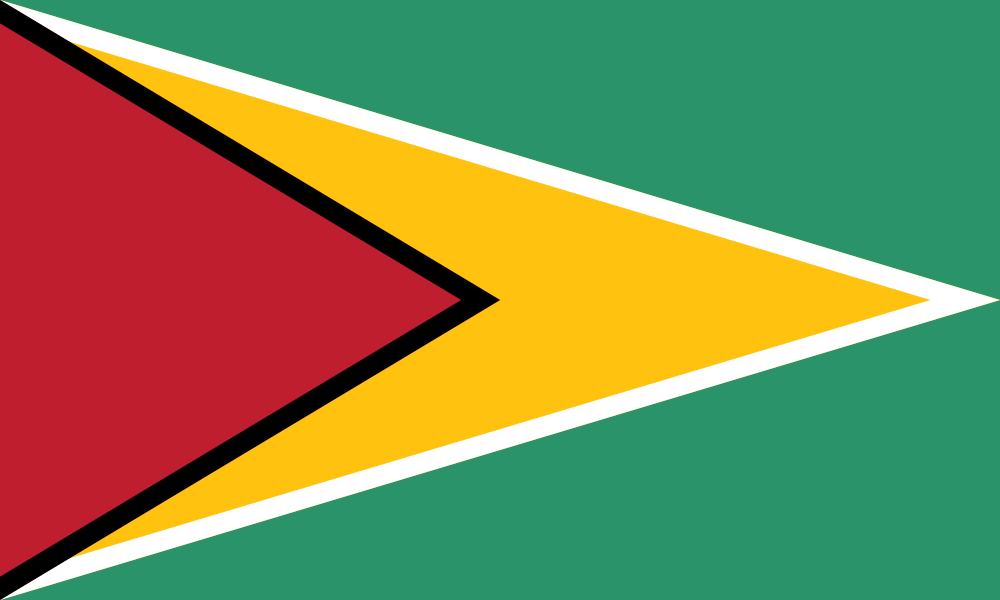
Guyana is a country on the Atlantic coast of South America, the only English speaking state on the continent. It became independent from Britain in 1966. Oil found offshore promises to transform it.
Country · Lesotho
Lesotho
1966–
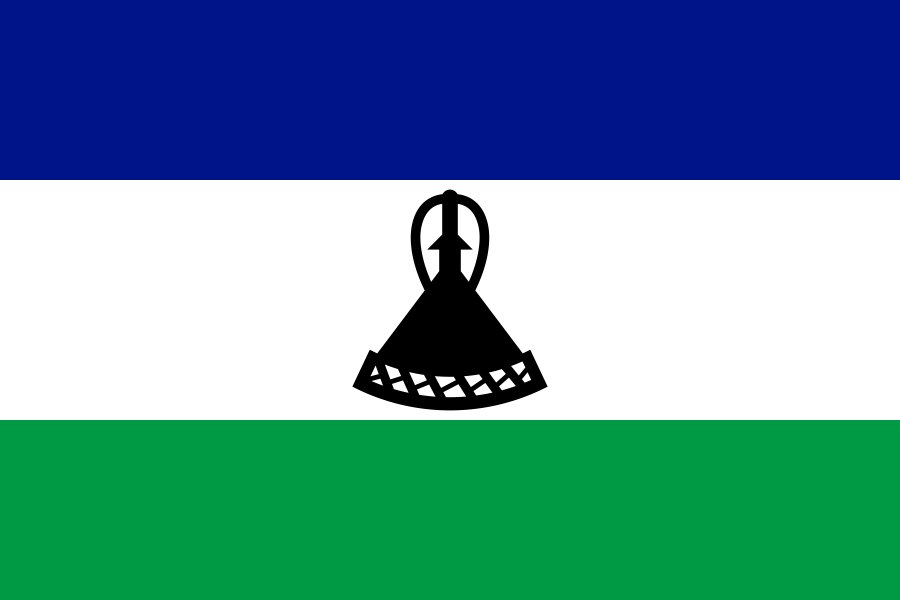
Lesotho is a mountain kingdom entirely surrounded by South Africa. King Moshoeshoe I founded it in the nineteenth century as a refuge from the Zulu wars. It became independent from Britain in 1966 and is a parliamentary constitutional monarchy.
Country · Equatorial Guinea
Equatorial Guinea
1968–
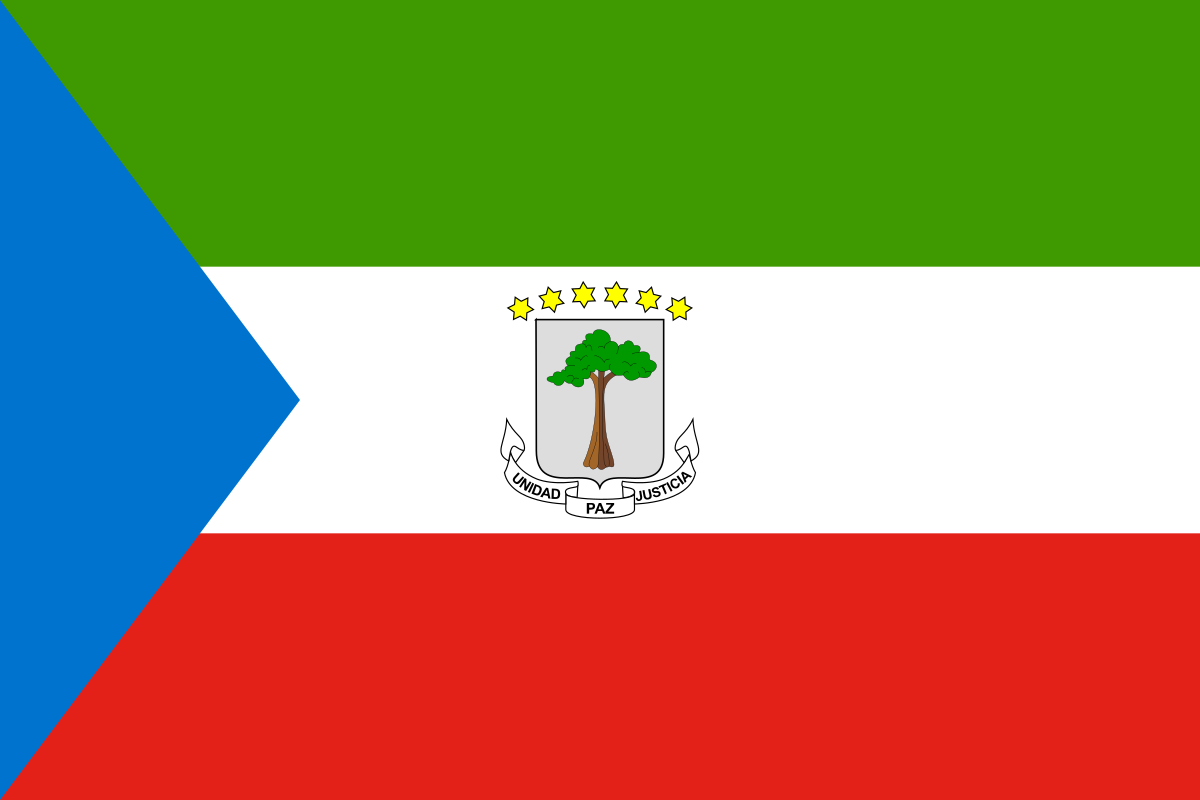
Equatorial Guinea is a small Central African country, the only African state where Spanish is official. It became independent from Spain in 1968. Oil wealth flows to the ruling family of Teodoro Obiang, president since 1979.
Country · Eswatini
Eswatini
1968–
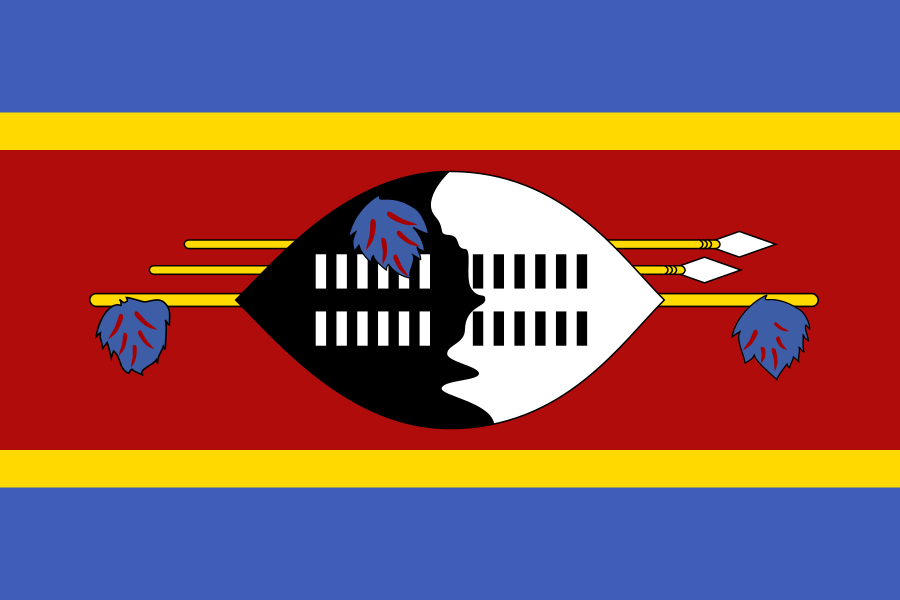
Eswatini, formerly Swaziland, is a small landlocked kingdom in southern Africa. It became independent from Britain in 1968. King Mswati III rules as an absolute monarch, one of the last in the world.
Country · Mauritius
Mauritius
1968–
Mauritius is an island country in the Indian Ocean, once home to the dodo. It became independent from Britain in 1968. It is a stable parliamentary republic and one of Africa's wealthiest states.
Country · Nauru
Nauru
1968–
Nauru is a tiny Pacific island country, the world's smallest republic. Phosphate mining made it briefly one of the richest states per person. It became independent in 1968 and is a parliamentary republic.
Country · Fiji
Fiji
1970–
Fiji is an archipelago of more than three hundred islands in the South Pacific. Britain ruled it from 1874 until independence in 1970. Coups have troubled it; it is now a parliamentary republic.
Country · Tonga
Tonga
1970–
Tonga is a Polynesian kingdom in the South Pacific, the only Pacific island state never formally colonized. It became fully independent in 1970. It is a constitutional monarchy under the Tupou dynasty.
Country · Bahrain
Bahrain
1971–
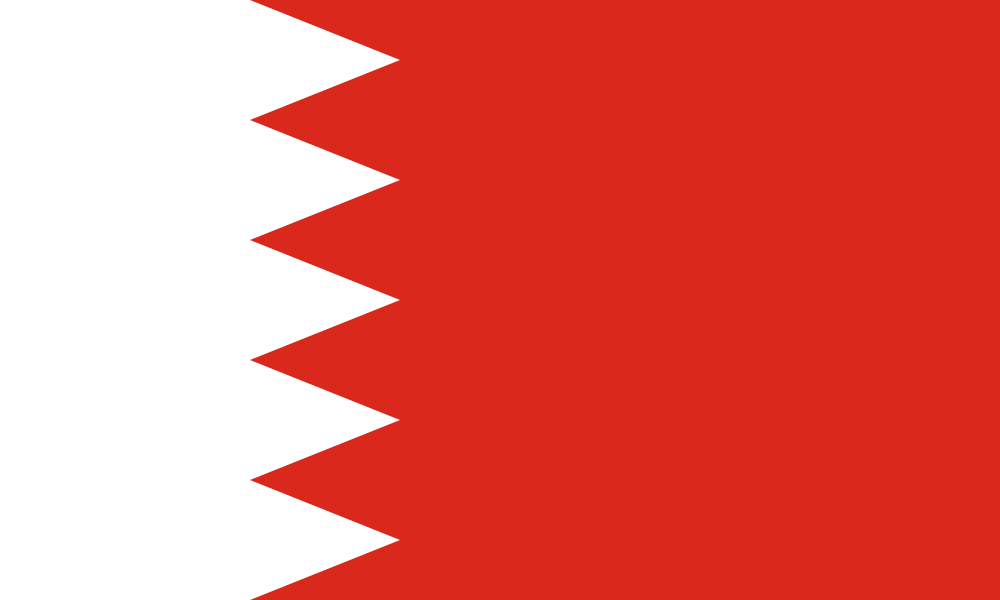
Bahrain is a small island kingdom in the Persian Gulf. It was a British protectorate until independence in 1971. Ruled by the Al Khalifa family, it is a constitutional monarchy and a banking center.
Country · Bangladesh
Bangladesh
1971–
Bangladesh is a densely populated country on the Bay of Bengal, home to most of the world's Bengali speakers. It broke away from Pakistan in a bloody war in 1971. It is a parliamentary republic.
Country · Qatar
Qatar
1971–
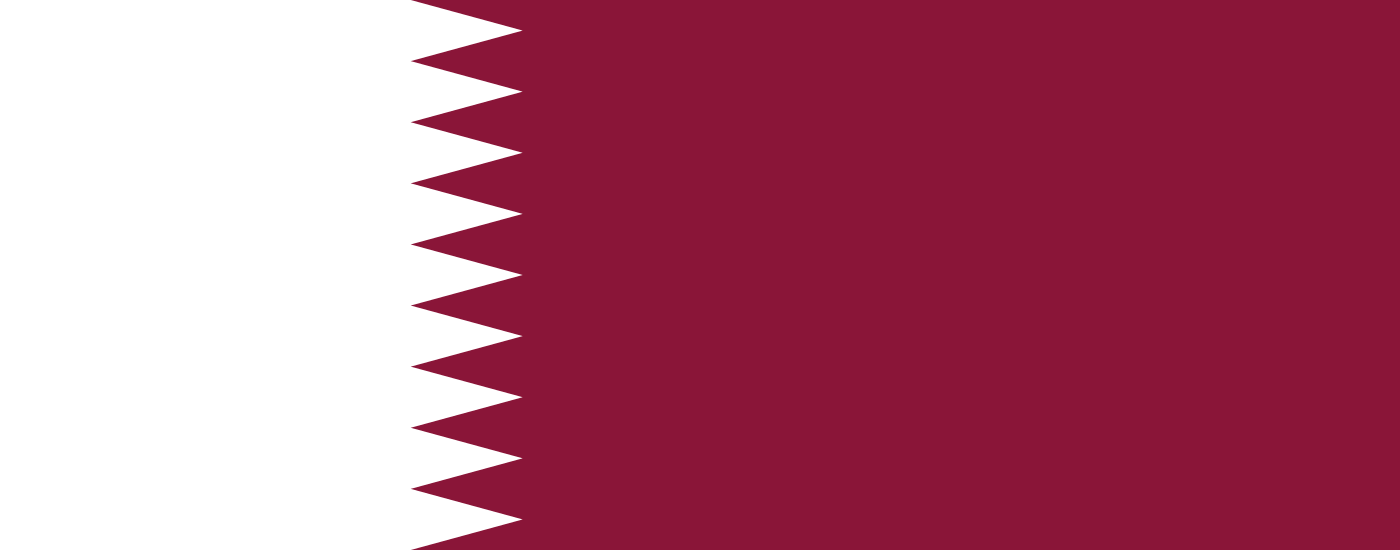
Qatar is a small, immensely wealthy emirate on the Persian Gulf. It became independent from Britain in 1971. Vast natural gas reserves made it one of the richest countries per person in the world.
Country · United Arab Emirates
United Arab Emirates
1971–
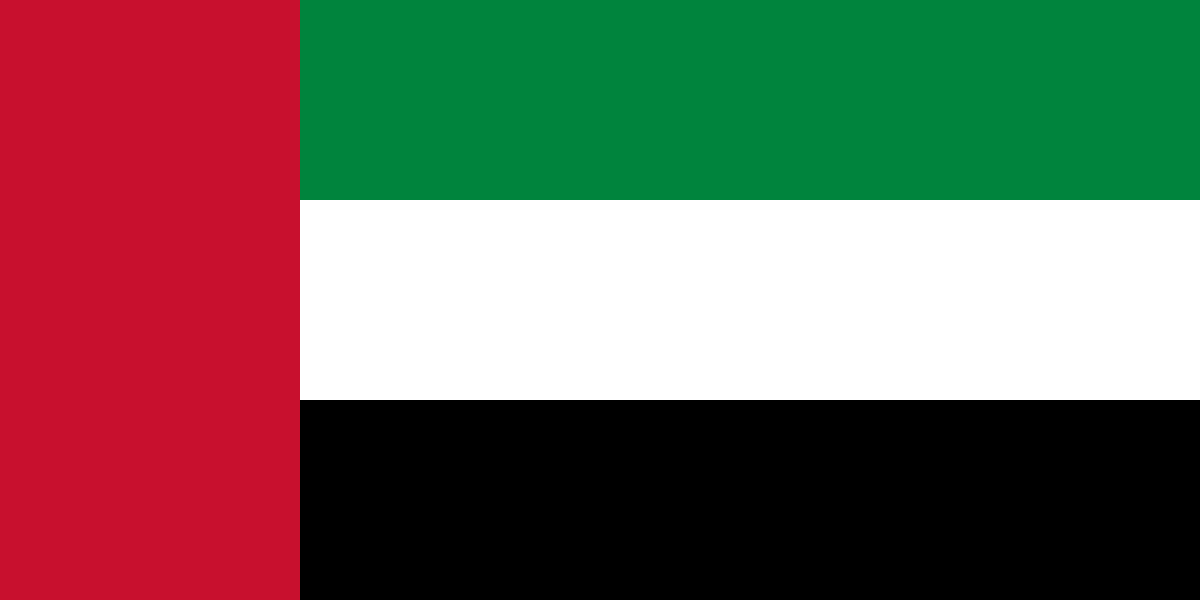
The United Arab Emirates is a federation of seven emirates on the Persian Gulf, including Dubai and Abu Dhabi. It formed in 1971 when the British withdrew. Oil wealth built it into a global business hub.
Country · Bahamas
Bahamas
1973–
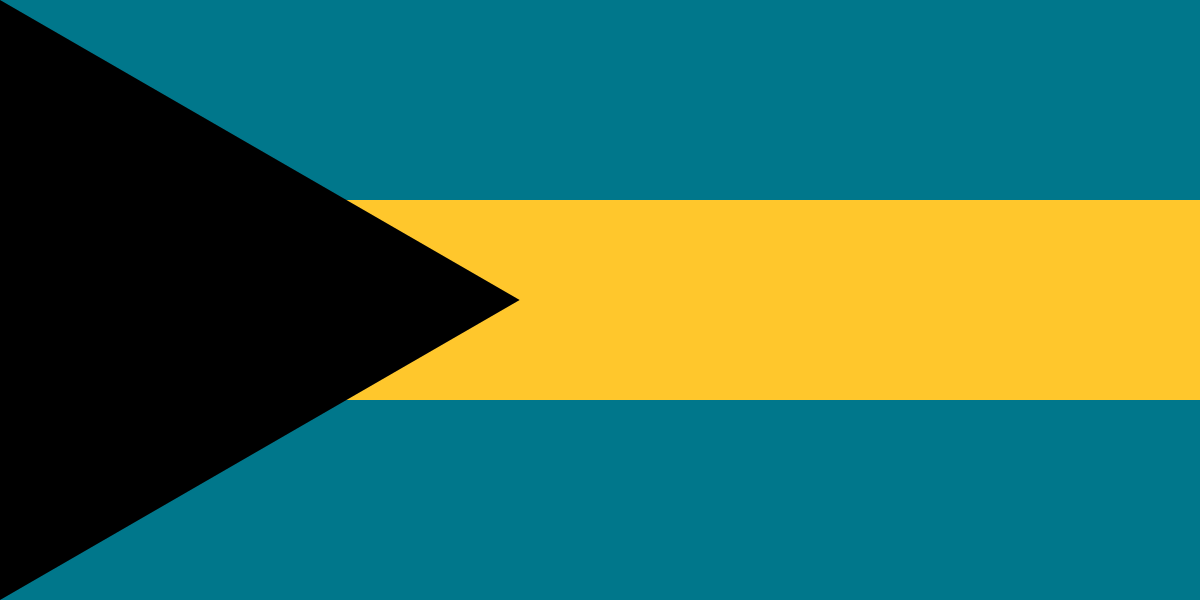
The Bahamas is an archipelago of about seven hundred islands off Florida. Columbus made his first landfall here in 1492. It became independent from Britain in 1973 and is a parliamentary constitutional monarchy.
Country · Grenada
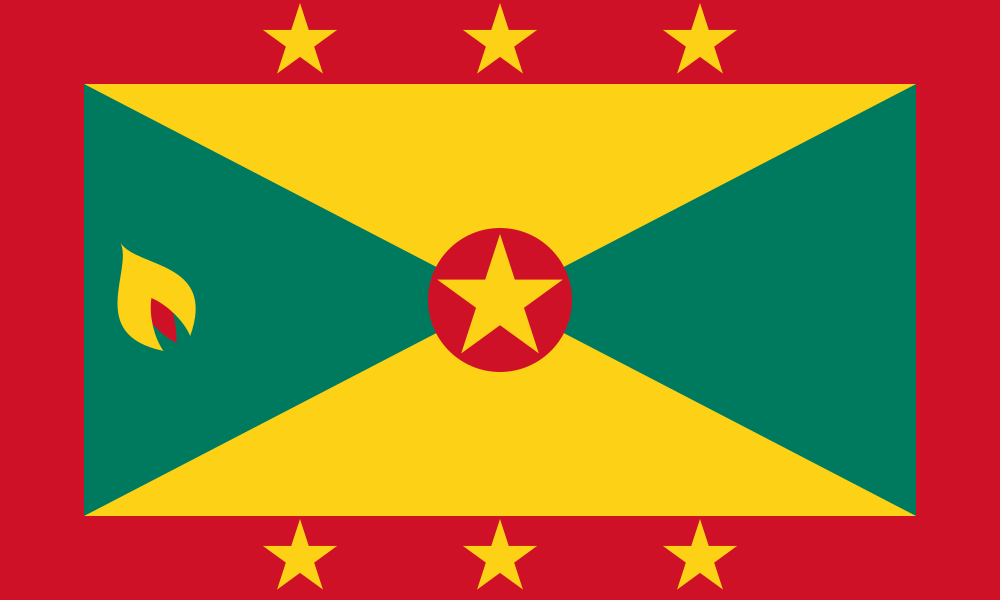
Grenada
1974–
Grenada is a small island country in the Caribbean, known as the Spice Isle for its nutmeg. It became independent from Britain in 1974. The United States invaded in 1983 to topple a Marxist regime.
Country · Guinea-Bissau
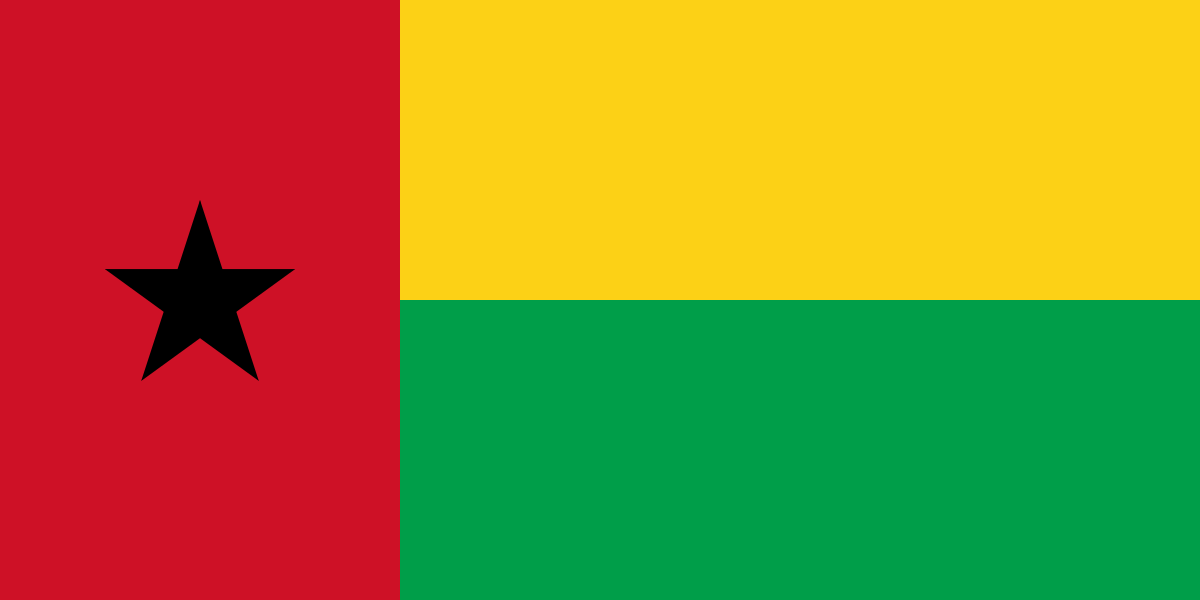
Guinea-Bissau
1974–
Guinea-Bissau is a small West African country of coast and islands. Portugal fought a long colonial war here before independence in 1974. It is a semi presidential republic plagued by coups and drug trafficking.
Country · Niue
Niue
1974–
Niue is a raised coral island in the South Pacific that governs itself in free association with New Zealand. Its people hold New Zealand citizenship, and New Zealand handles its defence. The island had about 1,700 residents at recent counts, and far more Niueans live in New Zealand than on Niue itself.
Source: CIA World Factbook
Country · Angola
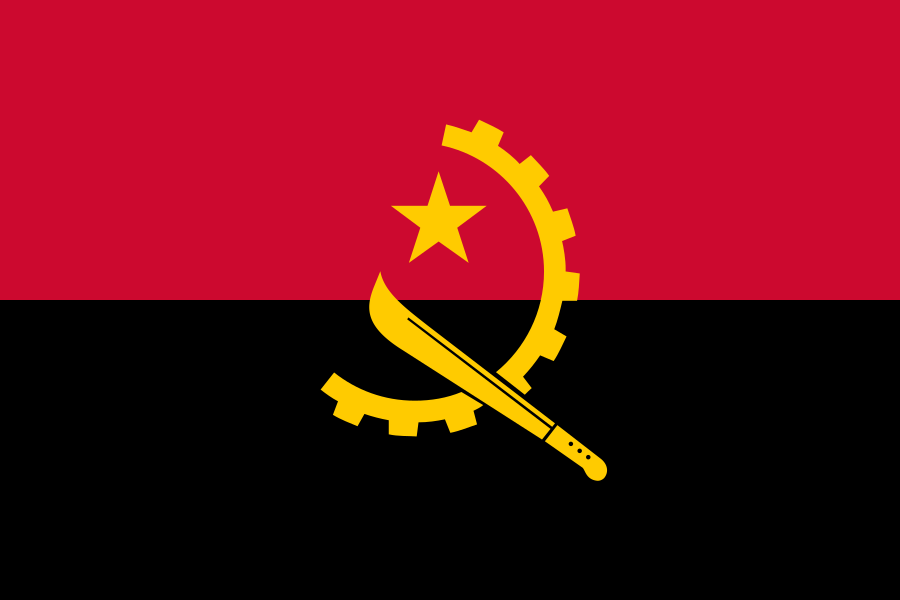
Angola
1975–
Angola is a large country in southwestern Africa, rich in oil and diamonds. Portugal ruled it for four centuries until independence in 1975. A civil war then lasted until 2002; it is now a presidential republic.
Country · Cabo Verde
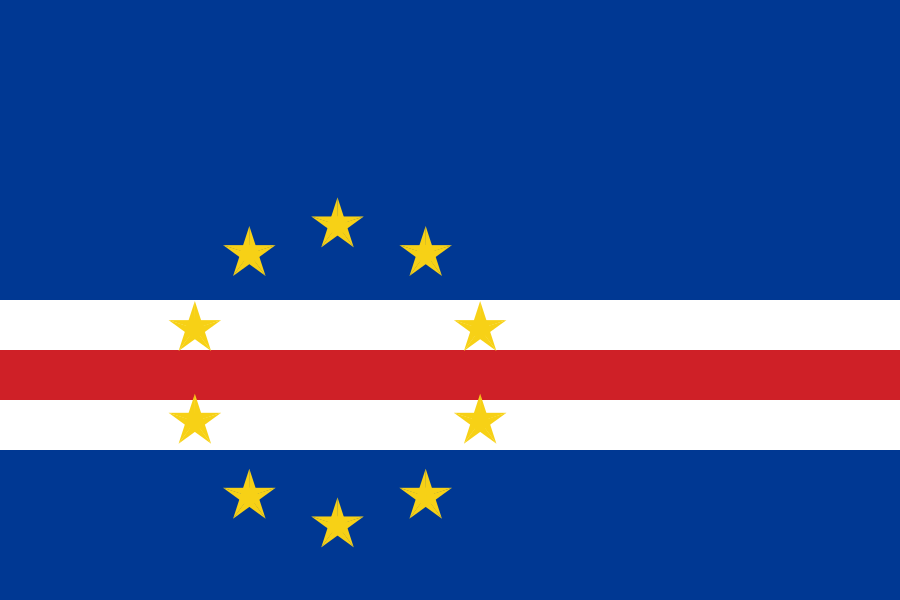
Cabo Verde
1975–
Cabo Verde is an archipelago of ten islands off the coast of West Africa. Portugal settled the uninhabited islands in the fifteenth century. It became independent in 1975 and is a stable parliamentary republic.
Country · Comoros
Comoros
1975–
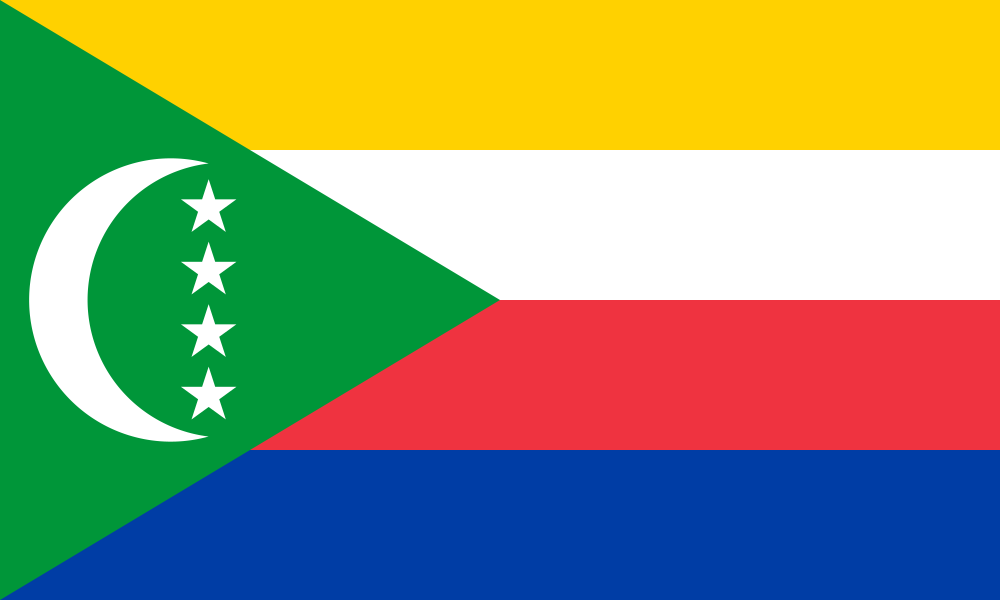
Comoros is an archipelago in the Indian Ocean between Mozambique and Madagascar. It became independent from France in 1975. It is a federal presidential republic that has suffered many coups.
Country · Mozambique
Mozambique
1975–
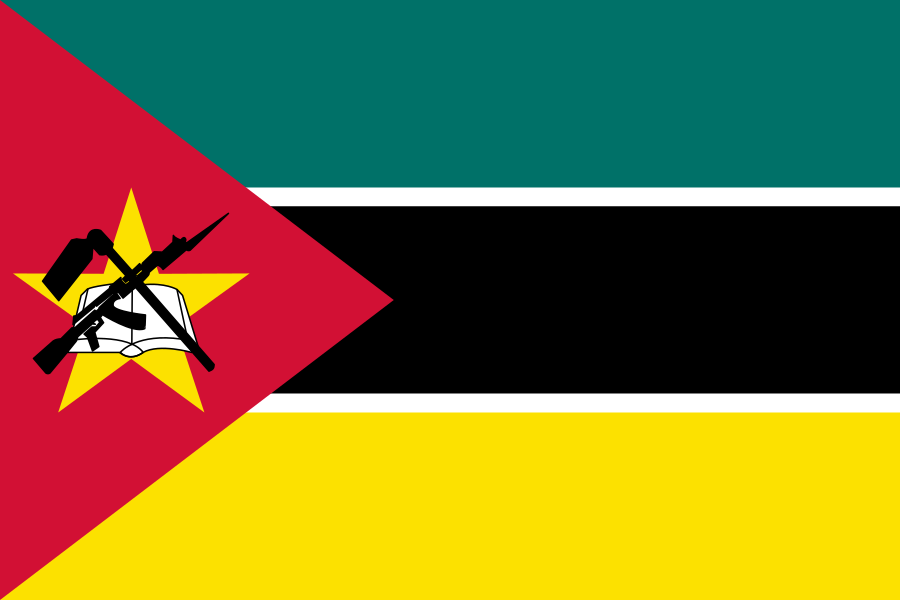
Mozambique is a long coastal country in southeastern Africa on the Indian Ocean. Portugal ruled it for four centuries until independence in 1975. A civil war lasted until 1992; it is now a presidential republic.
Country · Papua New Guinea
Papua New Guinea
1975–
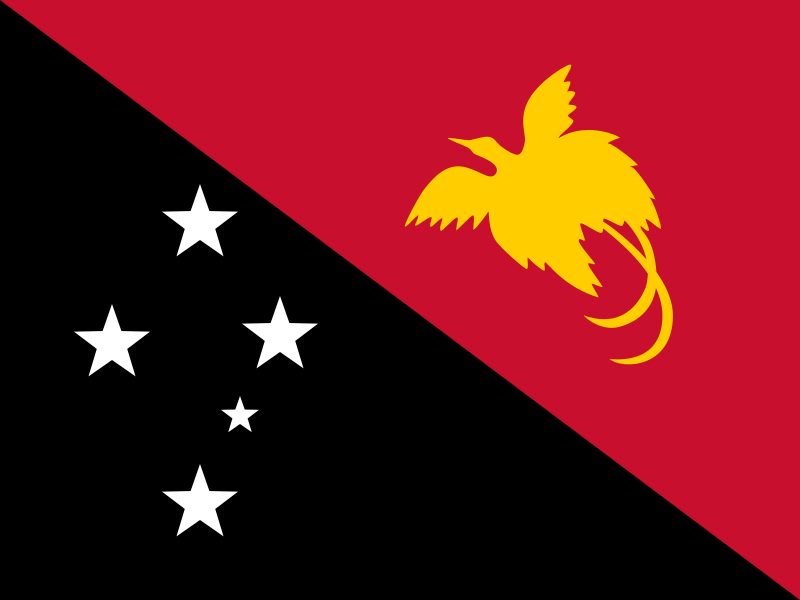
Papua New Guinea occupies the eastern half of New Guinea, the world's second largest island. It became independent from Australia in 1975. It is a parliamentary constitutional monarchy with more than eight hundred languages.
Country · São Tomé and Príncipe
São Tomé and Príncipe
1975–
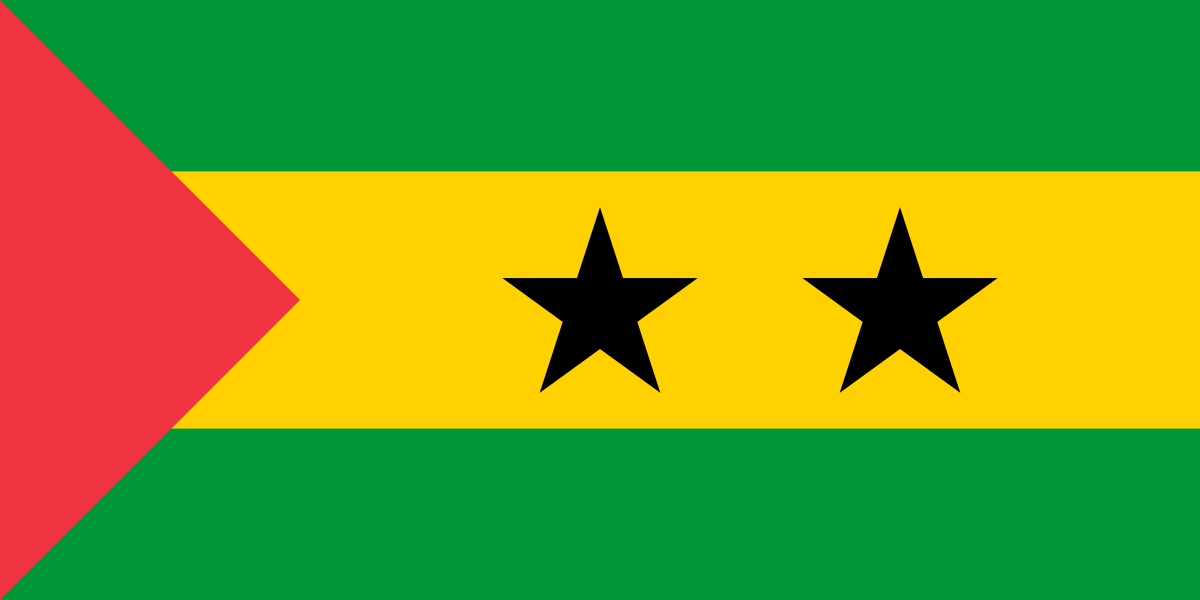
São Tomé and Príncipe is an island country in the Gulf of Guinea, Africa's second smallest state. Portugal settled the empty islands in the fifteenth century. It became independent in 1975 and is a semi presidential republic.
Country · Suriname
Suriname
1975–
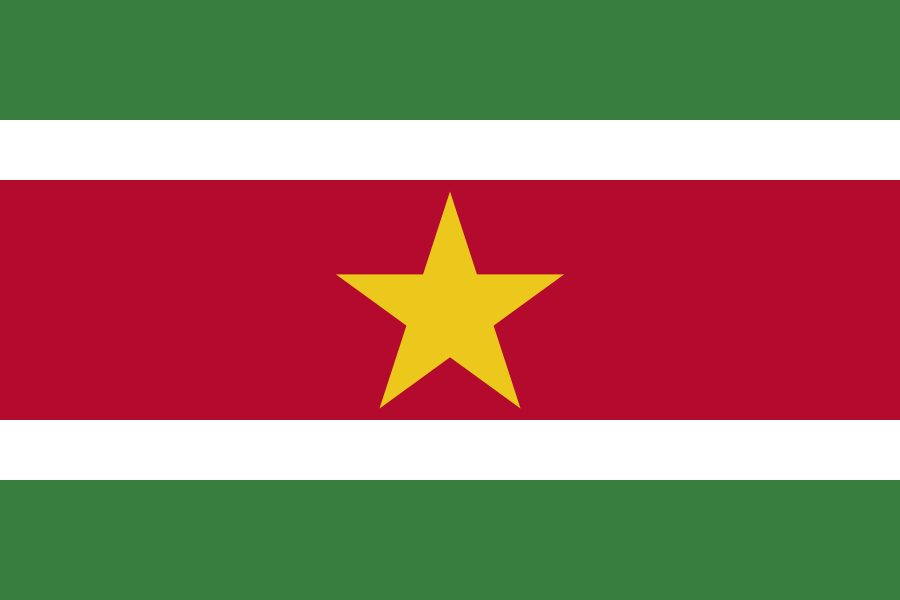
Suriname is a country on the Atlantic coast of South America, the only Dutch speaking state on the continent. The Netherlands ruled it until independence in 1975. It is a presidential republic.
Country · Seychelles
Seychelles
1976–
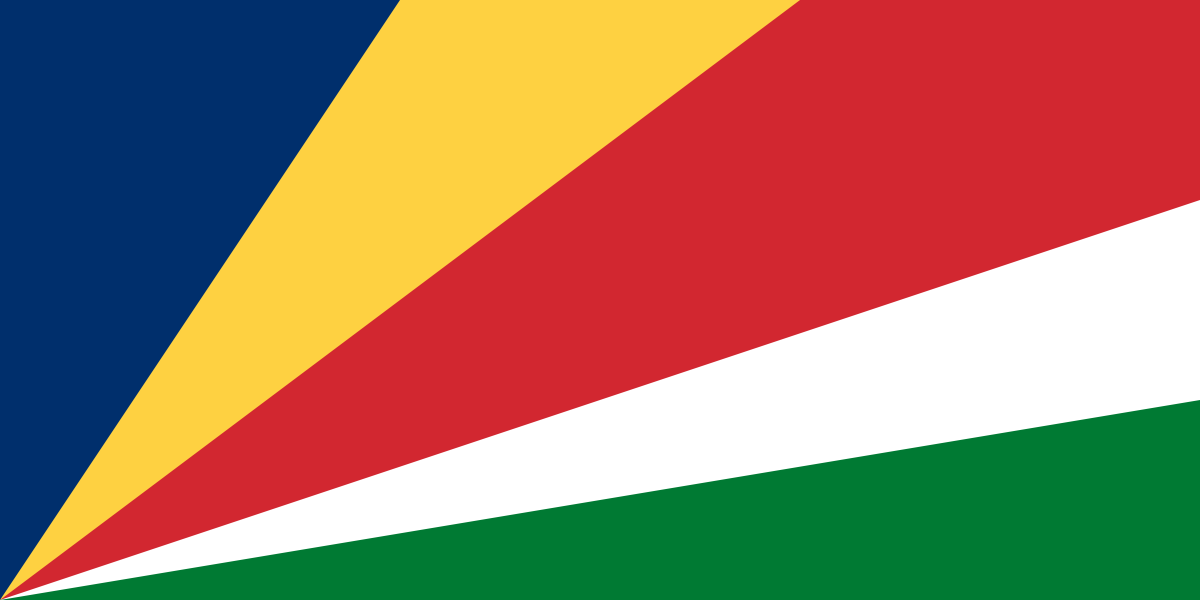
Seychelles is an archipelago of 115 islands in the Indian Ocean. France and Britain both held it before independence in 1976. It is a presidential republic and a luxury tourist destination.
Country · Vietnam
Vietnam
1976–
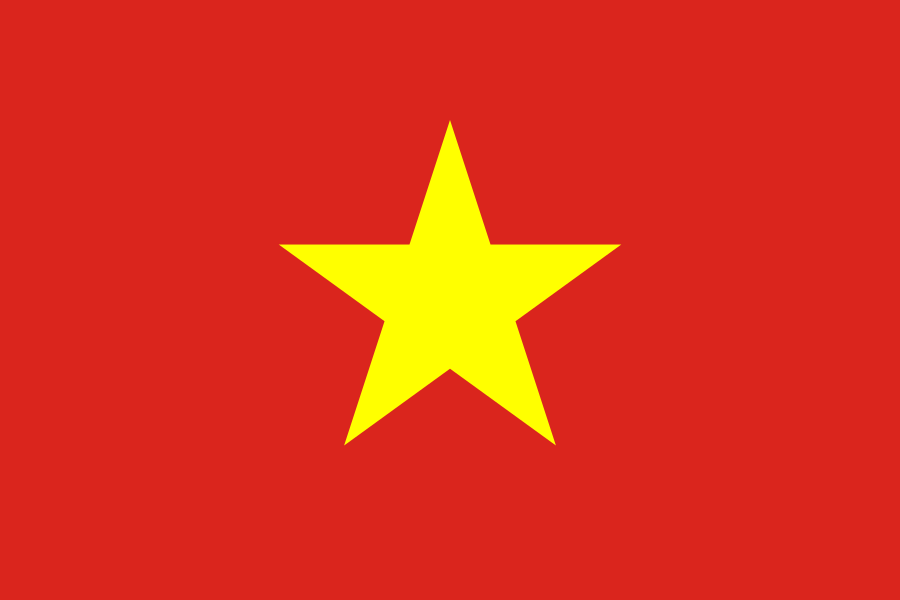
Vietnam is a long, narrow country on the eastern edge of Southeast Asia. It defeated France and then the United States in wars of independence, reuniting in 1976. It is a single party communist state with a fast growing market economy.
Country · Djibouti
Djibouti
1977–
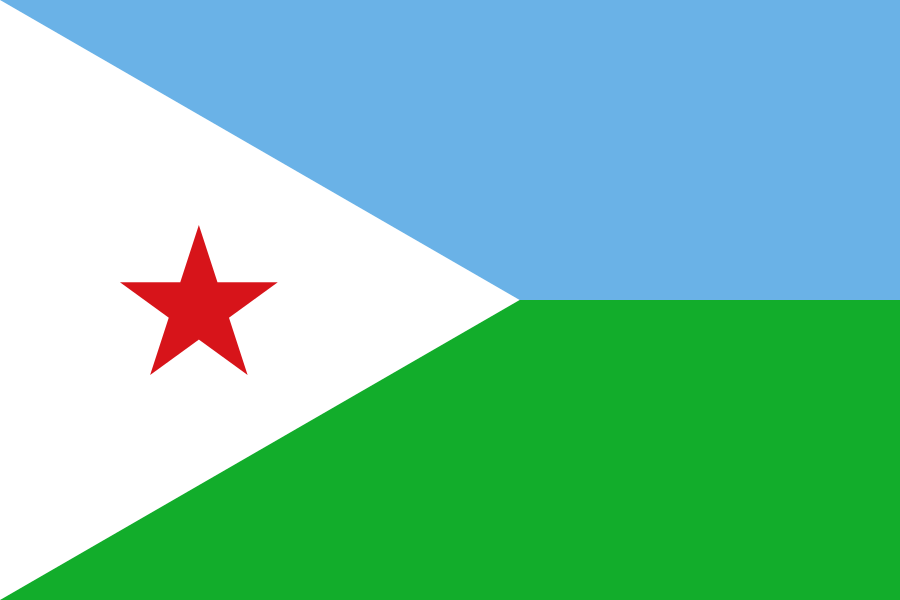
Djibouti is a tiny country at the mouth of the Red Sea, guarding one of the world's busiest shipping lanes. It became independent from France in 1977. It hosts military bases of several great powers and is a presidential republic.
Country · Dominica
Dominica
1978–
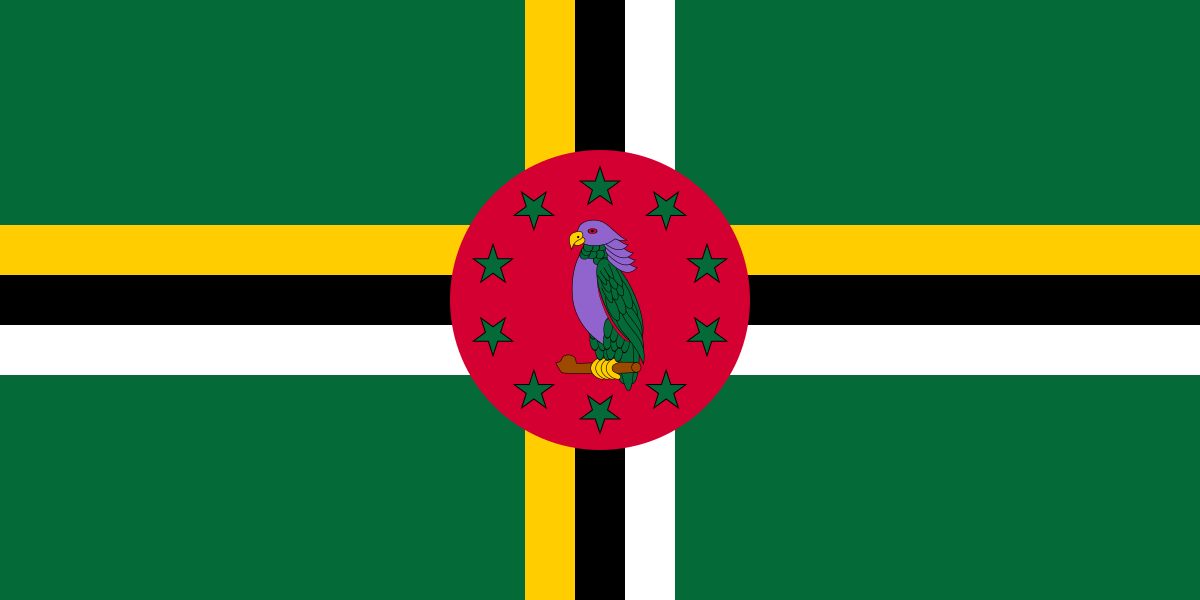
Dominica is a mountainous island country in the Caribbean, not to be confused with the Dominican Republic. Britain and France fought over it before independence in 1978. It is a parliamentary republic.
Country · Northern Mariana Islands
Northern Mariana Islands
1978–
The Northern Mariana Islands form a commonwealth in political union with the United States in the western Pacific. Spain, Germany, and Japan ruled the islands in turn before American forces took them in 1944. Their people are United States citizens, and Saipan is the centre of government and population.
Country · Solomon Islands
Solomon Islands
1978–
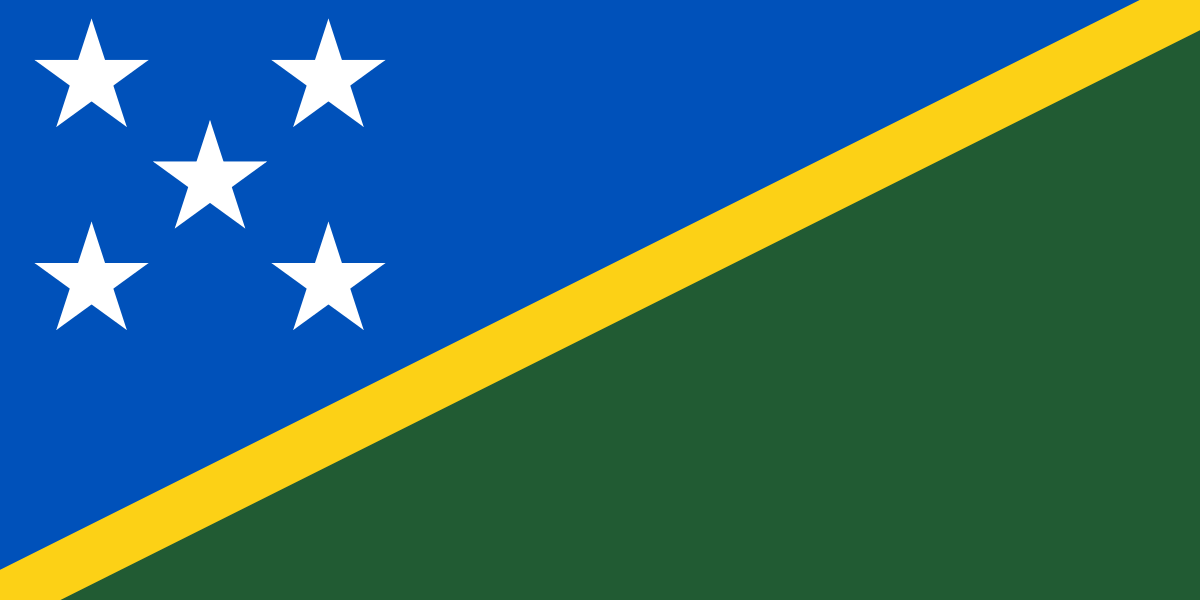
Solomon Islands is a Pacific archipelago east of Papua New Guinea. Britain ruled it from 1893 until independence in 1978. Ethnic tensions brought intervention by Australia; it is a parliamentary constitutional monarchy.
Country · Tuvalu
Tuvalu
1978–
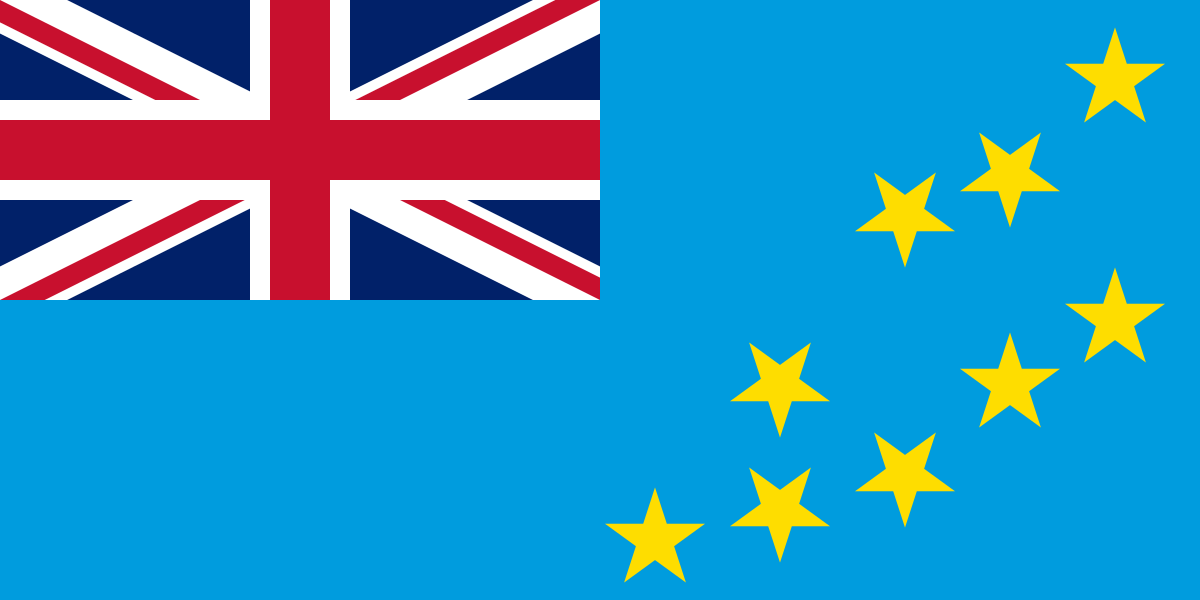
Tuvalu is a Polynesian country of nine tiny atolls, one of the smallest states in the world. It separated from the Gilbert Islands and became independent in 1978. Rising seas threaten its existence.
Country · Iran
Iran
1979–
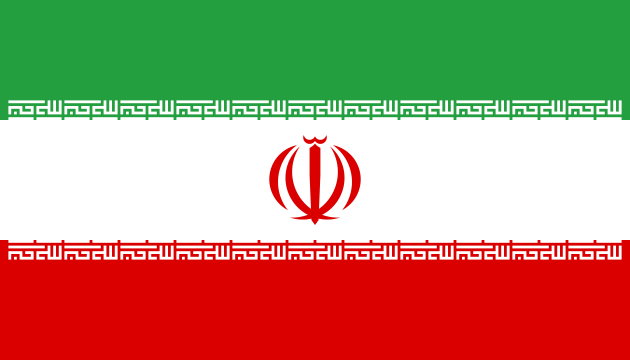
Iran, known as Persia until 1935, is heir to one of the world's oldest civilizations. The Islamic Revolution of 1979 overthrew the Shah and created an Islamic republic. It is ruled by Shia clerics under a Supreme Leader.
Country · Kiribati
Kiribati
1979–
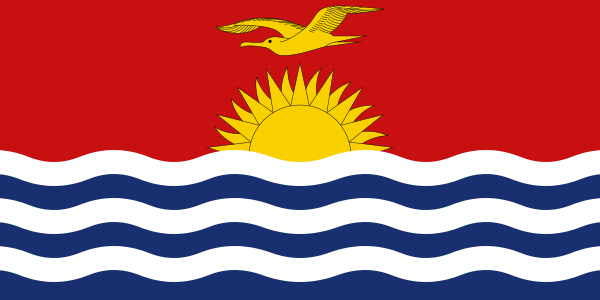
Kiribati is a Pacific island country of thirty three atolls straddling the equator. It became independent from Britain in 1979. Its low islands are among the most threatened by rising seas.
Country · Saint Lucia
Saint Lucia
1979–
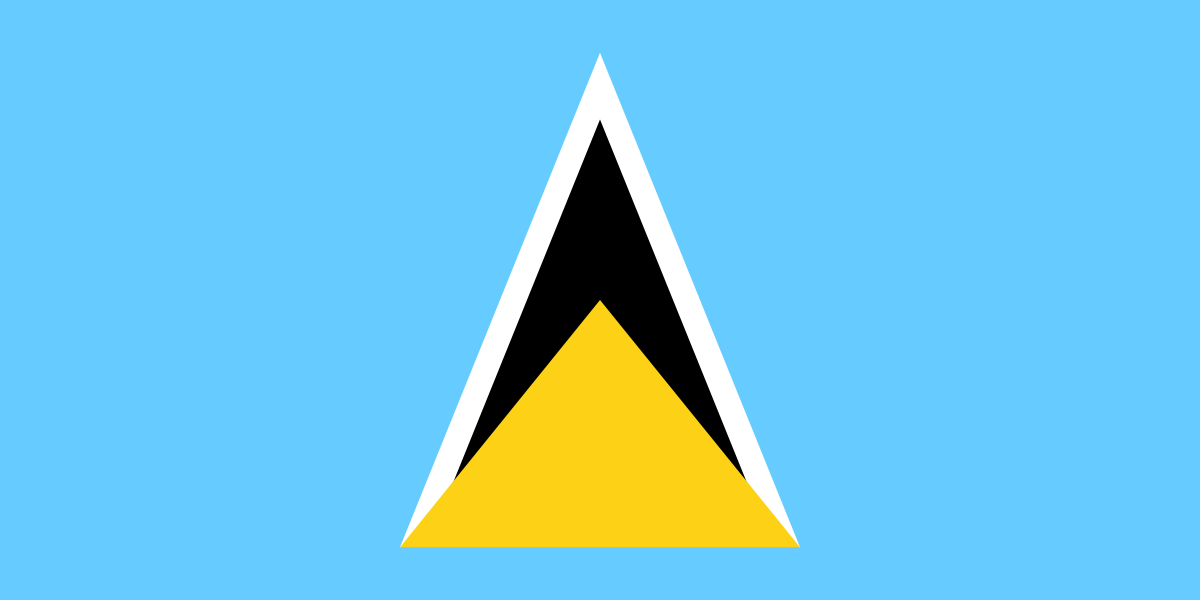
Saint Lucia is a volcanic island country in the Caribbean. France and Britain fought over it fourteen times before independence in 1979. It is a parliamentary constitutional monarchy.
Country · Saint Vincent and the Grenadines
Saint Vincent and the Grenadines
1979–
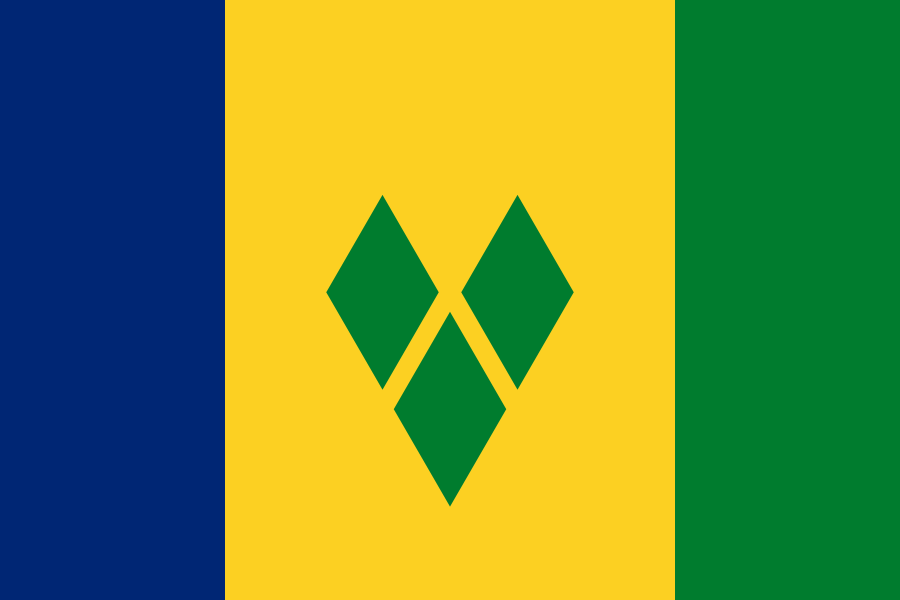
Saint Vincent and the Grenadines is an island country in the Caribbean, a chain of volcanic islands. It became independent from Britain in 1979. It is a parliamentary constitutional monarchy.
Country · Vanuatu
Vanuatu
1980–
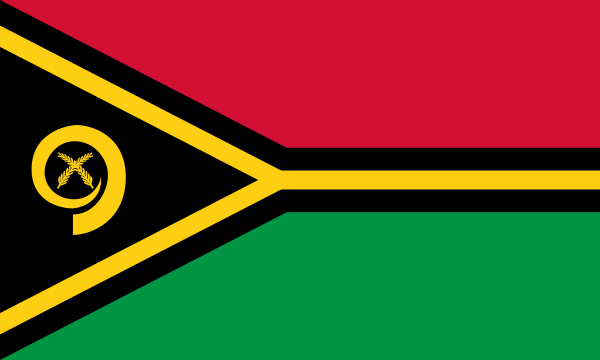
Vanuatu is a Pacific archipelago of about eighty islands. Britain and France ruled it together in a rare condominium before independence in 1980. It is a parliamentary republic.
Country · Zimbabwe
Zimbabwe
1980–
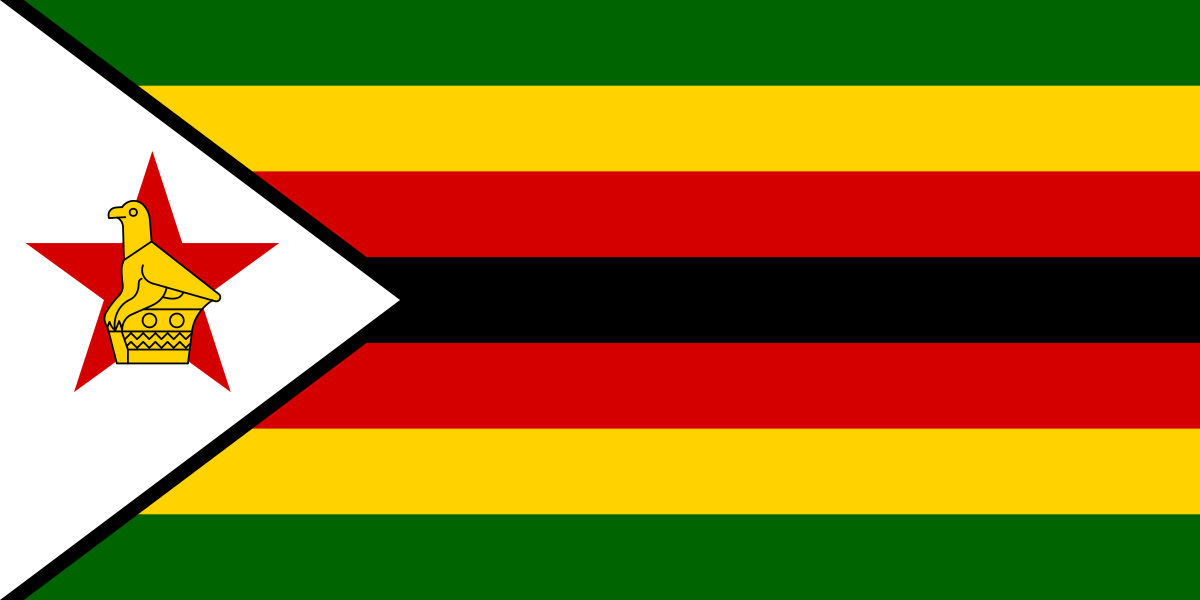
Zimbabwe is a landlocked country in southern Africa, named for the medieval stone city of Great Zimbabwe. White minority rule ended in 1980 under Robert Mugabe, whose long rule ruined the economy. It is a presidential republic.
Country · Antigua and Barbuda
Antigua and Barbuda
1981–
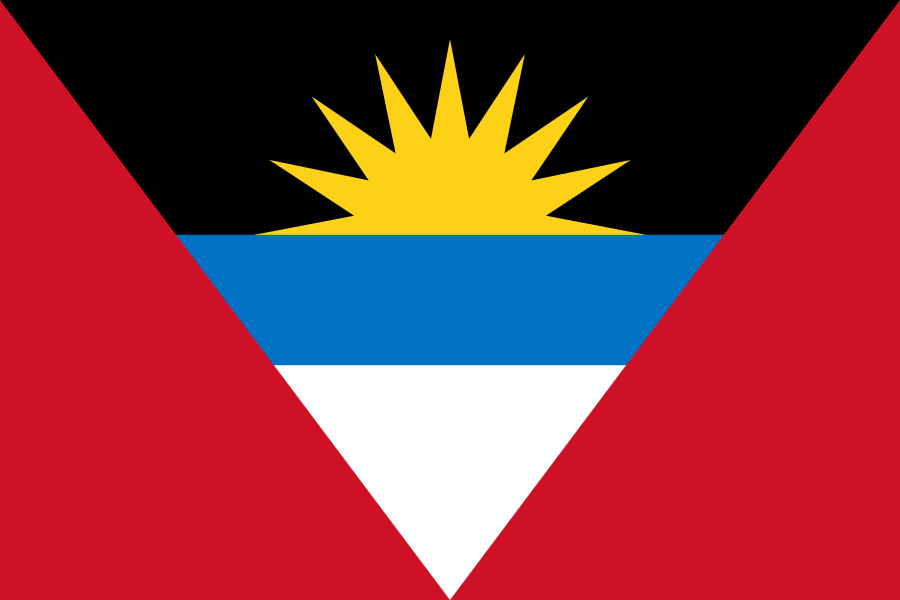
Antigua and Barbuda is a twin island country in the Caribbean. Britain colonized the islands for sugar, worked by enslaved Africans. It became independent in 1981 and is a parliamentary constitutional monarchy.
Country · Belize
Belize
1981–
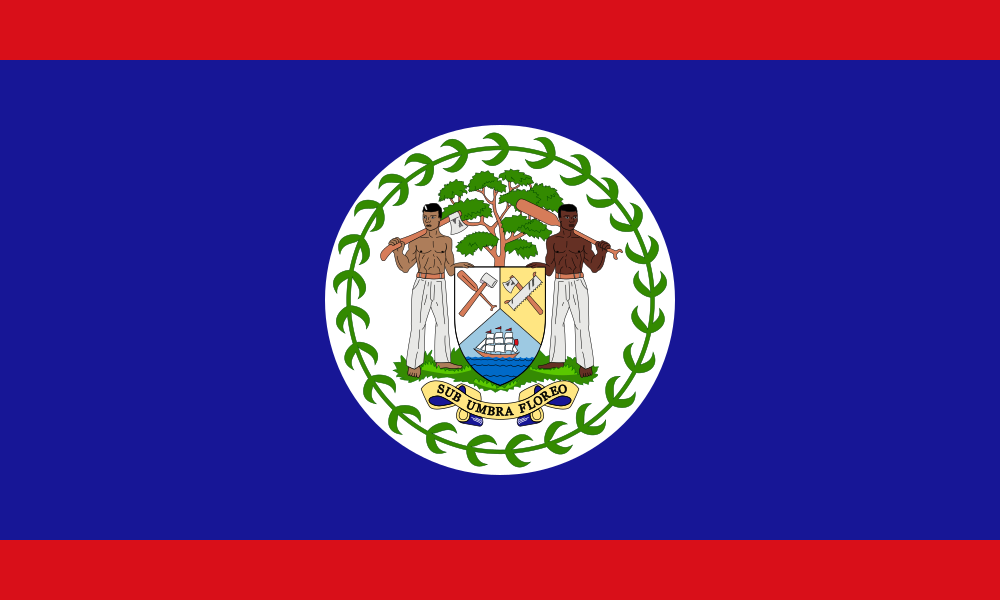
Belize is a small country on the Caribbean coast of Central America. Britain ruled it as British Honduras, logging its forests. It became independent in 1981 and is a parliamentary constitutional monarchy.
Country · Saint Kitts and Nevis
Saint Kitts and Nevis
1983–
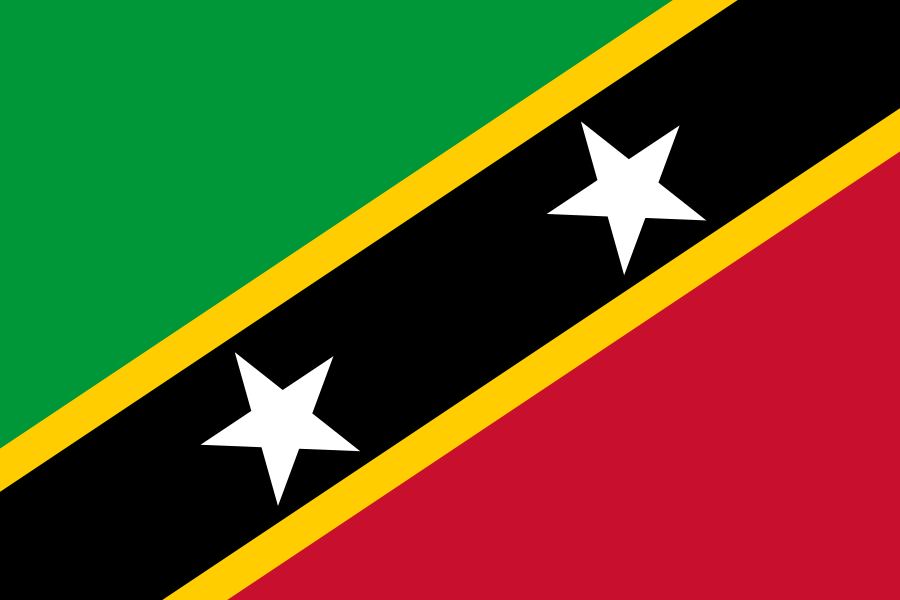
Saint Kitts and Nevis is a two island country in the Caribbean, the smallest sovereign state in the Americas. It became independent from Britain in 1983. It is a parliamentary constitutional monarchy.
Country · Brunei
Brunei
1984–
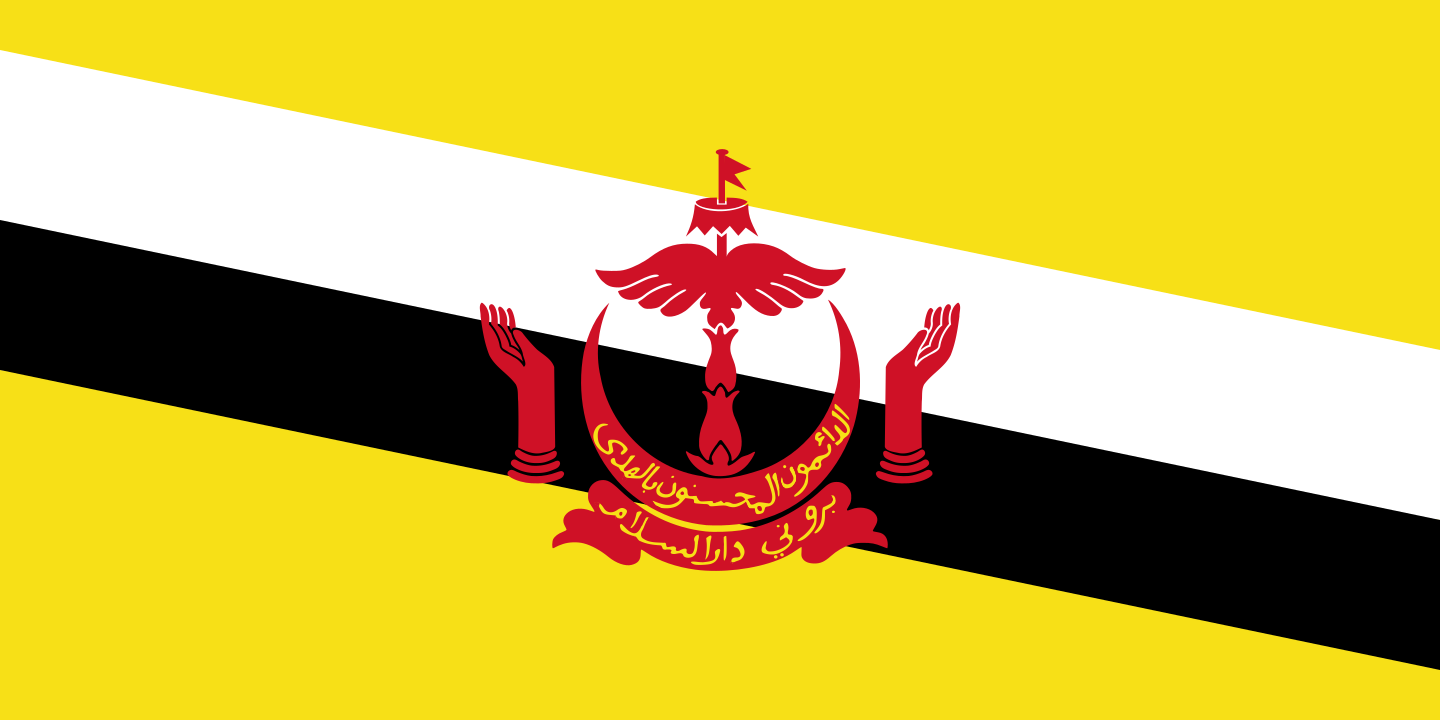
Brunei is a small oil rich sultanate on the island of Borneo. It was a British protectorate until full independence in 1984. The sultan rules as an absolute monarch under Islamic law.
Country · Aruba
Aruba
1986–
Aruba is a constituent country of the Kingdom of the Netherlands in the southern Caribbean. The Dutch seized it in 1636, and it belonged to the Netherlands Antilles until 1986, when it gained a separate status inside the Kingdom. Aruba runs its own internal affairs, and tourism and oil refining have shaped its economy.
Country · Marshall Islands
Marshall Islands
1986–
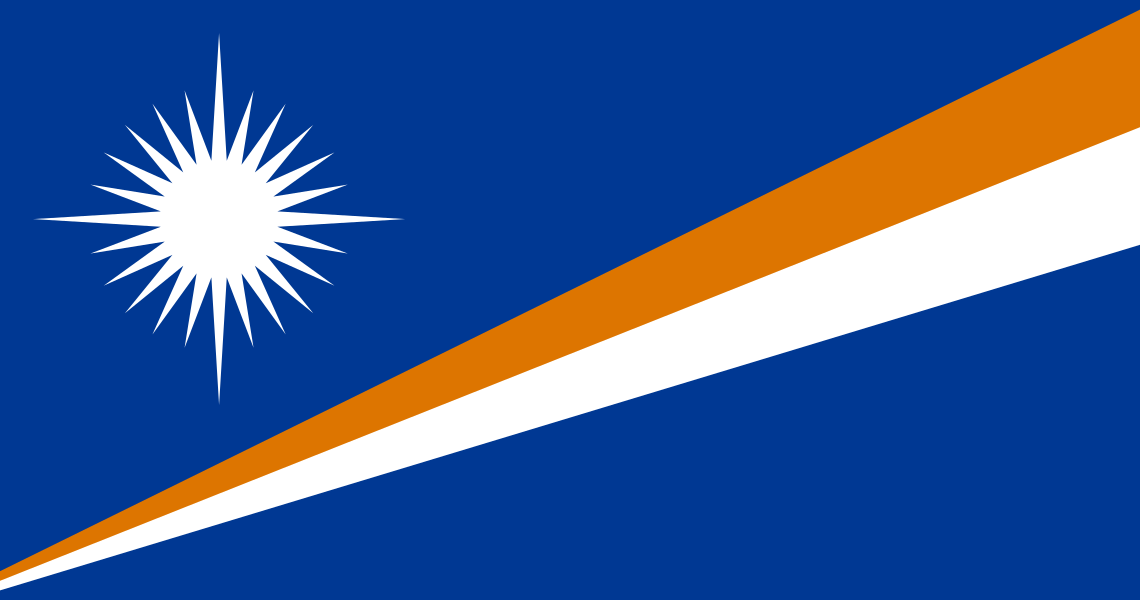
The Marshall Islands is a Pacific country of atolls and reefs. America tested nuclear weapons at Bikini Atoll here. It became independent in 1986 in free association with the United States.
Country · Micronesia
Micronesia
1986–
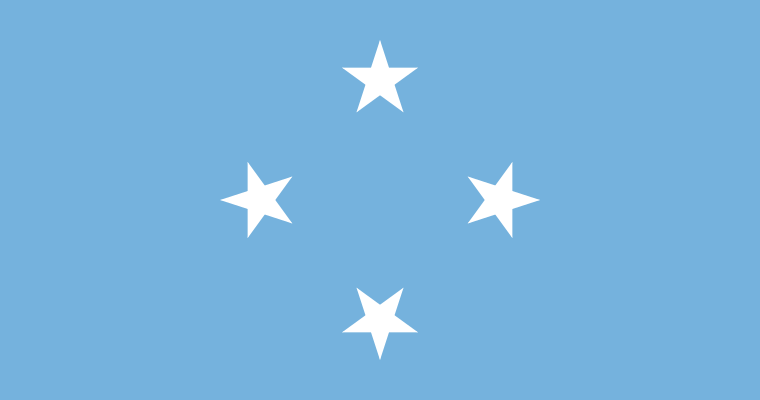
Micronesia, officially the Federated States of Micronesia, is a Pacific country of more than six hundred islands. It became independent in 1986 in free association with the United States. It is a federal presidential republic.
Country · Palestine
Palestine
1988–
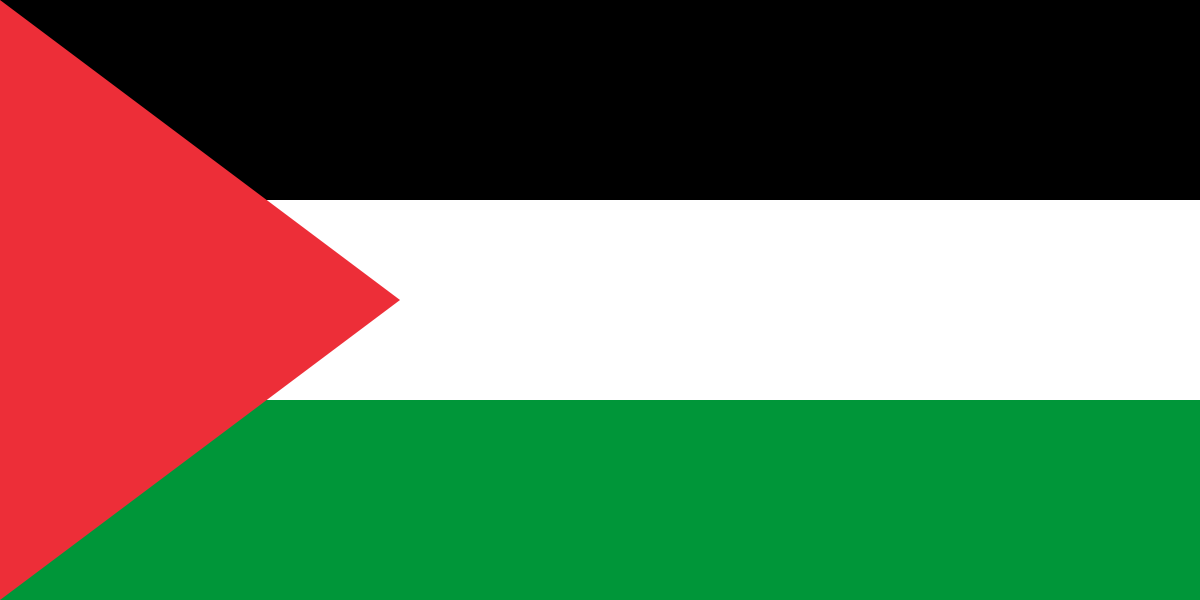
Palestine refers to the State of Palestine, which declared independence in 1988. It holds non member observer state status at the United Nations. Its claimed capital is East Jerusalem; its administration is based in Ramallah in the West Bank.
Country · Germany
Germany
1990–
Germany is the largest economy in Europe and the most populous country in the European Union. The modern state was reunified in 1990, when East and West Germany joined after the fall of the Berlin Wall. It is a federal parliamentary republic.
Country · Namibia
Namibia
1990–
Namibia is a sparsely populated country in southwestern Africa, named for the Namib Desert. Germany colonized it, then South Africa ruled it. It won independence in 1990 and is a presidential republic.
Country · Yemen
Yemen
1990–
Yemen occupies the southwestern corner of Arabia. North and South Yemen united in 1990. Since 2014 it has suffered a devastating civil war that created one of the world's worst humanitarian crises.
Country · Armenia
Armenia
1991–
Armenia is a landlocked country in the Caucasus, the first state to adopt Christianity, in 301. Its medieval kingdom fell centuries ago; the modern republic became independent in 1991. It is a parliamentary republic.
Country · Azerbaijan
Azerbaijan
1991–
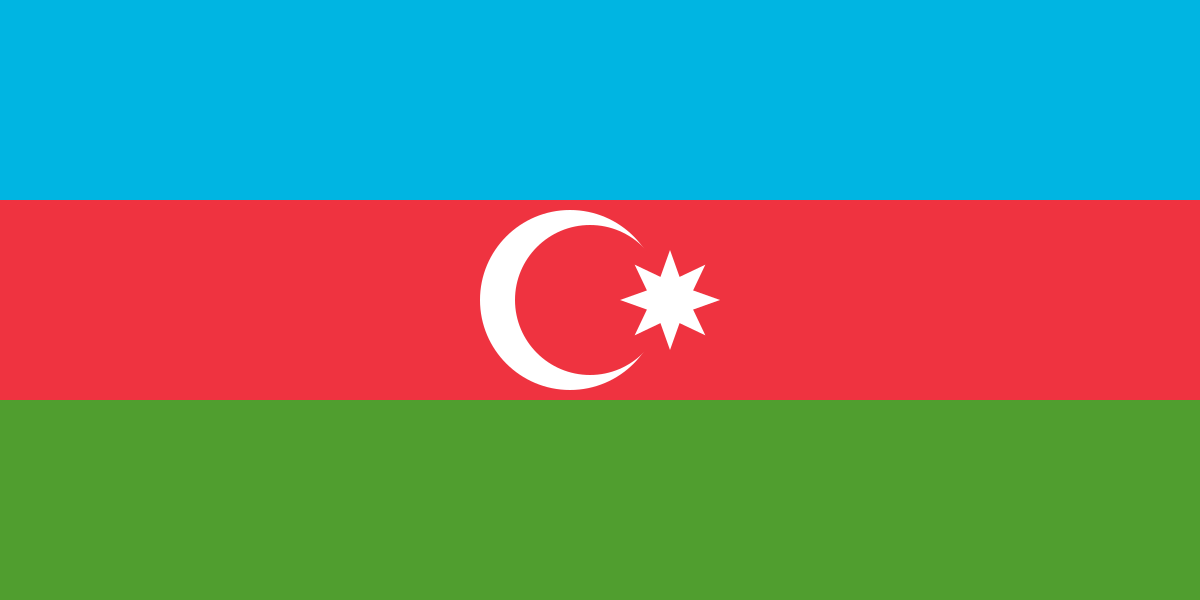
Azerbaijan is a country in the Caucasus, on the Caspian Sea, rich in oil. It was briefly independent in 1918, then a Soviet republic until 1991. It is a presidential republic.
Country · Belarus
Belarus
1991–
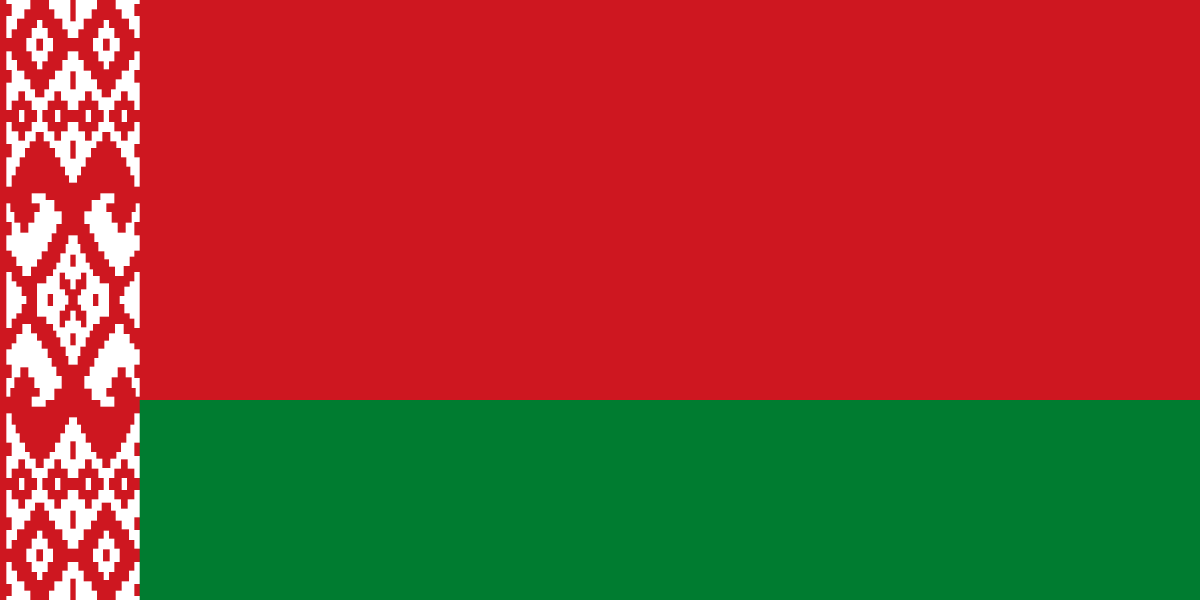
Belarus is a landlocked country in eastern Europe, between Russia and Poland. It became independent when the Soviet Union broke up in 1991. Alexander Lukashenko has been its president since 1994.
Country · Croatia
Croatia
1991–
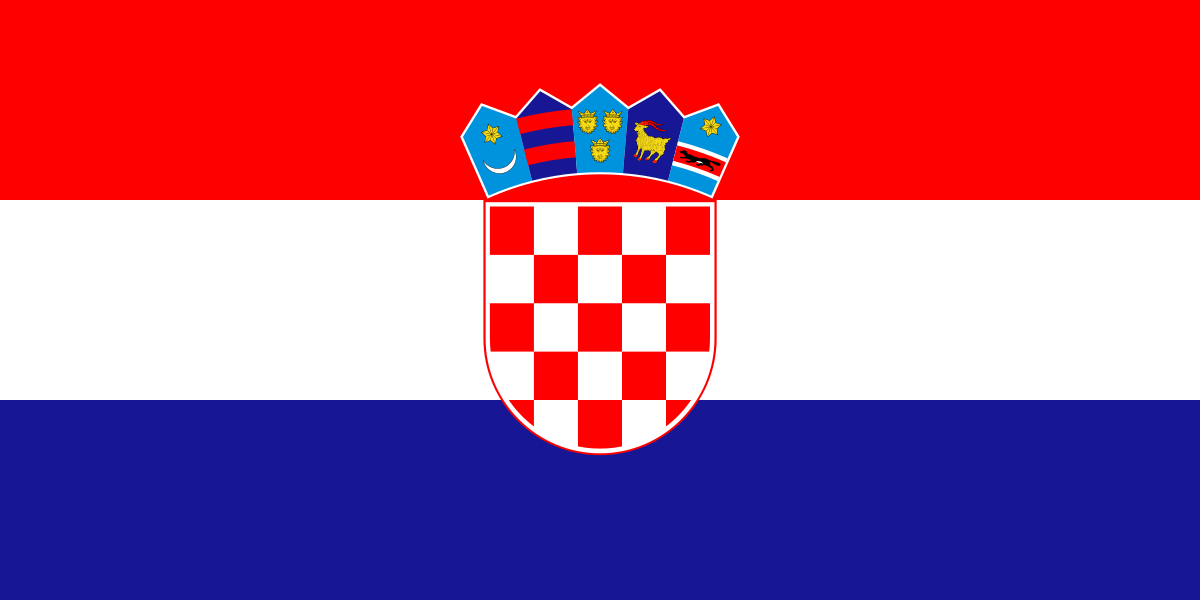
Croatia is a crescent shaped country on the Adriatic Sea. A medieval Croatian kingdom existed from the tenth century; the modern state declared independence from Yugoslavia in 1991. It fought a war of independence until 1995 and joined the European Union in 2013.
Country · Estonia
Estonia
1991–
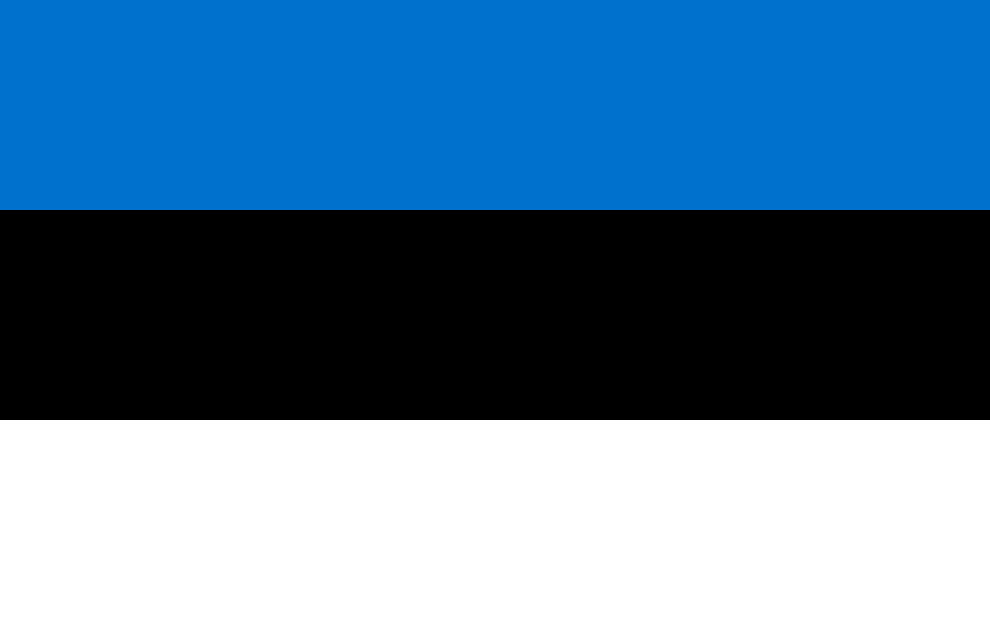
Estonia is a Baltic country on the Gulf of Finland. It was independent from 1918 to 1940, then absorbed into the Soviet Union. It restored independence in 1991 and became known for its digital government.
Country · Georgia
Georgia
1991–
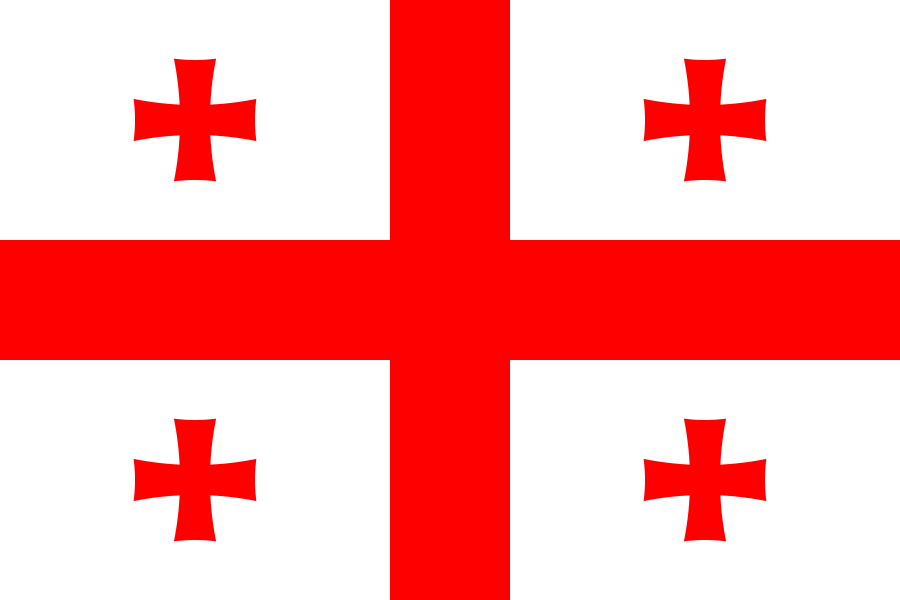
Georgia is a mountainous country in the Caucasus with one of the oldest Christian traditions. Its medieval kingdom was a regional power before falling to Mongols and Persians. It became independent from the Soviet Union in 1991.
Country · Kazakhstan
Kazakhstan
1991–
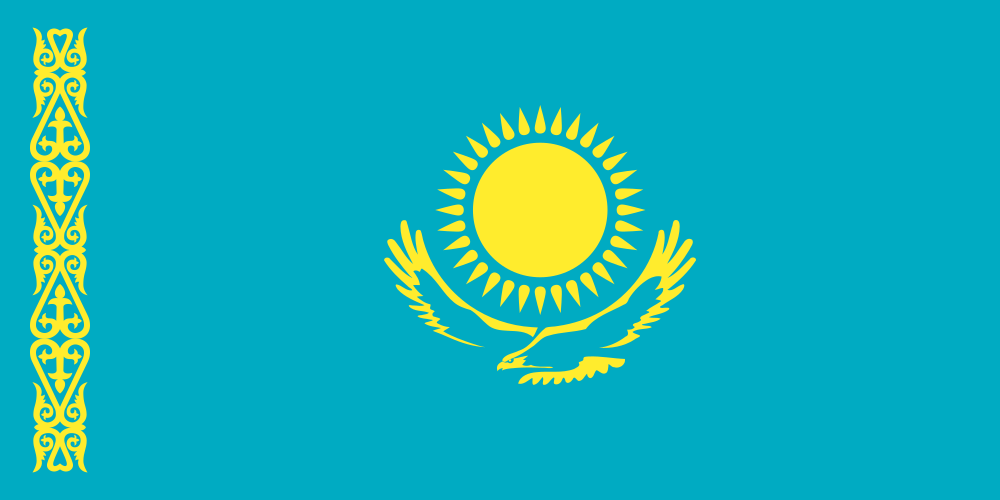
Kazakhstan is the largest landlocked country in the world, stretching across the central Asian steppe. It was the last Soviet republic to declare independence, in 1991. It is a presidential republic rich in oil and minerals.
Country · Kyrgyzstan
Kyrgyzstan
1991–
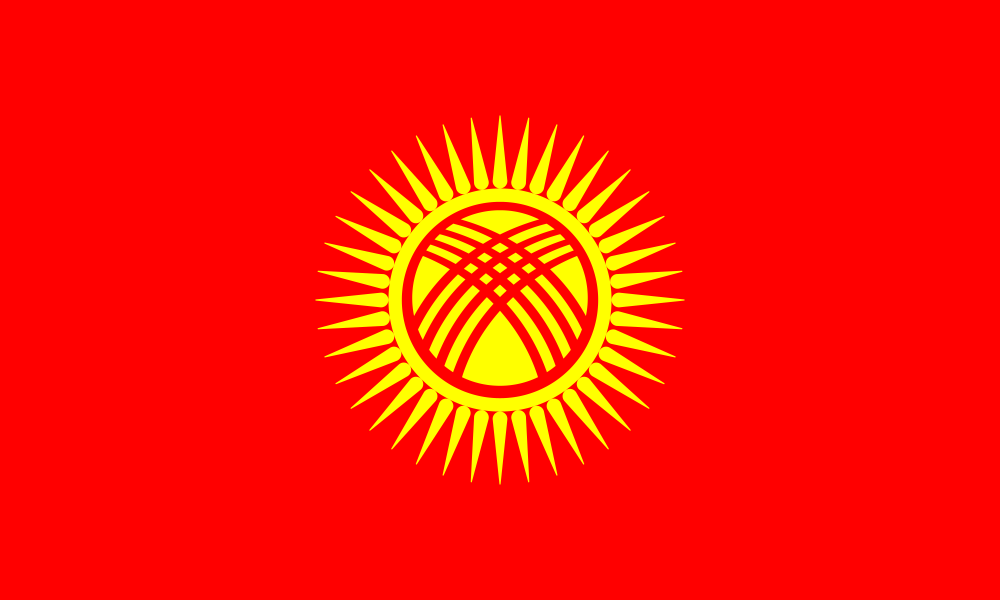
Kyrgyzstan is a mountainous, landlocked country in central Asia. Its people are traditionally nomadic herders. It became independent from the Soviet Union in 1991 and is a parliamentary republic.
Country · Latvia
Latvia
1991–
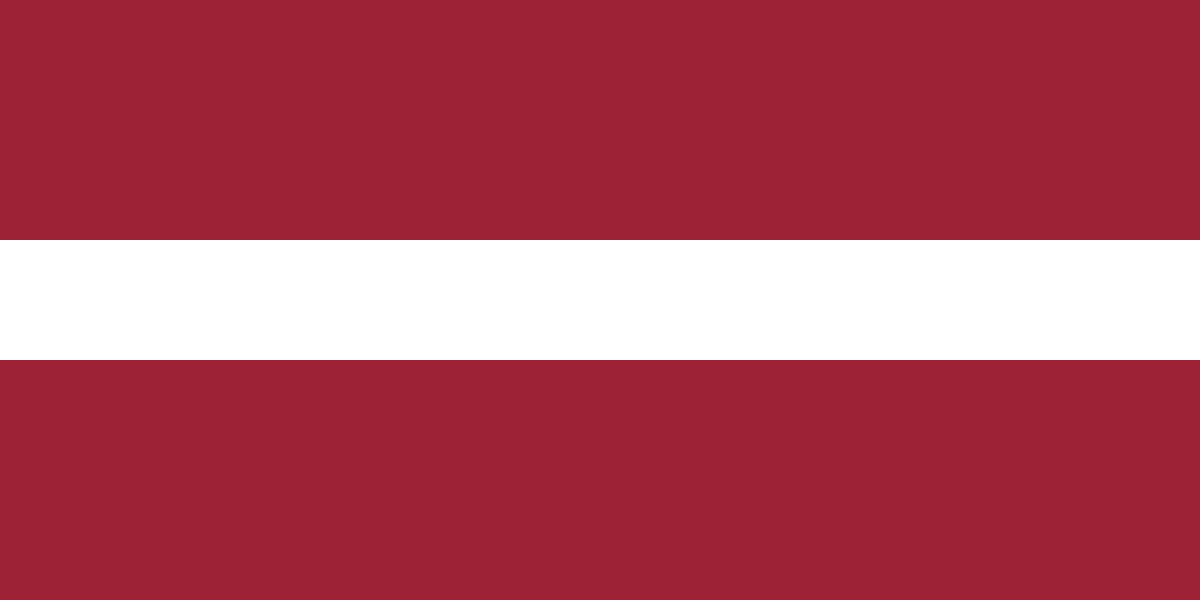
Latvia is a Baltic country on the eastern shore of the Baltic Sea. It was independent from 1918 to 1940, then absorbed into the Soviet Union. It restored independence in 1991.
Country · Lithuania
Lithuania
1991–
Lithuania is the largest of the Baltic states. Its medieval grand duchy was once the largest state in Europe. It was independent from 1918 to 1940, then under Soviet rule until independence was restored in 1991.
Country · Moldova
Moldova
1991–
Moldova is a landlocked country between Romania and Ukraine. Most of its territory was the Romanian province of Bessarabia before the Soviet Union took it in 1940. It became independent in 1991.
Country · North Macedonia
North Macedonia
1991–
North Macedonia is a landlocked Balkan country. It declared independence from Yugoslavia in 1991, the only republic to leave without war. A naming dispute with Greece was settled in 2019, when the country added North to its name.
Country · Russia
Russia
1991–
Russia is the largest country in the world, spanning eastern Europe and northern Asia. The Russian Federation was founded in 1991 from the wreckage of the Soviet Union. It is a federal semi presidential republic.
Country · Slovenia
Slovenia
1991–
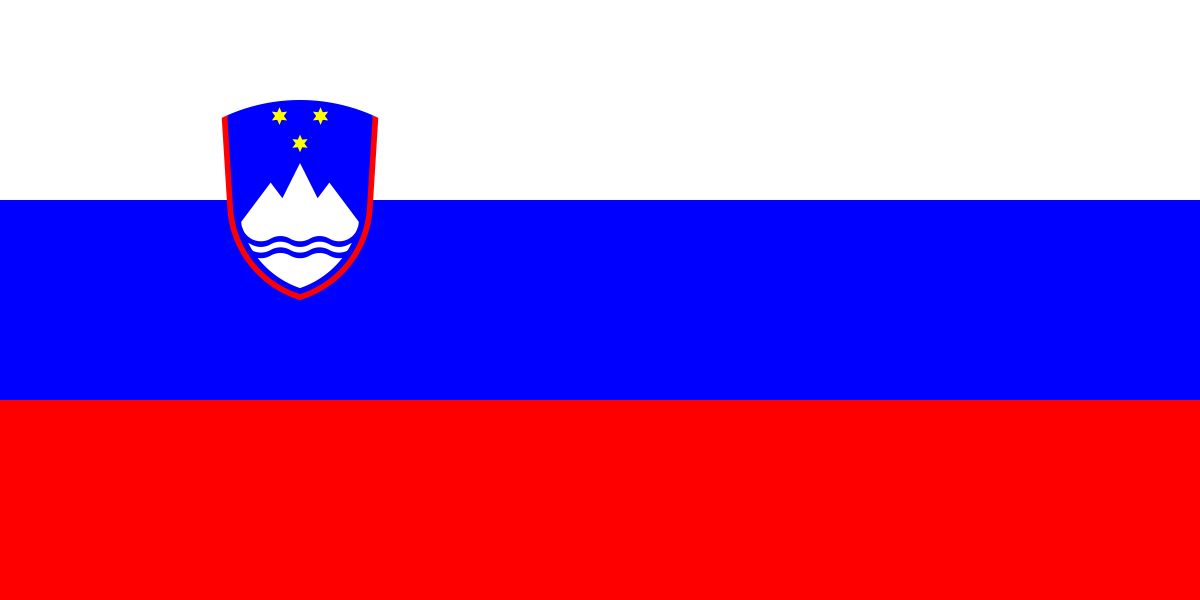
Slovenia is a small country between Italy, Austria, and Croatia. It was the first Yugoslav republic to declare independence, in 1991, after a ten day war. It is a parliamentary republic and the wealthiest of the former Yugoslav states.
Country · Tajikistan
Tajikistan
1991–
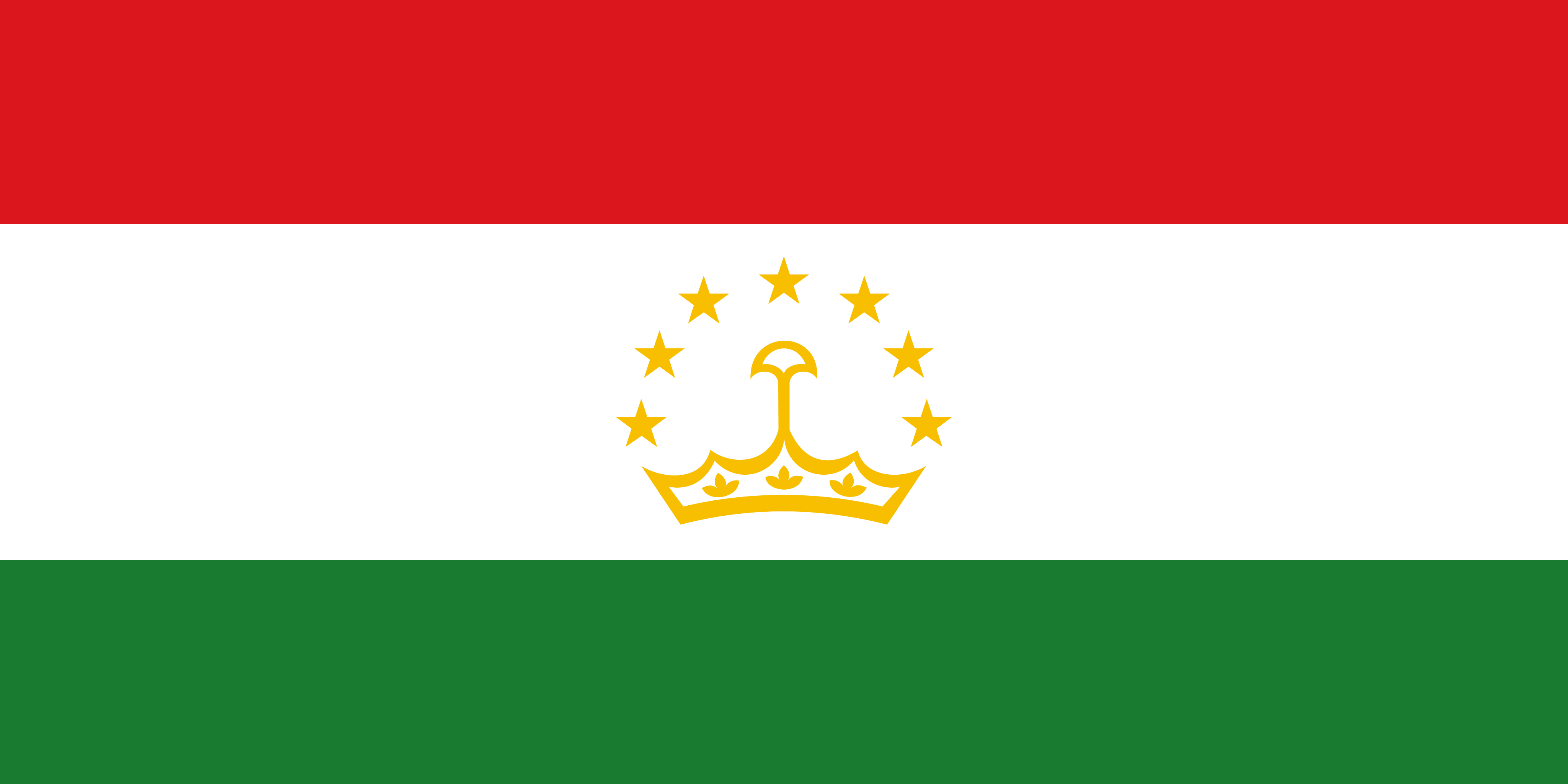
Tajikistan is a mountainous, landlocked country in central Asia, the poorest of the former Soviet republics. Its people speak Persian. It became independent in 1991 and suffered a civil war through the 1990s.
Country · Turkmenistan
Turkmenistan
1991–
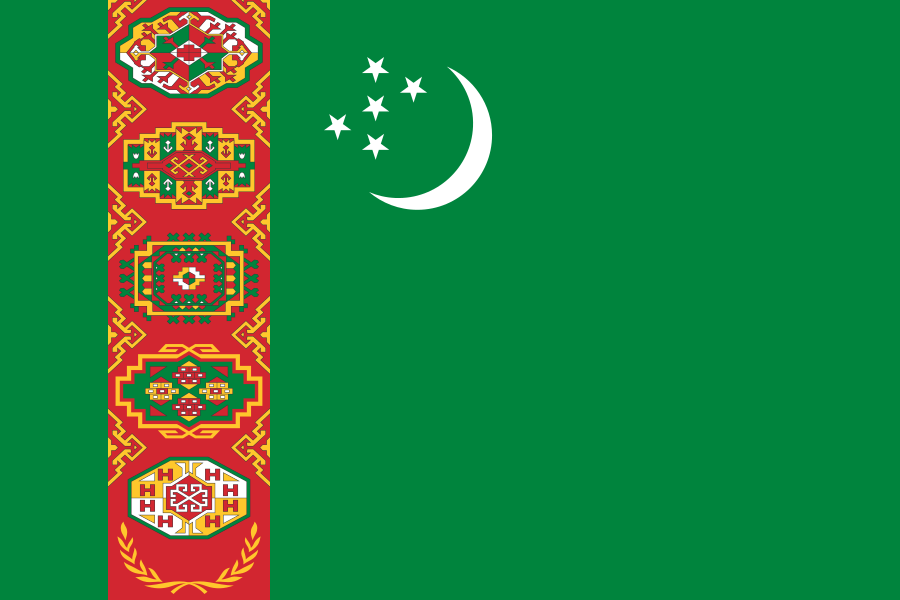
Turkmenistan is a desert country in central Asia, mostly covered by the Karakum. It became independent from the Soviet Union in 1991. It is one of the most closed states in the world, ruled autocratically and rich in natural gas.
Country · Ukraine
Ukraine
1991–
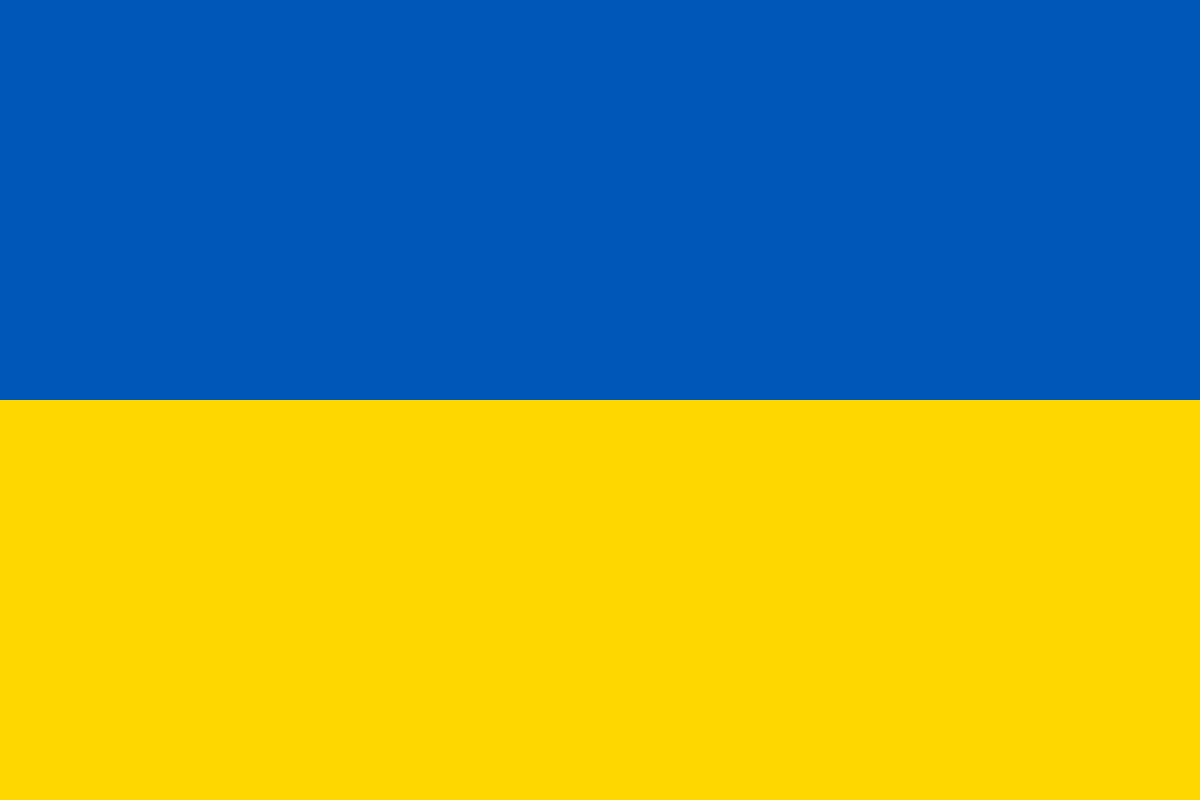
Ukraine is the largest country entirely in Europe. Its medieval state, Kievan Rus, was the cradle of Russian, Ukrainian, and Belarusian culture. The modern state became independent in 1991 and has fought to defend that independence since 2014.
Country · Uzbekistan
Uzbekistan
1991–
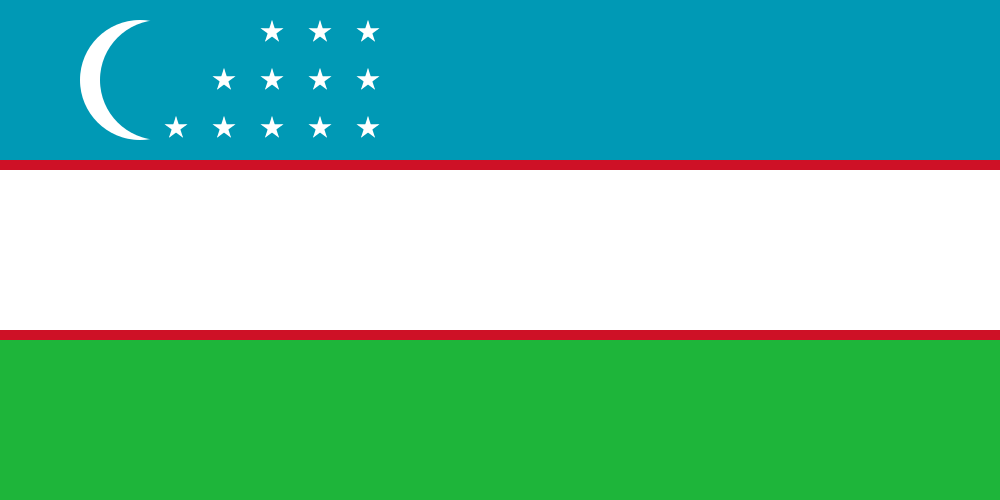
Uzbekistan is a landlocked country in central Asia, home to the Silk Road cities of Samarkand and Bukhara. It became independent from the Soviet Union in 1991. It is a presidential republic, the most populous of the central Asian states.
Country · Bosnia and Herzegovina
Bosnia and Herzegovina
1992–
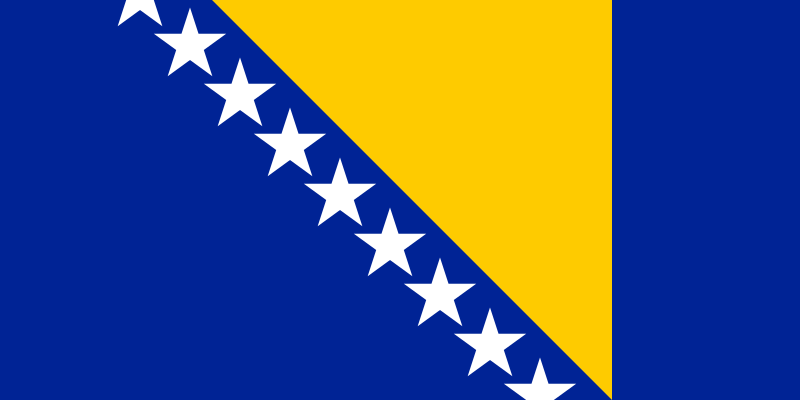
Bosnia and Herzegovina is a Balkan country that declared independence from Yugoslavia in 1992. The declaration was followed by a three year war that ended with the Dayton Agreement of 1995. It is a federation of two entities sharing a three member presidency.
Country · Czechia
Czechia
1993–
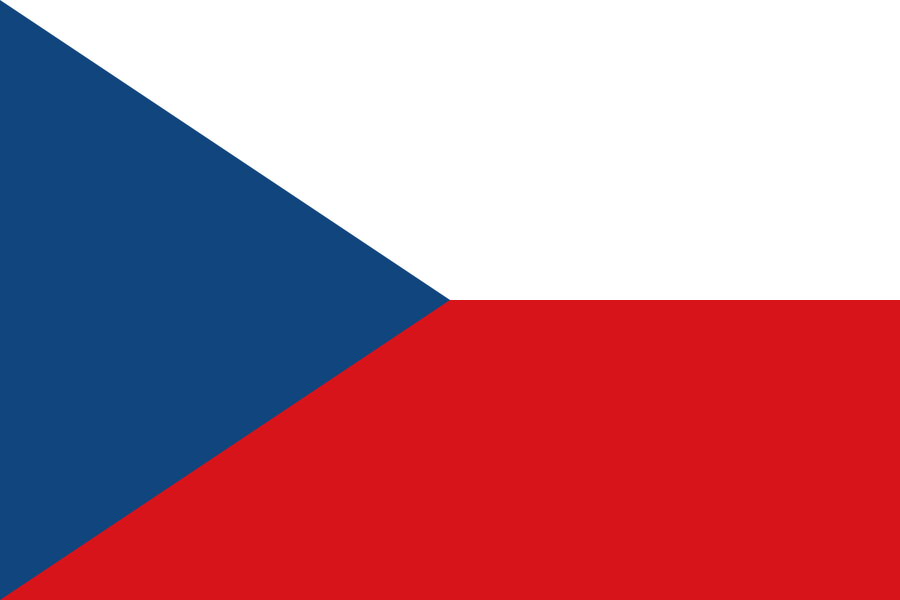
Czechia, also called the Czech Republic, is a landlocked country in central Europe. It was part of Czechoslovakia from 1918 until the peaceful split of 1993. Václav Havel, the dissident playwright, became its first president.
Country · Eritrea
Eritrea
1993–
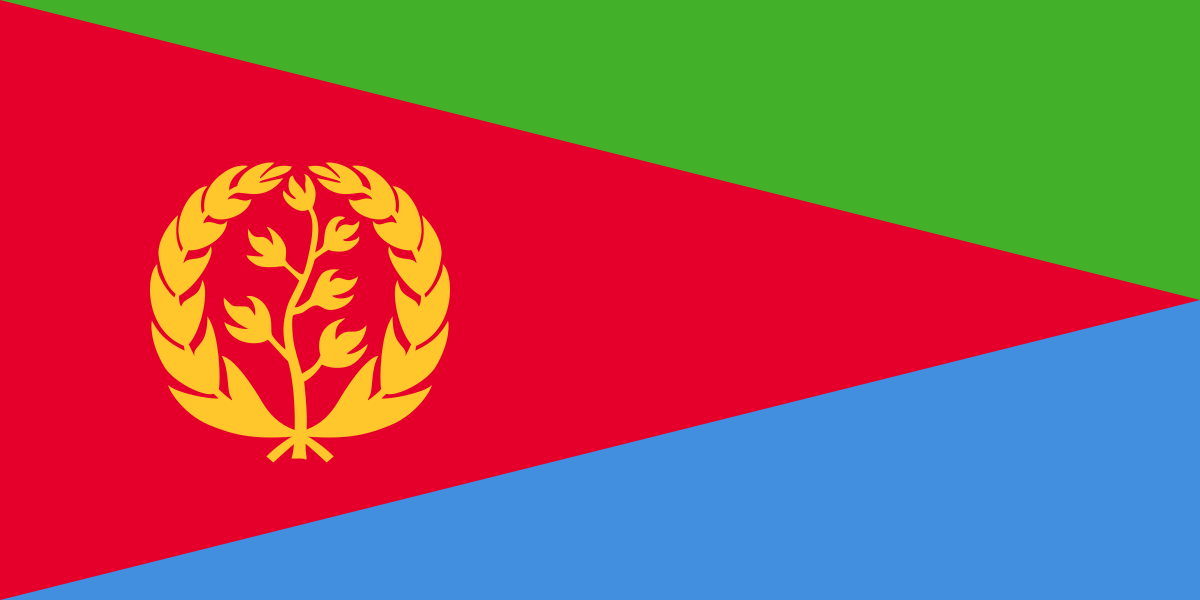
Eritrea is a country on the Red Sea coast of the Horn of Africa. It was an Italian colony, then federated with Ethiopia, which annexed it. After a thirty year war it became independent in 1993. It is one of the most repressive states in the world.
Country · Slovakia
Slovakia
1993–
Slovakia is a landlocked country in central Europe. It was the eastern half of Czechoslovakia from 1918 until the peaceful split of 1993. It is a parliamentary republic.
Country · Palau
Palau
1994–
Palau is a Pacific archipelago of about three hundred islands. Spain, Germany, Japan, and America ruled it in turn. It became independent in 1994 and is a presidential republic.
Country · Hong Kong
Hong Kong
1997–
Hong Kong is a Special Administrative Region of China on the south China coast. Britain took Hong Kong Island in 1842, added Kowloon in 1860, and leased the New Territories in 1898. The whole territory passed to China in 1997 under the Basic Law. Beijing imposed a national security law in 2020 after a year of mass protests.
Country · Timor-Leste
Timor-Leste
2002–
Timor-Leste, also called East Timor, occupies the eastern half of the island of Timor. Portugal ruled it for centuries; Indonesia invaded in 1975. After a bloody occupation it became independent in 2002, the first new state of the century.
Country · French Polynesia
French Polynesia
2004–
French Polynesia is an overseas collectivity of France spread across five archipelagos in the South Pacific. France protected Tahiti from 1842 and annexed it in 1880. France tested nuclear weapons on its atolls from 1966 to 1996. An autonomy statute of 2004 widened local powers, and tourism and black pearls lead the economy.
Country · Montenegro
Montenegro
2006–
Montenegro is a small Balkan country on the Adriatic Sea. It was a kingdom before the First World War, then part of Yugoslavia for most of the twentieth century. It restored independence by referendum in 2006.
Country · Serbia
Serbia
2006–
Serbia is a landlocked Balkan country. Its medieval kingdom fell to the Ottomans in the fifteenth century; the modern state won autonomy in the nineteenth. After the breakup of Yugoslavia, Serbia became fully independent again in 2006.
Country · Kosovo
Kosovo
2008–
Kosovo is a landlocked Balkan country that declared independence from Serbia in 2008. Over one hundred UN member states recognize it; Serbia does not. It is a parliamentary republic; its independence was internationally supervised until 2012.
Country · Curaçao
Curaçao
2010–
Curaçao is a constituent country of the Kingdom of the Netherlands in the southern Caribbean. The Dutch seized it in 1634 and made Willemstad a trading port and a depot in the Atlantic slave trade. Curaçao belonged to the Netherlands Antilles until that federation dissolved in 2010, when it became a country inside the Kingdom.
Country · South Sudan
South Sudan
2011–
South Sudan is the world's newest country, independent since 2011. Its people fought two long wars against Khartoum before voting to separate. Civil war broke out again in 2013; it is a presidential republic.
Background: UN General Assembly hall (CC BY-SA 4.0) —
source