

Country · China
China
1949–
China is the second most populous country on earth, after India, and one of the oldest continuous civilizations. The People's Republic of China was proclaimed in 1949 after the communists won the civil war. It is ruled by the Chinese Communist Party as a single party state.
Beijing is the capital of China, the second most populous country in the world. The population is about 1.41 billion (2024 estimate). Standard Chinese, based on Mandarin, is the official language. The Chinese Communist Party rules China as a single party state, and the party leader holds the presidency.
Imperial dynasties ruled China for more than two thousand years from the first unification under Qin Shi Huang in 221 BCE. The Han, Tang, Song, Ming, and Qing dynasties each held the country for centuries. The Qing fell in 1912, and the Republic of China that followed broke into warlord rule, then war with Japan from 1937, then civil war between the Nationalists under Chiang Kai-shek and the Communists under Mao Zedong.
Mao proclaimed the People's Republic of China on 1 October 1949, and the Nationalists withdrew to Taiwan. The party collectivized farming, ran the Great Leap Forward and the Cultural Revolution, and opened the economy to markets under Deng Xiaoping from 1978. China grew into the world's largest exporter and its second largest economy. The detailed record of the People's Republic stands in the civilization entry for the PRC.
Facts
- Founded
- 1 October 1949, the People's Republic proclaimed in Beijing after the communist victory.
- Source: CIA World Factbook
- Capital
- Beijing.
- Source: CIA World Factbook
- Major rulers
- Qin Shi Huang, the first emperor, who unified China in 221 BC; Mao Zedong, founder of the People's Republic; Deng Xiaoping, who opened the economy in 1978.
- Source: Encyclopaedia Britannica, China
- Government
- Single party communist state.
- Source: CIA World Factbook
Sources
Source links accessed 22 November 2026.
Images
Related
- Twentieth centuryConnected
- People's Republic of ChinaConnected
- Mao ZedongConnected
- Chiang Kai-shekConnected
- Chinese Civil WarConnected
- Second Sino-Japanese WarConnected
What happened elsewhere
Pairings are by recorded year, not exact simultaneity.
Meanwhile
Meanwhile, around the world — drag to spin, click a pulsing marker.
Keep reading
Test yourself
What was the capital?
- Beijing
- Conakry
- Riyadh
- Pago Pago
Answer
Beijing — Capital: Beijing.
When was China founded?
- 1 October 1949, the People's Republic proclaimed in Beijing after the communist victory
- 11 November 1918, independence restored after 123 years of partition
- 22 February 1979, independence from Britain
- 27 June 1977, independence from France
Answer
1 October 1949, the People's Republic proclaimed in Beijing after the communist victory — Founded: 1 October 1949, the People's Republic proclaimed in Beijing after the communist victory.
What form of government does China have?
- Single party communist state
- Presidential republic, closely tied to Russia
- Presidential republic in free association with America
- Presidential republic; the island is divided, with the north administered by Turkish Cypriots since 1974
Answer
Single party communist state — Government: Single party communist state.
True or false: China is the second most populous country on earth, after India, and one of the oldest continuous civilizations.
- True
- False
Answer
True — True. China is the second most populous country on earth, after India, and one of the oldest continuous civilizations.
Articles
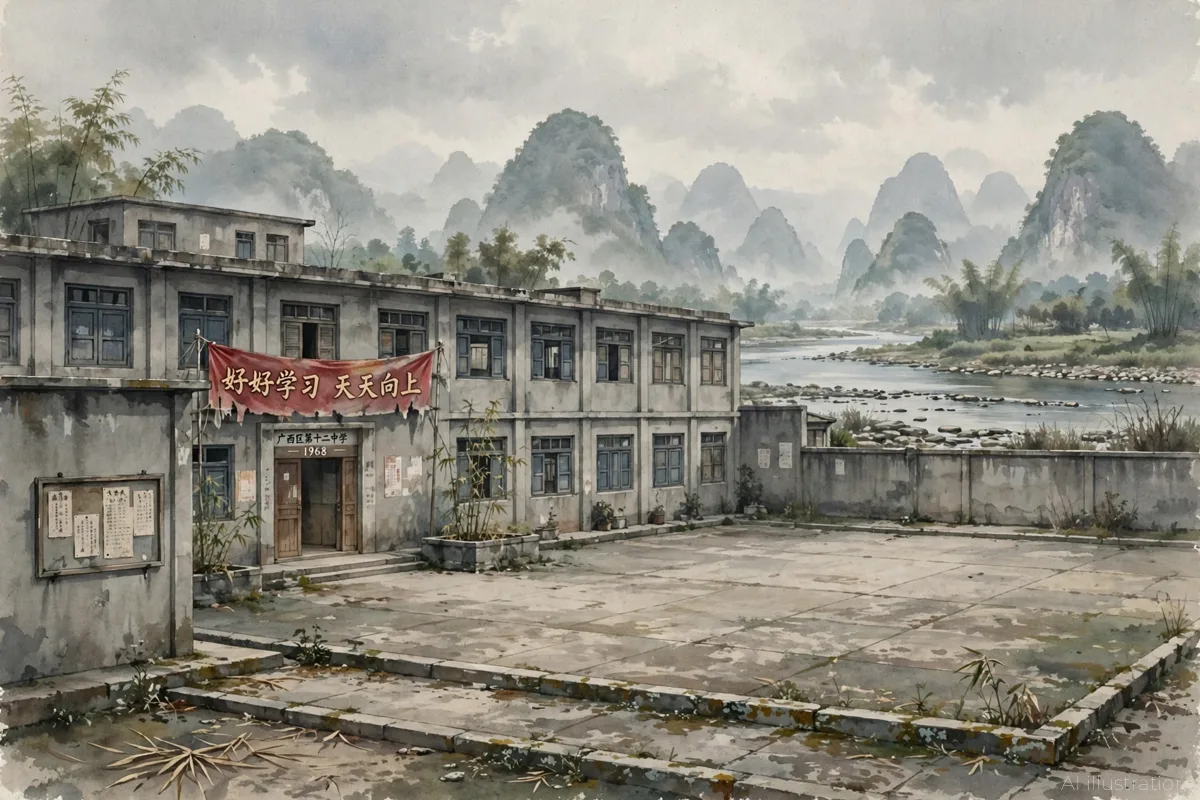 Wu Shufang: The Teacher Eaten by Her Own Students, Wuxuan County, 1968In 1968, at the height of the Cultural Revolution, the students of Wuxuan Middle School in Guangxi beat their geography teacher Wu Shufang to death, cut out her heart and liver on the bank of the Qian River, and ate them at the school. Her killing was one of dozens of documented acts of political cannibalism in the Guangxi Massacre.Read
 Before You Curse AmericaLiberty produces unequal outcomes because men are unequal in talent, judgment, appetite, luck, family, and will. Unequal outcomes produce comparison. Comparison can turn into envy.Read
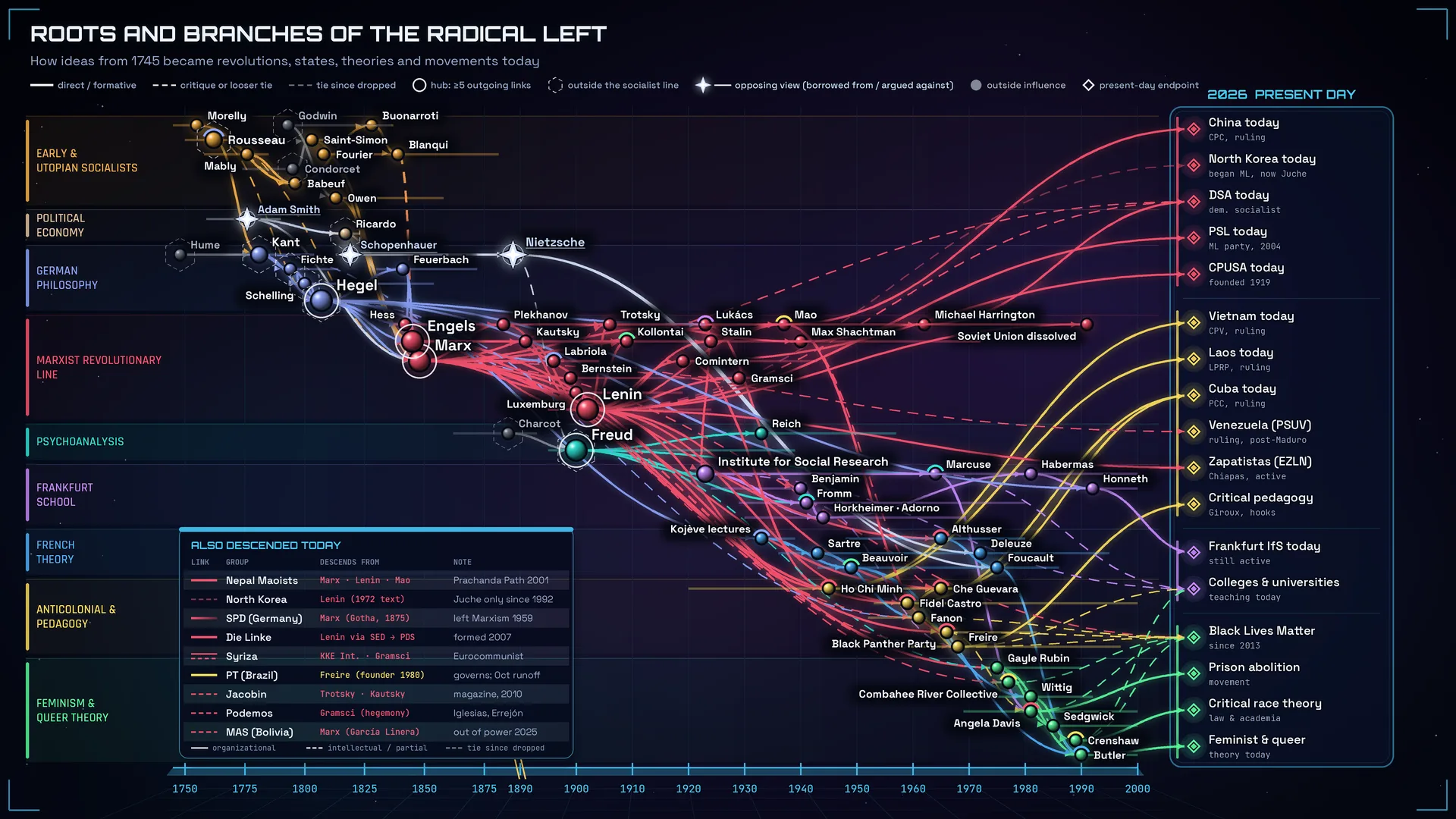 Roots and Branches of the Radical LeftHow ideas from 1745 became revolutions, states, theories and movements todayRead
My notes
Highlights on this page
None yet.
Spotted an error on this page? Email [email protected] and it will be checked against the sources.