
Country · Guinea-Bissau
Guinea-Bissau
1974–
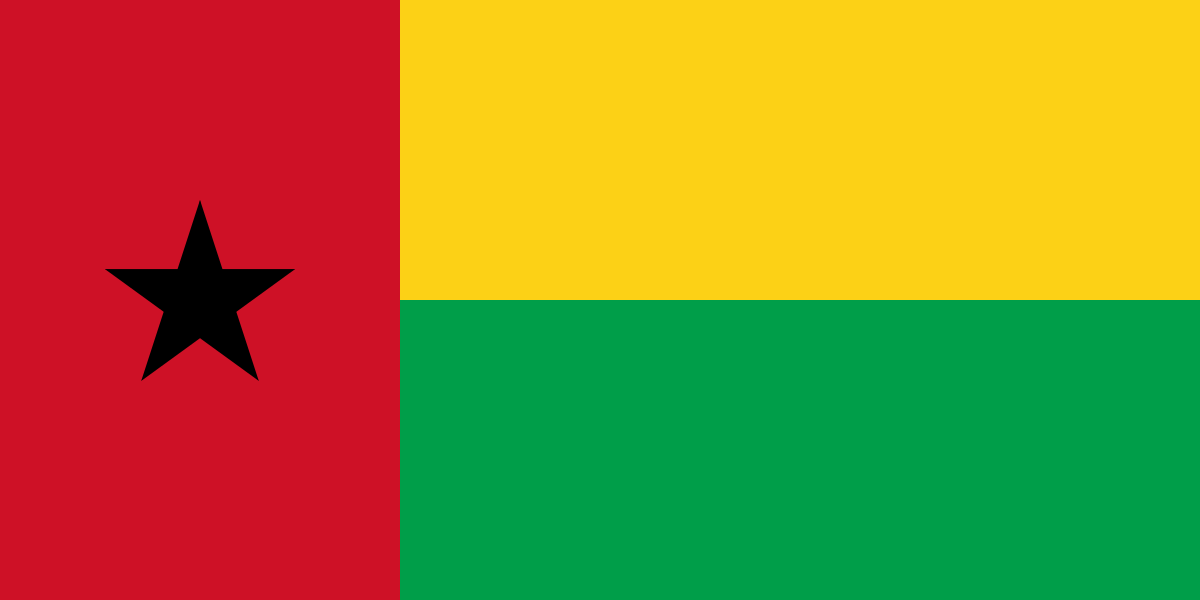
Guinea-Bissau is a small West African country of coast and islands. Portugal fought a long colonial war here before independence in 1974. It is a semi presidential republic plagued by coups and drug trafficking.
Bissau is the capital of Guinea-Bissau, a small semi presidential republic on the West African coast with an archipelago of islands offshore. Portuguese is the official language, and a Portuguese based creole serves as the common tongue. The population is about 2.2 million (2024 estimate).
Peoples including the Balanta, Fula, and Manjaco farmed this coast for centuries. Portuguese traders arrived in the 1440s and shipped enslaved people from Bissau and Cacheu for three centuries, while Portugal held little of the interior until military campaigns in the early twentieth century. Portugal ruled the territory as Portuguese Guinea.
Amílcar Cabral and Luís Cabral founded the African Party for the Independence of Guinea and Cape Verde in 1956. The party began an armed struggle in 1963 and controlled much of the countryside within a decade. Amílcar Cabral was assassinated in Conakry in January 1973. The party declared independence in September 1973, and Portugal recognized it on 10 September 1974 after its own revolution. Luís Cabral served as the first president until a coup removed him in 1980. Coups, a civil war in 1998 and 1999, and assassinations of presidents and army chiefs have recurred since, and drug traffickers have used the islands and coast to move cocaine toward Europe.
Facts
- Founded
- 10 September 1974, independence from Portugal recognized.
- Source: CIA World Factbook
- Capital
- Bissau.
- Source: CIA World Factbook
- Major rulers
- Amílcar Cabral, the independence leader, assassinated in 1973.
- Source: Encyclopaedia Britannica, Guinea-Bissau
- Government
- Semi presidential republic; chronic coups.
- Source: CIA World Factbook
Sources
Source links accessed 22 November 2026.
Images
What happened elsewhere
Pairings are by recorded year, not exact simultaneity.
- GrenadaWhile Guinea-Bissau (1974)
- NiueWhile Guinea-Bissau (1974)
- Khmer RougeWhile Guinea-Bissau (1975)
- AngolaWhile Guinea-Bissau (1975)
- Cabo VerdeWhile Guinea-Bissau (1975)
Meanwhile
Meanwhile, around the world — drag to spin, click a pulsing marker.
Keep reading
Test yourself
What was the capital?
- Bissau
- Suva
- Moroni
- Jerusalem; most countries keep embassies in Tel Aviv
Answer
Bissau — Capital: Bissau.
When was Guinea-Bissau founded?
- 10 September 1974, independence from Portugal recognized
- 29 June 1976, independence from Britain
- 22 May 1990, unification of North Yemen and South Yemen
- 15 August 1960, independence from France
Answer
10 September 1974, independence from Portugal recognized — Founded: 10 September 1974, independence from Portugal recognized.
What form of government does Guinea-Bissau have?
- Semi presidential republic; chronic coups
- Civil war since 2023 between the army and the Rapid Support Forces
- States of Deliberation legislature for the Bailiwick; a lieutenant governor represents the Crown
- A governor appointed by the British monarch, with an elected chief minister and legislative council under the ministerial system adopted in 2021
Answer
Semi presidential republic; chronic coups — Government: Semi presidential republic; chronic coups.
True or false: Guinea-Bissau is a small West African country of coast and islands.
- True
- False
Answer
True — True. Guinea-Bissau is a small West African country of coast and islands.
My notes
Highlights on this page
None yet.
Spotted an error on this page? Email [email protected] and it will be checked against the sources.