
Country · Germany
Germany
1990–
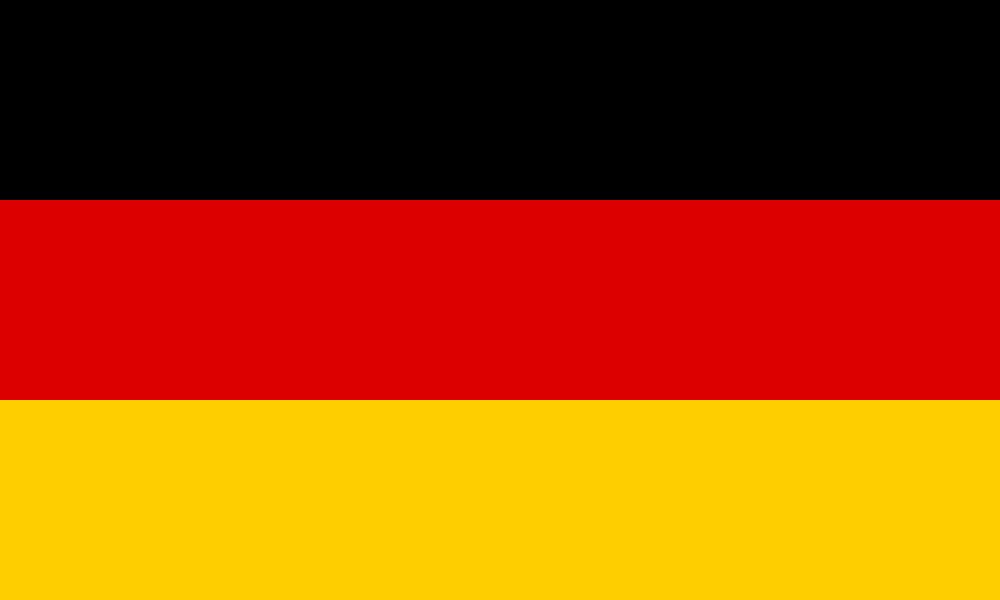
Germany is the largest economy in Europe and the most populous country in the European Union. The modern state was reunified in 1990, when East and West Germany joined after the fall of the Berlin Wall. It is a federal parliamentary republic.
Berlin is the capital of Germany, a federal parliamentary republic in central Europe. German is the official language, and about 84.5 million people lived in the country in 2024 estimates, which makes Germany the most populous member of the European Union.
German lands formed the core of the Holy Roman Empire for centuries and stayed divided among many states. Prussia led unification after wars against Denmark, Austria, and France, and the German Empire was proclaimed in 1871 with Otto von Bismarck as chancellor. Defeat in the First World War forced the emperor to abdicate in 1918. The Weimar Republic followed, and Adolf Hitler's Nazi Party took power in 1933.
The Nazi government carried out the Holocaust, the murder of six million Jews, and started the Second World War. Germany surrendered in 1945, and the Allied powers divided the country. The Federal Republic formed in the west and the German Democratic Republic in the east in 1949, and the Berlin Wall divided Berlin from 1961. Mass protests in East Germany in 1989 brought the Wall down that November. The two states united on 3 October 1990, and the unified republic kept the western constitution and its memberships in NATO and the European Community.
Facts
- Founded
- 3 October 1990, reunification of the Federal Republic and the German Democratic Republic.
- Source: CIA World Factbook
- Capital
- Berlin.
- Source: CIA World Factbook
- Major rulers
- Otto von Bismarck, who unified Germany in 1871; Konrad Adenauer, first chancellor of the Federal Republic; Angela Merkel, chancellor from 2005 to 2021.
- Source: Encyclopaedia Britannica, Germany
- Government
- Federal parliamentary republic.
- Source: CIA World Factbook
Sources
Source links accessed 22 November 2026.
Images
Related
- Immanuel KantConnected
- The StasiConnected
- Berlin WallConnected
- Gottfried Wilhelm LeibnizConnected
- Hannah ArendtConnected
- Otto IConnected
What happened elsewhere
Pairings are by recorded year, not exact simultaneity.
- YemenWhile Germany (1990)
- NamibiaWhile Germany (1990)
- Tiananmen Square 1989While Germany (1989)
- BelarusWhile Germany (1991)
- CroatiaWhile Germany (1991)
Meanwhile
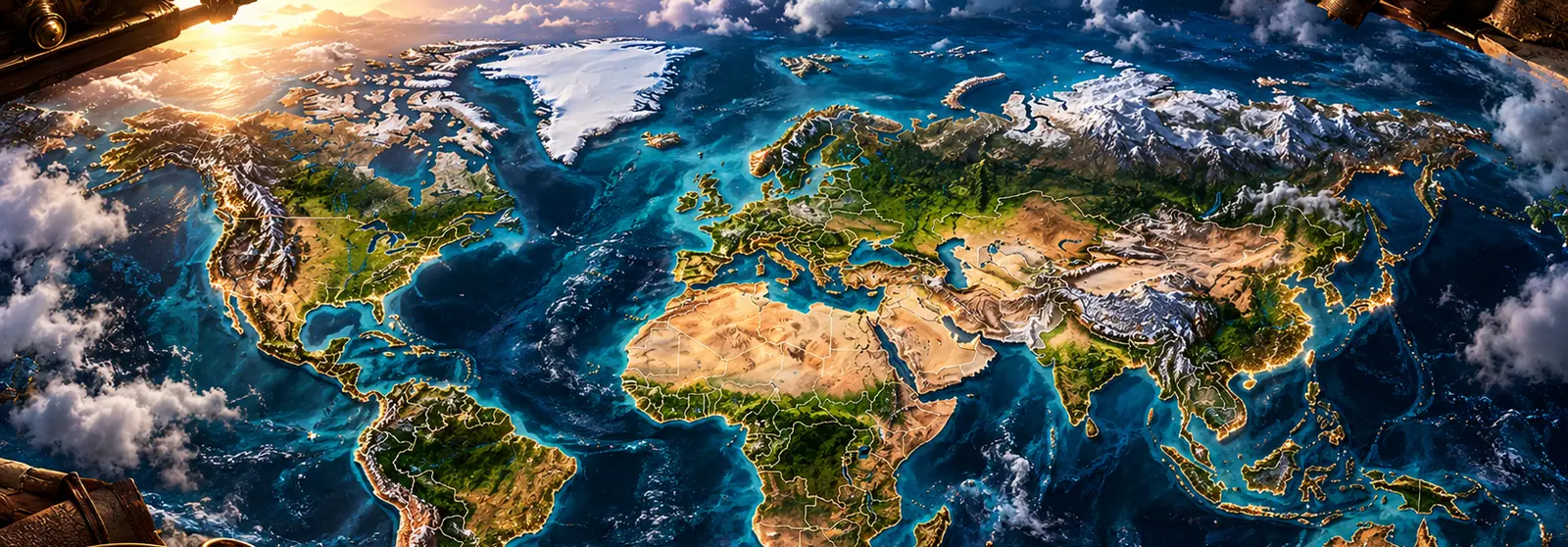
Meanwhile, around the world — drag to spin, click a pulsing marker.
Keep reading
Test yourself
What was the capital?
- Berlin
- Tegucigalpa
- Mexico City, built on the Aztec capital Tenochtitlan
- Dhaka
Answer
Berlin — Capital: Berlin.
When was Germany founded?
- 3 October 1990, reunification of the Federal Republic and the German Democratic Republic
- 27 April 1961, independence from Britain
- 1 January 1960, independence of French Cameroon; union with British Southern Cameroons in 1961
- 1956, independence from France and Spain; the Alaouite dynasty has ruled since the seventeenth century
Answer
3 October 1990, reunification of the Federal Republic and the German Democratic Republic — Founded: 3 October 1990, reunification of the Federal Republic and the German Democratic Republic.
What form of government does Germany have?
- Federal parliamentary republic
- An elected mayor and island council handle local affairs; the governor is the British high commissioner to New Zealand, based in Wellington
- States of Deliberation legislature for the Bailiwick; a lieutenant governor represents the Crown
- Military transitional rule since the 2023 coup
Answer
Federal parliamentary republic — Government: Federal parliamentary republic.
True or false: Germany is the largest economy in Europe and the most populous country in the European Union.
- True
- False
Answer
True — True. Germany is the largest economy in Europe and the most populous country in the European Union.
Articles
My notes
Highlights on this page
None yet.
Spotted an error on this page? Email [email protected] and it will be checked against the sources.