
Country · New Zealand
New Zealand
1947–
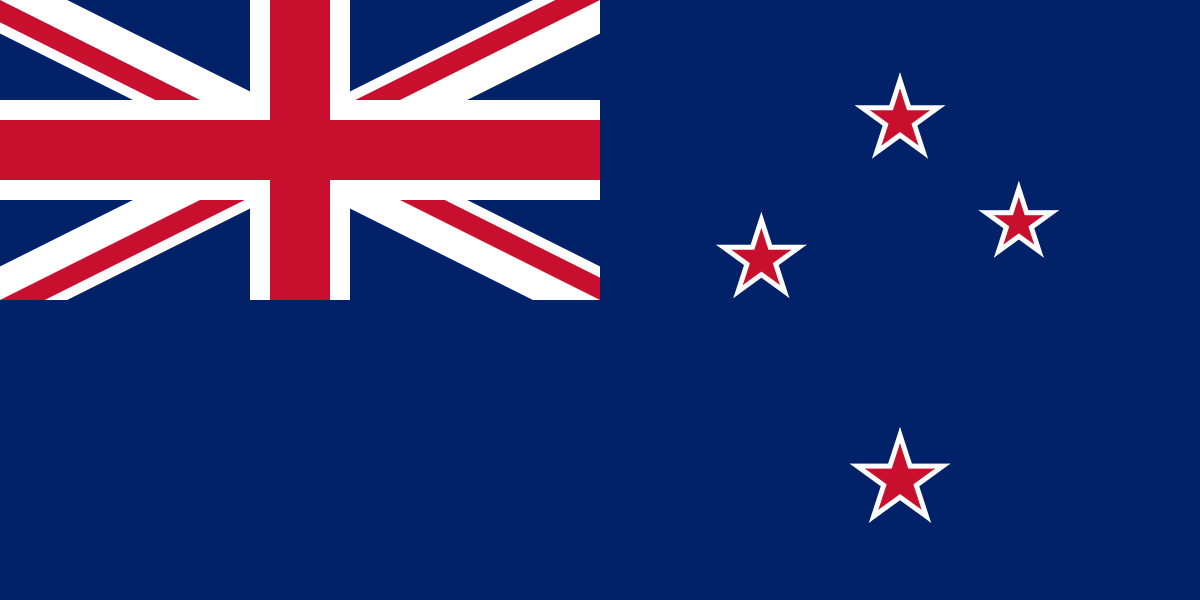
New Zealand is an island country in the southwestern Pacific. The Treaty of Waitangi in 1840 brought British rule; full independence came in 1947. It is a parliamentary constitutional monarchy.
Wellington is the capital of New Zealand, an island country in the southwestern Pacific. English, Māori, and New Zealand Sign Language are official languages. The population is about 5.3 million (2024 estimate). New Zealand is a parliamentary constitutional monarchy.
Māori voyagers from Polynesia settled the islands around 1300. Abel Tasman sighted the coast in 1642 and James Cook charted it in 1769. On 6 February 1840 British officials and Māori chiefs signed the Treaty of Waitangi. The English text has the chiefs cede sovereignty to the Crown. The Māori text grants governorship while chiefs keep authority over their lands and treasures, and the difference between the two texts is still disputed.
War followed between settlers and Māori from 1845 to 1872, and the colonial government confiscated large areas of Māori land. New Zealand became the first country to give women the vote, in 1893, and its Labour government built a welfare state in the 1930s. Parliament adopted the Statute of Westminster in 1947, gaining full control of its own laws. Since 1975 the Waitangi Tribunal has heard Māori claims over breaches of the treaty, and the Crown has settled many of them.
Facts
- Founded
- 1947, full legislative independence by the Statute of Westminster; the Treaty of Waitangi dates to 1840.
- Source: CIA World Factbook
- Capital
- Wellington.
- Source: CIA World Factbook
- Major rulers
- Richard Seddon, the long serving premier; Michael Joseph Savage, founder of the welfare state; Jacinda Ardern, prime minister from 2017 to 2023.
- Source: Encyclopaedia Britannica, New Zealand
- Government
- Parliamentary constitutional monarchy.
- Source: CIA World Factbook
Sources
Source links accessed 22 November 2026.
Images
What happened elsewhere
Pairings are by recorded year, not exact simultaneity.
Meanwhile
Meanwhile, around the world — drag to spin, click a pulsing marker.
Keep reading
Test yourself
What was the capital?
- Wellington
- Asmara
- Adamstown
- Avarua
Answer
Wellington — Capital: Wellington.
When was New Zealand founded?
- 1947, full legislative independence by the Statute of Westminster; the Treaty of Waitangi dates to 1840
- 23 September 1932, unification proclaimed by Abdulaziz Ibn Saud
- 24 December 1951, independence as a kingdom under United Nations auspices
- 1821, independence from Spain with the rest of Central America
Answer
1947, full legislative independence by the Statute of Westminster; the Treaty of Waitangi dates to 1840 — Founded: 1947, full legislative independence by the Statute of Westminster; the Treaty of Waitangi dates to 1840.
What form of government does New Zealand have?
- Parliamentary constitutional monarchy
- Presidential republic; chronic instability and armed groups control much of the country
- Parliamentary system with a premier; the King of New Zealand is head of state, represented by a governor general
- A territorial council governs local affairs; a prefect represents the French state, and the islands send one deputy and one senator to Paris
Answer
Parliamentary constitutional monarchy — Government: Parliamentary constitutional monarchy.
True or false: New Zealand is an island country in the southwestern Pacific.
- True
- False
Answer
True — True. New Zealand is an island country in the southwestern Pacific.
My notes
Highlights on this page
None yet.
Spotted an error on this page? Email [email protected] and it will be checked against the sources.