
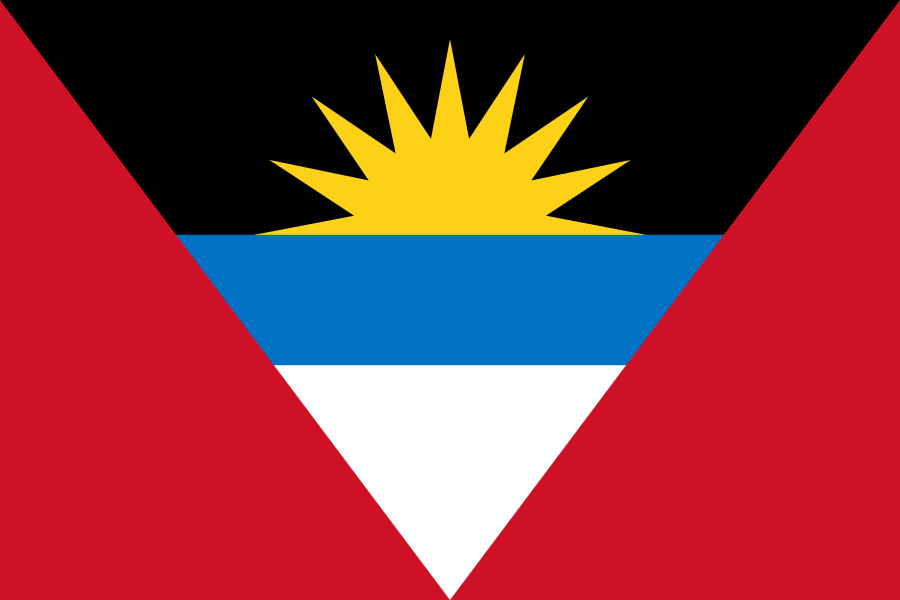
Country · Antigua and Barbuda
Antigua and Barbuda
1981–
Antigua and Barbuda is a twin island country in the Caribbean. Britain colonized the islands for sugar, worked by enslaved Africans. It became independent in 1981 and is a parliamentary constitutional monarchy.
St. John's is the capital of Antigua and Barbuda, a country of two main islands in the eastern Caribbean. The population is about 100,000 (2024 estimate). English is the official language. The country is a parliamentary constitutional monarchy, and the British monarch is head of state, represented by a governor general.
Indigenous peoples lived on the islands for centuries before Christopher Columbus sighted Antigua in 1493 and named it after a church in Seville. English settlers colonized Antigua in 1632 and Barbuda soon after. Planters grew sugar with the labor of enslaved Africans, and sugar dominated the economy until the twentieth century. Britain abolished slavery in its colonies in 1834, and the freed people worked as low paid laborers on the estates. Antigua and Barbuda moved through stages of self government within British Caribbean federations and became an associated state with internal self government in 1967. The country became independent on 1 November 1981, with Vere Bird as the first prime minister. Barbuda has its own council for local affairs, and its residents hold land in common under a system that governments have repeatedly tried to change. Tourism provides most income, and the country earns money from offshore financial services and citizenship sales.
Facts
- Founded
- 1 November 1981, independence from Britain.
- Source: CIA World Factbook
- Capital
- Saint John's.
- Source: CIA World Factbook
- Major rulers
- Vere Bird, the first prime minister, who dominated politics for decades.
- Source: Encyclopaedia Britannica, Antigua and Barbuda
- Government
- Parliamentary constitutional monarchy.
- Source: CIA World Factbook
Sources
Source links accessed 22 November 2026.
Images
What happened elsewhere
Pairings are by recorded year, not exact simultaneity.
- BelizeWhile Antigua and Barbuda (1981)
- ZimbabweWhile Antigua and Barbuda (1980)
- VanuatuWhile Antigua and Barbuda (1980)
- Islamic Revolutionary Guard CorpsWhile Antigua and Barbuda (1979)
- IranWhile Antigua and Barbuda (1979)
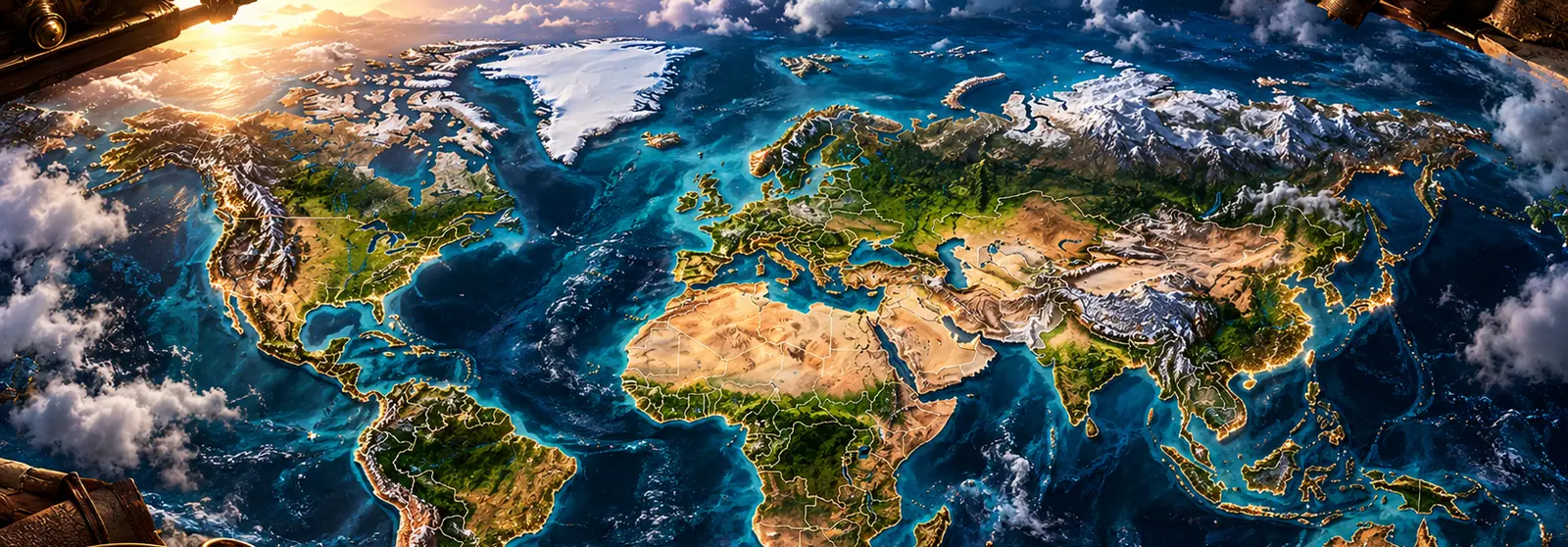
Meanwhile
Meanwhile, around the world — drag to spin, click a pulsing marker.
Keep reading
Test yourself
What was the capital?
- Saint John's
- Rome
- Jakarta, moving to Nusantara
- Dhaka
Answer
Saint John's — Capital: Saint John's.
When was Antigua and Barbuda founded?
- 1 November 1981, independence from Britain
- 4 January 1948, independence from Britain
- 6 July 1964, independence from Britain
- 1 July 1960, union of British Somaliland and Italian Somalia
Answer
1 November 1981, independence from Britain — Founded: 1 November 1981, independence from Britain.
What form of government does Antigua and Barbuda have?
- Parliamentary constitutional monarchy
- Federal parliamentary republic since 2008
- Presidential republic under long authoritarian rule
- Elected governor and legislature under the Revised Organic Act of 1954; one nonvoting delegate sits in the United States House of Representatives
Answer
Parliamentary constitutional monarchy — Government: Parliamentary constitutional monarchy.
True or false: Antigua and Barbuda is a twin island country in the Caribbean.
- True
- False
Answer
True — True. Antigua and Barbuda is a twin island country in the Caribbean.
My notes
Highlights on this page
None yet.
Spotted an error on this page? Email [email protected] and it will be checked against the sources.