
Country · Slovenia
Slovenia
1991–
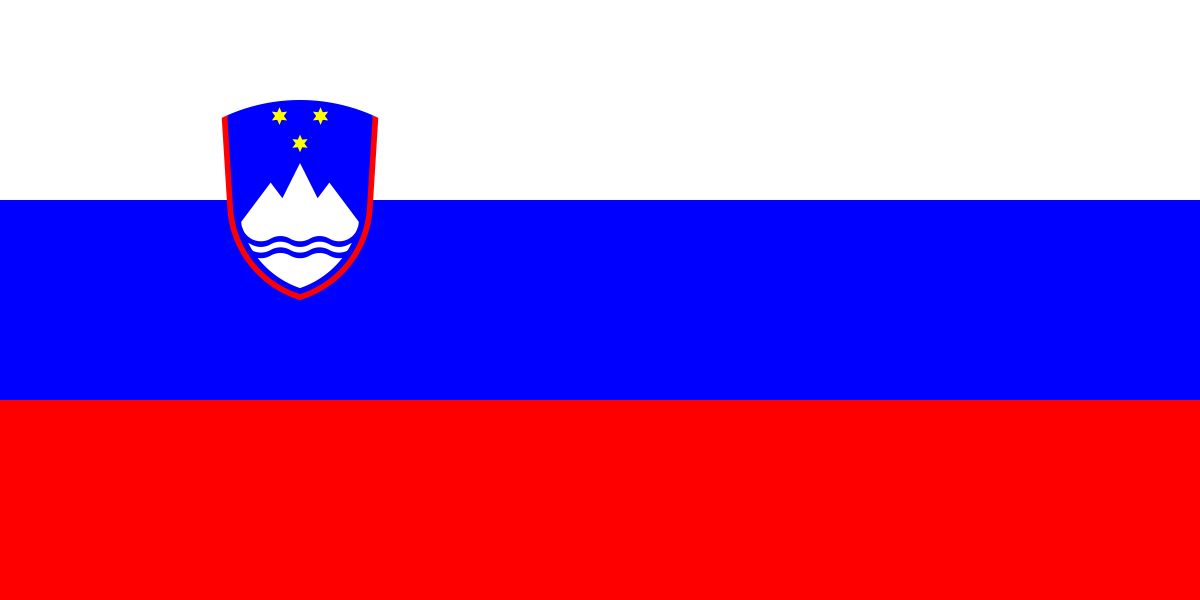
Slovenia is a small country between Italy, Austria, and Croatia. It was the first Yugoslav republic to declare independence, in 1991, after a ten day war. It is a parliamentary republic and the wealthiest of the former Yugoslav states.
Slovenia is a country at the northern end of the Adriatic, between Italy, Austria, Croatia, and Hungary, and Ljubljana is its capital. The population is about 2.1 million (2024 estimate). Slovene is the official language, and Italian and Hungarian hold protected status in minority areas. Slovenia is a parliamentary republic, with a president as head of state and a prime minister leading the government.
Slavic ancestors of the Slovenes settled the Alps in the sixth century and formed the principality of Carantania. Franks absorbed the region, and from 1282 the Habsburgs governed Slovene lands for six centuries. Primož Trubar printed the first Slovene books in 1550. In 1918 Slovenes joined the Kingdom of Serbs, Croats and Slovenes, later Yugoslavia. Germany, Italy, and Hungary divided the Slovene lands in 1941, and partisans resisted them. In 1945 Slovenia became a republic of communist Yugoslavia and became its most developed republic.
Slovenia held multiparty elections in 1990 and voted for independence in a referendum that December. It declared independence on 25 June 1991. The Yugoslav People's Army fought a ten day war against it, and the Brioni Agreement of July 1991 ended the fighting. European states recognized Slovenia in January 1992, and it entered the United Nations that May. Slovenia joined NATO and the European Union in 2004 and adopted the euro in 2007.
Facts
- Founded
- 25 June 1991, independence declared from Yugoslavia.
- Source: CIA World Factbook
- Capital
- Ljubljana.
- Source: CIA World Factbook
- Major rulers
- Milan Kučan, the first president, from 1991 to 2002.
- Source: Encyclopaedia Britannica, Slovenia
- Government
- Parliamentary republic.
- Source: CIA World Factbook
Sources
Source links accessed 22 November 2026.
Images
What happened elsewhere
Pairings are by recorded year, not exact simultaneity.
Meanwhile
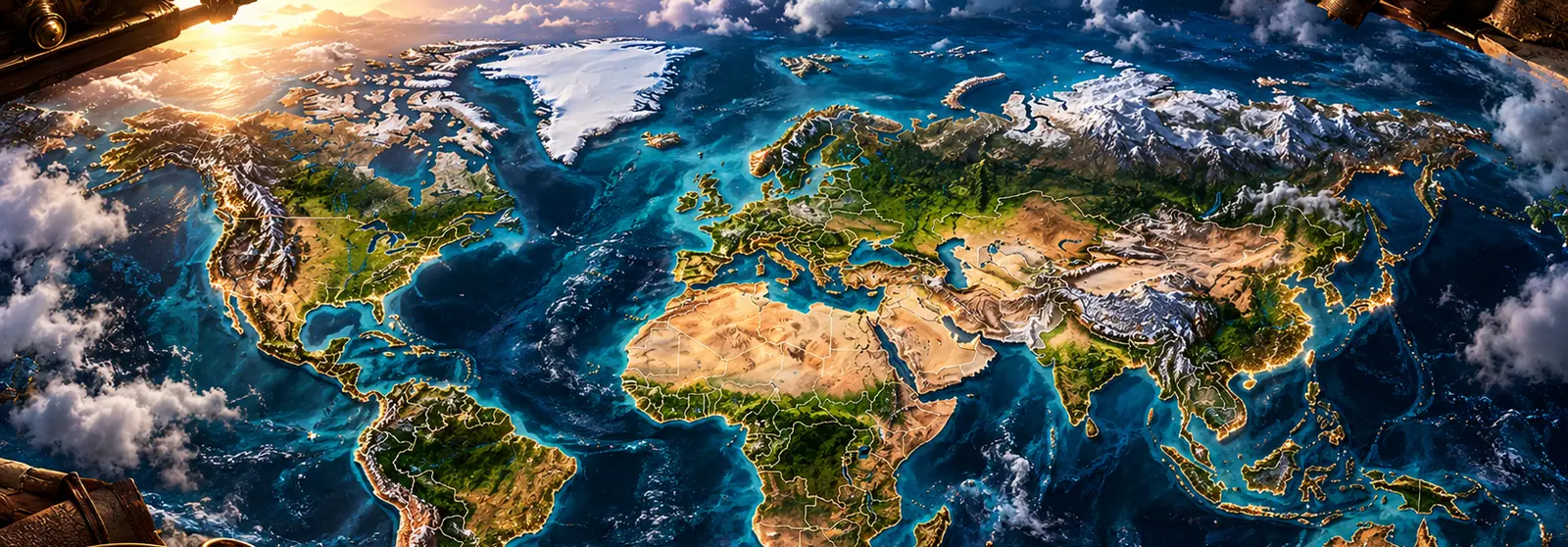
Meanwhile, around the world — drag to spin, click a pulsing marker.
Keep reading
Test yourself
What was the capital?
- Ljubljana
- Lima
- The Valley
- San José
Answer
Ljubljana — Capital: Ljubljana.
When was Slovenia founded?
- 25 June 1991, independence declared from Yugoslavia
- 21 September 1964, independence from Britain
- 5 August 1960, independence from France as Upper Volta
- 6 December 1917, independence declared from Russia
Answer
25 June 1991, independence declared from Yugoslavia — Founded: 25 June 1991, independence declared from Yugoslavia.
What form of government does Slovenia have?
- Parliamentary republic
- Presidential republic; Islam is the state religion
- States of Deliberation legislature for the Bailiwick; a lieutenant governor represents the Crown
- Parliamentary system under a 1982 constitution; a governor represents Britain, and an elected House of Assembly and premier run internal affairs
Answer
Parliamentary republic — Government: Parliamentary republic.
True or false: Slovenia is a small country between Italy, Austria, and Croatia.
- True
- False
Answer
True — True. Slovenia is a small country between Italy, Austria, and Croatia.
My notes
Highlights on this page
None yet.
Spotted an error on this page? Email [email protected] and it will be checked against the sources.