
Country · São Tomé and Príncipe
São Tomé and Príncipe
1975–
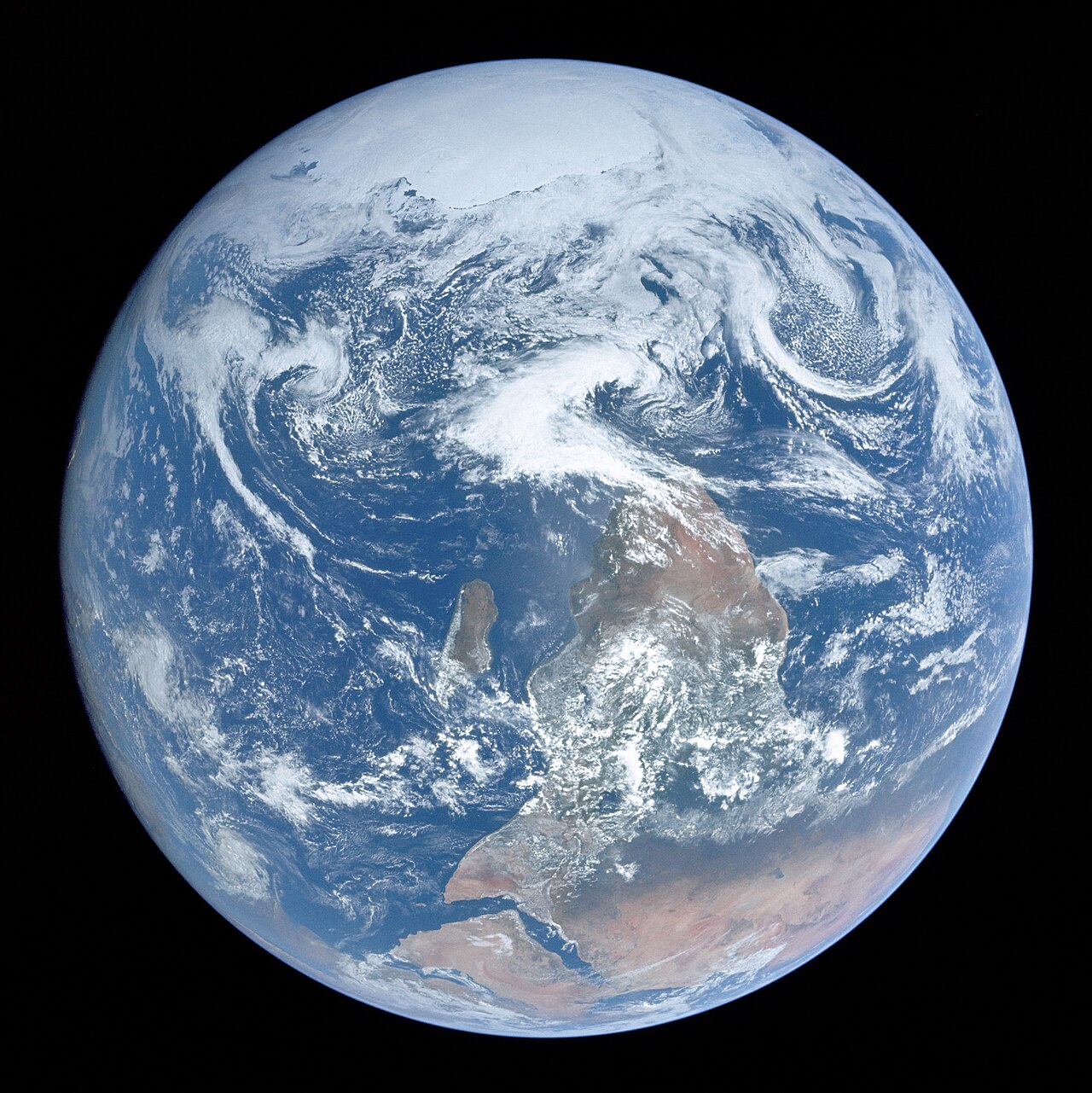
São Tomé and Príncipe is an island country in the Gulf of Guinea, Africa's second smallest state. Portugal settled the empty islands in the fifteenth century. It became independent in 1975 and is a semi presidential republic.
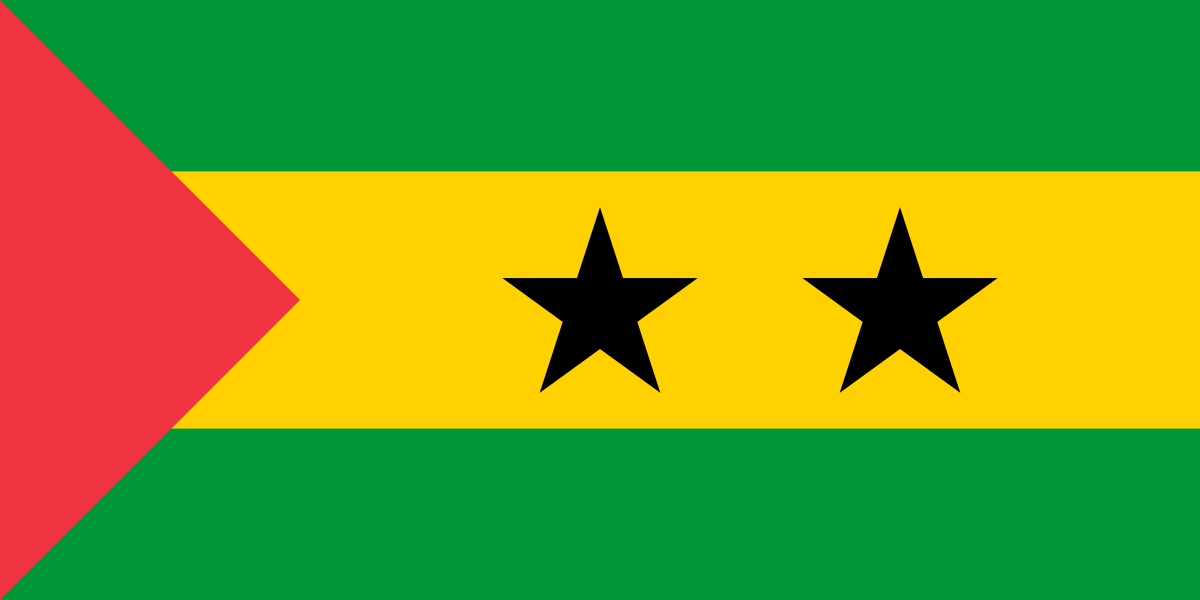
Sao Tome is the capital of Sao Tome and Principe, an island country in the Gulf of Guinea off the west coast of Africa and one of the smallest states on the continent. Portuguese is the official language, and the population is about 235,000 (2024 estimate). The country is a semi presidential republic independent from Portugal since 12 July 1975.
The islands had no inhabitants when Portuguese sailors reached them in the 1470s. Settlers planted sugar with enslaved African labor, and the islands served the Atlantic slave trade. Sugar faded, and coffee and cocoa estates in the nineteenth and twentieth centuries drew contract laborers from Angola, Mozambique, and Cape Verde. Anger over labor conditions fed the unrest behind the Batepa killings of 1953, in which colonial forces killed hundreds of islanders.
Manuel Pinto da Costa led the liberation movement and became the first president in 1975, governing through a one party state on socialist lines. A new constitution opened the country to rival parties in 1990, and voters have changed governments at the ballot box since. A short military takeover in 2003 reversed itself within days. Cocoa remains the main export, and oil exploration in the surrounding waters has yet to produce revenue.
Facts
- Founded
- 12 July 1975, independence from Portugal.
- Source: CIA World Factbook
- Capital
- São Tomé.
- Source: CIA World Factbook
- Major rulers
- Manuel Pinto da Costa, first president.
- Source: Encyclopaedia Britannica, São Tomé and Príncipe
- Government
- Semi presidential republic.
- Source: CIA World Factbook
Sources
Source links accessed 22 November 2026.
Images
What happened elsewhere
Pairings are by recorded year, not exact simultaneity.
- Khmer RougeWhile São Tomé and Príncipe (1975)
- AngolaWhile São Tomé and Príncipe (1975)
- Cabo VerdeWhile São Tomé and Príncipe (1975)
- ComorosWhile São Tomé and Príncipe (1975)
- MozambiqueWhile São Tomé and Príncipe (1975)
Meanwhile
Meanwhile, around the world — drag to spin, click a pulsing marker.
Keep reading
Test yourself
What was the capital?
- São Tomé
- Djibouti
- Kingstown
- Tirana
Answer
São Tomé — Capital: São Tomé.
When was São Tomé and Príncipe founded?
- 12 July 1975, independence from Portugal
- 1 January 1993, by the peaceful division of Czechoslovakia
- 1 January 1901, federation of the six colonies
- 12 March 1968, independence from Britain
Answer
12 July 1975, independence from Portugal — Founded: 12 July 1975, independence from Portugal.
What form of government does São Tomé and Príncipe have?
- Semi presidential republic
- Parliamentary republic; top offices are reserved by sect: a Maronite president, a Sunni prime minister, a Shia speaker
- Federal republic with direct democracy; the presidency rotates yearly among seven councillors
- Presidential republic under authoritarian rule; civil war since 2011
Answer
Semi presidential republic — Government: Semi presidential republic.
True or false: São Tomé and Príncipe is an island country in the Gulf of Guinea, Africa's second smallest state.
- True
- False
Answer
True — True. São Tomé and Príncipe is an island country in the Gulf of Guinea, Africa's second smallest state.
My notes
Highlights on this page
None yet.
Spotted an error on this page? Email [email protected] and it will be checked against the sources.