
Country · Japan
Japan
660 BCE– (traditional)
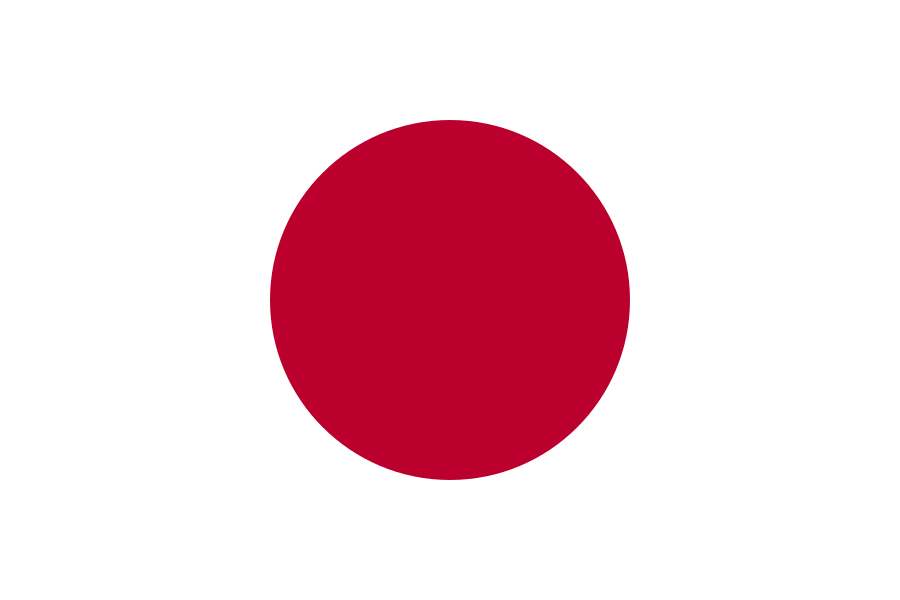
Japan is an island country in East Asia with the world's oldest continuous monarchy. Tradition dates the imperial line to 660 BC. The modern state was forged in the Meiji Restoration of 1868 and is now a parliamentary constitutional monarchy.
Tokyo is the capital of Japan, an island country in East Asia. The population is about 124 million (2024 estimate). Japanese is the national language. Japan is a parliamentary constitutional monarchy, and the emperor serves as head of state without governing power.
Tradition dates the first emperor, Jimmu, to 660 BCE, and historians place the formation of a Japanese state in the early centuries CE. Buddhist teaching and Chinese writing and government reached Japan through Korea. From the twelfth century, shoguns, military rulers drawn from the samurai class, governed in the emperor's name. The Tokugawa shogunate ruled from 1603 to 1868 and closed the country to most foreign contact.
American ships under Commodore Perry forced Japan open in 1853 and 1854. Reformers restored imperial rule in the Meiji Restoration of 1868 and built a modern army, industry, and school system. Japan defeated China in 1895 and Russia in 1905 and annexed Korea in 1910. Militarist governments took Japan into war in China in 1937 and against the United States in 1941. Defeat in 1945 brought American occupation, a democratic constitution in 1947, and rapid economic growth in the decades after.
Facts
- Founded
- Traditional founding 11 February 660 BC; the modern state dates from the Meiji Restoration of 1868.
- Source: CIA World Factbook
- Capital
- Tokyo.
- Source: CIA World Factbook
- Major rulers
- Prince Shōtoku, who brought Buddhism and Chinese learning in the seventh century; Tokugawa Ieyasu, founder of the shogunate that ruled from 1603 to 1868; Emperor Meiji, who modernized the country.
- Source: Encyclopaedia Britannica, Japan
- Government
- Parliamentary constitutional monarchy.
- Source: CIA World Factbook
Sources
Source links accessed 22 November 2026.
Images
Related
- Tokugawa IeyasuSame country
- MeijiSame country
- HirohitoSame country
What happened elsewhere
Pairings are by recorded year, not exact simultaneity.
- AshurbanipalWhile Japan (around 668 BC)
- Thales of MiletusWhile Japan (around 624 BC)
- LaoziWhile Japan (600 BC)
Meanwhile
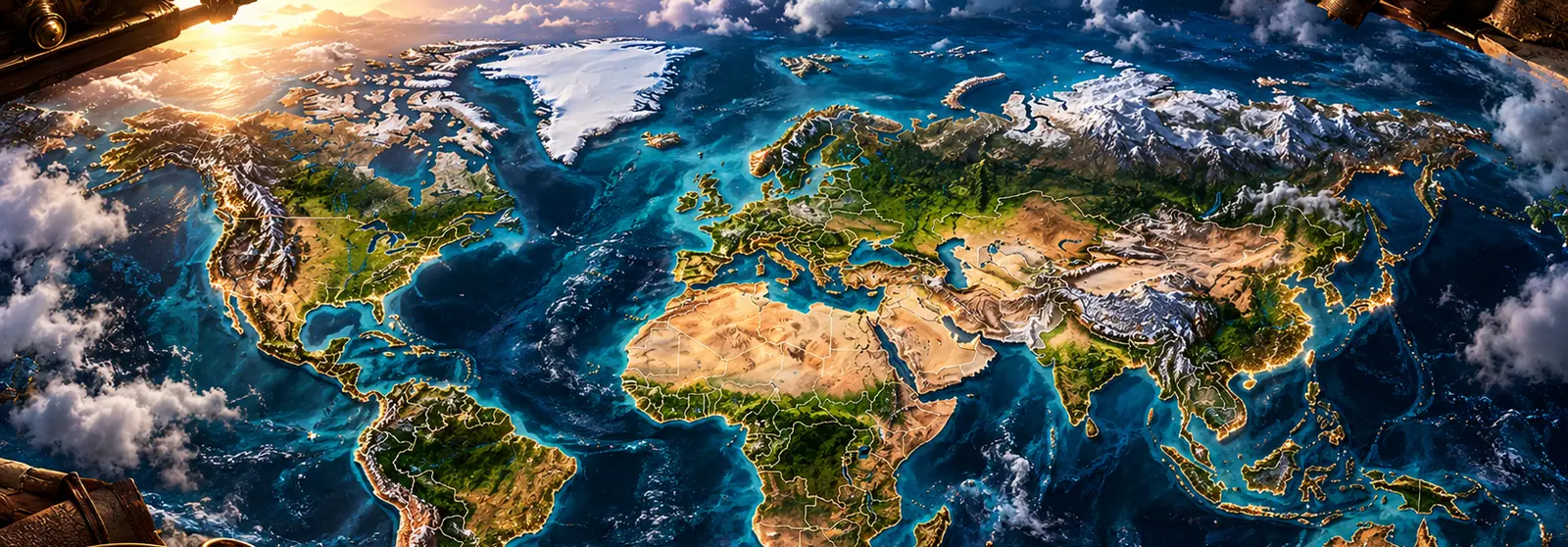
Meanwhile, around the world — drag to spin, click a pulsing marker.
Keep reading
Test yourself
What was the capital?
- Tokyo
- Lima
- Madrid
- Naypyidaw
Answer
Tokyo — Capital: Tokyo.
When was Japan founded?
- Traditional founding 11 February 660 BC; the modern state dates from the Meiji Restoration of 1868
- 12 March 1968, independence from Britain
- 16 December 1991, the last Soviet republic to declare independence
- 1581, by the Act of Abjuration against Spain; independence recognized in 1648
Answer
Traditional founding 11 February 660 BC; the modern state dates from the Meiji Restoration of 1868 — Founded: Traditional founding 11 February 660 BC; the modern state dates from the Meiji Restoration of 1868.
What form of government does Japan have?
- Parliamentary constitutional monarchy
- Single party communist state
- Federal semi presidential republic
- Military transitional rule since 2021
Answer
Parliamentary constitutional monarchy — Government: Parliamentary constitutional monarchy.
True or false: Japan is an island country in East Asia with the world's oldest continuous monarchy.
- True
- False
Answer
True — True. Japan is an island country in East Asia with the world's oldest continuous monarchy.
My notes
Highlights on this page
None yet.
Spotted an error on this page? Email [email protected] and it will be checked against the sources.