
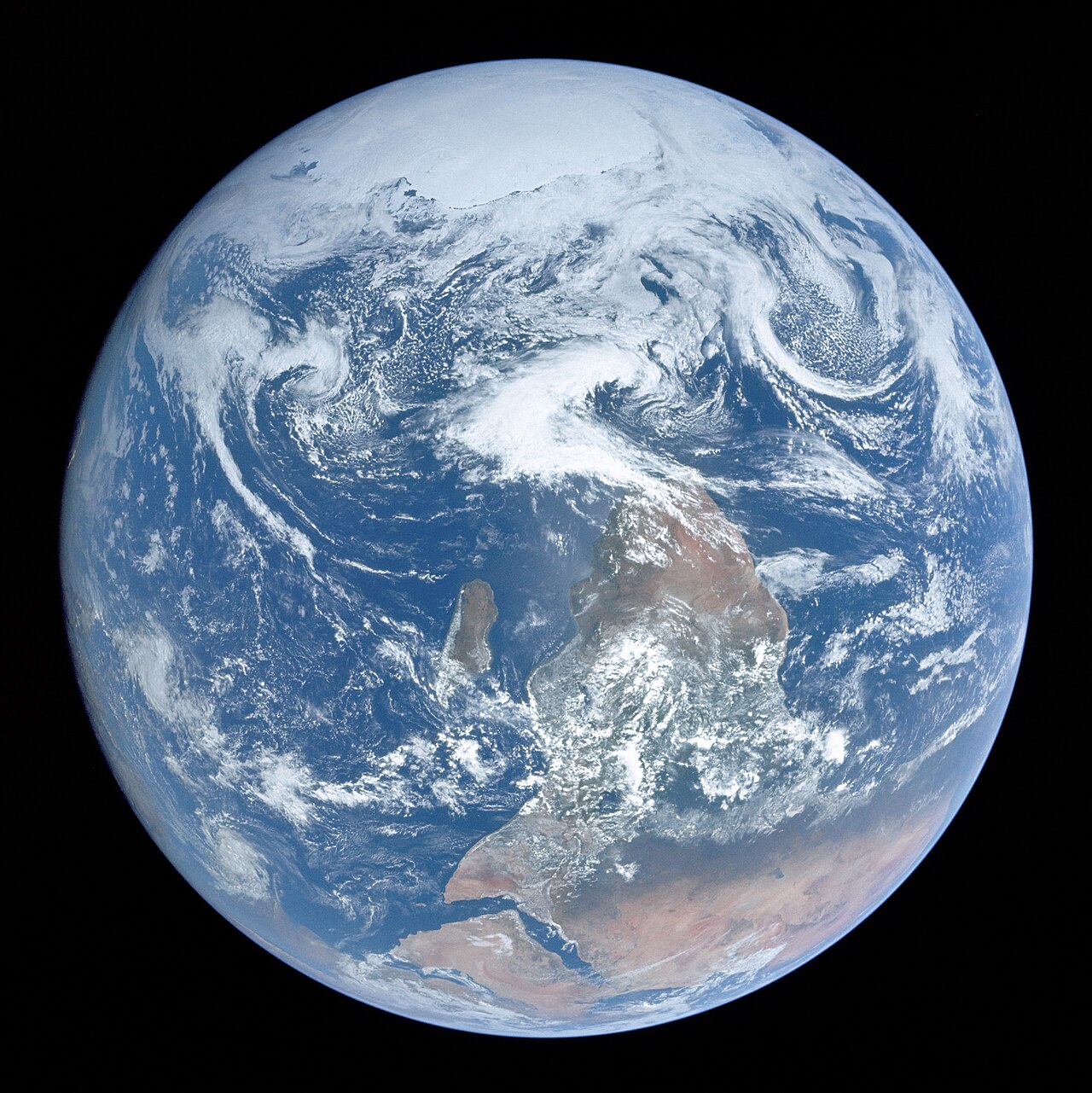

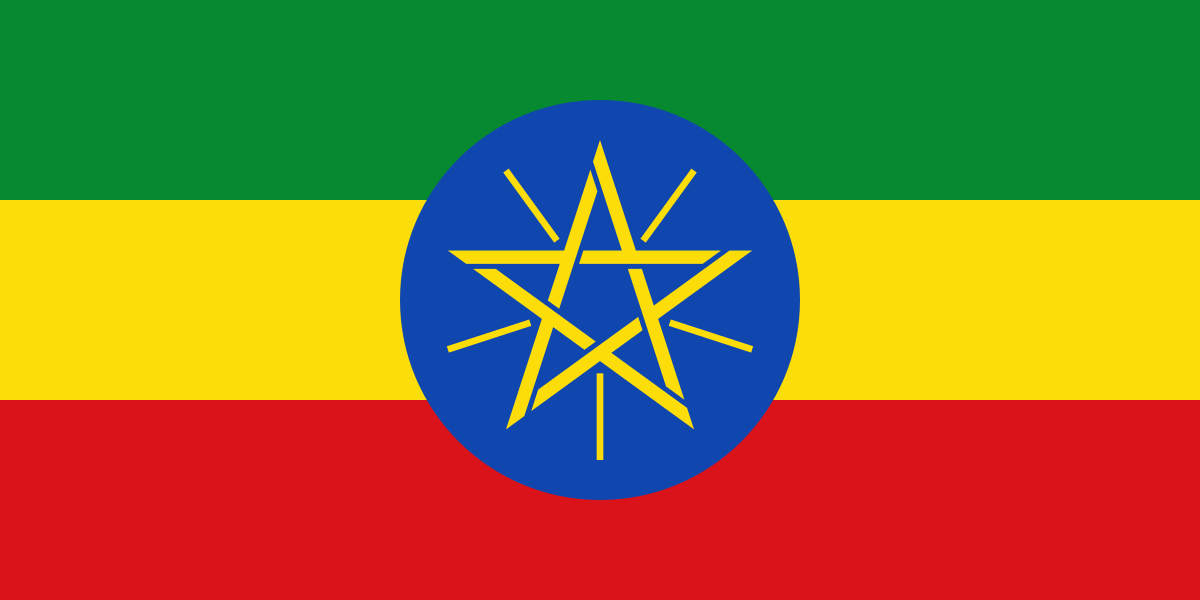
Country · Ethiopia
Ethiopia
1270–
Ethiopia is a highland country in the Horn of Africa, one of the oldest states in the world and the only African country never fully colonized. The Solomonic dynasty dates its rule to 1270. It is now a federal parliamentary republic.
Addis Ababa is the capital of Ethiopia, a federal parliamentary republic in the Horn of Africa and the most populous landlocked country in the world. Amharic is the working language of the federal government, and its population of about 126 million (2024 estimate) speaks more than eighty languages, Oromo, Amharic, Somali, and Tigrinya the largest.
The Aksumite Empire ruled the northern highlands in ancient times and adopted Christianity in the fourth century. The Solomonic dynasty, founded in 1270, claimed descent from the biblical Solomon and governed, with interruptions, until 1974. Ethiopia was never colonized. Emperor Menelik II defeated an Italian invasion at the battle of Adwa in 1896 and kept the country independent while European powers divided the rest of Africa. Italy invaded again in 1935 and occupied Ethiopia from 1936 to 1941, when British and Ethiopian forces drove the Italians out and restored Emperor Haile Selassie.
The Derg, a committee of soldiers, overthrew Haile Selassie in 1974 and ruled under Mengistu Haile Mariam through civil wars and a famine in 1984 and 1985 that killed hundreds of thousands. Rebels led by the Tigray People's Liberation Front took Addis Ababa in 1991, and a constitution of 1995 made Ethiopia a federation of regions organized by ethnic group. War between the federal government and Tigray forces from 2020 to 2022 killed large numbers before a peace agreement ended it.
Facts
- Founded
- 1270, founding of the Solomonic dynasty; the state tradition reaches back to the Aksumite Empire of antiquity.
- Source: CIA World Factbook
- Capital
- Addis Ababa.
- Source: CIA World Factbook
- Major rulers
- Menelik II, who defeated Italy in 1896; Haile Selassie, emperor from 1930 to 1974; Meles Zenawi, prime minister from 1991 to 2012.
- Source: Encyclopaedia Britannica, Ethiopia
- Government
- Federal parliamentary republic.
- Source: CIA World Factbook
Sources
Source links accessed 22 November 2026.
Images
What happened elsewhere
Pairings are by recorded year, not exact simultaneity.
- AndorraWhile Ethiopia (1278)
- William of OckhamWhile Ethiopia (around 1287)
- SwitzerlandWhile Ethiopia (1291)
Meanwhile
Meanwhile, around the world — drag to spin, click a pulsing marker.
Keep reading
Test yourself
What was the capital?
- Addis Ababa
- Paramaribo
- Nicosia
- Sanaa
Answer
Addis Ababa — Capital: Addis Ababa.
When was Ethiopia founded?
- 1270, founding of the Solomonic dynasty; the state tradition reaches back to the Aksumite Empire of antiquity
- 24 August 1991, independence declared as the Soviet Union dissolved
- 26 May 1966, independence from Britain
- 4 July 1946, independence from the United States
Answer
1270, founding of the Solomonic dynasty; the state tradition reaches back to the Aksumite Empire of antiquity — Founded: 1270, founding of the Solomonic dynasty; the state tradition reaches back to the Aksumite Empire of antiquity.
What form of government does Ethiopia have?
- Federal parliamentary republic
- Federal parliamentary constitutional monarchy
- Parliamentary republic; two presidents have been overthrown by uprisings, in 2005 and 2010
- Federal constitutional monarchy with a rotating kingship
Answer
Federal parliamentary republic — Government: Federal parliamentary republic.
True or false: Ethiopia is a highland country in the Horn of Africa, one of the oldest states in the world and the only African country never fully colonized.
- True
- False
Answer
True — True. Ethiopia is a highland country in the Horn of Africa, one of the oldest states in the world and the only African country never fully colonized.
My notes
Highlights on this page
None yet.
Spotted an error on this page? Email [email protected] and it will be checked against the sources.