
Country · Nigeria
Nigeria
1960–
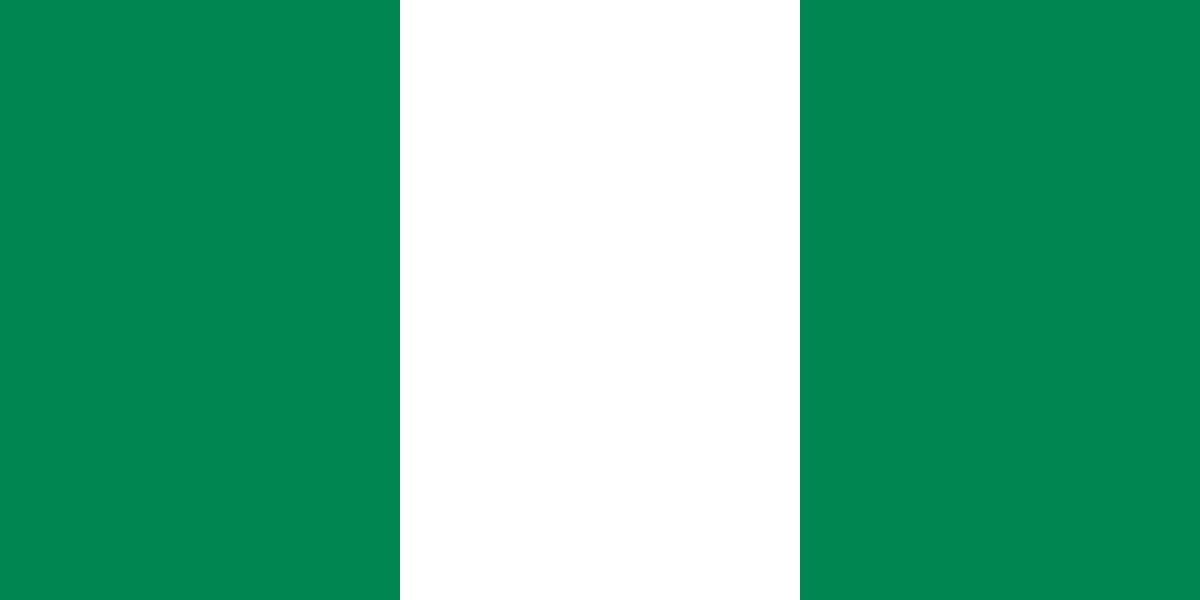
Nigeria is Africa's most populous country, with more than two hundred million people. It became independent from Britain in 1960. Oil wealth and a huge film industry, Nollywood, define it; it is a federal presidential republic.
Abuja is the capital of Nigeria, a federal presidential republic on the Atlantic coast of West Africa and the most populous country in Africa. English is the official language, and the population is about 232 million (2024 estimate). Nigeria won independence from Britain on 1 October 1960.
The country joins more than 250 peoples. Yoruba kingdoms and the Benin Empire, known for its bronze casting, stood in the south, Hausa city states and later the Sokoto Caliphate governed much of the north, and Igbo communities in the southeast lived in largely self governing villages. Britain took Lagos in 1861, built northern and southern protectorates, and joined them into one colony in 1914.
Independence brought a federal republic with Nnamdi Azikiwe as its first president. Army coups in 1966 and counter coups fed a crisis, the Igbo led Eastern Region declared itself the republic of Biafra in 1967, and the civil war that followed killed more than a million people before Biafra surrendered in 1970. Military governments held power for most of the years until 1999, when Olusegun Obasanjo won election and the Fourth Republic began. Oil exports fund the state, and Islamist insurgents have fought the army in the northeast since 2009.
Facts
- Founded
- 1 October 1960, independence from Britain.
- Source: CIA World Factbook
- Capital
- Abuja; former capital Lagos.
- Source: CIA World Factbook
- Major rulers
- Nnamdi Azikiwe, the first president; Yakubu Gowon; Olusegun Obasanjo.
- Source: Encyclopaedia Britannica, Nigeria
- Government
- Federal presidential republic.
- Source: CIA World Factbook
Sources
Source links accessed 22 November 2026.
Images
What happened elsewhere
Pairings are by recorded year, not exact simultaneity.
- CyprusWhile Nigeria (1960)
- BeninWhile Nigeria (1960)
- Burkina FasoWhile Nigeria (1960)
- CameroonWhile Nigeria (1960)
- Central African RepublicWhile Nigeria (1960)
Meanwhile
Meanwhile, around the world — drag to spin, click a pulsing marker.
Keep reading
Test yourself
What was the capital?
- Abuja; former capital Lagos
- Grand Turk (Cockburn Town)
- Nouméa
- Harare
Answer
Abuja; former capital Lagos — Capital: Abuja; former capital Lagos.
When was Nigeria founded?
- 1 October 1960, independence from Britain
- 11 November 1975, independence from Portugal
- 1 January 1956, independence from Anglo Egyptian rule
- 22 May 1990, unification of North Yemen and South Yemen
Answer
1 October 1960, independence from Britain — Founded: 1 October 1960, independence from Britain.
What form of government does Nigeria have?
- Federal presidential republic
- Divided between rival governments in the east and west since 2014
- Military rule since the 2023 coup
- A territorial council and its president govern local affairs; a prefect represents the French state
Answer
Federal presidential republic — Government: Federal presidential republic.
True or false: Nigeria is Africa's most populous country, with more than two hundred million people.
- True
- False
Answer
True — True. Nigeria is Africa's most populous country, with more than two hundred million people.
My notes
Highlights on this page
None yet.
Spotted an error on this page? Email [email protected] and it will be checked against the sources.