

Country · Sweden
Sweden
1523–
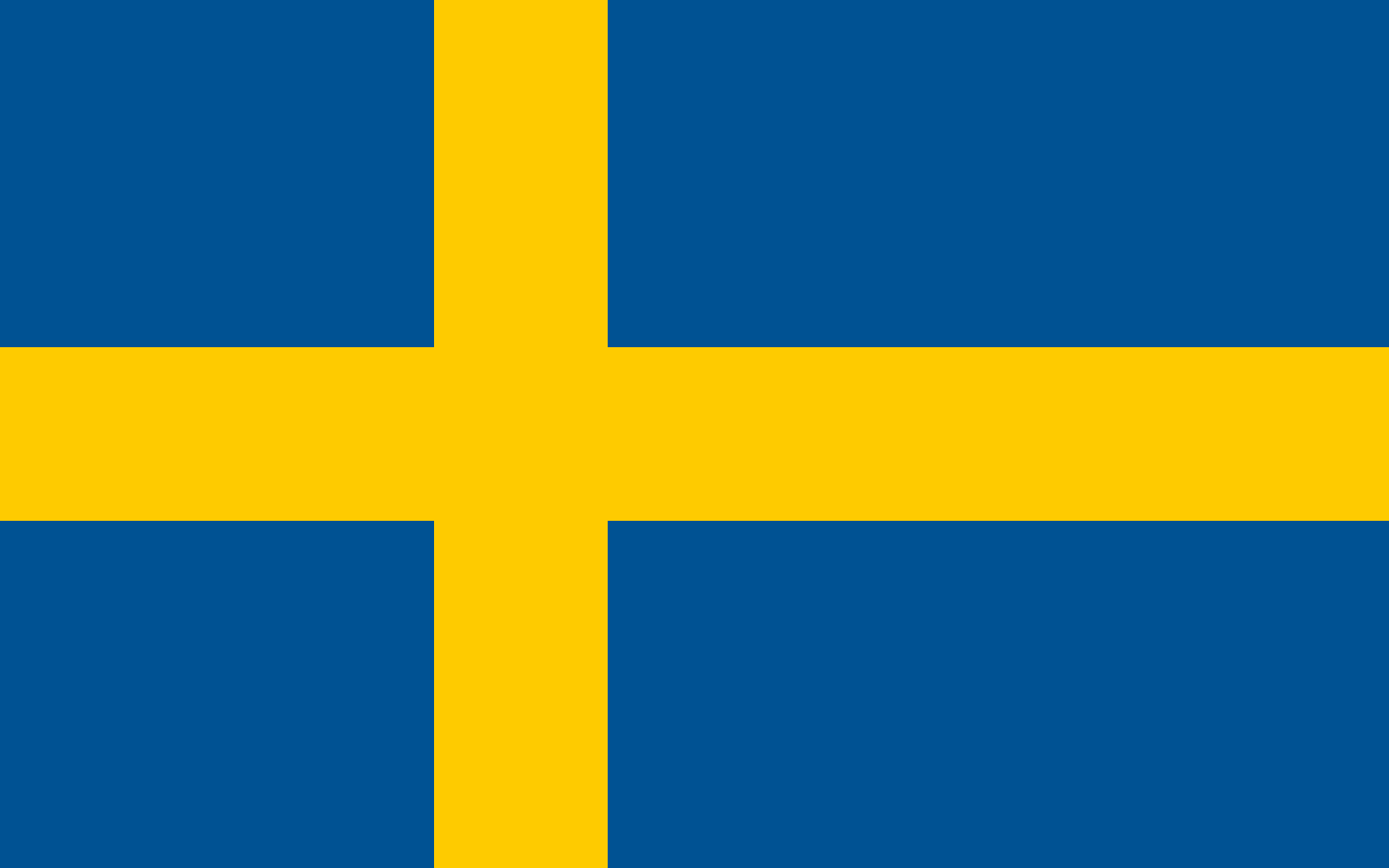
Sweden is a large Scandinavian country. Gustav Vasa broke the union with Denmark in 1523 and founded the modern Swedish state. It later became a great power, then settled into two centuries of neutrality as a constitutional monarchy.
Sweden is a Scandinavian country on the Baltic Sea, and Stockholm is its capital. The population is about 10.5 million (2024 estimate). Swedish is the official language. Sweden is a parliamentary constitutional monarchy, and the king holds no executive power.
Swedish Vikings traded and raided into Russia. A kingdom took shape over time, and Stockholm was founded in 1252. Sweden joined Denmark and Norway in the Kalmar Union in 1397. Gustav Vasa defeated Danish rule and was elected king on 6 June 1523. He made the crown hereditary and carried through a Lutheran Reformation. Gustavus Adolphus intervened in the Thirty Years' War in 1630 and died at Lützen in 1632. The Treaty of Roskilde in 1658 took the southern provinces from Denmark and brought the Swedish empire to its greatest extent.
Charles XII invaded Russia and lost his army at Poltava in 1709. The Great Northern War ended in 1721, and Sweden lost its Baltic empire. A coup deposed Gustav IV Adolf in 1809, and Sweden lost Finland to Russia that year. A union with Norway followed in 1814 and dissolved in 1905. Sweden stayed neutral in both world wars. Social Democratic governments built the welfare state in the twentieth century. Sweden joined the European Union in 1995, rejected the euro in a 2003 referendum, and joined NATO in March 2024, ending its long military nonalignment.
Facts
- Founded
- 6 June 1523, Gustav Vasa elected king, ending the Kalmar Union.
- Source: CIA World Factbook
- Capital
- Stockholm.
- Source: CIA World Factbook
- Major rulers
- Gustavus Adolphus, the great power king of the seventeenth century; Charles XII, the warrior king; Alfred Nobel, the inventor who founded the Nobel Prizes.
- Source: Encyclopaedia Britannica, Sweden
- Government
- Parliamentary constitutional monarchy.
- Source: CIA World Factbook
Sources
Source links accessed 22 November 2026.
Images
Related
- Gustavus AdolphusConnected
What happened elsewhere
Pairings are by recorded year, not exact simultaneity.
- Mughal EmpireWhile Sweden (1526)
- Philip IIWhile Sweden (1527)
- Michel de MontaigneWhile Sweden (1533)
- Elizabeth IWhile Sweden (1533)
Meanwhile
Meanwhile, around the world — drag to spin, click a pulsing marker.
Keep reading
Test yourself
What was the capital?
- Stockholm
- Port of Spain
- Vatican City
- Accra
Answer
Stockholm — Capital: Stockholm.
When was Sweden founded?
- 6 June 1523, Gustav Vasa elected king, ending the Kalmar Union
- 27 August 1991, independence declared as the Soviet Union dissolved
- 18 February 1965, independence from Britain
- 8 September 1991, independence declared from Yugoslavia
Answer
6 June 1523, Gustav Vasa elected king, ending the Kalmar Union — Founded: 6 June 1523, Gustav Vasa elected king, ending the Kalmar Union.
What form of government does Sweden have?
- Parliamentary constitutional monarchy
- Federal presidential republic in free association with America
- Parliamentary republic; the head of state was a traditional king until 2007
- Tynwald parliament with an elected House of Keys; a lieutenant governor represents the Crown
Answer
Parliamentary constitutional monarchy — Government: Parliamentary constitutional monarchy.
True or false: Sweden is a large Scandinavian country.
- True
- False
Answer
True — True. Sweden is a large Scandinavian country.
Articles
My notes
Highlights on this page
None yet.
Spotted an error on this page? Email [email protected] and it will be checked against the sources.