
Era 7 of 10 · c. 1500–1800
Early modern period
European ships link the Americas, Africa, Europe and Asia into one trading world, and the conquest of the Americas and the Atlantic slave trade follow. Large land empires, among them the Ottoman, Safavid, Mughal and Qing, rule much of Asia, while printing and the Scientific Revolution change how knowledge spreads in Europe.
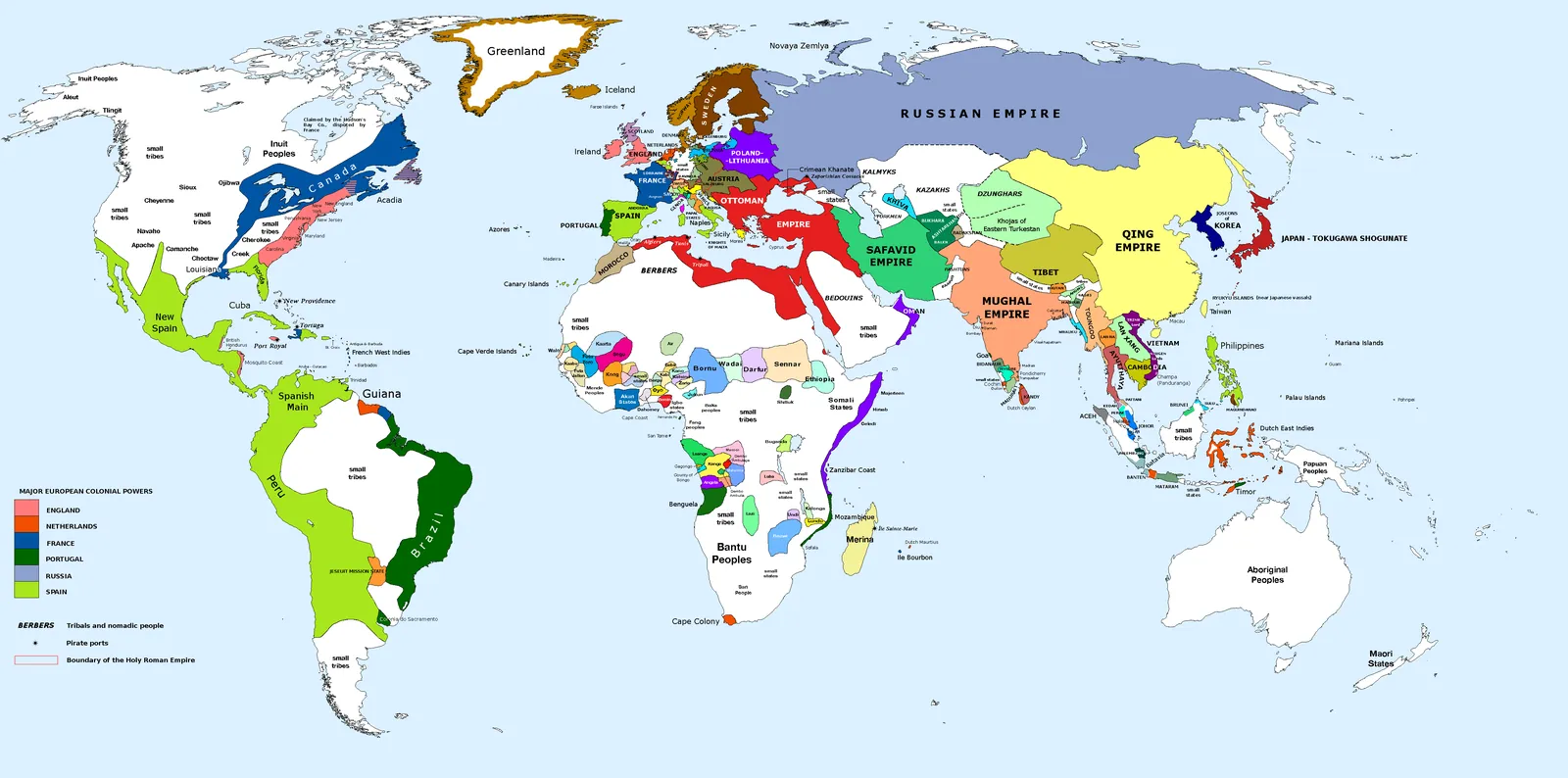
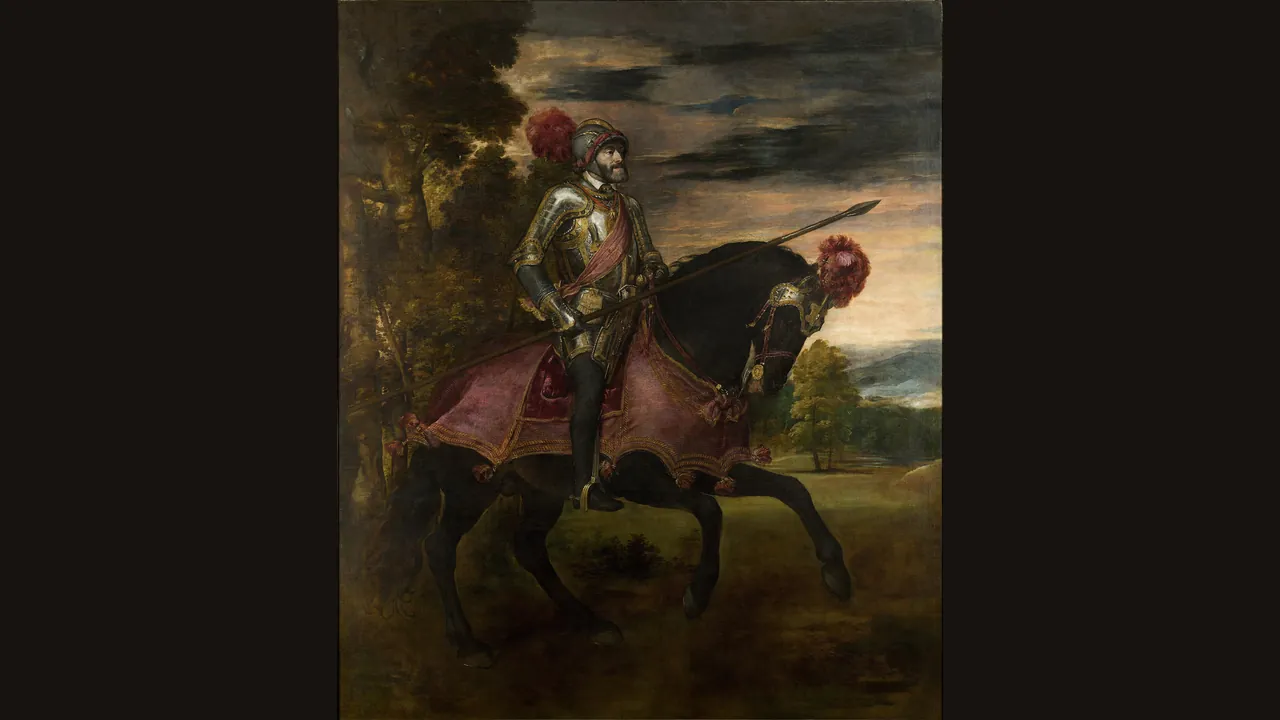
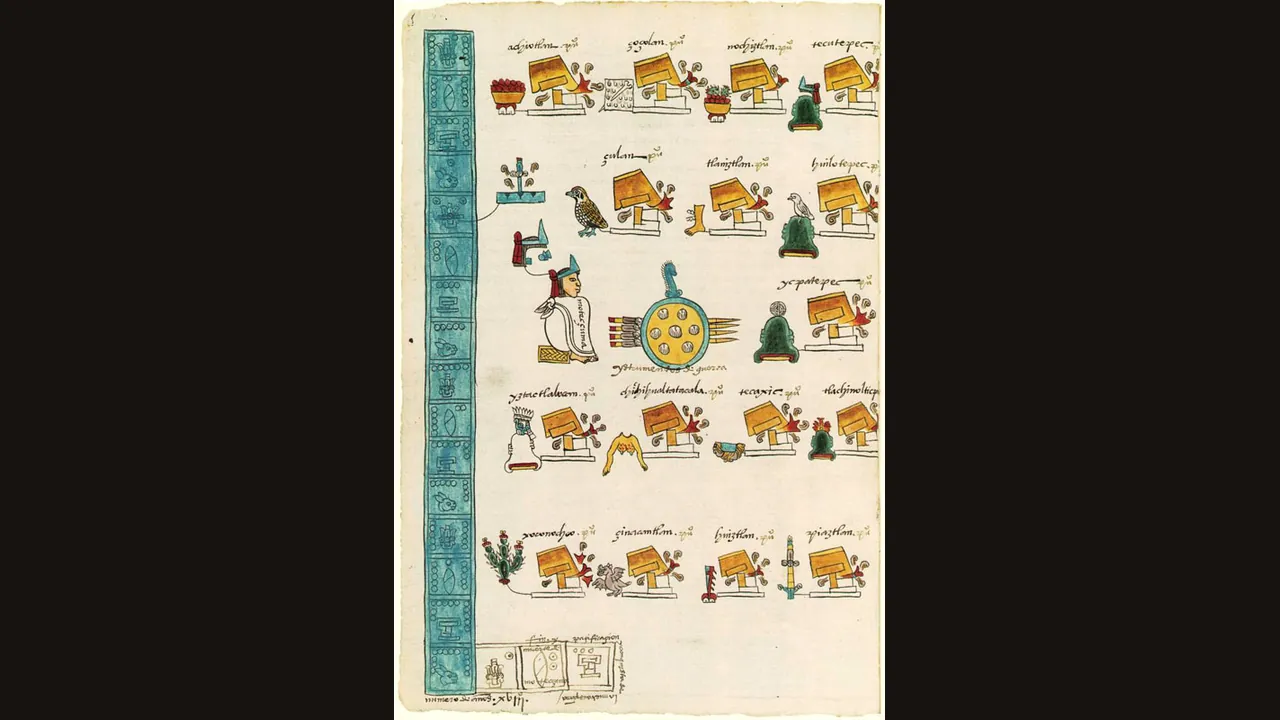
Spanish and Portuguese sailors connected Europe, Africa, Asia and the Americas in regular ocean routes after 1492. Spanish forces and their Indigenous allies conquered the Aztec and Inca empires, and disease, war and forced labour killed millions of Indigenous people. Historians debate the exact scale of population loss in the Americas, but many regions lost most of their people during the first century after contact. Portuguese traders and rulers built forts and colonies in Brazil, Africa and Asia.
Plantation owners and colonial governments transported millions of enslaved Africans across the Atlantic, and many captives died during capture, confinement and the ocean crossing. Merchants exchanged European goods, American silver and crops, African captives and Asian textiles and spices. Potosí and other mines supplied silver that moved through Europe to China, and the Manila galleon linked Mexico with the Philippines. New crops changed diets across continents as farmers adopted maize, potatoes, tomatoes and tobacco.
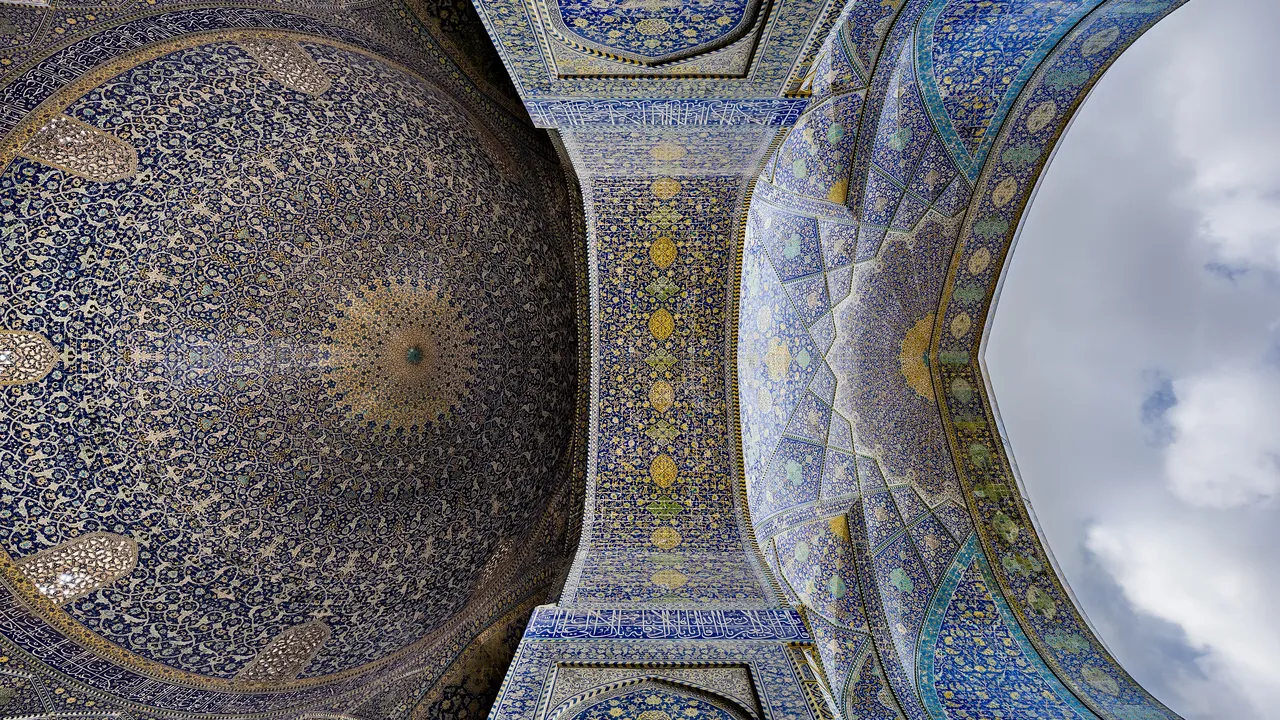
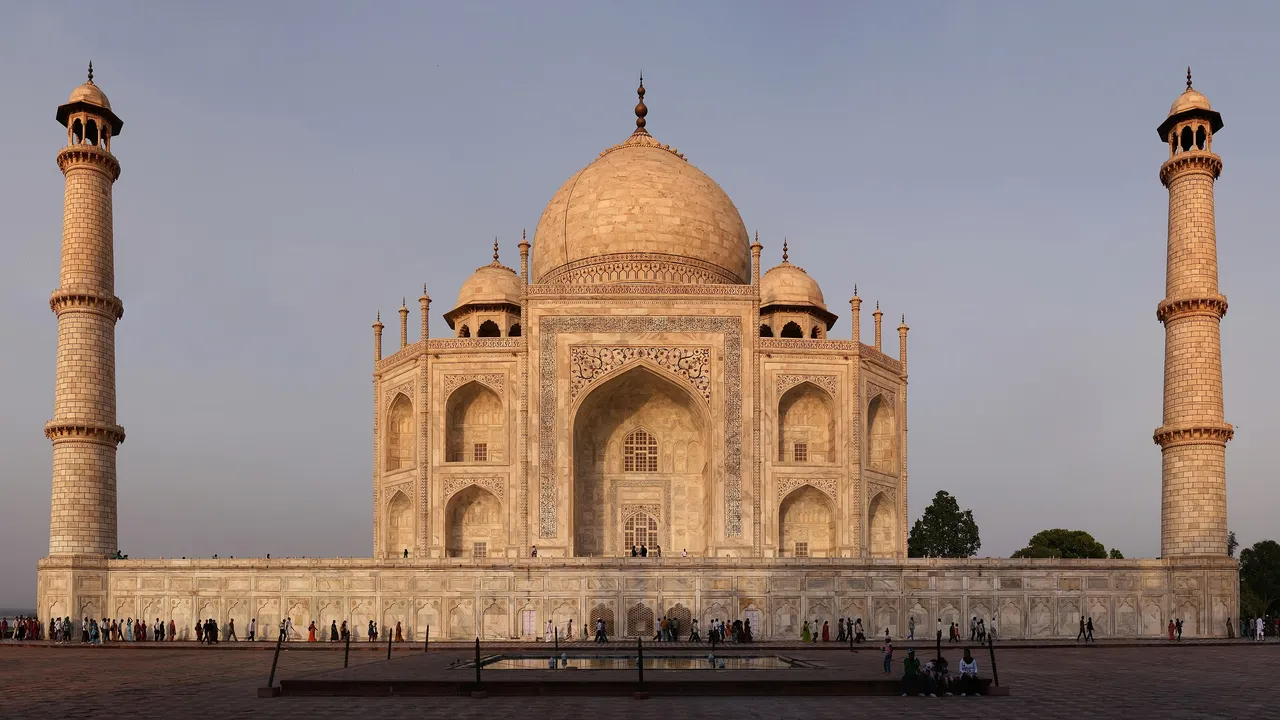
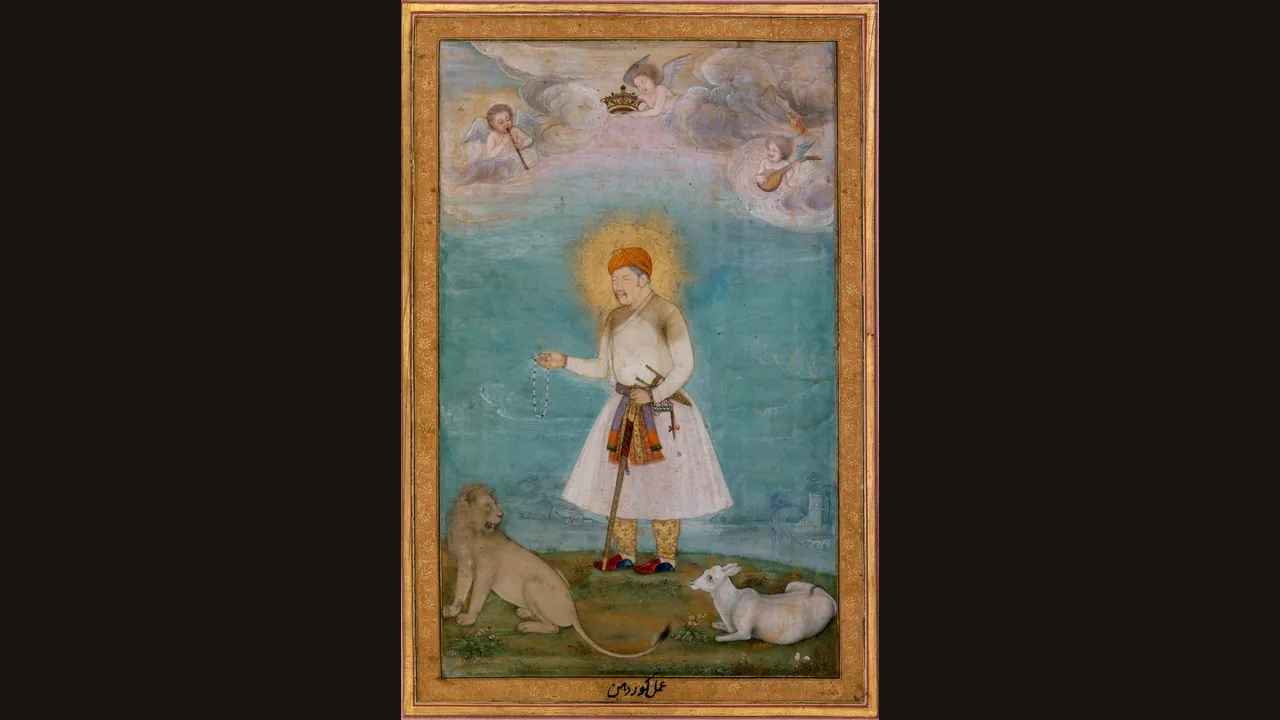
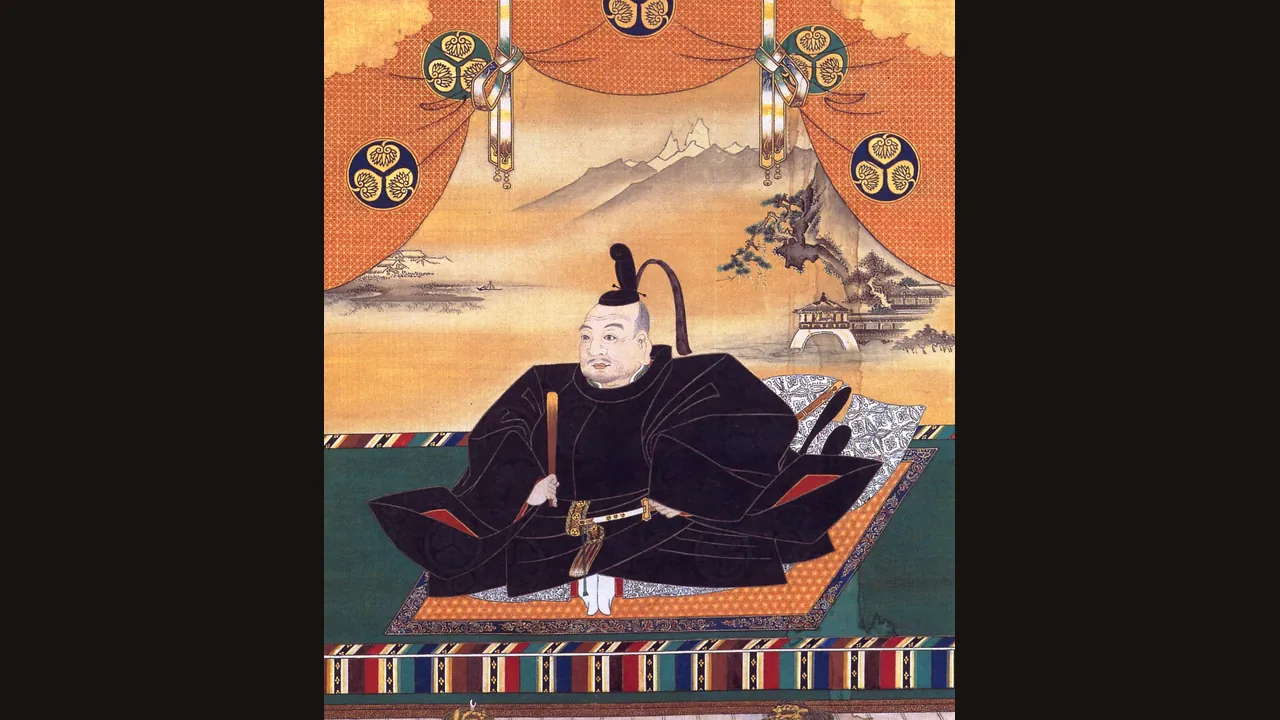
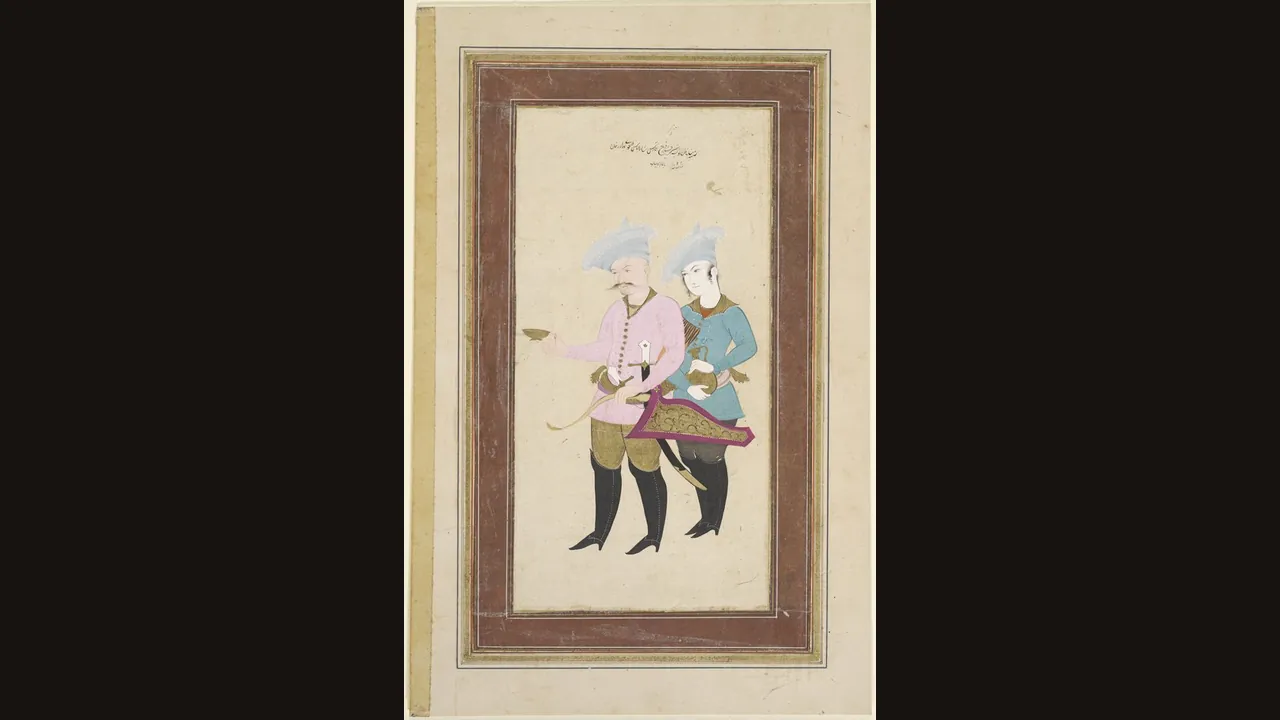
Ottoman sultans ruled southeastern Europe, western Asia and North Africa, Safavid shahs ruled Iran, and Mughal emperors conquered much of India. Qing rulers took control of China in 1644 and expanded into Mongolia, Tibet and Central Asia. Russian rulers expanded across Siberia, and Tokugawa shoguns unified Japan and restricted foreign contact. European monarchies strengthened taxation and armies, while the Dutch and English East India companies combined trade with military power.
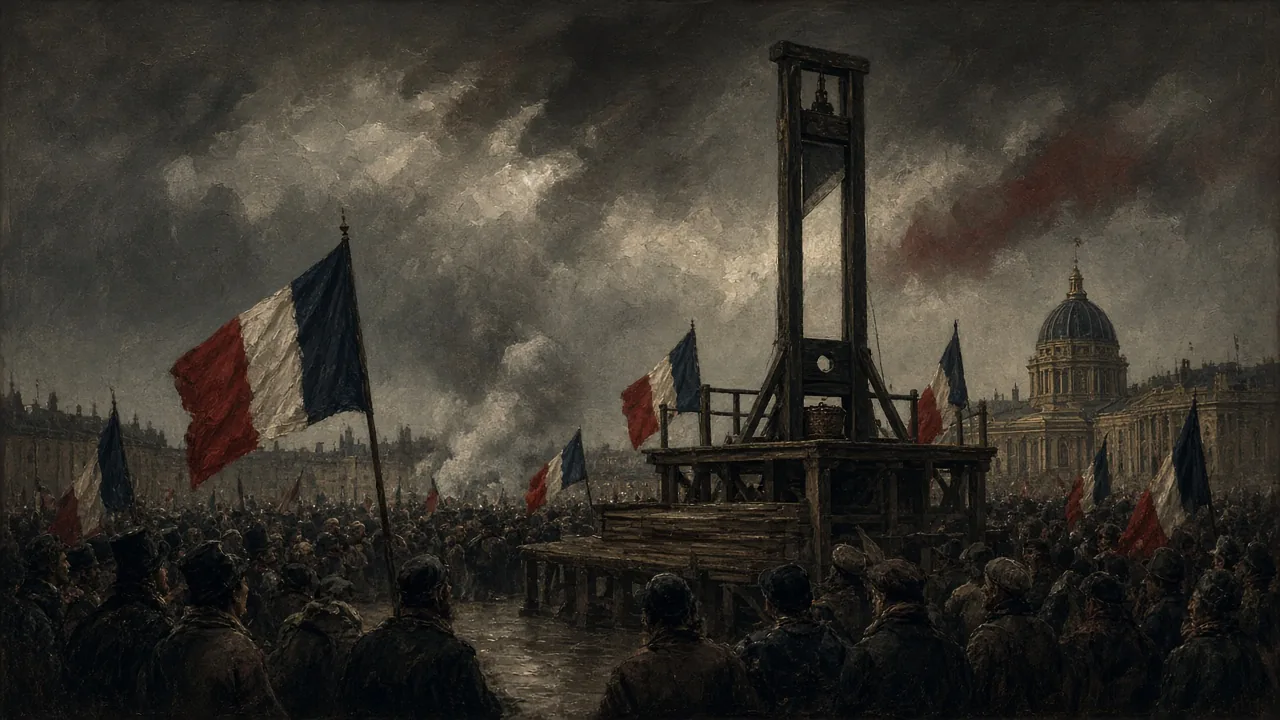
Printers spread books and pamphlets widely, and observers such as Copernicus, Galileo, Kepler and Newton changed astronomy and physics through observation, instruments and mathematics. World population rose from roughly 600 million in 1700 to about one billion in 1800, according to modern estimates. Factories and coal powered machines in Britain were beginning to change production by 1800, and revolutionary movements in North America and France had challenged monarchy and colonial rule.
In the record from this era

Articles
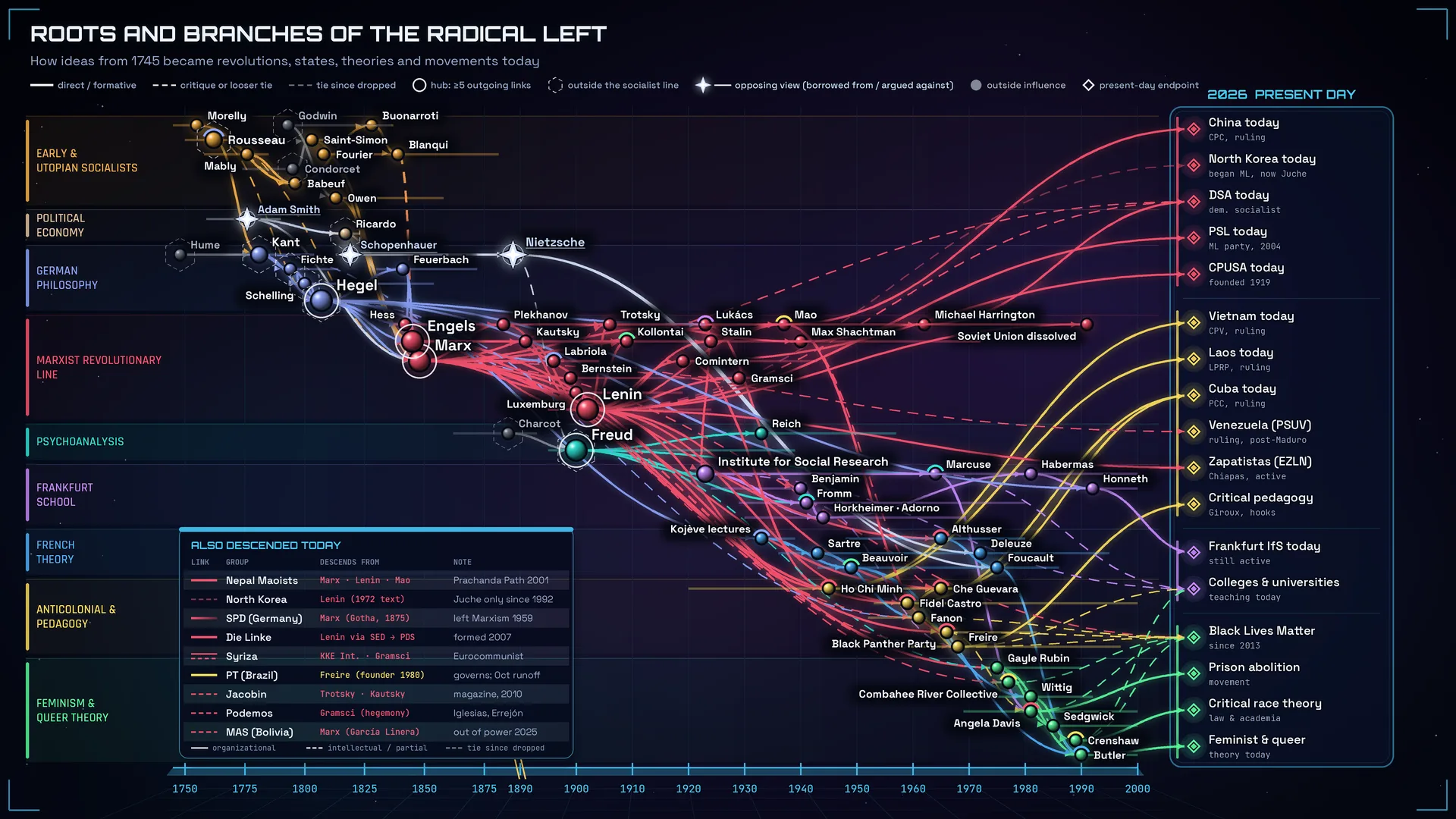 Roots and Branches of the Radical LeftHow ideas from 1745 became revolutions, states, theories and movements todayRead
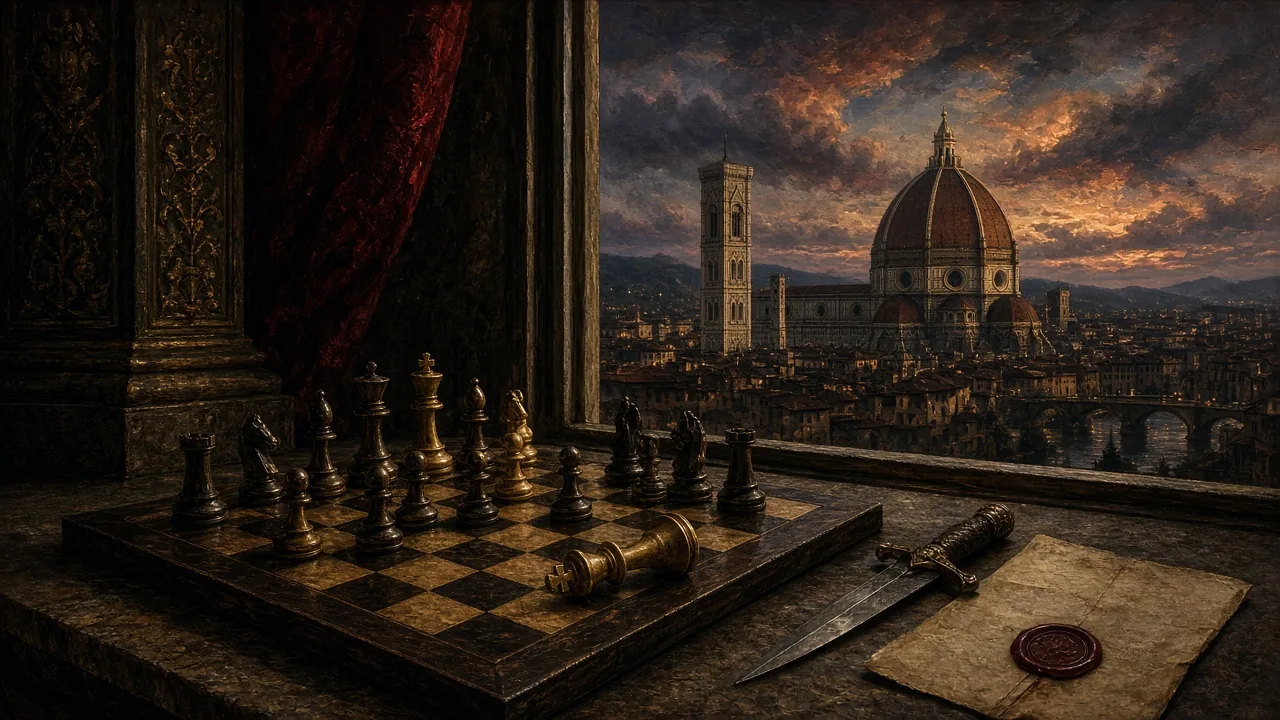 Niccolò MachiavelliNiccolò Machiavelli confronts a fundamental political problem that theorists and idealists still attempt to avoid: what happens when the world refuses to behave according to our highest moral ideals?Read
 Niccolò MachiavelliThe Medici returned to Florence in 1512, and with their return Niccolò Machiavelli lost the political life that had defined him.Read