Era 6 of 10 · c. 1000–1500 CE
High and Late Middle Ages
Trade grows across Eurasia, and in the thirteenth century the Mongols build the largest connected land empire in history. The Black Death kills a large share of the people of Europe, the Middle East and North Africa from the 1340s, and the era closes with the fall of Constantinople in 1453 and the first European voyages to the Americas.
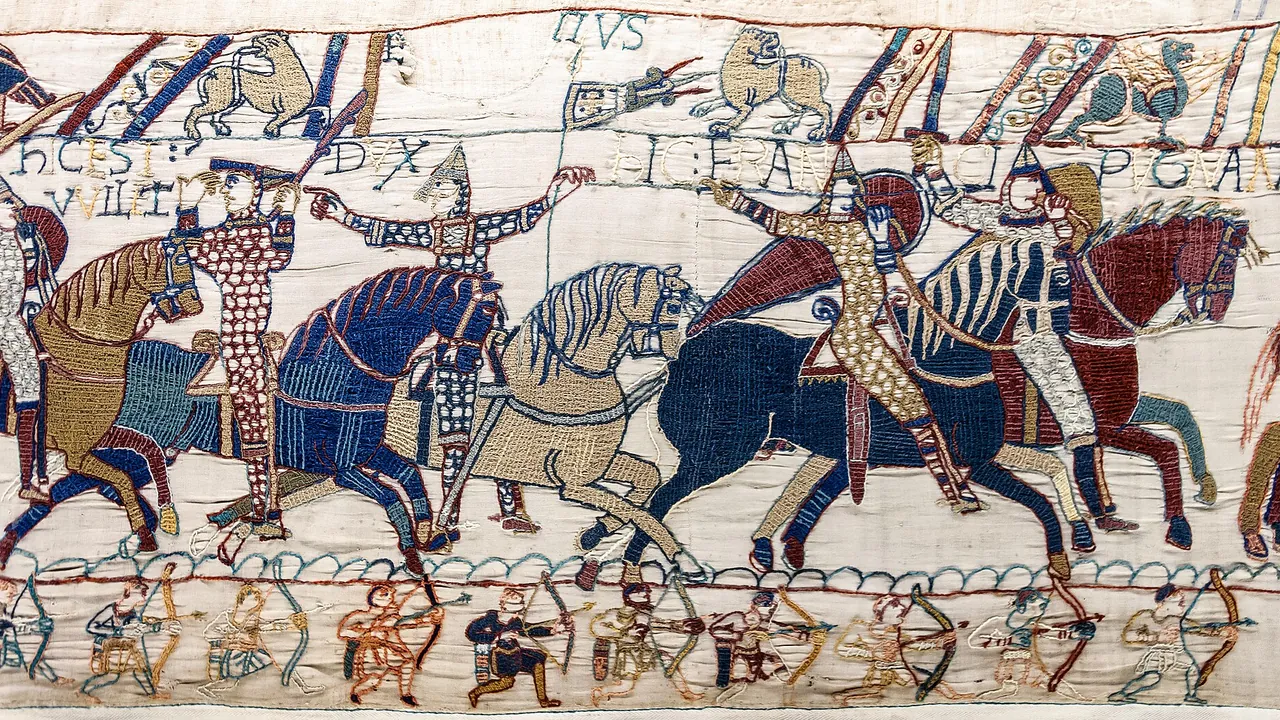
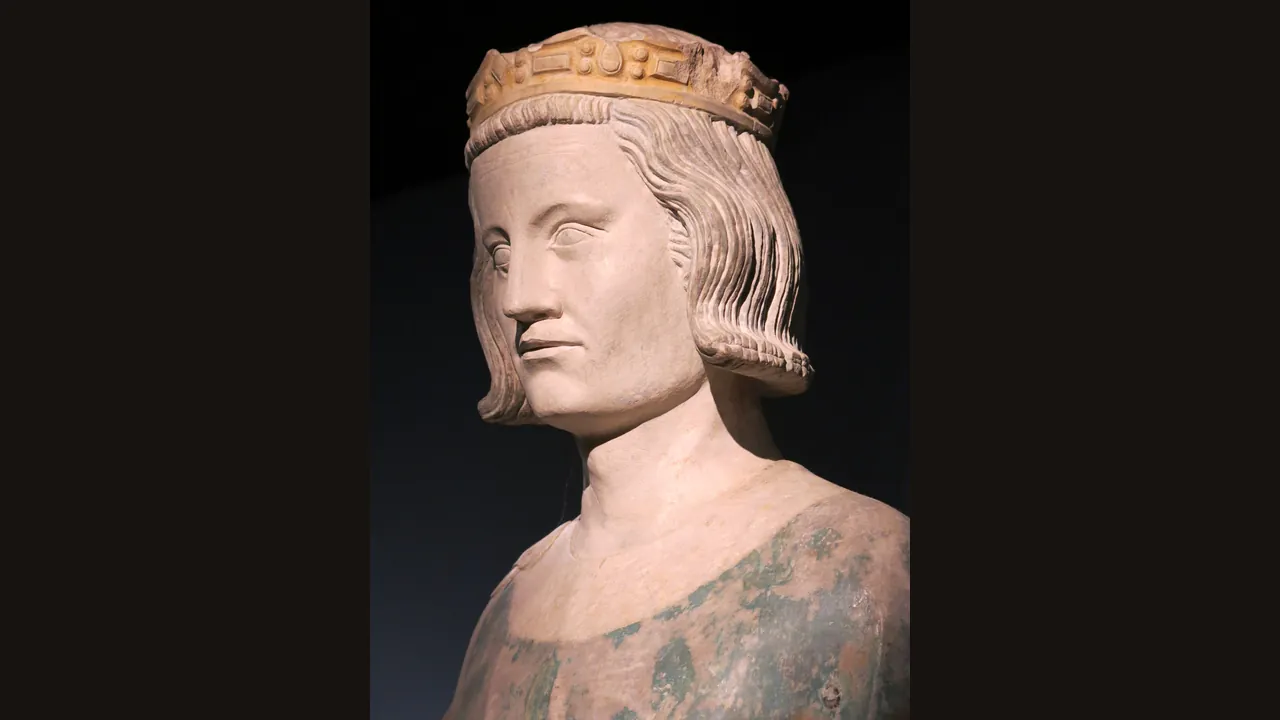
Song China had busy cities, paper money, printed books and a population that modern historians estimate at more than 100 million around 1200. Muslim rulers governed Spain, North Africa, Egypt, Syria and Persia through several competing dynasties, and Turkish Seljuk sultans rose in the eleventh century. Western European kings and nobles expanded towns, cleared farmland and fought for territory, while Italian and northern merchants built stronger trading links.
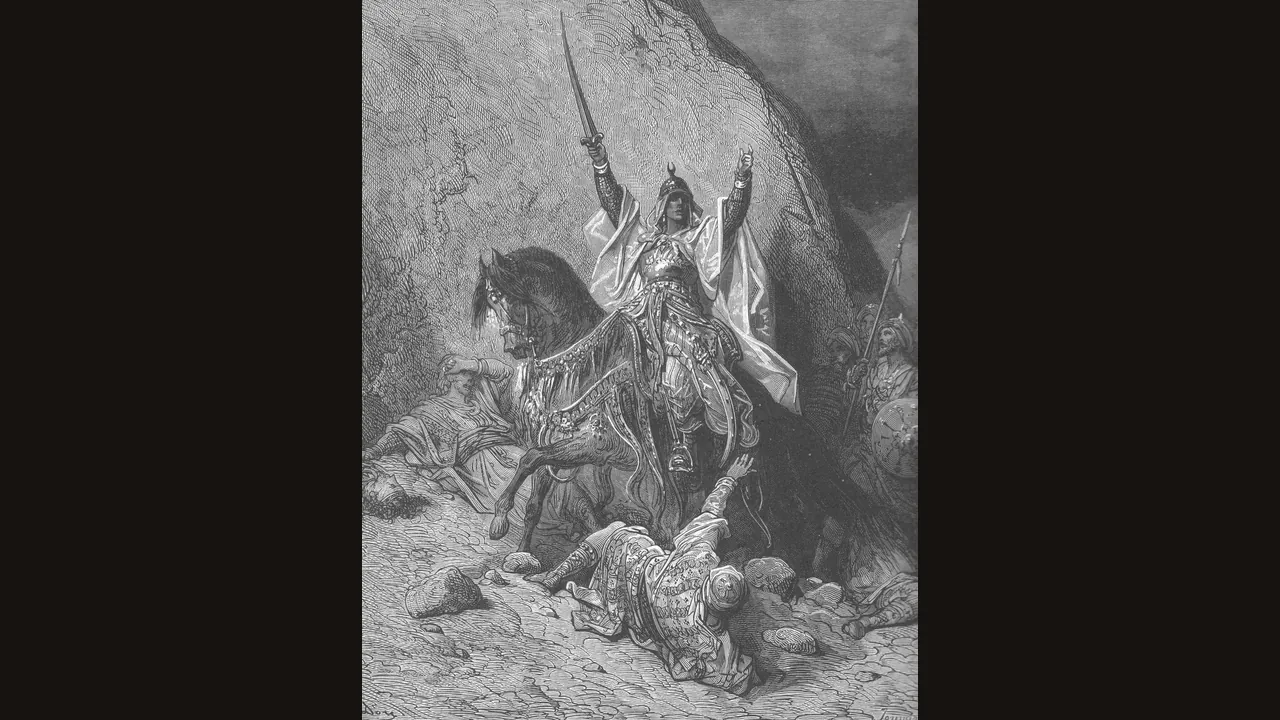
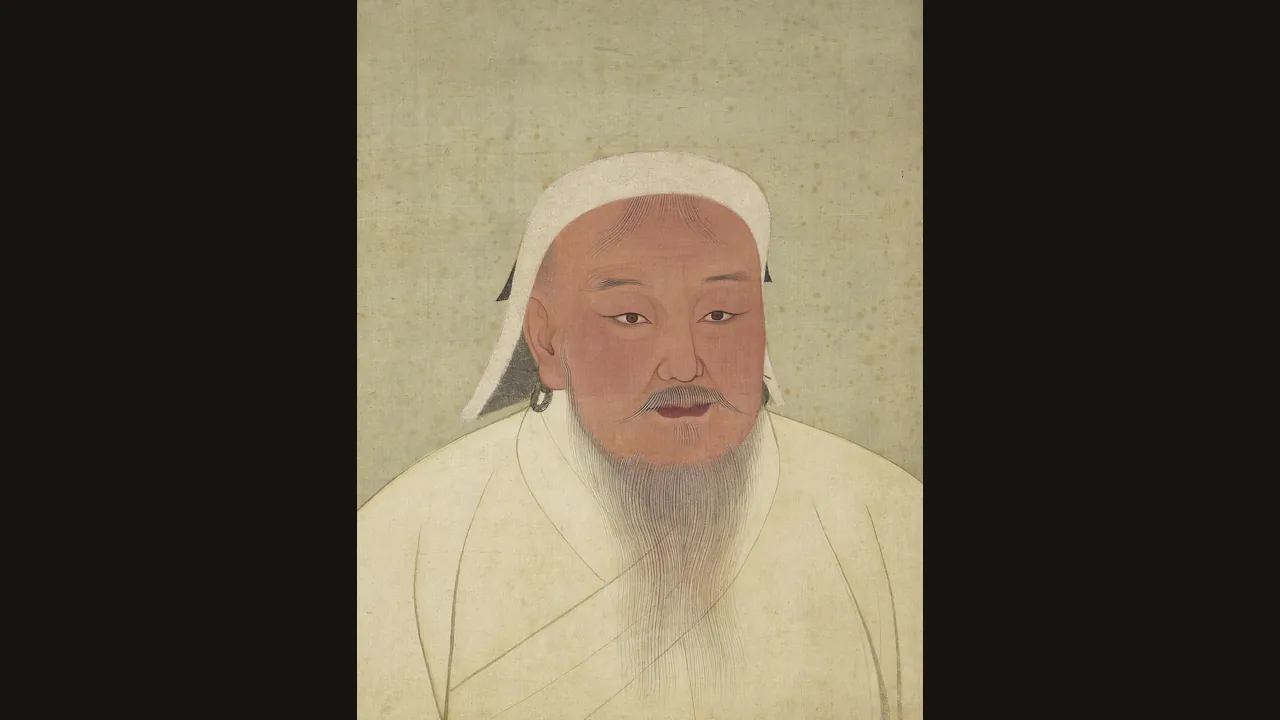
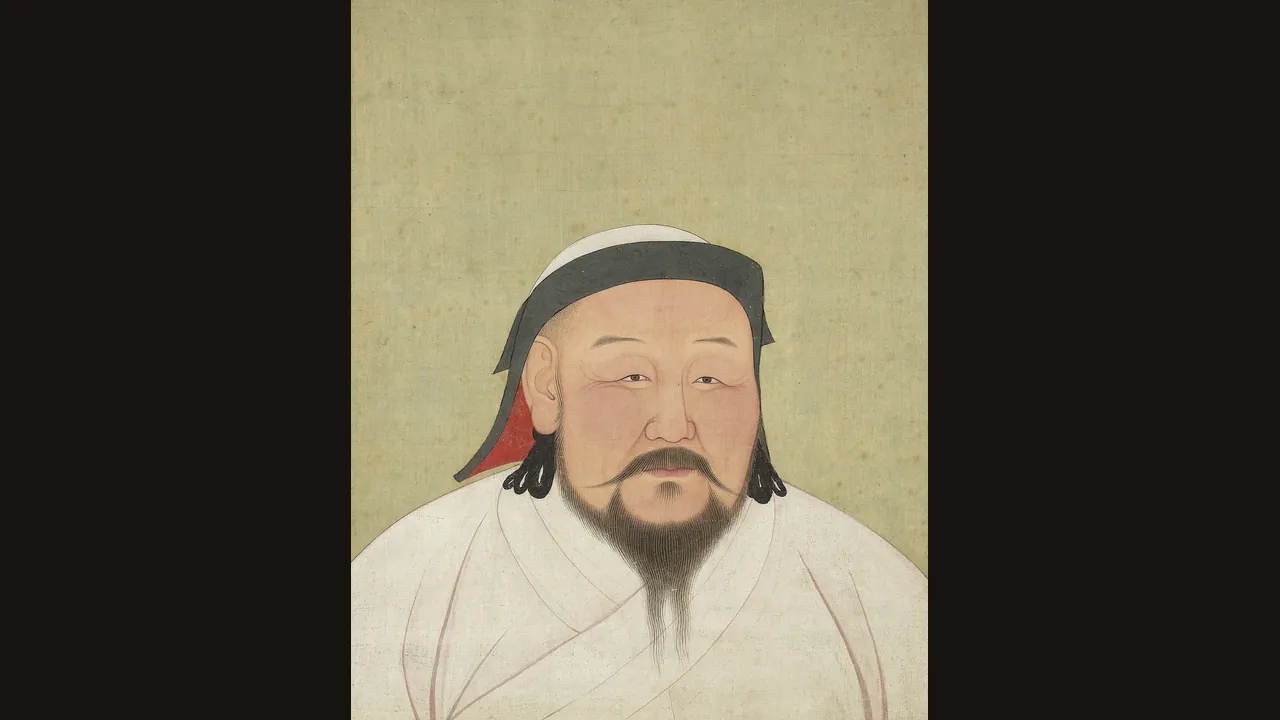
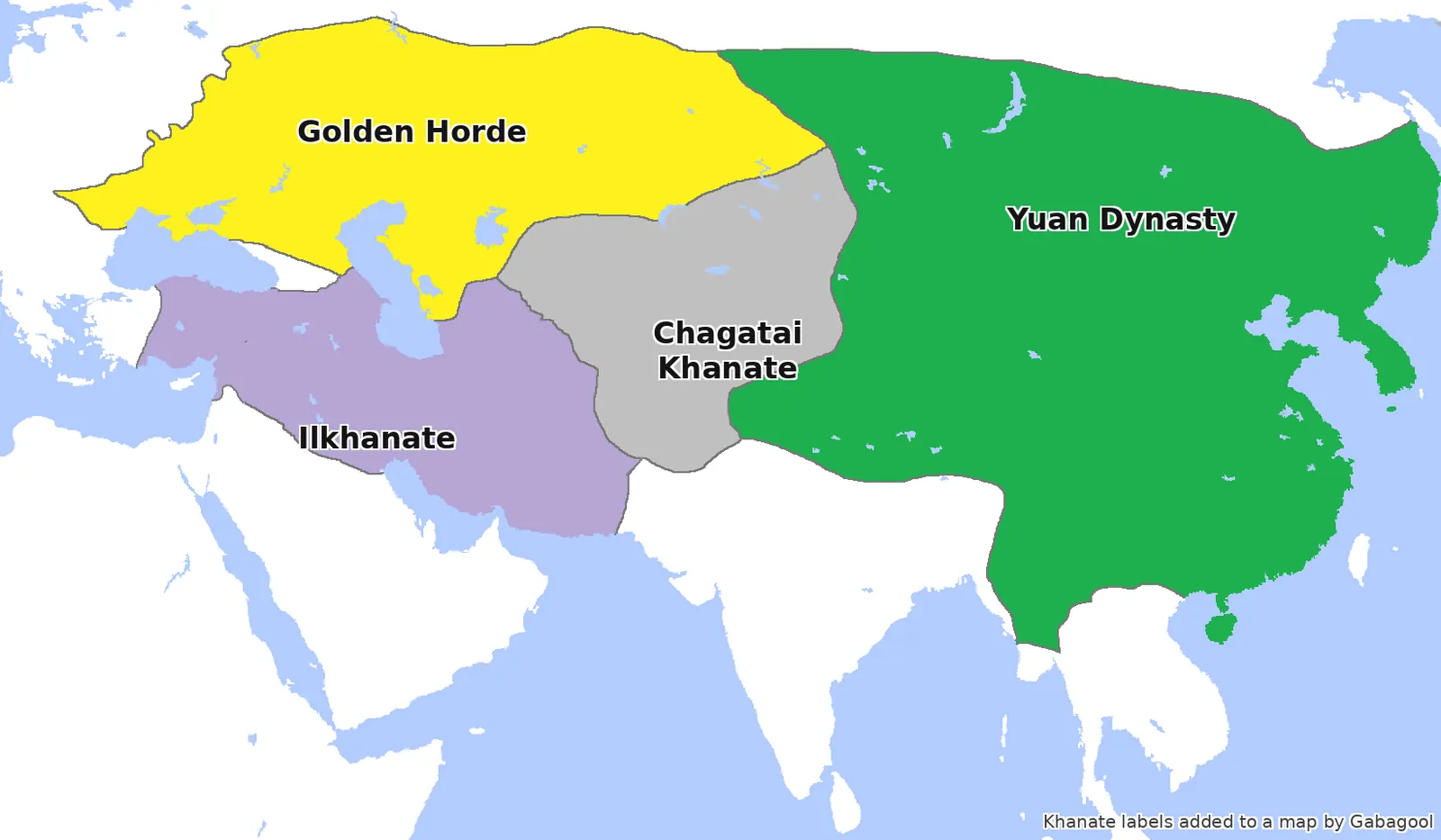
European armies and settlers created crusader states in the Levant after 1099, and Muslim rulers under Saladin and his successors recovered most of that territory. Mongol armies under Genghis Khan and later khans conquered northern China, Persia, the Rus lands and eastern Europe between 1206 and 1260, killing millions and forcing large movements of captives and craftspeople. Mongol rulers reopened routes across Eurasia, protected messengers and merchants, and governed through local officials and tax systems.
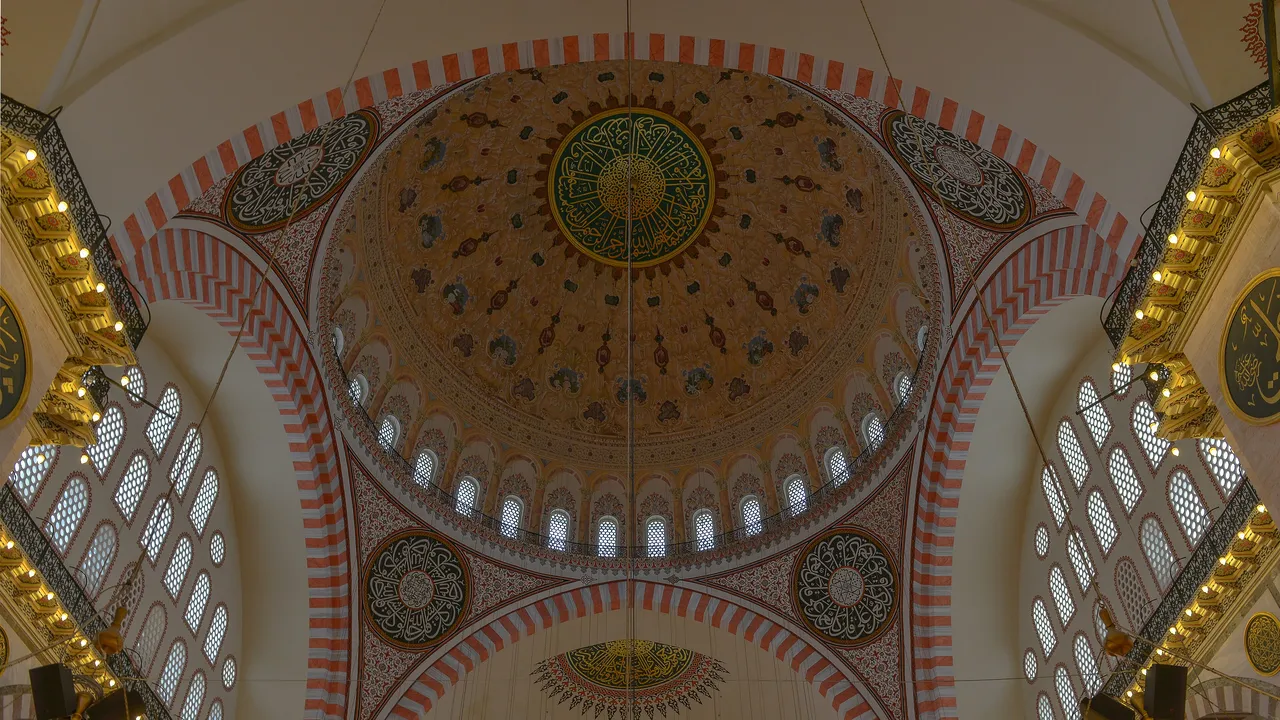
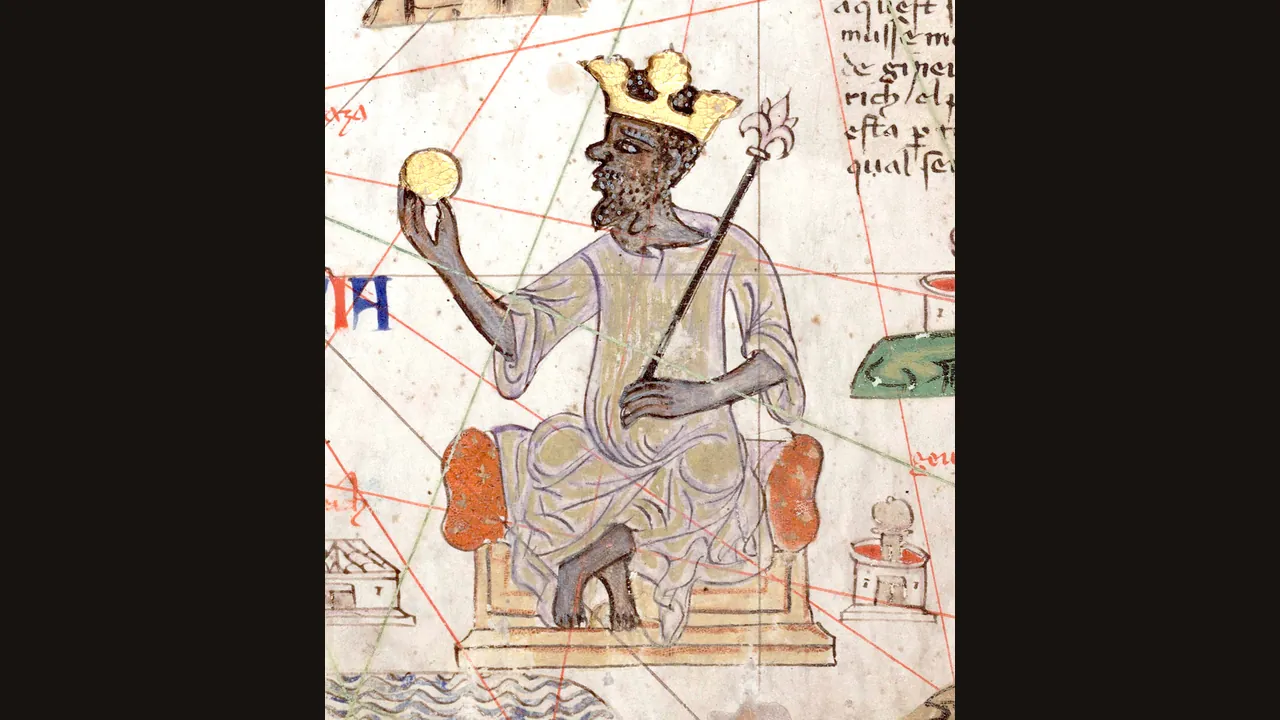
West African rulers in Mali taxed gold and salt trade across the Sahara, and merchants linked Timbuktu with North Africa. Sailors and merchants traded around the Indian Ocean between East Africa, Arabia, India and Southeast Asia. Gunpowder weapons spread from China across Eurasia, and sailors used magnetic compasses on long voyages. Craftspeople built cathedrals, castles, mosques and ships, and European printers began using movable type around 1450 after East Asian printers had developed related methods earlier.
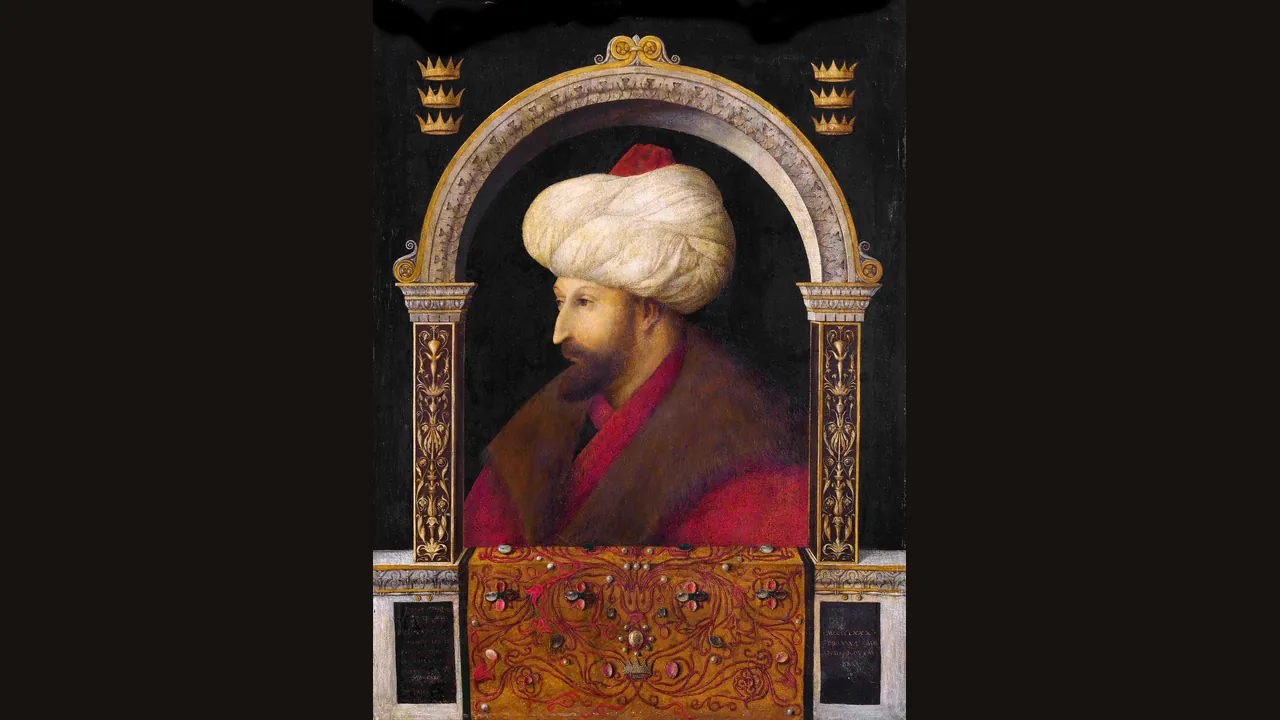
Plague reached the Black Sea and Mediterranean by 1347 and killed an estimated third to a half of the population of Europe, with heavy deaths also in the Middle East and North Africa. Wars between England and France, civil conflicts and peasant revolts reshaped states. Ottoman Turks captured Constantinople in 1453, and Portuguese sailors reached India by sea in 1498 after Columbus reached the Americas in 1492. Ocean voyages and Ottoman expansion closed the period with a changed political and trading map.