Era 5 of 10 · c. 500–1000 CE
Early Middle Ages
In western Europe new kingdoms replace the western Roman Empire, while the Byzantine Empire continues in the east. Islam begins in Arabia in the seventh century and its caliphates soon reach from Spain to Central Asia, and China is reunited under the Sui and Tang dynasties.
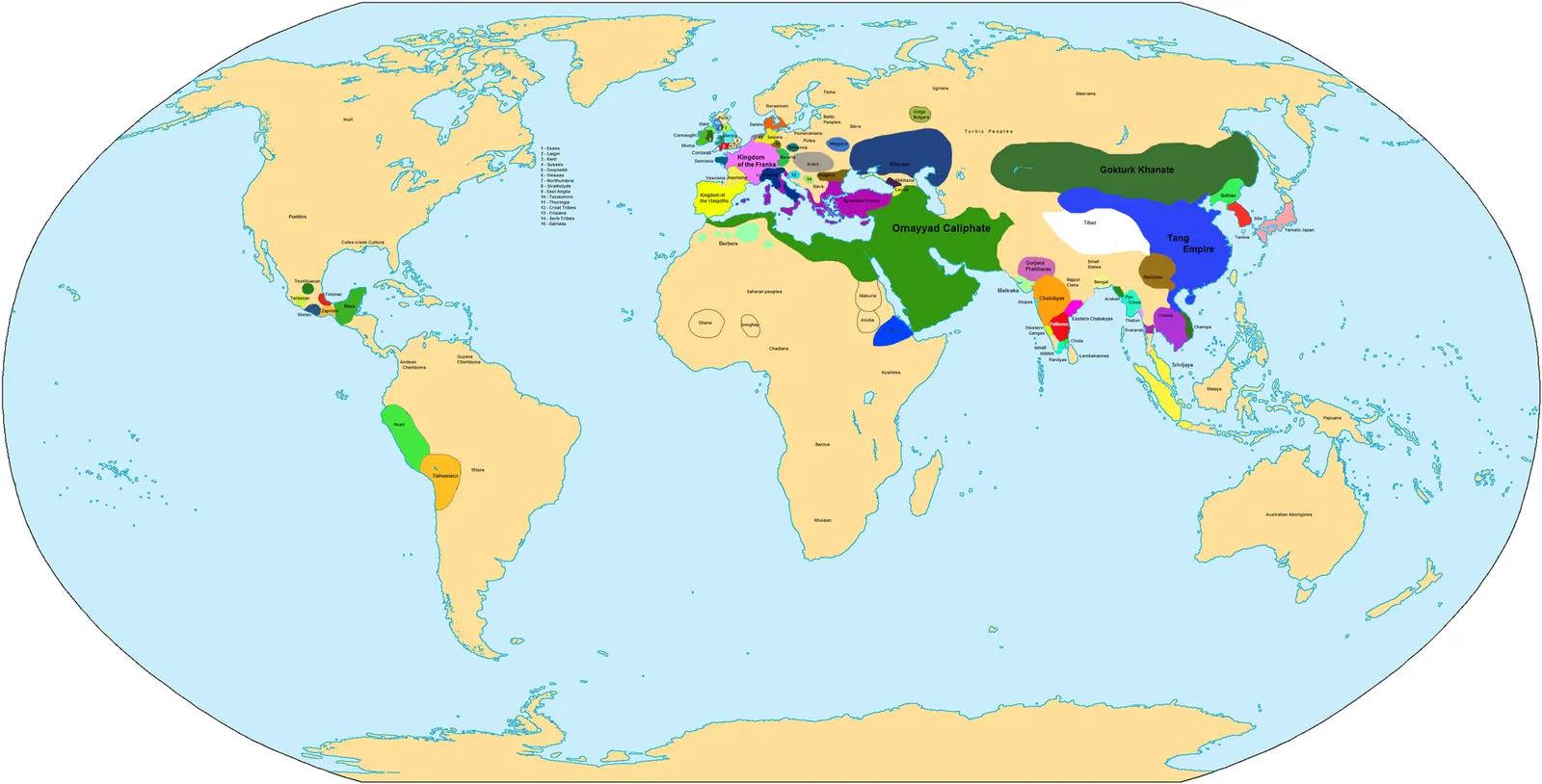
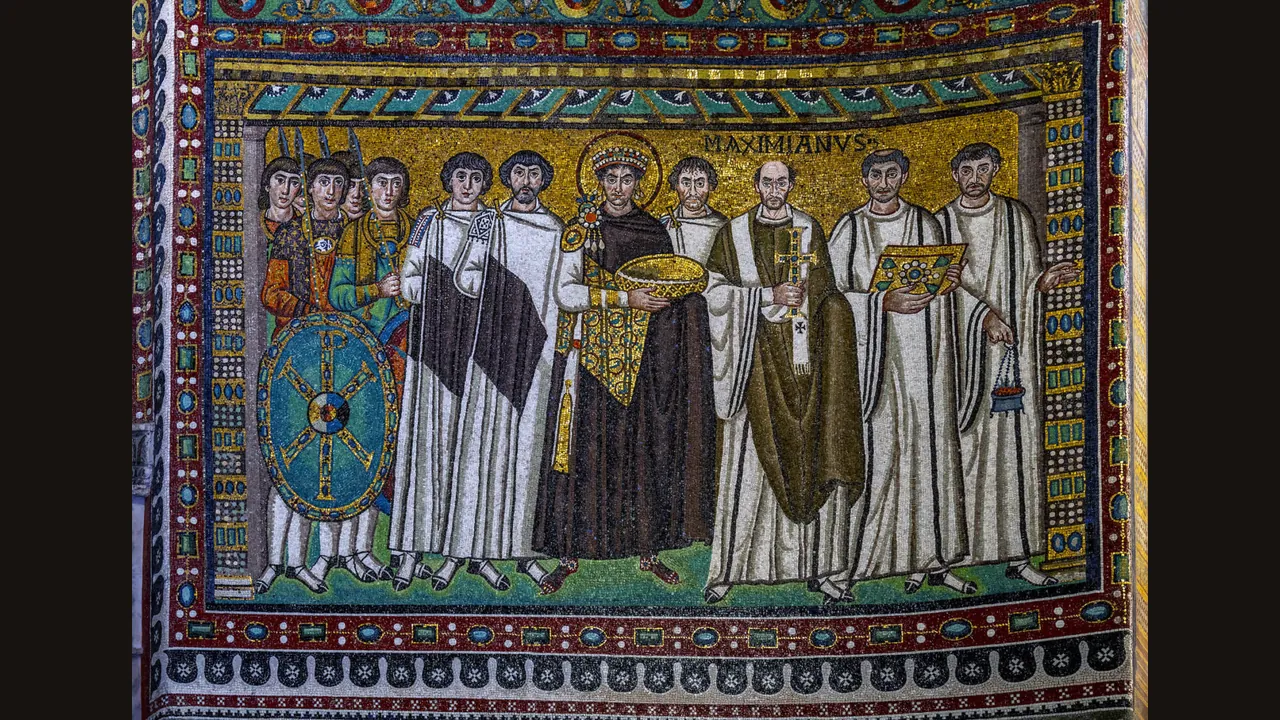
The eastern Roman Empire, ruled from Constantinople, kept Roman law, taxation and armies after western imperial government ended. Justinian ordered a major codification of Roman law, and his armies retook parts of North Africa, Italy and Spain. Sassanid Persia remained the eastern rival of Constantinople until Arab armies conquered it. In western Europe Frankish, Visigothic, Lombard, Anglo Saxon and other kings ruled smaller territories, and Christian bishops and monasteries preserved literacy and links between regions.
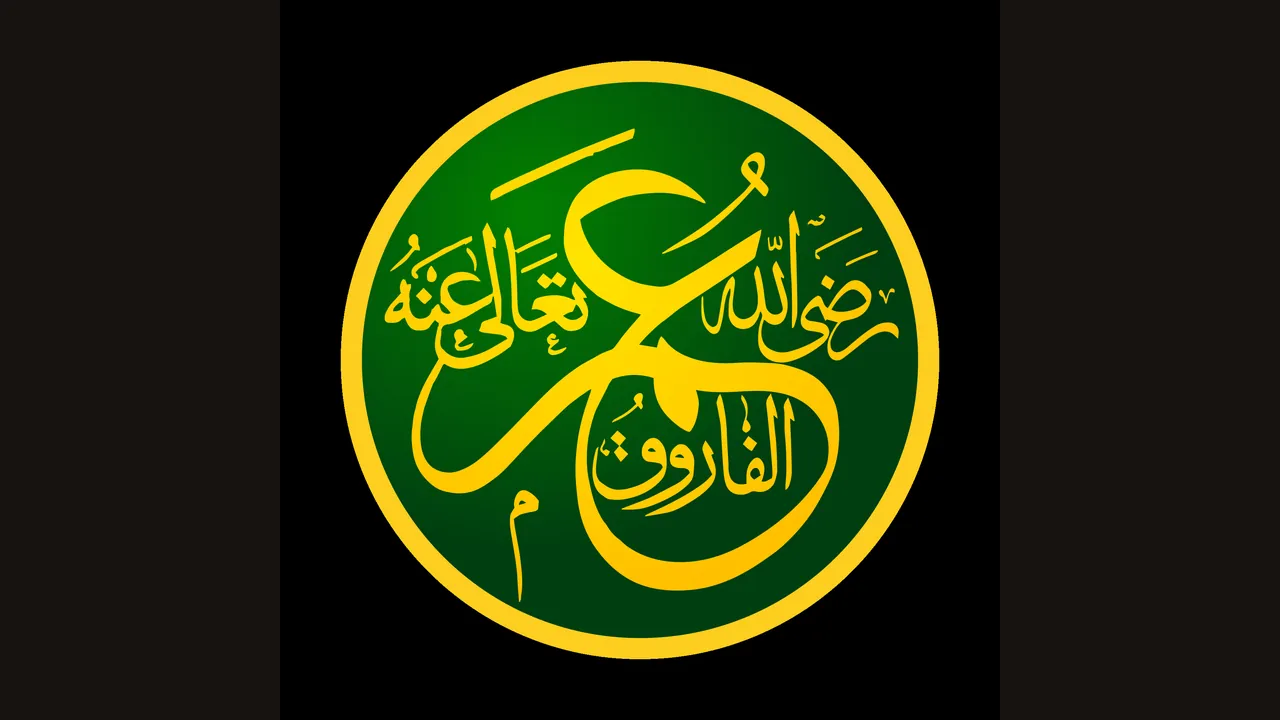
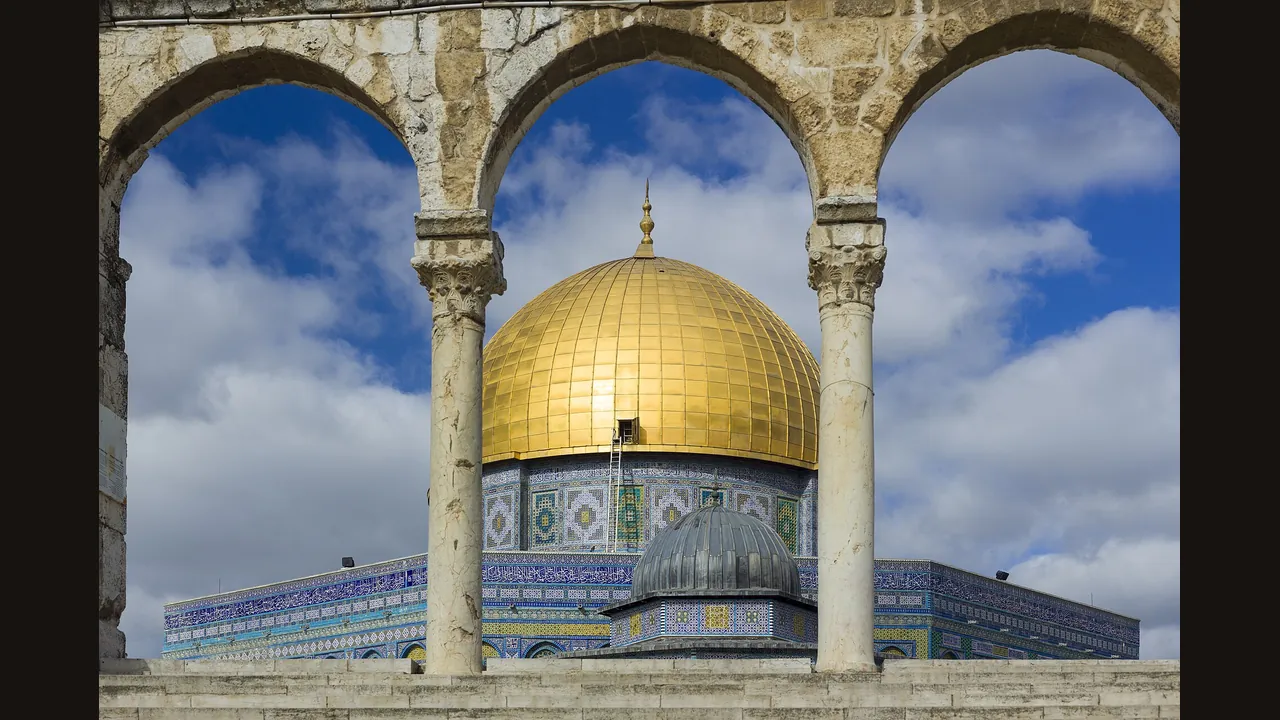
A plague outbreak began in 541 and returned in waves across the Mediterranean and Near East, killing large numbers whose scale historians still debate. Muhammad began preaching Islam in Arabia in the early seventh century, and Arab armies under the Rashidun and Umayyad caliphs conquered Syria, Egypt, Persia, North Africa and most of Iberia. The Abbasid caliphs moved the centre to Baghdad after 750 and governed a wide trading world, although provincial rulers gained power over time.
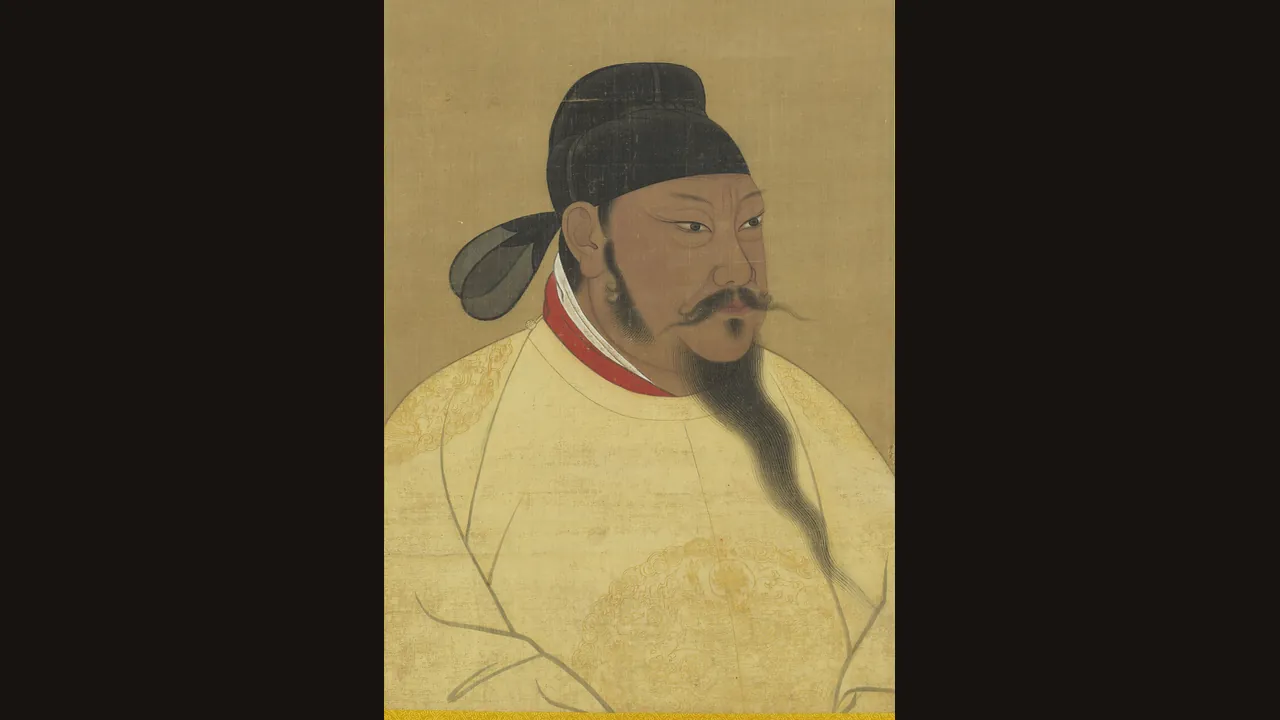
Sui rulers reunited China in 589, and Tang emperors expanded Chinese power into Central Asia. Chang'an became one of the largest cities in the world, with population estimates around one million at its height. Officials used examinations alongside family and official recommendation, printers produced texts with carved wooden blocks, and merchants connected China with Korea, Japan, Southeast Asia and the Islamic world. Norse sailors raided, traded and settled from Britain and Francia to Iceland and the Rus lands, and Slavic states formed in eastern Europe.
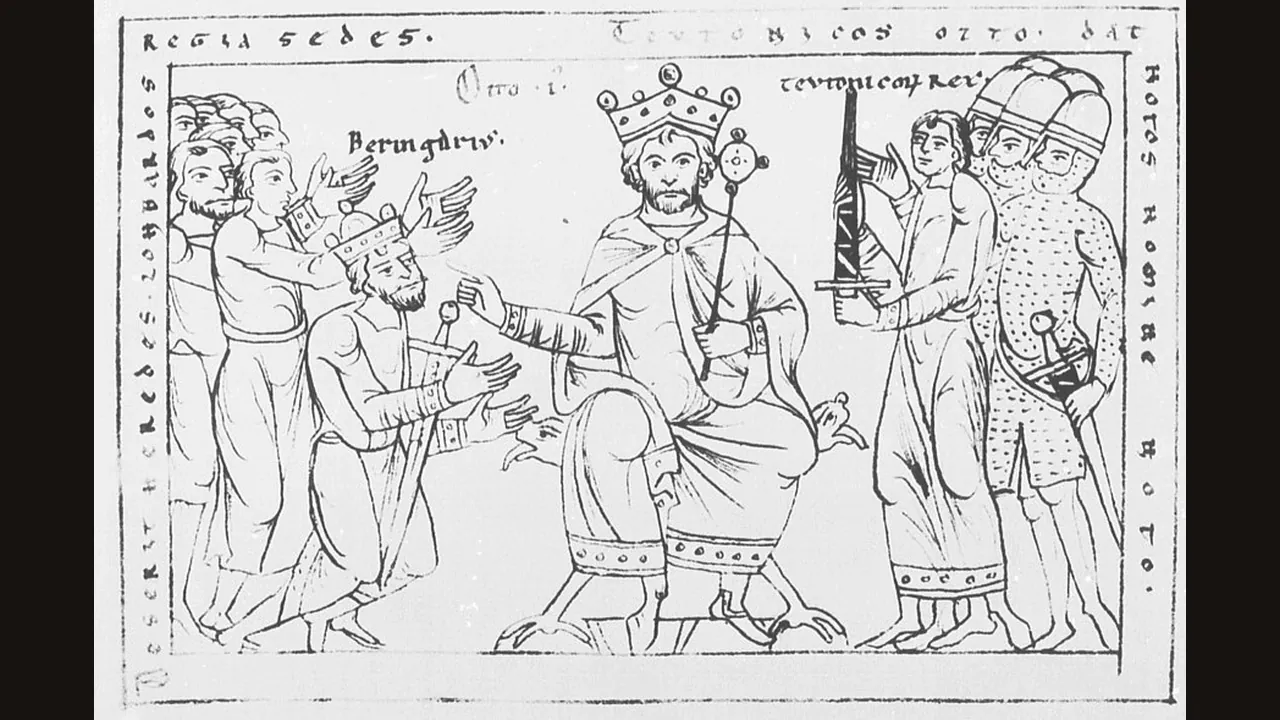
By 1000 the Abbasid caliph held limited practical power beside military rulers and regional dynasties. Song rulers reunified much of China in 960, the Ottonian kings strengthened rule in Germany and Italy, and Kievan Rus adopted Orthodox Christianity in 988. Western European kingdoms remained regional, Byzantine emperors recovered territory, and no single ruler controlled the former Roman or caliphal lands.