
Era 4 of 10 · c. 500 BCE–500 CE
Classical antiquity
Large empires rule much of Eurasia, among them Persia, the Maurya and Gupta states of India, Han China and Rome. Classical Greece, the spread of Buddhism and the rise of Christianity belong to this era, which ends as the western Roman Empire falls in the fifth century CE.
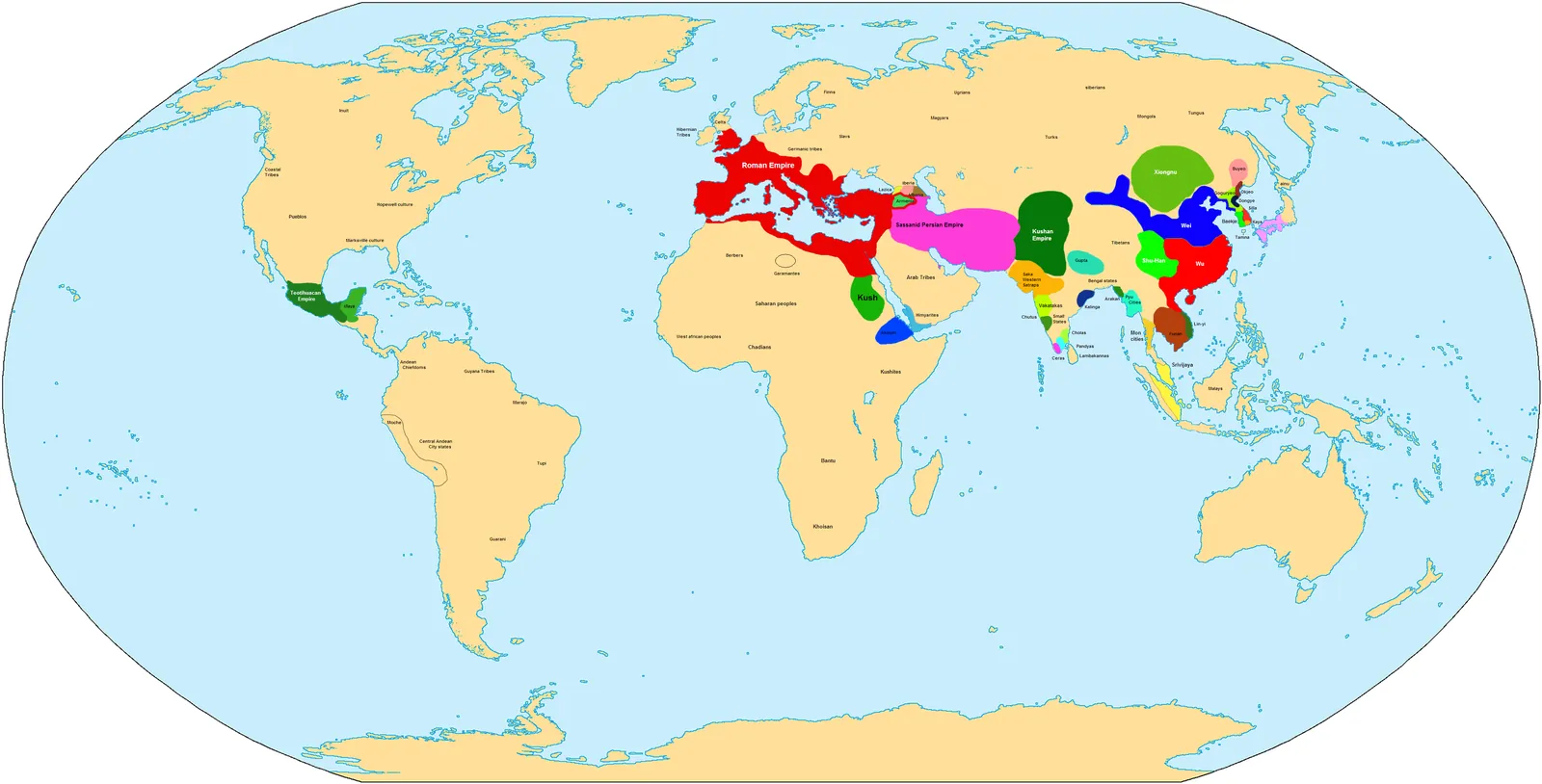
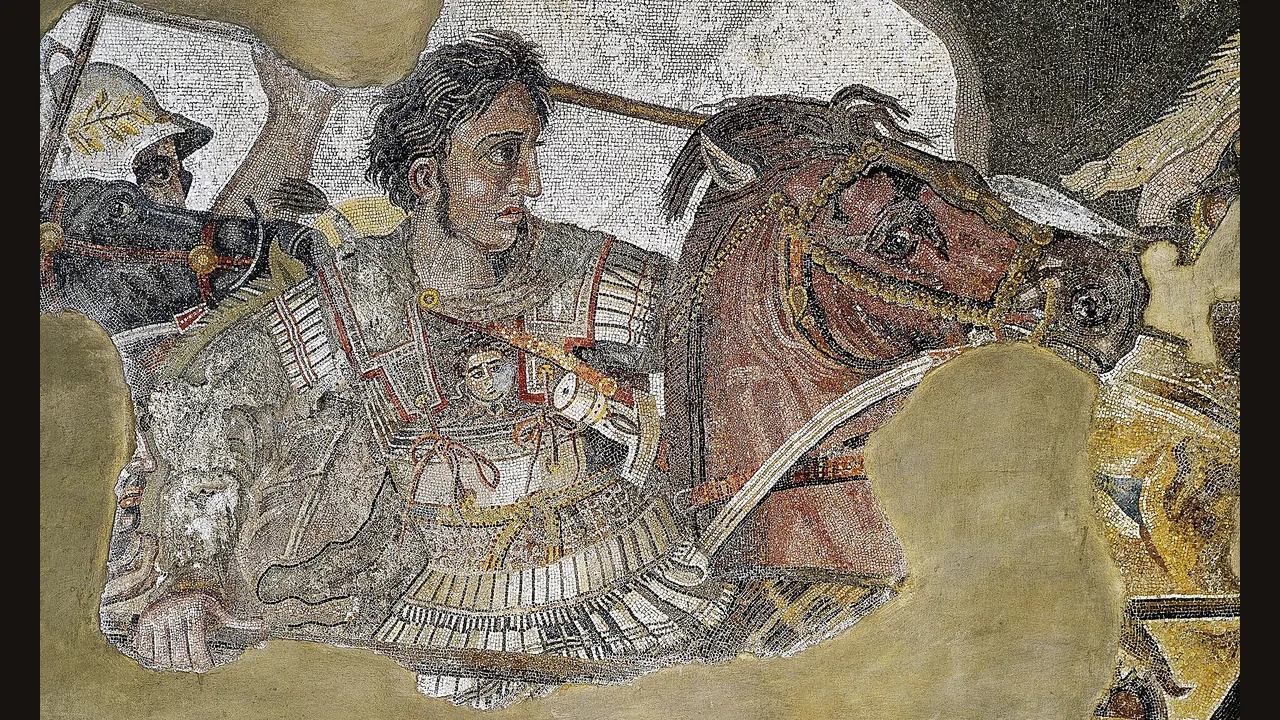
Persian kings ruled from Iran to Egypt and Anatolia at the opening of the period, and Greek cities resisted their invasions in 490 and 480 to 479 BCE. Athens and Sparta led rival alliances, and their war from 431 to 404 BCE weakened Greek states. Alexander of Macedon conquered the Persian Empire during the 330s and 320s BCE, and his generals divided its lands into kingdoms after his death. Greek language and city institutions spread widely through those kingdoms.
Rome defeated Carthage, conquered Mediterranean lands and replaced its republic with imperial rule under Augustus in 27 BCE. Roman armies and officials governed Europe, North Africa and the Near East, and merchants linked ports by road and sea. In India Chandragupta founded the Maurya Empire around 321 BCE, and Ashoka later promoted Buddhist teaching through inscriptions. Qin rulers united China in 221 BCE, and Han emperors then governed a large bureaucratic state for four centuries, apart from a short interruption.
Traders carried silk, spices, glass, metal goods and grain across Central Asia, the Indian Ocean and the Mediterranean. Han census takers counted about 59 million people in 2 CE, and modern historians estimate a similar broad scale for the Roman Empire at its height. Builders raised roads, ports, aqueducts, temples and cities, while scholars worked in mathematics, astronomy, medicine and geography. Buddhism spread from India into Central and East Asia, and Christian communities spread through Roman lands despite periods of persecution.
Parthian and then Sassanid kings ruled Iran and Mesopotamia and fought Rome over Armenia and frontier lands. Gupta kings ruled much of northern India during the fourth and fifth centuries. Roman government divided, Germanic and other peoples entered imperial territory, and invaders and civil wars weakened western provinces. Romulus Augustulus lost the western imperial throne in 476 CE, while the eastern Roman state continued from Constantinople.
Inside this era
In the record from this era

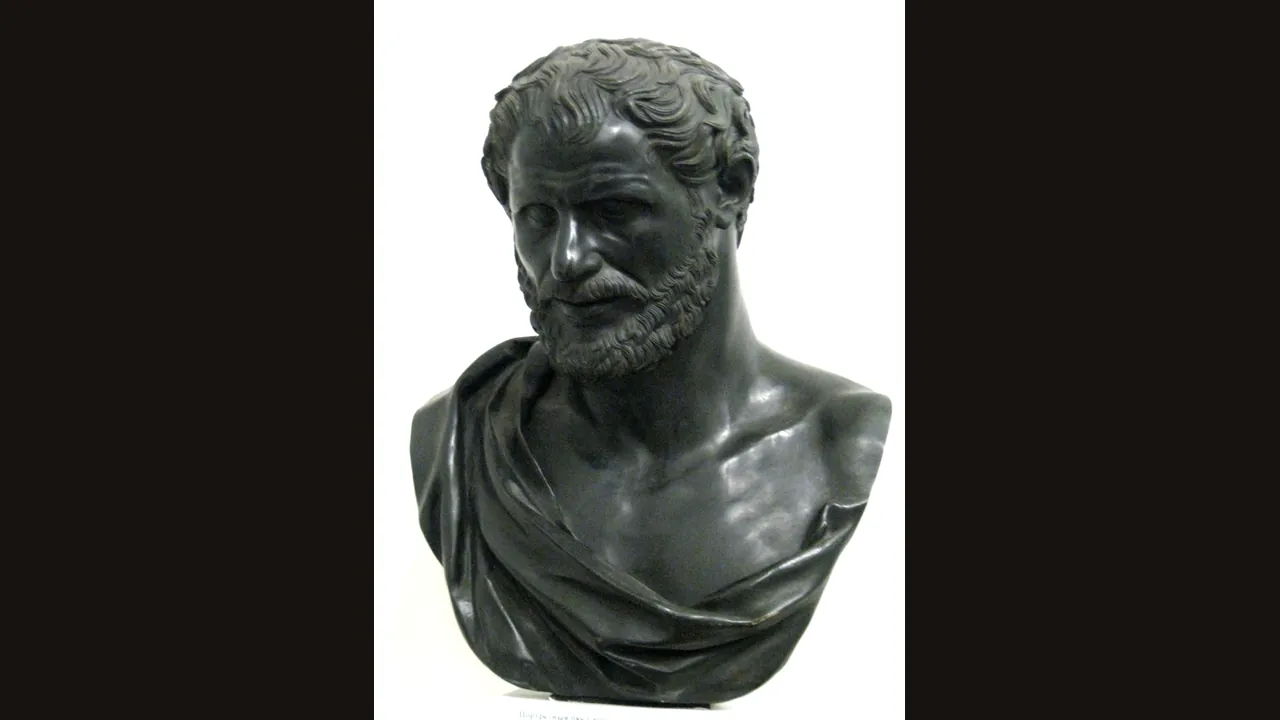

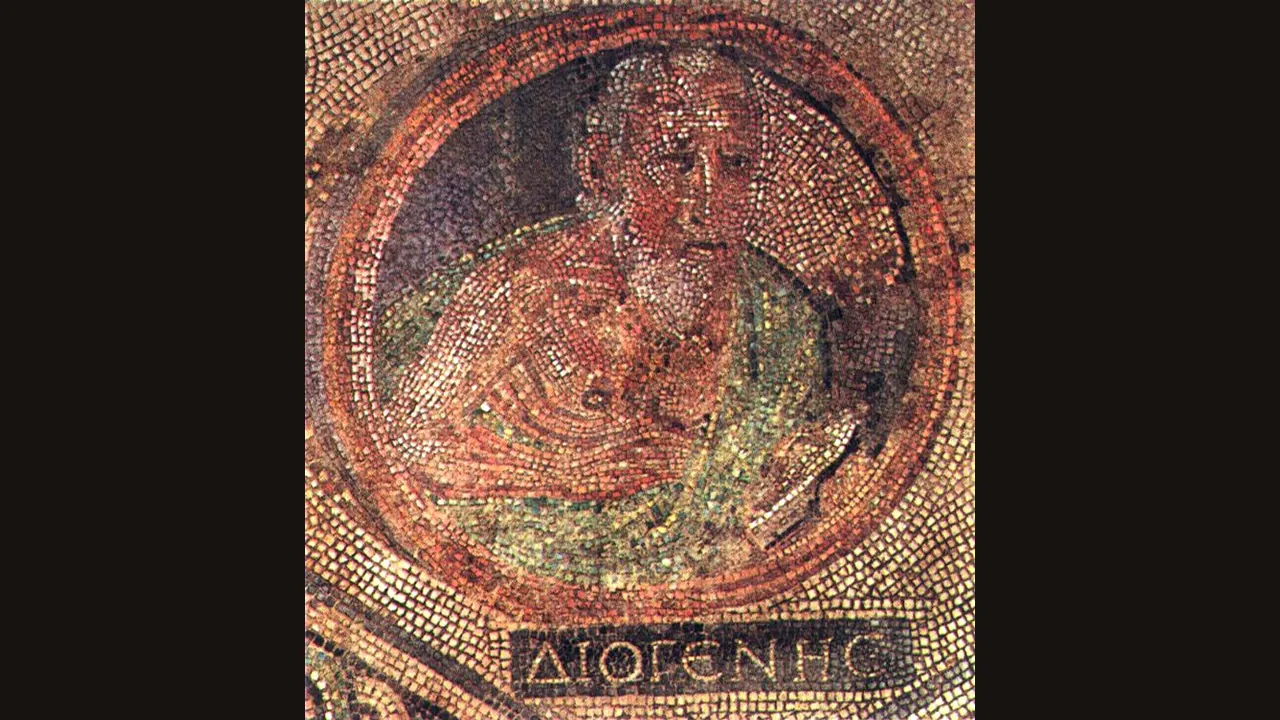

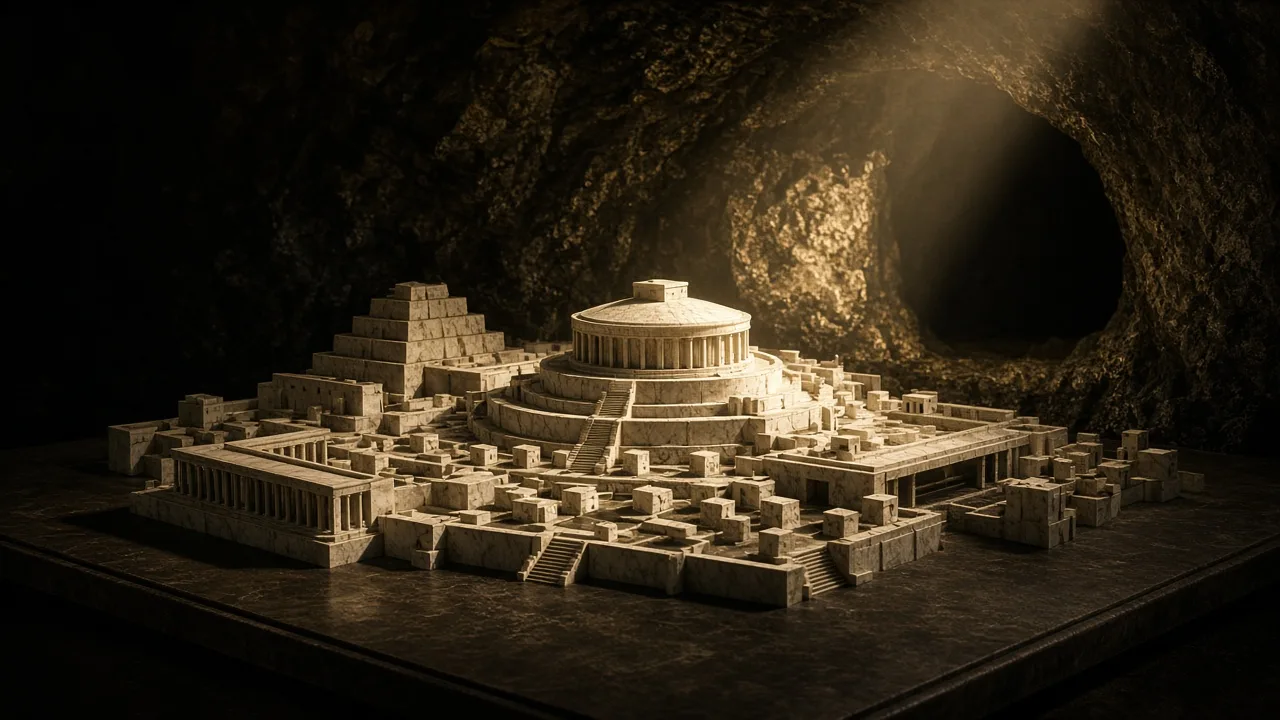
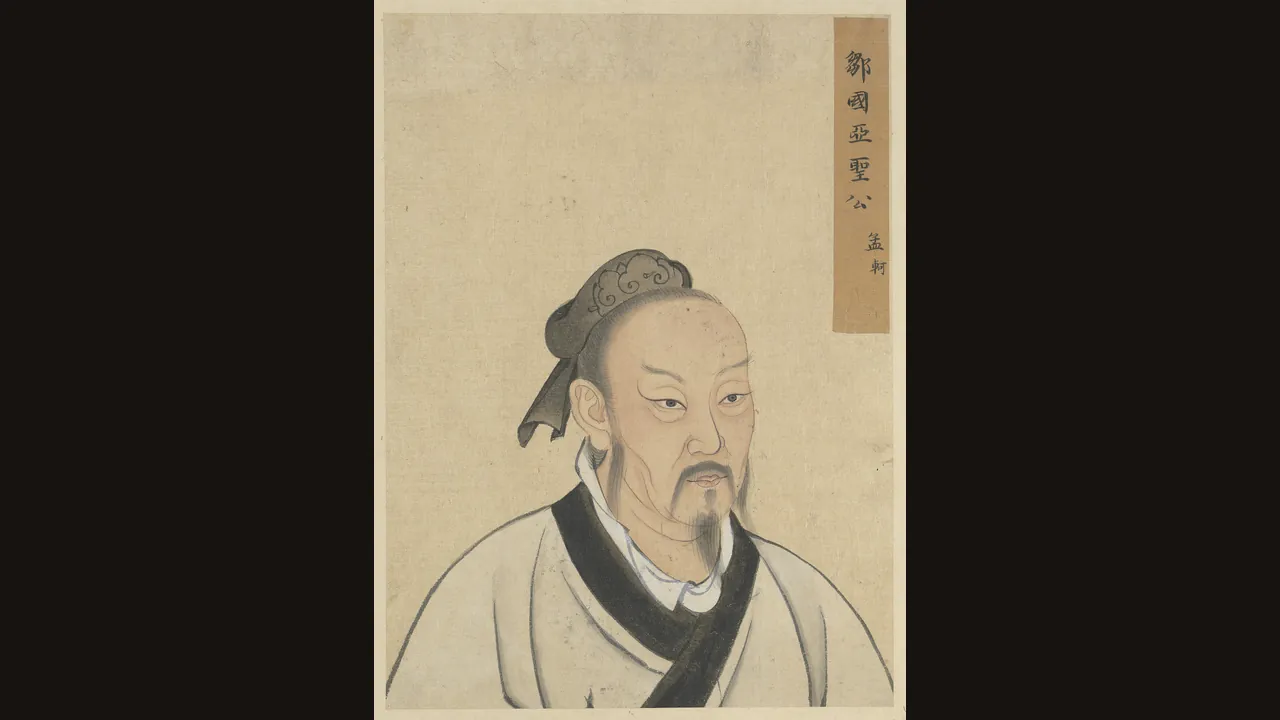
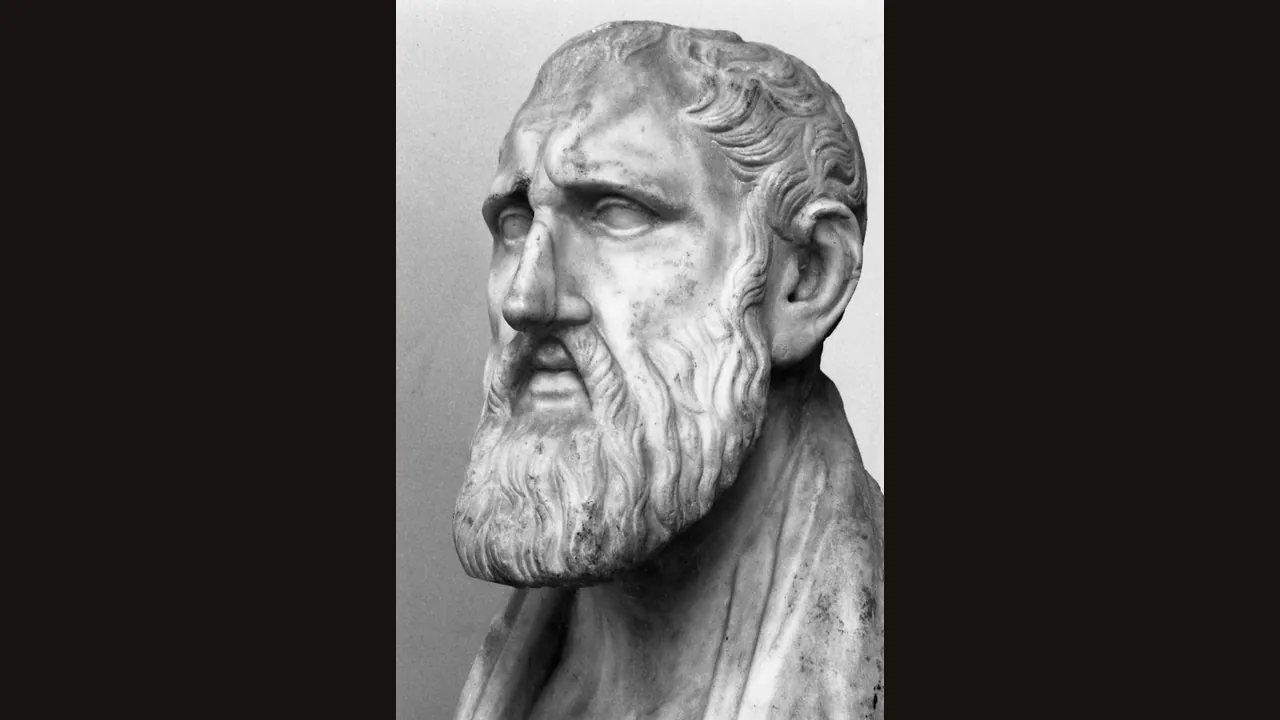
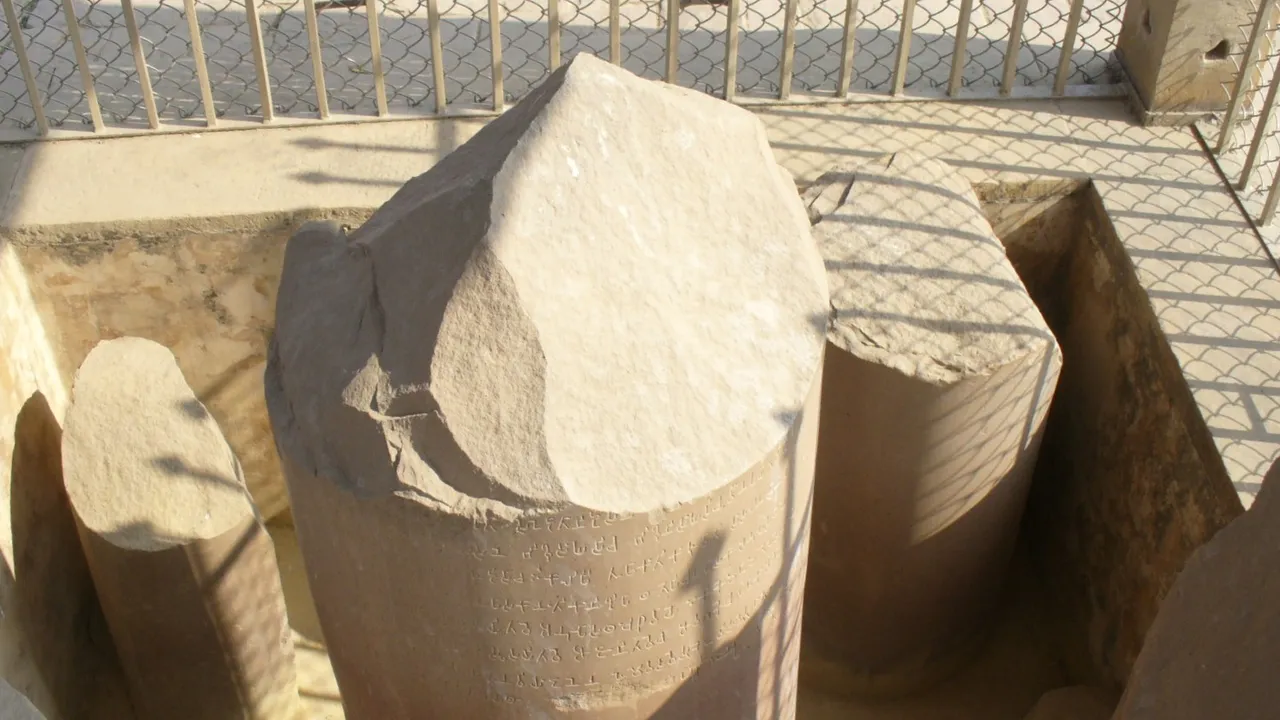
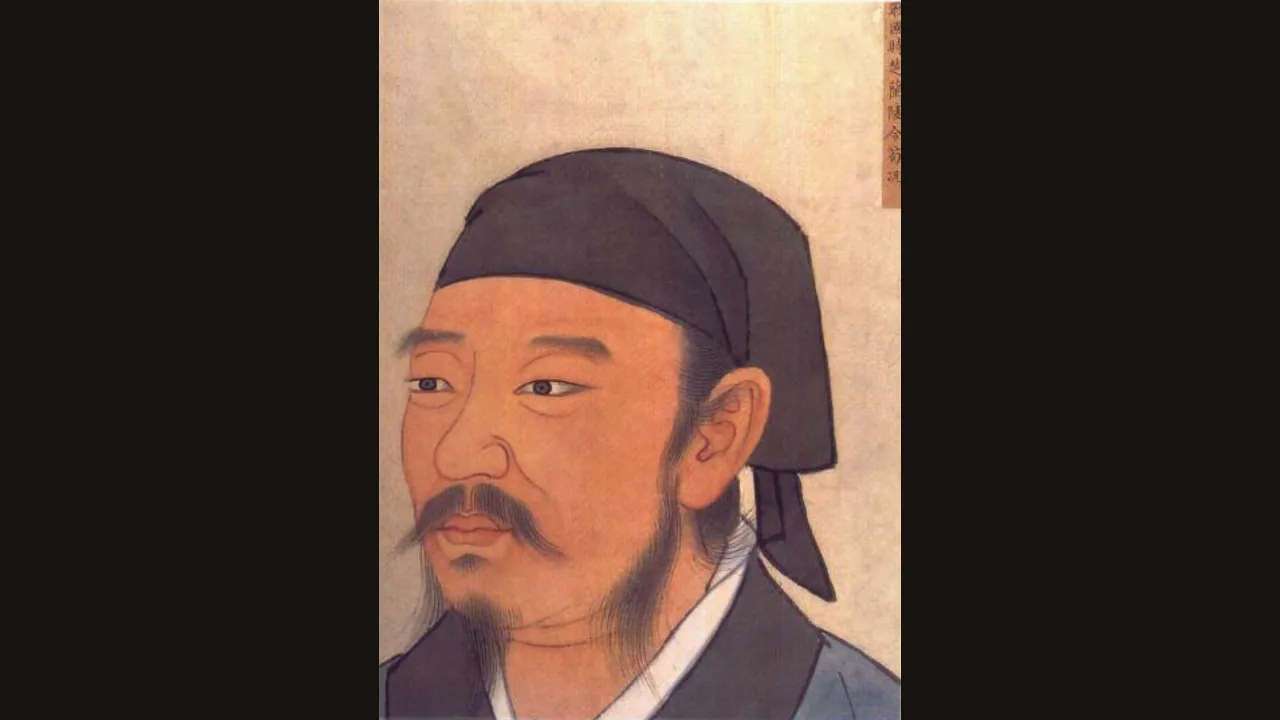
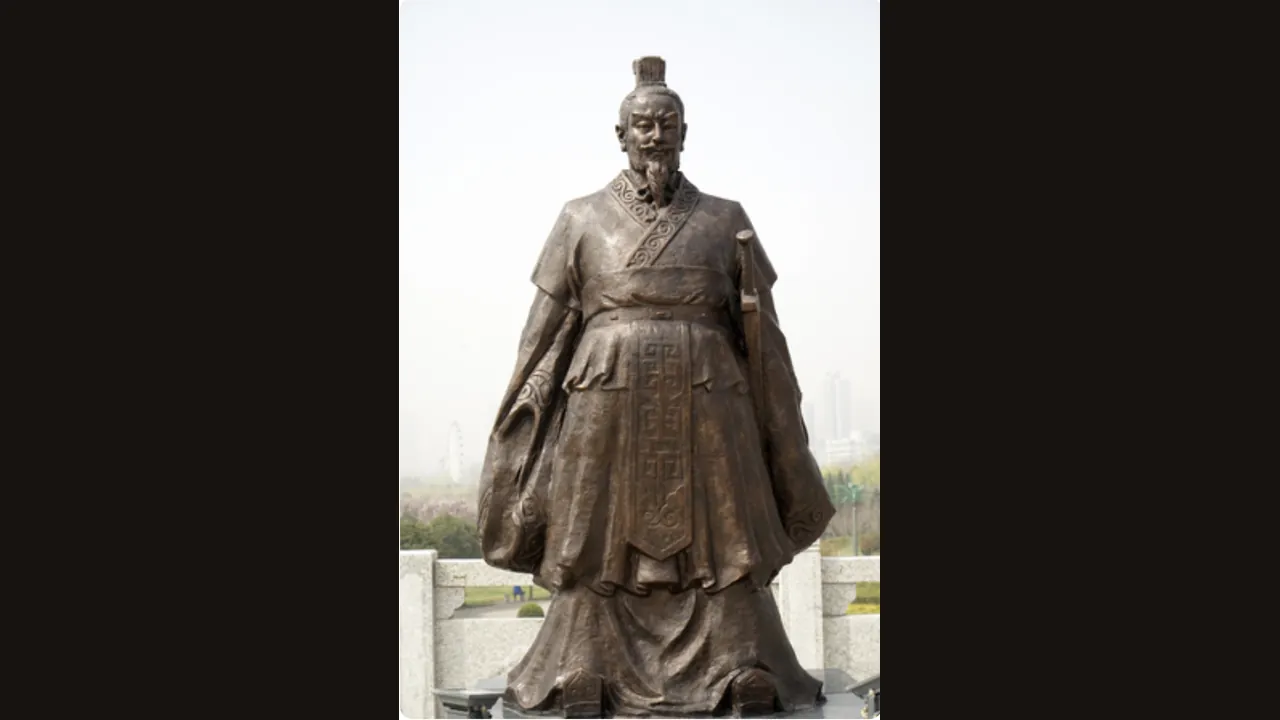
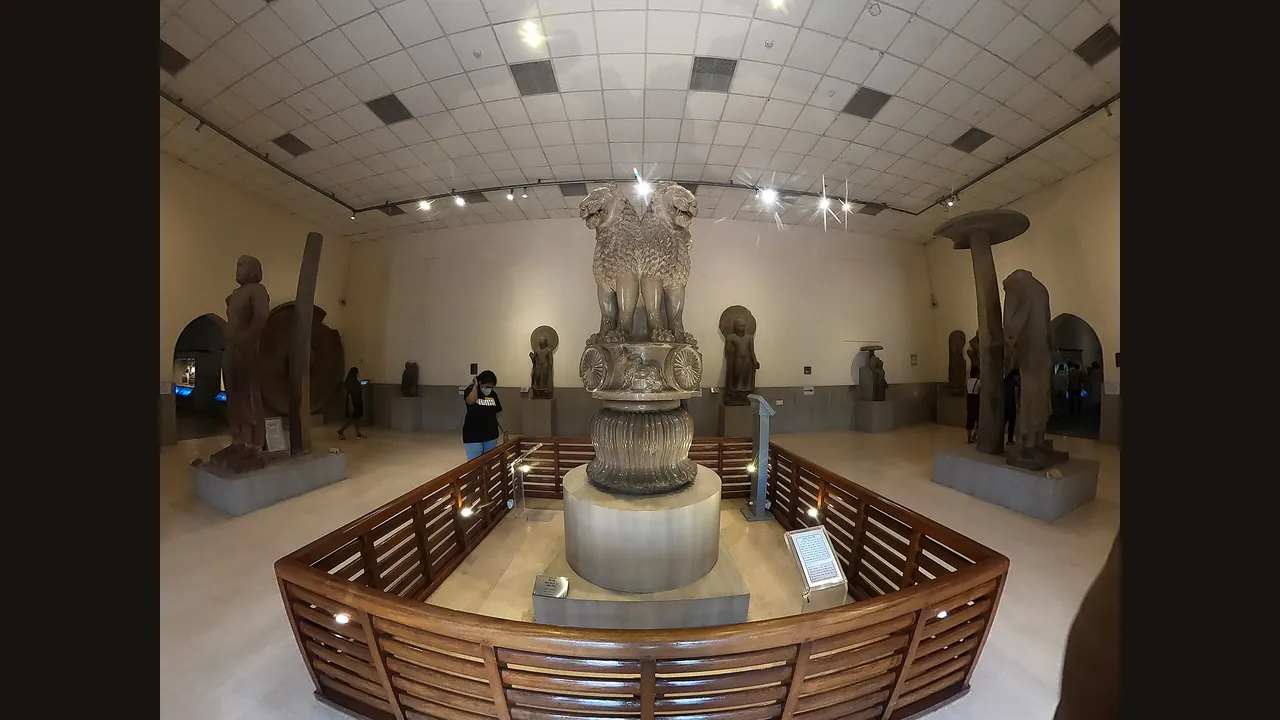
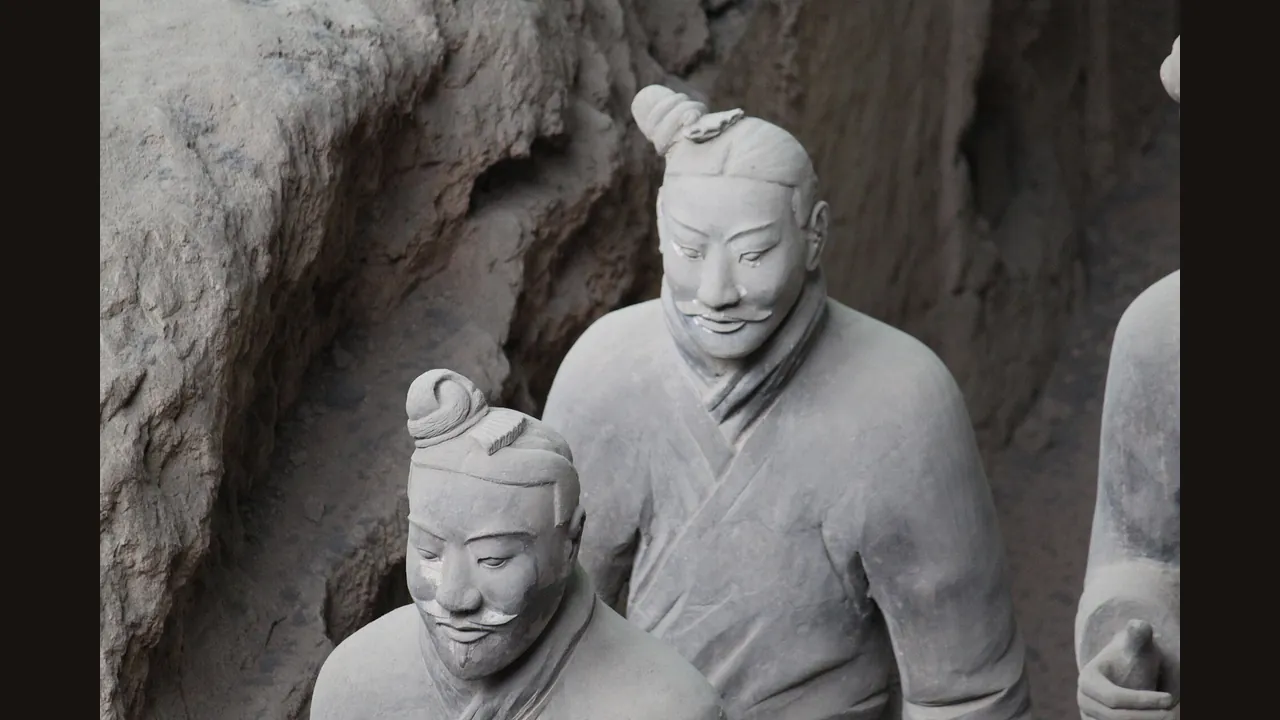
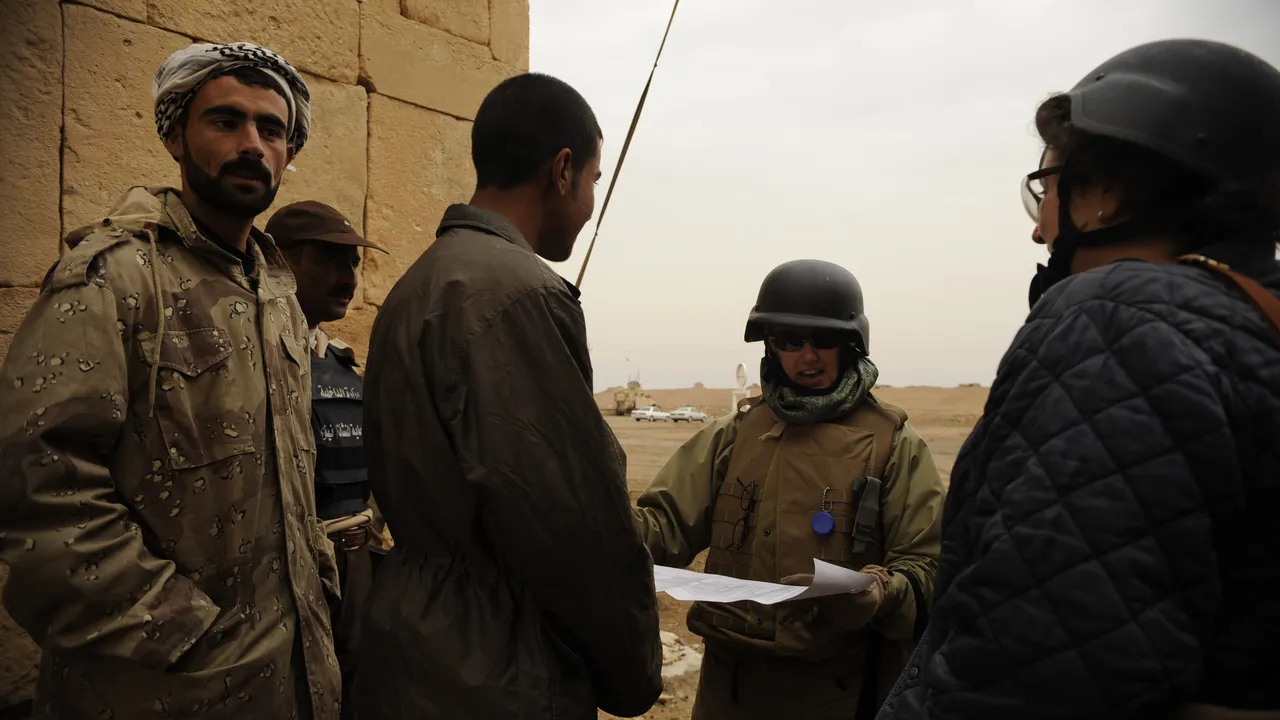
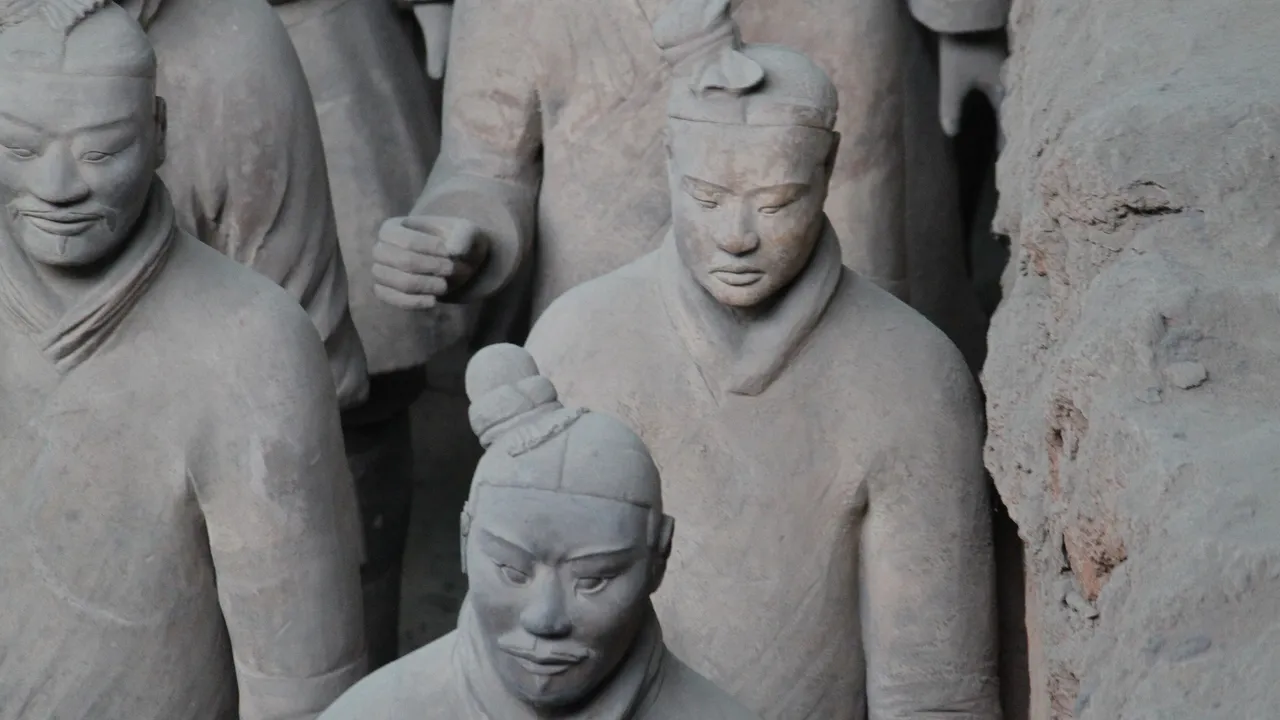

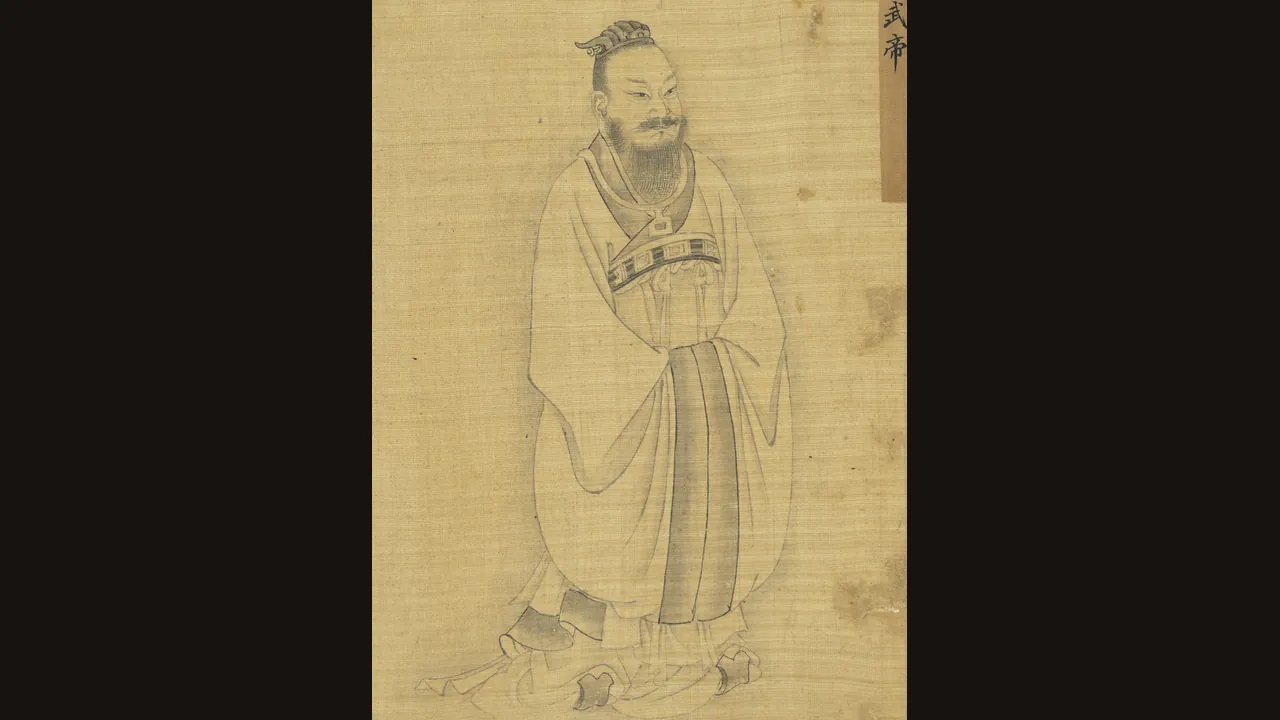
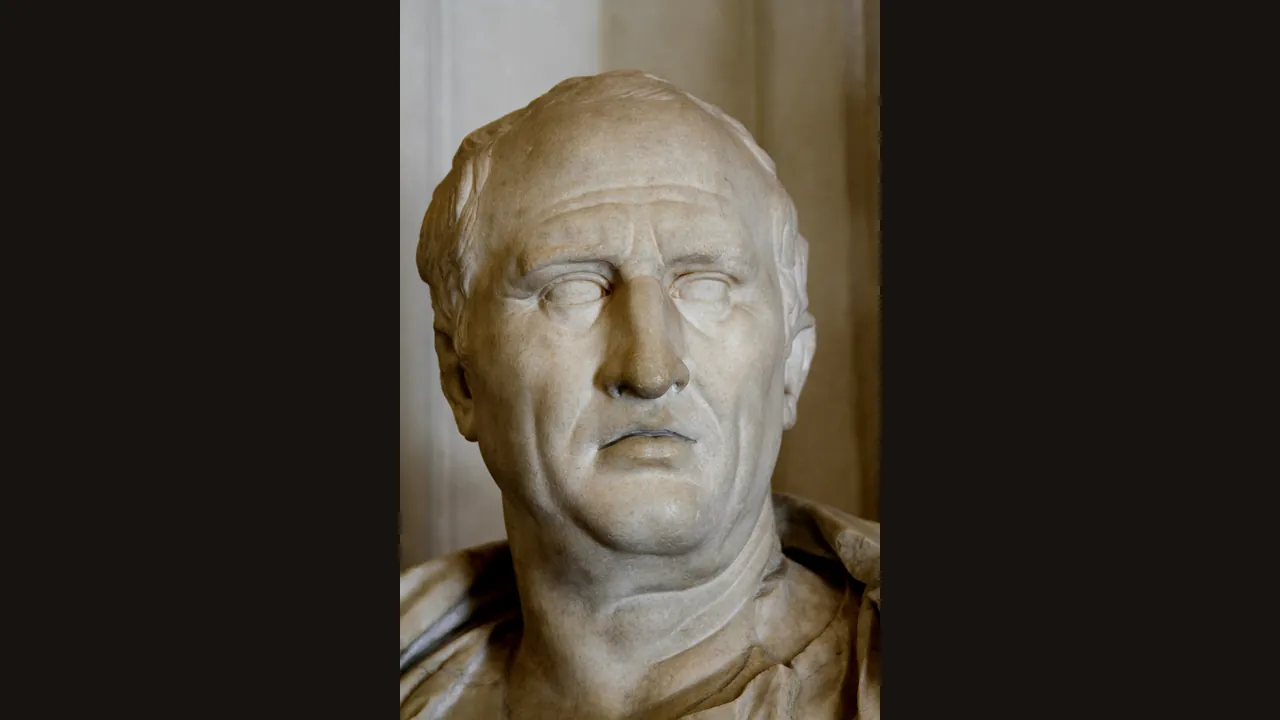
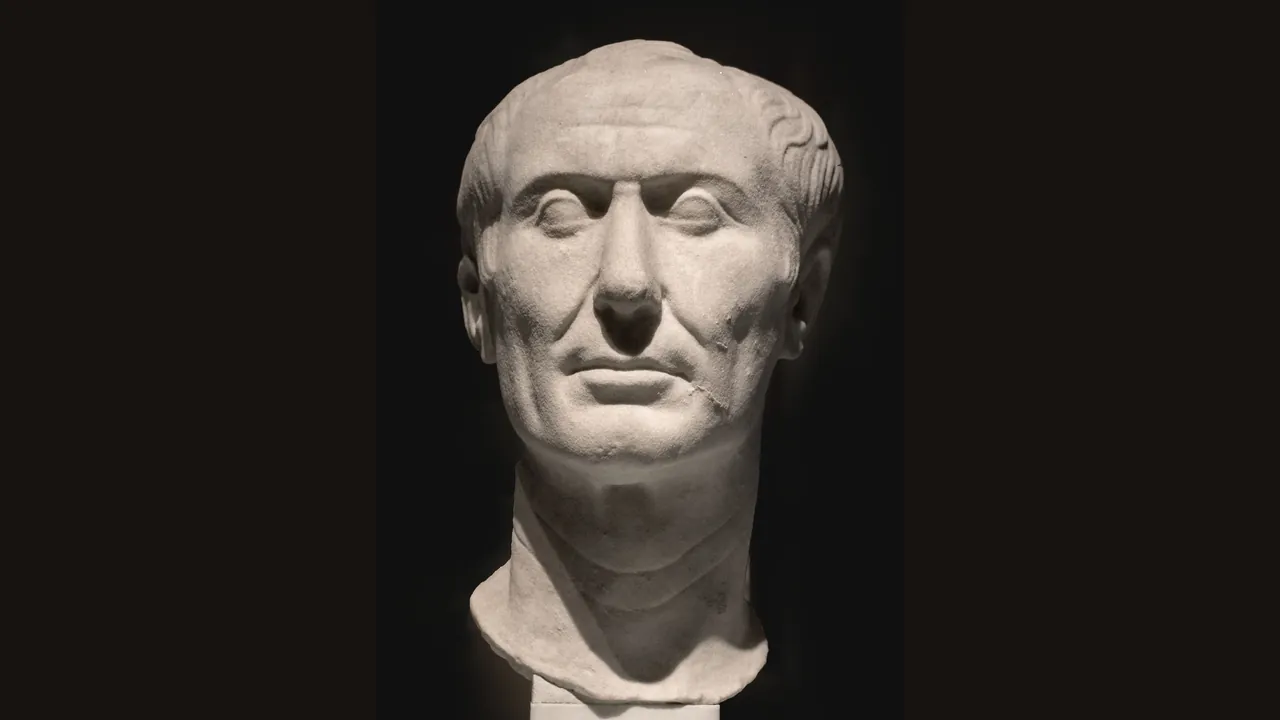
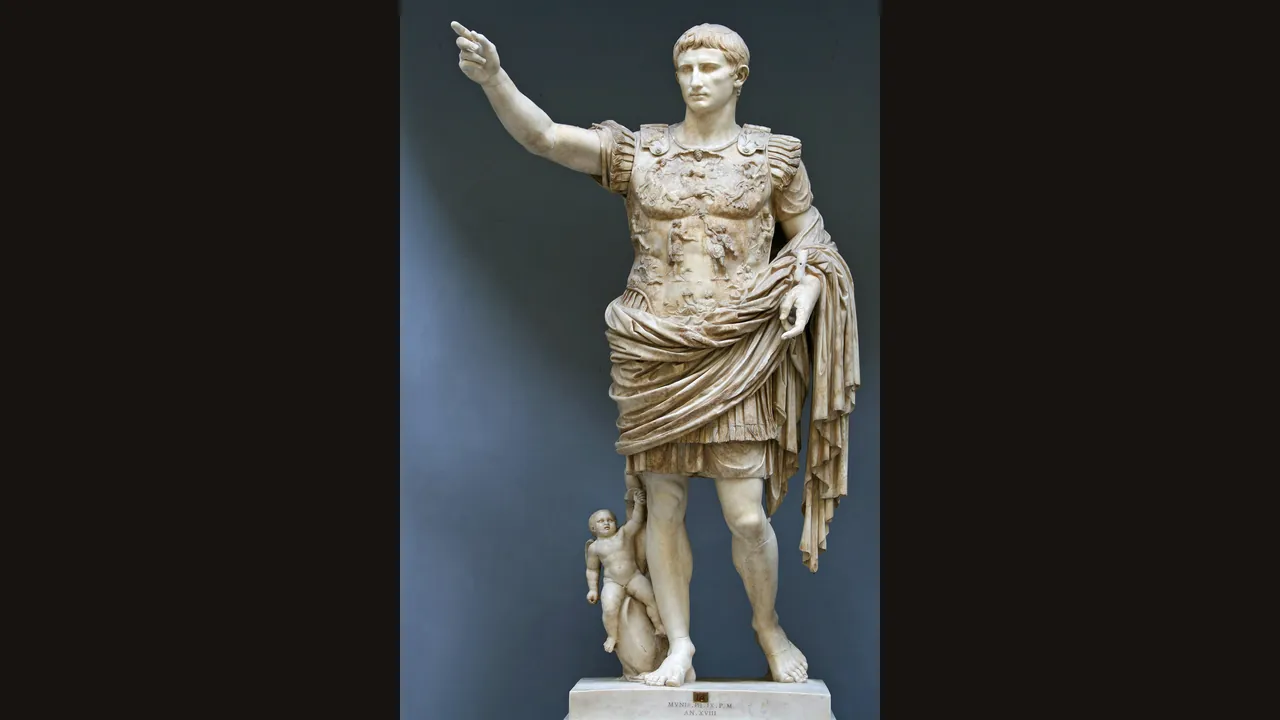

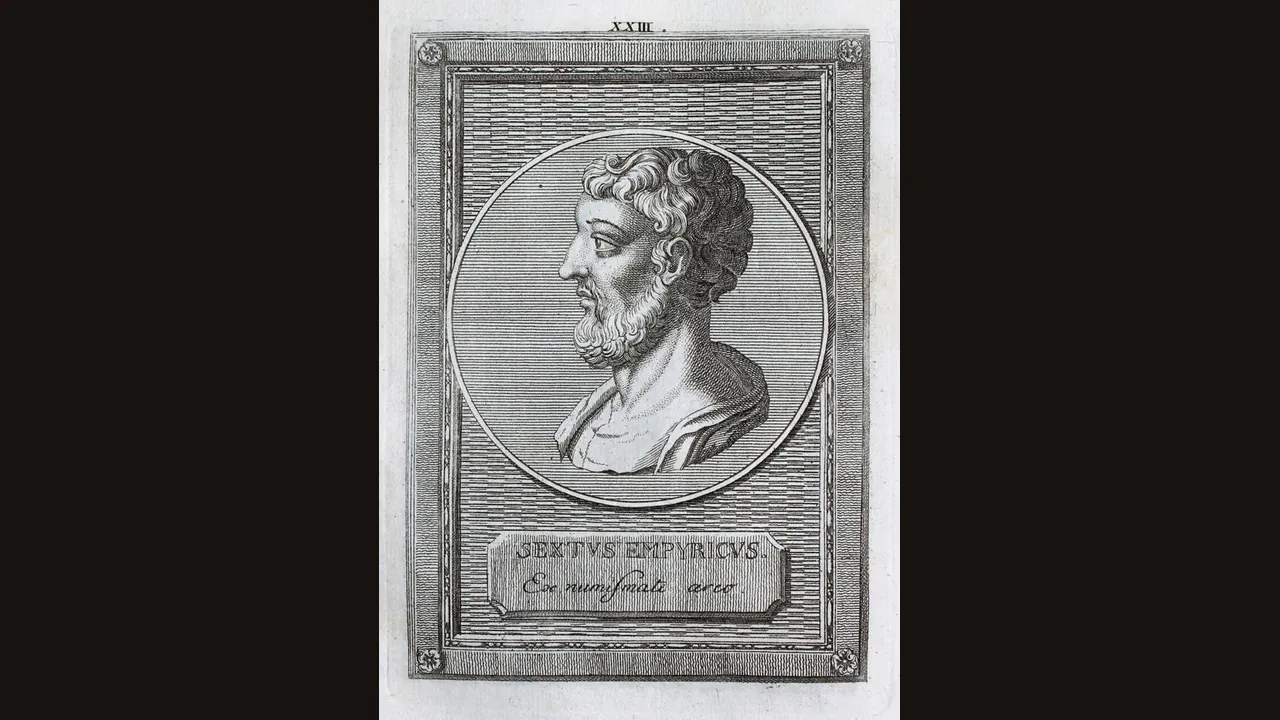
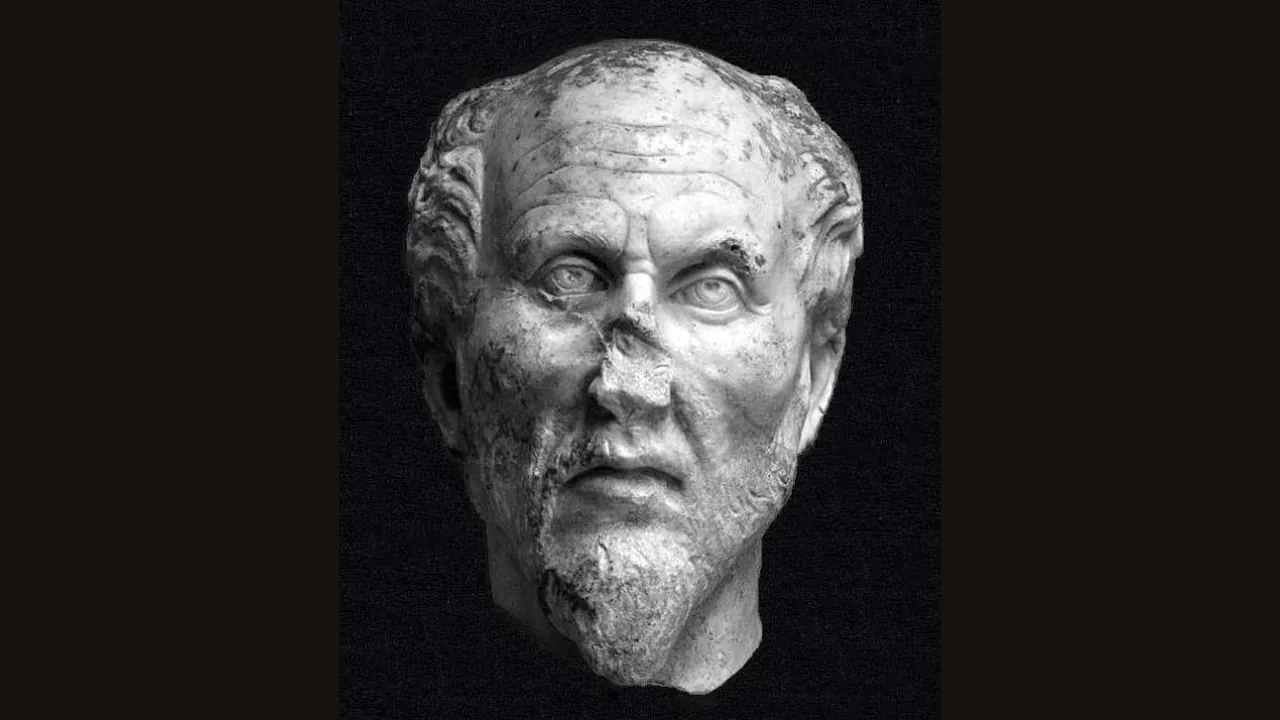
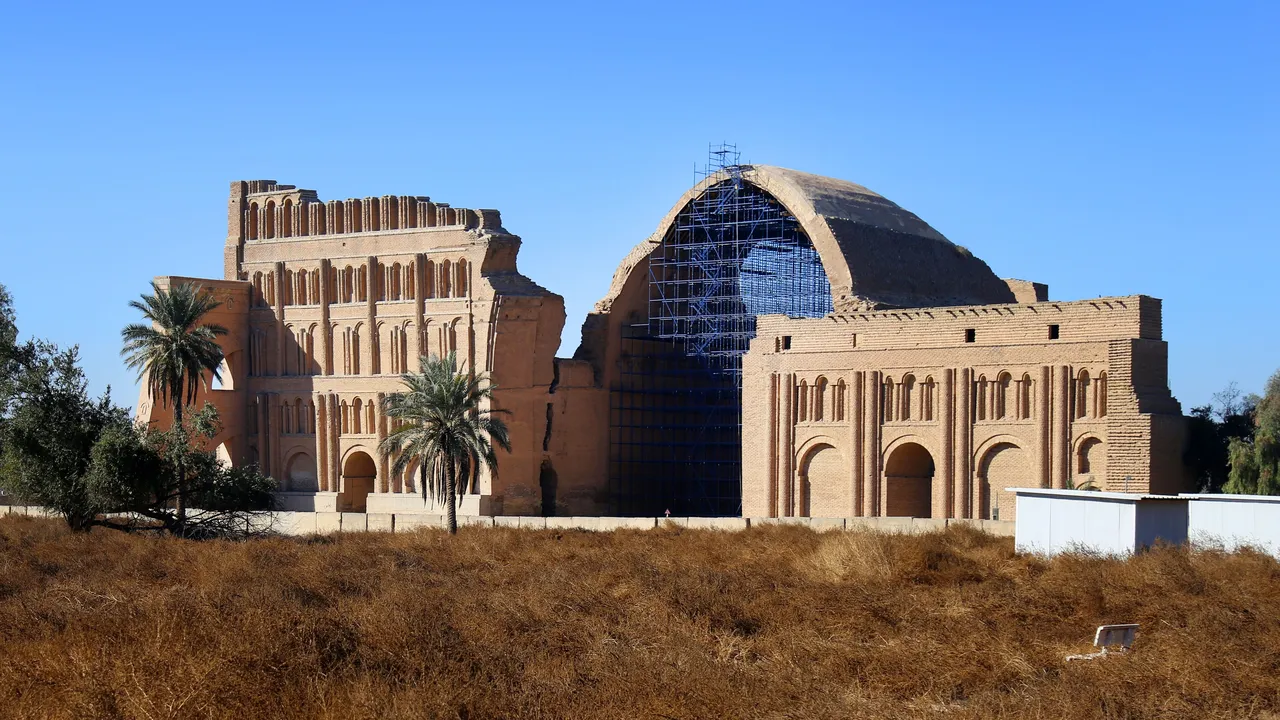
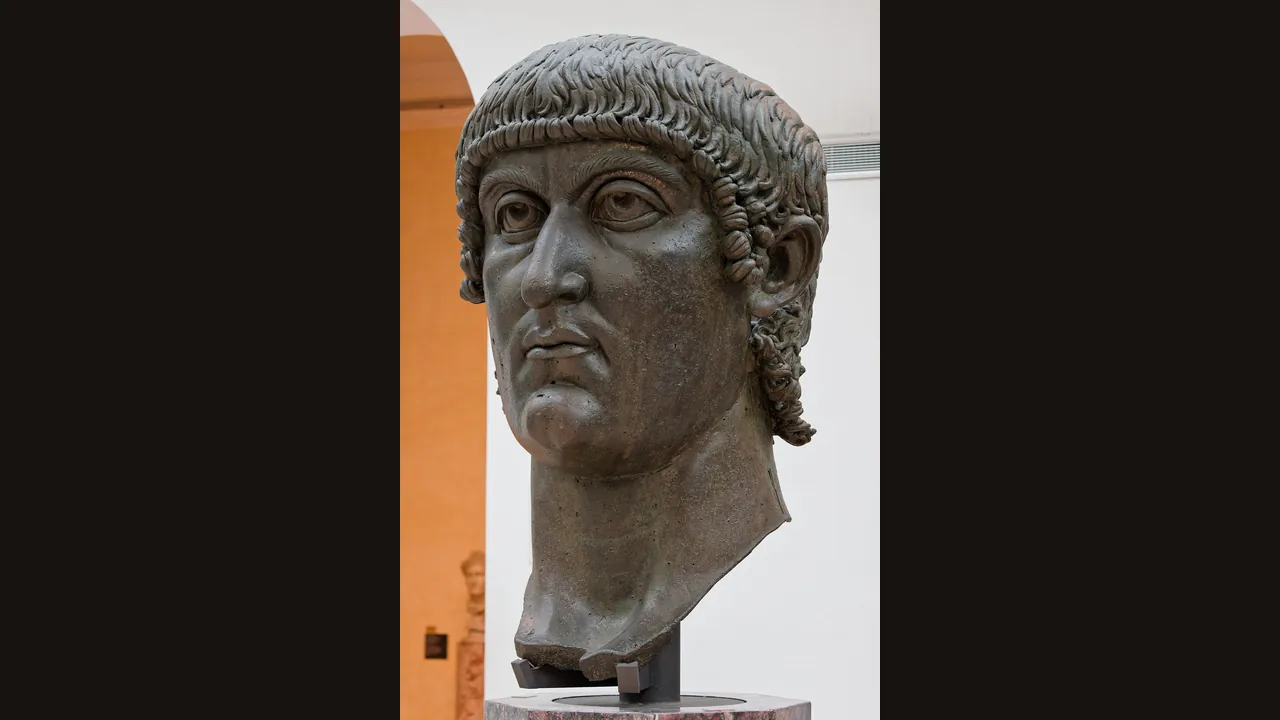
Articles
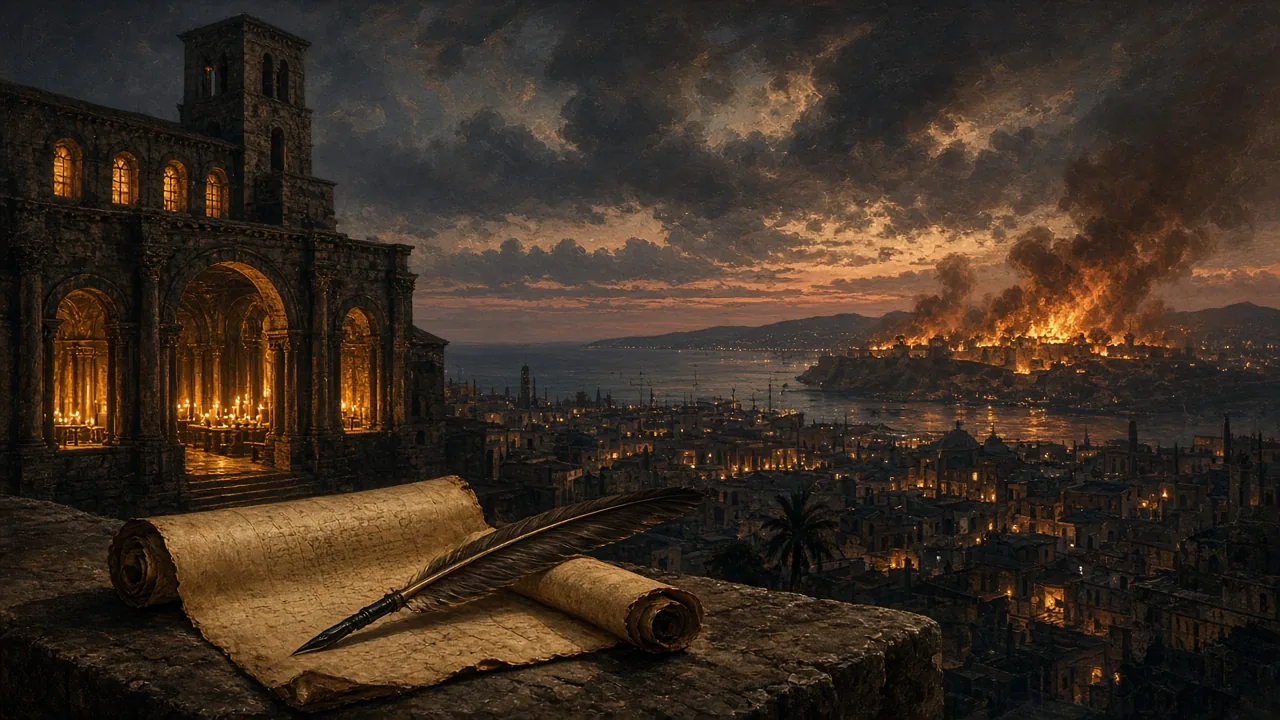
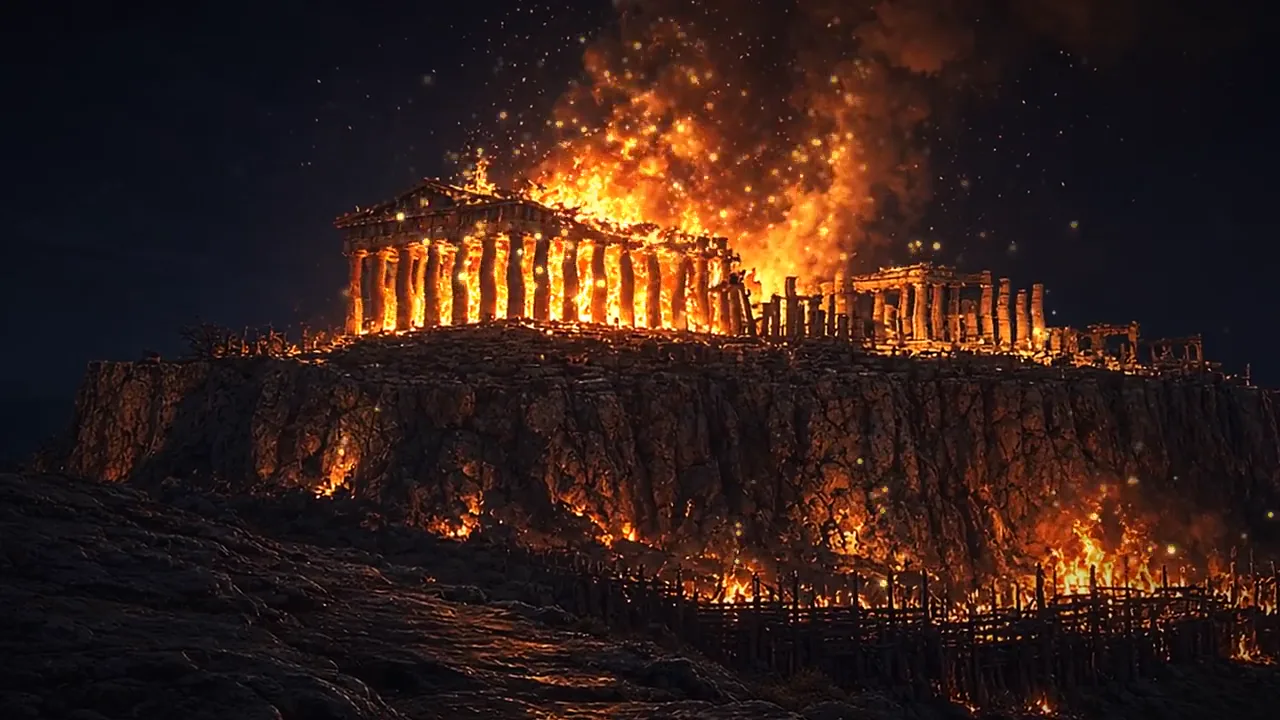 The Sack of Athens and the Themistoclean Wall, 480–478 BCIn 480 BC, Xerxes’ Persian forces invaded Athens, reducing the Acropolis and the sacred temples to ash.Read
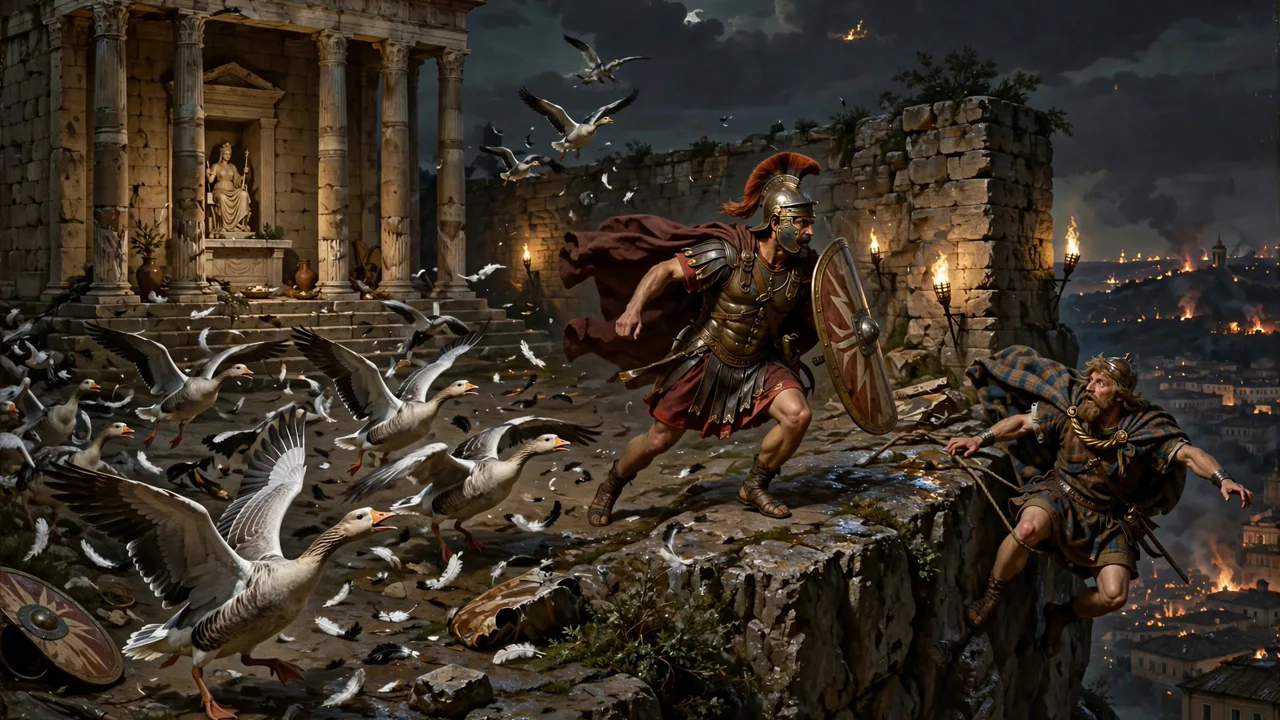 The Capitol Holdout and CamillusAfter the Gauls sacked Rome in 390 BC, the last defenders held the Capitoline Hill until Camillus drove the invaders out and talked Rome out of abandoning the ruined city for Veii.Read