

Philosopher · Classical antiquity · Classical Athens · Greece
Protagoras
c. 490–c. 420 BC
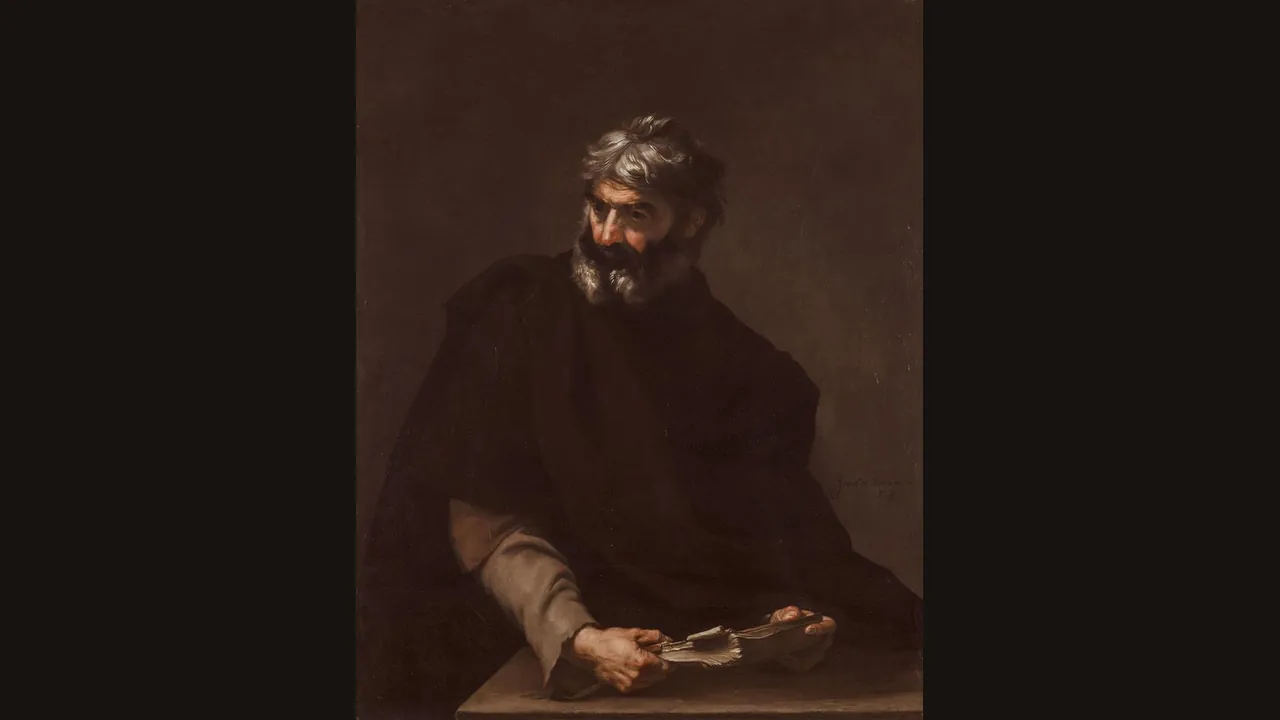
Greek Sophist from Abdera who taught rhetoric at Athens and charged fees for it. He is remembered for the line that man is the measure of all things. He lived about 490 to 420 BC, and none of his books survive whole.
Protagoras came from Abdera in northern Greece and flourished in the middle of the fifth century BC. He made his living as a Sophist, a traveling professional teacher, and he was the first thinker known to have charged fees for instruction. Athens was his chief ground, and later writers place him among the advisers of Pericles. His books, among them Truth and On the Gods, are all lost, and his teaching is known from quotations and from Plato.
The opening sentence of Truth survives: man is the measure of all things, of the things that are, that they are, and of the things that are not, that they are not. Plato read the sentence as making each person the standard of his own experience, so a thing is for a man as it appears to him. Protagoras also taught that two opposed arguments stand on every subject, and he trained pupils to argue either side and to make the weaker case prevail. Later writers report that Athens tried him for impiety over the opening of On the Gods, where he professed that he could not know whether the gods exist. The trial rests on late and conflicting reports, and scholars dispute it.
Plato wrote the Protagoras and the Theaetetus around his teaching, and the measure sentence survives chiefly because Plato and Aristotle quoted it in order to answer it.
Facts
- Born
- About 490 BC, Abdera, Greece.
- Source: Encyclopaedia Britannica, Protagoras
- Died
- About 420 BC.
- Source: Encyclopaedia Britannica, Protagoras
- School
- Sophist, a traveling teacher of rhetoric and argument.
- Source: Encyclopaedia Britannica, Protagoras
- Known for
- The measure doctrine: man is the measure of all things. Plato made him the target of the dialogue Theaetetus.
- Source: Encyclopaedia Britannica, Protagoras
Sources
- Encyclopaedia Britannica, Protagoras Source
Source links accessed 22 November 2026.
Images
Related
- GreeceConnected
- PlatoConnected
- PericlesSame civilization
- Classical AthensSame civilization
- SocratesSame civilization
- DemocritusSame civilization
What happened elsewhere
Pairings are by recorded year, not exact simultaneity.
- Roman RepublicWhile Protagoras (around 509 BC)
- MoziWhile Protagoras (around 470 BC)
- ParmenidesWhile Protagoras (around 515 BC)
- Darius IWhile Protagoras (around 522 BC)
- HeraclitusWhile Protagoras (around 535 BC)
Meanwhile
Meanwhile, around the world — drag to spin, click a pulsing marker.
Keep reading
Test yourself
When was Protagoras born?
- About 490 BC, Abdera, Greece
- About 460 BC, Abdera, Greece
- About 4 BC, Cordoba, Spain
- About 310 BC, in the state of Zhao, China
Answer
About 490 BC, Abdera, Greece — Born: About 490 BC, Abdera, Greece.
When did Protagoras die?
- About 420 BC
- About 235 BC
- About 370 BC
- About 270 BC
Answer
About 420 BC — Died: About 420 BC.
What is Protagoras known for?
- The measure doctrine: man is the measure of all things. Plato made him the target of the dialogue Theaetetus
- The orations, the letters, and philosophical works like De re publica and De officiis that taught Rome to think in Greek categories
- The poem On Nature, which reasons that what is cannot come from what is not, so change and plurality are illusion
- The claim that human nature is bad, that ritual reshapes it, and that Heaven is just nature running its course
Answer
The measure doctrine: man is the measure of all things. Plato made him the target of the dialogue Theaetetus — Known for: The measure doctrine: man is the measure of all things. Plato made him the target of the dialogue Theaetetus.
Which school of thought was Protagoras part of?
- Sophist, a traveling teacher of rhetoric and argument
- Cynicism, the practice of shamelessness and self sufficiency
- Mohism, the utilitarian rival of Confucianism
- Atomism, developed from his teacher Leucippus
Answer
Sophist, a traveling teacher of rhetoric and argument — School: Sophist, a traveling teacher of rhetoric and argument.
True or false: Greek Sophist from Abdera who taught rhetoric at Athens and charged fees for it.
- True
- False
Answer
True — True. Greek Sophist from Abdera who taught rhetoric at Athens and charged fees for it.
My notes
Highlights on this page
None yet.
Spotted an error on this page? Email [email protected] and it will be checked against the sources.