
Ruler · Classical antiquity · Maurya Empire · India
Ashoka
r. c. 268–c. 232 BC
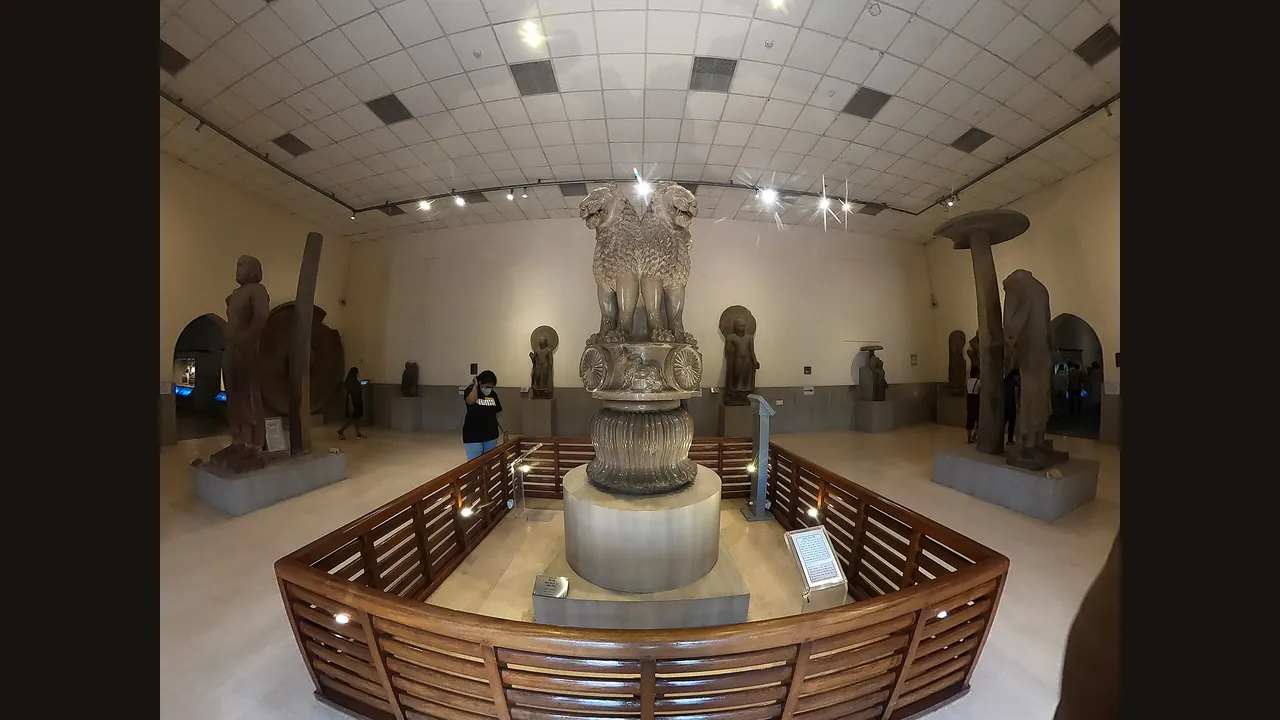
Emperor of the Maurya Empire from about 268 to 232 BC, who ruled nearly the whole Indian subcontinent. After the bloody conquest of Kalinga he turned to Buddhism and had his edicts of tolerance and moral rule carved on pillars and rocks across India. His lion capital is the emblem of modern India.
Ashoka came to the throne of the Maurya Empire about 268 BC, succeeding his father Bindusara, and ruled an empire covering nearly all the Indian subcontinent. The far south stayed outside his rule, and the coastal kingdom of Kalinga remained independent until he attacked it about 261 BC. His own Rock Edict 13, carved on his orders, states that the conquest of Kalinga killed 100,000 people, carried 150,000 into captivity, and caused the deaths of many more. The same edict says that the suffering he saw there turned him toward the Buddhist teaching.
After Kalinga Ashoka fought no more wars of conquest. He had edicts carved on rocks and pillars across the empire, written in Prakrit, and in Greek and Aramaic in the northwest. The edicts order respect for parents and teachers, kindness to servants, and tolerance between religions. They record that he gave up the royal hunt, restricted the slaughter of animals, planted trees, dug wells, and appointed officers for spreading dhamma, his moral code. He kept his army, and his Pillar Edict 4 kept the death penalty, granting men under sentence three days of respite. Buddhist tradition credits him with sending missions abroad, among them a mission to Sri Lanka led by his son Mahinda.
Ashoka died about 232 BC. After his death the empire was divided among his heirs, and Mauryan power shrank within a generation.
Facts
- Reign
- About 268 to 232 BC.
- Source: Encyclopaedia Britannica, Ashoka
- Died
- About 232 BC.
- Source: Encyclopaedia Britannica, Ashoka
- Realm
- The Maurya Empire, covering most of the Indian subcontinent.
- Source: Encyclopaedia Britannica, Ashoka
- Known for
- The Kalinga war, the rock and pillar edicts, and the spread of Buddhism.
- Source: Encyclopaedia Britannica, Ashoka
Sources
- Encyclopaedia Britannica, Ashoka Source
Source links accessed 22 November 2026.
Images
Related
- Qin Shi HuangSame era
- Han FeiziSame era
- Parthian EmpireSame era
- XunziSame era
- Qin dynastySame era
- Mauryan EmpireSame era
What happened elsewhere
Pairings are by recorded year, not exact simultaneity.
- Qin Shi HuangWhile Ashoka (around 259 BC)
- Han FeiziWhile Ashoka (around 280 BC)
- Parthian EmpireWhile Ashoka (around 247 BC)
- XunziWhile Ashoka (around 310 BC)
- Qin dynastyWhile Ashoka (around 221 BC)
Meanwhile
Meanwhile, around the world — drag to spin, click a pulsing marker.
Keep reading
Test yourself
When did Ashoka die?
- About 232 BC
- About 370 BC
- About 450 BC
- About 475 BC
Answer
About 232 BC — Died: About 232 BC.
When did Ashoka reign?
- About 268 to 232 BC
- 336 to 323 BC
- 27 BC to 14 AD as Augustus
- 306 to 337
Answer
About 268 to 232 BC — Reign: About 268 to 232 BC.
What realm did Ashoka rule?
- The Maurya Empire, covering most of the Indian subcontinent
- The Roman Empire
- Han dynasty China
- The Roman Empire, reunited under one ruler
Answer
The Maurya Empire, covering most of the Indian subcontinent — Realm: The Maurya Empire, covering most of the Indian subcontinent.
What is Ashoka known for?
- The Kalinga war, the rock and pillar edicts, and the spread of Buddhism
- The unification of China and the terracotta army guarding his tomb
- The Edict of Milan (313), Constantinople, and the Council of Nicaea (325)
- The Age of Pericles, the Parthenon, and the Funeral Oration recorded by Thucydides
Answer
The Kalinga war, the rock and pillar edicts, and the spread of Buddhism — Known for: The Kalinga war, the rock and pillar edicts, and the spread of Buddhism.
True or false: Emperor of the Maurya Empire from about 268 to 232 BC, who ruled nearly the whole Indian subcontinent.
- True
- False
Answer
True — True. Emperor of the Maurya Empire from about 268 to 232 BC, who ruled nearly the whole Indian subcontinent.
My notes
Highlights on this page
None yet.
Myth vs. evidence
The myth
After the Kalinga war, Ashoka gave up violence entirely and disbanded his army.
The evidence
His edicts preach remorse, tolerance, and restraint, and he ended royal hunts and wars of conquest. But he kept his army, kept the death penalty while granting the condemned three days of respite, and warned the forest peoples that he still held the power to punish.
Sources: The Edicts of Ashoka, Rock Edict 13 and Pillar Edict 4
Spotted an error on this page? Email [email protected] and it will be checked against the sources.