

Philosopher · Classical antiquity · Zhou dynasty · China
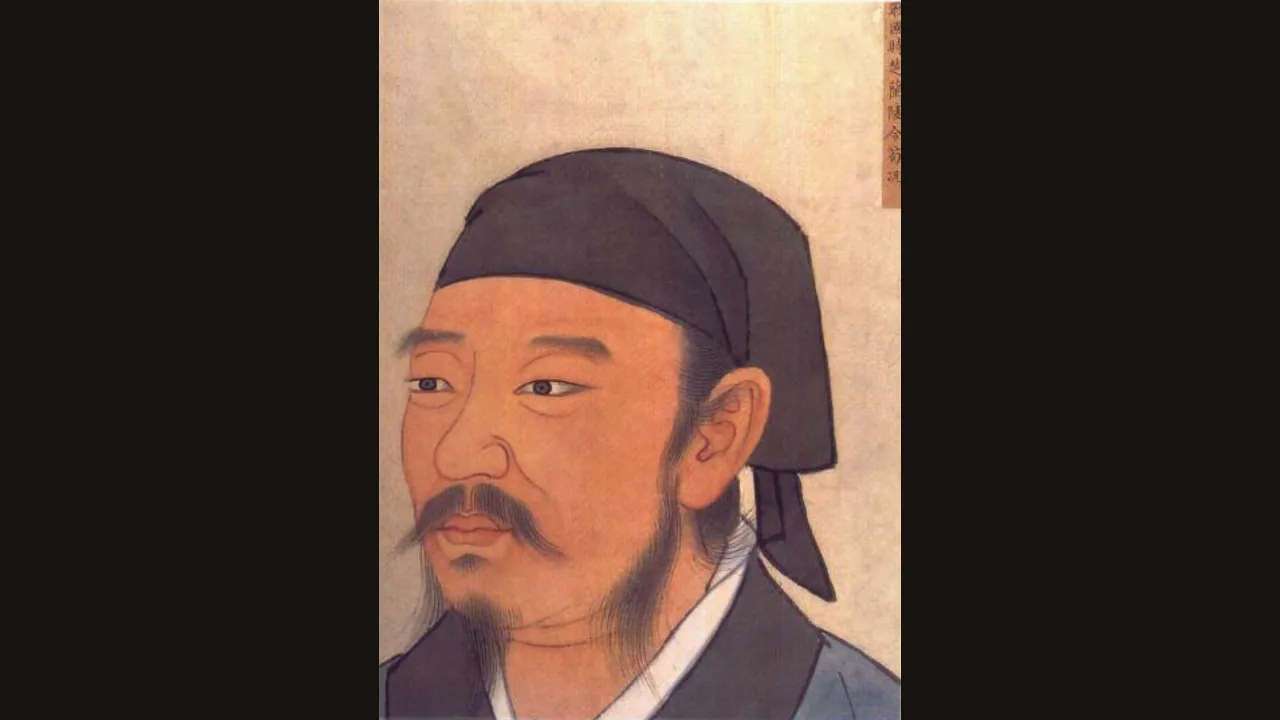
Xunzi
c. 310–c. 235 BC
Chinese Confucian thinker who answered Mencius by teaching that human nature is bad and must be shaped by ritual and teachers. Two of his students, Han Feizi and Li Si, built Legalism. He lived about 310 to 235 BC.
Xunzi, Xun Kuang, lived about 310 to 235 BC and came from the state of Zhao. He travelled to Qi and taught at the Jixia academy and rose to its senior place, holding the office of libationer three times. Late in life he served as magistrate of Lanling under Lord Chunshen of Chu. Among his students were Han Fei, who built the Legalist system, and Li Si, who became chancellor of Qin. His writings survive as the Xunzi, 32 chapters of essays.
Xunzi taught that human nature is bad and that goodness is the product of conscious activity. People are born, he argued, with a fondness for profit, with envy and hatred, and with the desires of the eyes and ears, and a person who follows these impulses arrives at violence and disorder. The sage kings therefore created ritual principles to reshape what nature supplied, as a warped board is straightened on the pressing frame and as a blunt blade is ground on the whetstone. Ritual also divides society into ranks and roles. His essay on Heaven treats Heaven as the constant course of nature: the stars turn and the seasons come without regard to human prayer or virtue, and portents are rare natural events to be noted and not feared. He ranked learning as accumulation through study, practice, and the guidance of a teacher.
Facts
- Born
- About 310 BC, in the state of Zhao, China.
- Source: Encyclopaedia Britannica, Xunzi
- Died
- About 235 BC.
- Source: Encyclopaedia Britannica, Xunzi
- School
- Confucianism, its realist wing.
- Source: Encyclopaedia Britannica, Xunzi
- Known for
- The claim that human nature is bad, that ritual reshapes it, and that Heaven is just nature running its course.
- Source: Encyclopaedia Britannica, Xunzi
Sources
- Encyclopaedia Britannica, Xunzi Source
Source links accessed 22 November 2026.
Images
Related
What happened elsewhere
Pairings are by recorded year, not exact simultaneity.
- Mauryan EmpireWhile Xunzi (around 322 BC)
- Zeno of CitiumWhile Xunzi (around 334 BC)
- EpicurusWhile Xunzi (around 341 BC)
- AshokaWhile Xunzi (around 268 BC)
- Alexander the GreatWhile Xunzi (around 356 BC)
Meanwhile
Meanwhile, around the world — drag to spin, click a pulsing marker.
Keep reading
Test yourself
When was Xunzi born?
- About 310 BC, in the state of Zhao, China
- About 460 BC, Abdera, Greece
- 106 BC, Arpinum, Italy
- About 490 BC, Abdera, Greece
Answer
About 310 BC, in the state of Zhao, China — Born: About 310 BC, in the state of Zhao, China.
When did Xunzi die?
- About 235 BC
- About 289 BC
- About 370 BC
- About 450 BC
Answer
About 235 BC — Died: About 235 BC.
What is Xunzi known for?
- The claim that human nature is bad, that ritual reshapes it, and that Heaven is just nature running its course
- Living in a tub, carrying a lantern in daylight looking for an honest man, and telling Alexander to stand out of his sunlight. The stories are later, not records
- The doctrine of the One, from which Intellect and Soul overflow, and the soul's return by contemplation
- Impartial care, the condemnation of aggressive war, frugality in ritual, and early work on logic and optics
Answer
The claim that human nature is bad, that ritual reshapes it, and that Heaven is just nature running its course — Known for: The claim that human nature is bad, that ritual reshapes it, and that Heaven is just nature running its course.
Which school of thought was Xunzi part of?
- Confucianism, its realist wing
- Stoicism, in its Roman practical form
- Pyrrhonism, the first skeptical school
- Stoicism, named for the Stoa Poikile where he taught
Answer
Confucianism, its realist wing — School: Confucianism, its realist wing.
True or false: Chinese Confucian thinker who answered Mencius by teaching that human nature is bad and must be shaped by ritual and teachers.
- True
- False
Answer
True — True. Chinese Confucian thinker who answered Mencius by teaching that human nature is bad and must be shaped by ritual and teachers.
My notes
Highlights on this page
None yet.
Spotted an error on this page? Email [email protected] and it will be checked against the sources.