

Philosopher · High and Late Middle Ages · Song dynasty · China
Zhu Xi
1130–1200
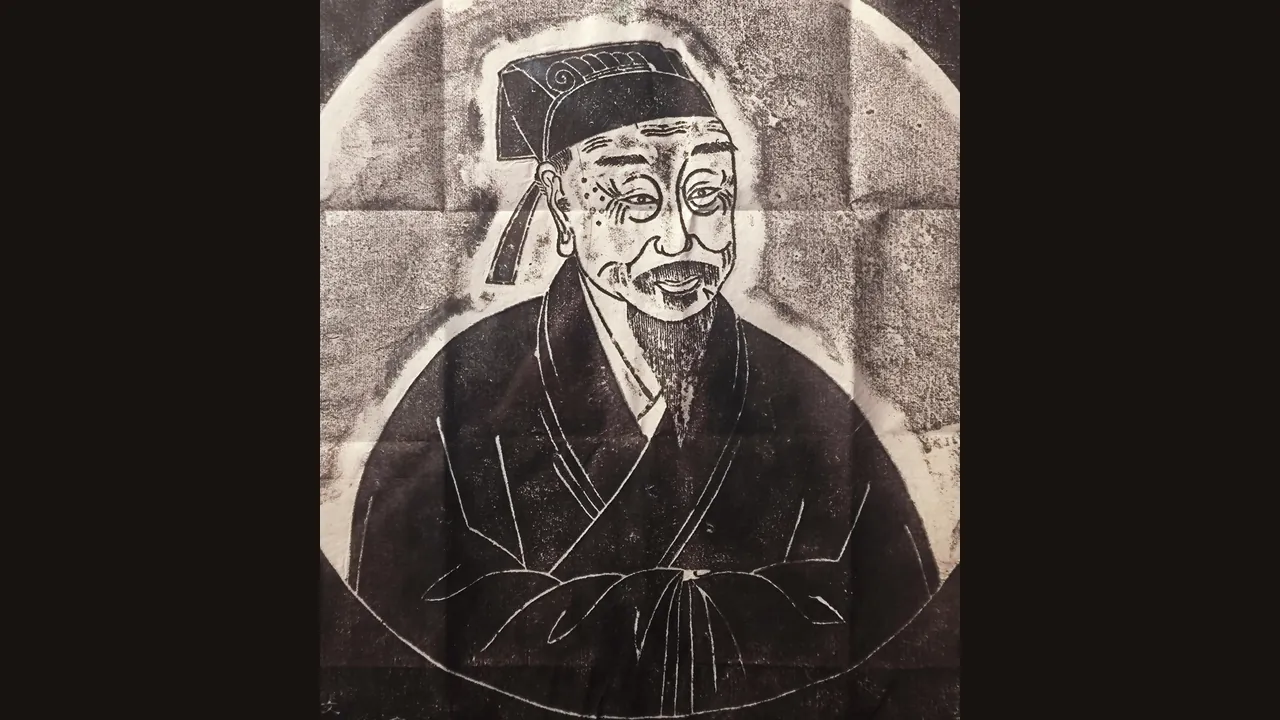
Chinese thinker who completed the Neo Confucian synthesis, giving Confucianism a metaphysics of principle and material force. His commentaries on the Four Books became the basis of the civil examinations for centuries. He lived 1130 to 1200.
Zhu Xi was born in 1130 at Youxi in Fujian, under the Song dynasty. He passed the jinshi examination in 1148 at the age of nineteen, and held local posts, including magistrate of Tong'an. As prefect of Nankang he restored the White Deer Grotto Academy in 1179. In 1196 his teaching was condemned at court as false learning and his followers were barred from office. He died in 1200. In 1313 his commentaries were made the standard for the civil examinations.
Zhu Xi built his system on two terms. Li is principle, the pattern that makes a thing what it is and sets its norm. Qi is material force, the stuff through which principle takes form. The two never occur apart. Taiji, the Supreme Ultimate, names the whole of principle present complete in each thing. Human nature he identifies with principle, while differences between people come from the clarity or turbidity of the material force each receives at birth. The mind unites nature and the feelings and can govern them. His method of cultivation is the investigation of things and the extension of knowledge: study the classics, examine affairs, hold discussion with teachers and friends, and practise reverent attentiveness in daily conduct. He edited the Four Books, wrote the commentaries that fixed their reading, and placed them ahead of the Five Classics as the entrance to Confucian learning.
Facts
- Born
- 1130, Youxi, Fujian, China.
- Source: Encyclopaedia Britannica, Zhu Xi
- Died
- 1200.
- Source: Encyclopaedia Britannica, Zhu Xi
- School
- Neo Confucianism, the school of principle.
- Source: Encyclopaedia Britannica, Zhu Xi
- Known for
- The Four Books with his commentaries, and the metaphysics of li, principle, and qi, material force.
- Source: Encyclopaedia Britannica, Zhu Xi
Sources
- Encyclopaedia Britannica, Zhu Xi Source
Source links accessed 22 November 2026.
Images
Related
What happened elsewhere
Pairings are by recorded year, not exact simultaneity.
- AverroesWhile Zhu Xi (1126)
- SaladinWhile Zhu Xi (around 1137)
- MaimonidesWhile Zhu Xi (1138)
- Frederick BarbarossaWhile Zhu Xi (around 1122)
- PortugalWhile Zhu Xi (1139)
Meanwhile
Meanwhile, around the world — drag to spin, click a pulsing marker.
Keep reading
Test yourself
When was Zhu Xi born?
- 1130, Youxi, Fujian, China
- 1126, Cordoba, Spain
- 1138, Cordoba, Spain
- 1033, Aosta, in what is now Italy
Answer
1130, Youxi, Fujian, China — Born: 1130, Youxi, Fujian, China.
When did Zhu Xi die?
- 1200
- About 475 BC
- About 370 BC
- About 286 BC
Answer
1200 — Died: 1200.
What is Zhu Xi known for?
- The Four Books with his commentaries, and the metaphysics of li, principle, and qi, material force
- The great commentaries on Aristotle and The Incoherence of the Incoherence, his reply to Al Ghazali defending philosophy
- The Guide for the Perplexed, the Mishneh Torah code of Jewish law, and the thirteen principles of faith
- The Summa Theologiae, the five ways of proving God's existence by reason, and the claim that grace perfects nature instead of destroying it
Answer
The Four Books with his commentaries, and the metaphysics of li, principle, and qi, material force — Known for: The Four Books with his commentaries, and the metaphysics of li, principle, and qi, material force.
Which school of thought was Zhu Xi part of?
- Neo Confucianism, the school of principle
- Asharite theology, joined to Sufi mysticism
- Scholasticism; nominalism, the denial that universals exist outside the mind
- Scholasticism; his own system is called Thomism
Answer
Neo Confucianism, the school of principle — School: Neo Confucianism, the school of principle.
True or false: Chinese thinker who completed the Neo Confucian synthesis, giving Confucianism a metaphysics of principle and material force.
- True
- False
Answer
True — True. Chinese thinker who completed the Neo Confucian synthesis, giving Confucianism a metaphysics of principle and material force.
My notes
Highlights on this page
None yet.
Spotted an error on this page? Email [email protected] and it will be checked against the sources.