

Ruler · High and Late Middle Ages · Ayyubid Sultanate · Egypt
Saladin
c. 1137–1193
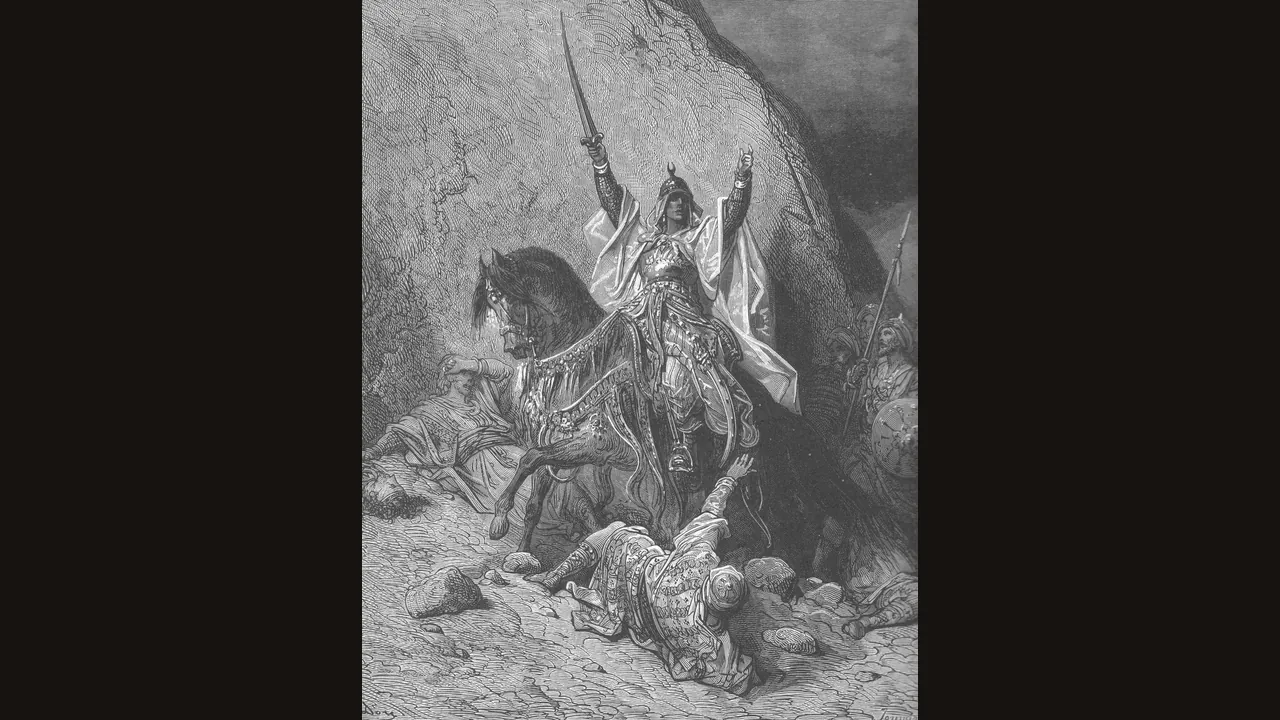
Sultan of Egypt and Syria from 1174 to 1193, born Yusuf ibn Ayyub about 1137, founder of the Ayyubid dynasty. He destroyed the crusader army at Hattin in 1187 and retook Jerusalem, ending nearly ninety years of crusader rule there. His chivalry toward his enemies made him famous in Europe as well as in Islam.
Saladin was born Yusuf ibn Ayyub about 1137 at Tikrit in Iraq, into a Kurdish family in the service of the Zengid rulers of Syria. He went to Egypt with his uncle Shirkuh on the expeditions sent by Nur al Din between 1164 and 1169, and when Shirkuh died in 1169 Saladin became vizier of Egypt under its Fatimid caliph. In 1171 he ended the Fatimid caliphate, restored Sunni rule in Egypt, and governed in the name of the Abbasid caliph at Baghdad. When Nur al Din died in 1174, Saladin took Damascus and began bringing the Muslim cities of Syria under his rule. Aleppo came to him in 1183, and Mosul accepted his overlordship in 1186.
On July 4, 1187, Saladin destroyed the field army of the kingdom of Jerusalem at Hattin and captured its king, Guy of Lusignan. The cities of the coast surrendered one after another, and Jerusalem surrendered on October 2, 1187, on terms that let its people ransom themselves. The Third Crusade followed. Richard I of England retook Acre in 1191, and the Treaty of Jaffa in 1192 closed the war. The crusader states kept the coast from Tyre to Jaffa, and Jerusalem stayed in Muslim hands, with Christian pilgrims allowed entry.
Saladin died of a fever at Damascus in March 1193. His lands were divided among his sons and his brother al Adil.
Facts
- Born
- About 1137, Tikrit.
- Source: Encyclopaedia Britannica, Saladin
- Died
- 1193, Damascus.
- Source: Encyclopaedia Britannica, Saladin
- Reign
- Sultan of Egypt and Syria 1174 to 1193.
- Source: Encyclopaedia Britannica, Saladin
- Realm
- The Ayyubid Sultanate, from Egypt to Syria.
- Source: Encyclopaedia Britannica, Saladin
- Known for
- Hattin (1187), the recapture of Jerusalem, and the Third Crusade.
- Source: Encyclopaedia Britannica, Saladin
Sources
- Encyclopaedia Britannica, Saladin Source
Source links accessed 22 November 2026.
Images
Related
- EgyptConnected
- MaimonidesSame era
- Zhu XiSame era
- AverroesSame era
- Frederick BarbarossaSame era
- Genghis KhanSame era
What happened elsewhere
Pairings are by recorded year, not exact simultaneity.
- MaimonidesWhile Saladin (around 1138)
- PortugalWhile Saladin (around 1139)
- Zhu XiWhile Saladin (around 1130)
- AverroesWhile Saladin (around 1126)
- Frederick BarbarossaWhile Saladin (around 1122)
Meanwhile
Meanwhile, around the world — drag to spin, click a pulsing marker.
Keep reading
Test yourself
When was Saladin born?
- About 1137, Tikrit
- About 1028, Falaise, Normandy
- 1214, Poissy
- 1440, Moscow
Answer
About 1137, Tikrit — Born: About 1137, Tikrit.
When did Saladin die?
- 1193, Damascus
- Late 1476 or early 1477, in battle near Bucharest
- 1227, on campaign against the Western Xia
- 1087, Rouen
Answer
1193, Damascus — Died: 1193, Damascus.
When did Saladin reign?
- Sultan of Egypt and Syria 1174 to 1193
- 1462 to 1505
- Duke of Normandy 1035 to 1087; king of England 1066 to 1087
- 1444 to 1446 and 1451 to 1481
Answer
Sultan of Egypt and Syria 1174 to 1193 — Reign: Sultan of Egypt and Syria 1174 to 1193.
What realm did Saladin rule?
- The Ayyubid Sultanate, from Egypt to Syria
- The Mongol Empire's eastern half and Yuan China
- The Ottoman Empire
- The Mali Empire of West Africa
Answer
The Ayyubid Sultanate, from Egypt to Syria — Realm: The Ayyubid Sultanate, from Egypt to Syria.
True or false: Sultan of Egypt and Syria from 1174 to 1193, born Yusuf ibn Ayyub about 1137, founder of the Ayyubid dynasty.
- True
- False
Answer
True — True. Sultan of Egypt and Syria from 1174 to 1193, born Yusuf ibn Ayyub about 1137, founder of the Ayyubid dynasty.
My notes
Highlights on this page
None yet.
Spotted an error on this page? Email [email protected] and it will be checked against the sources.