Era 3 of 10 · c. 1200–500 BCE
Iron Age
Iron tools and weapons spread, and new powers rise, among them Assyria, Babylon, the Zhou dynasty in China and the Greek city-states. Alphabets and coined money spread, and the Persian Empire is founded in the sixth century BCE.
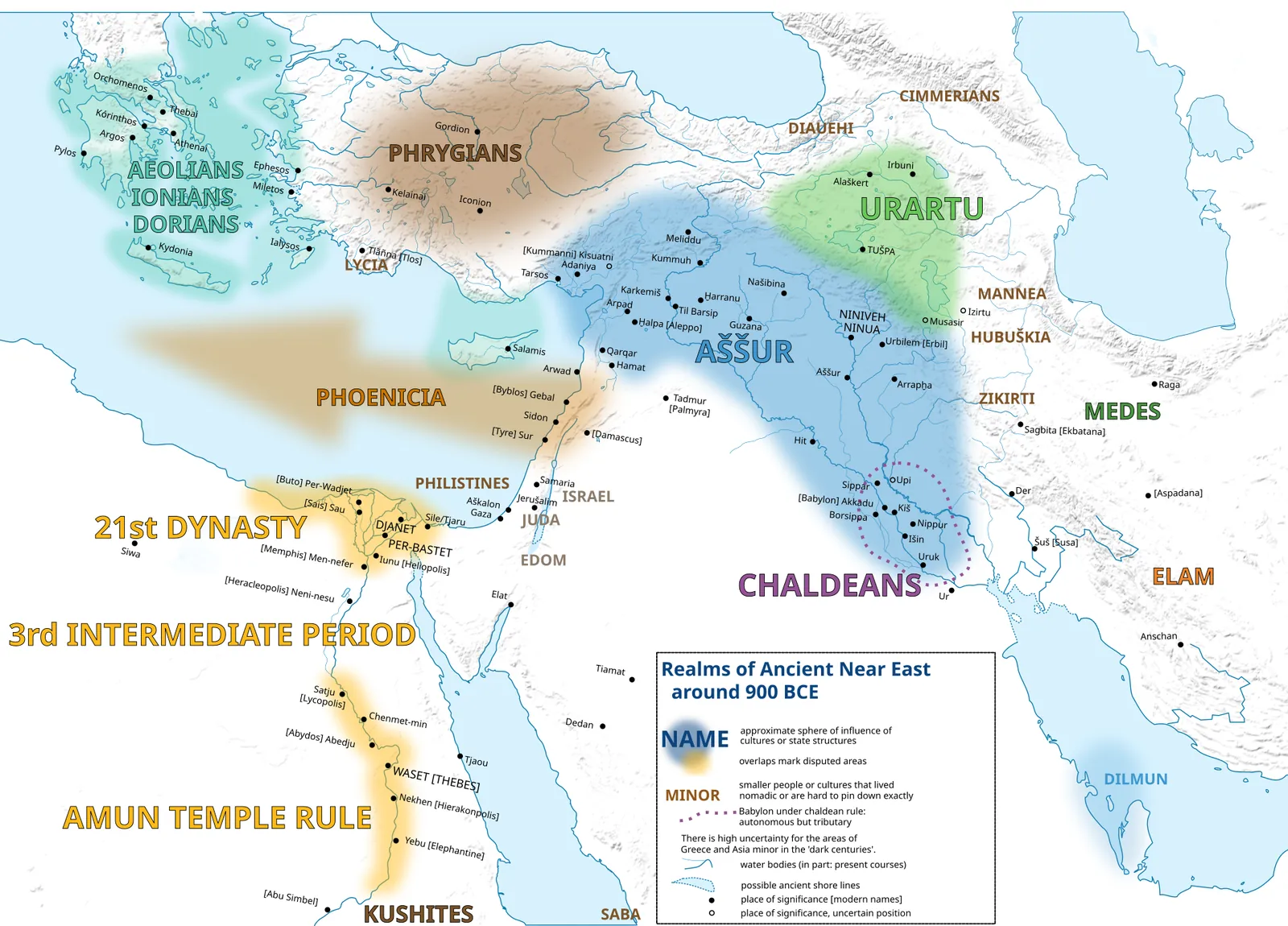
Communities across Anatolia, Iran, the Levant and Europe made increasing use of iron for tools and weapons after 1200 BCE. Phoenician cities traded by sea and founded settlements around the Mediterranean, and their alphabet influenced later scripts. Hebrew kingdoms emerged in Israel and Judah, while Aramean states, Urartu and smaller kingdoms competed in the Near East. Greek communities rebuilt overseas trade and founded colonies from the Black Sea to Italy and North Africa.
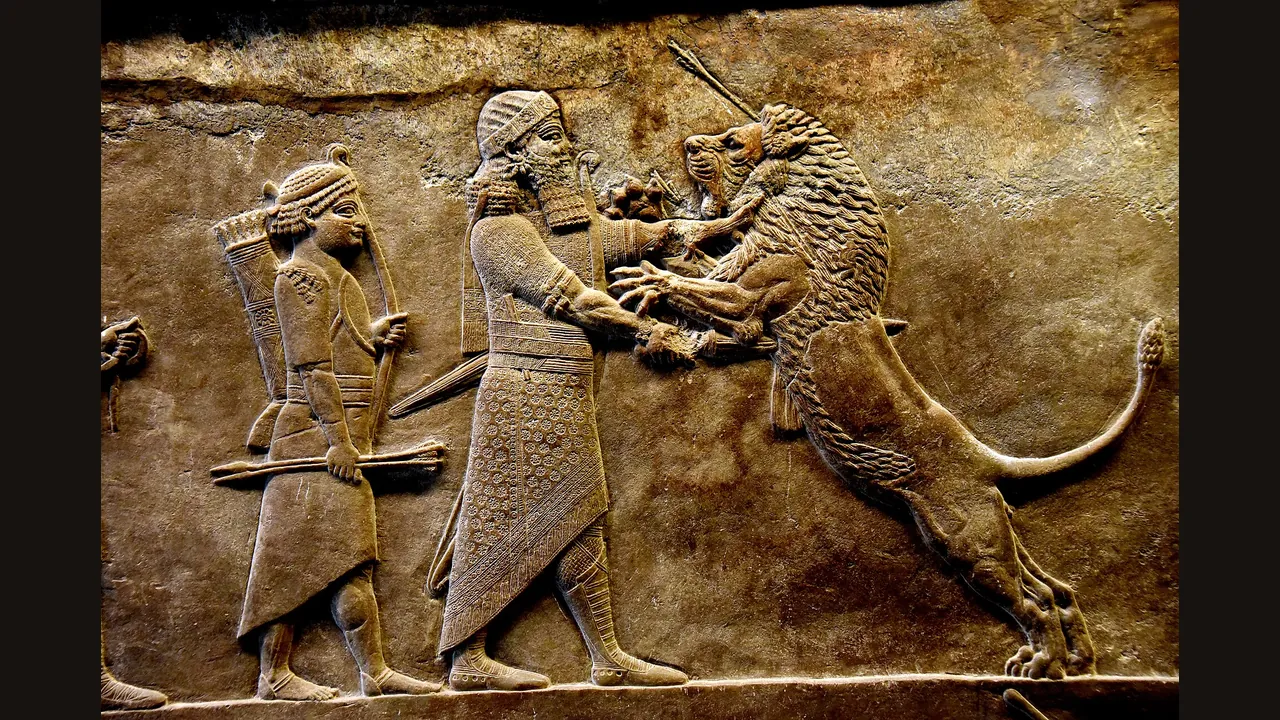
Assyrian kings created the largest empire the Near East had yet seen. Their armies conquered Babylon, Syria, Israel and Egypt at different points, and officials deported conquered peoples to weaken resistance and supply labour. Babylonian kings later overthrew Assyrian rule with Median allies and destroyed Nineveh in 612 BCE. Nebuchadnezzar II rebuilt Babylon and campaigned across the Levant, including the capture of Jerusalem and exile of many Judeans.
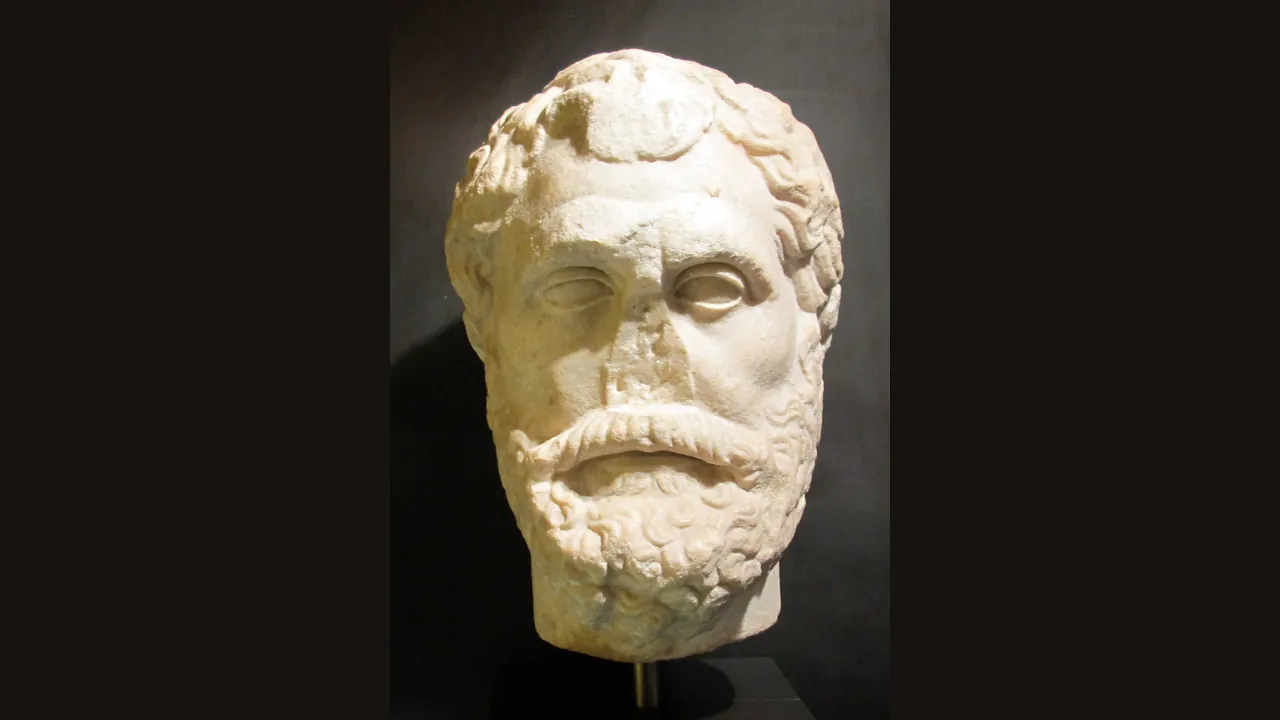
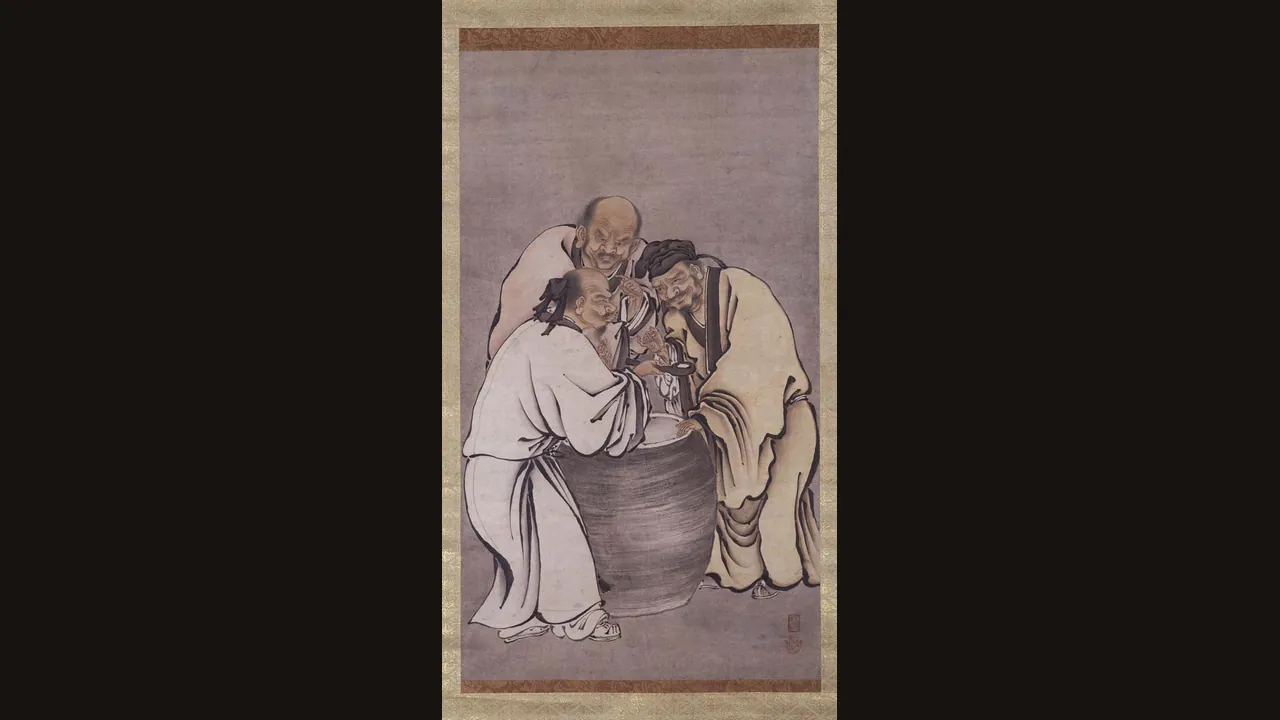
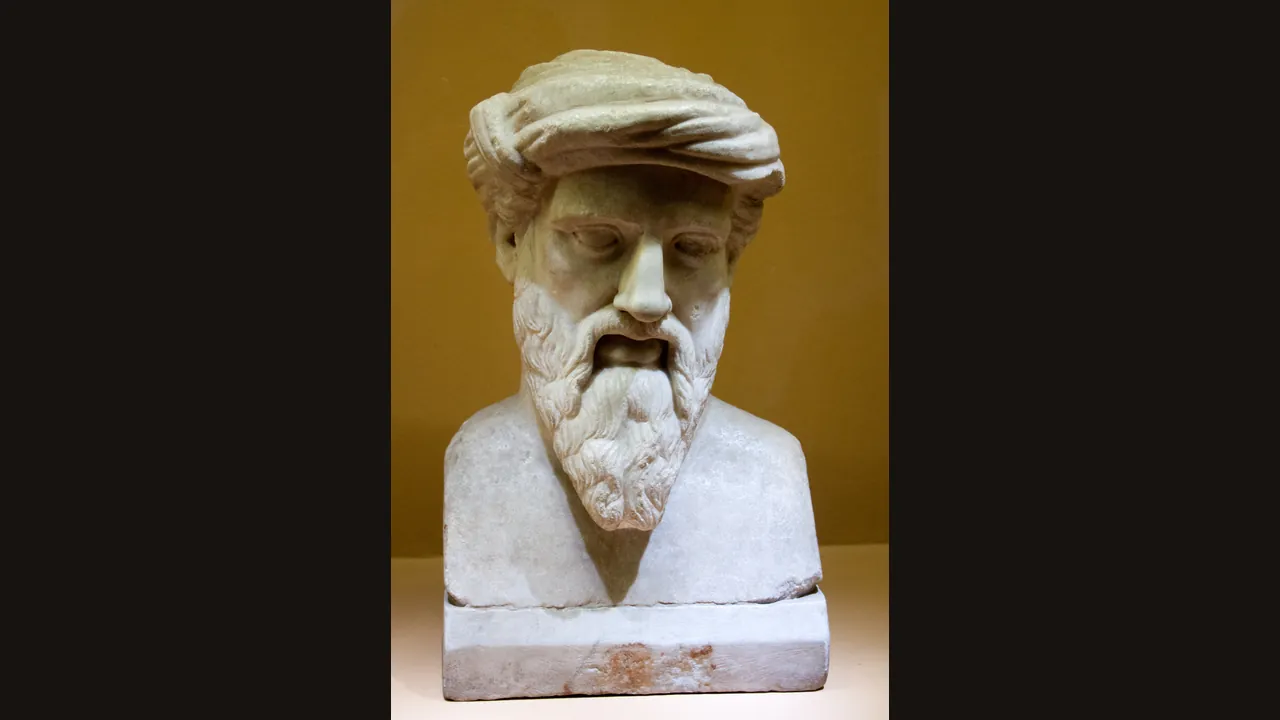
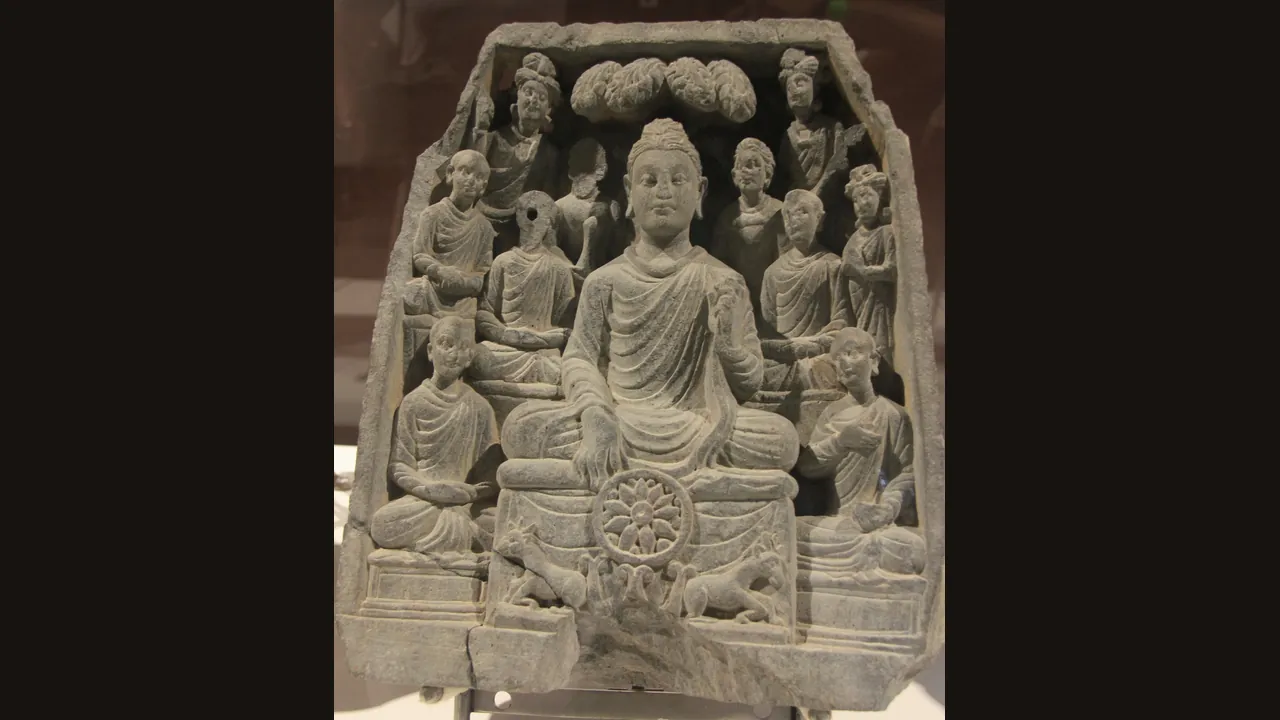
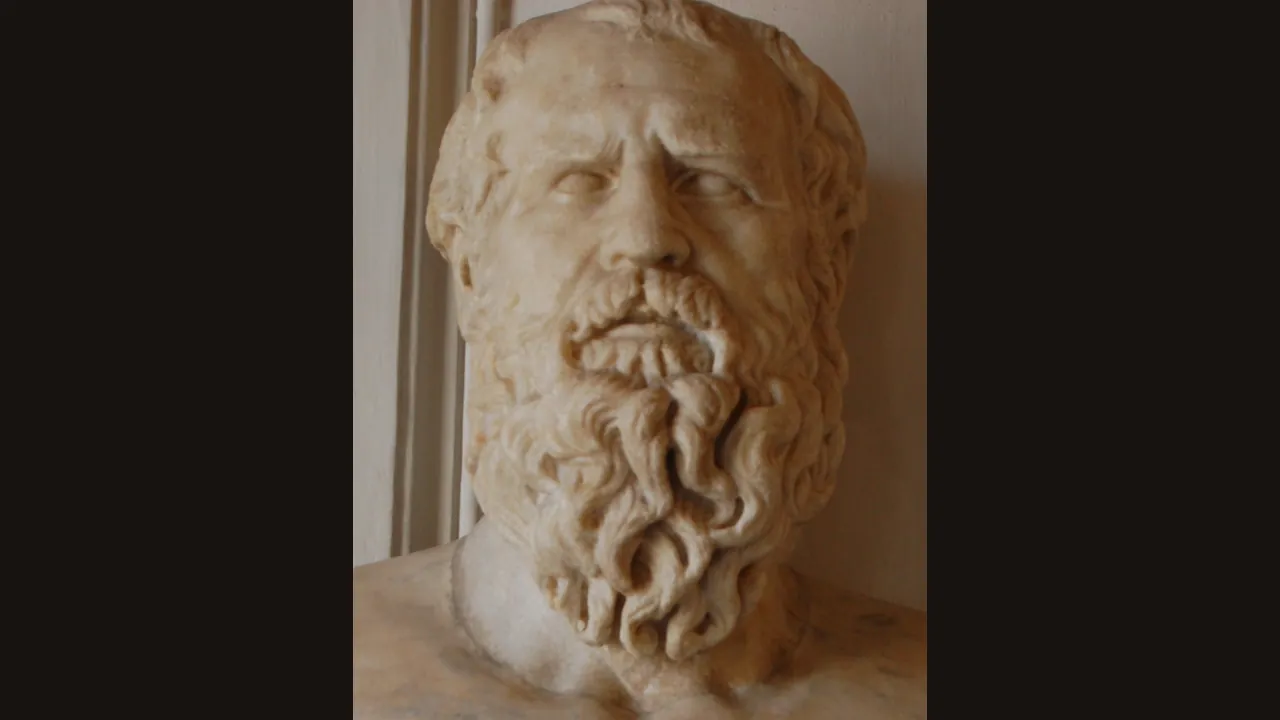
Lydian rulers and Greek cities issued early coins during the seventh and sixth centuries BCE, and merchants used money alongside weighed metal and goods. Greek soldiers, colonists and traders carried pottery, wine, oil and alphabetic writing across wide distances. In China the Zhou king lost direct control after 771 BCE, regional lords fought through the Spring and Autumn period, and craftspeople developed cast iron production. Indian religious teachers and Greek philosophers questioned inherited answers about society, nature and conduct.
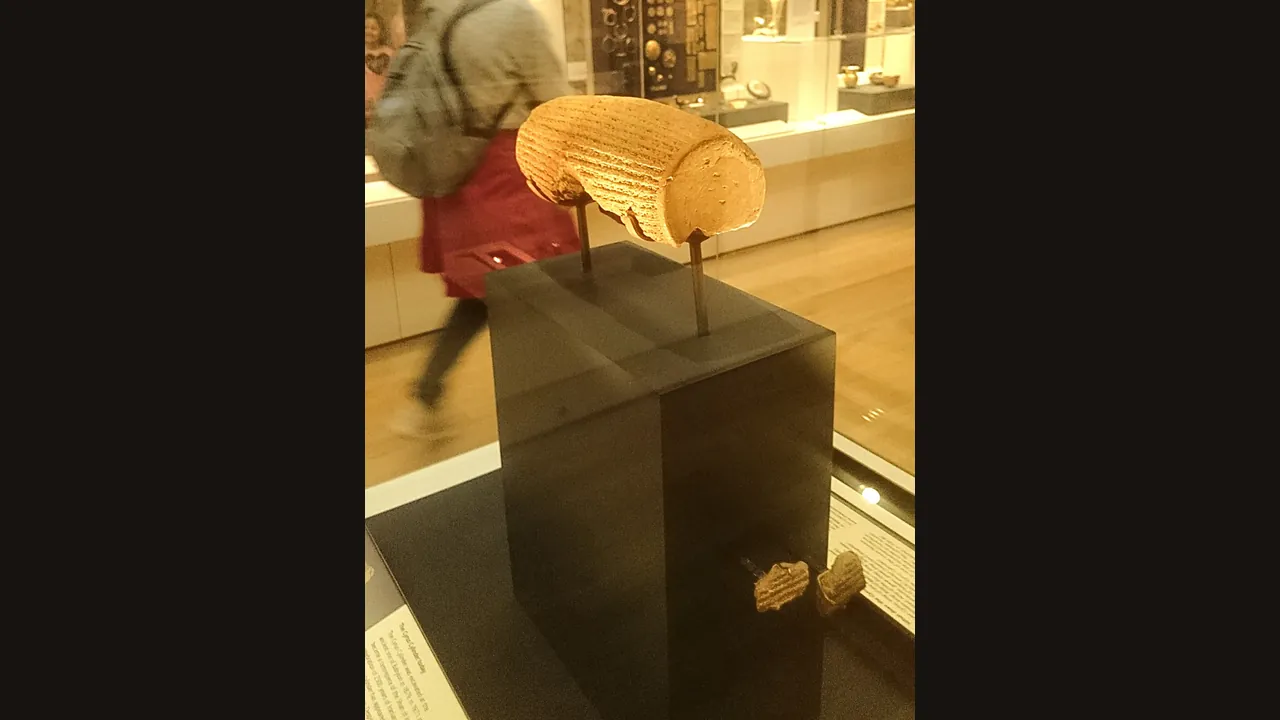
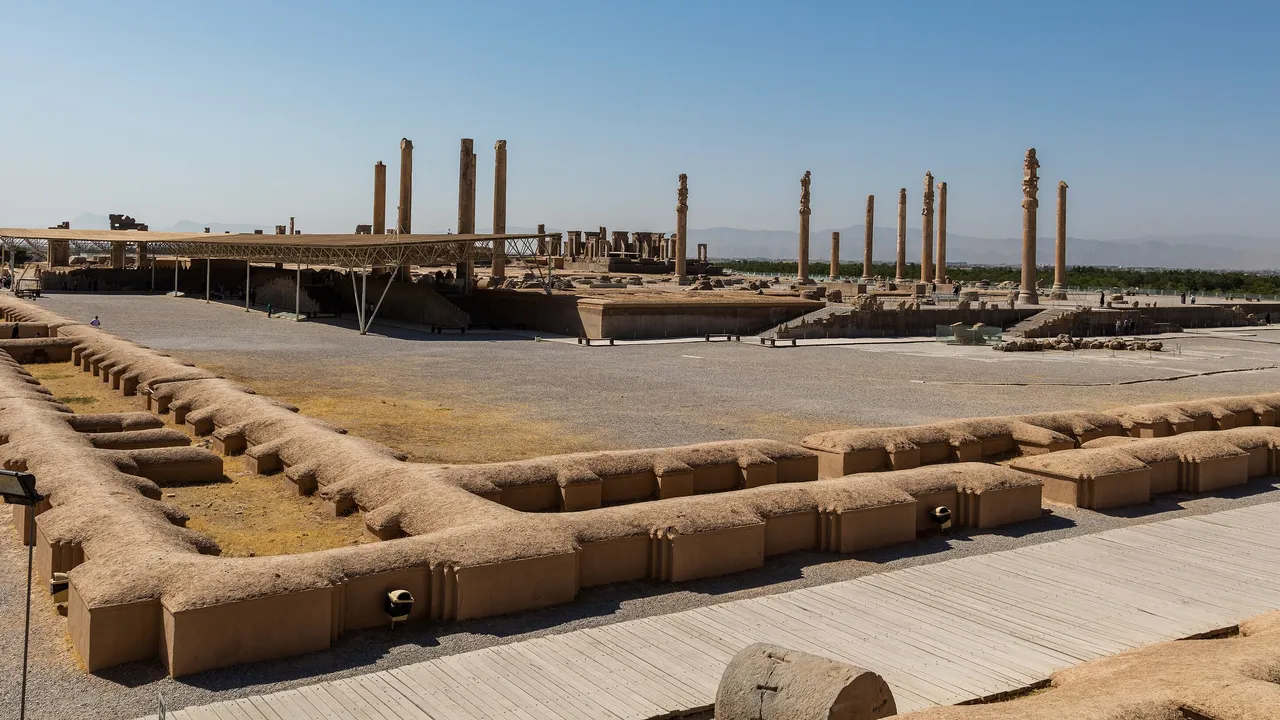
Cyrus of Persia defeated Media, Lydia and Babylon between 550 and 539 BCE, and his successors conquered Egypt and Thrace. Persian officials linked the empire through roads, taxes, garrisons and local rulers. By 500 BCE Assyrian and Babylonian successor states had given way to a Persian ruled order across the Near East, while Greek cities, Zhou states and other powers remained outside it.