Era 2 of 10 · c. 2000–1200 BCE
Middle and Late Bronze Age
Kingdoms in Egypt, Mesopotamia, Anatolia and the Aegean trade, make treaties and fight across the eastern Mediterranean, and late in the period Shang China leaves the earliest known Chinese writing. The era ends with the collapse of several of these states around 1200 BCE.
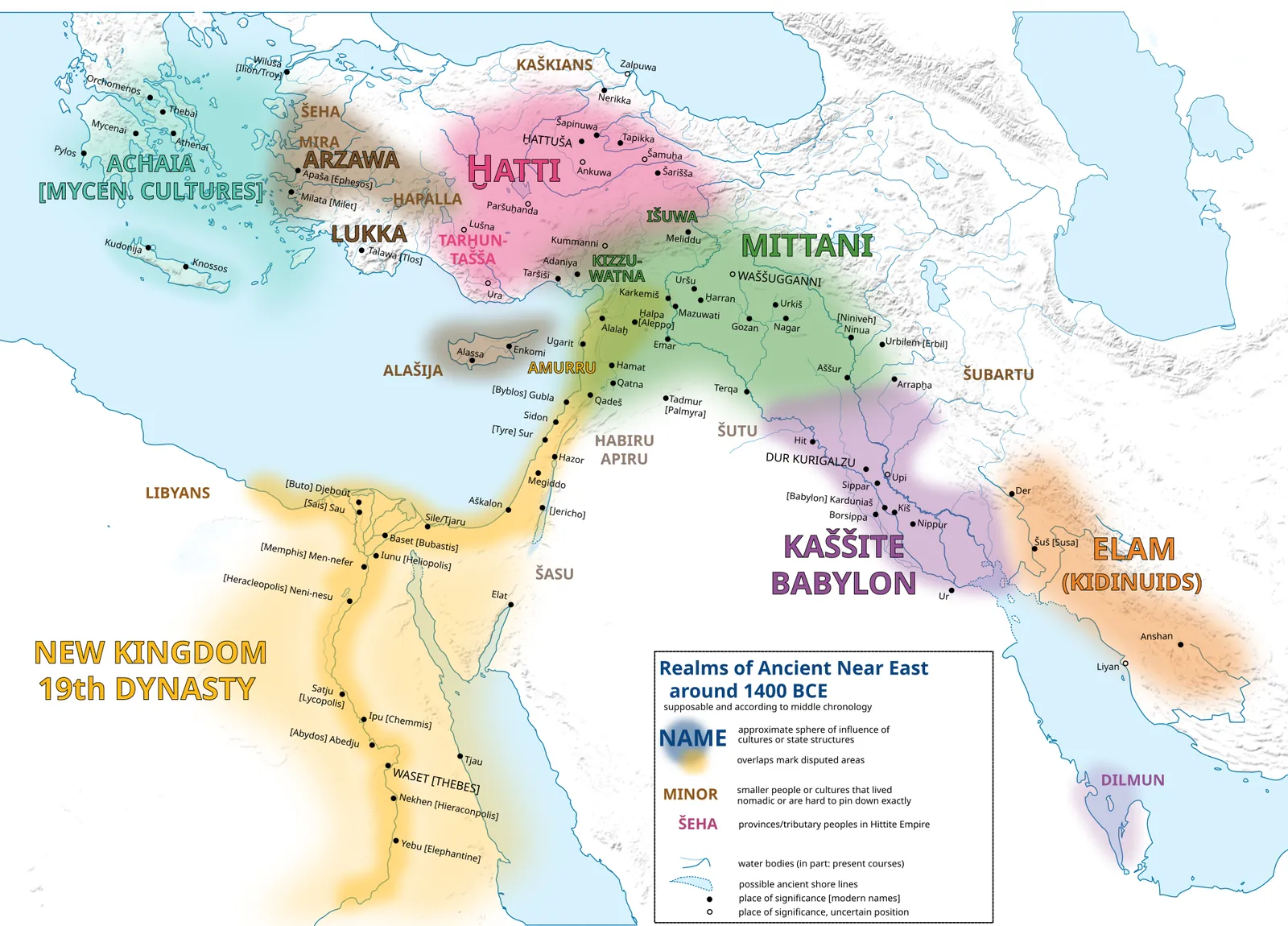
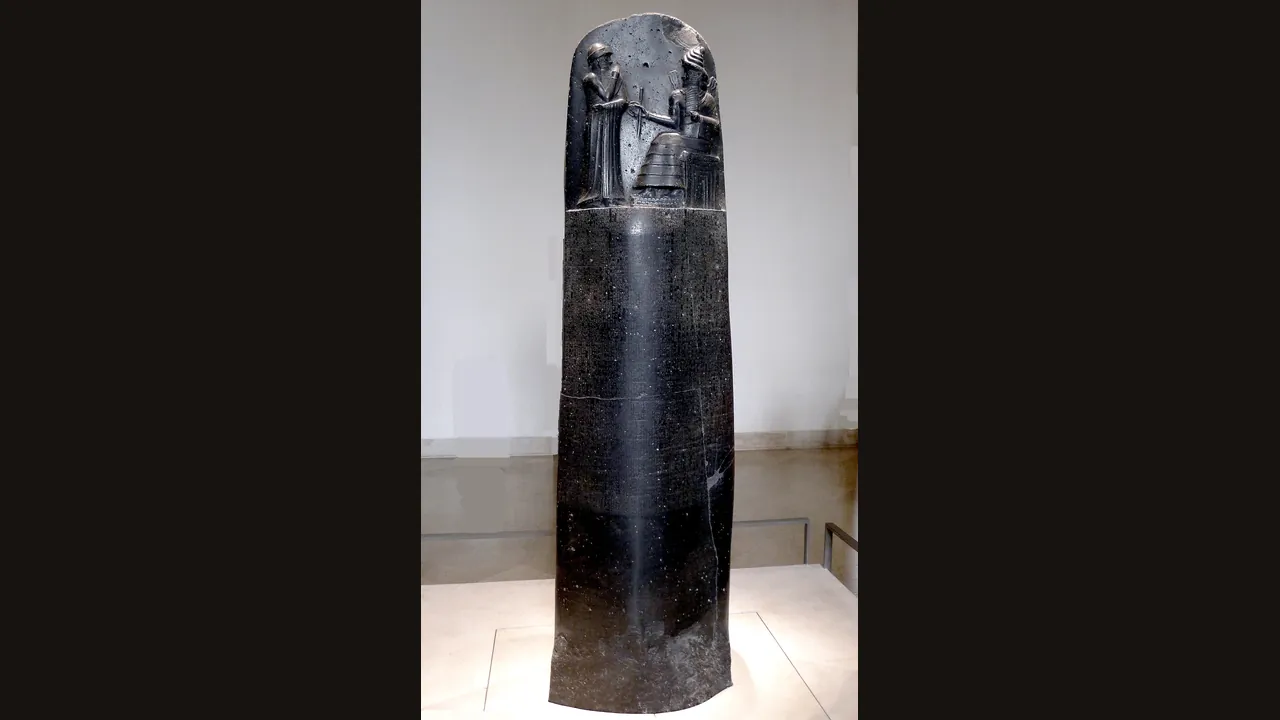
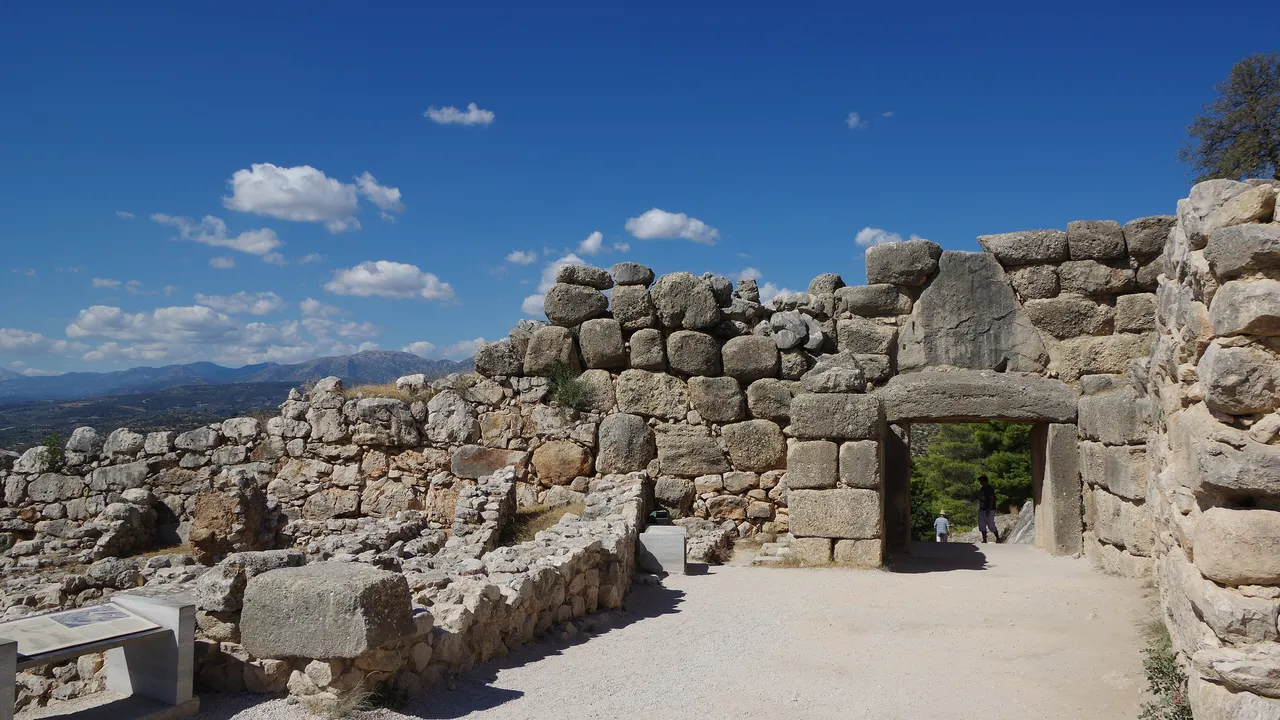
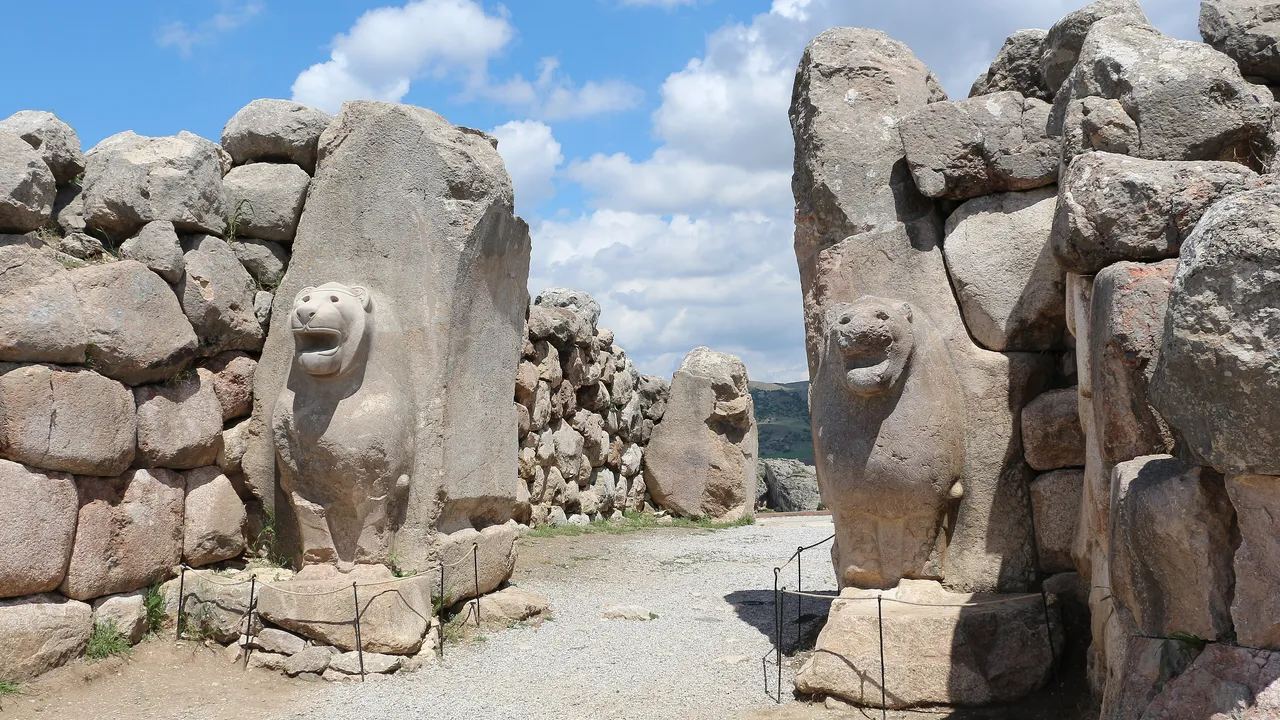
Egyptian kings rebuilt a unified state during the Middle Kingdom and extended rule into Nubia. Babylon rose under Hammurabi, who conquered much of Mesopotamia in the eighteenth century BCE and issued a law collection that judges and officials used as a public statement of royal justice. Hittite kings ruled Anatolia from Hattusa, while Hurrian speaking Mitanni controlled northern Syria. Mycenaean rulers built fortified palaces in Greece, and Shang kings ruled in northern China by the later second millennium BCE.
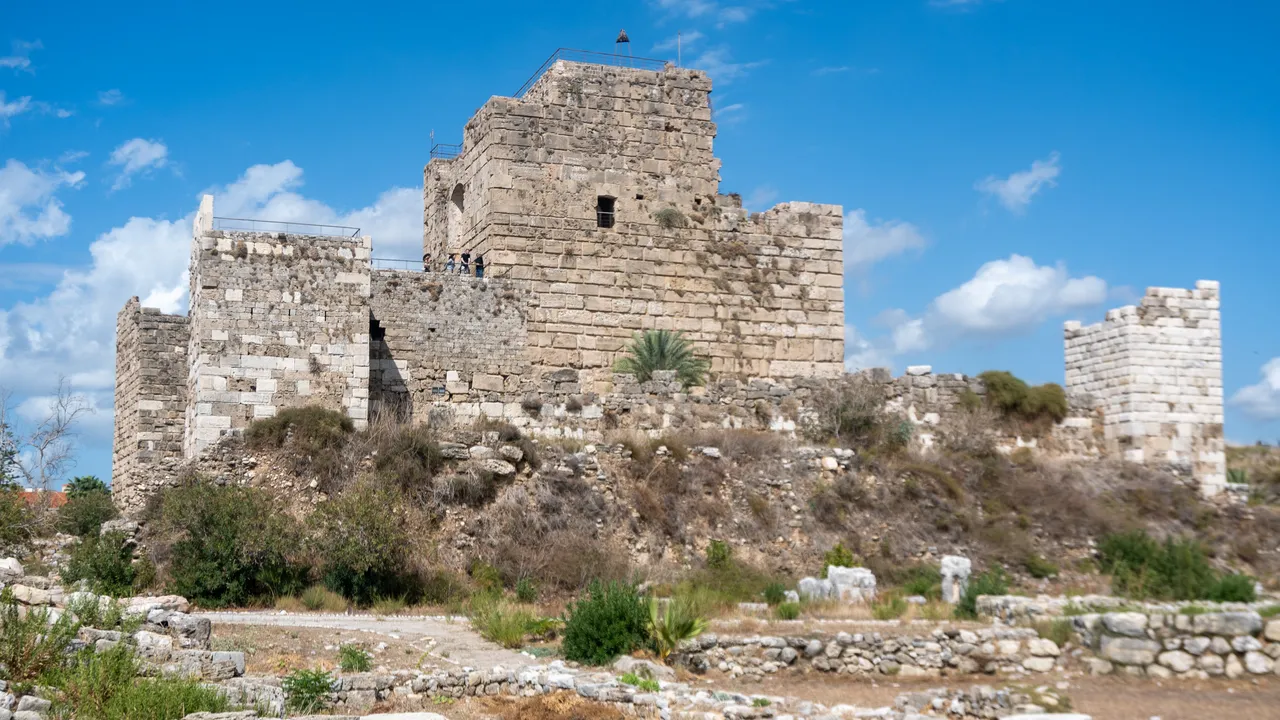
Kings exchanged letters, gifts, brides and craftsmen, and Akkadian served as a diplomatic language across much of the Near East. Merchants moved copper from Cyprus, tin from sources farther east, gold from Egypt and Nubia, timber from Lebanon and luxury goods through ports such as Ugarit. Armies used horses and chariots in open battle, and Egyptian and Hittite forces fought at Kadesh around 1274 BCE. Their rulers later made a peace treaty that survives in Egyptian and Hittite versions.
Palace officials collected grain, cloth, metals and labour, and scribes recorded deliveries in cuneiform, hieroglyphs, hieratic and Linear B. Near the end of the period Chinese scribes cut oracle bone inscriptions for Shang royal divination, the earliest known large body of Chinese writing. Farmers, miners and builders supplied courts, while drought, earthquakes, revolts and attacks strained several states at the same time. Raiders whom Egyptian texts call Sea Peoples attacked coasts and cities in the eastern Mediterranean.
Hittite power collapsed around 1180 BCE, Mycenaean palaces burned or fell out of use, and Ugarit was destroyed. Egypt survived but lost territory and wealth, and Assyria and Babylon faced pressure from Aramean groups. Trade routes shifted, palace administrations disappeared in several regions, and smaller kingdoms and local rulers took their places by about 1200 BCE.