

Philosopher · High and Late Middle Ages · Seljuk Empire · Iran
Al Ghazali
1058–1111
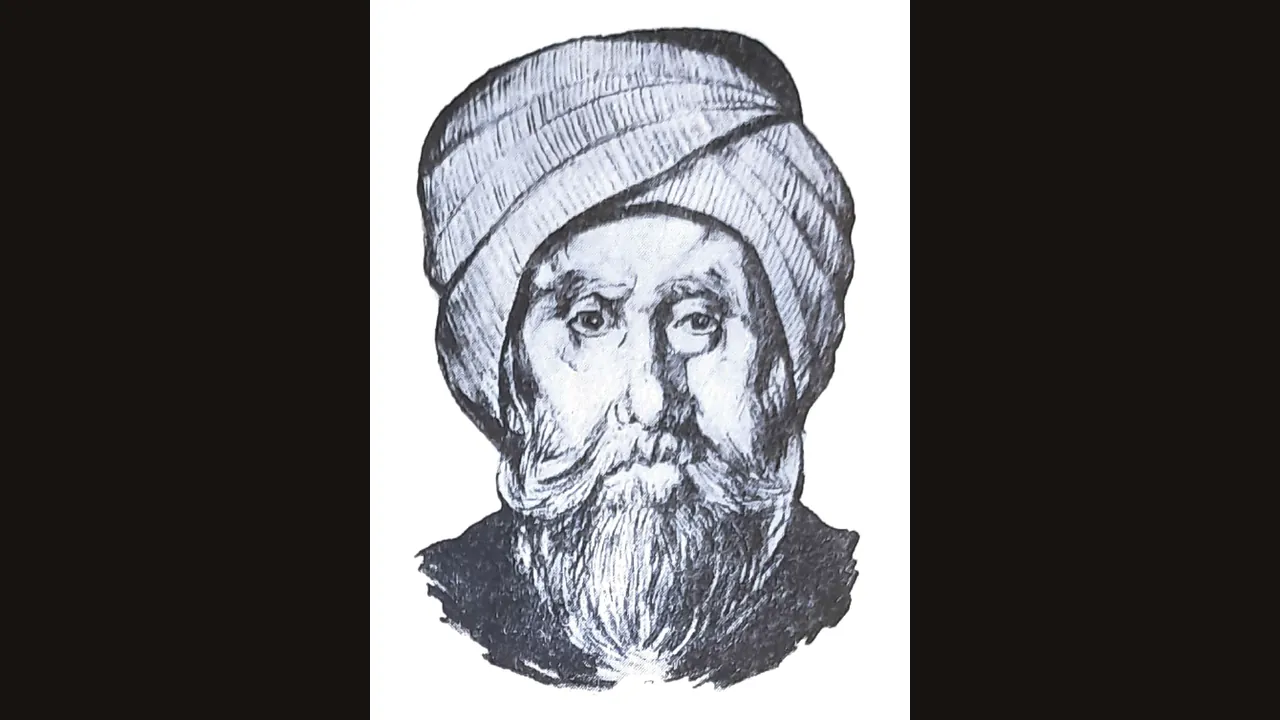
Persian theologian from Tus, in modern Iran, who attacked the philosophers in The Incoherence of the Philosophers and turned toward Sufi mysticism. He taught at Baghdad, abandoned his post in a spiritual crisis, and returned to teaching. He lived 1058 to 1111.
Al Ghazali was born in 1058 at Tus in northeastern Iran and studied law and theology at Nishapur under al-Juwayni. In 1091 the vizier Nizam al-Mulk appointed him to teach at the Nizamiyya college in Baghdad, the leading school of the Seljuk world. In 1095 he lost his voice in the lecture hall and abandoned his post. He spent about ten years traveling and writing in Damascus, Jerusalem, and the Hejaz, then returned to Tus and taught near his home until his death in 1111.
In The Aims of the Philosophers he set out the system of Al Farabi and Avicenna. The Incoherence of the Philosophers takes up twenty of their positions and argues that the philosophers contradict themselves and leave their claims unproved. On three points he charged them with unbelief: the eternity of the world, the denial that God knows particulars, and the denial of the resurrection of the body. Against necessary causation he argues that fire and burning stand conjoined by God's habit and not by necessity, and God creates the burning at the contact rather than by the fire. His Revival of the Religious Sciences joins law, ethics, and Sufi discipline into one program for the religious life. In The Deliverance from Error he describes his passage through theology, philosophy, and the Ismaili teaching to the Sufi path, where he placed certainty.
Facts
- Born
- 1058, Tus, in what is now Iran.
- Source: Encyclopaedia Britannica, al-Ghazali
- Died
- 1111, Tus.
- Source: Encyclopaedia Britannica, al-Ghazali
- School
- Asharite theology, joined to Sufi mysticism.
- Source: Encyclopaedia Britannica, al-Ghazali
- Known for
- The Incoherence of the Philosophers, which denied that reason can prove metaphysical truths, and the Revival of the Religious Sciences.
- Source: Encyclopaedia Britannica, al-Ghazali
Sources
- Encyclopaedia Britannica, al-Ghazali Source
Source links accessed 22 November 2026.
Images
Related
- AvicennaConnected
- AverroesConnected
- IranConnected
- Anselm of CanterburySame era
- William the ConquerorSame era
- Frederick BarbarossaSame era
What happened elsewhere
Pairings are by recorded year, not exact simultaneity.
- Anselm of CanterburyWhile Al Ghazali (1033)
Meanwhile
Meanwhile, around the world — drag to spin, click a pulsing marker.
Keep reading
Test yourself
When was Al Ghazali born?
- 1058, Tus, in what is now Iran
- 1033, Aosta, in what is now Italy
- 1138, Cordoba, Spain
- 1130, Youxi, Fujian, China
Answer
1058, Tus, in what is now Iran — Born: 1058, Tus, in what is now Iran.
When did Al Ghazali die?
- 1111, Tus
- 1109, Canterbury, England
- 1347, Munich, Germany, probably of the plague
- 1198, Marrakesh, Morocco
Answer
1111, Tus — Died: 1111, Tus.
What is Al Ghazali known for?
- The Incoherence of the Philosophers, which denied that reason can prove metaphysical truths, and the Revival of the Religious Sciences
- Ockham's razor, the principle of parsimony, and writings against papal power in politics
- The ontological argument: God, defined as that than which nothing greater can be thought, must exist even in reality. Also Cur Deus Homo, on why God became man
- The Muqaddimah and its theory of asabiyyah, group feeling, which binds tribes into states and loosens as luxury corrupts them
Answer
The Incoherence of the Philosophers, which denied that reason can prove metaphysical truths, and the Revival of the Religious Sciences — Known for: The Incoherence of the Philosophers, which denied that reason can prove metaphysical truths, and the Revival of the Religious Sciences.
Which school of thought was Al Ghazali part of?
- Asharite theology, joined to Sufi mysticism
- Neo Confucianism, the school of principle
- Scholasticism, at its beginning
- Scholasticism; his own system is called Thomism
Answer
Asharite theology, joined to Sufi mysticism — School: Asharite theology, joined to Sufi mysticism.
True or false: Persian theologian from Tus, in modern Iran, who attacked the philosophers in The Incoherence of the Philosophers and turned toward Sufi mysticism.
- True
- False
Answer
True — True. Persian theologian from Tus, in modern Iran, who attacked the philosophers in The Incoherence of the Philosophers and turned toward Sufi mysticism.
My notes
Highlights on this page
None yet.
Spotted an error on this page? Email [email protected] and it will be checked against the sources.