
Topic
Communism and the Soviet Union
The doctrine Marx set down, the revolutions made in its name, and the record of the states that resulted: the Soviet Union, Mao's China, and the rest, with this site's essays and films, and the arguments against.
Entries
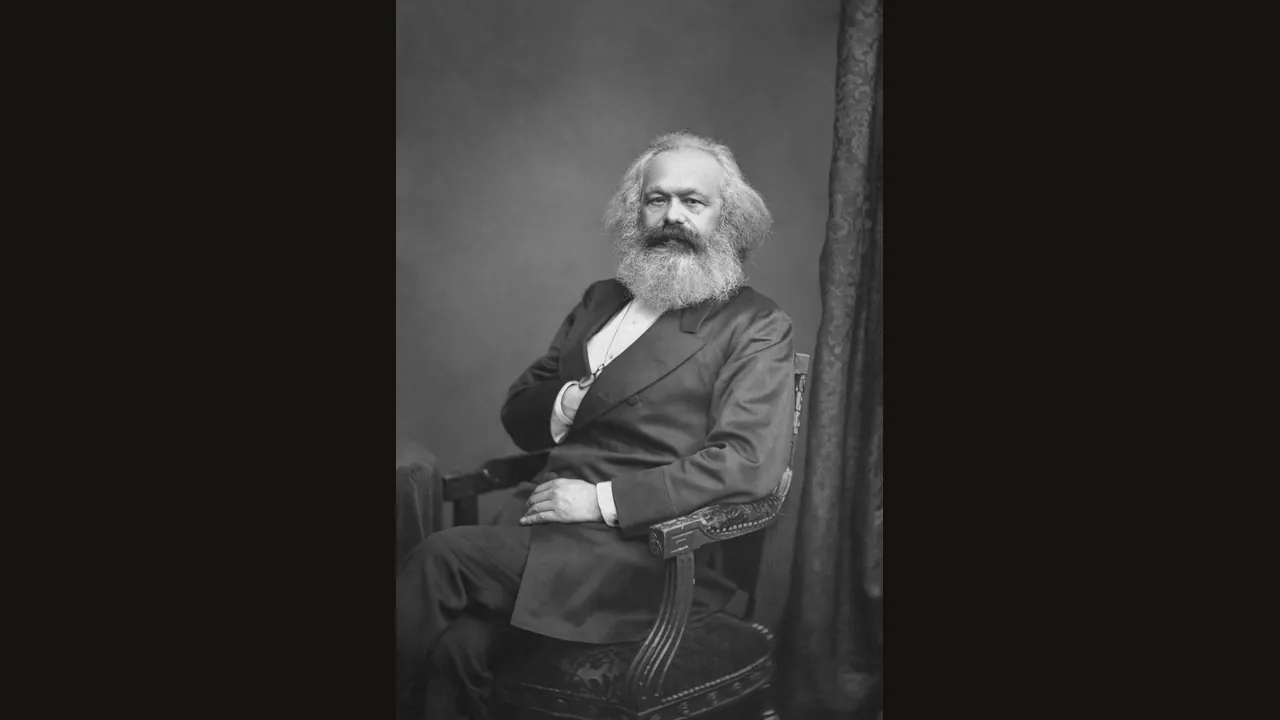 Philosopher · Age of revolutions and empire · GermanyKarl Marx1818–1883German thinker who turned Hegel's dialectic into historical materialism: class struggle drives history, and capitalism digs its own grave. The Communist Manifesto of 1848 and Capital of 1867 made him the most politically consequential philosopher of modern times. He lived 1818 to 1883, mostly in London exile.
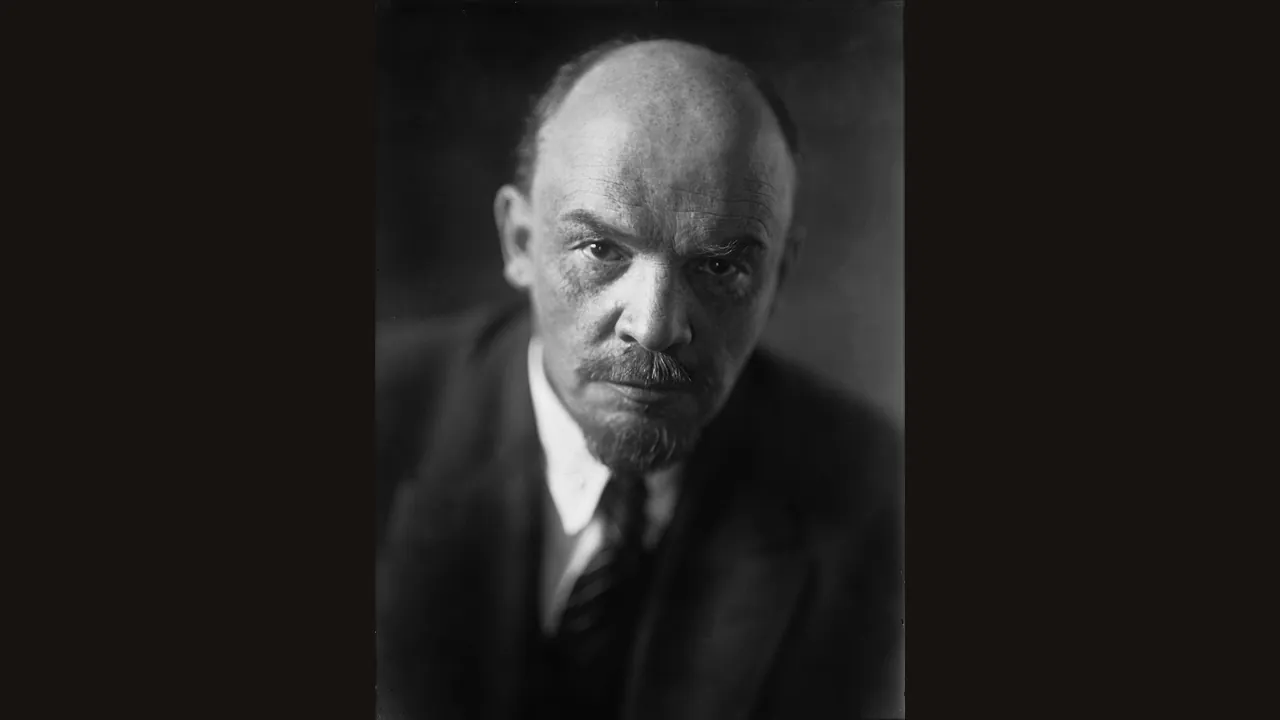 Ruler · Twentieth century · RussiaVladimir Lenin1870–1924Leader of the Bolshevik Revolution, 1870 to 1924, born Vladimir Ulyanov, who created the first communist state. He seized power in Russia in October 1917, pulled Russia out of World War I, and won the civil war that followed. His New Economic Policy of 1921 retreated from full communism to save the economy.
 Ruler · Twentieth century · RussiaJoseph Stalin1878–1953General secretary of the Soviet Communist Party from 1922 and dominant ruler of the USSR until 1953. Forced collectivization, famine, and the mass operations of 1937–1938 were carried out under his authority.
 Ruler · Twentieth century · ChinaChiang Kai-shek1887–1975Leader of the Chinese Nationalist Party after Sun Yat-sen, and the Nationalist side of the war with Japan and the civil war. His government retreated to Taiwan in December 1949.
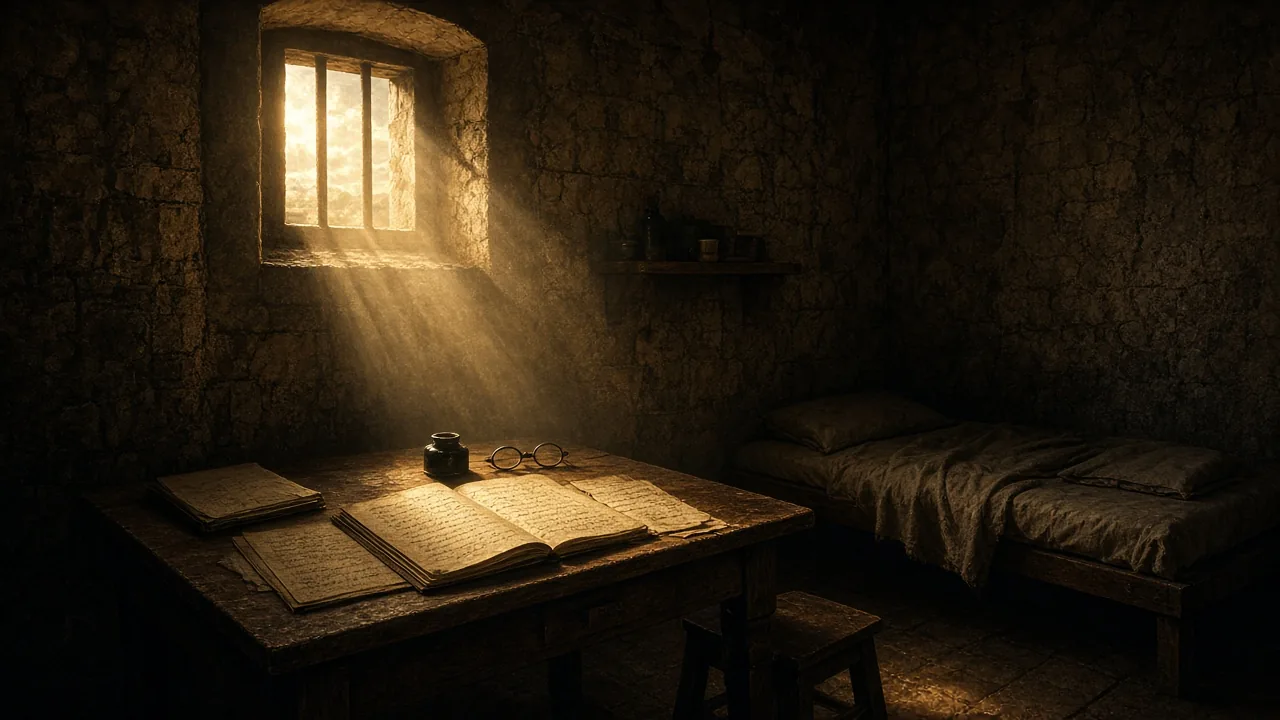 Philosopher · Twentieth century · ItalyAntonio Gramsci1891–1937Sardinian Marxist, cofounder of the Italian Communist Party, imprisoned by the Fascist regime. The Prison Notebooks develop cultural hegemony and the war of position.
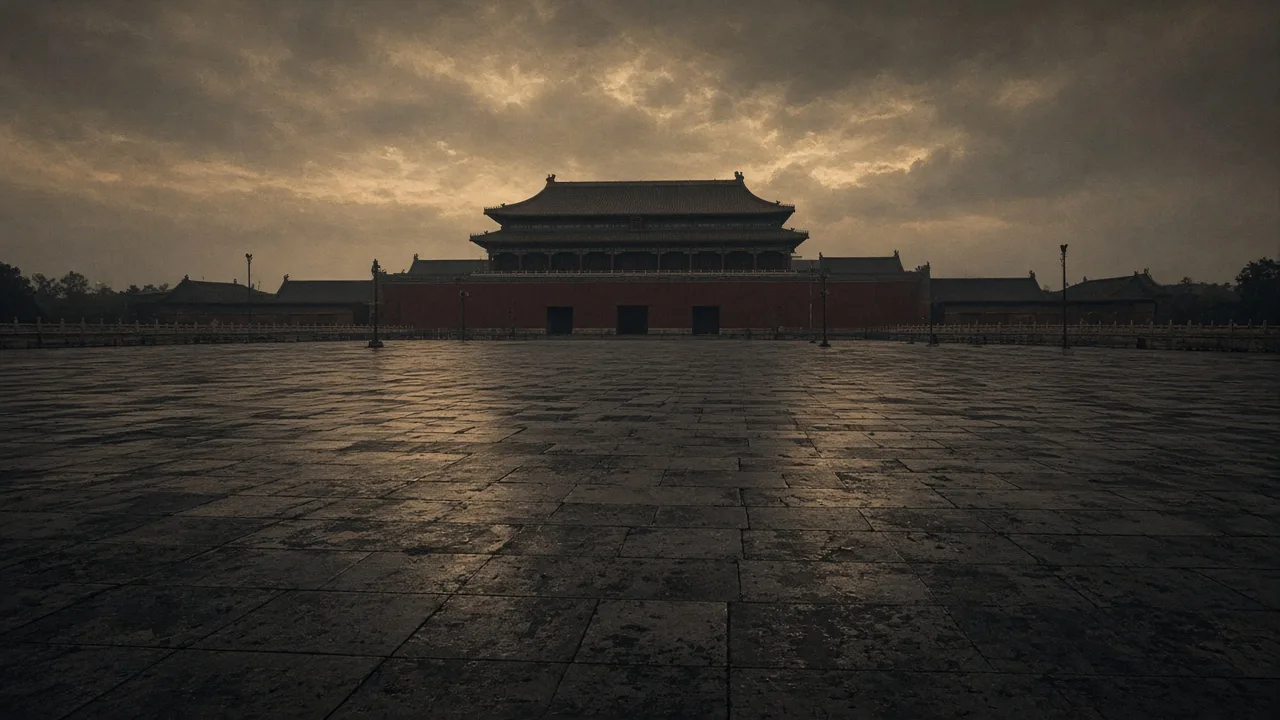 Ruler · Twentieth century · ChinaMao Zedong1893–1976Chairman of the Chinese Communist Party from 1943 and the central figure of the People's Republic of China, proclaimed in 1949. He held party leadership until his death in 1976. The Great Leap Forward and the Cultural Revolution were carried out under his authority.
 Event · Twentieth century · RussiaThe Cheka1917–1922All-Russian Extraordinary Commission, founded 20 December 1917 (7 December Old Style) under Felix Dzerzhinsky. Early Soviet secret police with power of summary execution.
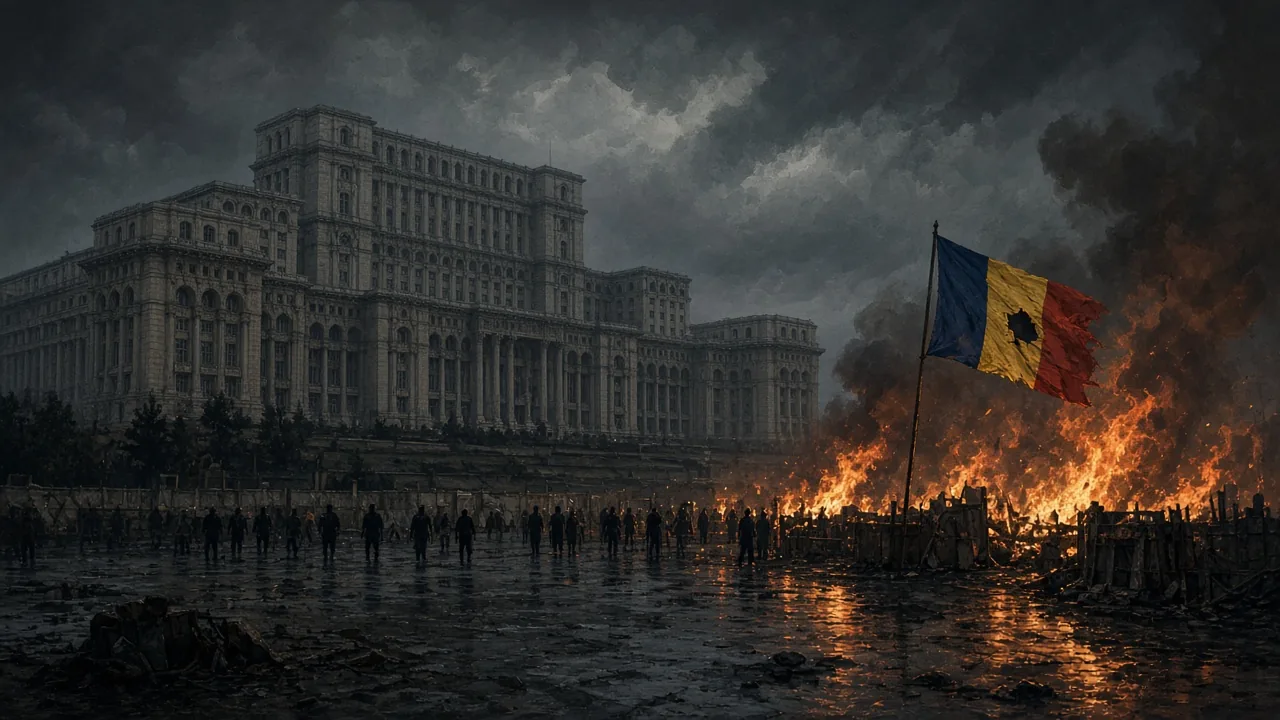 Ruler · Twentieth century · RomaniaNicolae Ceaușescu1918–1989General secretary of the Romanian Communist Party from 1965 and president from 1974 until his overthrow and execution in December 1989.
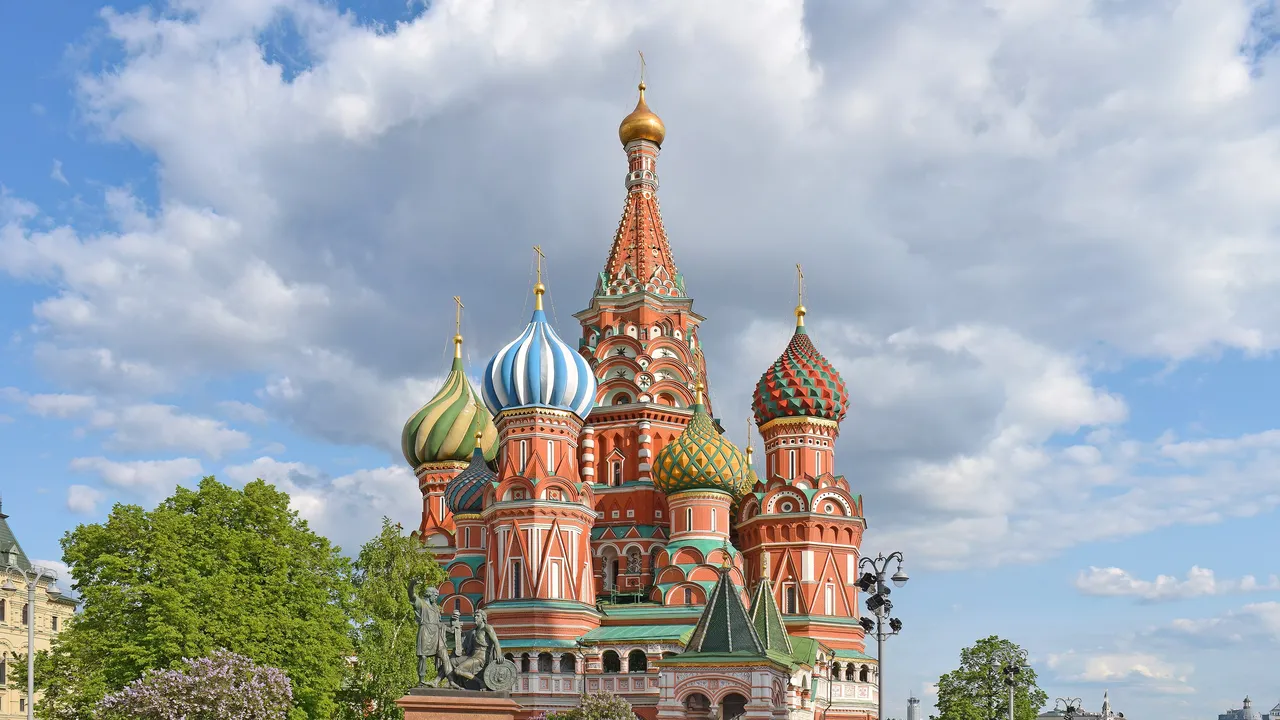 Civilization · Twentieth century · Soviet UnionSoviet Union1922–1991The Soviet Union was the world's first communist state, spanning Eurasia from 1922 to 1991. It industrialized by force, beat Nazi Germany, and became a nuclear superpower. It dissolved peacefully in 1991.
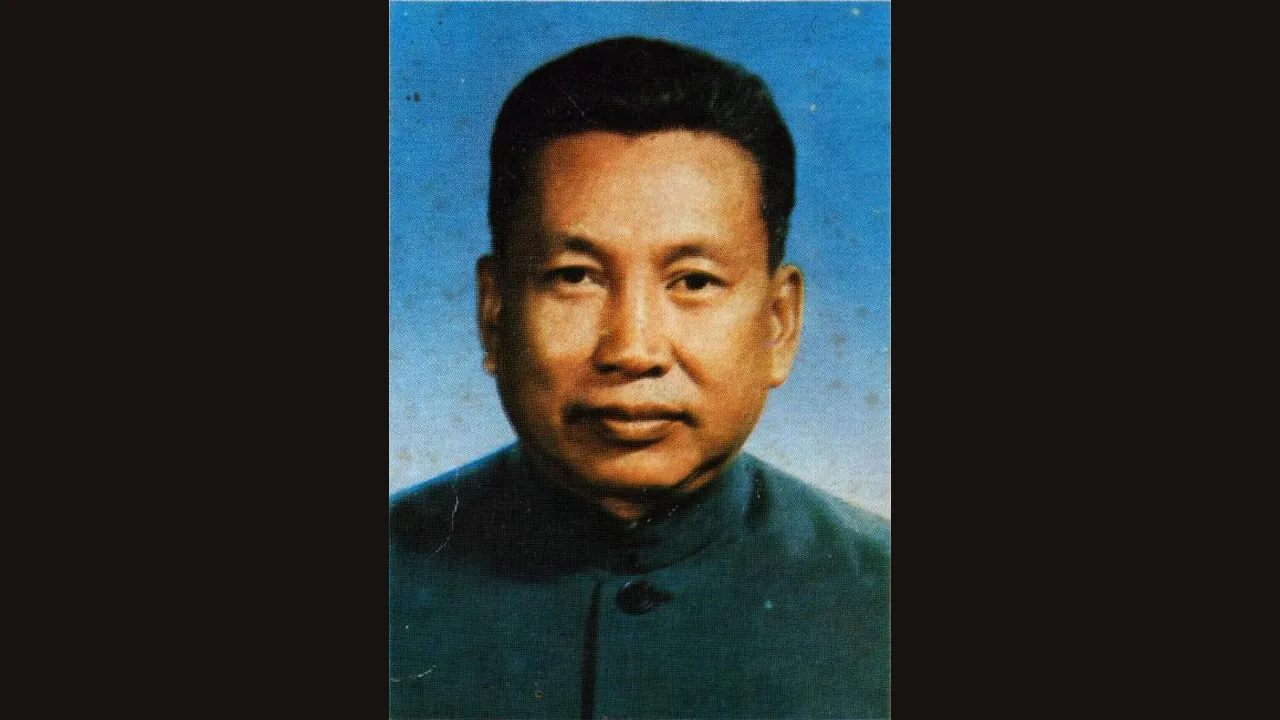 Ruler · Twentieth century · CambodiaPol Pot1925–1998Leader of Cambodia's Khmer Rouge, 1925 to 1998, whose regime killed about a quarter of his country's people. The Khmer Rouge took Phnom Penh on 17 April 1975 and emptied the cities, forcing everyone into rural labor. Driven out by Vietnam in 1979, he led a guerrilla remnant until his death.
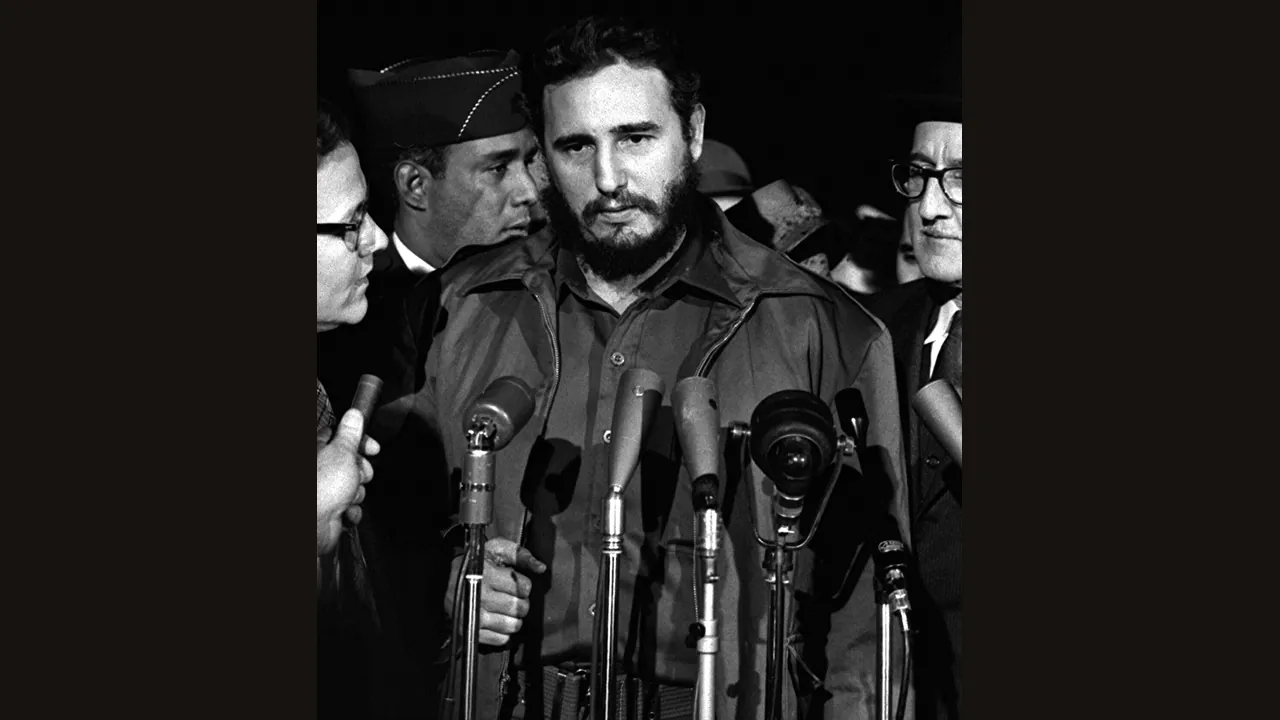 Ruler · Twentieth century · CubaFidel Castro1926–2016Leader of Cuba from 1959 to 2008, born in 1926, who made a communist state ninety miles from Florida. His 26th of July Movement overthrew the Batista dictatorship in January 1959. He survived the Bay of Pigs invasion, brought Soviet missiles to Cuba in 1962, and ruled for nearly half a century.
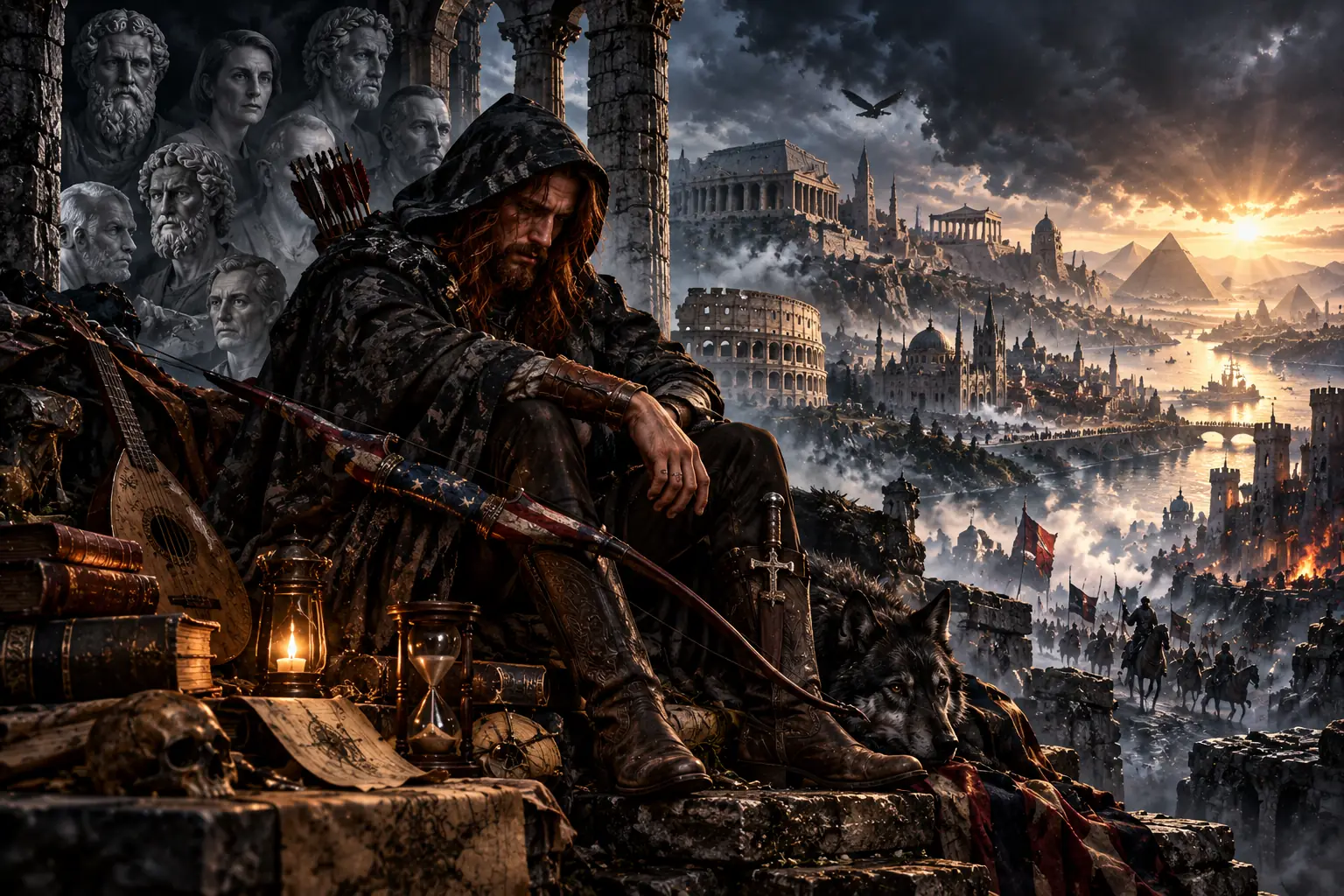 Event · Twentieth century · ChinaChinese Civil War1927–1949War between the Chinese Nationalist Party and the Chinese Communist Party, interrupted by the war against Japan, ending in communist victory in 1949.
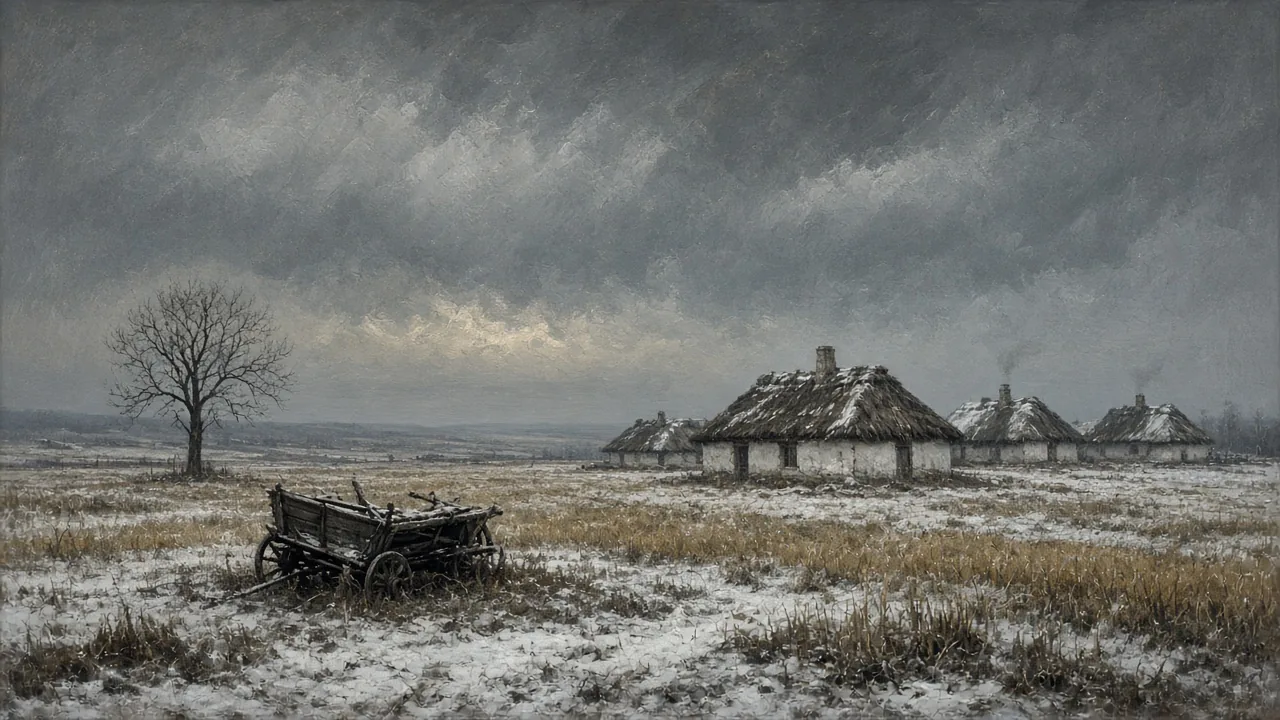 Event · Twentieth century · UkraineHolodomor1932–1933Famine in Soviet Ukraine and other regions, 1932–1933, driven by requisition, blacklists, passport controls and border seals. Death tolls are demographic estimates; genocide classification is debated.
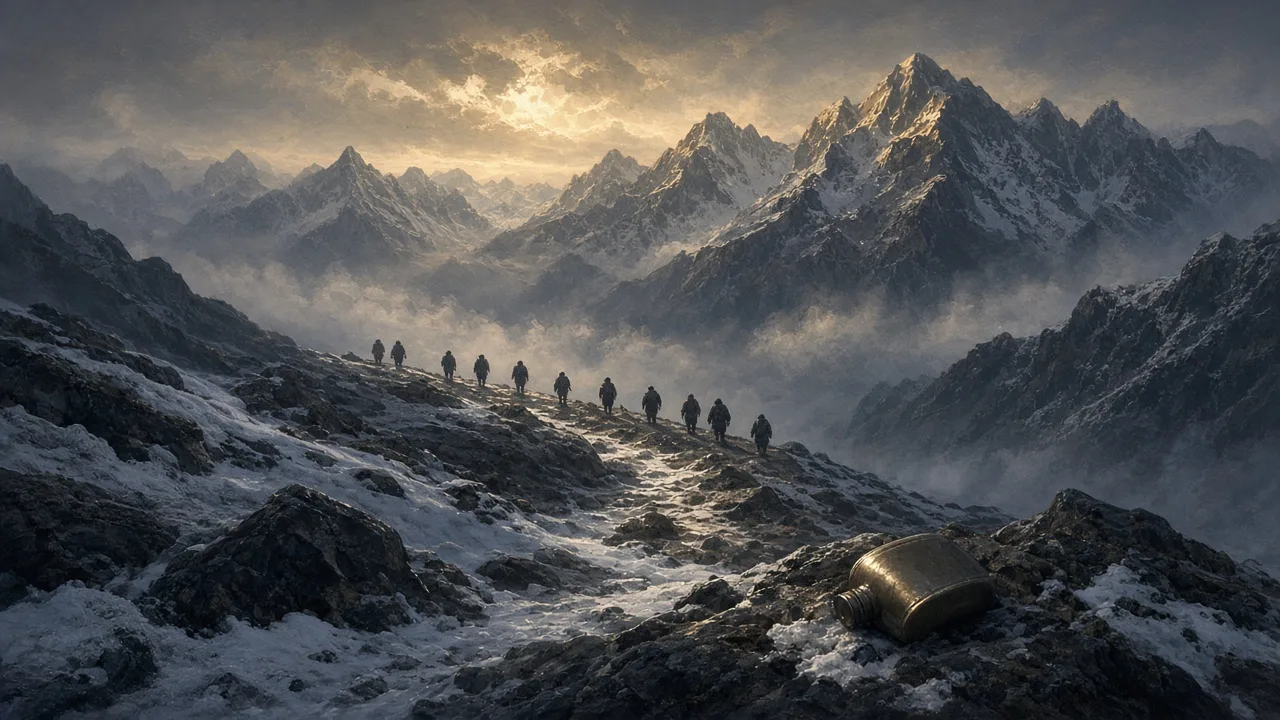 Event · Twentieth century · ChinaLong March1934–1935The retreat of the Chinese Communist armies from Jiangxi to Shaanxi, October 1934 to October 1935, after encirclement by Nationalist forces.
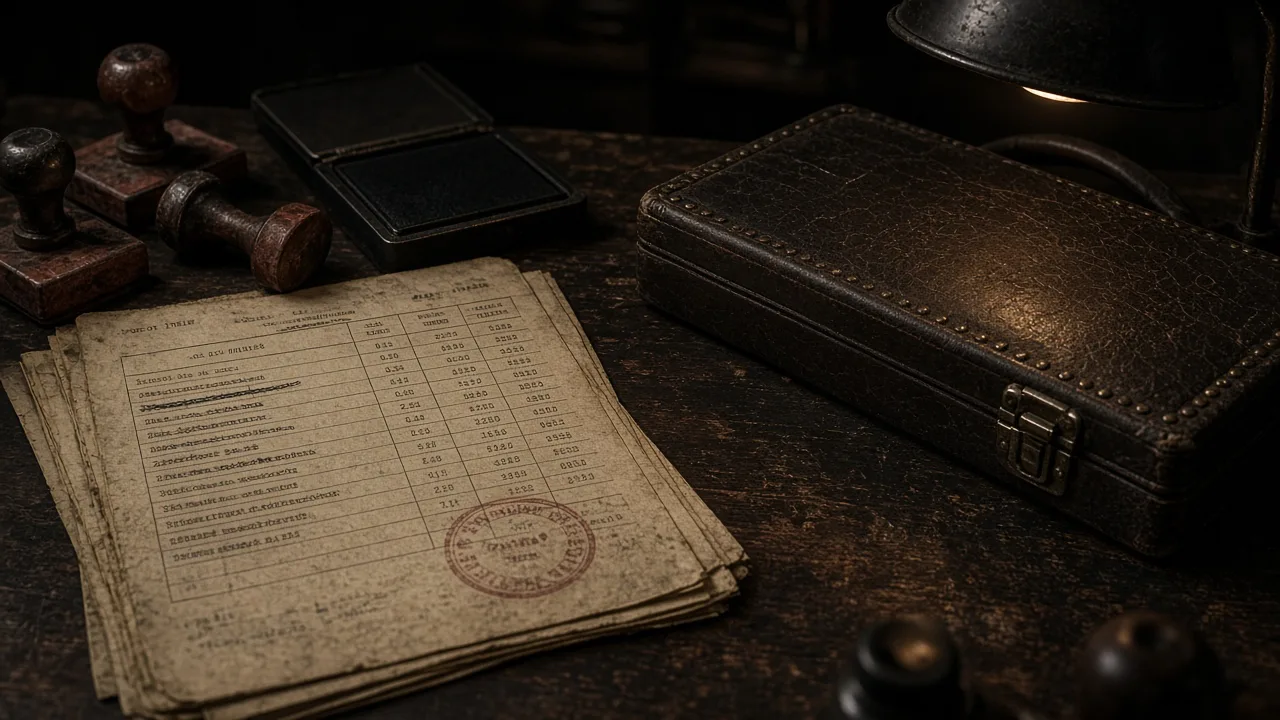 Event · Twentieth century · RussiaStalin's Terror1937–1938Mass NKVD operations of 1937–1938 under quotas from Politburo resolution P51/94 and Order No. 00447, plus national operations. About 681,692 recorded executions in those two years.Source: NKVD statistical reports cited in standard histories
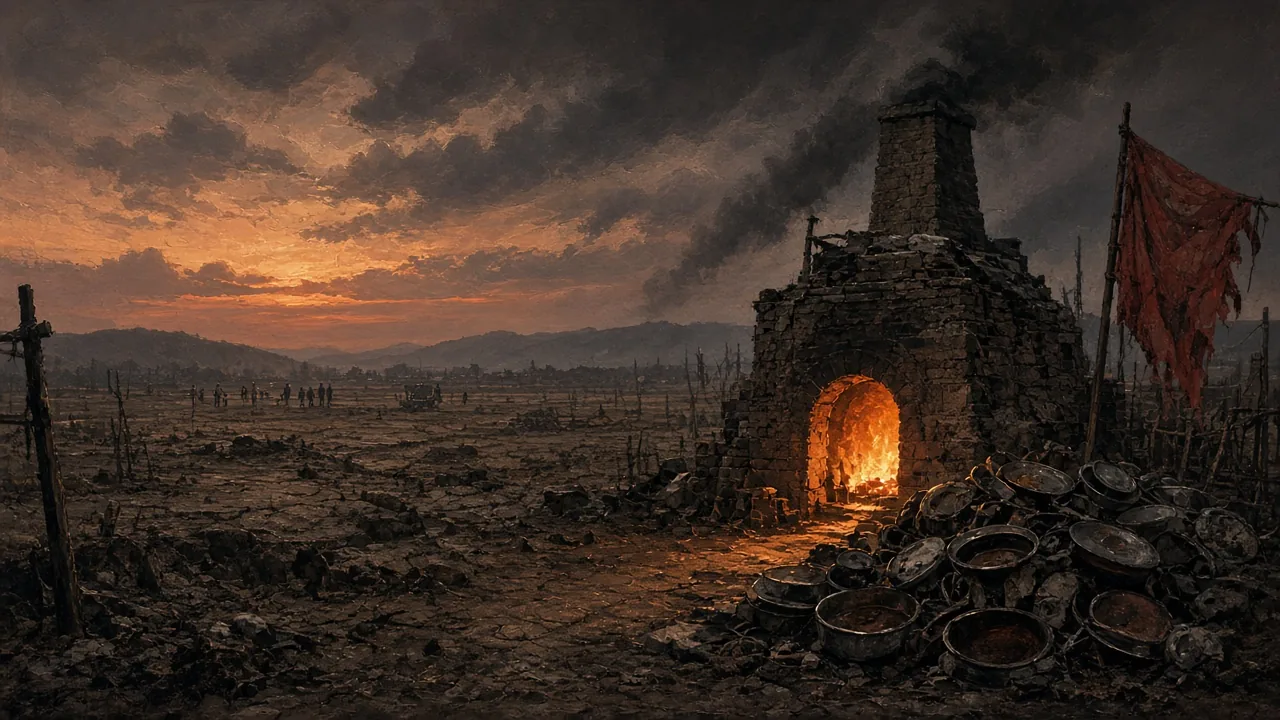 Civilization · Twentieth century · ChinaPeople's Republic of China1949–The state proclaimed in Beijing on 1 October 1949 after the communist victory in the civil war. A container for that state, not a history of it.
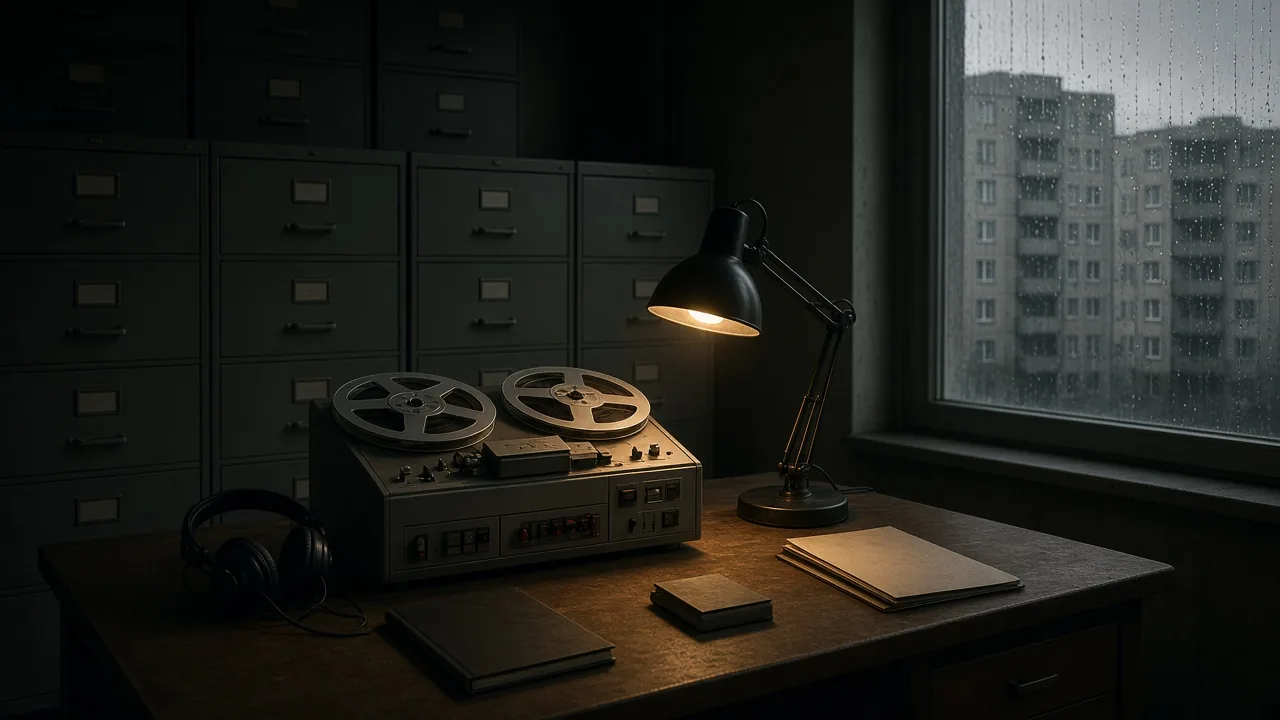 Event · Twentieth century · GermanyThe Stasi1950–1990Ministry for State Security of East Germany, 1950–1990. Roughly 91,000 full-time staff and on the order of 170,000–190,000 unofficial informants by 1988–89.Source: Helmut Müller-Enbergs; BStU figuresEvent · Twentieth century · ChinaGreat Leap Forward1958–1962The campaign launched in 1958 under Mao's authority: forced collectivization, backyard steel, and the famine of 1959–1961. Death tolls are estimates and do not agree.
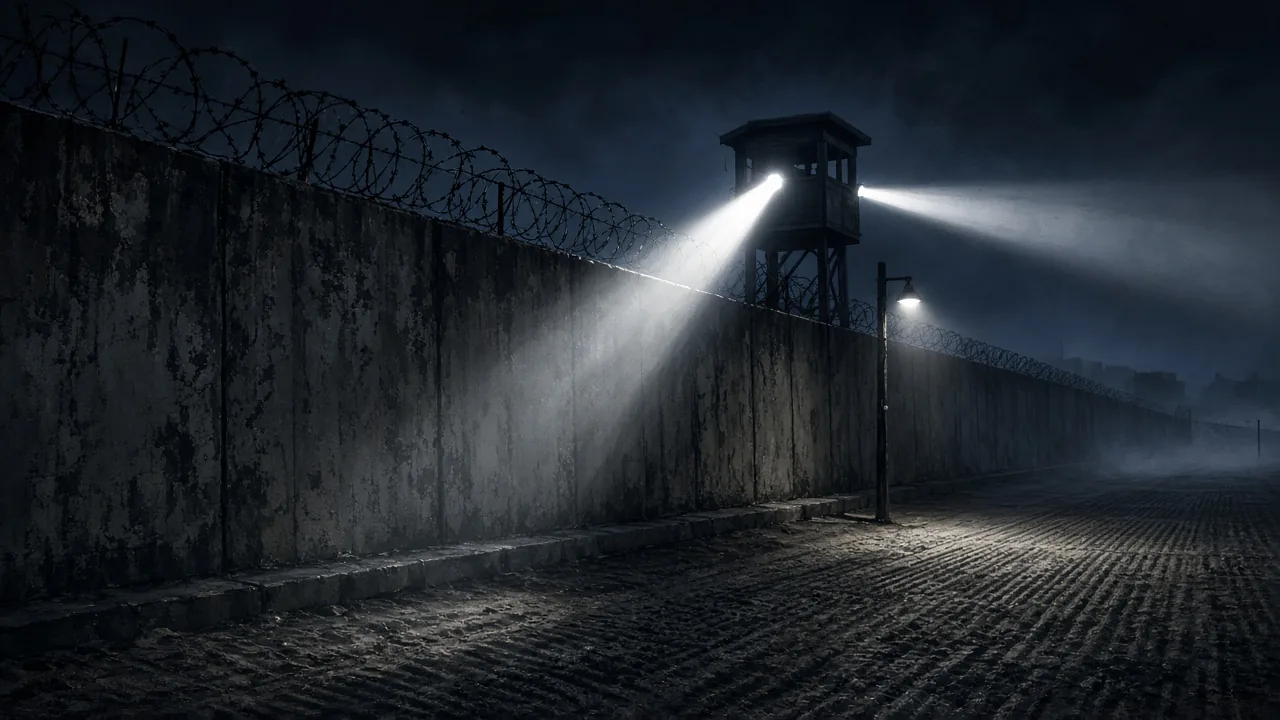 Event · Twentieth century · GermanyBerlin Wall1961–1989Barrier sealing West Berlin from East Germany, built 13 August 1961, opened 9 November 1989. Built to stop emigration; shoot-to-kill orders governed escape attempts.
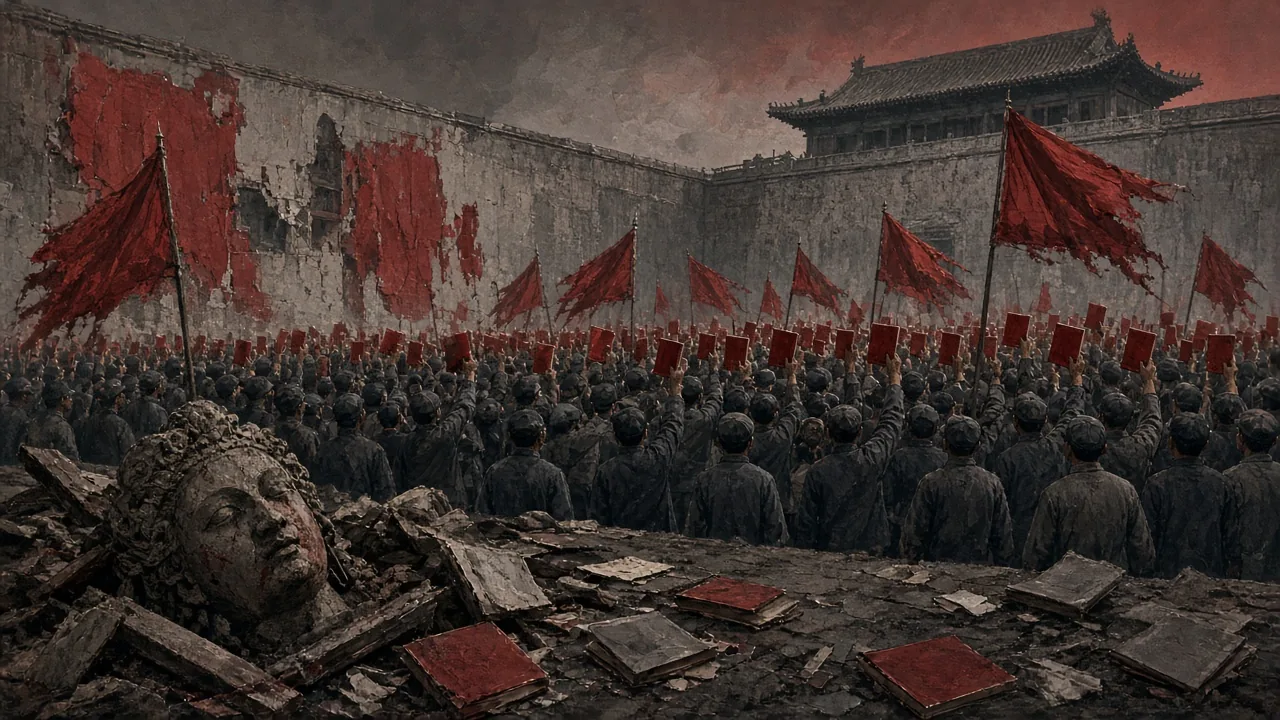 Event · Twentieth century · ChinaCultural Revolution1966–1976The campaign Mao launched in 1966 against officials, teachers, and people classed as enemies. Schools closed. Red Guards and later factional fighting killed large numbers. A full count is not agreed. Generally treated as lasting until Mao's death in 1976.
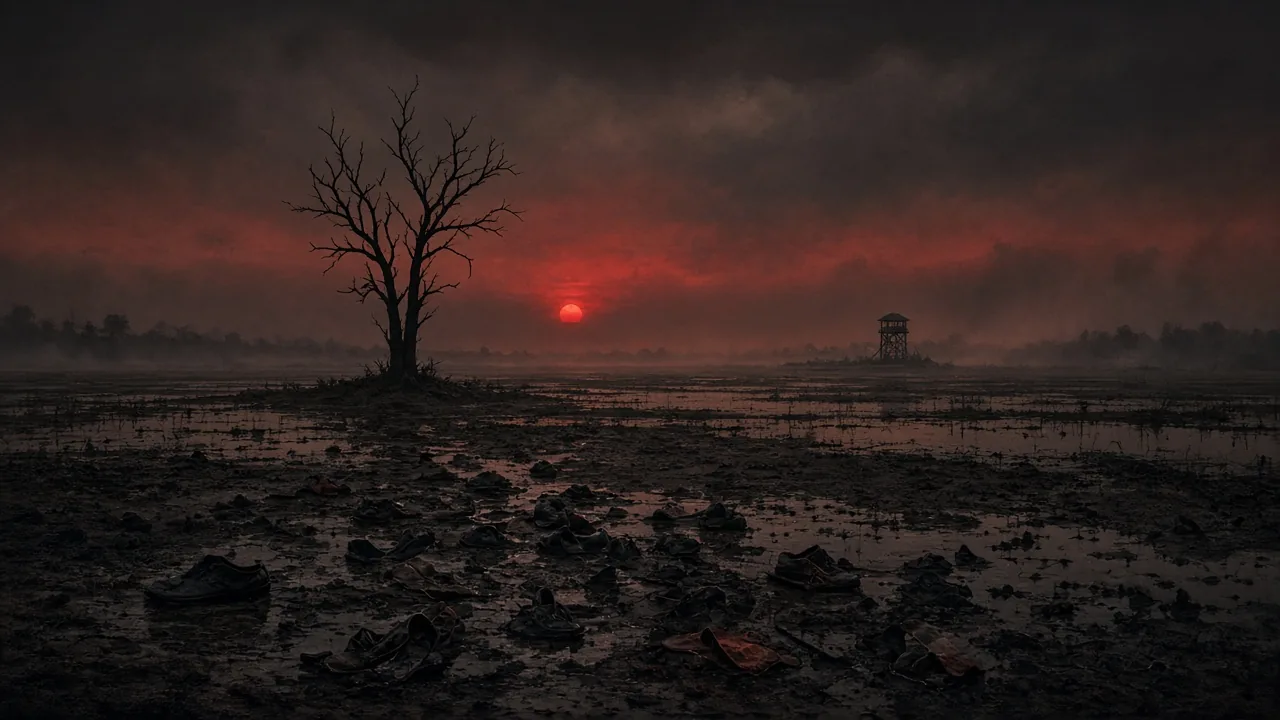 Event · Twentieth century · CambodiaKhmer Rouge1975–1979Communist regime in Cambodia under Pol Pot's party, April 1975–January 1979. Evacuation of cities, abolition of money and religion, S-21, mass killing. Excess deaths commonly estimated about 1.5–2 million.
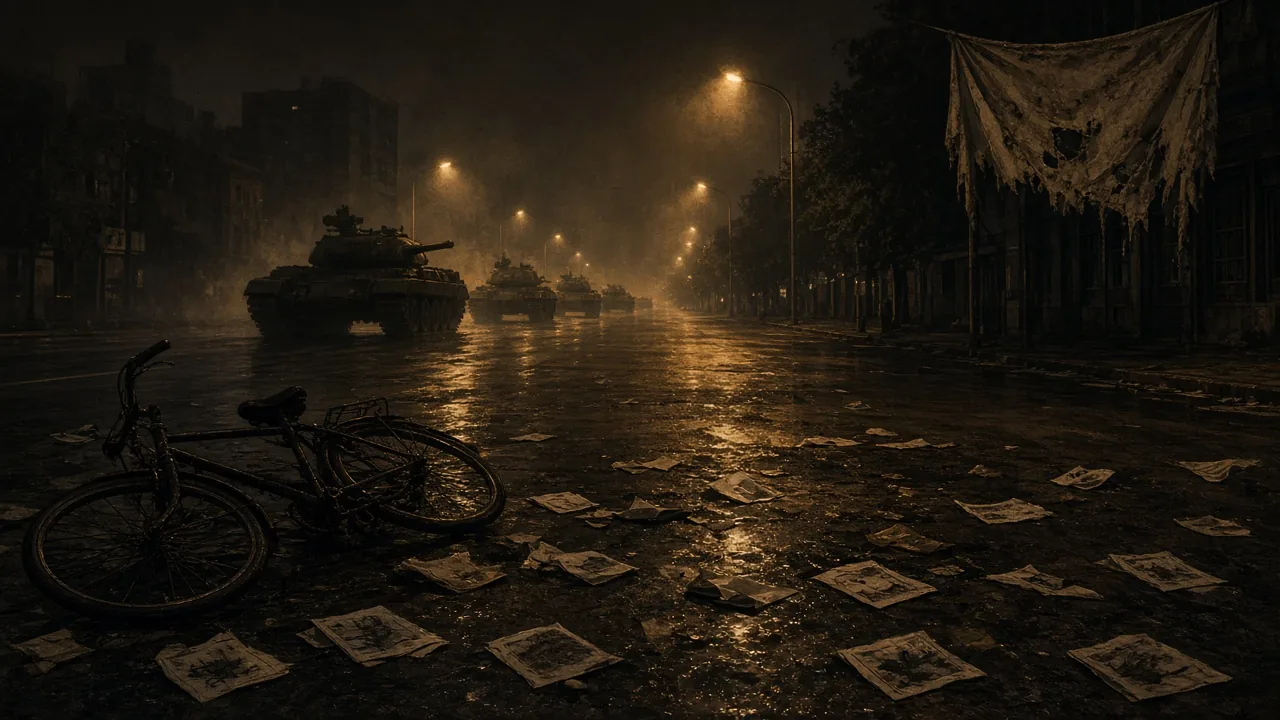 Event · Twentieth century · ChinaTiananmen Square 19891989Beijing protests from April 1989 after Hu Yaobang's death; martial law; military clearance on 3–4 June. Death tolls remain disputed; most killing was on approaches such as Muxidi, not only inside the square.
Essays and articles
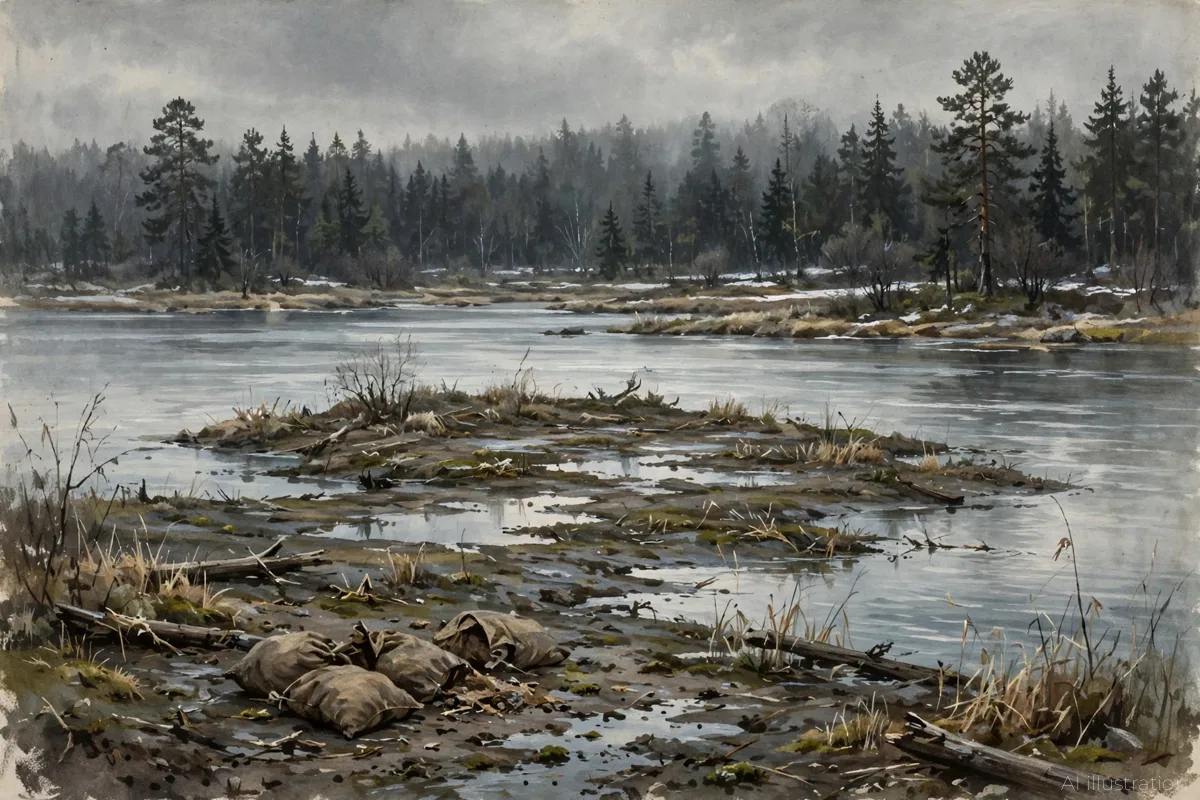 Nazino Island, 1933: The Island Stalin Filled With the UnwantedIn May 1933 the Soviet secret police deported about 6,700 people rounded up in Moscow and Leningrad, many for having no passport papers, and abandoned them on Nazino Island in Siberia's Ob River with flour and nothing else. Within thirteen weeks more than 4,000 were dead, and the starving survivors had turned to cannibalism.Read
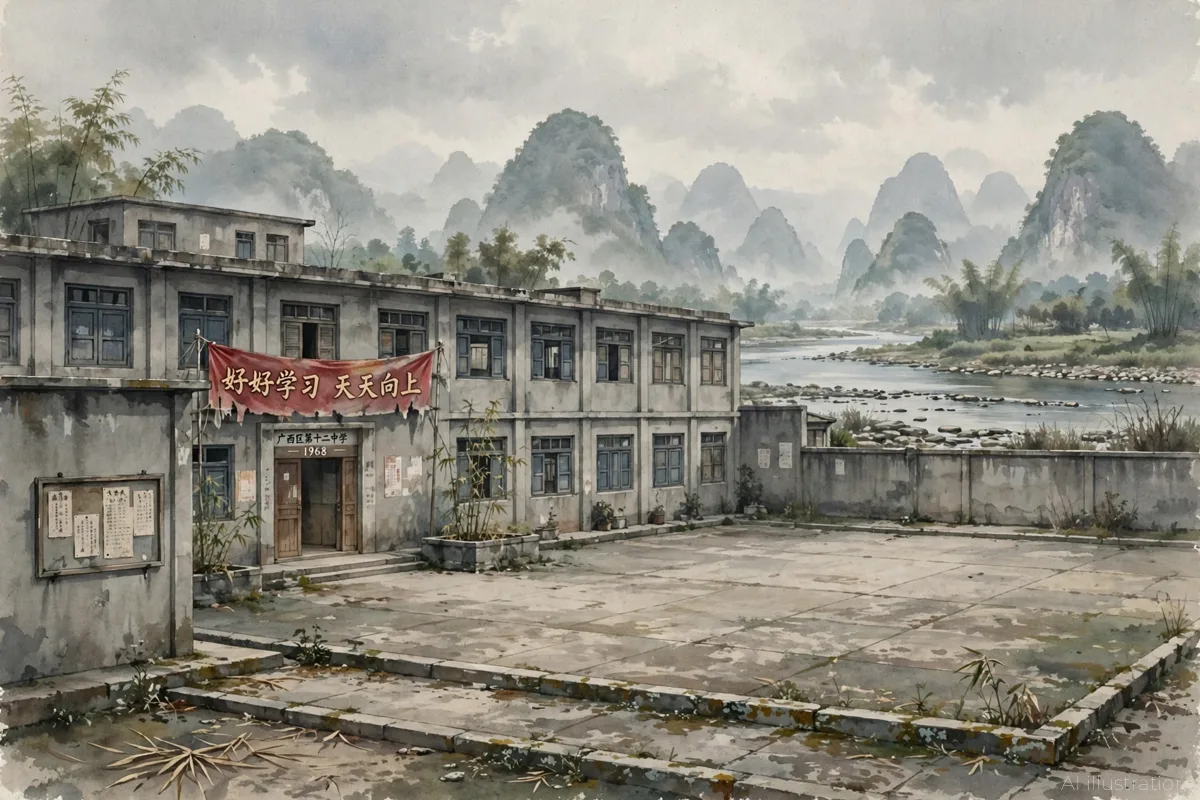 Wu Shufang: The Teacher Eaten by Her Own Students, Wuxuan County, 1968In 1968, at the height of the Cultural Revolution, the students of Wuxuan Middle School in Guangxi beat their geography teacher Wu Shufang to death, cut out her heart and liver on the bank of the Qian River, and ate them at the school. Her killing was one of dozens of documented acts of political cannibalism in the Guangxi Massacre.Read
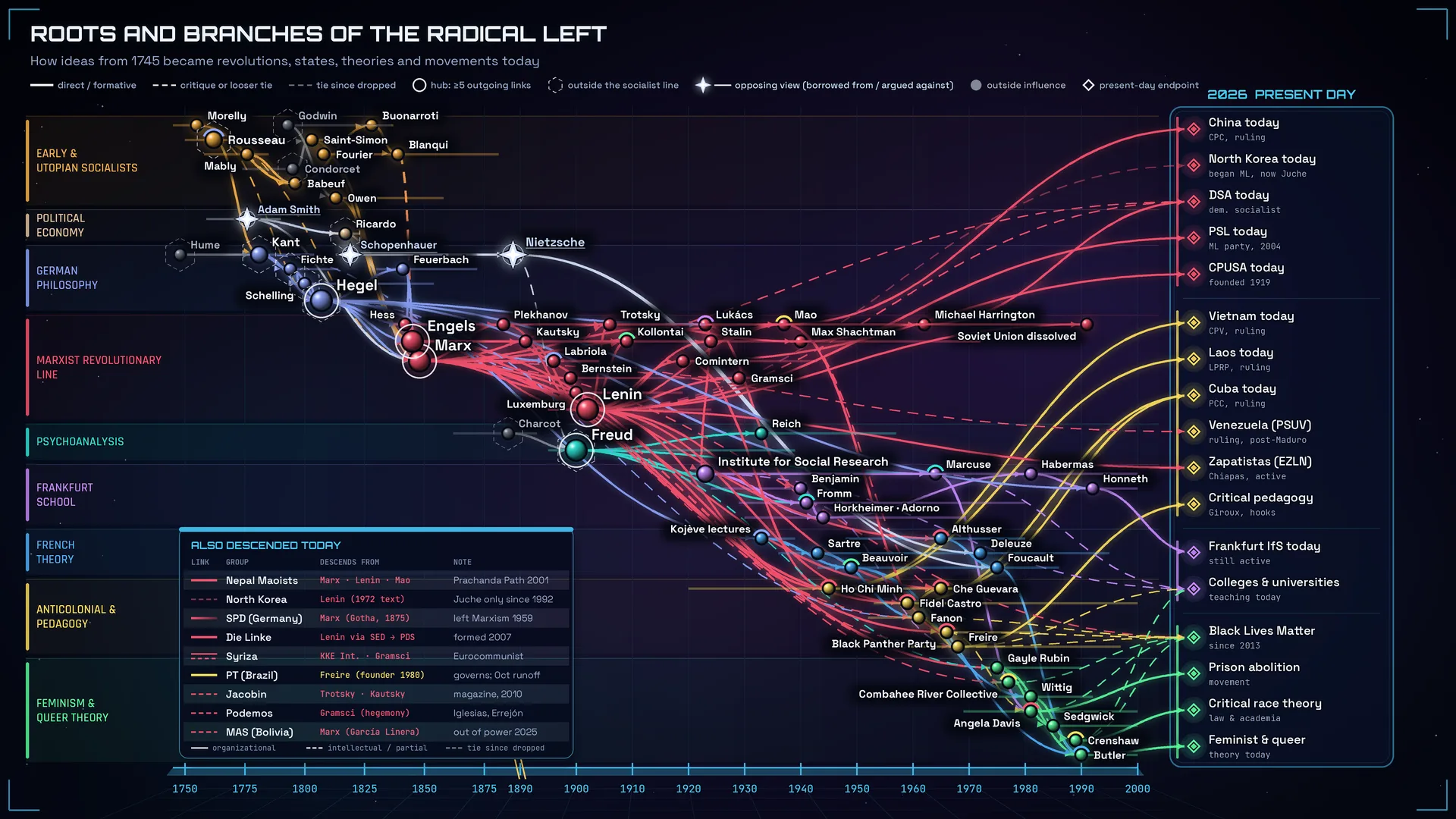 Roots and Branches of the Radical LeftHow ideas from 1745 became revolutions, states, theories and movements todayRead Antonio GramsciProsecutor Michele Isgrò stood before the Fascist tribunal in 1928 and demanded that the court stop Antonio Gramsci's brain from working for twenty years. The sentence handed down ran over twenty years, four months, and five days.Read
 Before You Curse AmericaLiberty produces unequal outcomes because men are unequal in talent, judgment, appetite, luck, family, and will. Unequal outcomes produce comparison. Comparison can turn into envy.Read
 Friedrich August von HayekIn 1945, the year the war ended, Friedrich August von Hayek published an essay in the American Economic Review that asked its readers to picture tin growing scarce.Read Mao's Cultural RevolutionIn August 1966, Mao Zedong stood atop Tiananmen Gate wearing a military uniform and a bright red armband bestowed upon him by a teenage schoolgirl, Song Binbin.Read Mao's Great Leap ForwardIn 1958, Mao Zedong decided that China would outproduce Great Britain in steel within fifteen years, and he intended to accomplish it through the force of sheer political will.Read Romania and the CeaușescusNicolae Ceaușescu assumed control of Romania in 1965 following the death of Gheorghe Gheorghiu-Dej, later establishing an autocratic presidency and a pervasive cult of personality following political shifts in 1974.Read Stalin's TerrorThe Great Terror was quota politics enforced with a gun, and the show trials of Old Bolsheviks were only its public face.Read The Berlin WallThe story of totalitarian power is never purely about abstract political doctrine, it is a visceral, bloody tally of human lives sacrificed to an all consuming ideological idol.Read The ChekaKarl Marx died on March 14, 1883, in London, decades before the establishment of the Soviet secret police. The All-Russian Extraordinary Commission, commonly known as the Cheka, was created thirty-four years later by official decree at the Smolny Institute.Read The HolodomorFamine is not a weather report when the state seals the exits and takes the grain. That is the fundamental truth of the Holodomor, the state-engineered famine that devastated Ukraine and other Soviet regions from 1932 to 1933.Read The Khmer RougeThe forced evacuation of Phnom Penh on April 17, 1975, remains one of the most drastic urban clearances in modern history. Armed columns of the Khmer Rouge entered the Cambodian capital. The civil war was over. The new regime immediately issued orders emptying the city.Read The StasiEast Germany did not maintain control through a heavy armed presence on every street corner. Instead, it constructed a state apparatus built on files, covert listening devices, and formal pledges of cooperation.Read Tiananmen SquareIn contemporary China, a calendar date continues to be treated with the severity of contraband.Read
Films
Tear Down This Wall
Speeches · 2026-10-08
On June 12, 1987, Ronald Reagan stood before the Brandenburg Gate in West Berlin, the Berlin Wall at his back, and delivered one of the defining speeches of the Cold War. Speaking directly to Soviet leader Mikhail Gorbachev, he challenged him to prove his promises of openness and reform with a single unmistakable act.
“General Secretary Gorbachev, if you seek peace, if you seek prosperity for the Soviet Union and Eastern Europe, if you seek liberalization: come here to this gate. Mr. Gorbachev, open this gate. Mr. Gorbachev, tear down this wall!”
Two years later, on November 9, 1989, the wall fell.
Roots and Branches of the Radical Left
Events · 2026-10-15
Socialism is presented as an economic theory. In reality, woven through every part of the theory are two things that must be adopted before socialism can "work properly": a pseudo-history of mankind, and a massive shift of worldview. Both rest on a fundamental lie about human nature: they blame man's conditions for what belongs to the man himself.
That ideology did not appear from nowhere. It grew out of long-standing ideas, taken up across a chain of events and twisted over time into a promise of a better way for human beings to live, which is why the whole runs far deeper and is far more complex than the economic label suggests. Along the way it was woven in and out of great thinkers, at different points and for different reasons. Some were used for it and some against it, and through all of it the idea kept building.
This map lays that out where it can be seen: the evolution of the ideas, the effects they had, and the chain of cause and effect that followed from thinker to thinker.
Timeline
- Karl Marx1818–1883
- Vladimir Lenin1870–1924
- Joseph Stalin1878–1953
- Chiang Kai-shek1887–1975
- Antonio Gramsci1891–1937
- Mao Zedong1893–1976
- The Cheka1917–1922
- Nicolae Ceaușescu1918–1989
- Soviet Union1922–1991
- Pol Pot1925–1998
- Fidel Castro1926–2016
- Chinese Civil War1927–1949
- Holodomor1932–1933
- Long March1934–1935
- Stalin's Terror1937–1938
- People's Republic of China1949–
- The Stasi1950–1990
- Great Leap Forward1958–1962
- Berlin Wall1961–1989
- Cultural Revolution1966–1976
- Khmer Rouge1975–1979
- Tiananmen Square 19891989