
Topic
Rome
The Republic, the Empire, and the Romans who made them: rulers, generals, and thinkers from the founding of the Republic to Constantine, with the essays and films on this site that belong to them.
Entries
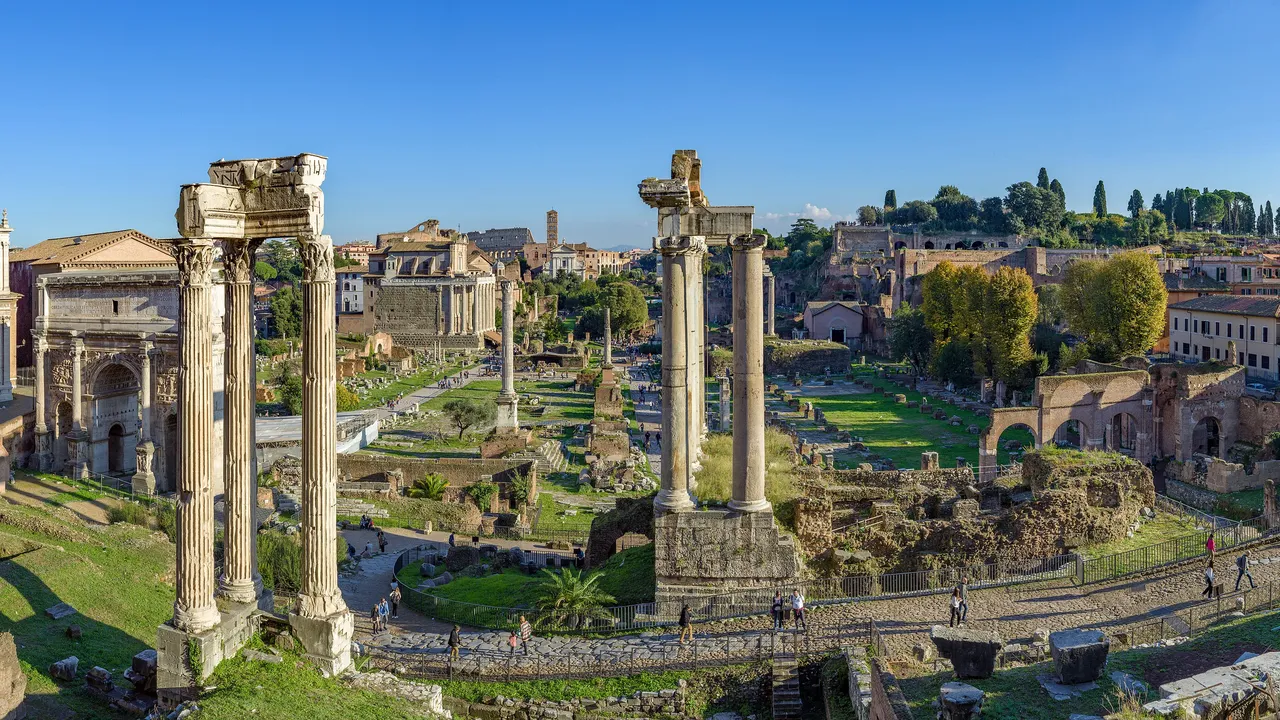 Civilization · Classical antiquity · Roman RepublicRoman Republic509–27 BCEThe Roman Republic grew from a city state into the master of the Mediterranean. Its system of consuls, Senate, and assemblies balanced power for centuries. Civil wars destroyed it, and Augustus made himself emperor in 27 BCE.
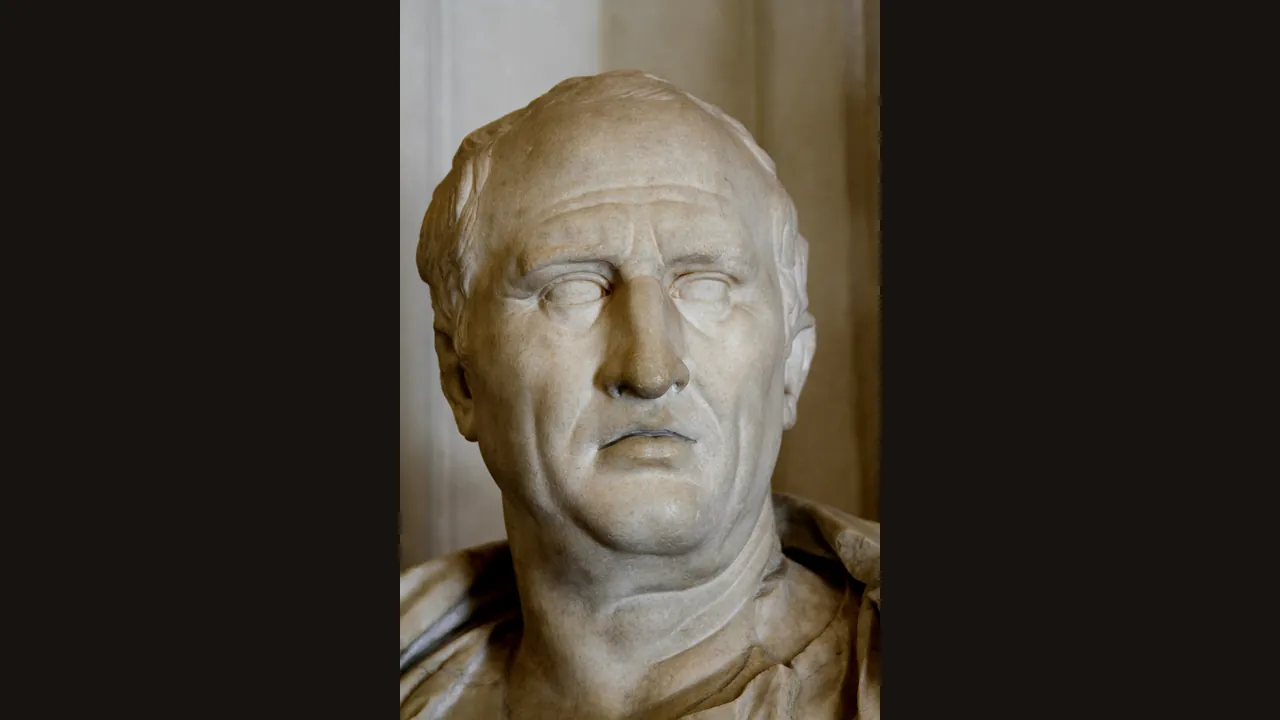 Philosopher · Classical antiquity · Roman Republic · ItalyCicero106–43 BCRoman statesman, orator, and writer from Arpinum who carried Greek philosophy into Latin. As consul in 63 BC he put down the conspiracy of Catiline. Proscribed by the Second Triumvirate, he was killed in 43 BC.
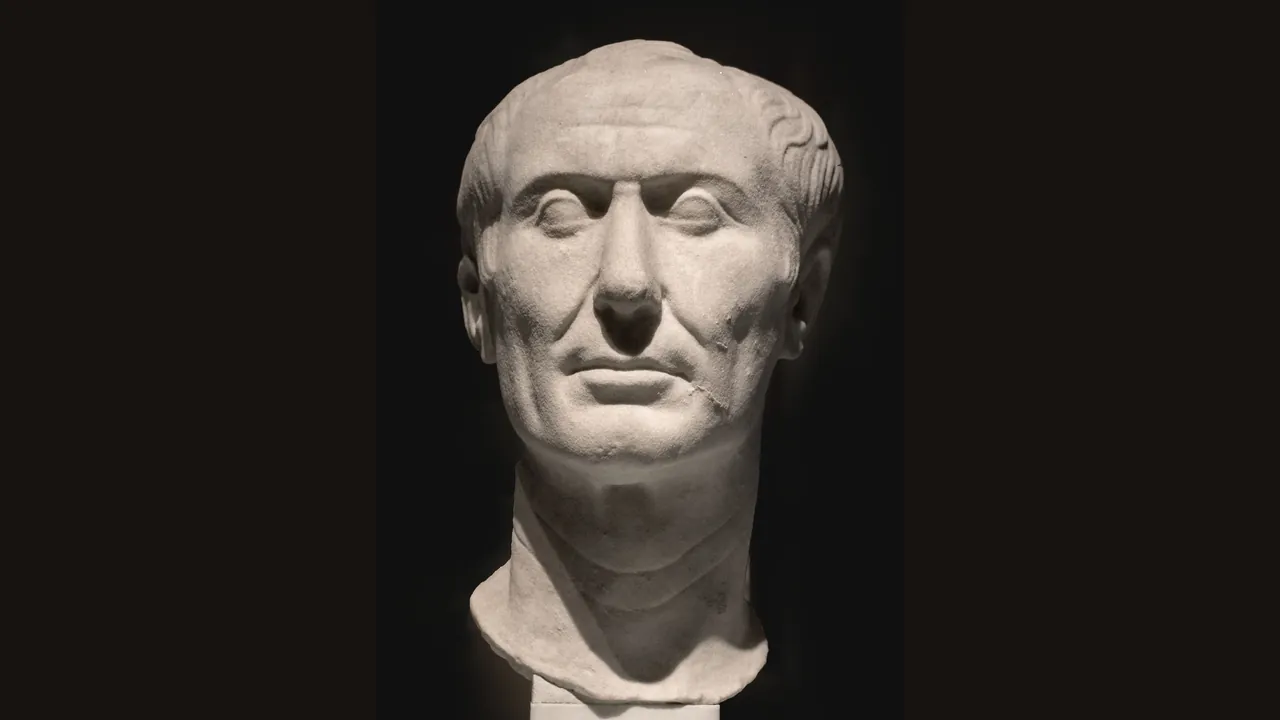 Ruler · Classical antiquity · Roman Republic · ItalyJulius Caesar100–44 BCRoman general and statesman, 100 to 44 BC, who ended the Roman Republic in practice. His conquest of Gaul made him rich and famous, and his crossing of the Rubicon in 49 BC began a civil war he won. Made dictator for life, he was stabbed to death by senators on the Ides of March, 44 BC.
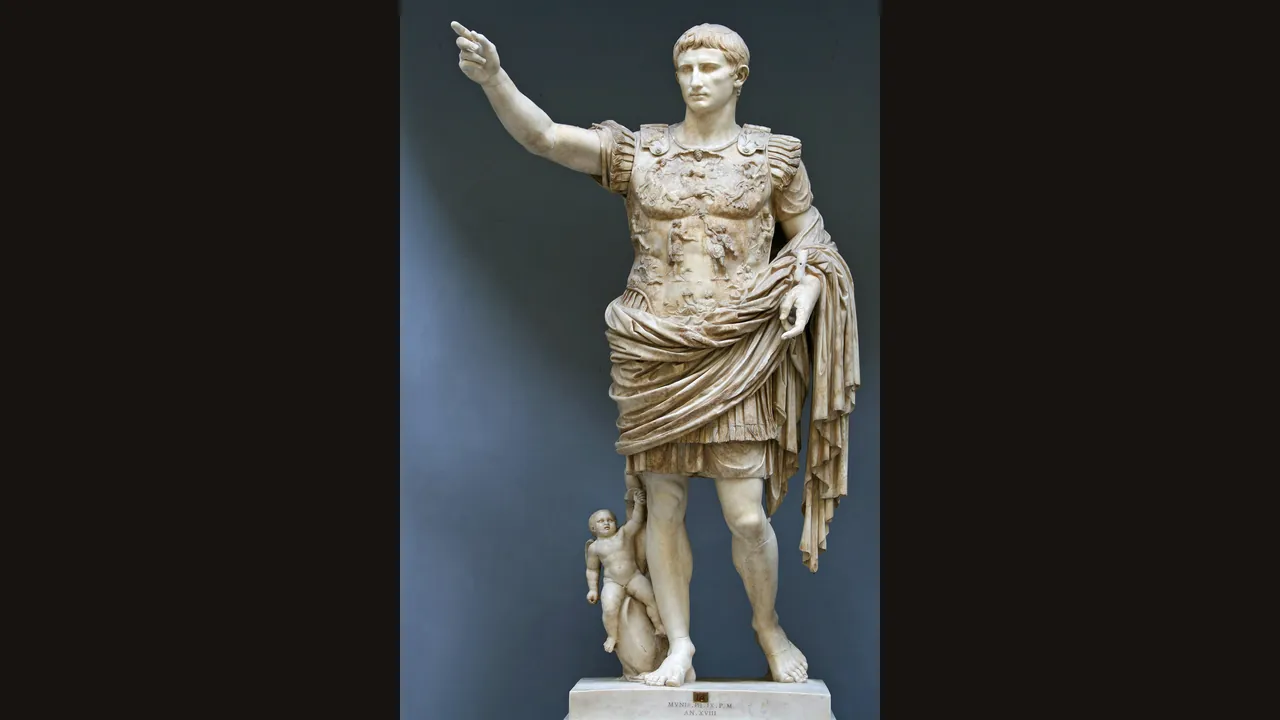 Ruler · Classical antiquity · Roman Empire · ItalyAugustus63 BC–14 ADFirst emperor of Rome, ruling from 27 BC to 14 AD, born Gaius Octavius in 63 BC. He defeated Mark Antony and Cleopatra at Actium in 31 BC and then rebuilt the Roman state around himself while keeping republican names. His reign began the Pax Romana, two centuries of relative peace.
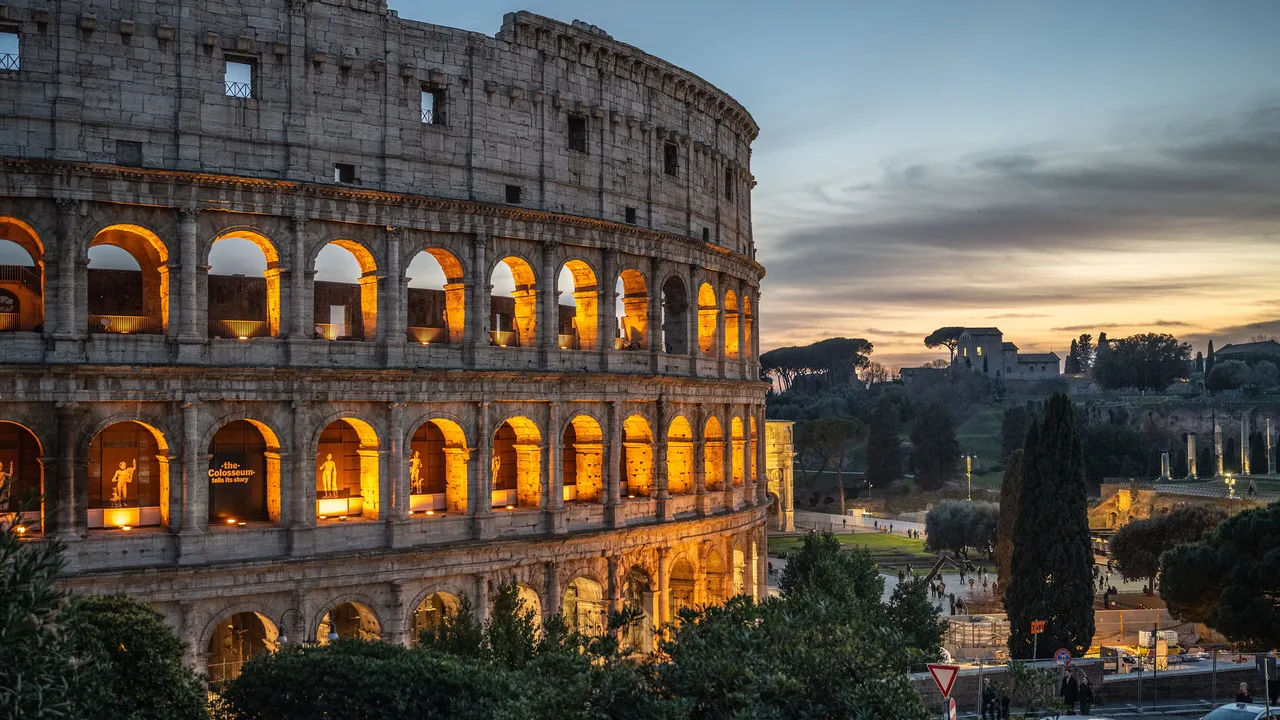 Civilization · Classical antiquity · Roman EmpireRoman Empire27 BCE–476 CEThe Roman Empire ruled the Mediterranean world for five centuries. At its height under Trajan it stretched from Britain to Egypt. The western half fell in 476 CE; the eastern half lived on as Byzantium.
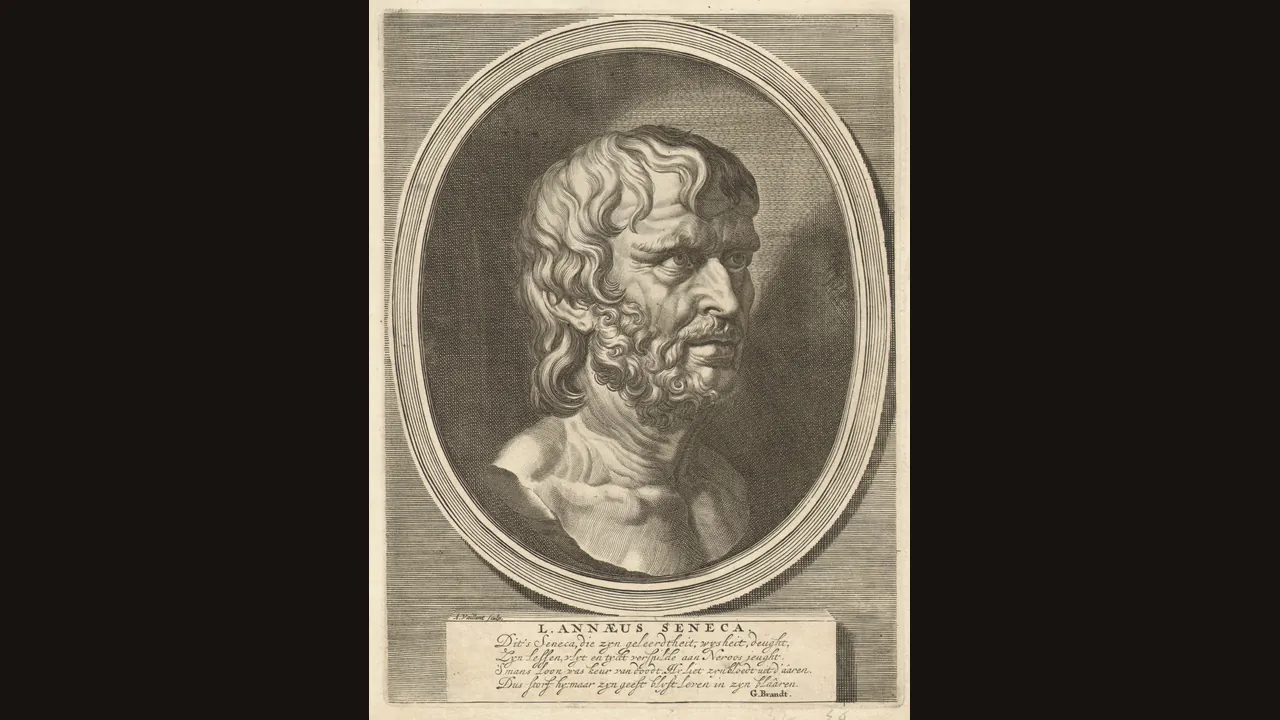 Philosopher · Classical antiquity · Roman Empire · SpainSenecac. 4 BC–65 ADRoman Stoic born at Cordoba in Spain who became tutor and then chief minister to the emperor Nero. His Letters to Lucilius are the most readable Stoic text from antiquity. Accused of plotting against Nero, he was ordered to take his own life in 65 AD.
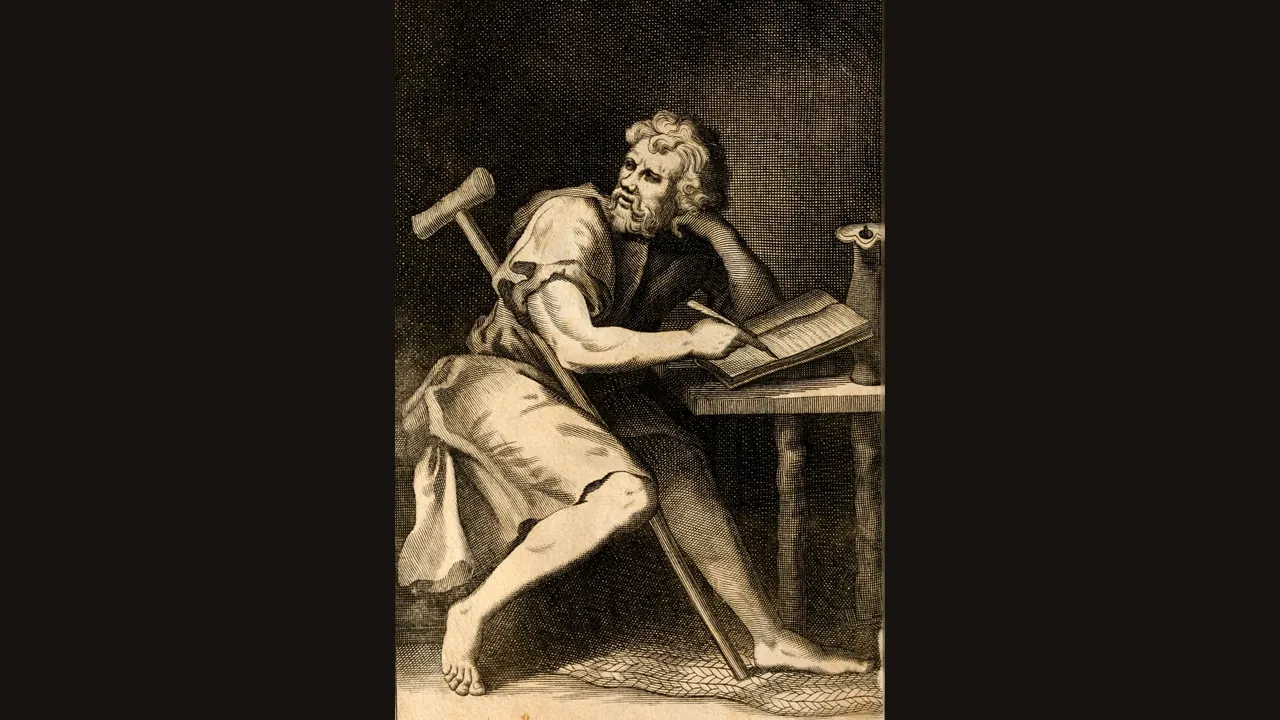 Philosopher · Classical antiquity · Roman Empire · TurkeyEpictetusc. 50–c. 135Stoic teacher born a slave at Hierapolis, in modern Turkey, who won his freedom and taught at Nicopolis in Greece. His pupil Arrian wrote down his talks as the Discourses and the handbook Enchiridion. He lived about 50 to 135.
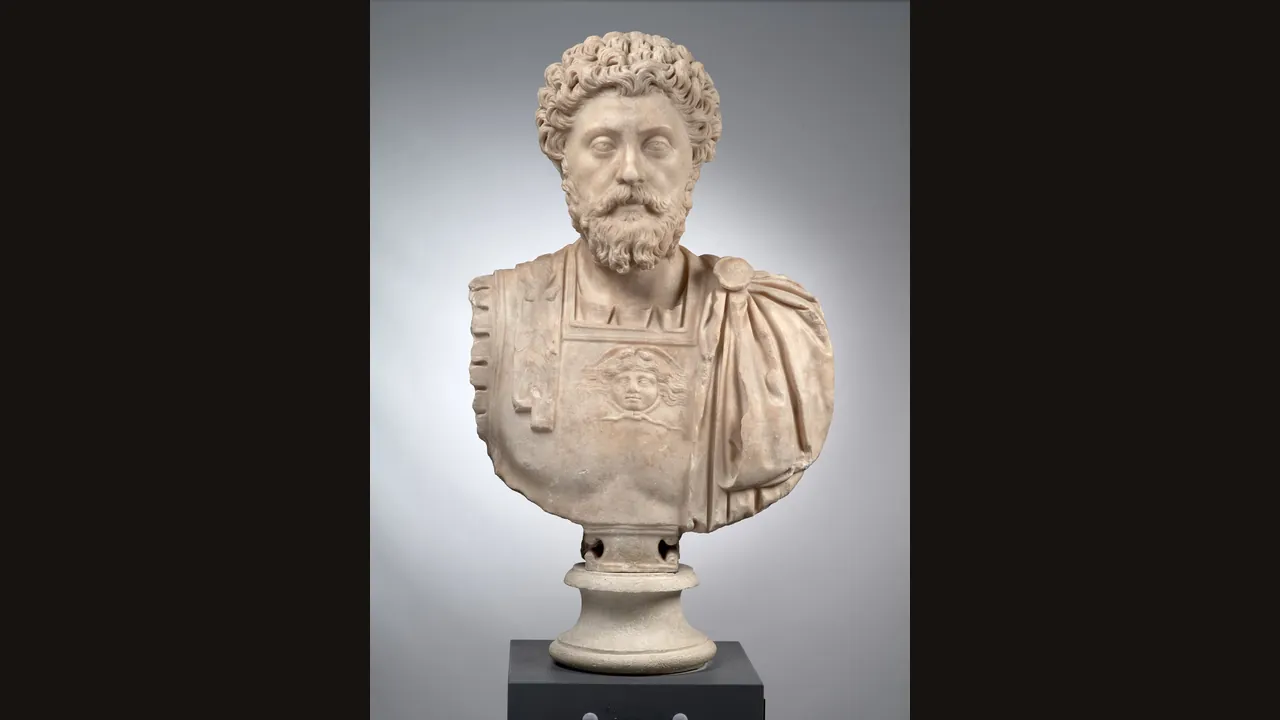 Philosopher · Classical antiquity · Roman Empire · ItalyMarcus Aurelius121–180Roman emperor from 161 to 180 who wrote the Meditations, a private notebook of Stoic exercises, in Greek on campaign along the Danube. He lived 121 to 180. The book was never meant for publication.
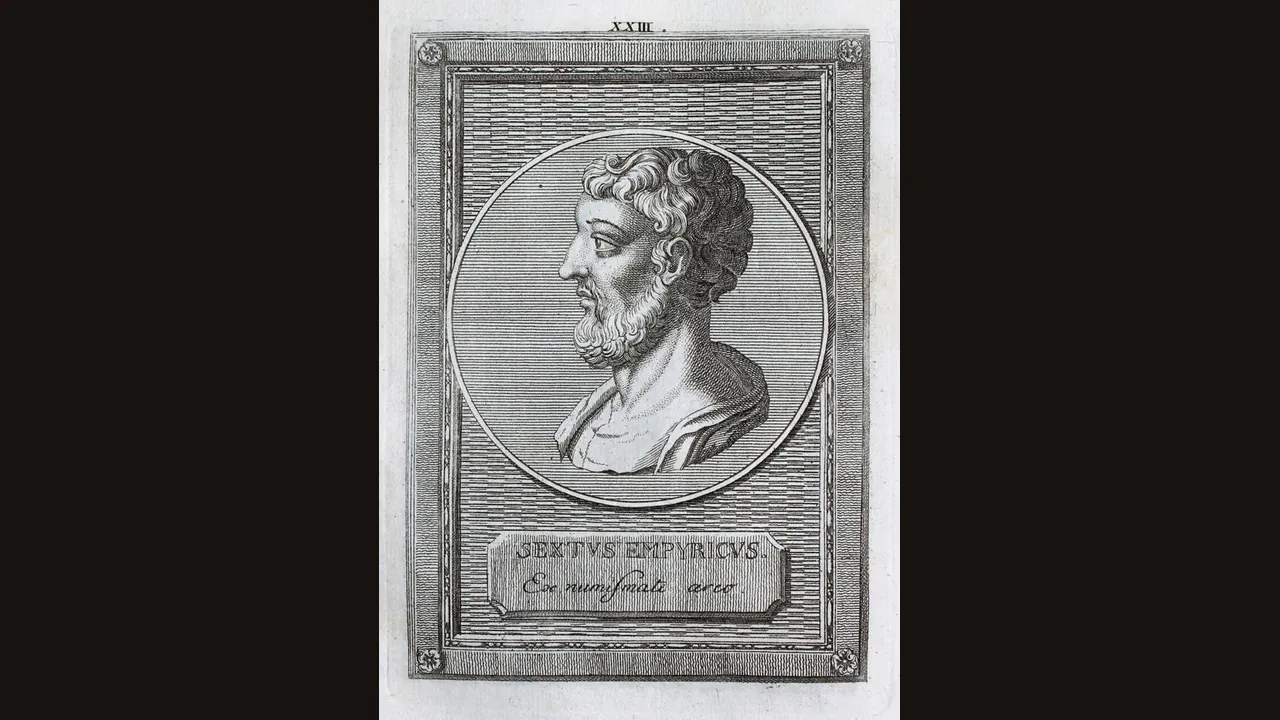 Philosopher · Classical antiquity · Roman Empire · EgyptSextus Empiricusc. 160–c. 210Greek physician and skeptic who lived at Alexandria and Athens around 160 to 210. His Outlines of Pyrrhonism is the fullest surviving account of ancient skepticism. His birthplace is unknown.
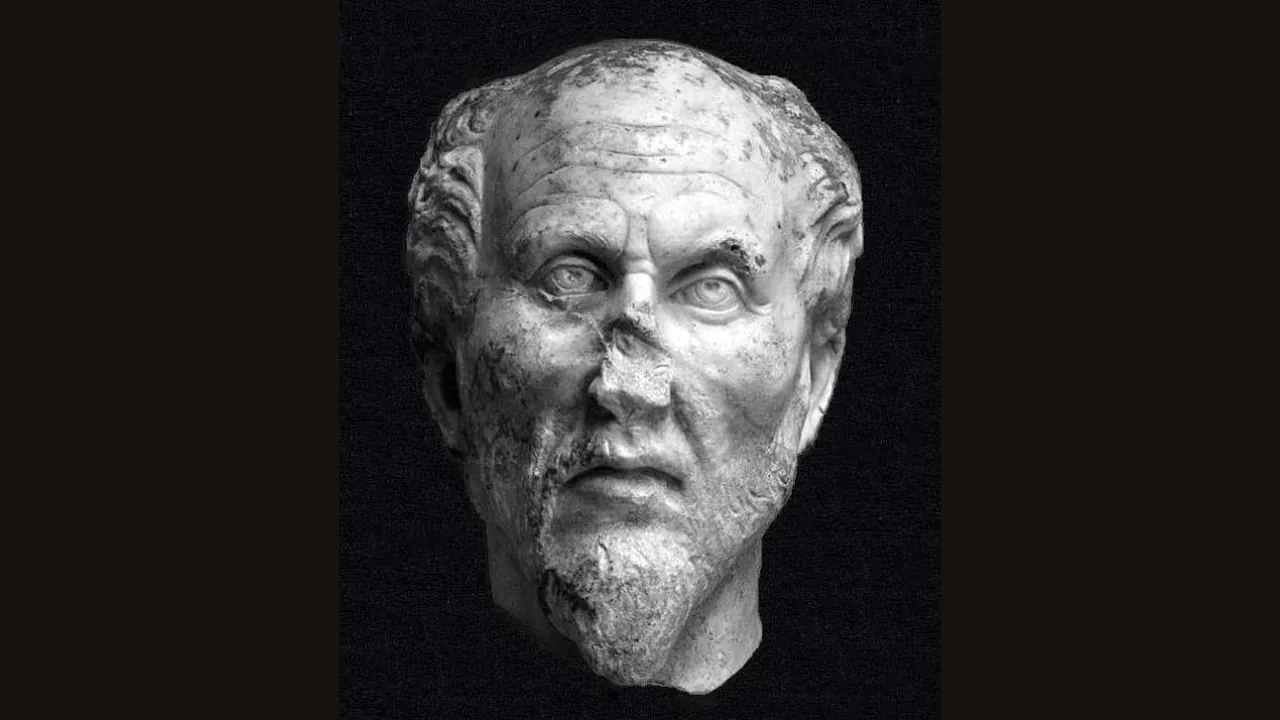 Philosopher · Classical antiquity · Roman Empire · EgyptPlotinusc. 204–270Founder of Neoplatonism, born probably at Lycopolis in Egypt, who taught at Rome from 244 until his death. His pupil Porphyry edited his writings as the Enneads. He lived about 204 to 270.
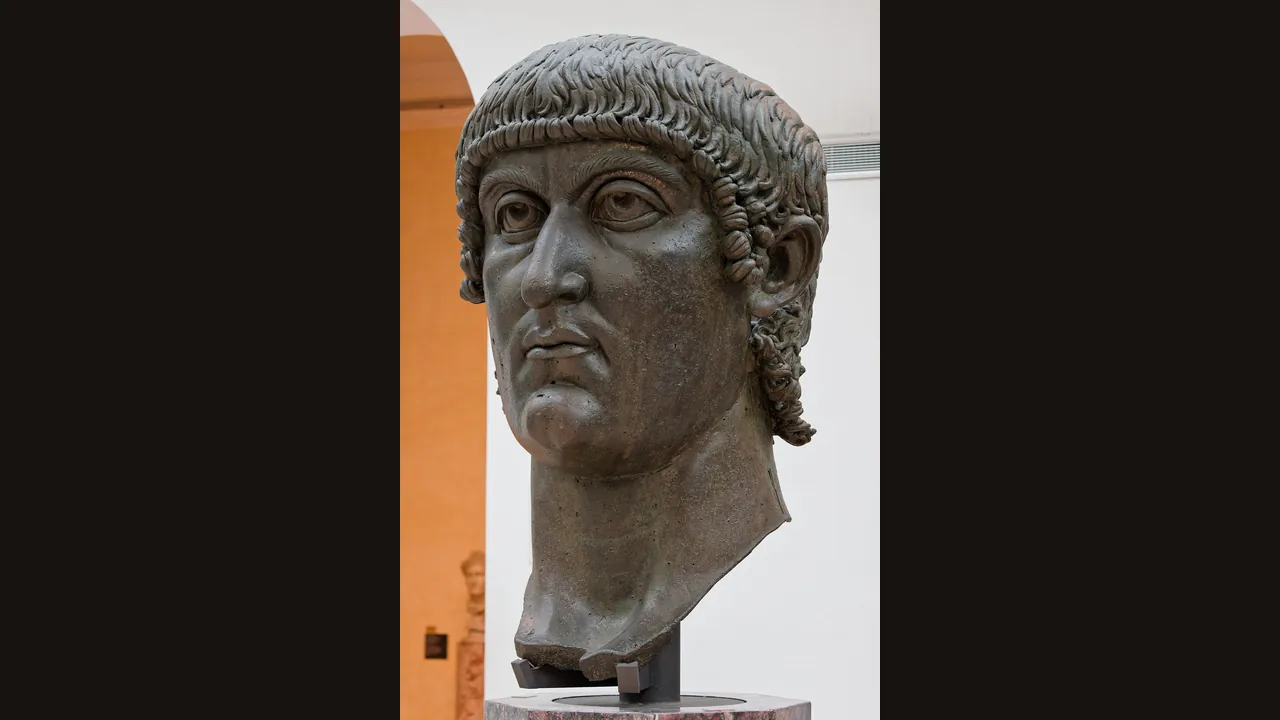 Ruler · Classical antiquity · Roman Empire · TurkeyConstantine the Greatr. 306–337Roman emperor from 306 to 337, who reunited the empire and moved its center east. He legalized Christianity with the Edict of Milan in 313 and founded Constantinople as a new capital in 330. The Council of Nicaea in 325, called by him, defined Christian orthodoxy for centuries.
Essays and articles
Films
Born in Athens, formed by Rome, baptized in Christendom
Speeches · 2026-10-07
At the foot of the Parthenon, Marco Rubio presents American power not as an accident of history, but as the direct heir to a vast, enduring Western tradition.
He details how the architects of the Parthenon inspired European cathedrals in Milan, Cologne, and Florence, while classical sculpture and natural philosophy expanded through Michelangelo, Copernicus, Galileo, Kepler, and Isaac Newton. This same exploratory hunger drove the global expeditions of Magellan and Columbus, reaching its height with Apollo 11’s moon landing. Meanwhile, Alexander the Great's ambition echoed through Julius Caesar, Charlemagne, and Cortés.
In North America, this heritage merged with the frontier spirit, transforming an Atlantic coastal republic into a vast continental empire. Rubio concludes that American civilization represents a direct historical continuum: born in Athens, formed by Rome, baptized in Christendom, hardened in medieval Europe, and endowed with English liberty across the Atlantic.
The Capitol Holdout and Camillus
Events · 2026-10-09
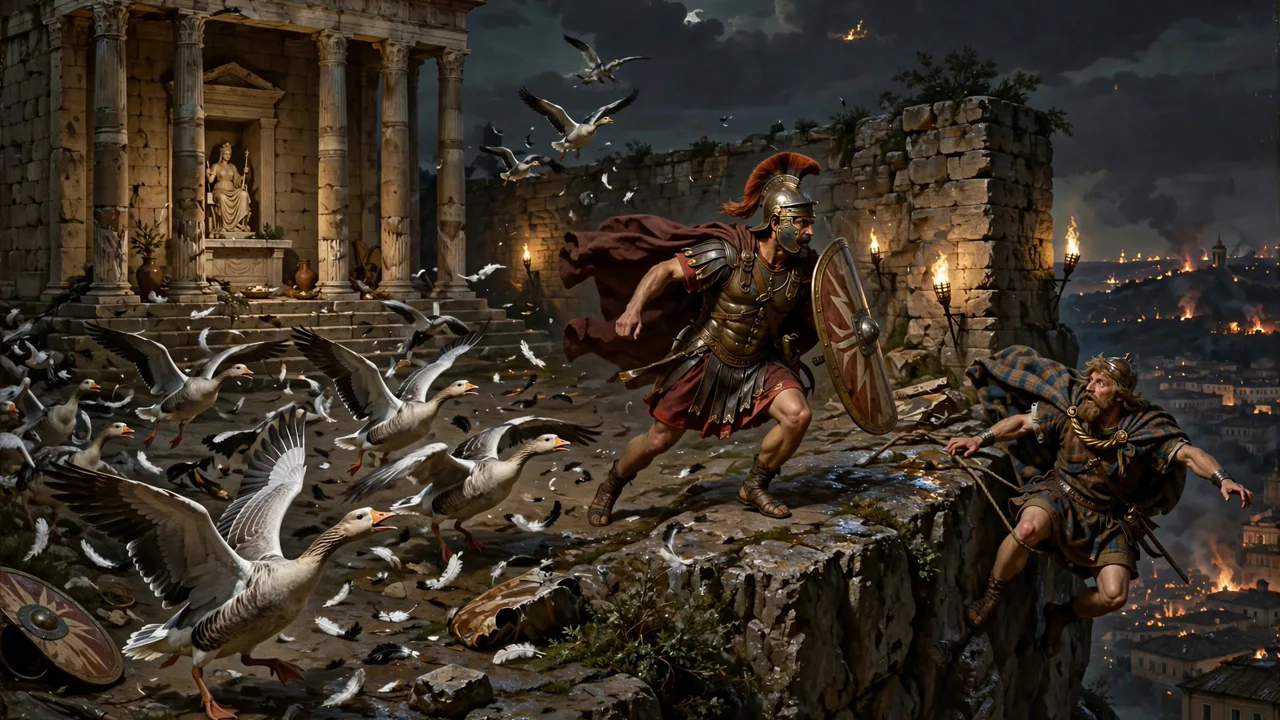
In 390 BC the Gauls sacked Rome and besieged the last defenders on the Capitoline Hill, until hunger forced the Romans to agree to a ransom of a thousand pounds of gold.
Marcus Furius Camillus arrived as the gold was weighed, swept it aside, and drove the Gauls out: Rome pays with iron, not gold. Then he talked Rome out of abandoning the ruined city for Veii, and earned the name of Rome's second founder.
Timeline
- Roman Republic509–27 BCE
- Cicero106–43 BC
- Julius Caesar100–44 BC
- Augustus63 BC–14 AD
- Roman Empire27 BCE–476 CE
- Senecac. 4 BC–65 AD
- Epictetusc. 50–c. 135
- Marcus Aurelius121–180
- Sextus Empiricusc. 160–c. 210
- Plotinusc. 204–270
- Constantine the Greatr. 306–337