Skip to content
Keep the Tale
HomeWorld MapPoliticsVideosEPUB booksReadingArticlesAbout me
Sections
HomeWorld MapPoliticsVideosAmazon EPUB booksRecommended readingArticles and polemicsAbout me / Donate to my work
  • News
  • History
  • Philosophy
  • Economics
  • Articles and polemics
  • Eras
  • Events
  • Rulers
  • Philosophers
  • Countries
  • World Map
  • Civilizations
  • Videos
  • Recommended reading
  • Amazon EPUB books
  • About me / Donate to my work
  • Subscribe
  • Comments and suggestions
  • News
  • History
  • Philosophy
  • Economics
  • Articles and polemics
  • Eras
  • Events
  • Rulers
  • Philosophers
  • Countries
  • World Map
  • Civilizations
  • Videos
  • Recommended reading
  • Amazon EPUB books
  • About me / Donate to my work
  • Subscribe
  • Comments and suggestions
Home/Explore by year/337 BCE

Explore by year

337 BCE

This year falls in the Classical antiquity (c. 500 BCE–500 CE). Large empires rule much of Eurasia, among them Persia, the Maurya and Gupta states of India, Han China and Rome. Classical Greece, the spread of Buddhism and the rise of Christianity belong to this era, which ends as the western Roman Empire falls in the fifth century CE.
← 338 BCE336 BCE →

Within fifteen years

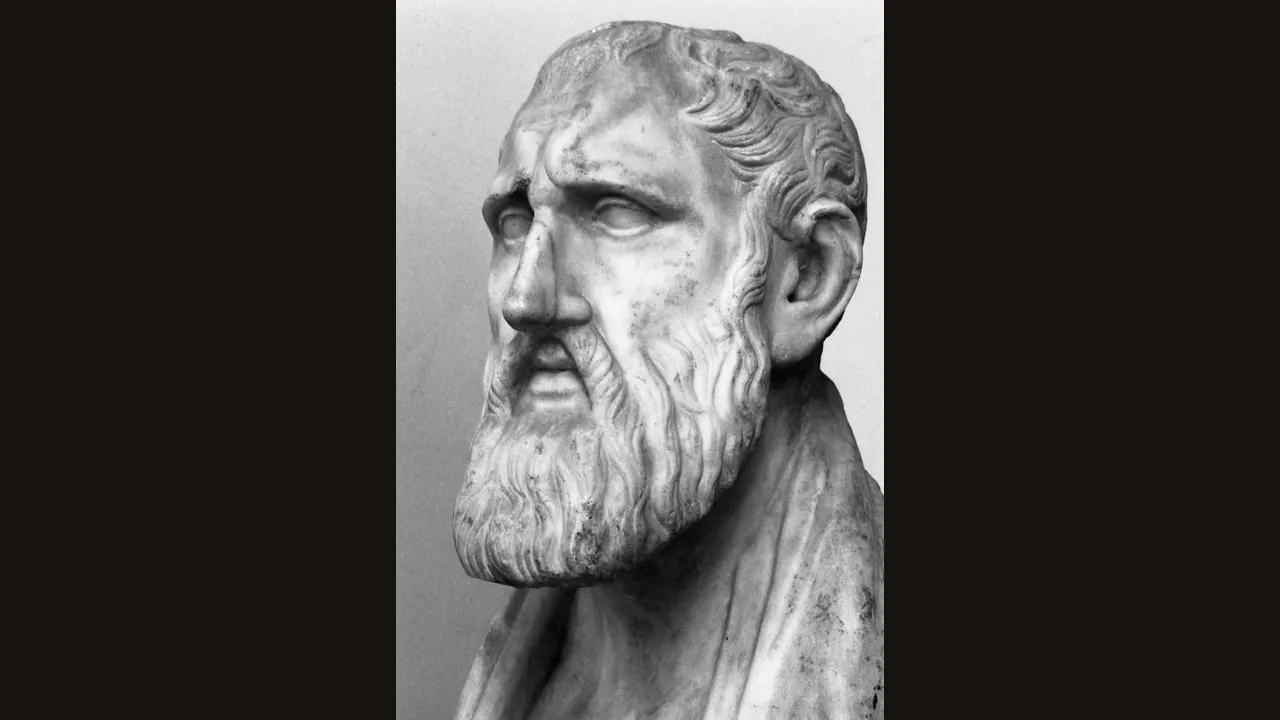
Philosopher · Classical antiquity · CyprusZeno of Citiumc. 334–c. 262 BCPhoenician Greek from Citium in Cyprus who founded Stoicism, teaching in the Painted Stoa at Athens. He taught that virtue is the only good and all else is indifferent. He lived about 334 to 262 BC, and none of his books survive.
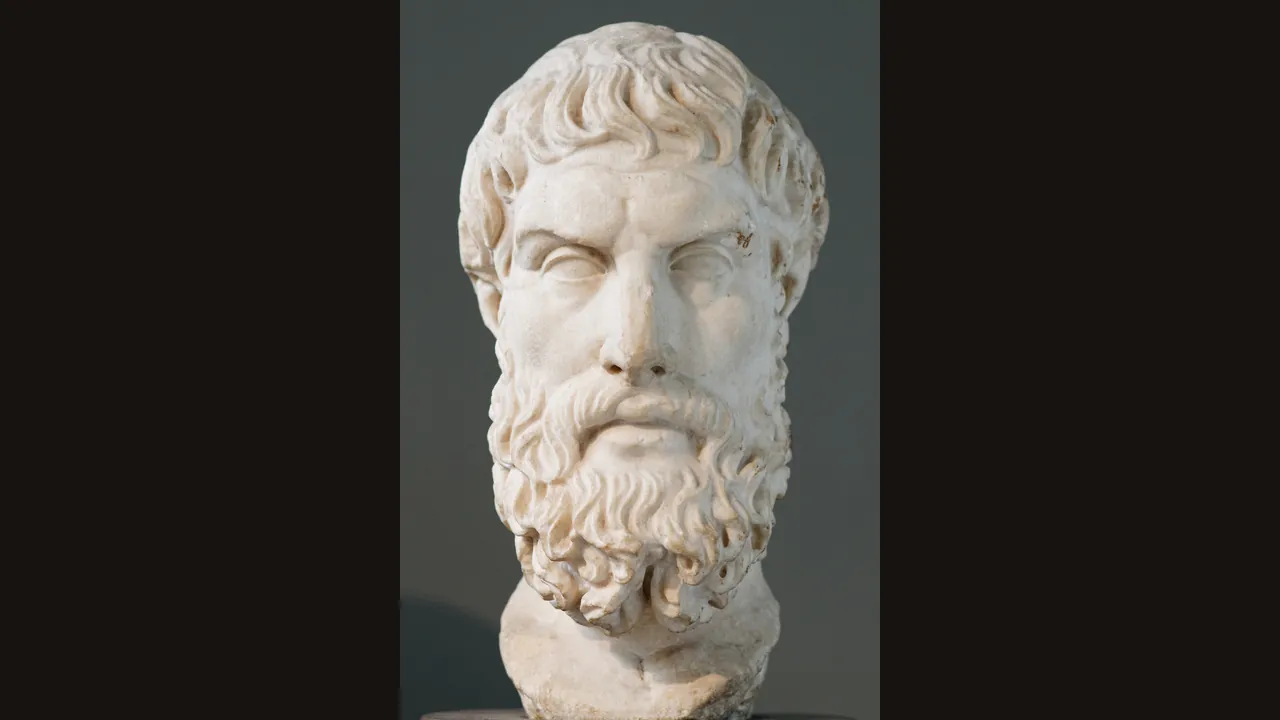
Philosopher · Classical antiquity · GreeceEpicurus341–270 BCGreek philosopher born on Samos who founded the Garden school at Athens in 306 BC. He taught that pleasure, understood as the absence of pain and disturbance, is the goal of life. He lived 341 to 270 BC, and his school lasted centuries.
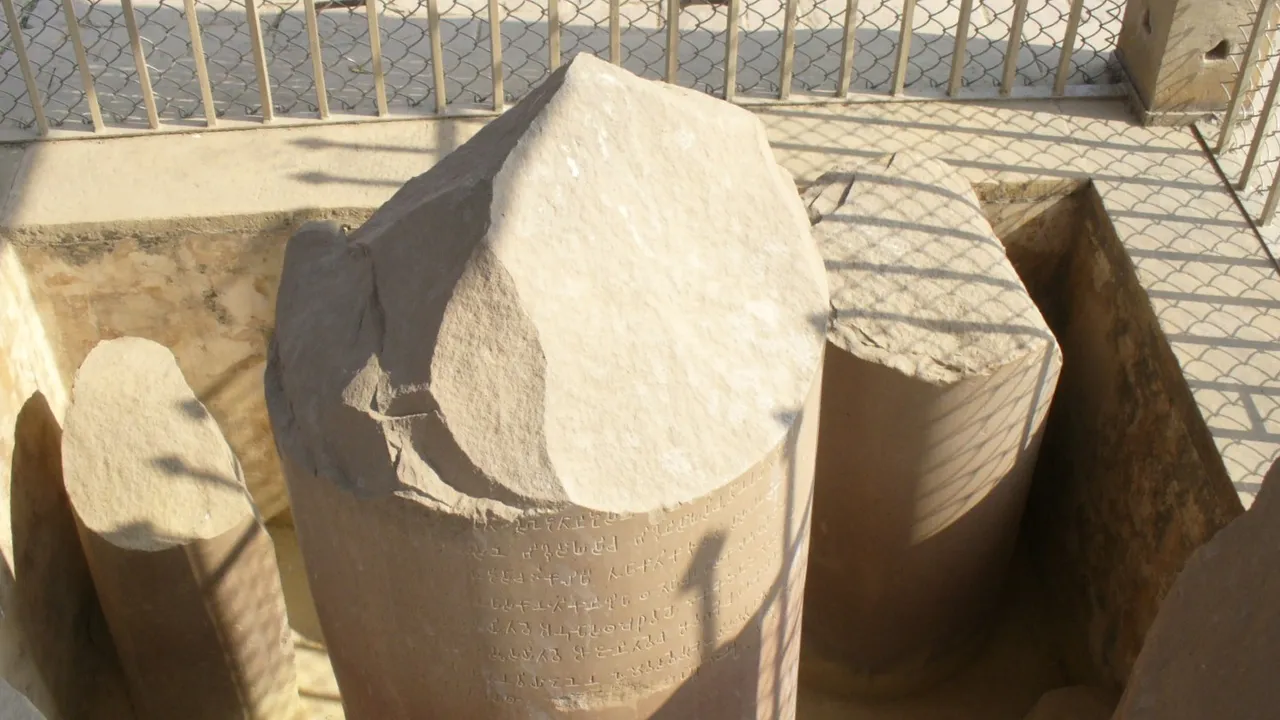
Civilization · Classical antiquity · Mauryan EmpireMauryan Empirec. 322–185 BCEThe Mauryan Empire was the first to unite nearly all of India. Chandragupta founded it as Alexander's empire crumbled. His grandson Ashoka, after a bloody conquest, embraced Buddhism and ruled by moral law.
Keep the Tale

A record of tales through the annals of time.

World Map About me / Donate Comments and suggestions [email protected]@jeffb198712
© 2026 keepthetale.comFeed