Skip to content
Keep the Tale
HomeWorld MapPoliticsVideosEPUB booksReadingArticlesAbout me
Sections
HomeWorld MapPoliticsVideosAmazon EPUB booksRecommended readingArticles and polemicsAbout me / Donate to my work
  • News
  • History
  • Philosophy
  • Economics
  • Articles and polemics
  • Eras
  • Events
  • Rulers
  • Philosophers
  • Countries
  • World Map
  • Civilizations
  • Videos
  • Recommended reading
  • Amazon EPUB books
  • About me / Donate to my work
  • Subscribe
  • Comments and suggestions
  • News
  • History
  • Philosophy
  • Economics
  • Articles and polemics
  • Eras
  • Events
  • Rulers
  • Philosophers
  • Countries
  • World Map
  • Civilizations
  • Videos
  • Recommended reading
  • Amazon EPUB books
  • About me / Donate to my work
  • Subscribe
  • Comments and suggestions
Home/Explore by year/1728 CE

Explore by year

1728 CE

This year falls in the Early modern period (c. 1500–1800). European ships link the Americas, Africa, Europe and Asia into one trading world, and the conquest of the Americas and the Atlantic slave trade follow. Large land empires, among them the Ottoman, Safavid, Mughal and Qing, rule much of Asia, while printing and the Scientific Revolution change how knowledge spreads in Europe.

← 1727 CE1729 CE →

Within fifteen years

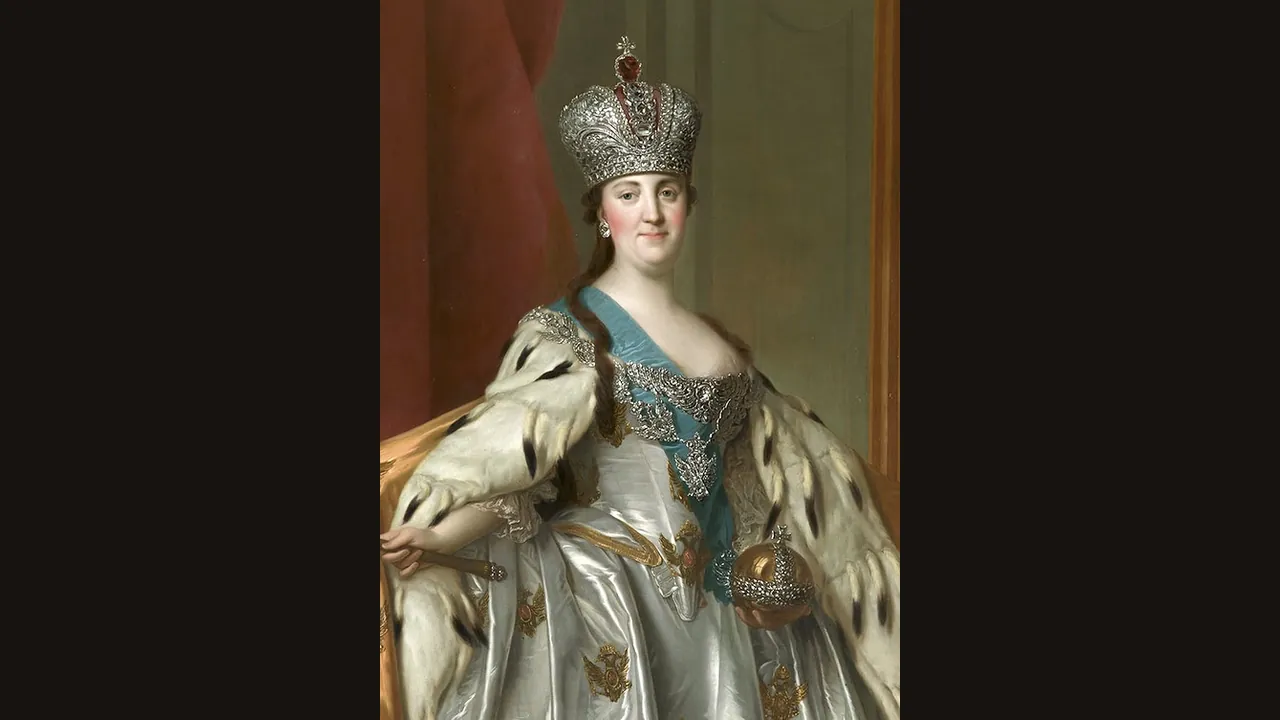
Ruler · Early modern period · RussiaCatherine the Great1729–1796Empress of Russia from 1762 to 1796, born Sophie of Anhalt Zerbst in 1729, a German princess who seized the Russian throne from her husband. She extended Russia to the Black Sea, annexed Crimea in 1783, and joined the partitions of Poland. A correspondent of Voltaire, she patronized the arts while ruling as an autocrat.
Philosopher · Early modern period · GermanyImmanuel Kant1724–1804Königsberg philosopher whose Critiques reshaped epistemology and ethics. He rarely left East Prussia. Categorical imperative, autonomy of reason, and limits of knowledge are the claims recorded here.
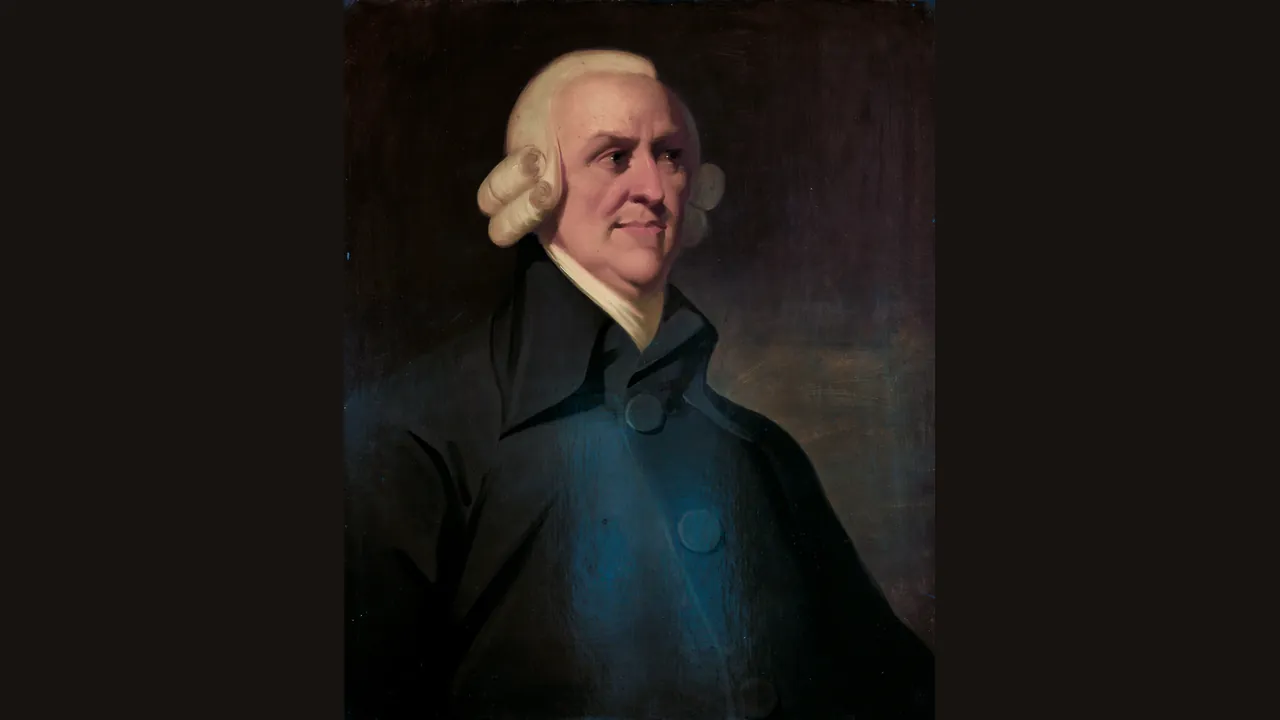
Philosopher · Early modern period · ScotlandAdam Smith1723–1790Scottish moral philosopher whose Theory of Moral Sentiments grounded ethics in sympathy, and whose Wealth of Nations of 1776 founded modern economics on the division of labor and free markets. He lived 1723 to 1790 and taught at Glasgow.
Keep the Tale

A record of tales through the annals of time.

World Map About me / Donate Comments and suggestions [email protected]@jeffb198712
© 2026 keepthetale.comFeed