Skip to content
Keep the Tale
HomeWorld MapPoliticsVideosEPUB booksReadingArticlesAbout me
Sections
HomeWorld MapPoliticsVideosAmazon EPUB booksRecommended readingArticles and polemicsAbout me / Donate to my work
  • News
  • History
  • Philosophy
  • Economics
  • Articles and polemics
  • Eras
  • Events
  • Rulers
  • Philosophers
  • Countries
  • World Map
  • Civilizations
  • Videos
  • Recommended reading
  • Amazon EPUB books
  • About me / Donate to my work
  • Subscribe
  • Comments and suggestions
  • News
  • History
  • Philosophy
  • Economics
  • Articles and polemics
  • Eras
  • Events
  • Rulers
  • Philosophers
  • Countries
  • World Map
  • Civilizations
  • Videos
  • Recommended reading
  • Amazon EPUB books
  • About me / Donate to my work
  • Subscribe
  • Comments and suggestions
Home/Explore by year/254 BCE

Explore by year

254 BCE

This year falls in the Classical antiquity (c. 500 BCE–500 CE). Large empires rule much of Eurasia, among them Persia, the Maurya and Gupta states of India, Han China and Rome. Classical Greece, the spread of Buddhism and the rise of Christianity belong to this era, which ends as the western Roman Empire falls in the fifth century CE.
← 255 BCE253 BCE →

Within fifteen years

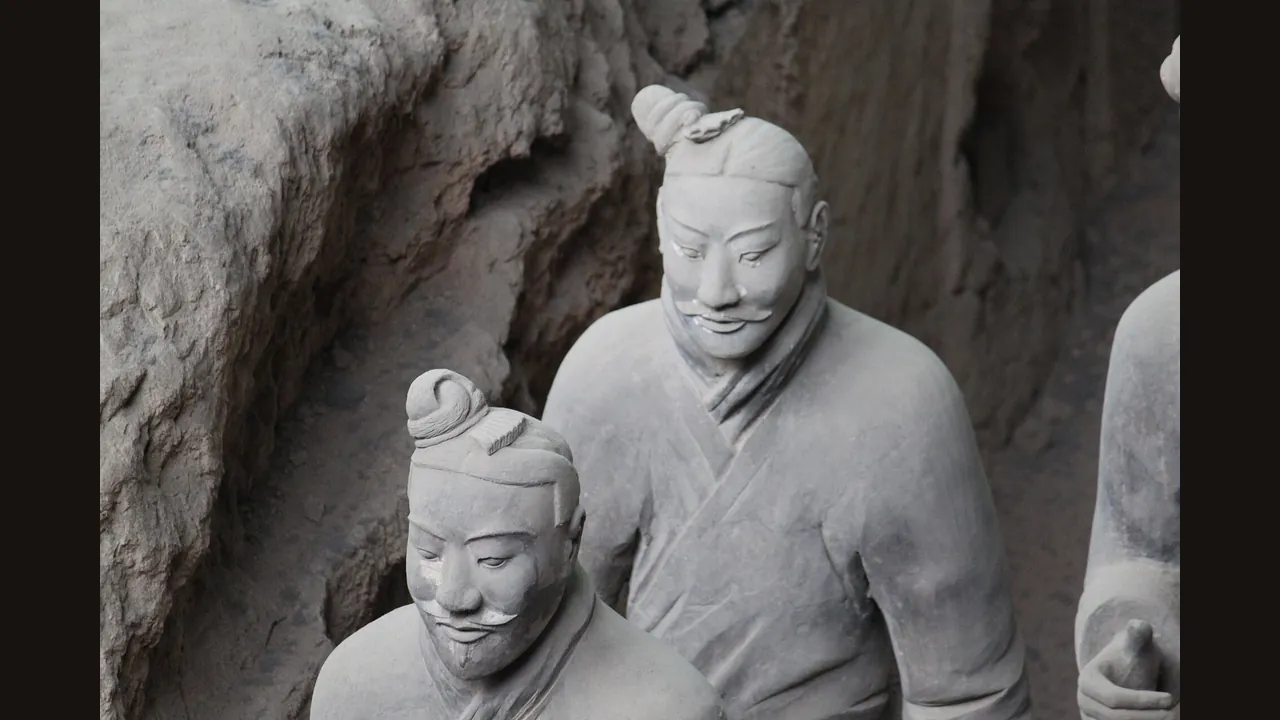
Ruler · Classical antiquity · ChinaQin Shi Huang259–210 BCFirst emperor of a unified China, reigning as emperor from 221 to 210 BC, born Ying Zheng in 259 BC. As king of Qin he conquered the other warring states one by one. He standardized weights, measures, coinage and writing across China and joined frontier walls into the first Great Wall.
Civilization · Classical antiquity · Parthian EmpireParthian Empire247 BCE–224 CEThe Parthian Empire ruled Persia and Mesopotamia for nearly five centuries between the Greeks and the Sassanians. Its horse archers humiliated Rome at Carrhae. It fell to the Sassanian revolt in 224 CE.
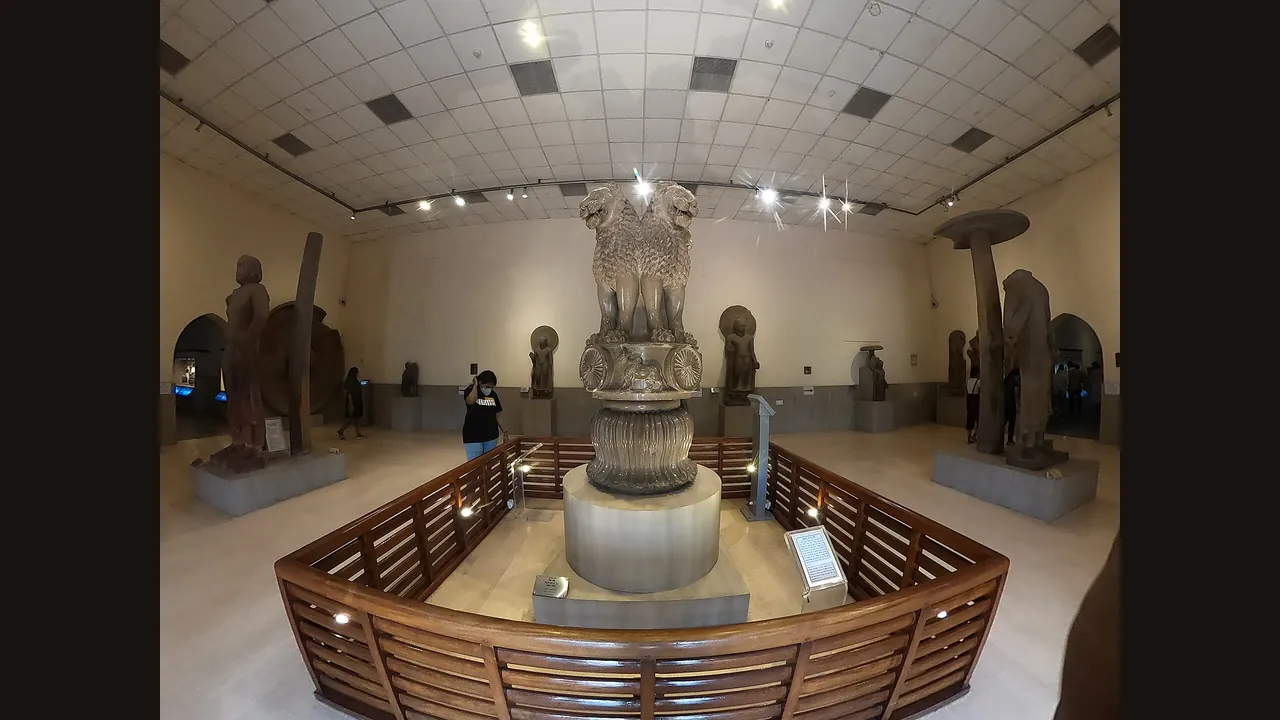
Ruler · Classical antiquity · IndiaAshokar. c. 268–c. 232 BCEmperor of the Maurya Empire from about 268 to 232 BC, who ruled nearly the whole Indian subcontinent. After the bloody conquest of Kalinga he turned to Buddhism and had his edicts of tolerance and moral rule carved on pillars and rocks across India. His lion capital is the emblem of modern India.
Keep the Tale

A record of tales through the annals of time.

World Map About me / Donate Comments and suggestions [email protected]@jeffb198712
© 2026 keepthetale.comFeed