
Then and Now · W8
Olympia
The French expedition of the 1830s drew Olympia as farmers knew it: a plain with ruins half buried by the river. The sanctuary of Zeus, home of the Olympic Games for over a thousand years, lay under metres of silt.
Then: The buried site before excavation; the ancient AltisHistorical imageFamily viewing: Yes
 ThenNow
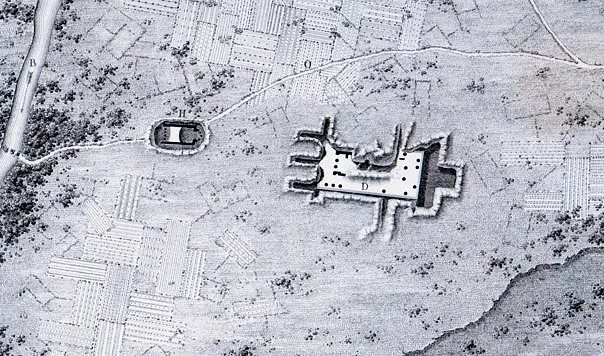
Then. The buried site before excavation; the ancient Altis. This is a real historical image of the place.
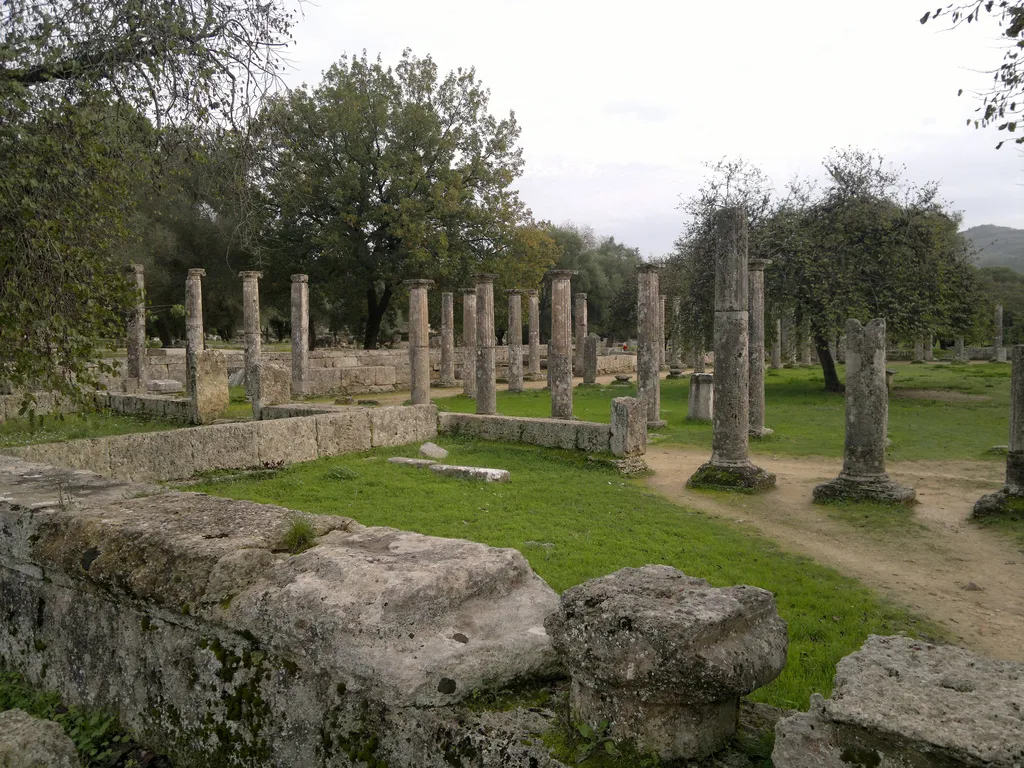
Now. A real photograph of the place as it stands.
Did you know? The Olympic flame's torch relay is not ancient. It was invented for the Berlin Games of 1936.
Then and now
Olympia was a sanctuary before it was a stadium: the Altis, the sacred grove of Zeus, with the great temple holding Phidias' gold and ivory statue, one of the wonders of the world. The games ran here from 776 BC into the Christian centuries.
Earthquakes and the flooding Alpheus and Kladeos buried the site in metres of silt, which preserved it. German excavation from 1875 brought the temples, the stadium and the workshop of Phidias back into the light. The photograph shows the excavated Altis as visitors walk it now.
What changed. River floods buried the sanctuary in metres of silt; it has been excavated since 1875.
The record, not the myth
The torch relay is modern (1936), not an ancient rite.