
Saturday 31 October 2026
Iran's supreme leader orders his commanders to answer any new attack immediately, with no geographic limits, as another tanker burns in Hormuz
Iran's Supreme Leader Mojtaba Khamenei met his three top military commanders on Saturday and ordered any threat, of any kind and at any level, met with an immediate and effective response with no geographical limitation, his office said. He also ordered Iran's target list updated so American and Israeli physical and non-physical assets sit within reach of Iranian forces, and said Iran would decide when any new fighting ends. The same day, Iran's navy said another tanker had caught fire in the Strait of Hormuz after striking mines, and Secretary of State Marco Rubio said President Trump has not decided whether to restart attacks on Iran.
The meeting itself was part of the message. On Saturday, Mojtaba Khamenei sat down with Armed Forces Chief of Staff Ali Abdollahi, army commander Amir Hatami and Revolutionary Guards commander Ahmad Vahidi, in what Axios reported was the first publicly announced meeting between the supreme leader and all of his senior commanders since the war began in February. The commanders briefed him on readiness along the Gulf coast, around the Strait of Hormuz and the Gulf of Oman, and on the northwestern and southeastern borders.
The orders Khamenei issued, carried by Iran's IRNA news agency from a statement by his office, were written to be quoted back. Any level or type of threat must be met with an immediate, impactful and geographically unrestricted response. Iran's commanders are to keep the military's target list updated comprehensively, so that physical and non-physical assets of the United States and Israel are within reach. And if Iran's enemies resume military or terrorist attacks, Khamenei said, it will be Iran's armed forces and the Iranian nation who determine when and under what conditions those attacks end. He called the posture maximum deterrence.
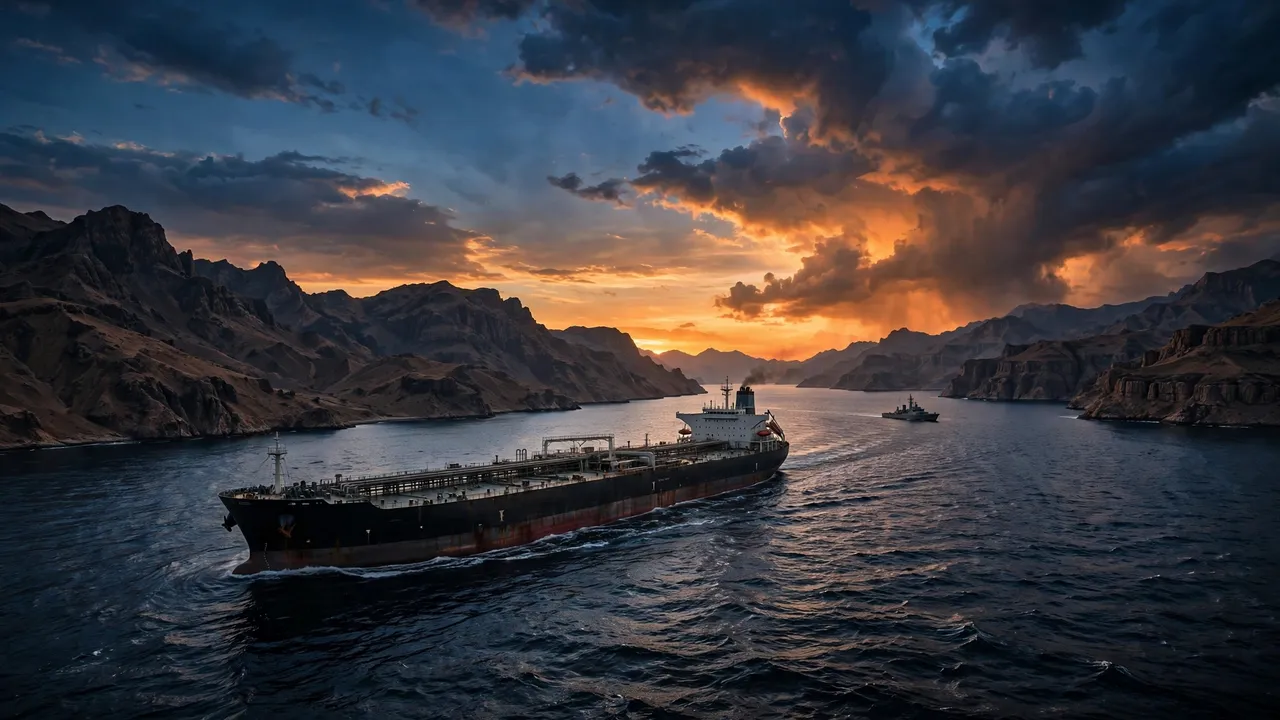
The words landed in a week when the waterway at the center of the war caught fire again. Iran's navy said on Saturday that another tanker had caught fire in the Strait of Hormuz after striking mines while sailing in a prohibited area east of the strait. The Revolutionary Guards said on Friday that four tankers in total had hit mines and caught fire in recent days, as of October 31, including one carrying more than 2 million barrels of crude. The United States, which is blockading Iranian ports, says the main shipping routes through the strait remain clear. Inside Iran's leadership, the argument has widened past tactics. Security official Mohsen Rezaei told state television that officials are debating whether to keep Iran's longstanding ban on nuclear weapons if fighting resumes, and an army spokesman warned President Trump directly that Iran would retaliate heavily against any future American attack.
Washington has not answered with a decision. American and Israeli strikes on Iran have been paused since September 1. The Wall Street Journal reported this week, citing people briefed on the conversations, that American officials have told Gulf states to prepare for a short, intense campaign after Tuesday's midterm elections, and the top American commander in the Middle East briefed Trump at the White House on his options. Rubio, speaking on Saturday at the close of the G20 foreign ministers meeting in Atlanta, said Trump has not yet reached a decision on restarting attacks. Gulf governments, which took Iranian fire earlier this year, have urged Washington not to restart the war, ABC News reported. The diplomacy is moving at the same time. Iranian negotiators were in Doha on Saturday with Qatari mediators, and Iranian officials said committees in Tehran are reviewing a general proposal from Vice President JD Vance while insisting on a complete ceasefire before any negotiations begin. Khamenei's statement reads the way deterrence statements usually read, as a warning meant to keep a war from restarting. It also tells any planner in Washington, in plain terms, what Tehran says the next round would look like: wider than the last one, and finished on Iran's schedule, not America's.
Spotted an error in this story? Email [email protected] and it will be checked against the sources.