
Friday 13 November 2026
Iran's Guards say they hit an American radar in Bahrain, and an LNG tanker strikes a mine in Hormuz
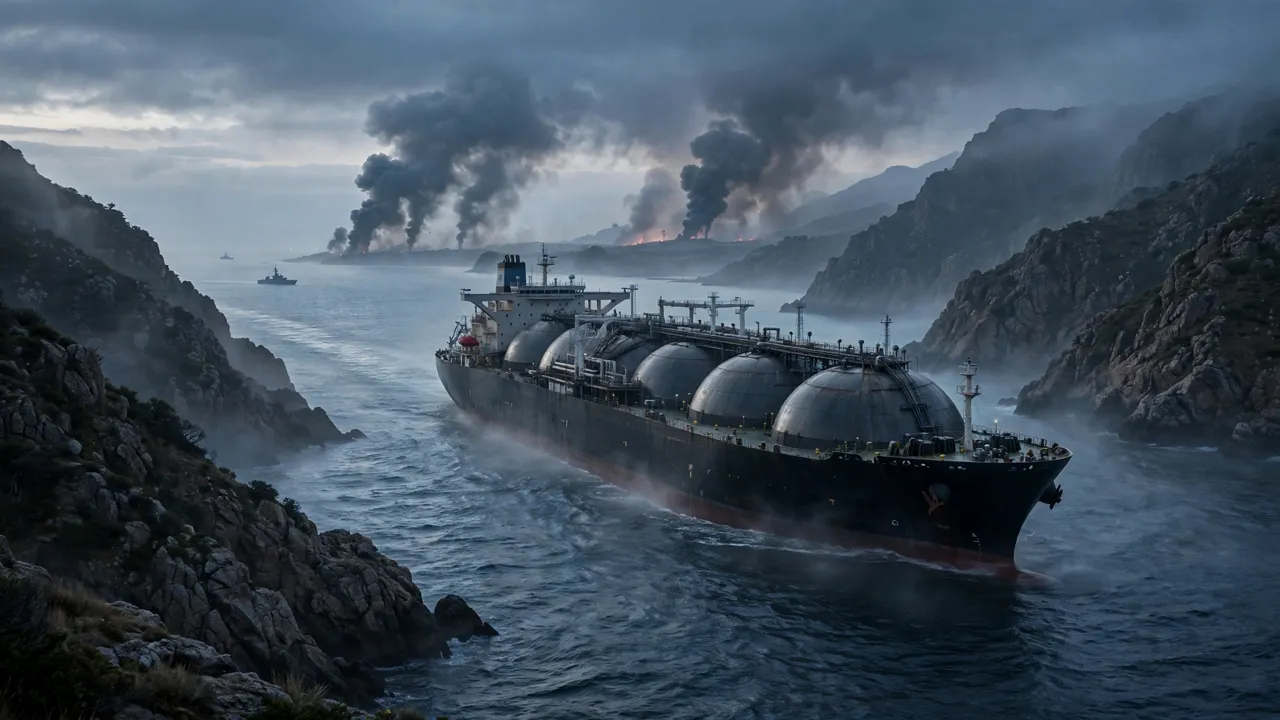
Iran's Revolutionary Guards said on Friday, November 13, that they targeted an American early warning radar in Bahrain, the first claim of an attack on American military assets in a Gulf country since early September, Reuters reported. The Guards navy separately said a tanker carrying liquefied natural gas struck a naval mine and exploded in the Strait of Hormuz on Friday while using what it called an unauthorised and dangerous route. No details of the tanker were given, and neither the United States nor Bahrain had commented on the radar claim, as of November 13.
The Guards said the radar strike answered an air attack on a telecommunications tower in Sirik county, in Hormozgan province in southern Iran, according to Iranian state media. Reuters described the claim as the first of its kind against American military assets in a Gulf country since early September. There was no immediate comment from the United States or from Bahrain.
The tanker claim came from the Guards navy, which said the ship hit a mine in the strait on Friday, November 13. Iranian media reported on Thursday that four oil tankers were hit by explosions in the waterway, and Tehran said the vessels had ignored warnings and entered areas it treats as restricted. At least 10 ships were hit in the first 10 days of November, after 37 attacks in October, the highest monthly count since the war began in late February, according to figures from the Washington Institute for Near East Policy cited by Reuters.
The war began on February 28 with American and Israeli strikes on Iran. Iran answered with missile and drone attacks on American bases in Gulf states and moved to restrict shipping through Hormuz, the route for a large share of the world's oil and gas. An American naval blockade of Iranian ports remains in place.
Tehran hardened its position on other fronts on Thursday. The Assembly of Experts, the clerical body that oversees the supreme leader, said considering withdrawal from the Nuclear Nonproliferation Treaty is an unavoidable necessity, according to state television reported by the Associated Press. Parliament speaker Mohammad Bagher Ghalibaf said the next move on peace talks sits with Washington.
President Trump said on Thursday that Gulf states including Saudi Arabia, the United Arab Emirates, Qatar and Kuwait had asked him to hold off on large attacks against Iran, and that he was not sure he agreed. American and Bahraini officials had not confirmed the radar claim or described any damage by Friday morning, as of November 13.
Update. CNN reported on Friday that the drone launch toward Bahrain was Iran's first attempt to strike an American military facility in a Gulf state in more than two months. Tehran had spent the weeks since early September going after shipping in the Strait of Hormuz instead. Lloyd's List figures published on Friday counted 37 vessel attacks in October, the highest monthly total of the war, and at least 14 confirmed attacks in November as of November 13.
Update, Friday, November 13: United States Central Command said American forces shot down both of the two one way attack drones the Guards launched toward Bahrain, that there were no injuries and no damage, and that the claim of a destroyed radar was false. The Associated Press said it could not independently verify the Guards account of the radar, and Central Command did not address the reported strike at Sirik.
Further update. Iran's parliament speaker, Mohammad Bagher Ghalibaf, who leads Tehran's negotiating side, told Al Jazeera this week that the Strait of Hormuz will never return to its prewar state. He gave no new military detail, and no new strike was confirmed on Friday.
Spotted an error in this story? Email [email protected] and it will be checked against the sources.