
Tuesday 10 November 2026
California voters reject the billionaire tax, and the union that wrote it promises to come back in 2028
California voters have rejected Proposition 40, the one time 5 percent tax on the net assets of residents worth more than a billion dollars, in what opponents and supporters both describe as the most expensive ballot fight in the state's history. The Associated Press called the measure defeated late Monday, with no votes ahead by about 5.5 points. The healthcare workers union that wrote the tax, hoping to raise 100 billion dollars for Medicaid, says it will put the tax on the 2028 ballot if Sacramento does not act first.
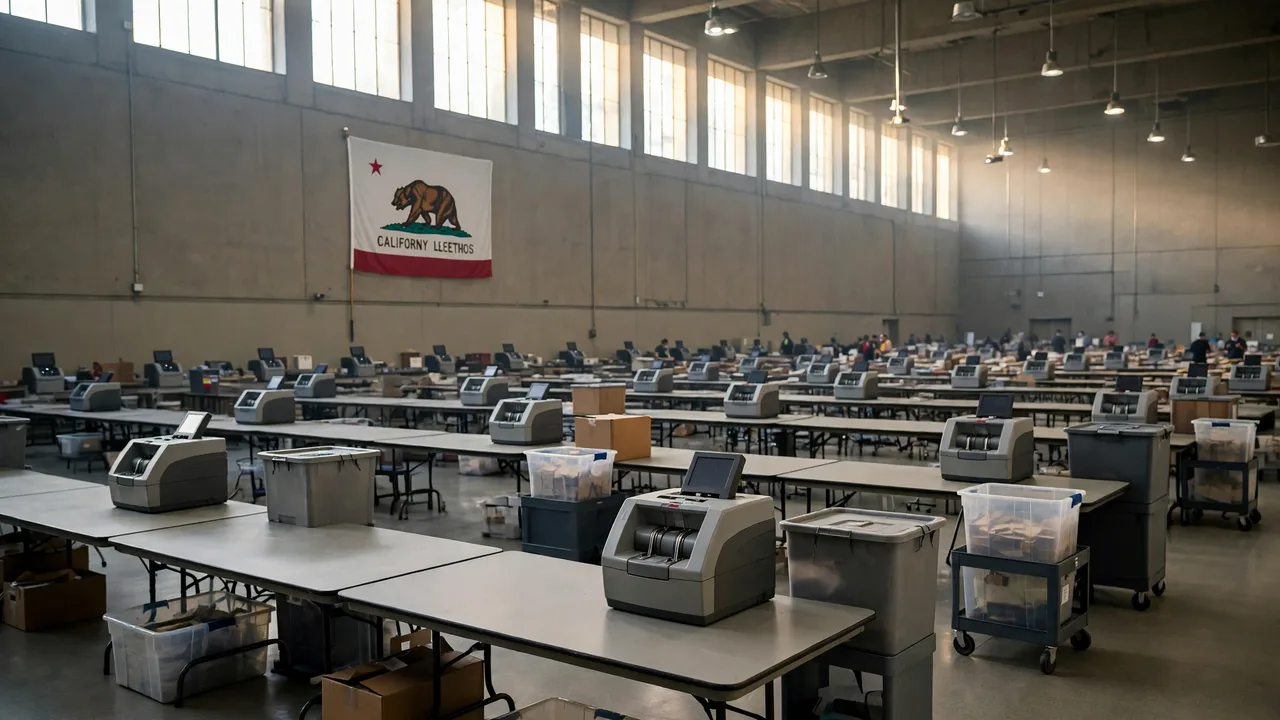
California has answered the wealth tax question for the rest of the country, at least for this cycle. The Associated Press called Proposition 40 defeated late on Monday, with the measure trailing by about five and a half points. Counting published by the Times put the defeat at 55.6 percent to 44.4 percent with 60 percent of the votes counted, as of Monday, November 9. The proposition would have imposed a one time tax of 5 percent on the net assets of California residents worth more than a billion dollars at the end of this year. No American state taxes wealth in that way. The tax would have reached about 200 people.
The Service Employees International Union, United Healthcare Workers West wrote the measure and spent more than 30 million dollars trying to pass it. The union estimated the tax would raise 100 billion dollars over five years, most of it to replace federal Medicaid money cut by legislation President Trump signed last year, with a tenth going to education and food assistance. Its president, Dave Regan, said on Monday that if lawmakers in Sacramento do not produce a solution to the healthcare cuts, the union will put a billionaire tax back on the ballot in 2028.
The other side spent on a different scale. Billionaires and technology executives poured more than 333 million dollars into Building a Better California, the committee against the tax, about ten times what the yes side raised. Google co founder Sergey Brin spent an estimated 100 million dollars against it. Brin, whose net worth is about 257 billion dollars, said this year that his family fled the socialism of the Soviet Union and that he did not want California to end up in the same place. The law would still have applied to him after his move to Nevada, and his estimated bill came to about 13 billion dollars. Governor Gavin Newsom, who is widely expected to run for president in 2028, said he would vote no.
The defeat leaves the state's next governor with the problem the tax was meant to solve. Democrat Xavier Becerra, who won the governorship last week, inherits a budget built around federal healthcare money that is going away, and a legislature from his own party now split between progressives who campaigned on the tax and moderates who campaigned on the cost of living. The antitax campaign called the measure a reckless experiment conducted on the state's economy with little regard for the harms it would cause. The argument will return. Both sides have now priced it, and the union has named the year.
The second California money question closed the same night. The Associated Press called Proposition 38 passed on Monday evening, with yes votes at 54.2 percent as of November 9. The measure authorises 8.4 billion dollars of bonds for immunology and immunotherapy research, the largest sum for science ever approved by a public vote in the United States. At least 4.2 billion dollars must go to immunology research on cancer, heart disease and Alzheimer's disease, and about half of the bond money is reserved for a single institute chosen under criteria written into the measure. Only one institution, the California Institute for Immunology and Immunotherapy, co founded by Gary Michelson, the philanthropist who wrote the measure, currently meets them. The Legislative Analyst's Office puts the repayment cost at 500 to 600 million dollars a year over about 20 years.
Spotted an error in this story? Email [email protected] and it will be checked against the sources.