
Tuesday 10 November 2026
The ANC falls to 30.76 percent, its worst result since the end of apartheid, and 127 of South Africa's councils are hung
South Africa's Electoral Commission has declared the final results of last week's local elections: the African National Congress took 30.76 percent of the national vote, down from 45.59 percent in 2021, with the Democratic Alliance at 24.64 percent. Of the country's 213 municipalities, 127 have no majority party and face coalition talks inside 14 days. Former president Thabo Mbeki has told the party to turn inward and fight for its survival, and the Sunday Times reported that President Cyril Ramaphosa offered to resign as party leader.
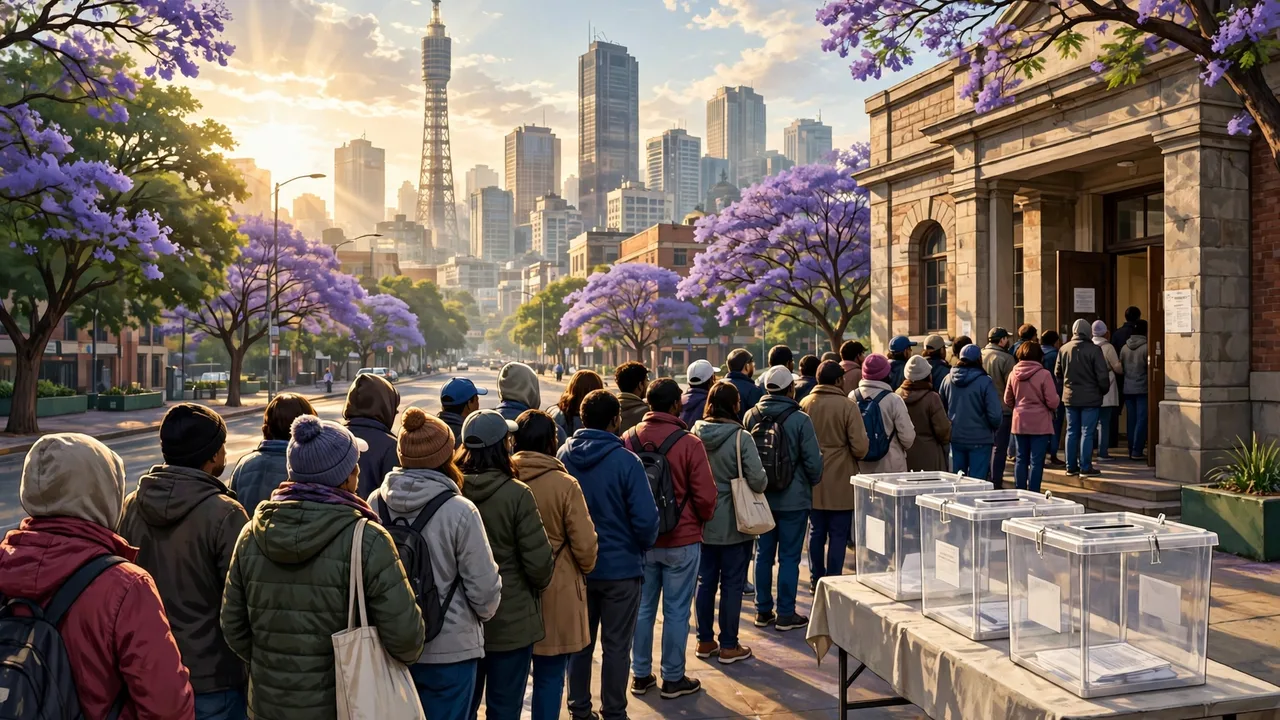
The party of Nelson Mandela has recorded the worst election result in its history. The Electoral Commission declared the 2026 local government elections free and fair on Sunday night and published the final count: the African National Congress won 30.76 percent of the national municipal vote and 3,246 council seats, down from 45.59 percent in 2021. The Democratic Alliance took 24.64 percent and 1,695 seats. Former president Jacob Zuma's uMkhonto weSizwe Party took 9.76 percent and 785 seats, the Economic Freedom Fighters 6.22 percent and ActionSA 5.67 percent. Turnout was 52 percent, up 6.1 points, with about 14.9 million ballots cast from an electorate of 29.2 million registered voters, as of the declared results on November 10.
The map underneath the national figures is worse for the ANC than the headline. The elections covered 10,526 council seats across the eight metropolitan municipalities, 44 district councils and 205 local municipalities. The ANC won outright control of only 53 municipalities, and 127 of the 213 councils are hung, with no party over 50 percent and coalition agreements needed inside 14 days before the councils are constituted. The DA emerged as the largest party in Johannesburg, the economic capital, in Tshwane, which holds Pretoria, in Ekurhuleni and in Nelson Mandela Bay, and kept its majority in Cape Town. The ANC was left as the largest party in only two of the eight metros, Buffalo City and Mangaung. Voters told pollsters for years that corruption and failing local services were driving them away; the count has now priced the complaint.
Inside the party, the language has turned blunt. Secretary General Fikile Mbalula called the result catastrophic. Former president Thabo Mbeki, speaking on a podcast on Monday, urged the ANC to put its institutional survival ahead of holding municipal offices, said the defeat gives the party a chance to confront the failures that drove voters off, and questioned whether the top seven leaders should stay in their posts. The Sunday Times reported that Ramaphosa had offered to resign as ANC president after the setback, citing at least five members of the party's national executive committee; that report is the paper's, and the presidency has not confirmed it. The NEC meets this week to settle the coalition strategy, ahead of the ANC leadership contest due in December 2027 and the next general election in 2029.
The markets read the result the other way. The yield on South Africa's 10 year government bond fell from 8.73 percent on October 30 to about 8.44 percent on Monday, November 9, and held near that level after the results, a move analysts read as investors welcoming a weaker ANC and a stronger DA. The ANC lost its parliamentary majority for the first time in the 2024 national election and has governed since then in a coalition. Wednesday's vote says the decline was not a one off. It is the trend, and every council negotiation in the next two weeks will be conducted in its shadow.
Spotted an error in this story? Email [email protected] and it will be checked against the sources.