
Friday 6 November 2026
Trump says he will soon decide whether to resume all out war on Iran, and Tehran says the Strait of Hormuz stays shut until Washington meets its seven conditions
President Trump met his national security team on Thursday for the first time since the midterms and said he will soon decide whether to order new large scale strikes on Iran, keep tightening economic and naval pressure, or take a negotiated deal. U.S. Central Command has finished preparations to resume major combat operations but has received no order, a U.S. official said. Iran's security chief Mohsen Rezaei, after meeting President Putin in Moscow on Thursday, said Tehran will not reopen the Strait of Hormuz or return to talks until the United States meets seven conditions.
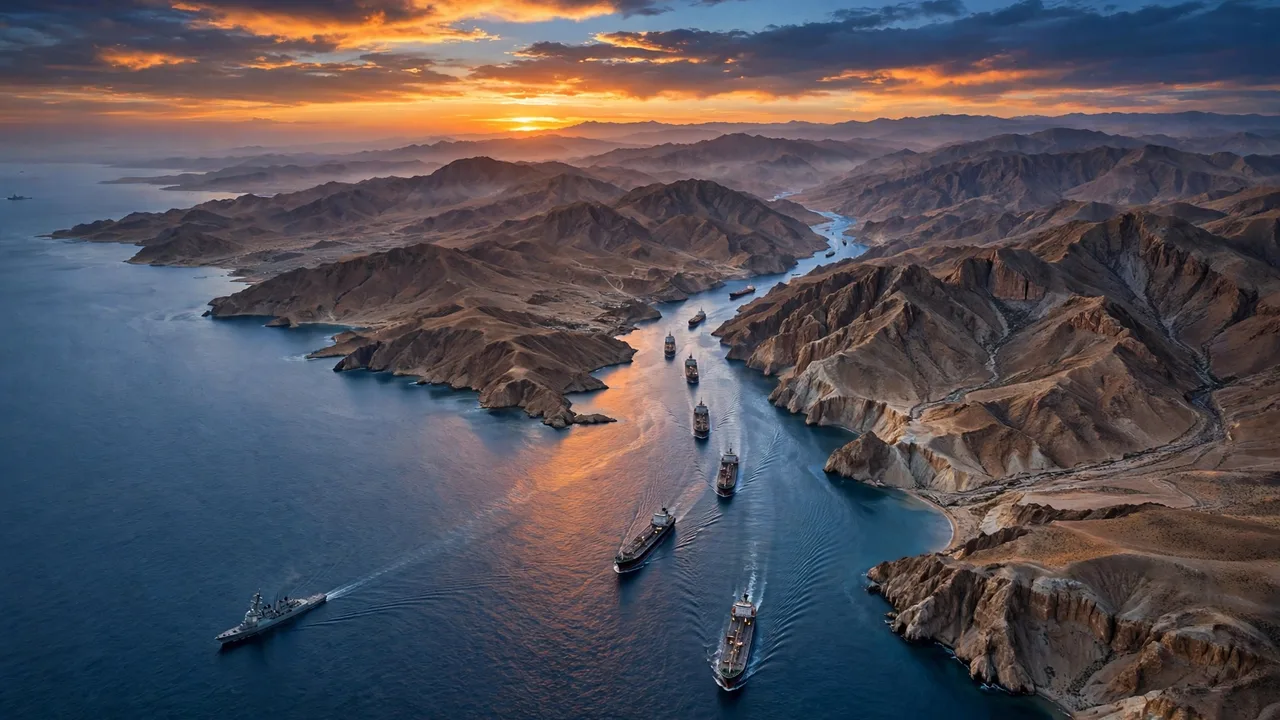
The midterm elections are over, and the Iran decision Trump put off until after them is now in front of him. The president met his national security team on Thursday in their first session on Iran since Tuesday's vote, and he told reporters in the Oval Office that the choice is his to make now. "Now we will make a decision," he said. He put the question as whether the United States wants to go further with strikes to make sure Iran's nuclear program is dead and never comes back. "I would rather not destroy the rest of the country if possible, but maybe I will have to. You'll know soon enough."
Two U.S. officials told Axios the administration is weighing three options: launch new strikes, keep strangling Iran economically through sanctions and the naval blockade, or cut a deal that includes significant concessions to Tehran. U.S. Central Command is finalizing preparations to resume major combat operations if ordered, a U.S. official said, but Washington has issued no new directive. Before the election Trump had ruled out another major round of strikes before November 3. That commitment expired with the vote.
The diplomacy is running on a separate track and it is stuck on sequence. Qatari mediators are discussing a draft two day confidence building proposal with both sides. On the first day the United States would lift its naval blockade and release some of Iran's frozen funds, and Iran would invite International Atomic Energy Agency inspectors back to the bombed nuclear sites. On the second day the Strait of Hormuz would reopen, and nuclear talks would then resume, centered on Iran's stockpile of highly enriched uranium. The New York Times reported on Thursday that Iran is examining specific nuclear proposals delivered through intermediaries after weeks of refusing to negotiate, and Reuters reported that Iran sent a nuclear proposal to the United States through Qatar on Thursday, citing a senior Iranian official.
Tehran's public position is harder than its private movement. Mohsen Rezaei, secretary of Iran's Supreme National Security Council, met President Vladimir Putin at the Kremlin on Thursday and repeated the line afterward: "Until the Americans fulfil our seven conditions, neither will the Strait of Hormuz be opened, nor will there be any negotiations." The conditions reported so far include lifting sanctions, unfreezing Iranian assets, compensating Iran for war damage and ending the naval blockade. Washington has rejected several of them and still demands that Iran's nuclear program be permanently dismantled.
The war has run for eight months, since February. The Pentagon put its cost to taxpayers at 47.1 billion dollars as of October 16. Voters ranked the war and the fuel prices it pushed up among the reasons Republicans lost both chambers on Tuesday, and Trump himself agreed on Wednesday that the war hurt his party. He now has to choose between a war his voters punished and a deal that requires giving Tehran things he has refused to give.
Spotted an error in this story? Email [email protected] and it will be checked against the sources.