
Monday 2 November 2026
Netanyahu presses Trump to strike Iran again right after the midterms, and Trump holds to talks for now
Israeli Prime Minister Benjamin Netanyahu urged President Trump in a phone call on Saturday to resume military strikes on Iran immediately after Tuesday's midterm elections, Axios reported, citing American and Israeli officials. Israeli sources called the call tough and an American source called it direct. Trump later described it as a very good talk and has kept the negotiations running instead. Qatari mediated talks in Doha went into a third day on Sunday with an Iranian proposal to reopen the Strait of Hormuz within two days of Washington meeting Tehran's conditions. Oil markets took the diplomacy over the threats on Monday: West Texas Intermediate crude fell below 100 dollars a barrel in early trading as of November 2.
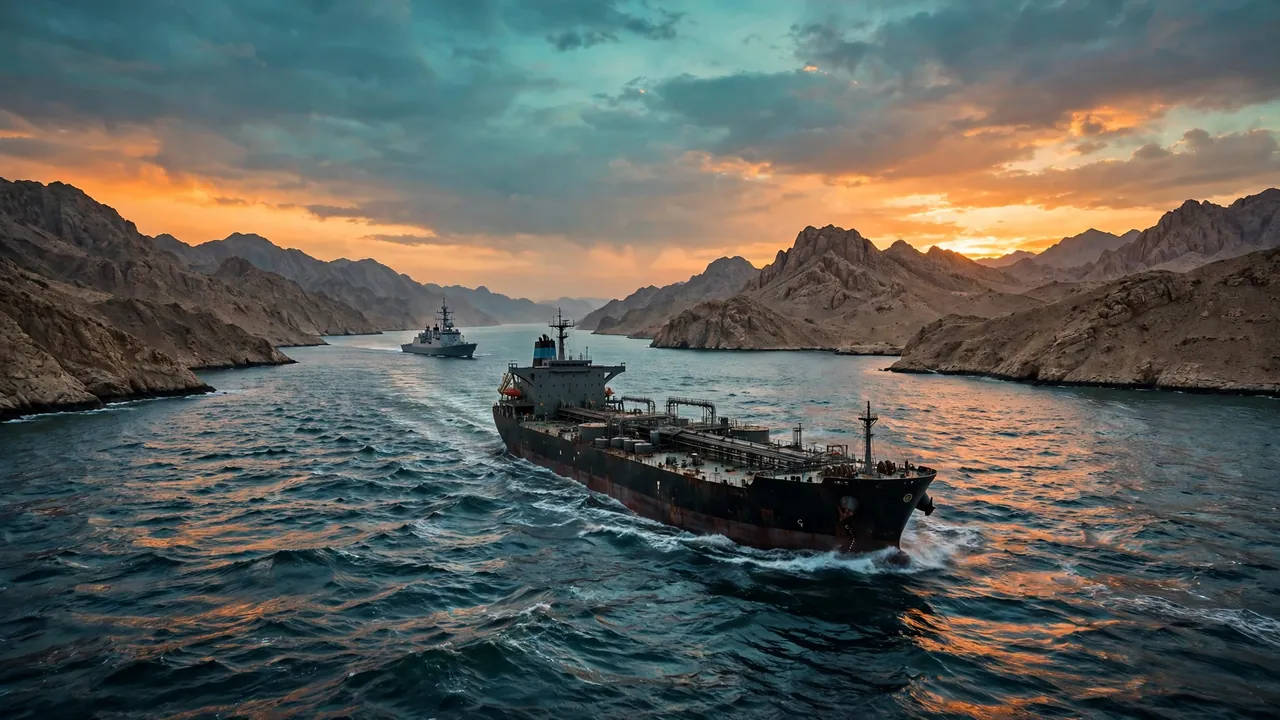
The disagreement is over timing, not over the target. According to the Axios report, Netanyahu pressed for strikes as soon as the American elections are over and argued against giving the Doha talks more time. Trump resisted the timetable. He confirmed the call on Sunday, said Iran was among the subjects discussed, and called it a very good talk. Behind the call sits a week of preparation on the American side: Admiral Brad Cooper, who commands US Central Command, presented the president with options for operations against Iranian targets at the White House on Thursday. Secretary of State Marco Rubio said over the weekend that Trump prefers a negotiated end and has not decided on new strikes. Trump has ruled out fresh strikes before Tuesday's vote, but not after it.
The talks Netanyahu wants to cut short have a concrete offer on the table. Iranian Foreign Minister Abbas Araghchi said the mediators, Qatar and Pakistan among them, had shaped a two day plan out of Iran's earlier seven day proposal: on the first day the United States carries out a set of compliance measures, and on the second day the Strait of Hormuz reopens to normal traffic. Tehran's conditions include sanctions relief, the release of frozen assets, an end to the American naval blockade of Iranian ports and an end to fighting across the region. Iran's foreign ministry spokesman said Monday that indirect exchanges with Washington are continuing. No agreement has been reached, and Washington has not publicly accepted the conditions.
Tehran is negotiating with its forces on alert. Supreme Leader Mojtaba Khamenei ordered the armed forces on Saturday to stay ready to answer any attack, and an army spokesman warned that a new round of fighting could last longer than the war that began on February 28 and could spread beyond the region. Iran has kept striking at shipping in and around the strait while the talks run.
The market read the weekend as diplomacy gaining. Brent crude fell more than 4 percent to about 108.68 dollars a barrel in early Monday trading and WTI fell to about 99.77 dollars, as of November 2. That is a bet, not a settlement. If the talks fail after Tuesday, the same officials who described the call as direct say the president's position could change quickly, and the man asking for the strikes runs a government that just lost its majority at home and needs the war question answered as much as Washington does.
Spotted an error in this story? Email [email protected] and it will be checked against the sources.