Monday 2 November 2026
The Supreme Court refuses to set aside California ballots from 20,000 voters the Justice Department says may not be citizens
The Supreme Court on Monday evening refused the Justice Department's emergency request to force California to set aside ballots cast by 20,000 registered voters the Trump administration alleges may not be citizens. The department filed the request on Monday, the day before the midterm elections, and the court turned it down within hours. No justice publicly dissented. A federal judge in California had rejected the same demand on October 28, and a divided appeals court panel refused it on Friday, citing the rule against changing election procedures on the eve of a vote. California and Los Angeles County argue the federal list is unreliable, and researchers given access to it found that 42 percent of the names do not appear on the state's current voter roll.
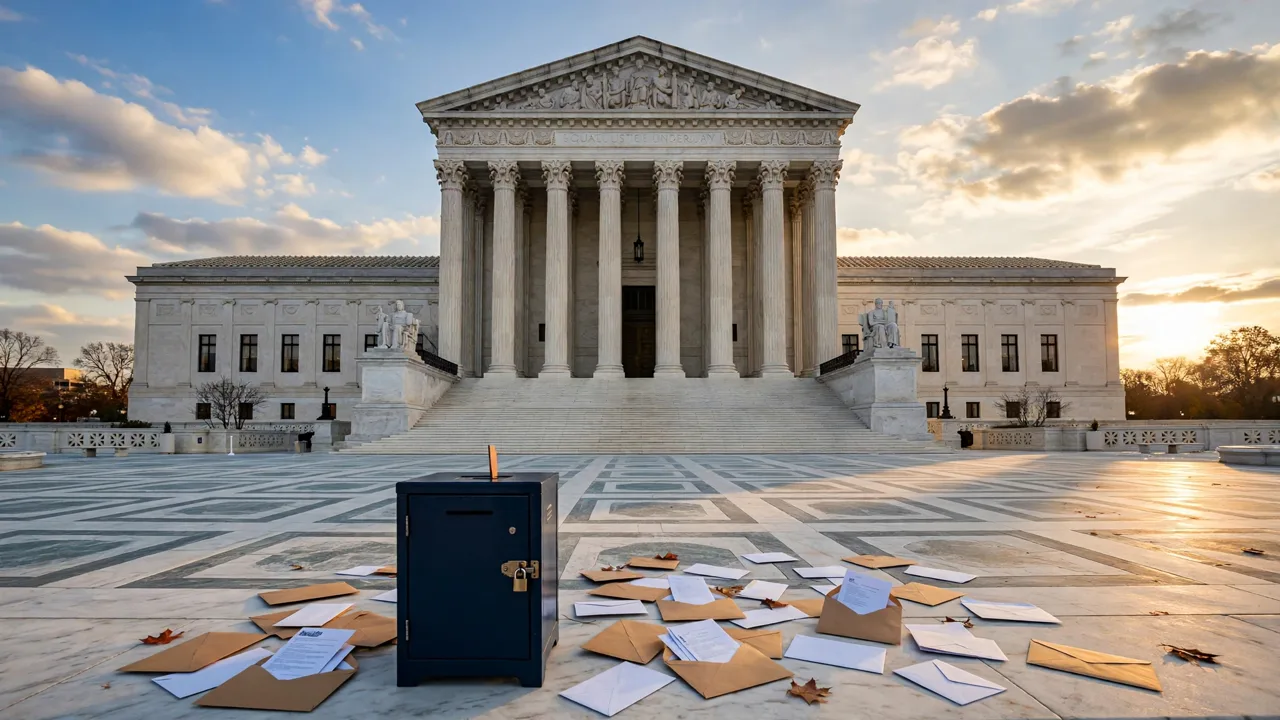
The Justice Department sued California in October, arguing the state is blocking enforcement of the federal law that makes it a crime for noncitizens to vote in federal elections. The department says it has identified 20,000 likely noncitizens on California's voter roll and asked the courts to order their ballots segregated and held uncounted until each voter's citizenship could be verified.
Every court that has heard the request so far has said no. US District Judge David Carter rejected it on October 28. “Never before in American history has the federal government, on the eve of an election, sought to coerce a state and local government to abandon their own Constitutional election procedures and bend to the will of the Executive Branch,” Carter wrote. On Friday a three judge panel of the Ninth Circuit refused the department by two to one. Judges Mark Bennett and Gabriel Sanchez wrote that forcing California to use the list could bar valid votes and jeopardize the Los Angeles County election, and they invoked the Purcell principle, the doctrine that courts should not alter election rules on the eve of an election, along with the Constitution's assignment of election administration to the states. Judge Patrick Bumatay dissented, calling the government's request reasonable. The department then went to the Supreme Court on Monday, and the justices denied the emergency request on Monday evening without a public dissent.
The fight underneath the orders is about the list itself. County election officials say many of the people on it do not hold active registrations and were never mailed ballots, so the number of ballots actually in dispute is likely far smaller than 20,000. Over the weekend, data scientists with the UCLA Voting Rights Project, given access to the list under a court order in a separate lawsuit, reported that 42 percent of the names on the list do not appear on California's current voter roll at all. The department answers that it has not had a full opportunity to prove its list is valid, and that setting the ballots aside in the meantime would preserve both the election and the challenge. The underlying lawsuit continues. Tuesday's ballots in California will be counted under the state's own procedures.
Spotted an error in this story? Email [email protected] and it will be checked against the sources.