
Friday 30 October 2026
A federal judge blocks the Justice Department's bid to set aside 20,000 California ballots, and the government appeals at once
United States District Judge David Carter rejected the Justice Department's emergency request to force California to sequester mail ballots from more than 20,000 registered voters the department says are likely noncitizens. Carter said the last minute request ran against longstanding constitutional principles that leave elections to the states and warned that granting it would wreak havoc. The department filed a notice of appeal the same evening and said it will seek emergency relief from the 9th Circuit, which had already turned down an earlier emergency request in the case by 2 to 1.
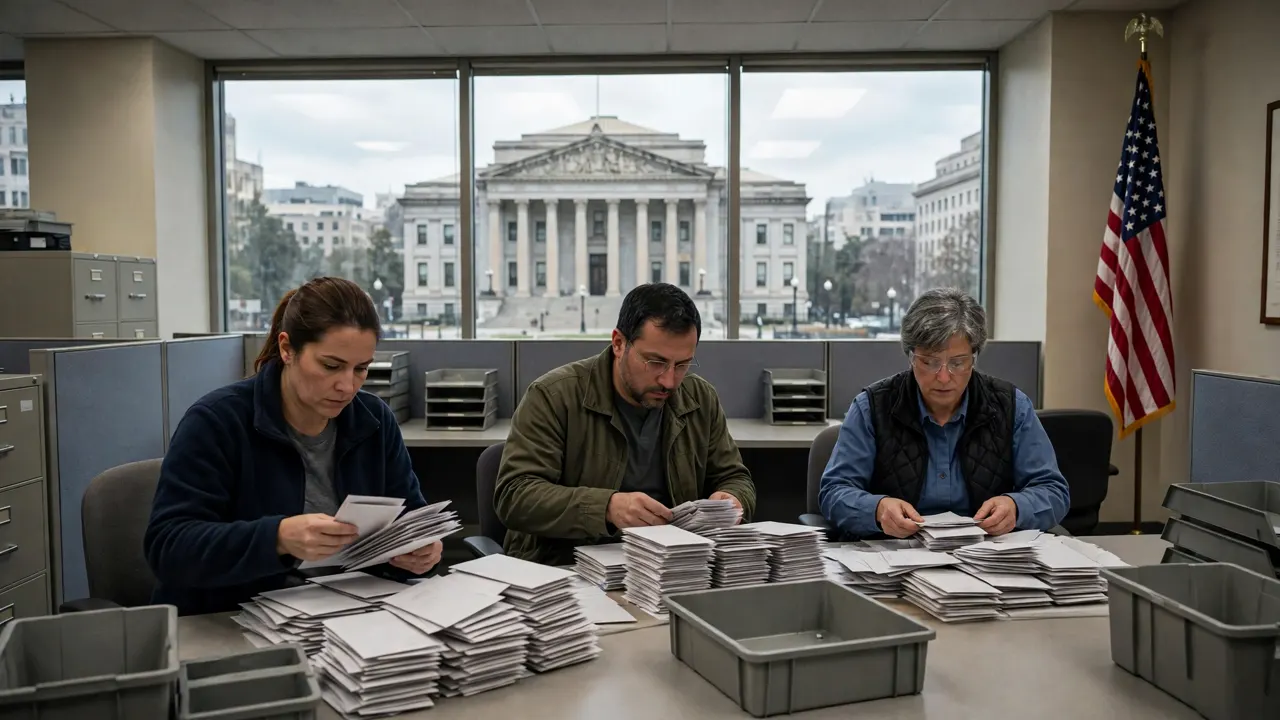
The fight over 20,000 California ballots is now in its second court in a week. On Wednesday, United States District Judge David Carter denied the Justice Department's emergency request for an order forcing California to set aside mail ballots cast by voters the department identifies as likely noncitizens, and to verify their citizenship before any of those ballots are counted.
Carter, who sits in Los Angeles and was appointed by President Bill Clinton, said the request ran afoul of longstanding constitutional principles that give states control over their elections. He warned that a ruling for the government would wreak havoc and could cost thousands of registered voters a right that generations of Americans have fought to preserve. The department did not tell the court how many of the more than 20,000 people it flagged have actually returned a mail ballot.
The lawsuit, filed on October 15, says California failed to meet a 48 hour deadline to review a federal list of alleged noncitizens who were sent mail ballots, built from Citizenship and Immigration Services and Homeland Security Investigations records. Federal law bars noncitizens from voting in federal elections. First Assistant United States Attorney Bill Essayli argues that every day the ballots are processed, American citizens are disenfranchised by dilution, and that once a ballot is processed it can no longer be identified. Judge Patrick Bumatay made the same point in dissent when a 9th Circuit panel rejected the government's earlier emergency appeal on Monday by 2 to 1, on the ground that the department had not given the district court an adequate chance to rule first.
Essayli announced on Wednesday evening that the Solicitor General had authorized an immediate appeal. The department filed its notice of appeal and said it will seek an emergency order from the 9th Circuit. California officials say the state's safeguards against noncitizen voting are robust.
The case arrives four days before the November 3 midterms, with control of both houses of Congress in play. It also sits inside a wider federal push on California voting. Prosecutors have recently charged 28 people in related cases, and in Nevada four noncitizens have been charged in the past week with voting illegally in the 2022 and 2024 elections. Whether the 9th Circuit moves before Election Day will decide whether the disputed ballots stay in the normal stream or are pulled aside while the courts argue.
Spotted an error in this story? Email [email protected] and it will be checked against the sources.