
Sunday, 11 October 2026
Trump declares an immediate energy ceasefire in the Russia Ukraine war; Kyiv says it was news to them
President Trump declared an immediate energy ceasefire in the Russia Ukraine war on Truth Social, claiming both sides agreed; Kyiv said the announcement was news to it, Moscow has not confirmed, and a bipartisan group of senators called his new Russian diesel deal illegal.
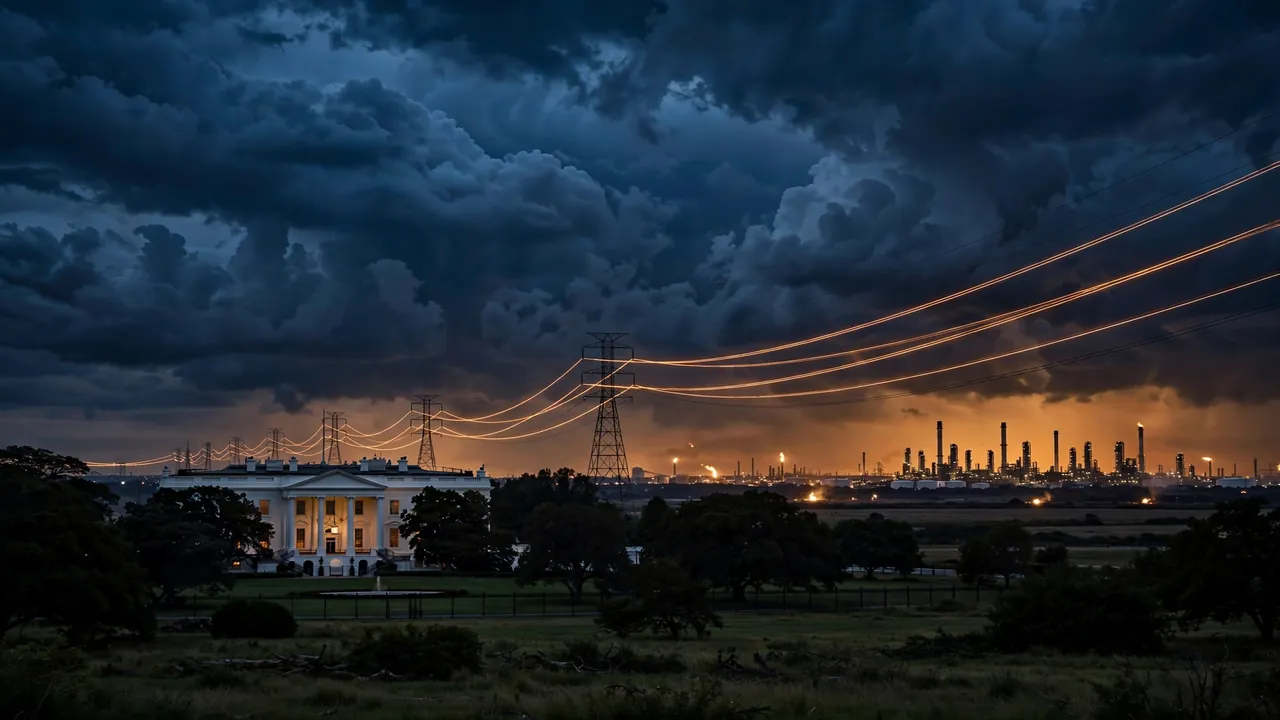
President Donald Trump announced Sunday morning that Russia and Ukraine had agreed to an immediate halt to strikes on each other's energy infrastructure, declaring the deal in a Truth Social post that caught Kyiv off guard. "Effective immediately, there is an ENERGY CEASEFIRE in the War between Russia and Ukraine. Both parties have agreed. Do not break it!" Trump wrote. The White House repeated the announcement on X about twenty minutes later.
Trump did not say when the truce was agreed, which facilities it covered, how long it would last, or how anyone would monitor it. Within hours the announcement was wobbling. Ukrainian President Volodymyr Zelensky told Axios the news had come as a surprise. "The ceasefire announcement was news to me," he said. A senior Ukrainian official told the Kyiv Independent that Kyiv had no information about any arrangement and doubted Russia had even been informed. Another Ukrainian official put it bluntly to CNN: "We just read it as you did."
Moments after the post, Kyiv accused Russia of attacking the capital's electricity grid. Mayor Vitali Klitschko said the city's water and power grid remained under attack. "The enemy continues to attack energy infrastructure," he said. Moscow issued no confirmation of any agreement. The Kremlin has rebuffed such proposals before; the Financial Times reported in September that President Vladimir Putin wanted to keep striking Ukrainian energy sites through the winter to pressure Kyiv toward concessions.
Zelensky was quick to say Ukraine would honor a real deal. He wrote on X that he had spoken with Canada's Mark Carney, Finland's Alexander Stubb and NATO Secretary General Mark Rutte about the announcement. "Ukraine supports the ceasefire, and it is important that Russia support it as well," he posted. "We are awaiting details from the American side. For our part, Ukraine always FULLY supports steps toward de escalation, the protection of lives, and the decisions needed to end the war and guarantee lasting peace."
This is not the first time Trump has announced such a truce. He declared a similar energy ceasefire on September 14. It did not hold; both sides kept striking.
The announcement landed in the middle of a sharp public break between Trump and Zelensky. On Saturday Trump said he thought it was time for Ukraine to get a new president and told reporters Zelensky should stop Kyiv's strikes on Russian oil refineries, which the administration blames for pushing American diesel prices to record highs. European officials told the Financial Times that Washington was threatening to block weapons shipments to Ukraine and cut off intelligence sharing unless the refinery strikes stop.
At the center of the row is the diesel arrangement Trump announced Friday. Putin agreed to "immediately supply" more than 300,000 tons of diesel, with another 500,000 tons to follow in November, in return for eased pressure on Russian energy exports. Zelensky condemned the move as a "weak decision" and "an investment in war," and Kyiv was reportedly blindsided when the deal surfaced during talks in Miami.
The diesel deal drew a bipartisan backlash on Capitol Hill on Sunday. Seven senators, four of them Republicans, issued a joint statement calling the plan illegal under the 2022 law that banned Russian energy imports, a law that requires Congress to be consulted. "The United States should not provide Putin with a financial lifeline," the statement said. Separately, Representative Brian Fitzpatrick of Pennsylvania said he would introduce the Ronald Reagan Peace Through Strength Act through a discharge petition to block all Russian oil purchases, with Representative Don Bacon of Nebraska signed on as an original cosponsor.
The politics are driven by fuel prices. AAA put the national average diesel price at $6.28 a gallon on Sunday, against $3.67 a year ago, with the national average gasoline price at $4.36, the highest ever recorded for this time of year. The administration blames the Iran war and Ukraine's refinery strikes; analysts say new Russian supply would likely do little to move prices. The midterm elections are three weeks out, on November 3.
A ceasefire announced by one side, unconfirmed by the other two, is not a ceasefire. It is a public demand dressed as a deal. Declarations are easy and verification is everything, and until Moscow and Kyiv both confirm the terms and the strikes actually stop, this is pressure politics, not peace.
Comments
Loading comments…